

Day: December 14, 2025
An ‘ankle bracelet’ for your car? AZ pushes new tech for serial speeders

Watch out, speed demons — the open road might be getting a little less free.
Arizona, known for its sun-soaked, sprawling highways, may soon become the first state to offer a high-tech alternative for habitual speeders: a “digital ankle bracelet” for your car.
With this new technology, Arizona may be taking the first step toward a future where cars themselves enforce the law.
Lawmakers are considering a bill that would allow drivers at risk of losing their licenses to keep their privileges by installing devices that actively prevent their vehicles from exceeding posted speed limits.
The proposal, spearheaded by Republican state Representative Quang Nguyen, would let drivers voluntarily equip their cars with speed-limiting technology. The system relies on a combination of GPS and cellular signals to determine the legal speed on any given road. Electronics connected to the car’s engine control unit then prevent the vehicle from exceeding that limit, no matter how hard the driver presses the accelerator.
Speed bump
For practical reasons, the technology does include an override mode that permits a temporary 10 mph boost up to three times per month, giving drivers a limited margin to react in emergencies or avoid accidents.
Nguyen estimates the devices would cost around $250 to install, with a daily operating fee of roughly $4. He has been working closely with companies that manufacture the technology, including Smart Start and LifeSafer, to ensure the system is effective and reliable. This makes me wonder if he owns a piece of the company or has stock in the company.
Under the bill, which Nguyen plans to formally introduce when the state legislature reconvenes in January, participation is optional — probably Nguyen’s earlier attempt to make it mandatory was a nonstarter.
Slow lane
Arizona is not alone in exploring this approach. Virginia, Washington State, and Washington, D.C., have already enacted similar laws. In Virginia, courts can require drivers with multiple speeding violations or reckless driving convictions to install electronic speed-limiting devices as an alternative to license suspension. Washington State has adopted a comparable program, giving judges discretion to mandate the technology for repeat offenders while monitoring compliance.
In Washington D.C., the program is more limited but aims to reduce repeat speeding among drivers with multiple moving violations. Meanwhile, Wisconsin is currently considering similar legislation.
These programs highlight a growing trend: Rather than grounding drivers entirely, some states are experimenting with technology as a way to enforce safe driving without taking away mobility. Proponents argue that these devices could prevent serious accidents while still allowing drivers to maintain employment, care for families, and perform other essential daily tasks. The technology also provides courts with a tangible tool to ensure compliance, rather than relying solely on citations and license suspensions.
RELATED: Spinning out at Discount Tire’s Treadwell test track
 Discount Tire
Machine learning
However, critics remain cautious. Some transportation and safety experts question whether the technology is advanced enough to accurately detect all posted speed limits. GPS mapping errors, temporary speed changes in construction zones, or malfunctioning sensors could cause a car to slow unexpectedly or fail to limit speed when needed, creating new safety risks. Privacy advocates also worry about how these devices track and store location data, raising concerns about government overreach or potential misuse.
From a practical standpoint, the legislation raises fundamental questions about the balance between personal responsibility and technological enforcement. Supporters argue it offers a lifeline to drivers who repeatedly violate speed laws but are otherwise safe, while critics maintain that it may encourage riskier behavior by transferring accountability from the individual to the machine.
There’s also the question of fairness. Not all drivers have access to new technology or the financial resources to participate in a program that charges daily operating fees. While $4 per day may seem modest, over a month or a year, it could be prohibitive for some families, effectively limiting the program to more affluent drivers. Additionally, the optional nature of the program could create inconsistencies across jurisdictions, leaving some habitual offenders unmonitored while others are under constant technological supervision.
Whether the measure passes will depend not only on lawmakers’ assessment of safety and effectiveness but also on public perception. Speeding remains the most common moving violation in the United States, and habitual offenders are a persistent concern for states nationwide. With this new technology, Arizona may be taking the first step toward a future where cars themselves enforce the law — but whether that future is practical, safe, or desirable remains up for debate.
At the very least, it’s a bold experiment in road safety and personal responsibility, one that could reshape the way states think about controlling speed without grounding drivers entirely. As the legislature prepares to weigh the bill, motorists, safety experts, and privacy advocates alike will be watching closely, asking the same question: Can a car truly keep its driver out of trouble, or is this just another way to shift accountability from human judgment to technology?
We all want healthy lunches for our kids — so why the partisan food fight?
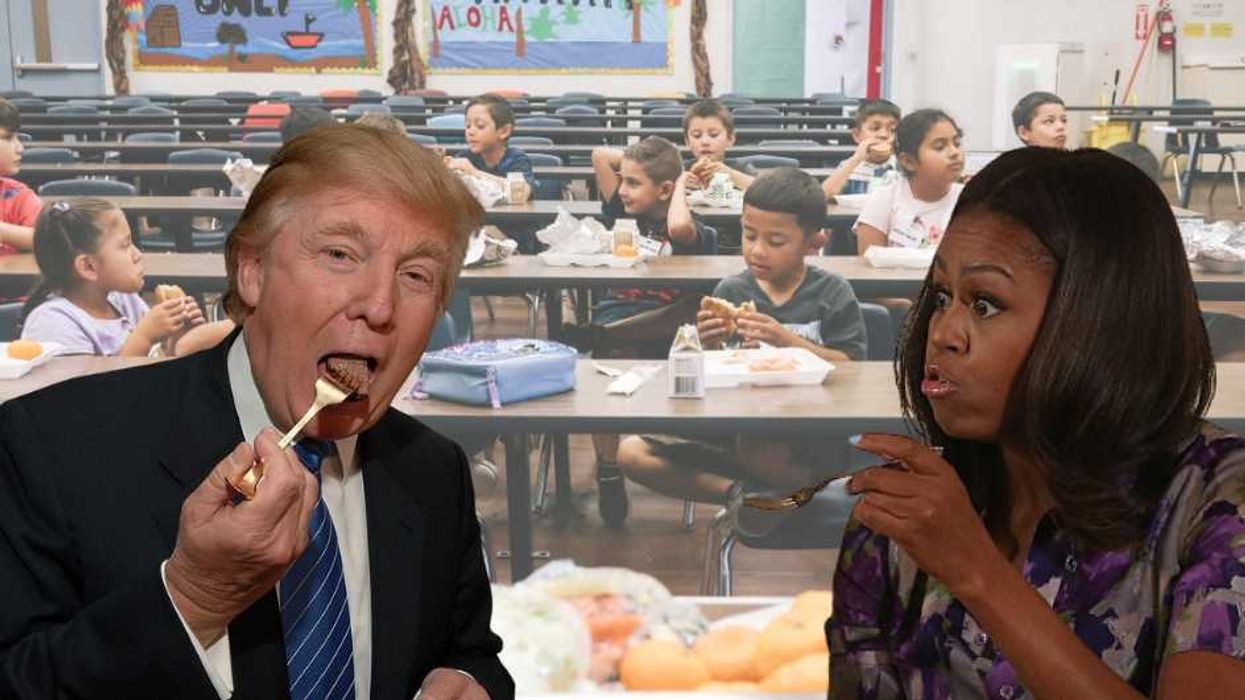
The government shouldn’t be in the business of buying junk food for school children.
Of all the positions splitting Americans today, you wouldn’t expect this one to be controversial. And yet this is the plate we’ve been served.
Each side accuses the other of not caring about disadvantaged children — while both sides insist that no one should dictate what counts as ‘healthy’ food.
The Healthy SNAP Act of 2025 is currently awaiting action in the Senate Agriculture Committee, where it has sat since Sen. Mike Lee (R-Utah) introduced it in February, with no markup or vote scheduled.
Even so, the bill — now championed by Republicans — has revived a familiar argument: Who should decide what children eat, and why do voters reverse their positions depending on which party proposes the rules?
Lunch lady
President Obama enacted his wife’s Healthy, Hunger-Free Kids Act in 2010 with the stated goal of providing USDA-approved nutritious meals to school children and combating childhood hunger and obesity. Michelle Obama advocated for children to have access to more vegetables, fruit, whole grains, and milk — and less sugary soda and junk food — which she claimed were especially hurting impoverished children.
“Think about why someone is OK with your kids eating crap,” she said at the time. “Because here is the secret — if someone is doing that, they don’t care about your kid.”
Conservatives pushed back, suspecting Mrs. Obama of ulterior motives and calling the law an instance of government overreach. Whose business was it what children ate? Surely not the first lady’s.
There was a lot of fear (or hope) that when Trump got into office, he would overturn all that the Obamas had done and “simplify” the lunch menu.
No (burger) kings
The new president did not disappoint. Throughout his first term, President Trump steadily rolled back Obama-era school-nutrition standards. The USDA first relaxed rules on whole grains, sodium, and flavored milk in 2017 and finalized those changes in 2018. In early 2020, it proposed further revisions to ease fruit and vegetable requirements and expand options like pizza and burgers, drawing renewed national scrutiny.
Those efforts were partially blocked in court, and the underlying Healthy, Hunger-Free Kids Act remained intact. But the political terrain shifted over the next few years: Rising concern about obesity and chronic disease, new dietary-guideline updates, and state-level experiments with SNAP restrictions created an opening for conservatives to reframe nutrition policy as a matter of fiscal responsibility and public health rather than federal overreach.
Menu change
Fast-forward to 2025, and the same movement that once dismissed “nanny-state” lunch rules now promotes the Healthy SNAP Act — an initiative that mirrors Michelle Obama’s nutrition goals almost point for point.
All that’s changed is the politician behind the policy. That alone seems to be enough to flip public opinion. Voters who once said junk food was victimizing impoverished children now attack nearly identical proposals coming from the Trump administration.
The Healthy SNAP Act of 2025 would bar SNAP benefits from being used for the very same foods Michelle Obama targeted in 2010. According to Congress.gov, SNAP recipients would not be able to use benefits for “soft drinks, candy, ice cream, or prepared desserts, such as cakes, pies, cookies, or similar products.”
RELATED: $500 million in SNAP funds is reportedly spent on fast food because of state program
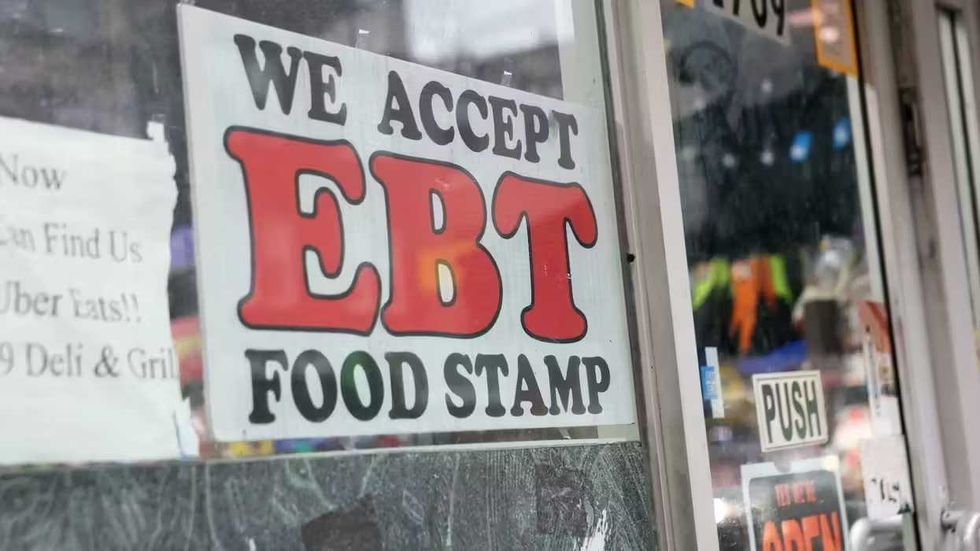 Photo by Michael M. Santiago/Getty Images
Where’s the beef?
Foods purchased with SNAP would have to meet nutritional standards based on sugar, fat, and salt content. In structure, the bill is strikingly similar to the Obama-era reforms. The only real difference is whose name is on it.
The same people who supported Michelle Obama’s restrictions now vehemently oppose nearly identical measures from Trump. Meanwhile those who once denounced government interference now applaud the idea when framed as a conservative reform. Each side accuses the other of not caring about poor children — while both sides insist that no one should dictate what counts as “healthy” food, unless their politician is doing the dictating. Party comes first, safety second, liberty somewhere further down the list.
Some liberals now argue that children deserve a treat — that SNAP should not limit junk-food purchases at all. But SNAP has always been regulated. In most states, fast food, hot deli meals, vitamins, alcohol, and tobacco have long been prohibited. WIC is even more restrictive to ensure mothers receive high-quality, protein-rich foods.
SNAP decision
Government aid will always come with rules. Whether it should include “treats” is a matter of personal philosophy. SNAP already provides incentives to buy fresh produce at farmers markets. Families can still make simple desserts within existing guidelines.
And any parent can spend a dollar on an occasional donut or soda if that is truly important to them — while still ensuring that children have reliable access to nutritious meals funded by taxpayers, who can rest easier at night knowing we are ensuring a better future for children.
Reasonable readers at this point should be asking themselves what they, as voters, really care about when it comes to policies like this. Would any of this be a discussion if voters thought less about who was in office? We all should be asking ourselves what it is we truly value and act accordingly.
Sen. Rand Paul (R-Ky.) — who in March introduced a similar, and in some respects even broader, bill of his own — put it this way:
“It makes no sense that taxpayer dollars are being used to fund an epidemic of obesity and diet-related illness in low-income communities. My bill ensures that this assistance program actually supports health and wellness, not chronic disease.”
His words sound eerily interchangeable with what Michelle Obama was saying 15 years ago. It makes one wonder if perhaps we don’t need to bicker over politics as much as we do. Maybe our differences aren’t as pronounced as we think — at least when it comes to the health of American children.
Two people killed in Brown University shooting –mayor
Two people were killed on Saturday and eight were critically injured in a shooting at Brown University, the mayor of Providence, Rhode Island said.
Fire breaks out in residential area in Makati

A fire hit a residential area in Barangay San Isidro, Makati City before dawn on Sunday.
Use UN anti-corruption arm vs Zaldy Co, gov’t urged
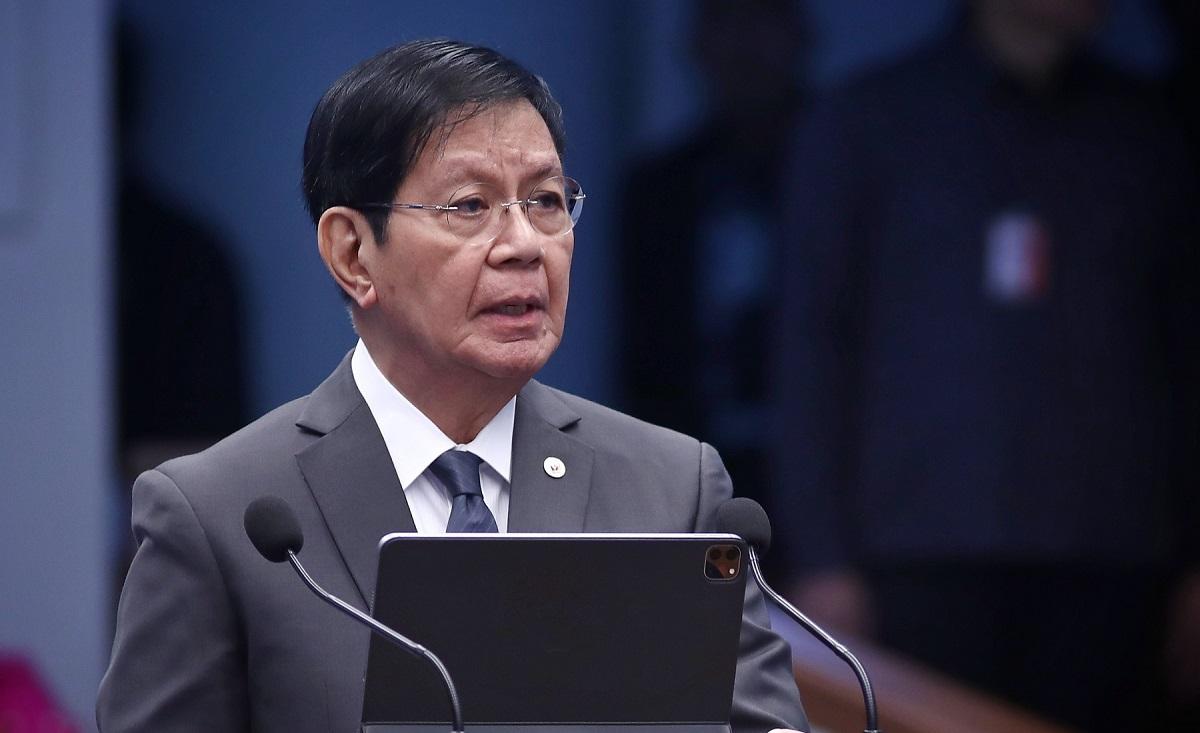
The Philippine government could consider leveraging a 2003 United Nations anti-corruption convention to help locate and apprehend fugitive former Rep. Elizaldy Co, Senate President Pro Tempore Panfilo “Ping” M. Lacson said Saturday.
Adrien Grenier calls out ‘woke liberal college kids’ trying to tell farmers how to do their jobs
“Entourage” star Adrian Grenier discusses his transition from Hollywood to sustainable farming, defending agricultural practices and environmental advocacy.
At least 2 dead, 8 in critical condition after mass shooting at Brown University
At least two people are dead and eight others are in critical condition after a mass shooting at Brown University.
One person killed after U-Haul truck explodes in Idaho retail shopping center parking lot
One dead after U-Haul truck explodes outside Old Navy in Idaho. Blast damages nearby businesses as multiple agencies respond to Saturday incident.
Protests erupt outside Army-Navy game amid Trump’s attendance
Protesters gathered in Baltimore as President Donald Trump attended the Army-Navy game, while two U.S. soldiers were killed in a Syria attack the same day.





