

Category: Lifestyle
‘Sugar-free’ scam: How scapegoating a pantry staple is ruining our health
Sugar has had a terrible few decades in public relations. Which is rich, considering sugar never hired a publicist or lobbied for its inclusion in 37 varieties of salad dressing.
Sugar was simply sitting there, being a carbohydrate, when an entire industry decided it made a more convenient villain than portion size, impulse control, or the more uncomfortable question of why a gas station sells a beverage the size of a toddler.
Fat was the villain in 1990. Americans loaded up on SnackWell’s cookies and ate them by the sleeve.
Somewhere between the obesity panic of the 2000s and the clean-eating obsession of the 2010s, sucrose transformed from a pantry staple into a health and wellness villain on par with cigarettes and sloth.
Sugar, sugar
The human body runs on glucose. Your brain needs it. Your muscles prefer it. Sugarcane has been sweetening drinks in South Asia since roughly 350 A.D., and somehow humanity survived long enough to argue about it on social media.
The problem was never the molecule but the amount — 22 teaspoons a day, the American average, poured mostly into beverages people didn’t even register as meals. A single large fountain soda contains 17. A flavored coffee drink from any chain you can name contains more than that and comes with a cheerful barista who will spell your name wrong on the cup while handing you what is essentially a dessert with a lid.
That is a dosage problem. It got rebranded as a chemistry problem, and that rebranding sold a lot of diet soda.
Gut check
I learned this the hard way, via my own stomach. For about two years I swapped sugar for artificial sweeteners with the confidence of someone who had done exactly one Google search. Sucralose (commonly sold as Splenda) in my coffee. Stevia in everything else. The occasional sugar-free chocolate that tasted like sweetened cardboard, which I ate anyway, because suffering voluntarily is how adults signal virtue.
I was, by all the metrics I had invented for myself, being responsible. Then I started feeling bloated roughly 40 minutes after every meal — a persistent, uncomfortable fullness that no amount of walking around the block seemed to fix. And then came a specific, percussive kind of digestive discomfort that I will describe only as “audible.” My fiancée noticed. I blamed the dog.
I cut the sweeteners on a Friday. By Sunday, the situation had resolved itself completely. The bowel-induced thunder had passed, the barometric pressure had normalized, and my fiancée stopped sleeping with the window open.
Metabolic mayhem
It turns out that I was ahead of the research for once in my life. A recent study examining the biological effects of common artificial sweeteners — sucralose and stevia, specifically — found that even quantities comparable to everyday human consumption altered gut microbiome composition in measurable ways.
The gut houses roughly 39 trillion microorganisms, meaning it contains more bacterial cells than human cells, a fact that raises serious questions about who, exactly, is running things. It regulates metabolism, modulates immune response, produces neurotransmitters, and sends chemical signals to the brain, influencing mood and appetite. The body is less a person than a committee, and the committee has opinions about your sweetener choices.
Disrupt the ecosystem, and you get disrupted systems downstream. The researchers found that beneficial compounds helping maintain metabolic health declined in subjects exposed to these sweeteners. In plain terms, the body became measurably worse at handling sugar, and it had not consumed any sugar to arrive there. The sweetener had taught the body a new dysfunction without any of the calories required to earn it.
RELATED: Save your brain: Eat more meat
 Bettman/Getty Images
Sweet surrender
The findings on sucralose were particularly persistent. Researchers observed that its effects on gut bacteria and gene activity carried across multiple generations in animal studies. Offspring who had never consumed sucralose showed early signs of impaired glucose regulation — their bodies struggling with sugar metabolism as an inherited consequence of a parent’s diet.
This is epigeneticism: the transmission of acquired biological traits through changes in gene expression rather than DNA sequence. Stevia’s impacts were detectable but short-lived, fading rather than compounding. Neither result fits the marketing promise of a neutral, calorie-free pleasure. Both suggest that the quest to outsmart biology with chemistry has, predictably, run into biology itself.
Americans consume artificial sweeteners at scale. They are in diet drinks, protein bars, flavored yogurts, chewing gum, children’s vitamins, and roughly half the products shelved in the “healthy” aisle of any grocery store. Meanwhile, rates of obesity, insulin resistance, and metabolic disorders remain stubbornly high — exactly the conditions these products were engineered to help prevent. The sweeteners are not the sole explanation. But the idea that they carry zero metabolic consequences is no longer a position the evidence supports, and it was probably never as solid as the packaging implied.
The M-word
None of this requires burning your Splenda packets in the back yard, but the broader pattern is familiar enough to be dispiriting. Fat was the villain in 1990. Americans loaded up on SnackWell’s cookies — fat-free, proudly labeled, stuffed with sugar — and ate them by the sleeve because the math seemed to check out. Sugar became the villain in 2010. Americans loaded up on artificially sweetened alternatives and called it progress.
The villain rotates on a roughly 20-year cycle. The processed food industry introduces the replacement, funds the science that endorses it, and collects the revenue while researchers spend the next decade figuring out what went wrong. Then a new villain is identified, a new replacement is launched, and somewhere a marketing team opens a bottle of champagne that probably contains aspartame.
The answer to every panic in that cycle was always moderation, a word so aggressively boring that it apparently requires a global dietary crisis every 10 years to get anyone’s attention. It also means reframing what sugar actually is: not a poison to be eliminated but a pleasure to be savored, like good whiskey or compliments from your father. Save it for a nice piece of cake, a well-made dessert, the occasional spoon of honey stirred into morning tea with the uncomplicated satisfaction of someone who has stopped reading the label.
Why the Supreme Court nuked Colorado’s ‘Must Stay Gay’ law (and what to expect next)
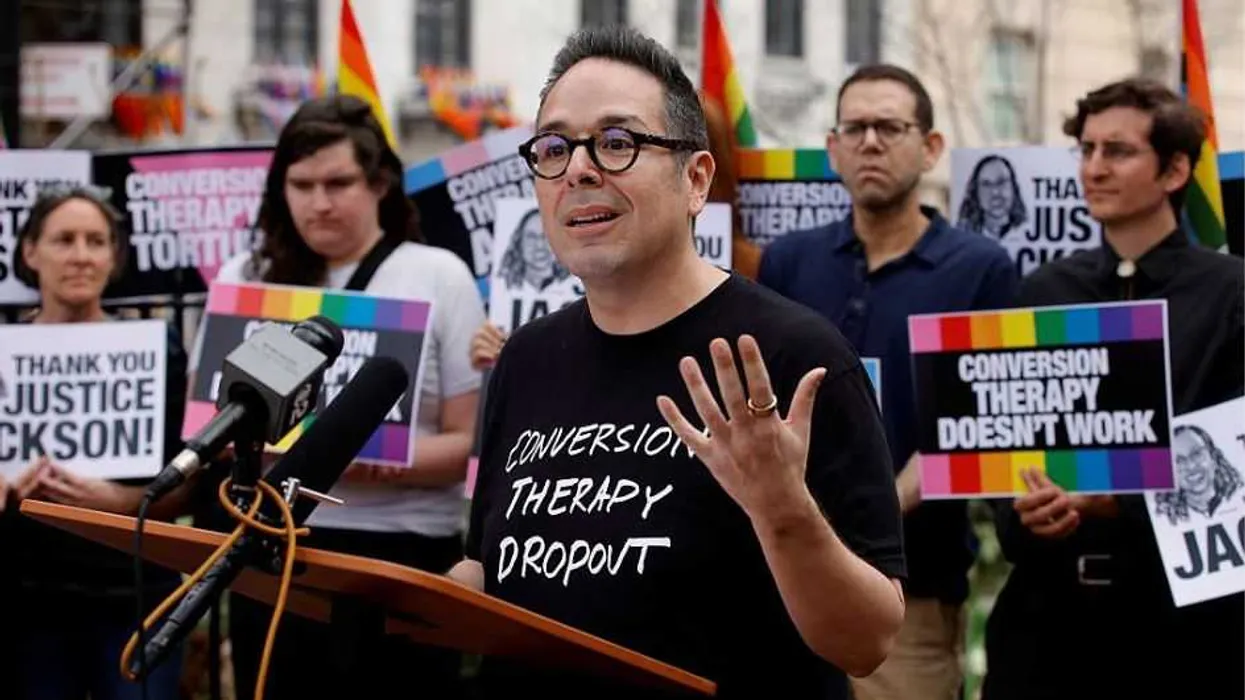
Colorado’s ban of so-called “conversion therapy” has finally been exposed for what it really is: an attack on free speech.
In the recent decision Chiles v. Salazar, the Supreme Court ruled 8-1 that Colorado had violated the First Amendment by censoring the free speech of psychological professionals in the name of banning “conversion therapy.”
Constitutional rebukes by courts are routinely treated like speed bumps by social engineers.
That’s a grab-bag term invented by activists to demonize traditional counseling aimed at helping patients pursue happiness as they see fit.
Cruel denial
In fact, Colorado’s “Must Stay Gay” law didn’t restrict — as its advocates claimed — cruel or coercive treatments. Instead the law prohibited therapists from serving clients who sought help in diminishing unwanted sexual compulsions.
For instance, imagine a married dad struggling with temptations to commit adultery with young, even underage, males. Or consider a sexual abuse victim suffering from gender dysphoria who wishes to accept her physical sex instead of submitting to disfiguring, sterilizing surgery and a lifetime of dangerous hormones.
The LGBTQ lobby pushed hard for this law, akin to an equally draconian ban in California, falsely claiming that any therapy aimed at altering sexual feelings was “unscientific” and “harmful.”
‘Changed’ for the better
My own organization, the Ruth Institute, filed a detailed amicus curiae debunking such claims, citing published studies by eminent professionals showing that talk therapy with willing clients is often beneficial and virtually never harmful. People do successfully change their patterns of sexual attraction and behavior, with or without therapy.
The Changed Movement collects their stories. We at the Ruth Institute have interviewed many such people. In fact, objective studies show that there are more “ex-gays” than “gays.” “Must Stay Gay” laws like Colorado’s depend on legislators’ ignorance of such facts.
‘Egregious assault’
But the court didn’t rule on the psychological merits, instead pointing to the more fundamental question of free speech in America. Justice Neil Gorsuch wrote for the majority:
The First Amendment stands as a shield against any effort to enforce orthodoxy in thought or speech,” and any viewpoint-suppression law “represents an ‘egregious’ assault” on the “inalienable right to think and speak freely” and the “free marketplace of ideas.”
Such a robust attachment to free speech and thought is increasingly rare in America and other Western countries. A pastor in Finland just faced trial for an alleged hate crime for writing a pamphlet summarizing historic Christian teaching on sexual morality. A law soon to pass in Canada would punish “offensive” religious speech, even citations of the Bible. We’ve heard prominent figures such as Hillary Clinton call for civil or even criminal cases aimed at citizens who share “misinformation.”
In Britain, dozens of citizens face arrest every day for posting their opinions about immigration and crime. The European Union has fined the platform X (formerly Twitter) $140 million for refusing to suppress political speech that Eurocrats deem unacceptable.
RELATED: How we help ‘gay’ men and women ‘Leave Pride Behind’
 ruthinstitute.org
Politically enforced orthodoxy
Why have so many, especially among our elites, endorsed censorship and even government-enforced speech? Because so many of their preferred policy positions cannot prevail on the merits in the “free marketplace of ideas,” which Justice Gorsuch rightly defended. These fashionable stances rely on media myths, pseudo-science, and politically enforced orthodoxies.
As I show in my book “The Sexual State: How Elite Ideologies Are Destroying Lives and How the Church Was Right All Along,” the only way for an untenable worldview to prevail is by massive amounts of force and propaganda. The campaign against change-allowing therapy meets both objectives. It discredits the very idea of therapy to help reduce unwanted same-sex attraction. And it shuts the door to anyone in the helping professions who doesn’t accept every jot and tittle of the sexual revolution’s shifting party line.
Those who hold traditional Christian ethical values must be driven out of the therapy business. There must be nowhere for sexually confused or traumatized people to go, except to those convinced that there are 47 human genders, that gay people are “born that way,” that sexual orientation is fixed and immutable while gender is a shifting social construct.
None of that is supported by the evidence, but it’s sold to the public and low-information legislators as the “verdict of science.”
A brick in the wall
The victory for therapeutic freedom and the First Amendment in Colorado is welcome pushback against the rule of groupthink. It should invalidate laws in other states that constitute “viewpoint discrimination.” One brick has been pulled from the sexual revolutionary Berlin Wall.
But the revolutionaries are already at work looking for workarounds. Constitutional rebukes by courts are routinely treated like speed bumps by social engineers. (Despite SCOTUS’ defense of the Second Amendment, blue-state gun grabbers keep scheming up new ways to undermine this fundamental right.) The very day of the SCOTUS decision, Colorado and California introduced bills to incentivize lawsuits against therapists for alleged “harm” inflicted by “conversion therapy.”
The freedom of your neighbors to the therapy of their choice is still not safe. Despite this important victory at the U.S. Supreme Court, the battle isn’t over.
The return of Drag Queen Story Hour?

I was at my local library recently when I saw something odd on the bulletin board. It looked like a poster for a Drag Queen Story Hour.
They can’t be doing that again? I thought to myself.
Much of drag comedy focuses on the fact that as hard as they try, most men can’t actually pull off impersonating a woman.
In case you don’t remember, Drag Queen Story Hour was one of the most bizarrely inappropriate events ever to appear at your local library.
When these “story hours” first began to proliferate in the late 2010s, the idea of drag queens reading books to very small children set off one of the fiercest battles of the culture wars.
Because it was so transgressive, outrageous, and effective as a way of infuriating the general populace, the proponents of DQSH doubled down on it. They kept pushing it. They founded an NGO. They rammed it down our throats.
 Blake Nelson
Queen’s gambit
The way DQSH worked: Libraries would hire a professional drag queen to read books to children ages 3 to 11. It was presented to the public as a “fun twist” on the idea of a kindly grandmother or librarian reading to the kids.
The drag queens they hired were adult men from the local area, men who were otherwise employed performing “drag shows” at nightclubs, bars, and private events.
These men dressed up like women — more specifically, super-sexualized women (prostitutes). Then they went on stage and told raunchy stories and sexually explicit jokes. Sometimes they sang songs and did pratfalls, all of which were of a sexual nature.
The understanding was that a drag show would feature explicit sexual content. Which is why they were performed in 21-and-over establishments.
That is, until Drag Queen Story Hour came along. And someone decided that drag queens belonged in libraries, reading to children.
Live, love, laugh
Part of the appeal of drag queens is the humorous sight of a chubby, stubbly, middle-aged man wearing lipstick, mascara, and gigantic false eyelashes. Much of drag comedy focuses on the fact that as hard as they try, most men can’t actually pull off impersonating a woman. And the results of their clumsy failures are often very funny.
Drag shows — or something like them — have appeared in many cultures throughout history. The humor of men pretending to be women is universal. Everyone finds those situations funny.
Everyone, that is, except for 4-year-olds, who might not understand this style of humor just yet. And don’t need to.
The fact is that it would be hard to predict how a small child would react to a professional drag queen in person.
Oh, sure, a child who has been coached and prepped by a progressive parent might enjoy it. But your average child? Especially those under the age of 6? They might be traumatized.
And then doubly so when the adults they usually trust (parents, teachers, librarians) tell them not to be afraid, that it is wrong to feel uncomfortable, that if they have any negative feelings whatsoever about “Miss Wiggles” — who is 6’2″, wearing ghoulish makeup, and pretending to be a woman — they are committing a grave moral sin.
Some small children are frightened by the sight of their own parents dressed up in Halloween costumes. Think of what an encounter with “Sashay D. Lite” might do to them.
RELATED: My search for America’s last decent public libraries
 Joe McNally/Getty Images
Properly checked and vetted
Some conservatives raised the issue that some of these performers might be predators of some kind.
This was met with attacks and smears that conservatives were homophobic, transphobic bigots, hatemongers, etc. Besides, all the drag queens would, of course, be thoroughly screened and vetted.
And yet at a Houston library in 2019, one of the drag queens reading stories to children was found to be a registered child sex offender.
So except for that guy. Everyone else had been properly checked and vetted.
Culture war, wins and losses
Looking back at the original battle over Drag Queen Story Hour … who actually won?
In my mind, the general public did. Obviously a large majority of people believed DQSH was a bad idea. And the libraries stopped doing it.
But here I was, in my local library, staring at a poster with a Pride flag. And a drag queen. With the words Story Hour on it.
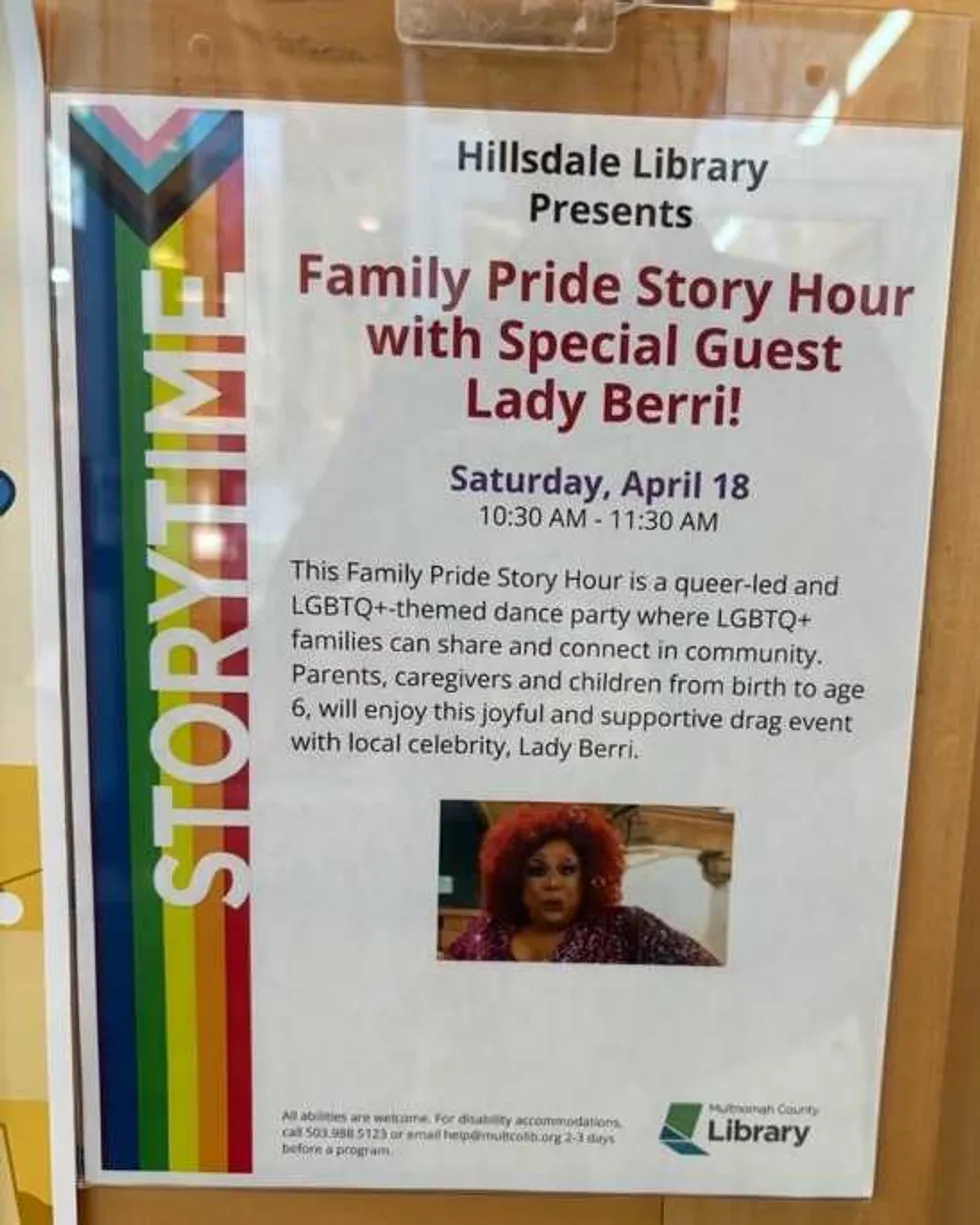
Looking closer, I saw they had changed the name. Now it was called Family Pride Story Hour. It would be specifically for LGBTQ families. A drag queen would be reading the stories. And then there would be a dance.
The suggested age for children attending? “Birth to six years old.”
No rest for the wicked
Ahhh. Those sneaky leftists. They couldn’t let this go. Subjecting infant children to the most grotesque adults they could find was too good a strategy to abandon.
What better way to divide and conquer? To confound and demoralize? They want us to fight over the drag queens again!
My advice is: Don’t do it. Don’t give them what they want. Talk to your librarians ahead of time. Talk to your library’s supervisor.
But be aware: If Family Pride Story Hour is coming to my town, it might well be coming to yours.
Ode to a 1984 Buick Skylark — and to all the other cars of my life

America is a nation of cars.
Those hunks of metal on four rubber tires are our lifelines. They are how we go to work, go home, go out to eat, go on vacation, and go just about everywhere and anywhere. When we are just a few days old, we come home from the hospital in one, and on our way out, we head to the grave in a hearse.
I bought it for $450 from a friend who was moving to New York City. It was cream with a plush, brown interior.
From birth to death; we live in cars.
We love our cars when they work for us, and we hate them when they don’t. We curse them when they break down, when they don’t start, and when they demand $2,750 for a new computer chip just to get running again.
We even mourn them when they break down once and for all — no matter how much grief they’ve caused us. We become attached to our cars because of course we do. For Americans, they are an inextricable part of life.
1978 Oldsmobile Starfire
And of our history. Cars transport us through space, but also through time — to certain chapters in our lives. A car is a physical reminder of who we were behind that particular wheel.
I remember my first car like we all remember our first car. It’s the first time you are free like an adult even though you are not an adult. You are still very much a stupid kid, but you don’t feel like one in the driver’s seat.
Mine was a 1978 Oldsmobile Starfire. It was light blue, and it was my grandpa’s before it was mine. He “sold” it to me for $1. I loved that car. I felt like I was in an old movie when I was driving down the road. I loved looking at it parked. I loved thinking about the fact it was mine. It was so cool, so retro, so rear-wheel drive, so bad in the rain. One morning on the way to school, I drove it off the road and into a ditch, and that was the end of the Starfire.
1993 Plymouth Voyager
My next car was really my parents’ car, and it wasn’t a car; it was a van. They let me use it pretty much whenever I wanted to. It was a white 1993 Plymouth Voyager. The sliding door was full of sand and barely moved. The crank windows weren’t working so great. There was an MP3 player plugged into a tape adapter shoved into the tape deck on the dashboard.
That van is my senior year of high school. I remember driving with my girlfriend to a crappy Chinese restaurant about 40 miles south just for something to do with a pretty girl I liked. We did that a lot. I got two tickets speeding back from her house late at night in that van.
1984 Buick Skylark
After the Voyager, I drove a 1984 Buick Skylark. I bought it for $450 from a friend who was moving to New York City. It was cream with a plush, brown interior. I don’t even know how many miles it had on it, I just knew that it ran, and it ran good.
I drove that thing all over. Up north, over to Detroit, down to Chicago, out to Wisconsin. It had a cigarette lighter and ashtrays. I remember smoking American Spirits in a yellow pack in that car. Driving with the windows down in the summer and slipping around the road in the winter.
The Skylark was my college car. It was an “old” car then, but now it’s ancient: 1984 was 42 years ago. I suppose that makes me ancient too.
Four years after I bought the Skylark, I sold her to my brother for $300 and moved to Chicago. I didn’t have a car for almost a decade. I didn’t need one there, and I didn’t need one when I was overseas.
2007 Volvo XC90
The next car I bought was with that old high school girlfriend, now my wife. Right after we got married, we left the city, and so we bought a 2007 Volvo XC90 with about 120,000 miles on it. It cost us $3,600, which we borrowed from my wife’s grandparents. We paid them back over the next year.
We didn’t have the Volvo for too long; it broke down a couple years later. But it was a beast of a car and the first thing we owned together. Thinking about it now, the XC90 was kind of a symbolic introduction to married life. It wasn’t my car; it was our car.
RELATED: My grandpa’s old desk
 Michael Brennan/Getty Images
2009 Volvo S70
After the XC90 was a 2009 Volvo S70. It was a fine car, and it was the car in which our son came home from the hospital. That car was us three. First-time parents, firstborn son. That first year with your first kid is special, and that car was where it happened.
The S70 was a little weird. It wouldn’t start if it was colder than 20 degrees Fahrenheit outside. You would think a car from Sweden would be able to handle the cold, but it couldn’t. I had to hook it up to a starter that plugged into the wall and juice the battery for 30 minutes if we needed to start it when it was cold.
Our last trip in that car was our trip to the hospital when my wife was in labor and about to give birth to our daughter. In the middle of the night, I drove my wife and our son through a snowstorm to the hospital. We hit a massive piece of ice flying off a plow, the car eventually overheated, and the S70 died on the side of the road somewhere in Northern Michigan at about 4:30 a.m.
My wife took an ambulance to the hospital, my son and I took a cop car behind her, and the Volvo took a tow truck to the scrapyard.
2017 Honda HR-V
A few days later, we got a Honda HR-V from my wife’s then-92-year-old grandmother. She never drove it, and she didn’t need it, so she gave it to us, and it’s been our car ever since. I don’t know how much longer we will have the HR-V. Maybe 10 years, maybe one year. We’ve got three kids in there now, and it can’t take any more. One day, maybe we will be lucky enough to upgrade to an SUV with another row. We’ll see.
I can already tell how we will remember the HR-V. I already know the chapter it will define for us. We will say it was our first real family car, our car when we added two kids and grew a lot in quite a few ways. Our lives have become much better in that car. We’ve experienced some bad stuff in it but much more good on the whole. We grew, that’s for sure. It’s a good car now, and someday we hope to remember it as a great car.
It sounds funny to mark our time by our cars. But the more I think about it, the more I think it’s as good a way as any to divide up our time here.
Cars: the things that take us wherever we go.
Why gas prices won’t be dropping — and how you can minimize the pain

On the latest episode of “The Drive with Lauren and Karl,” Karl Brauer and I talked about something every driver notices before almost anything else: the number on the pump.
And lately, those numbers have been going the wrong direction.
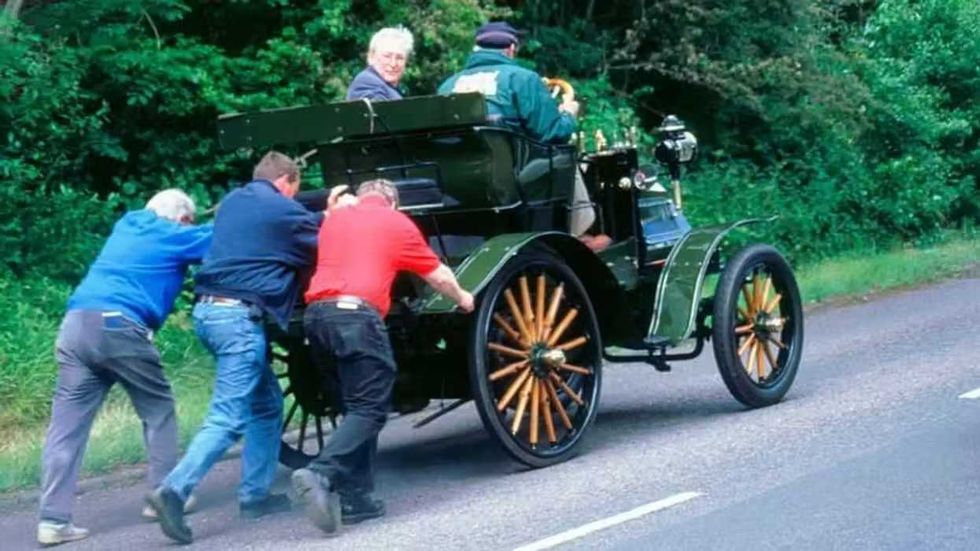
Sitting in a drive-through line for coffee, food, or dry cleaning may not feel like a big deal, but zero miles per gallon is still zero miles per gallon.
I was reminded of that the hard way when I filled my diesel SUV and saw the price climb past $5 a gallon. Karl had it even worse in California, where he paid more than $6 a gallon and described a friend filling a heavy-duty Ram for $167.
That’s not a small nuisance. For many drivers, it’s a direct hit to the household budget.
Fleeting relief
The frustrating part is that gas prices had started to moderate. As domestic production improved, prices eased. Diesel came down. Regular gas came down. Drivers finally got a little breathing room.
Now that relief is fading.
The reason is simple: Fuel prices do not respond only to what is happening at your local gas station. They respond to what is happening around the world. Global instability, supply concerns, and broader energy-market pressure push prices up quickly. And when that happens, drivers feel it immediately.
That is especially true in places like California, where prices are already higher than the rest of the country. When fuel rises nationally, it rises even more there.
For consumers, that means the practical question is no longer why it’s happening. It’s what to do about it.
Shop around
There is no magic fix, and no one is suggesting drivers can “budget” their way out of a price spike. But there are a few ways to reduce the damage.
The first is obvious: Shop around.
Apps like GasBuddy, AAA, and other fuel price trackers can help drivers compare prices before they fill up. The information is not always perfect, but it’s often good enough to spot the worst stations and find better options nearby. Membership clubs like Costco or BJ’s can also make a meaningful difference if you already belong and can tolerate the wait.
And that is the catch. When gas prices spike, everyone has the same idea. Those discount stations get crowded fast.
Fuel for thought
That makes another point more important than people realize: Avoid wasting fuel when you do not need to.
That means thinking harder about the little convenience habits most drivers don’t notice when gas is cheap. Sitting in a drive-through line for coffee, food, or dry cleaning may not feel like a big deal, but zero miles per gallon is still zero miles per gallon. If you can park, go inside, and get out faster, that saves fuel and time.
The same goes for trip planning.
If prices stay high, it makes sense to consolidate errands, reduce unnecessary driving, and stop making multiple short trips when one will do. It sounds simple because it is simple. But simple matters when every fill-up costs more than it should.
RELATED: Start-stop was just hit by the EPA. Now comes the real test.
 Heritage Images/Getty Images
No safe haven
Vehicle condition matters too.
Checking tire pressure once a month can make a real difference in fuel economy. Underinflated tires increase rolling resistance and cost you money over time. It’s not glamorous, but it’s one of the easiest ways to improve efficiency without changing vehicles or spending money.
The same logic applies across power trains.
If you drive a hybrid, you still use fuel. If you drive an EV, electricity has gotten more expensive too. There is no completely insulated category of driver anymore. Energy costs hit everyone one way or another.
That reality matters because it resets the conversation. This is not just about gas stations. It is about transportation costs broadly rising again.
Domino effect
And once that happens, everything else gets more expensive too.
Delivery fees go up. Services cost more. Operating a truck or SUV becomes harder to justify for some families, even if they need the capability. People start changing habits not because they want to, but because they have to.
That is why fuel prices always matter politically and economically. They are not just one more cost. They touch almost everything.
For now, the best drivers can do is limit waste, shop smart, and be realistic. Prices may come down again eventually, but they are not likely to stabilize until the broader global picture does.
Until then, drivers are back where they’ve been too many times before: staring at the pump and doing the math.
FIRST LOOK New York International Auto Show: Cool cars, but drivers still face sticker shock
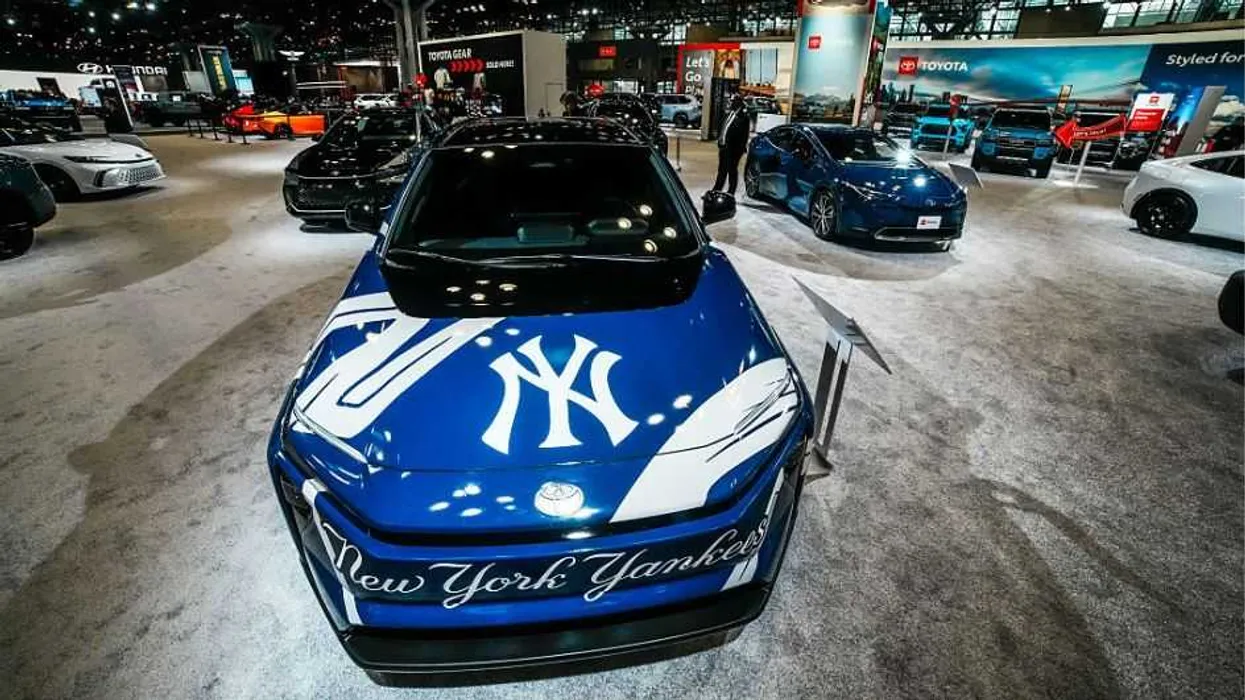
The 2026 New York International Auto Show — which runs through this weekend — made one thing clear: There is a widening gap between what the auto industry is celebrating and what consumers are actually looking to buy.
Affordability has emerged as the dominant factor shaping purchasing decisions — far more than design awards, performance credentials, or cutting-edge features.
Some automakers are exploring ways to bring down costs without stripping vehicles down to bare-bones models.
What buyers really want
The show also serves as the stage for the World Car of the Year awards, where I serve as a juror.
This year, a survey of more than 100 jurors reinforced what we’re already seeing in the market: Consumers are prioritizing affordability above all else, along with flexibility in powertrain options — gasoline, hybrid, and electric.
That may not sound surprising. But it highlights a disconnect.
Many of the vehicles being recognized at the highest levels of the industry don’t necessarily align with what buyers are actively seeking in dealerships.
Award winners vs. market reality
This year’s top honors went to the BMW iX3, selected from 58 global contenders. It is expected to be built in South Carolina and made available to U.S. customers. The iX3 also took the electric category, featuring a redesigned cockpit with an integrated head-up display.
Other winners included the Mazda 6e for design, the Lucid Gravity for luxury, and the Hyundai Ioniq 6 N for performance. The urban category went to the Nio Firefly, a model not expected to be sold in the United States.
These vehicles represent innovation and engineering progress. But they also highlight the gap between industry recognition and everyday affordability.
Show and sell
Beyond the awards, NYIAS marked a return to traditional vehicle unveilings after several years of automakers favoring private events.
Brands used the show to showcase new concepts and production models aimed at capturing attention across multiple segments.
Hyundai revealed a rugged, Bronco-inspired concept that reflects a broader multi-powertrain strategy. Genesis introduced updated luxury trims and performance-oriented concepts. Volkswagen unveiled a redesigned 2027 Atlas, expected to be built in Chattanooga.
Other reveals included a higher-performance Z model from Nissan, a redesigned Seltos and entry-level EV from Kia, and a new dual-motor electric model from Subaru. Ford Motor Company also highlighted a special-edition Expedition marking the model’s 30th anniversary.
Across the show floor, automakers leaned heavily into design differentiation — illuminated logos, special editions, and expanded trim levels — all aimed at standing out in a crowded market.
The price isn’t right
The biggest issue hanging over the show wasn’t design or technology — it was price.
Average transaction prices for new vehicles are now above $50,000. That reality is reshaping how consumers shop and what they’re willing to consider.
Automakers are starting to respond. Some are exploring ways to bring down costs without stripping vehicles down to bare-bones models, focusing instead on value — delivering features that matter while cutting excess.
‘No’ to tech overload
Another noticeable trend is a growing pushback against excessive in-vehicle technology.
While advanced features remain available, some buyers are moving toward simpler interiors and relying more on smartphone integration rather than built-in systems.
Subscription-based features are also facing increased scrutiny. Consumers are becoming more aware of long-term ownership costs — and less willing to pay ongoing fees for features they feel should be included upfront.
RELATED: How government and Big Tech can wreck your new car’s resale value
 Denver Post/Getty Images
EVs take a back seat
Electrification remains a major focus, but the tone is shifting.
Automakers are no longer presenting EVs as the only path forward. Instead, they’re balancing electric investments with hybrids and traditional gasoline options to better match real-world demand.
That flexibility is increasingly important to buyers who want options — not mandates.
Robo-stopped
Autonomous vehicle technology continues to develop, but widespread adoption remains limited.
While robotaxi services are expanding in select urban areas, challenges around safety, liability, and real-world performance continue to slow broader rollout.
For most consumers, fully autonomous driving is still a future concept — not a current buying factor.
For dealers and automakers alike, the message from this year’s show is clear: consumers are focused on affordability, flexibility, and simplicity.
Innovation still matters — but only when it aligns with what buyers can realistically afford and actually want to use.
Right now, the industry is still catching up to that reality.
Billionaire Bruce blasts ‘rich men’ in latest concert rant

Michael Moore has an Alex Jones problem.
The far-far-left filmmaker was once a mover and shaker in liberal Hollywood, but somewhere along the way, the modern progressive movement got even crazier than his factually challenged films.
Springsteen is worth a reported $1.2 billion, which in some circles is still considered upper middle class.
It’s like Candace Owens leaving Jones in the conspiratorial dust.
What’s a radical like Moore to do? Why spin, spin, spin on behalf of Iran, the country that may have slaughtered 30,000 of its own people. Possibly more.
Heck, in MooreLand, they’re the good guys, at least according to his recent Substack screed.
“We’re the bad guys! If you didn’t realize that under previous presidents at least Donald Trump has ripped off the mask and shown you who we really are!”
Nice try, Mikey. But in a world where Democrats fete the likes of Jennifer Welch and Hasan Piker, you gotta be a whole lot crazier to keep a seat at the table …
‘News’ to Fox
Nobody does fake news quite like CNN, but Michael J. Fox took this phony item personally. As well he should have.
The “Family Ties” alum has been battling Parkinson’s disease for some time, but the condition isn’t life-threatening at the moment. Tell that to CNN, which briefly displayed a video tribute to the “late” star.
To paraphrase Monty Python, he’s not dead yet.
Fox took the incident with good humor, using his Threads account to share his comical reaction.
“Do you … A) switch to MNSBC, or whatever they are calling themselves these days, (B) Pour [scalding] hot water on your lap, if it hurts [you’re] fine, (C) Call your wife, hopefully she’s concerned but reassuring, (D) Relax, they do this once every year, (E) Ask yourself wtf?”
(E) is always a safe bet when watching CNN, Mr. Fox …
Gag ghouls
It’s bad enough that “Saturday Night Live” ignores half the political material at its disposal. Now “SNL” is feeding ghoulish slop to its remaining far-left fans.
The most recent “SNL” episode found Weekend Update co-anchor Michael Che noting how President Donald Trump recently enjoyed a night at the theater.
“President Trump attended the opening night of ‘Chicago’ at the Kennedy Center, and I think that’s cool that the president is going to the theater. I mean, what’s the worst that could happen?”
Because John Wilkes Booth once shot and killed a president at Ford’s Theater … get it?
The joke was cruel enough, but the crowd roared in sustained approval. How long before “SNL” recruits Luigi Mangione to host? …
RELATED: SCORN IN THE USA: Bruce has no use for Trump-voting fans
 Richard E. Aaron/Adam Berry/Andrew D. Bernstein/Getty Images
Lip service
Woke may be fading in Hollywood circles, but some celebrities won’t give up the ghost. Take Dan Levy, the “Schitt’s Creek” alum and son of legendary comic Eugene Levy.
Levy fils, who co-created the new Netflix comedy “Big Mistakes,” didn’t just defend female comedians against the age-old saw that they trail their male counterparts. He went the full feminist. You never go the full feminist.
I find women to be far superior to men in comedy. I love it. I’ve always been drawn to female voices in comedy. … I grew up watching Lucille Ball. I grew up watching Mary Tyler Moore, all of these incredible, funny women. It’s just been a life goal to continue to tell their stories, and I’ve been so lucky to have these casts stacked with unbelievably talented actresses.
He forgot to mention that they’re superior drivers too …
Working-class hero
“Born to Run” … his mouth.
The Boss slammed more than just President Donald Trump in a recent concert appearance. Springsteen took aim at “rich men” in one of the night’s political screeds.
“The richest men in America have abandoned the world’s poorest children to death and disease through dismantling of U.S. aid. This is happening now. We’re undermining NATO and the world order that kept us safe and at global peace for 80 years. This is happening now.”
Springsteen is worth a reported $1.2 billion, which in some circles is still considered upper middle class.
You’d think a man who sold his music catalog to Sony for a whopping $500 million would be able to offer his loyal fans a break. To quote his best bud President Barack Obama, “I do think at a certain point you’ve made enough money.”
Bruce is clearly still feeling the pinch if his latest tour’s $7,000 floor seats are anything to go by. It’s good to be the Boss!
‘Eco-Socialism’ now! Inside Sunrise Movement’s ‘revolution’ playbook
Students have always enjoyed flaunting revolutionary politics — the posters, the slogans, the Che Guevara T-shirts.
Like gender fluidity and ultimate frisbee, these radical affectations often don’t survive graduation. It’s a tale as old as time: One day you’re shouting into a bullhorn; the next, you’re typing on Slack.
Members also earn ‘rays’ on a Sunrise patch as they progress through the ranks — a visible marker of participation and standing within the organization.
What does endure, however, is the sophisticated political machinery designed to harness this youthful fervor and put it into action.
‘Political revolution’
This week, watchdog group Defending Education published internal documents outlining a coordinated push for political upheaval from one of the country’s most visible youth activist organizations.
The Sunrise Movement is a 501(c)(4) environmental organization that describes itself as “a movement of young people fighting to stop the climate crisis.”
But slides leaked to Defending Education from a March 17, 2026, membership meeting reveal a highly structured and strategic operation calling for a “political revolution” and “structurally chang[ing] the foundations of this country” — language that goes well beyond climate advocacy.
The message is as simple as it is sobering: The goal is not reform, but replacement.
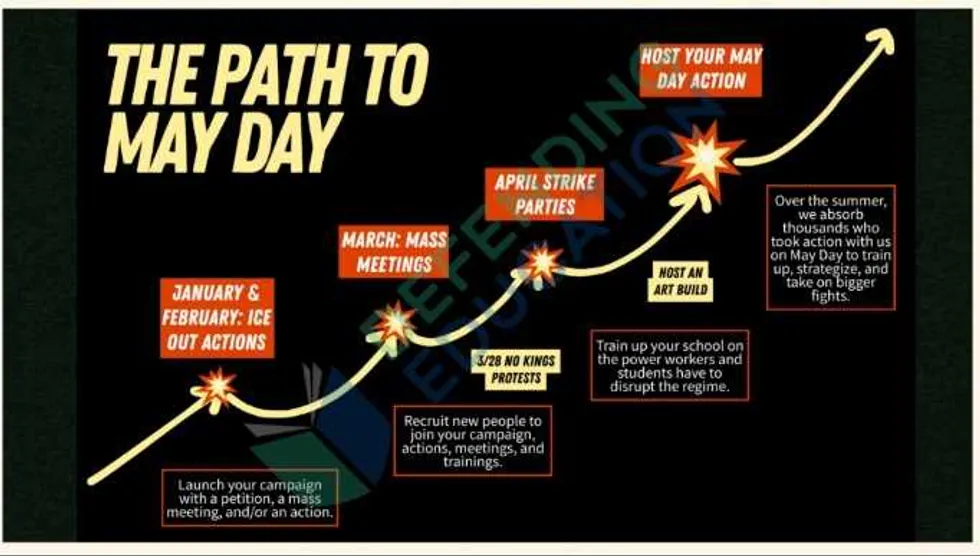
The revelation here is not the Sunrise Movement’s rhetoric. “Revolution” is already central to the group’s public-facing language; its homepage describes itself as part of a broader climate revolution. What the slides add is clarity: That “revolution” is not just metaphor, but a program laid out in concrete terms, from pressure campaigns and mass noncooperation to institutional targeting.
 Defending Education
Path to a ‘New System’
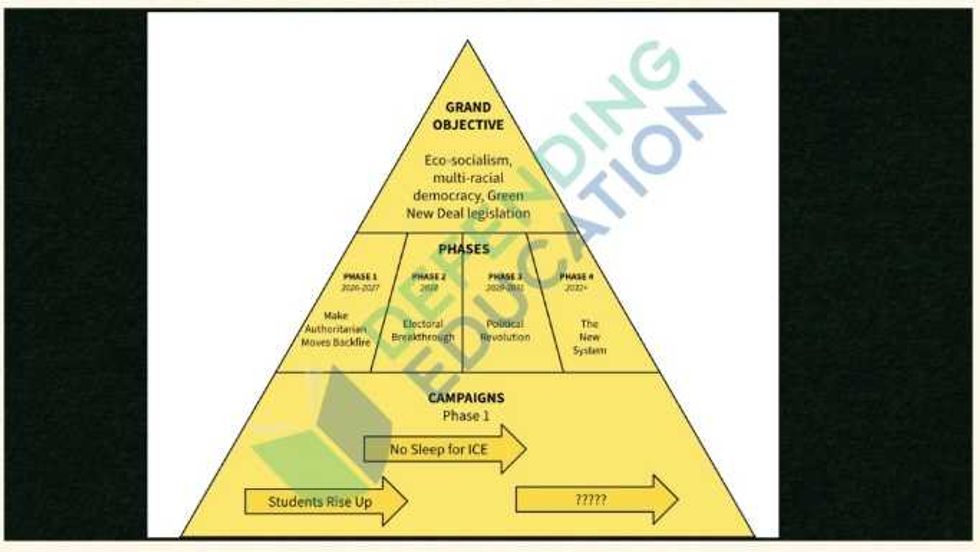
The goal: “Eco-socialism, [a] multi-racial democracy, and Green New Deal legislation.”
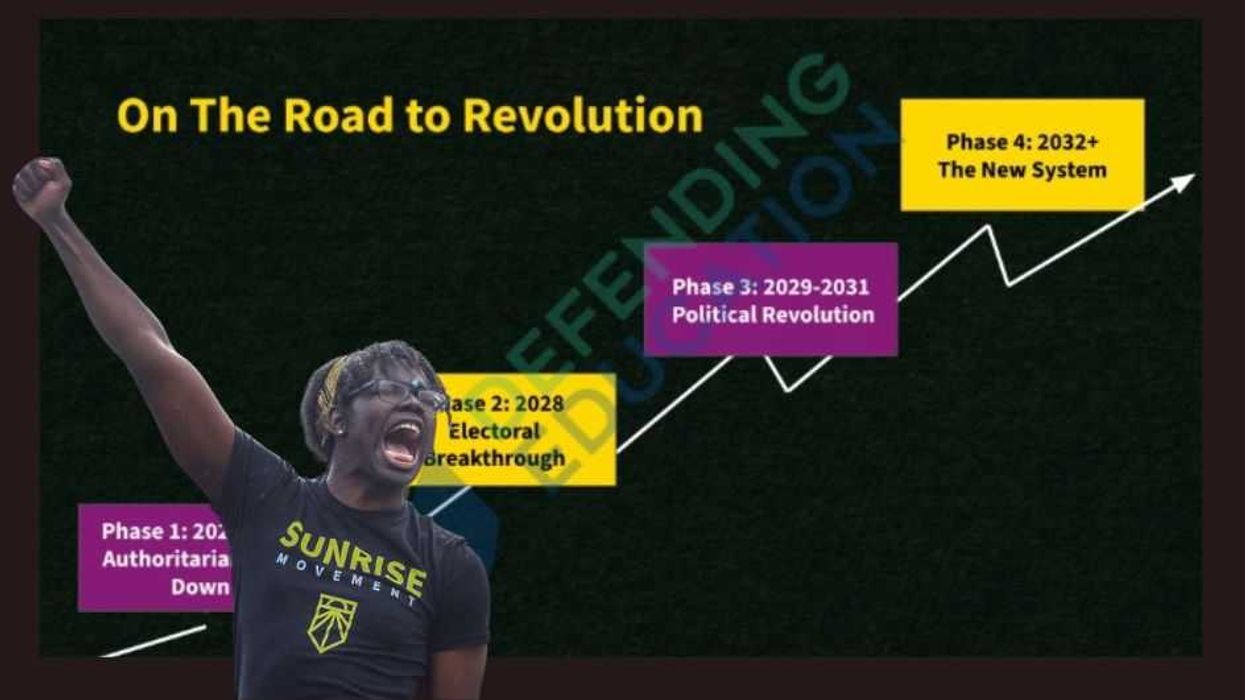
A section titled “On the Road to Revolution” lays out a path to a “New System” — including passing Green New Deal policies and “ending the billionaire 2-party system.”
The slides also describe a strategy of “repolarizing” the country. One passage calls for “get[ting] majority of society out in the streets and an explosion in voting,” arguing that “we need to repolarize society” to move people away from what it describes as a “(corrupt) system” and toward a new one with “more democracy.”
Target: Hilton
The materials also outline how that shift is meant to occur in practice — through a sequence of escalating actions tied to specific campaigns.
It begins with a March 28 No Kings event and builds toward a May 1 national strike. In between: sustained pressure.
A slide titled “Hilton to May Day” points to coordinated economic disruption, including efforts to target “ICE enabler” Hilton Hotels over its alleged ties to immigration enforcement. Tactics listed include public boycotts, so-called “wide awake actions,” and coordinated booking and canceling of hotel reservations — designed to impose financial and reputational costs.
 Defending Education
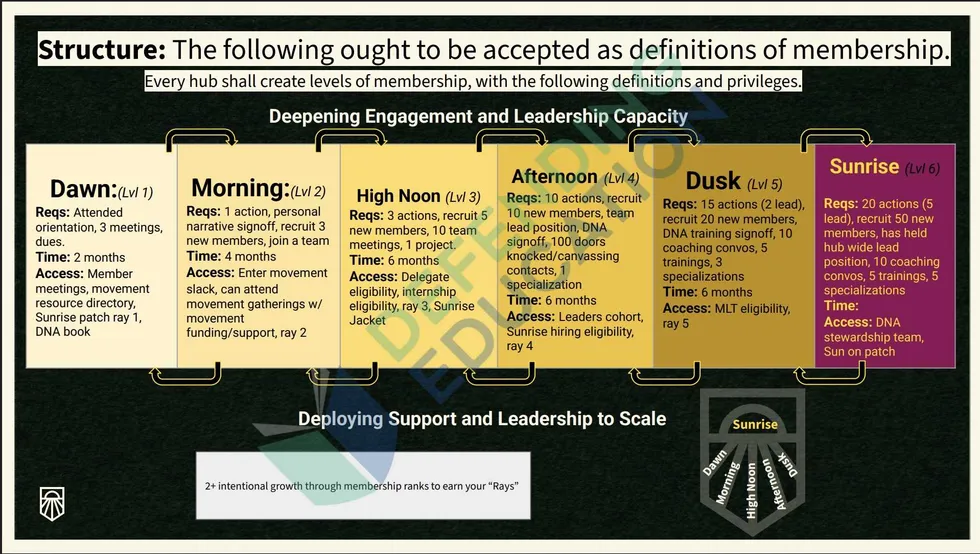
‘Dawn’ to ‘Dusk’
The slides also lay out what the group calls its internal “culture” — a set of guiding principles members are expected to adopt. The language reads less like loose organizing advice and more like a shared creed: “Nothing about us without us,” “Motivate the base, isolate the opposition,” and “It is our duty to fight for our freedom, it is our duty to win.” The effect is to define not just tactics, but a common vocabulary and moral framework for participants.
Another section details a tiered membership structure, with clearly defined ranks — “Dawn,” “Morning,” “High Noon,” “Afternoon,” and “Dusk” — each tied to specific benchmarks: recruiting new members, completing actions, attending meetings, and undergoing training. Advancement comes with increasing responsibilities, access, and internal status.
Members also earn “rays” on a Sunrise patch as they progress through the ranks — a visible marker of participation and standing within the organization. The structure resembles a formal pipeline, designed to scale participation and develop organizers over time.
‘Full Dictatorship’
The presentation outlines three possible futures, each portraying the current system as compromised and the stakes as existential — conditions that, in the materials’ framing, justify escalation.
The most extreme — “Full Dictatorship” — imagines Donald Trump consolidating power, using the military against opponents, and restricting speech.
The function is clear: Escalation isn’t optional. It’s required.
 Defending Education
Defending Education
Defending Education, formerly Parents Defending Education, has focused on political activity in schools — curriculum, student protests, and institutional ties to advocacy groups.
Defending Education was founded in 2021 amid a surge of parental backlash to politicized curricula and school policies. The group uses public records requests, whistleblower tips, and document releases to surface what it describes as ideological activism inside education systems.
RELATED: Defending Education gives parents tools to fight leftist indoctrination

In recent years, it has zeroed in on the overlap between student organizing and outside advocacy groups — arguing that protests framed as grassroots are often supported and shaped by national networks. The Sunrise materials, it says, fit that pattern.
The Sunrise Movement has been linked to student walkouts, including protests tied to immigration enforcement. What the newly released slides add, Defending Education argues, is a clearer picture of how that organizing is structured and scaled.
“While calls for a ‘political revolution’ by left-wing activist groups are not unique, these coordinated plans to put economic and social pressure on universities … should raise serious concerns,” said Rhyen Staley, director of research at Defending Education.
“Our academic institutions should be places of higher learning … not weaponized or punished to achieve a ‘structural change’ to the political foundations of this country.”
 Defending Education
Pushing left
Founded in 2017, the Sunrise Movement helped drive the Green New Deal into the political mainstream through protests, sit-ins, and youth mobilization.
The Sunrise Movement operates as a decentralized network of local “hubs,” many based on college and high school campuses. That structure has allowed it to scale quickly — turning student energy into coordinated national campaigns.
Since its founding, the Sunrise Movement has proven itself an effective pressure group within Democrat politics, helping push climate policy from the margins to the center of the party’s agenda. Its early backing of the Green New Deal helped turn what was once a fringe proposal into a defining litmus test for progressive candidates.
The group also played a visible role during the 2020 election cycle, applying sustained pressure on Joe Biden and his campaign to adopt more aggressive climate positions. While not all of its demands were met, Sunrise and allied activists helped shape the administration’s climate framework — demonstrating that its model of protest plus pressure can move policy, not just headlines.
Its strategy has consistently blended electoral pressure with direct action. What the newly released slides suggest is a continuation of that model, but with a more explicit emphasis on escalation and institutional leverage.
For a generation told that it is inheriting a world on the brink, the climate is the cause. For groups like Sunrise Movement, the target is something more immediate: the system itself.
What emerges is not just a campaign for the planet, but a bid to reshape political power around a broader program of systemic change.
New Minnesota bill could run classic car owners off the road
If you think this is just another harmless piece of paperwork coming out of a state legislature, think again.
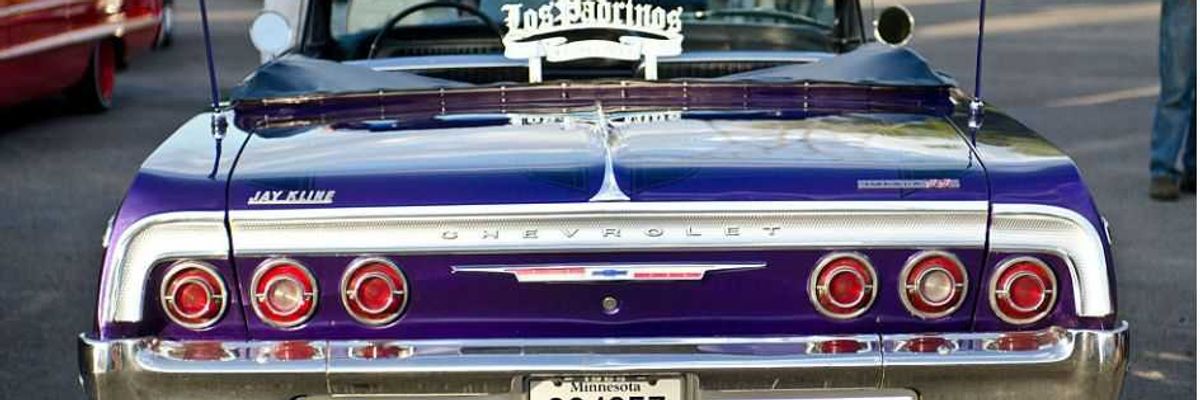
Minnesota’s HF 3865 is being sold as a simple clarification of collector car rules, but the reality is far more consequential. This proposal doesn’t just tweak the language — it redraws the lines around when you’re allowed to enjoy a vehicle you already own. And if it passes as written, classic car owners could find themselves boxed into a narrow window of “acceptable” use, with little room for the freedom that defines car culture.
Classic cars require regular use to remain functional. Sitting idle can lead to mechanical issues, from dried seals to fuel system problems.
For decades, collector vehicle laws have operated on a basic understanding. These vehicles are not daily transportation, and owners accept that limitation in exchange for reduced registration requirements and, in many cases, historic recognition. But within that framework, there has always been a reasonable level of flexibility. Owners could take their vehicles out for a drive, attend informal gatherings, test car repairs, or simply enjoy the result of years of restoration work.
HF 3865 changes that balance.
Centralized rule
The bill establishes a centralized rule governing how all collector-class vehicles can be operated in Minnesota. That includes vintage vehicles, classic cars, and other limited-use automobiles that have historically existed under a more flexible understanding between owners and regulators.
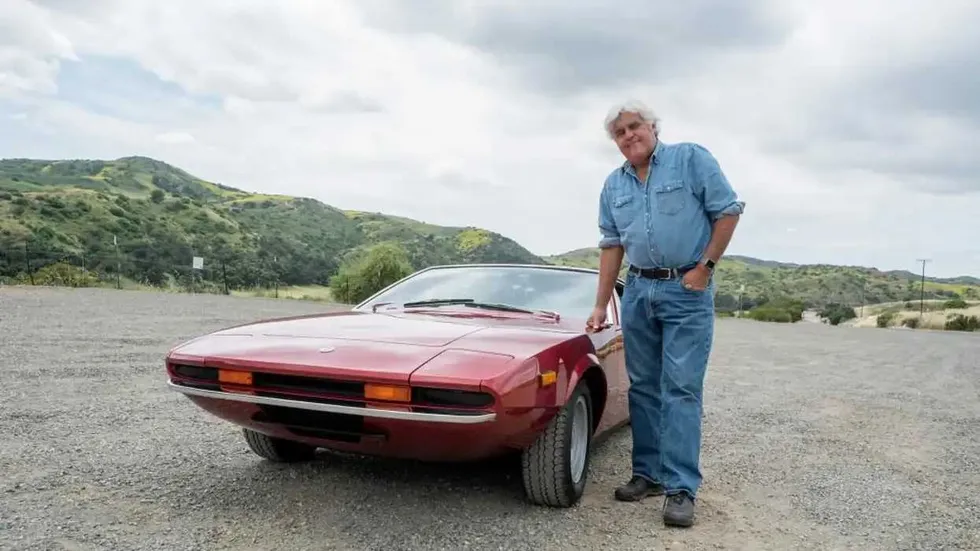
What makes Minnesota’s approach notable is that it cuts against the direction of travel in other states. In California — hardly a state known for regulatory leniency — lawmakers are advancing “Leno’s Law,” a proposal to ease emissions requirements for qualifying collector vehicles based on how rarely they’re driven and the practical limits of testing older cars.
Yes, even California is beginning to recognize that legacy vehicles don’t fit neatly into modern regulatory frameworks. Minnesota, by contrast, is moving to define — and restrict — how those vehicles can be used.
In practice, that shift matters. Once a centralized rule is in place, interpretation falls to regulators, inspectors, and law enforcement — each with their own threshold for what counts as acceptable use. What looks like a narrow clarification on paper can quickly become a broader constraint in reality.
Sunday drivers
That ambiguity doesn’t stay theoretical for long. It shows up in everyday situations: An owner takes a freshly repaired car out for a test drive and gets pulled over — does that qualify as permitted use? A weekend cruise without a formal event destination — allowed, or not? A quick drive to keep seals lubricated and the battery charged — reasonable to the owner, but potentially questionable to an officer enforcing a stricter reading of the rule. When the line isn’t clear, the practical burden often falls on the owner to justify the drive.
The concern isn’t just about what the bill says today, but what it enables tomorrow. When the state defines “appropriate use” for collector vehicles, it creates a framework that can be tightened over time — through enforcement patterns, regulatory guidance, or future amendments. What begins as a modest clarification can evolve into a far more restrictive system.
RELATED: ‘Leno’s Law’ could be big win for California’s classic car culture
 CNBC/Getty Images
Eroding the culture
For owners, this isn’t theoretical. Classic cars require regular use to remain functional. Sitting idle can lead to mechanical issues, from dried seals to fuel system problems. Owners often need to take vehicles out for test drives after repairs or simply to keep them in working condition. Limiting when and why those drives are allowed adds friction to ownership in a way that goes beyond paperwork — it affects whether maintaining these vehicles is practical at all.
There’s also a cultural cost to consider. Classic cars are not just transportation; they’re rolling artifacts of American design, engineering, and craftsmanship. They connect generations and preserve a hands-on relationship with mechanical systems that is increasingly rare. Restricting their use doesn’t just inconvenience owners — it gradually erodes the culture that keeps them alive.
Supporters of HF 3865 may argue that the bill simply clarifies existing rules. But clarity is not always neutral. When clarification narrows behavior, it functions as restriction. And when that restriction applies to how individuals use their private property — particularly in ways that have long been understood as reasonable — it deserves closer scrutiny.
Minnesota lawmakers have a choice to make. They can preserve the balance that has allowed collector car culture to thrive, or they can begin redefining it in ways that may be difficult to reverse.
For classic car owners, the stakes are simple: This isn’t just about regulation. It’s about whether the freedom to enjoy what you own is quietly being rewritten.
My search for America’s last decent public libraries
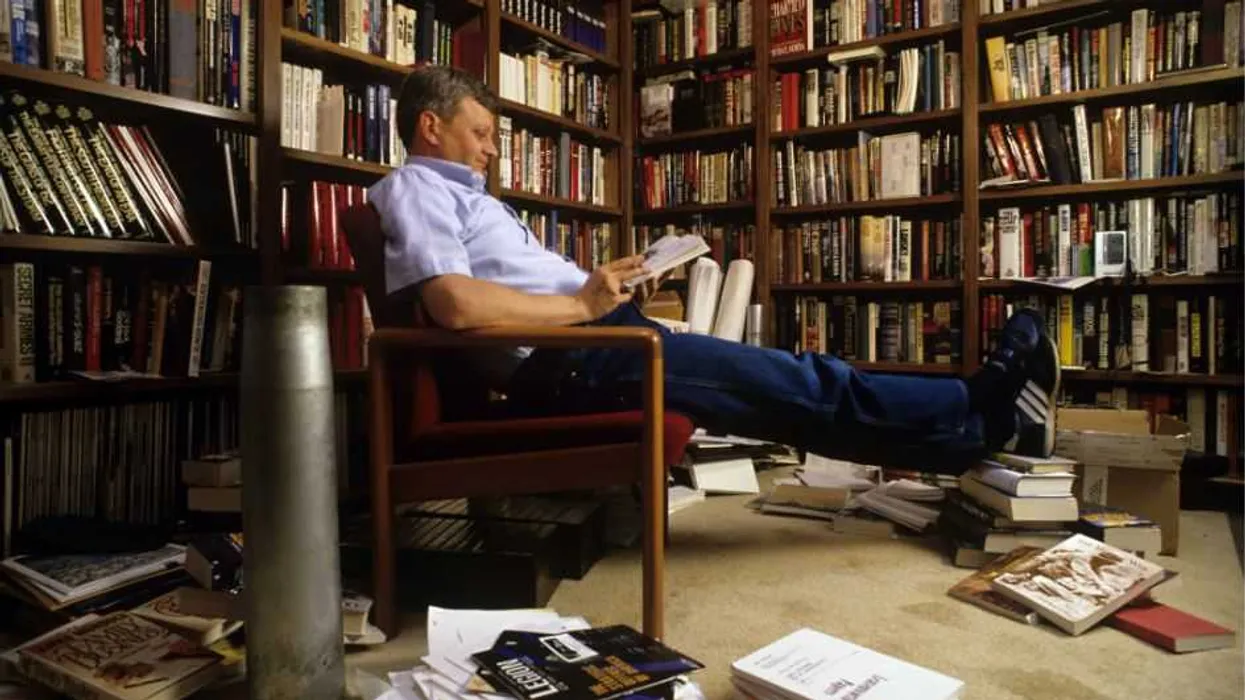
As an avid library-goer, I’ve watched with interest how American libraries continue to shift and evolve in our new “post-book” world.
That’s right, one thing you notice in libraries these days: There are fewer books. And the ones they do have are checked out less often.
She shrugged and said, ‘Libraries are for everyone. I’m not allowed to tell them to turn their phone down.’
If you can’t find the book you want, you can always reserve it through the library system’s website. But increasingly, those books are not located in a branch library. They are in a warehouse somewhere. In a state of storage.
When you receive these stored books, they often look strange and sickly. Like they haven’t seen sunlight in a while. Like they belong in a museum, an artifact from the past.
Into the future
A couple of years ago, I visited several recently completed public libraries in major North American cities: Seattle, Phoenix, Salt Lake City, Calgary, among others. I noticed these libraries had been specifically designed in anticipation of a decline in book-reading.
These new buildings had “craft” areas, or recording studios, or computer labs. They had conference rooms, where they held workshops for seniors to help them use their smartphones, or instruct young people on how to start a business.
Most of these new libraries were socialistic in nature. They were becoming places where people could access social programs and government assistance. You could sign up for job training. You could get help with your taxes.
Prisons and psych wards
Another thing I noticed: The designers and architects of these libraries seemed to believe that rampant homelessness was not a passing trend. In their minds, this was a permanent situation, which libraries would need to accommodate and serve.
Because of this, many contemporary libraries look and feel very different from the classic library environment.
They had removed old, comfortable furniture and replaced it with unbreakable plastic chairs and tables. Reading lamps were gone, with harsh overhead LED lighting taking their place. Charging stations and sleeping lounges were favored over cozy study nooks. Couches or armchairs were made of odor-resistant, easily disinfected fabrics. Outdoor areas were constructed so they could be hosed down.
Because of these changes, many new libraries often looked like a cross between a prison and a psych ward. They’d been designed to house unclean, unpredictable, occasionally violent, and sometimes incontinent humans.
Shhhhhhhh!
One recent incident I found interesting: I was in a local library, and a patron was watching a TV show very loudly on his phone.
A librarian appeared to see what the noise was. I looked at her like, “Can you say something to that person?”
She shrugged and said, “Libraries are for everyone. I’m not allowed to tell them to turn their phone down.”
She wasn’t allowed? I thought to myself.
“But you,” she said, looking at me. “You can say something.”
Looking at the TV-watching patron, I didn’t feel inclined to confront him. But how could it be that the librarian wasn’t allowed to intervene?
In search of the ‘luxury library’
Like I said, I love libraries. I love the quiet. I love the atmosphere. I love being around other studious types like myself.
I’ve kept tabs on the libraries in my own city, frequently visiting some of my old favorites, to check on which ones are making progress and which ones are getting worse. (They’re all getting worse.)
But recently, I stopped doing that. I don’t go to the big central library building anymore. I have seen enough during recent years to know what that looks like.
Now what I do — at home and in other cities I visit — is figure out where the wealthiest parts of town are, and I find small regional libraries in those areas.
In such places, you have the best chance of finding the “original library experience.” Peace. Quiet. Clean carpets. Comfortable chairs.
You encounter kind, thoughtful librarians (as opposed to the PTSD librarians you encounter in the war-zone libraries).
Actual families visit these places. Moms with their kids. Teenagers after school.
There’s no need for armed security at the front door. There are no Narcan canisters rolling around in the bathroom.
What about the children?
But even these places are subject to change, as they continue to expand their purview.
In one such “luxury library” I frequent, the library has become a kind of part-time nursery school. During certain hours, one half of the building fills up with small children. There are toys and games and little play areas set up for them.
Because this small library is basically one giant room, I am exposed to the screams and cries of the children. They run around. Occasionally, I find them hiding under my table as I work.
I don’t mind the children at all. I don’t have children of my own and always enjoy their antics. And the library has to do something with that space, don’t they?
RELATED: When did America’s public libraries become homeless encampments?
 Genaro Molina/Getty Images
Still searching
Even in these wealthy neighborhoods, it’s clear that the libraries are struggling to find ways to remain relevant to their communities.
They have my sympathies. I don’t want libraries to go away. But what purpose will they serve going forward?
I’d prefer that libraries not become another arm of the “nanny state,” full of progressive propaganda and social activism. (“Drag Queen Story Hour” is trying to make a comeback at one library in my city.)
And what about the homeless? Is it really the fate of our great American library system to become a charging station and nod-out zone for drug addicts and street people?
But such is the nature of our socialist society. Tiny enclaves of luxury. Prisons and psych wards for everybody else.
The only solution I have found is to seek out these “luxury libraries” — and make full use of them. And I recommend that others do the same.





