

Category: Thanksgiving
Holiday stress? Here’s one way to handle it.
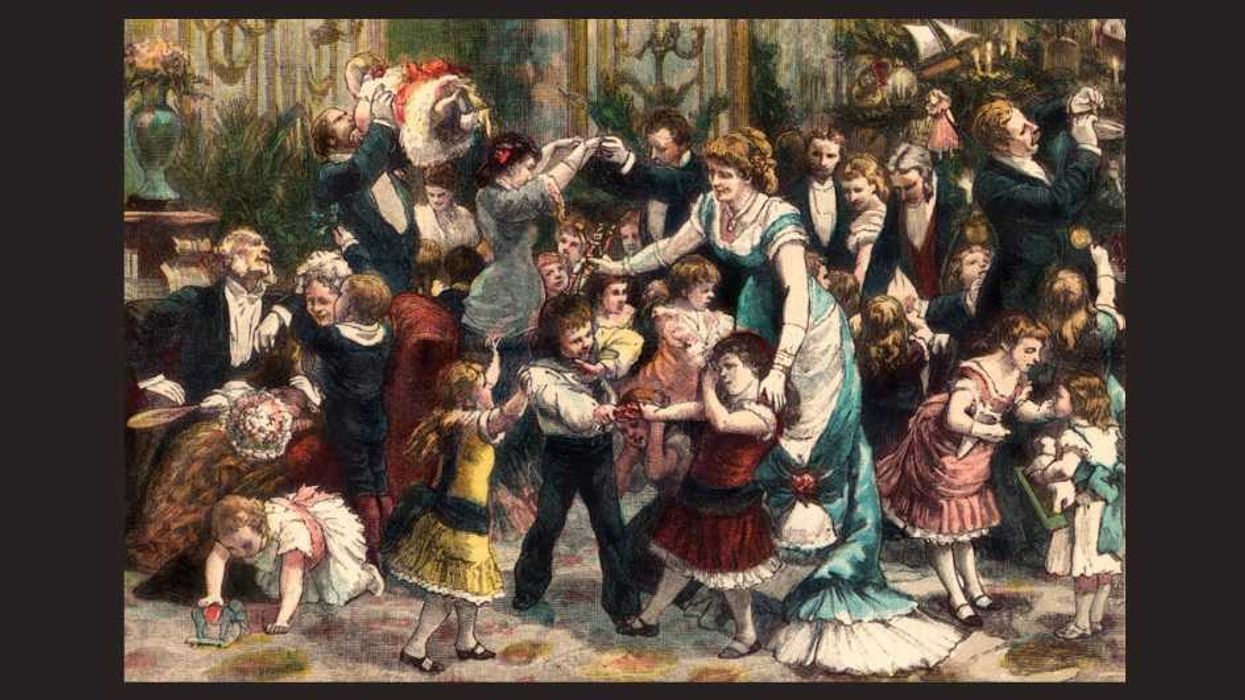
Holidays are tough. It’s not fun to say it, and it feels like failing to admit it, but they are.
But why? Why are they tough? Why are the days that are supposed to be full of joy instead oddly stressful — and too often fraught with bickering, arguing, and disappointment?
We want things to go perfectly on the day that is supposed to go perfectly — and when they don’t, our disappointment lands harder than it would on a random Tuesday in March.
It seems inevitable, almost as if it’s another tradition. Someone snaps about something small, then someone takes offense to something else, and then there’s an argument or a fight or just a weird feeling in the air that wasn’t there before.
Too many cooks
It could be in the kitchen, especially when dinner is nearing. Mom, Grandma, and maybe a daughter or two are in there helping. A bystander pokes his or her head in and offers a “helpful” comment. One of the chefs responds with an eye-roll. A certain stifling quiet — not a good quiet — descends.
Or it could be at the dinner table: Someone lobs a political point knowing that it will rub another guest the wrong way, but he “needs to say something.” Then someone else feels compelled to answer, and another after that, until the whole thing cascades and suddenly the arguments are spilling over into dessert.
Moms are disappointed in their sons and daughters because they just want everybody to get along for one day when everyone is home. “Can you just not talk about that?” Dads are tired of having the same argument, so they zone out. Sons and daughters are mad because no one takes them seriously. They are in college and know more than they used to, but think they know more than they really do.
Family feud
These things happen in families. Not all, of course. Some excel at sweeping every irritation under the rug and maintaining a serene, passive surface at all times. A few are even perfect — or as close as anyone gets — and enjoy holidays filled with nothing but gladness. But most families, in one way or another, run into moments like the ones above or something close to them.
These points of conflict and stress are only a few of the familiar moments that surface when families gather for the holidays. There are countless other paths to confrontation, disappointment, or quiet unease. Sometimes the friction is subtle — simmering unnoticed for months — and it’s only during the holidays that anything finally bubbles up and over.
At bottom, our stress and disappointment come down to expectations, especially the impossible kind.
A holiday is supposed to matter more than an ordinary day. It’s supposed to be more enjoyable, more memorable, more special. That’s a crude way of putting it, but it’s the truth we all feel somewhere deep down, even if we would never say it out loud.
Moms want the meal to be flawless and everyone to get along. Dads want to relax. Kids home from wherever they have been want to share what they have learned and maybe earn a little more respect.
Perfect storm
We want things to go perfectly on the day that is supposed to go perfectly — and when they don’t, our disappointment lands harder than it would on a random Tuesday in March. Greater disappointment feels like a greater failure, and that casts a shadow over the day or at least over our memory of it.
Our expectations rise so high that disappointment becomes almost guaranteed.
That’s why the holidays are tough. It’s not that being around the people you love is hard or that it’s impossible to stay on your best behavior and avoid a spat with your sister or cousin. The holidays are tough because we want things to be the way they ought to be — the way we imagine they could be, the way we wish we could be. Admitting that the holidays are tough stings a little, because to acknowledge it feels like confessing a kind of failure.
I don’t know how to eliminate holiday disappointment entirely, but I do know the first step toward easing it: accepting that our holidays will never be perfect. Hopes run high, tensions run high, and something will inevitably go awry. We’re human. And that’s okay. Maybe our bar shouldn’t be so high. Maybe we ought to grade the day on a curve. Maybe a B- really is an A. Maybe we can forgive ourselves for not living inside a Hallmark movie.
Holidays aren’t perfect. Neither are we. And that’s okay.
Millions of Americans shared Thanksgiving with family who voted differently — Jimmy Kimmel’s wife cut hers off

Last week, many of you likely sat around the Thanksgiving table with people who don’t share your worldview, but it didn’t stop you from breaking bread. In the end, family trumped ideological disputes.
But not everyone was willing to set aside their differences in the name of community and celebration. Jimmy Kimmel and his wife, Molly McNearney, for example, have cut contact with their family members who voted for Donald Trump.
On November 6 during an episode of the “We Can Do Hard Things” podcast, McNearney said, “It hurts me so much because of the personal relationship I now have where my husband is out there fighting this man, and to me, them voting for Trump is them not voting for my husband and me and our family, and I unfortunately have lost relationships with people in my family because of it.”
“I feel like I’m kind of in constant conflict, and I’m angry all the time. … I personalize everything now. When I see these terrible stories every day, I’m immediately mad at certain aunts, uncles, cousins who put him in power. … I wish I could deprogram myself in some way, but I get really angry,” she added.
“It’s weird how things have changed now,” Glenn Beck says in response. “But I’ve been thinking about it, and I think politics was not the sacred altar that it is now. Washington was not the center of our personal universe. Family was, community was, how we treated each other was. We had room to be wrong, room to disagree, room to be human.”
Glenn’s question, not just for McNearney and other like-minded liberals but also people on the right who let politics destroy their relationships, is: “Why is it so important to us that everyone sees the world exactly the way we do?”
“My relatives, I don’t hate them because they don’t agree with me. We hash it out, we roll our eyes, and then, ‘Pass the potatoes, will you?’” he says, noting that there are a lot of people in his family who vehemently oppose his views.
In the interview, McNearney also stated, “To me, this isn’t politics. It’s truly values,” but Glenn calls out her hypocrisy.
“Here’s one value that we all used to share: the value of accepting that other people, even family, even people you love, are allowed to be wrong. They’re allowed to fail. They’re allowed to see a world through a different prism,” he says.
“This belief that everybody who doesn’t agree with you, they’re somehow or another misinformed, that they’re somehow lesser, that if they don’t vote the way you want, they’re not voting for your family — that’s not democracy; that’s the seed of authoritarian thinking.”
Eventually, that little whispering voice that convinces you to be angry and reject people who don’t agree with you gets louder and louder.
“Do you force them eventually to see it your way? Because if you’ve tried to convince them and they can’t be convinced, your choice really is love them or force them into silence,” Glenn says.
Or, as Glenn suggests, “You shrug your shoulders and say, ‘Pass the potatoes.’”
To hear more of Glenn’s commentary, watch the video above.
Want more from Glenn Beck?
To enjoy more of Glenn’s masterful storytelling, thought-provoking analysis, and uncanny ability to make sense of the chaos, subscribe to BlazeTV — the largest multi-platform network of voices who love America, defend the Constitution, and live the American dream.
Cowboys avoid fine for controversial celebration that football fans love
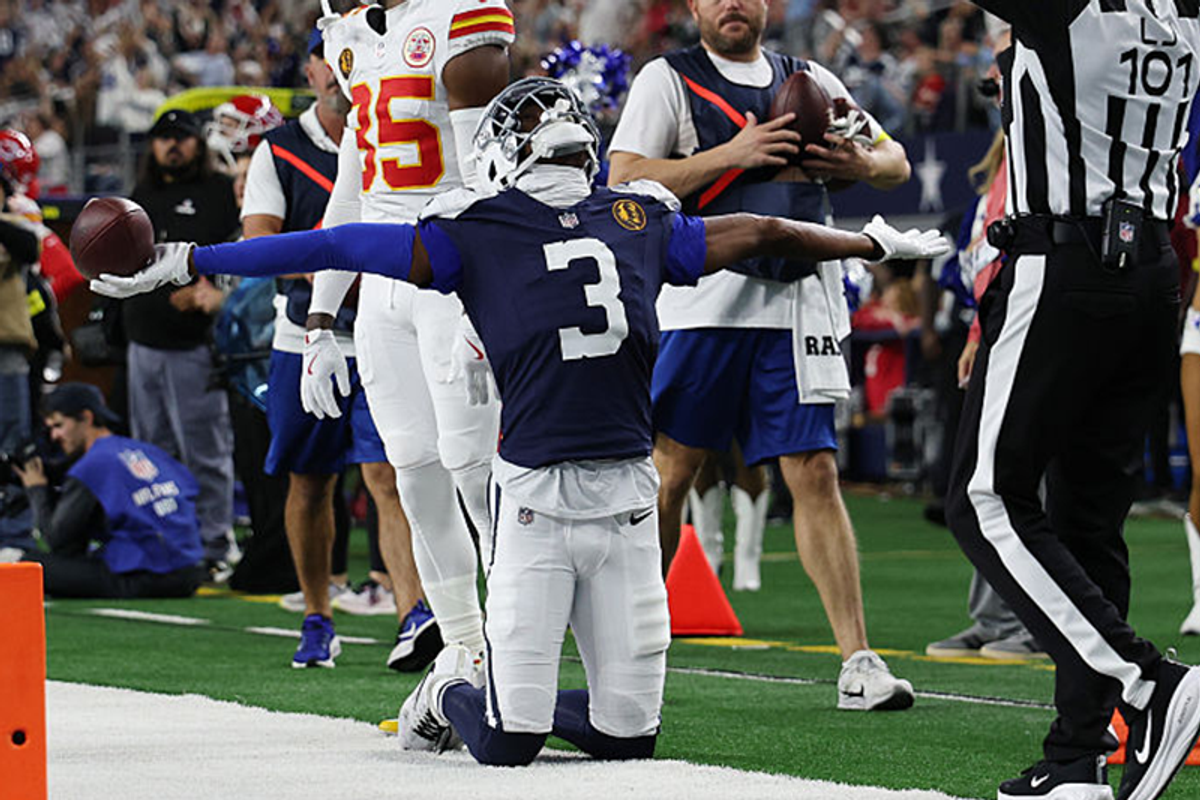
The confusing saga continues surrounding a Dallas Cowboys tradition that happens almost every year.
During a spectacular 31-28 Thanksgiving win against the Kansas City Chiefs, Cowboys tight end Jake Ferguson somehow avoided a fine for performing a controversial celebration, but he may have gotten off on a technicality.
‘Nothing like a Zeke being dropped into one of our kettles!’
As announced by tattoo-laden singer Post Malone, the Cowboys continued their Thanksgiving- and Christmas-season partnership with the Salvation Army. This included the tradition of placing giant red kettles behind the endzones, directly in front of the first row of fans.
During the third quarter, Ferguson seemingly tapped his toes into the endzone for an epic touchdown, ran over to one of the kettles at AT&T Stadium, and jumped in. No flag was thrown on this play for excessive celebration, and the NFL has not announced any fines.
However, this is where things get confusing.
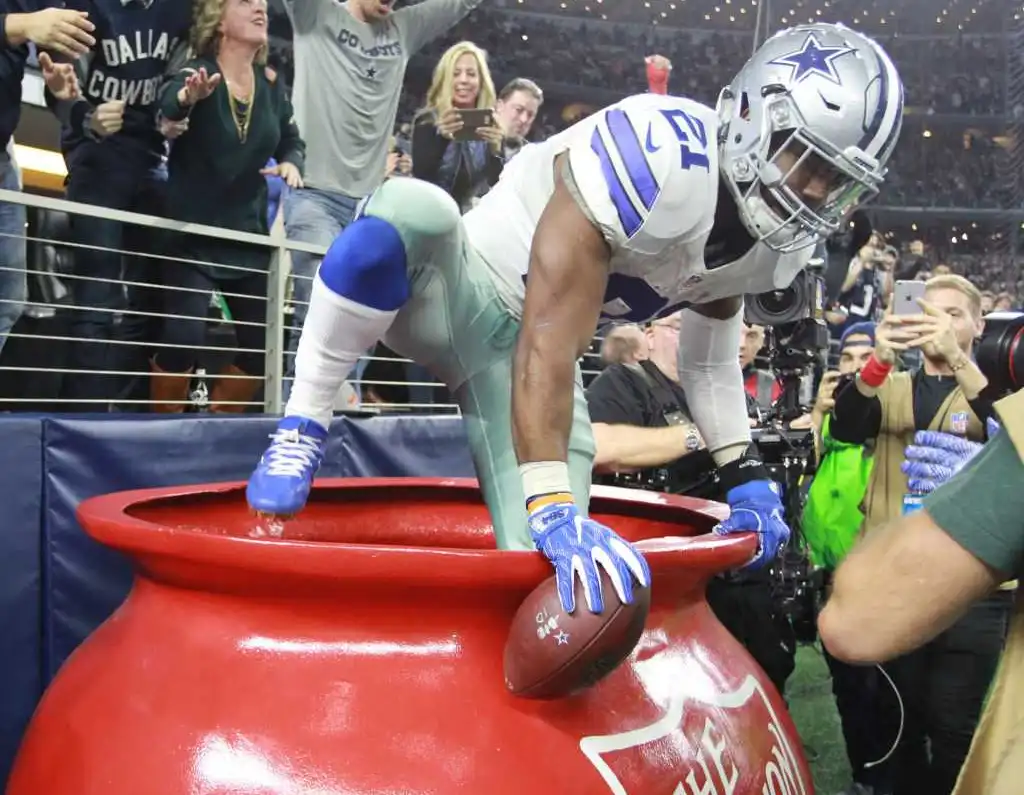 Dallas Cowboys running back Ezekiel Elliott climbed into a Salvation Army kettle after a touchdown run in the second quarter against the Tampa Bay Buccaneers on Sunday, Dec. 18, 2016, at AT&T Stadium in Arlington, Texas. (Richard W. Rodriguez/Fort Worth Star-Telegram/Tribune News Service via Getty Images)
After a lengthy review, Ferguson’s touchdown was overturned and taken off the scoreboard, adding another curveball to an already convoluted situation given that the kettle celebration has been overlooked by the NFL at times, while also resulting in fines in some instances.
In 2024, the kettle’s use in post-touchdown antics caused such a stir that Cincinnati Bengals running back Chase Brown boldly made the claim that the league was baiting players into getting fined.
With four kettles placed around the field, Brown apparently couldn’t help but jump into one during a matchup against the Cowboys. He was subsequently fined $5,481 by the NFL for unsportsmanlike conduct.
The enforcement surrounding the celebration has been about as inconsistent as imaginable, dating back to former Cowboys running back Ezekiel Elliott performing the act in 2016. That year, the celebration was so well received it even garnered praise from the Salvation Army.
“Nothing like a Zeke being dropped into one of our kettles!” the organization wrote on X, then Twitter.
Strangely, the following year the NFL started its own confusing tradition of going back and forth on punishing the celebration.
RELATED: Salvation Army gives perfect response to reporter who ripped Ezekiel Elliott’s epic TD celebration
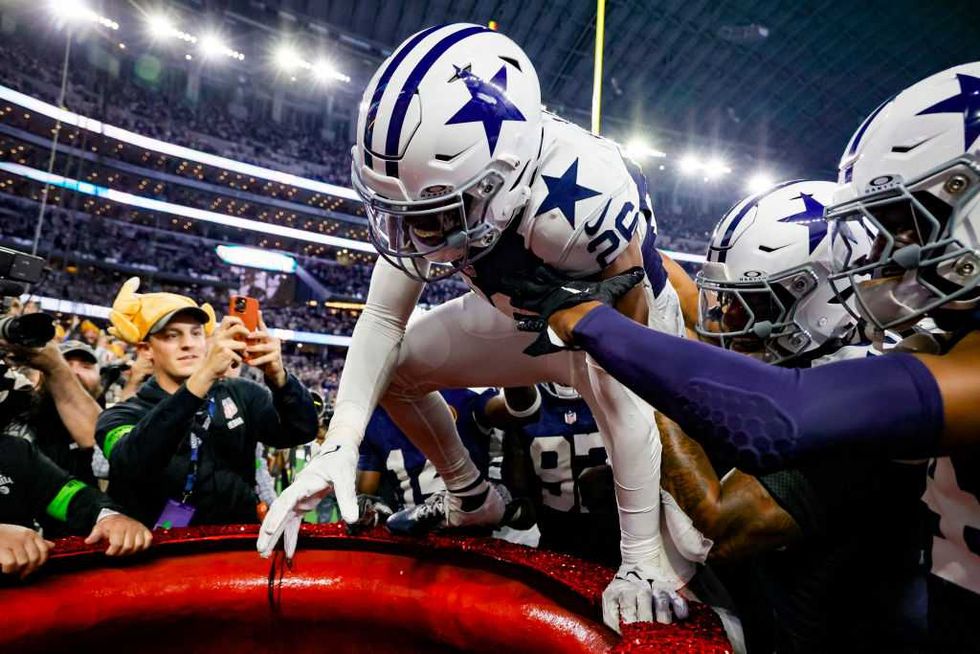 ARLINGTON, TX – NOVEMBER 23: Dallas Cowboys cornerback DaRon Bland (26) jumps into the Salvation Army Kettle after returning an interception for a touchdown during the game between the Dallas Cowboys and the Washington Commanders on November 23, 2023 at AT&T Stadium in Arlington, Texas. (Photo by Matthew Pearce/Icon Sportswire via Getty Images)
In 2017, Seattle Seahawks cornerback Justin Coleman jumped into one of the kettles after returning an interception for a touchdown; he was not fined but got penalized during the game.
In 2018 though, Elliott performed the celebration again, but this time was fined $13,369 by the NFL.
Fast-forward to 2022 when the NFL managed to confuse players and fans even more. A Whac-a-Mole celebration in late November had three Cowboys players get into a kettle and see no discipline at all. One week later, the Cowboys, including Elliott, used a kettle in a different unique celebration. This time, participants Elliott and quarterback Dak Prescott were fined $13,261 for unsportsmanlike conduct.
On Thanksgiving 2023, a seemingly preplanned celebration that involved four Cowboys players eating turkey legs that were inside a kettle did not result in any fines.
As the confusing tradition continues, the Salvation Army did not make mention of the celebration on its X account in 2025. The charity showcased only its partnership with the Cowboys, sharing a video of the aforementioned Post Malone.
Like Blaze News? Bypass the censors, sign up for our newsletters, and get stories like this direct to your inbox. Sign up here!
‘Shut the f**k up’: White House hammers New Yorker writer for trivializing National Guard members’ sacrifice
Two West Virginia National Guardsmen patrolling the national capital were shot the day before Thanksgiving, allegedly by a 29-year-old Afghan national who Homeland Security Secretary Kristi Noem indicated “was one of the many unvetted, mass paroled into the United States under Operation Allies Welcome on September 8, 2021, under the Biden Administration.”
While 24-year-old U.S. Air Force Staff Sgt. Andrew Wolfe is reportedly still fighting for his life, Army Spc. Sarah Beckstrom succumbed to her wounds on Thursday evening.
“My baby girl has passed to glory,” the fallen guardsman’s father, Gary Beckstrom, noted in a Facebook post on Thursday. “… This has been a horrible tragedy.”
‘Apologize and repent.’
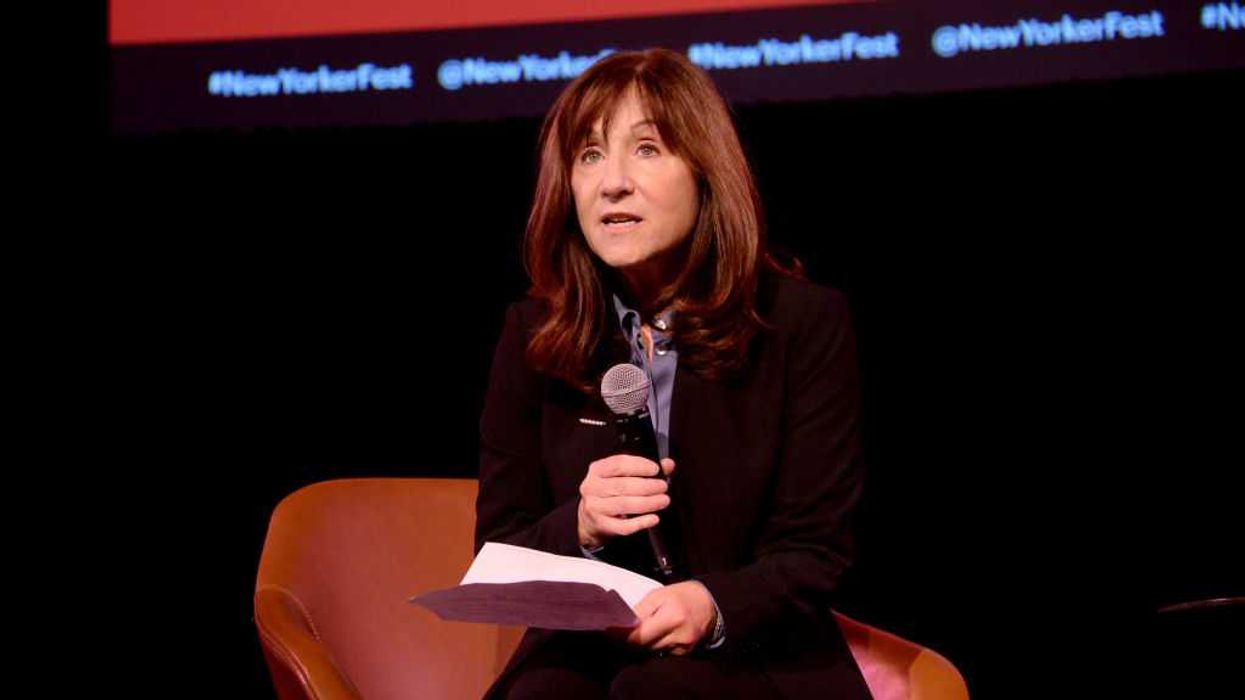
Amid the general outpouring of prayers and support for the victims and their families, the New Yorker magazine’s chief Washington correspondent, Jane Mayer, decided to publicly trivialize the military members’ sacrifice.
“This is so tragic, so unnecessary, these poor guardsmen should never have been deployed,” wrote Mayer. “I live in DC and watched as they had virtually nothing to do but pick up trash. It was a political show and at what a cost.”
Mayer’s apparent suggestion that the National Guardsman who died and others overseeing a historic and transformative decrease in violent crime in Washington, D.C., were glorified garbage pickers did not go over well with the American people and their White House.
White House communications director Steven Cheung, responding on X from his official account, wrote, “Jane, respectfully, shut the f**k up for trying to politicize this tragedy.
“They were protecting DC and trying to make the nation’s capital safer,” continued Cheung. “People like you who engage in ghoulish behavior lose all credibility. Not like you had any to begin with.”
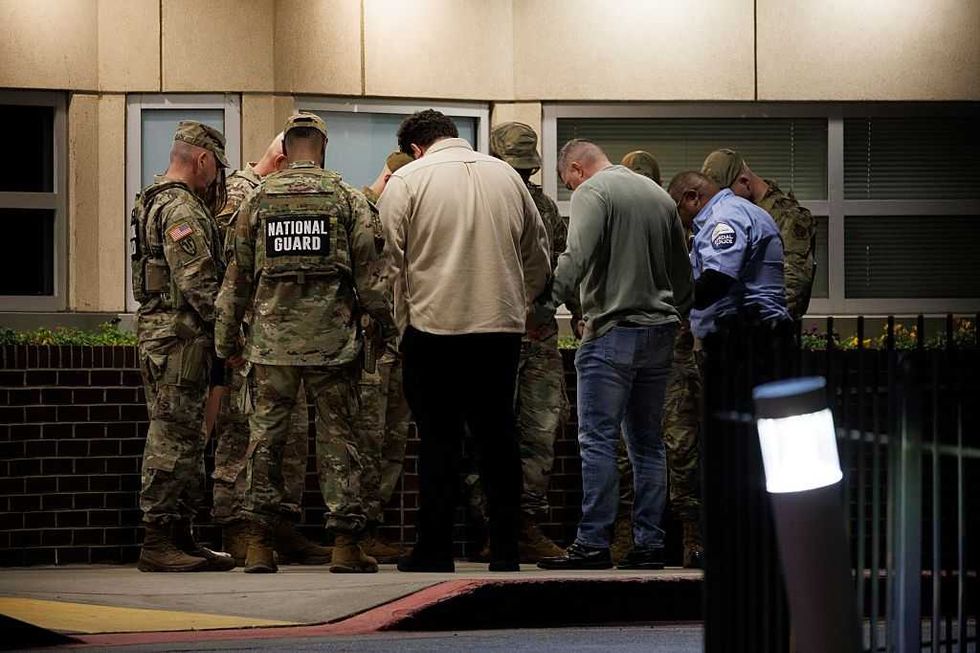 Military members and civilians pray outside the hospital where the two wounded National Guardsmen were taken. Photo by Tom Brenner for The Washington Post via Getty Images.
The official White House rapid response account similarly castigated the liberal journalist, writing, “You sick, disgusting ghoul. Two of these heroes were just SHOT IN BROAD DAYLIGHT. The Guard has saved countless lives — backed up by evidence (which you’re clearly too stupid to notice). They are American patriots.”
In August, President Donald Trump federalized the Metropolitan Police Department in Washington, D.C., and deployed the National Guard there in order to “re-establish law, order, and public safety” to a city that had a higher violent crime, murder, and robbery rate than all 50 states.
D.C. immediately witnessed a dramatic drop in crime.
There was a 44% decrease in violent crime in the first three weeks of the anti-crime initiative when compared to the same stretch the previous year and a 27% drop in crime from Aug. 11 through Oct. 15 relative to the same period in 2024. In addition to saving lives, the reduction in crime led to savings of over $450 million as of Nov. 4, according to the America First Policy Institute.
The White House was not alone in its disgust over Mayer’s remarks.
Georgia Rep. Mike Collins (R) responded, “Apologize and repent.”
“Stop supporting the murder of American soldiers,” wrote BlazeTV host Auron MacIntyre.
Florida Attorney General James Uthmeier (R) wrote, “All these sick people on the Left do is blame the victims. I’m thankful for our guardsmen and praying for them and their families as they keep protecting the peace.”
While others similarly bashed Mayer over her rush to politicize the attack on the guardsmen by a suspect apparently imported by the Biden administration, some critics refuted the New Yorker writer’s narrative by providing accounts of critical actions taken by the National Guard in the District of Columbia.
For instance, Wallace White, a reporter at the Daily Caller News Foundation, noted, “On my walk back from work a few weeks back, a man was dangling off the ledge of the metro tracks at Farragut West clearly trying to commit suicide by train. If two national guardsmen weren’t there at the time, he’d be dead. These people are heroes.”
Logan Dobson, vice president of the political advertising agency Targeted Victory, noted that he lives in D.C. and that the city is safer thanks to the National Guard, adding on the basis of murder statistics, “Dozens of Washingtonians are alive today that wouldn’t be if not for the Guard.”
When confronted by Dobson with evidence of the drop in crime following the National Guard’s deployment to D.C., Mayer said, “I’ve covered crime in Washington since 1981- let’s skip the mansplaining. You can play with the stats but homicides were dropping before the troops got here.”
Like Blaze News? Bypass the censors, sign up for our newsletters, and get stories like this direct to your inbox. Sign up here!
3 Thanksgiving leftover sandwich recipes that even non-cooks — like me — can try
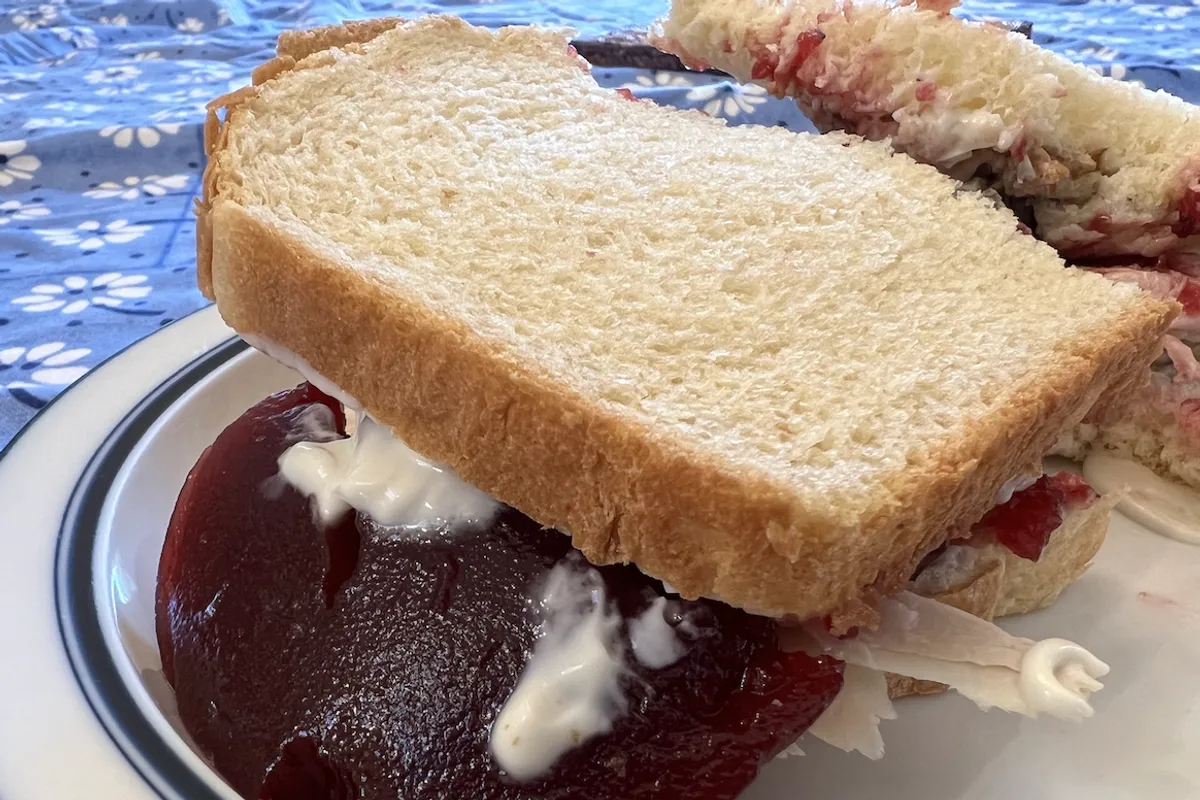
As this story’s headline indicates, I’m not much of a cook.
I can do meatloaf in a pinch and can manage some roasted veggies — and I’ve even been known to create some of the best baked spicy chicken wings this side of … well, this side of my street. Maybe.
‘Let’s get to cookin’!’
That said, this Thanksgiving Day, do you have plans for all those leftovers that have predictably piled up after dinner is done? All of that turkey, stuffing, and, of course, cranberry sauce?
Sure, there are plenty of exotic recipes for leftovers out there that require a bit of effort — as well as ingredients that may not be so easy to procure if you don’t already have them on hand (especially amid crowded Black Friday shopping conditions). And who wants to exert even more effort after hours and hours of prep time and cooking time on this holiday?
Certainly not me — and I’m not even the one doing the Thanksgiving cooking. Ease and speed and comfort are the kings in this kitchen.
In an effort to help y’all think ahead, how about a trio of post-holiday sandwich ideas that can win the day and pare down the piles of food left in your fridge?
Thanksgiving leftover sliders
This entertaining fellow — his YouTube handle is @morehowtobbqright — presents on video what appears to be an easy recipe for sliders that even I’d be game to try. (He also calls them “samiches,” so you know they’re gonna be good.)
Our chef tells us, “Let’s get to cookin’!” and then shows us how.
Looks like you need a pack of King’s Hawaiian Savory Butter Rolls — but hey, maybe you can repurpose leftover dinner rolls from your T-Day feast too. He says you then place all the bottom roll halves on foil, pile up a bunch of American cheese slices, followed by leftover turkey pieces, then your leftover stuffing, then your leftover cranberry sauce — followed by, you guessed it, more of those American cheese slices — and then you pop the top halves of the rolls on top to crown your creation.
Our chef also instructs us to melt some butter and brush it on the top of the “samiches,” after which you wrap ’em all in foil and then bake them on a tray for 30 minutes at 350 degrees. Then you uncover the sliders and bake them for 15 more minutes to brown the tops.
Thanksgiving leftover quesadillas
Believe it or not, even easier than the sliders.
Our chef — her YouTube handle is @MealsWithMaria — shows us in a less-than-30-second video how simple these quesadillas are to create.
Just warm some butter in a skillet over medium heat and add a tortilla. Then add leftover mashed potatoes, leftover sweet potatoes, shredded Monterey Jack cheese, and chunks of leftover turkey. Then you fry it all up until the cheese is melted and the tortilla is crispy.
Finally, for the last minute of heat, you add some leftover cranberry sauce on top and fold over the tortilla. She suggests slicing it in half and, if you want, dipping it in leftover gravy.
Thanksgiving leftover deluxe grilled cheese sandwiches
OK, now for the “deluxe” portion of our program.
Our YouTube guide — his handle is @Chef_Tyler — presents a snazzy grilled cheese sandwich recipe in his brief video. First, he suggests toasting your leftover bread in an oiled pan before assembling the stuff in the middle. (It also looks like he’s slicing part of a leftover hard-crusted loaf. This is already a mighty big cut above the grilled cheese I typically make.)
He then tells us to mix our leftover cranberries with mayo — to prevent things from getting soggy — and then spread the mixture on the toasted bread. (Oh, got any herbs on hand? They’re good for that cranberry-mayo spread too.)
Then you put your cheese on top of the spread — he recommends slices of aged cheddar or gouda, but anything will do. Then the leftover turkey chunks. The drier the better, believe it or not. (And don’t forget to heat the turkey in the pan before putting it on top of the cheese, as Chef Tyler says that will help the cheese melt faster.)
It appears you cook the sandwich on both sides until the crust is golden brown — natch — and then dip it in leftover gravy if you want.
Happy Thanksgiving — and the days after — one and all!
Like Blaze News? Bypass the censors, sign up for our newsletters, and get stories like this direct to your inbox. Sign up here!
How NFL football became a Thanksgiving holiday tradition
Before the NFL had three Thanksgiving games — or any games at all — the tradition was already under way in one part of the country.
The northeast is credited with creating the Thanksgiving game tradition. But, no, it wasn’t the New York Giants or the New York Jets that started it. Rather, the tradition began in the upscale setting of Princeton and Yale.
‘People in this area … are used to having football with their turkey.’
Back in 1876, the two schools played what is considered to be the first college football game on Nov. 30. Just 1,000 fans sat through a 2-0 Yale victory in Hoboken, New Jersey, that would start a tradition for the ages.
Over the next two decades, the annual game grew in popularity, with Princeton winning 6-0 in front of more than 50,000 fans in 1892, according to History. While this was the last time the schools met on Thanksgiving, the tradition was in full swing as colleges, high schools, and clubs played around 5,000 games on Thanksgiving Day throughout the 1890s.
Thanksgiving Pros
While most associate the start of the Thanksgiving tradition in the NFL with the Detroit Lions, there was more than a decade of games on the holiday before it became a fixture in the Motor City.
On Thanksgiving 1920, teams like the Akron Pros and the Dayton Triangles shut out the Canton Bulldogs and Detroit Heralds, 7-0 and 28-0, respectively. Even non-league teams like the Elyria Athletics and Chicago Boosters played that Thanksgiving.
In 1922, the Chicago Bears played their first of 17 consecutive Thanksgiving games. One of those games was against the Lions in 1934 after entrepreneur George A. Richards bought the Ohio Spartans for just under $8,000 and moved them to Detroit. In order to draw fans, he invited the champion Bears for the Thanksgiving game.
A record 26,000 fans watched the game at the University of Detroit Stadium, setting a record for a football game in Detroit. Even though the Bears won 19-16 — finishing with an undefeated season — it sparked a Lions tradition that continues to this day.
RELATED: Free speech and football: Why they matter and why you should be thankful for them
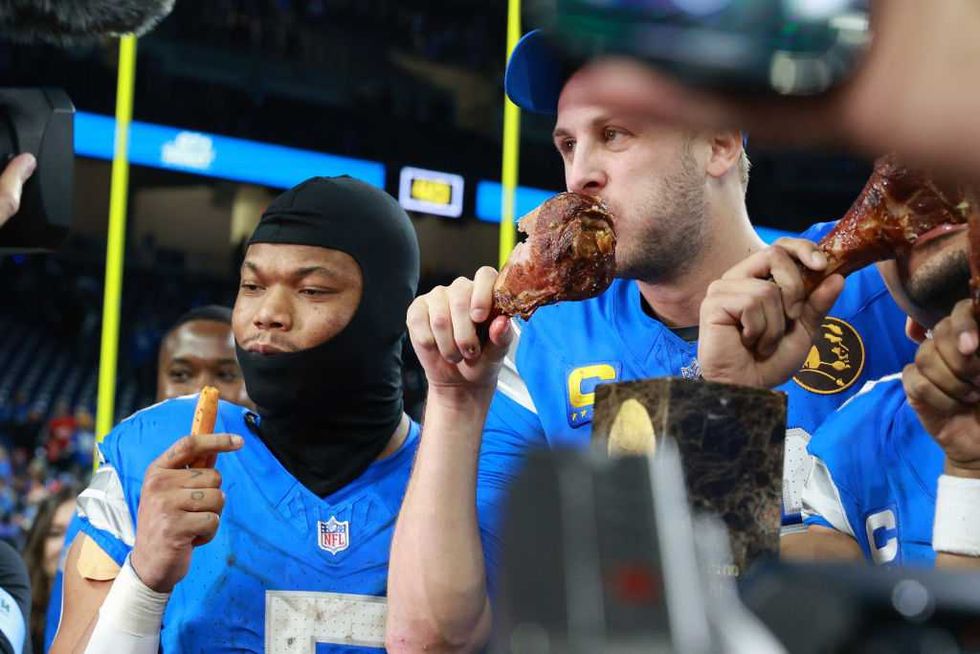 Photo by Jorge Lemus/NurPhoto via Getty Images
Lions and Cowboys and Cardinals, oh my!
Since the Lions became the Lions, they have hosted a Thanksgiving game every year — except between 1939 and 1944 during World War II.
The first televised game came in 1953 for the Green Bay Packers-Lions game, but fans would have to wait another 13 years for a second Thanksgiving game to come on the airwaves.
On November 24, 1966, the Dallas Cowboys became the second team to host a televised Turkey Day game. They beat the Cleveland Browns 26-14 at the Cotton Bowl in front of more than 80,000 fans that day.
The area was thirsty for the tradition to continue. Cowboys General Manager Tex Schramm remarked at the time that Texas football fans had become accustomed to the holiday game.
“People in this area, because of the Texas-Texas A&M game, are used to having football with their turkey,” he said.
For nearly a decade, the Cowboys hosted the second game. However, in 1975 the NFL wanted to showcase the St. Louis Cardinals’ highly-touted offense and gave the team a few years to show it off. They lost in 1975, 1976, and 1977 — including a loss to the Cowboys in ’76 — before the league asked the Cowboys if they wanted to take the tradition back for the 1978 game.
“I said only if we got it permanently,” Schramm told the Chicago Tribune in 1998, according to History. “It’s something you have to build as tradition. He said, ‘It’s yours forever.'”
RELATED: NFL player apologizes over backlash for doing Trump dance: ‘I did not mean to offend anyone’
Turducken and a third game
Late and great coach-turned-commentator John Madden has brought the football world so many things: Madden video games, hilarious telestrator segments, and, of course, his sideburns.
Another addition in his 85 years was bringing the joy of eating to the Thanksgiving Day broadcast.
Calling 22 straight Thanksgiving games starting in 1981, Madden’s three-bird roast was born in the lead-up to the 1996 broadcast, according to ESPN. Along with his annual Turkey Leg Award for player of the game that started in 1989, the turducken became an annual staple, with Madden explaining his complex process on how to cook, cut, and even eat the birds.
In 2002, he even tore the roast open with his bare hands to create a working diagram.
“It’s a deboned chicken stuffed in a deboned duck stuffed in a deboned turkey, with dressing between the chicken and the duck, and the duck and the turkey. So as you cut down that way, you go turkey, dressing, duck, dressing, chicken,” he instructed.
Unfortunately, Madden retired just a few years after the NFL expanded its Thanksgiving schedule to three games in 2006, which would have offered a lot more opportunities to spread his turducken joy.
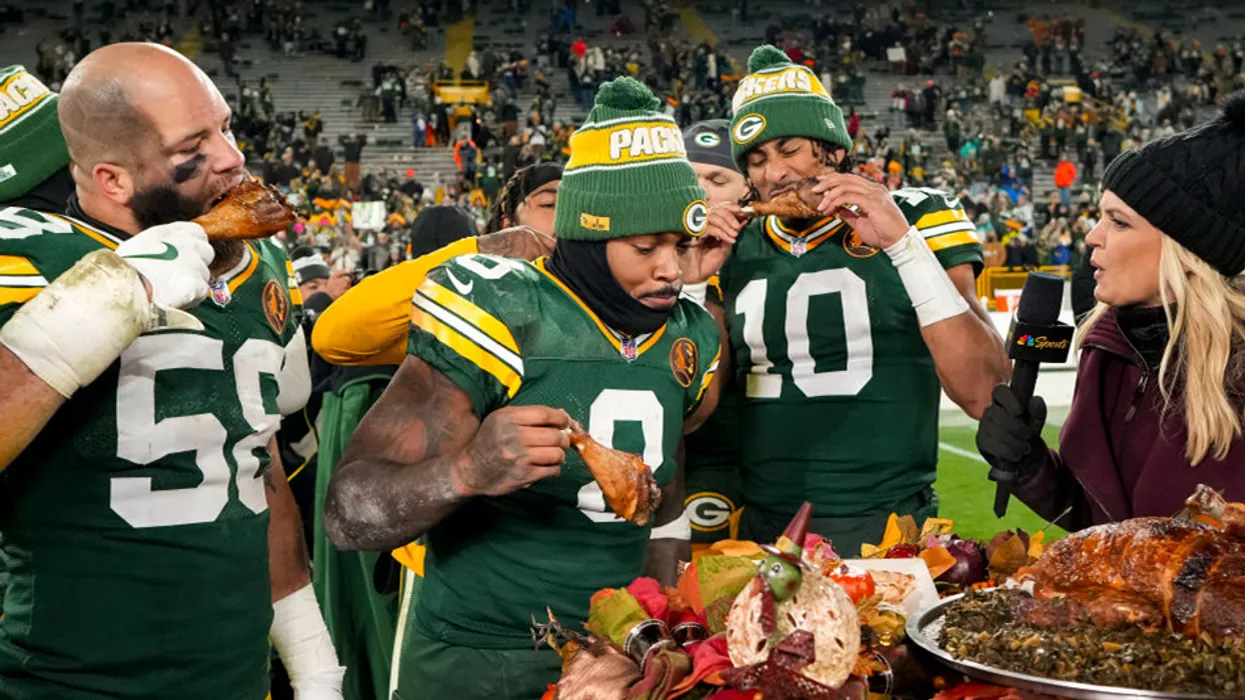
Although no specific host team is used for the third game, players have recently carried on Madden’s tradition by eating turkey on the field after the game — or even just a carrot.
Like Blaze News? Bypass the censors, sign up for our newsletters, and get stories like this direct to your inbox. Sign up here!
Turkey-hater’s delight: 6 historic Thanksgiving substitutes
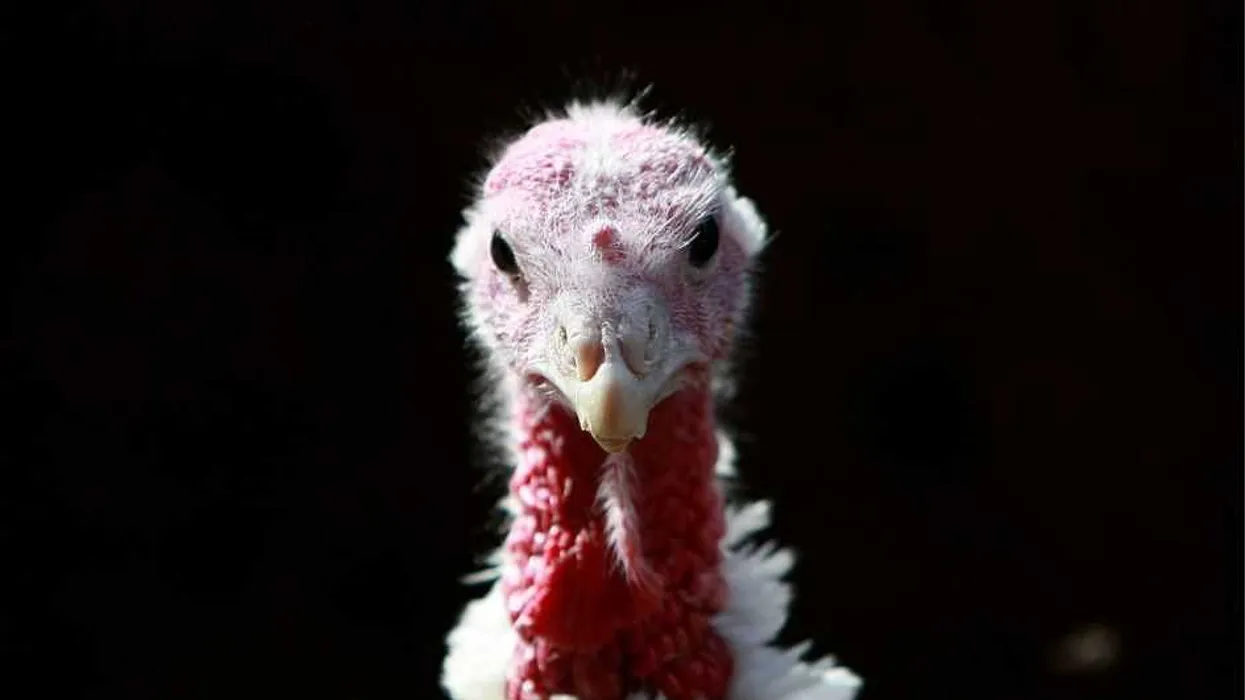
This Thanksgiving, consider the poor turkey. Is there any animal we consume with less gusto?
It has become something of annual tradition to denigrate the day’s traditional fare. Nearly 35% of Americans claim turkey is their least favorite part of the feast, according to one recent survey.
This vintage Better Homes and Gardens recipe is a bit of a cheat, as it does use turkey — although not in any form you’re likely to recognize
The internet just stokes the hatred. Every year the same tiresome “contrarian” opinions: “Stop pretending you like turkey. It’s no good on Thanksgiving, or any other day.”
Even celebrity chefs can’t resist punching down. “Turkey is wildly overrated,” says restaurateur David Chang.
“The only reason to cook the turkey is to get the gravy, and then you can just give the turkey away.”
We must admit that turkey-haters have a point. Yes, turkey meat can be dry and flavorless (although brining is a dependable way to avoid that). And yes, the tradition of eating turkey — and most Thanksgiving foods — was essentially created by advertising in the early 20th century. (College freshman home for fall break voice: “It’s all a scam by Big Cranberry!”)
While we’re content to stick with the standard flightless fowl, there were plenty of other contenders in the great battle for the Thanksgiving table. As a service, we provide the following recipes for anyone wanting to change it up.
1. Roast eel (1621)
Among the meats served at the first Thanksgiving in Plymouth would surely have been this vital freshwater food source. The 1622 promotional pamphlet for the Plymouth colony “Mourt’s Relation” describes how the Wampanoag native Tisquantum (better known as Squanto) taught the Pilgrims to catch the slippery, succulent treats.
Tisquantum went at noon to fish for Eels, at night he came home with as many as he could well lift in one hand, which our people were glad of, they were fat & sweet, he trod them out with his feet, and so caught them with his hands, without any other Instrument.
Here’s how they might have prepared it:
Ingredients
- 2 lbs cleaned freshwater eel
- Salt, splash of vinegar
- Sage or bay, butter
Instructions
- Soak eel 30 minutes in salt water and vinegar.
- Dry; rub with salt and herbs.
- Split a roasting stick down the middle, coil eel around stick.
- Roast over open fire 20-25 min.
- Baste with butter.
2. Roast swan (17th-18th centuries)
Long a favorite of European royals (peasants were forbidden to hunt them), swan was plentiful in the New World and was most likely one of the waterfowl consumed at the first Thanksgiving.
Here’s a recipe from Hannah Woolley’s “The Queen-like Closet,” (1670) a cookbook that later colonists would have had in their kitchens:
To bake a Swan.
Scald it and take out the bones, and parboil it, then season it very well with Pepper, Salt and Ginger, then lard it, and put it in a deep Coffin of Rye Paste with store of Butter, close it and bake it very well, and when it is baked, fill up the Vent-hole with melted Butter, and so keep it; serve it in as you do the Beef-Pie.
For something more elaborate, here’s a preparation from the late 14th century cookbook “Le Menagier de Paris”:
Pluck like a chicken or goose, scald, or boil; spit, skewer in four places, and roast with all its feet and beak, and leave the head unplucked; and eat with yellow pepper.
Item, if you wish, it may be gilded.
Item, when you kill it, you should split its head down to the shoulders.
Item, sometimes they are skinned and reclothed.
RECLOTHED SWAN in its skin with all the feathers. Take it and split it between the shoulders, and cut it along the stomach: then take off the skin from the neck cut at the shoulders, holding the body by the feet; then put it on the spit, and skewer it and gild it. And when it is cooked, it must be reclothed in its skin, and let the neck be nice and straight or flat; and let it be eaten with yellow pepper.
3. Passenger pigeon pie (1700s)
Though extinct for more than a century, passenger pigeons were once as abundant as the kind you see fouling statues in urban parks. While we wouldn’t recommend eating those birds, Cornish game hen or squab make a decent substitute.
Ingredients
- 2 Cornish game hens (substitute for extinct passenger pigeons)
- 1 onion, quartered
- 2 tbsp butter
- 2 tbsp flour
- 1-1½ cups chicken or turkey stock
- Salt and pepper, to taste
- 1 tsp dried thyme
- Double pie crust (bottom + top crust)
Instructions
1. Prepare the meat
- Simmer game hens with the onion until fully cooked and tender.
- Remove hens; pick the meat from the bones.
- Place shredded meat in a bowl.
2. Make the gravy
- Melt butter in a pan.
- Add flour and cook until lightly browned.
- Stir in stock to form a smooth gravy.
- Season with salt, pepper, and thyme.
- Simmer until slightly thickened.
3. Assemble the pie
- Line a pie dish with bottom crust.
- Add shredded meat.
- Pour warm gravy over the meat.
- Cover with top crust and seal edges.
- Cut a small vent in the center.
4. Bake
Outdoor Dutch oven method (historical):
- Preheat Dutch oven with coals above and below.
- Elevate pie pan inside the Dutch oven on metal hooks or a trivet.
- Bake ~10-20 minutes, checking frequently to avoid burning.
Modern oven method:
- Bake at 375°F for 35-45 minutes, until crust is golden.
5. Serve. Let cool slightly before slicing.
4. Sautéed calf’s brains with mushrooms, sour cream, and dill
In 1904, railroad heir George Vanderbilt and his wife, Edith, hosted a lavish Thanksgiving at their Asheville estate, Biltmore. Turkey was on the menu — but so were calf’s brains. Here’s one preparation that guarantees a delicate, custardy mouthfeel:
Ingredients
- 1 lb brains (veal, pork, or lamb)
- Water for soaking
- Salt (for poaching water)
- 2 tbsp butter
- 1 cup sliced white mushrooms
- 2-3 tbsp sour cream
- 1-2 tbsp fresh dill, minced
- Toasted bread, for serving
Instructions
1. Prep the brains
- Soak brains overnight in cold water to remove blood pockets.
- Drain.
- Poach gently in salted water (bare simmer) for 10-15 minutes until firm.
- Cool slightly, then peel off the thin outer membrane.
- Cut brains into bite-size pieces.
2. Cook the mushrooms
- In a skillet, melt butter over medium heat.
- Add mushrooms and sauté until they release their juices and the butter turns lightly browned and nutty.
3. Add the brains
- Add chopped brains to the skillet.
- Toss gently with the mushrooms and browned butter for 1-2 minutes.
4. Finish the sauce
- Remove skillet from heat.
- Stir in sour cream to form a loose sauce.
- Add minced dill.
- Adjust salt if needed.
5. Serve. Spoon the mixture over warm toast. Serve immediately.
5. Celery au naturel (late 1800s-early 1900s)
Now the most unwanted vegetable on the crudite platter, this Bloody Mary garnish was a highly coveted status symbol of the Gilded Age (it was hard to grow). Everyone will want the recipe.
Ingredients
- 1 bunch crisp celery
- Cold water
- Ice cubes (optional)
- Salt (for serving, optional)
Instructions
1. Trim the celery
- Cut off the root end.
- Remove tough outer stalks if desired.
- Trim leafy tops to a neat fan.
2. Refresh the stalks
- Place celery in a bowl of cold water (add ice for extra crispness).
- Chill 15-30 minutes.
3. Present with appropriate ceremony
- Stand stalks upright in a tall glass, vase, or celery jar.
- Arrange so the tops flare elegantly.
4. Serve. Place the celery in the center of the table. Offer a pinch dish of salt on the side.
Note: In the late 19th century, this was considered a showpiece delicacy. Your guests are encouraged to admire its beauty before eating it exactly as it is.
6. Turkey lime molded salad (1969)
This vintage Better Homes and Gardens recipe is a bit of a cheat, as it does use turkey — although not in any form you’re likely to recognize.
Ingredients
- 2 packages (3 oz each) lime-flavored gelatin
- ¼ tsp salt
- 2 cups boiling water
- ½ cup cold water
- 1 (7 oz) bottle ginger ale
- 2 cups diced cooked turkey
- 1 cup sour cream
- ¼ tsp ground ginger
- 1 (16 oz) can pears, drained and diced
- 6½-cup gelatin mold
Instructions
1. Make the gelatin base
- Dissolve lime gelatin and salt in 2 cups boiling water.
- Add ginger ale and ½ cup cold water.
- Chill until partially set.
2. Prepare the turkey layer
- Fold diced turkey into the partially set gelatin.
- Pour into a 6½-cup mold.
- Chill until almost firm.
3. Prepare the sour cream-pear layer
- Beat sour cream, ground ginger, and ½–1 cup of the remaining unset gelatin until smooth.
- Chill until partially set.
- Fold in diced pears.
4. Add second layer
- Spoon the pear-sour cream mixture over the firm turkey layer.
- Chill until completely set.
5. Unmold and serve
- Dip mold briefly in warm water.
- Invert onto a serving platter.
- Lift mold carefully to reveal two layers.
Our forefathers prayed on Thanksgiving. We scroll.

There was a time when Thanksgiving pointed toward something higher than stampedes for electronics or a long weekend of football. At its root, Thanksgiving was a public reminder that faith, family, and country are inseparable — and that a free people must recognize the source of their blessings.
Long before Congress fixed the holiday to the end of November, colonies and early states observed floating days of thanksgiving, prayer, and fasting. These were civic acts as much as religious ones: moments when communities asked God to protect them from calamity and guide their families and their nation.
Grounded in gratitude
The Continental Congress issued the first national Thanksgiving proclamation in 1777, drafted by Samuel Adams. The delegates called on Americans to acknowledge God’s providence “with Gratitude” and to implore “such farther Blessings as they stand in Need of.”
Twelve years later, President George Washington proclaimed the first federal day of thanksgiving under the Constitution. He asked citizens to gather in public and private worship, to seek forgiveness for “national and other transgressions,” and to pray for the growth of “true religion and virtue.”
Our problems — social, fiscal, and moral — are immense. But they are not greater than the God our ancestors trusted.
Other presidents followed suit. During rising tensions with France in 1798, John Adams declared a national day of “solemn humiliation, fasting, and prayer,” arguing that only a virtuous people could sustain liberty. The next year he called for another day of thanksgiving, urging citizens to set aside work, confess national sins, and recommit themselves to God.
For generations, this was the American understanding: national strength flowed from moral character, and moral character flowed from religious conviction.
The evolution of a holiday
In 1863, President Abraham Lincoln — responding to years of lobbying by Sarah Josepha Hale — established the last Thursday in November as a permanent national Thanksgiving. Hale saw the holiday as a unifying civic ritual that strengthened families and reminded Americans of their shared heritage.
Calvin Coolidge echoed this tradition in 1924, observing that Thanksgiving revealed “the spiritual strength of the nation.” Even as technology transformed daily life, he insisted that the meaning of the day remain unchanged.
But as the country drifted from an agricultural rhythm and from public expressions of faith, the holiday’s original purpose faded. The deeper meaning — gratitude, repentance, unity — gave way to distraction.
When a nation forgets
Today, America marks Thanksgiving with a national character far removed from the one our forebears envisioned. The founders believed public acknowledgment of God’s authority anchored liberty. Modern institutions increasingly treat religious conviction as an obstacle.
Court rulings have redefined marriage, narrowed the space for religious conscience, and removed long-standing religious symbols from public grounds. Citizens have been fined, penalized, or jailed for refusing to violate their beliefs. The very freedoms early Americans prayed to preserve are now treated as negotiable.
At the same time, other pillars of national life — family stability, civic order, border security, self-government — erode under cultural and political pressure. As faith recedes, government fills the void. The founders warned that a people who lose their internal moral compass invite external control.
Former House Speaker Robert Winthrop (Whig-Mass.) put it plainly in 1849: A society will be governed “either by the Word of God or by the strong arm of man.”
A lesson from history
The collapse of religious conviction in much of Europe created a vacuum quickly filled by ideologies hostile to Western values. America resisted this trend longer, but the rising influence of secularism and identity ideology pushes our society toward the same drift: a nation less confident in its heritage, less united by a common purpose.
Ronald Reagan saw the warning signs decades ago. In his 1989 farewell, he lamented that younger generations were no longer taught to love their country or understand why the Pilgrims came here. Patriotism, once absorbed through family, school, and culture, had been replaced by fashionable cynicism.
Thanksgiving offers the antidote Reagan urged: a return to gratitude, history, and shared purpose.
RELATED: Why we need God’s blessing more than ever
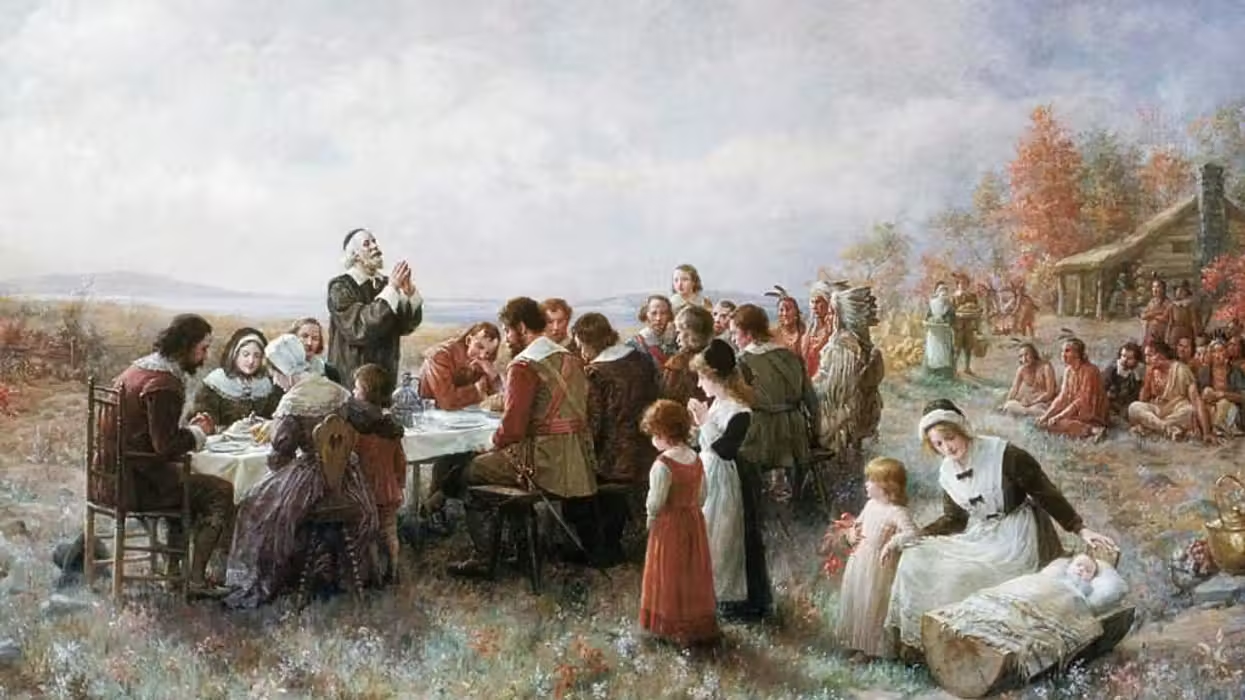 Photo by Barney Burstein/Corbis/VCG via Getty Images
Thanksgiving was meant to be the clearest expression of a nation united by faith, family, and patriotism. It rooted liberty in gratitude and gratitude in God’s providence.
Reagan captured that spirit in 1986, writing that Thanksgiving “underscores our unshakable belief in God as the foundation of our Nation.” That conviction made possible the prosperity and freedom Americans inherited.
Today’s constitutional conservatives must lead in restoring that heritage — not by nostalgia, but by example. Families who teach gratitude, faith, and national purpose build the civic strength the founders believed essential.
A return to gratitude
Thanksgiving calls each of us to humility: to recognize that national renewal begins with personal renewal. Our problems — social, fiscal, and moral — are immense. But they are not greater than the God our ancestors trusted.
That confidence is the heart of Thanksgiving. It is why the Pilgrims prayed, why Congress proclaimed days of fasting and praise, why Lincoln unified the holiday, and why generations of Americans pause each November to give thanks.
Editor’s note: A version of this article first appeared at Conservative Review in 2015.





