

Day: December 4, 2025
More than 160 House Dems vote against crackdown on foreign influence in US schools
House passes two bills targeting foreign influence in schools with bipartisan support, though more than 160 Democrats opposed measures affecting foreign funding.
White House makes touching gesture to honor assassinated National Guard member, allegedly by CIA-linked Afghan
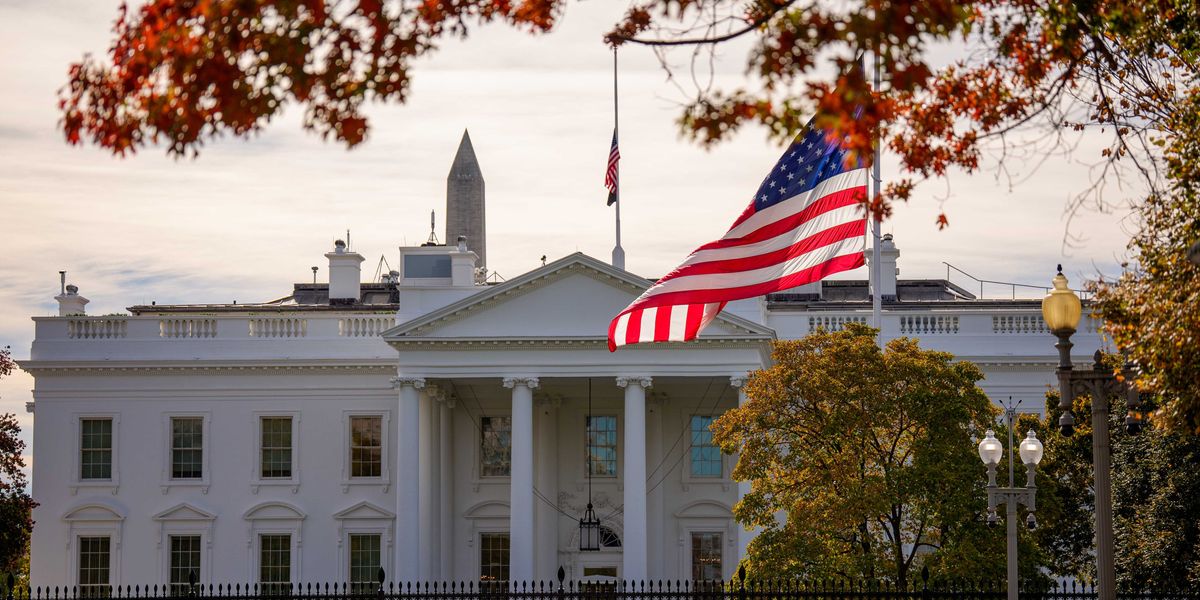
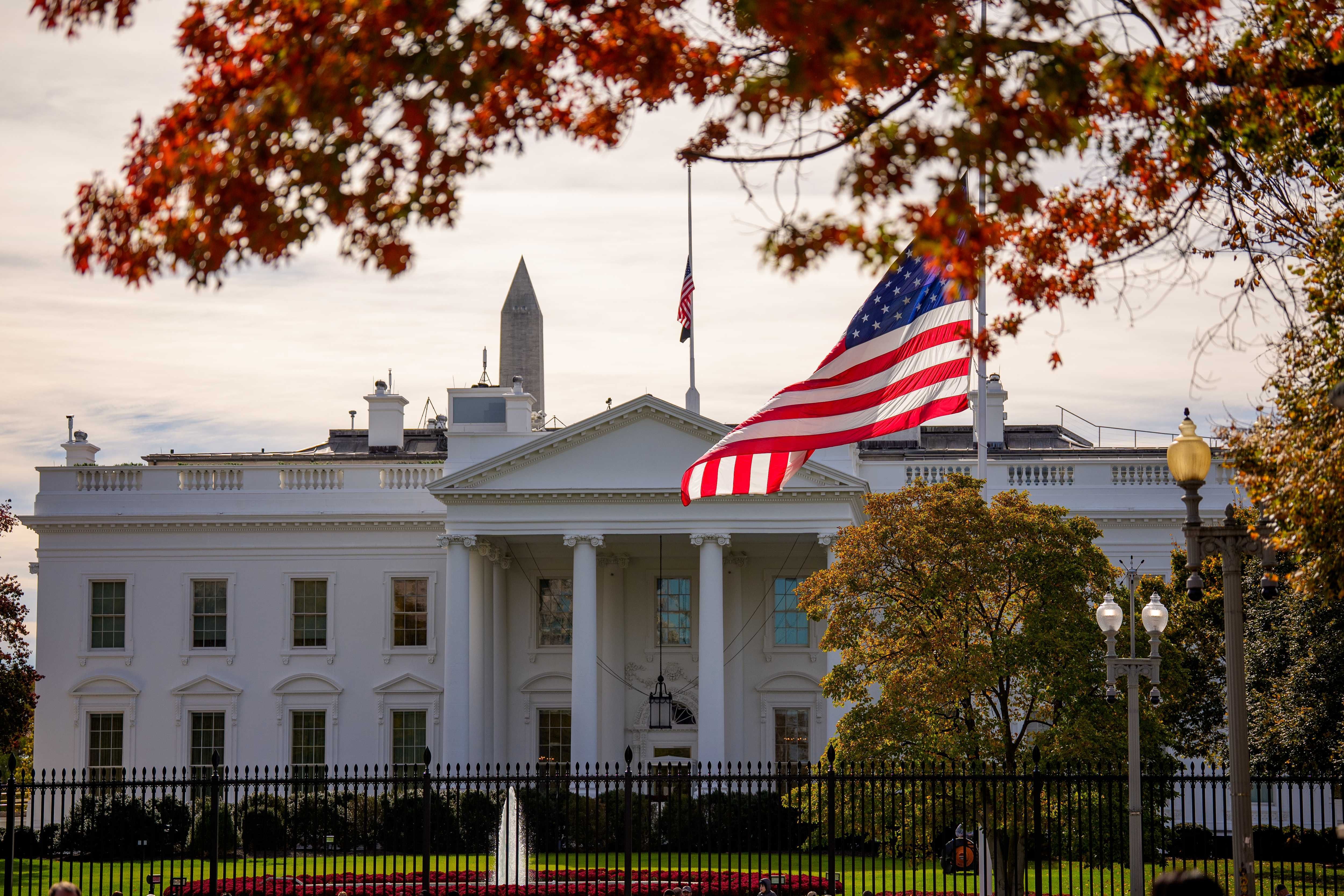
President Donald Trump’s administration is honoring fallen National Guard member Spc. Sarah Beckstrom in the wake of her horrific murder just yards away from the White House grounds.
The White House lowered all flags on the grounds to half-staff on Thursday after Beckstrom succumbed to her wounds on November 27, Thanksgiving Day. The suspect is a CIA-linked Afghan national who allegedly shot her and fellow guardsman Staff Sgt. Andrew Wolfe in Washington, D.C, the day prior.
Beckstrom was only 20 years old.
‘The Biden administration justified bringing the alleged shooter to the United States.’
The proclamation from Trump’s administration extended the honor to “all public buildings and grounds, at all military posts and naval stations, and on all naval vessels of the Federal Government in the District of Columbia and throughout the United States and its Territories and possessions until sunset, December 4, 2025.”
The flags will also be lowered at American embassies, legations, consular offices, and military facilities across the world.
Flags at the White House are lowered to half-staff in memory of Army Specialist Sarah Beckstrom.
May God bless her family, our National Guard heroes, and the United States of America. 🙏🇺🇸 pic.twitter.com/OyOGMc0dv3
— Rapid Response 47 (@RapidResponse47) December 4, 2025
Twenty-nine-year-old Rahmanullah Lakanwal, who was officially charged with Beckstrom’s murder, also allegedly ambushed 24-year-old Wolfe, who is miraculously expected to recover.
Lakanwal first came to the United States under President Joe Biden’s administration under the program Operation Allies Welcome following the disastrous withdrawal from Afghanistan in 2021. Lakanwal was also a member of a CIA-backed military operation to hunt down Taliban commanders.
RELATED: Suspect in National Guard shooting was part of CIA-backed unit that hunted down Taliban commanders
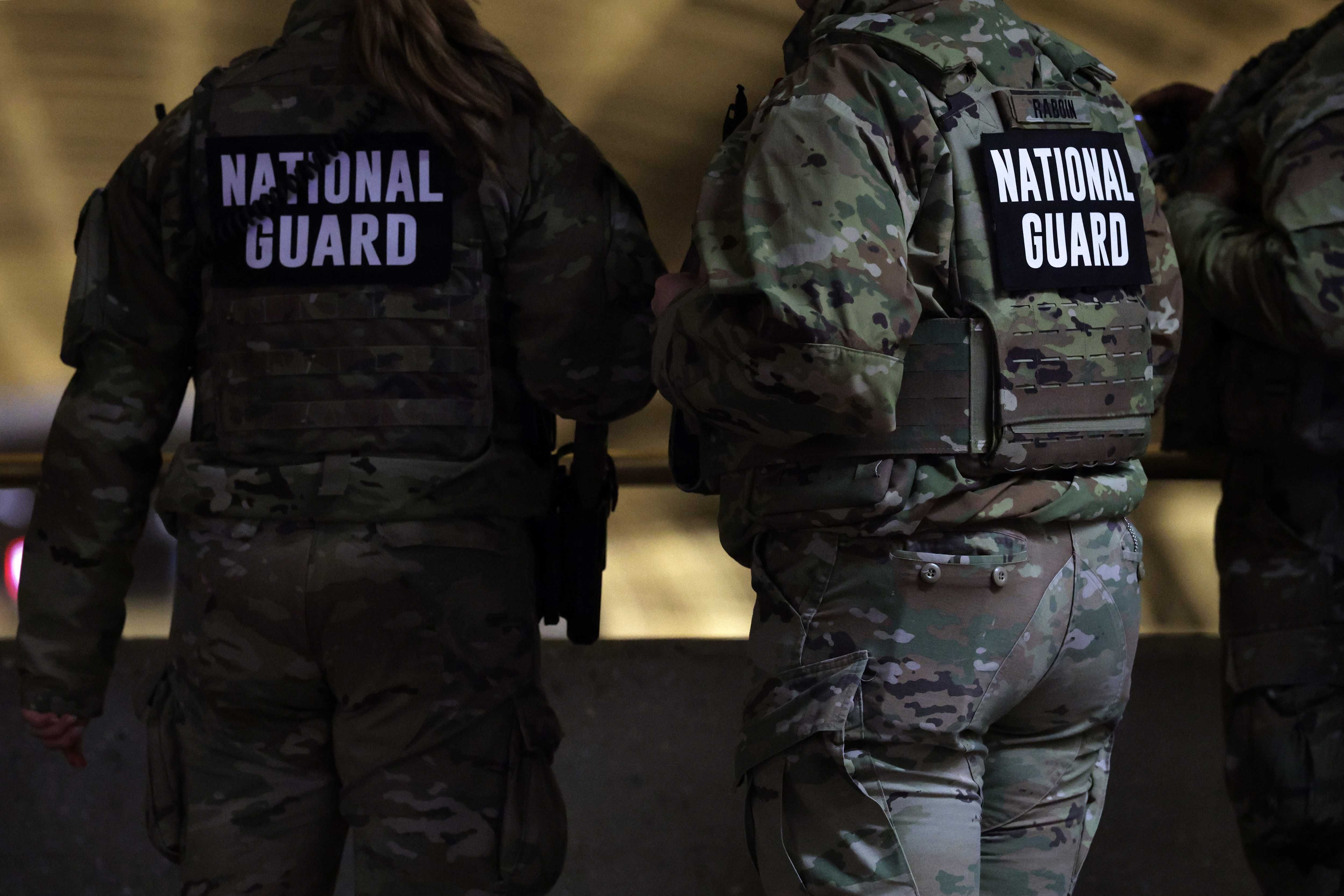 Photo by Alex Wong/Getty Images
“In the wake of the disastrous Biden withdrawal from Afghanistan, the Biden administration justified bringing the alleged shooter to the United States in September 2021 due to his prior work with the U.S. government, including CIA, as a member of a partner force in Kandahar, which ended shortly following the chaotic evacuation,” CIA Director John Ratcliffe said in a statement to Fox News Digital.
Like Blaze News? Bypass the censors, sign up for our newsletters, and get stories like this direct to your inbox. Sign up here!
Major telecom giant says it’s ditching DEI — but is the new policy just a woke smoke screen?
One of the big three wireless carriers committed on Monday to ditching its diversity, equity, and inclusion initiatives.
In a letter to Federal Communications Commission Chairman Brendan Carr, AT&T’s Senior Executive Vice President David McAtee II stated that, after reviewing the company’s policies and relationships with external groups, he concluded that the “legal landscape governing diversity, equity, and inclusion (‘DEI’) policies and programs has changed.”
‘We believe in the importance of advocacy and inclusion of our many suppliers in every aspect of AT&T’s ecosystem.’
AT&T, which employs more than 110,000 individuals in the U.S., cited the Trump administration’s recent executive orders, Supreme Court rulings, and guidance from the U.S. Equal Employment Opportunity Commission as reasons it had decided to alter its “employment and business practices to ensure that they comply with all applicable laws and related requirements.”
The company claimed that it has always supported “merit-based” employment opportunities.
“AT&T does not and will not have any roles focused on DEI. … We do not and will not use hiring quotas based on race, sex, sexual orientation, or any other protected characteristics,” the letter reads.
“Further, consistent with the current law, we removed training related to ‘diversity, equity, and inclusion’ as well as any references to it from our internal and external messaging and will ensure that future training is consistent with guidance released by the U.S. Equal Employment Opportunity Commission addressing training that could facilitate discrimination in the workplace,” AT&T added.
A 2021 report in the City Journal claimed that AT&T once offered employee training titled “White America, if you want to know who’s responsible for racism, look in the mirror.” The resource called racism a “uniquely white trait,” adding that white people “are the sole reason [racism] has flourished for centuries.”
The company previously told the New York Post in 2021 that the mentioned resources were offered “on a voluntary basis” in an effort to “build a workplace that is civil, inclusive, and understanding.”
“Whether an employee uses these resources or not is up to them, and does not affect their annual performance rating,” a representative told the Post. “We have a long and proud history of valuing diversity, equality, and inclusion, and will continue to do so.”
RELATED: Verizon shuts down DEI policies for its 105,000 workers
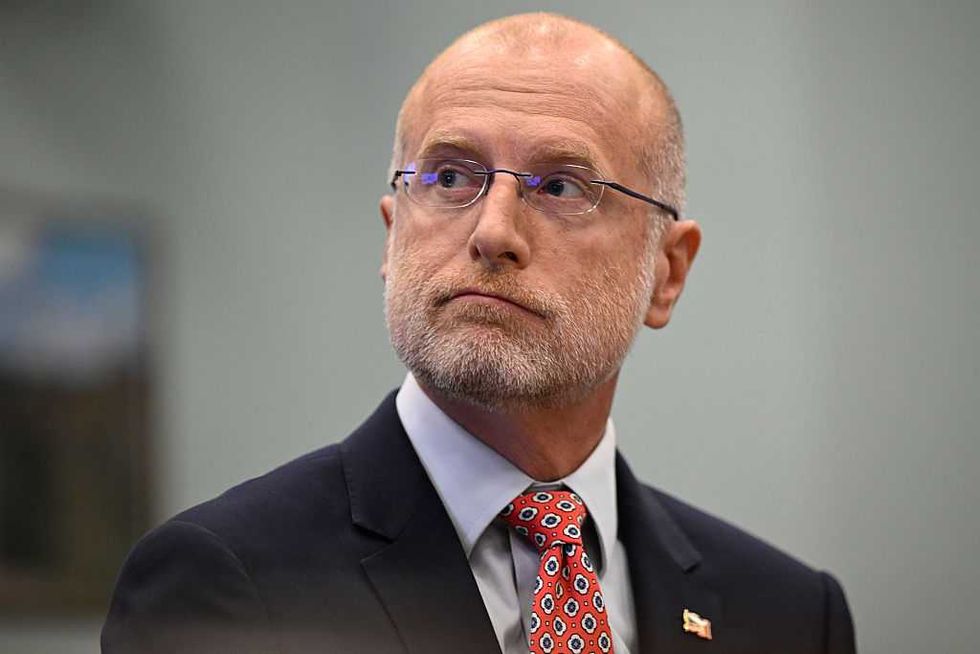 FCC Chairman Brendan Carr. Photo by John McDonnell/Getty Images
While AT&T claims it has ditched DEI for good, it still hosts a “Culture and Inclusion” page on its website that features a quote from the company’s vice president of culture and inclusion, Michelle Jordan.
According to Jordan’s LinkedIn page, she previously worked as AT&T’s “Chief Diversity Officer” but left the role in February 2025, approximately a month after President Donald Trump issued an executive order to end DEI. In that position, which she held for roughly three years, she led the company’s “Diversity, Equity, and Inclusion efforts across the business, expanding equitable opportunities for our employees and the communities we serve, as part of how we generate equality for all.”
In November 2024, Jordan reportedly took on another role within AT&T as the vice president of culture and inclusion. In her current position, Jordan “leads initiatives that cultivate an inclusive workplace culture, ensuring all perspectives are valued and integrated into every aspect of the organization,” she writes.
“By championing programs that promote fairness and belonging, Michelle fosters an environment where innovation thrives, driving both employee engagement and business growth,” her LinkedIn reads.
 Photo by Smith Collection/Gado/Getty Images
AT&T’s website also boasts that it is still committed to fostering an “inclusive culture” through its “Supplier Inclusivity program.”
“AT&T’s Supplier Inclusivity philosophy centers around our culture and values. We believe in the importance of advocacy and inclusion of our many suppliers in every aspect of AT&T’s ecosystem,” reads a quote from the company’s assistant vice president of supplier inclusivity and sustainability, Alexis Dennard.
Dennard’s LinkedIn states that in her role, she focuses on “empower[ing] minority-, women-, disabled, and veteran-owned businesses in the U.S. and worldwide.” Dennard reportedly has over 20 years of experience at AT&T and previously oversaw an employee newsletter that provided updates on “new initiatives in diversity and inclusion.”
AT&T and the FCC did not respond to a request for comment.
Like Blaze News? Bypass the censors, sign up for our newsletters, and get stories like this direct to your inbox. Sign up here!
‘There’s something wrong with him’: Trump doubles down on Tim Walz insult
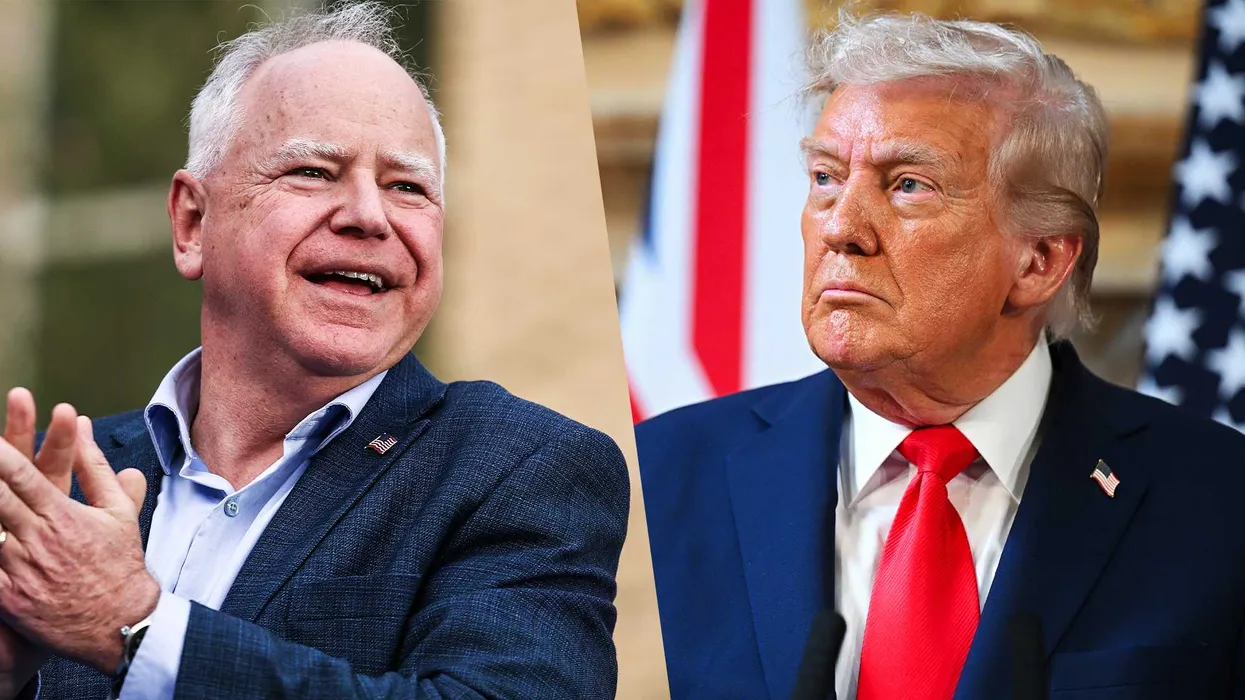
In a Thanksgiving Day Truth Social post, President Trump didn’t just wish a happy holiday to the American people, but he took on Minnesota Gov. Tim Walz (D) for his fraud scandal in classic, scathing Trump fashion.
“As an example, hundreds of thousands of refugees from Somalia are completely taking over the once great state of Minnesota. Somalian gangs are roving the streets looking for ‘prey’ as our wonderful people stay locked in their apartments and houses hoping against hope that they will be left alone,” Trump wrote.
“The seriously retarded Governor of Minnesota, Tim Walz, does nothing, either through fear, incompetence, or both, while the worst ‘Congressman/woman’ in our Country, Ilhan Omar, always wrapped in her swaddling hijab … does nothing but hatefully complain about our Country, its Constitution, and how ‘badly’ she is treated,” he added.
And when pressed on his comments by the media, President Trump stood his ground.
“In that same post, you mentioned Tim Walz, and you called him what many Americans do find an offensive word, uh, ‘retarded.’ Do you stand by that claim of calling Tim Walz ‘retarded’?” a reporter asked.
“Yeah, I think there’s something wrong with him. Absolutely, sure. You have a problem with it?” Trump responded.
“You know what, I think there’s something wrong with him. Anybody that would do what he did, anybody that would allow those people into his state and pay billions of dollars out to Somalia. We give billions of dollars to Somalia. It’s not even a country because it doesn’t function like a country. It’s got a name, but it doesn’t function like a country,” he continued.
“Yeah, there’s something wrong with Walz,” he added.
BlazeTV host Pat Gray is thrilled with Trump’s comments, cheering, “He’s right about that.”
“I love it,” executive producer Keith Malinak chimes in, adding, “Accurate too.”
Want more from Pat Gray?
To enjoy more of Pat’s biting analysis and signature wit as he restores common sense to a senseless world, subscribe to BlazeTV — the largest multi-platform network of voices who love America, defend the Constitution, and live the American dream.
Illegal drivers, dead Americans — this is what ‘open borders’ really mean

Wherever you’re reading this, your day almost certainly began on an American road. You might have driven your kids to day care, headed to work, or grabbed a coffee. Even cyclists rely on the same system. Those routines rest on one basic assumption: The people operating massive commercial vehicles are trained, vetted, and accountable.
The assumption is disintegrating because the country is still digging out from the chaos of the Biden administration’s border collapse. President Trump is trying to put the pieces back together, but the wreckage didn’t disappear overnight — and we see the consequences on our highways.
America’s highways shouldn’t become another casualty of Washington’s failures. Neither should American workers.
A recent tragedy in Florida makes the point. A 28-year-old man from India made an illegal U-turn on the turnpike and allegedly killed three people. He reportedly entered the United States illegally and still obtained a commercial driver’s license. In California, a 21-year-old — also allegedly in the country illegally — slammed his semi into stopped traffic on Interstate 10, killing three more. Authorities say he crossed the border in 2022 during the peak of the Biden administration’s open-border surge.
These cases aren’t flukes. They reflect a system that stopped taking seriously who gets behind the wheel of an 80,000-pound vehicle.
The incentives run in one direction. The trucking industry faces a driver shortage. Instead of raising wages and restoring what used to be a proud, middle-class profession, too many companies cut corners by hiring illegal labor willing to work for less. That choice endangers families on the highway and robs American truckers of the wages they earned by playing by the rules.
Every illegal driver creates two problems. First, a safety threat to everyone sharing the road. Second, downward pressure on American workers’ earnings. Flood the labor market with illegal labor, and you weaken the people who keep the country moving.
Trucking remains a central pillar of the American economy. Nearly everything in your home arrived on a truck. These jobs once supported families. They now absorb the fallout from policies that ignore the consequences of illegal hiring.
Fixing this requires basic seriousness. That means, at the very least, strict verification, no loopholes, and no more rubber-stamped licenses issued without proof of legal status. And no more pretending that illegal immigration leaves public safety and wages untouched.
 Myung J. Chun/Los Angeles Times via Getty Images
The country depends on trucking. The system works only when drivers are properly trained, thoroughly vetted, and in the country legally. It fails when policymakers encourage shortcuts and lower standards to satisfy an open-border ideology.
This debate isn’t abstract. It’s about safety. It’s about economic fairness. It’s about recognizing that border policy shapes everyday life — including the safety of your morning commute.
America’s highways shouldn’t become another casualty of Washington’s failures. Neither should American workers. Both deserve leaders willing to enforce the rules that keep this country safe and prosperous.
Thug with over 40 arrests accused of punching then shoving mentally disabled man to train tracks — all over $1
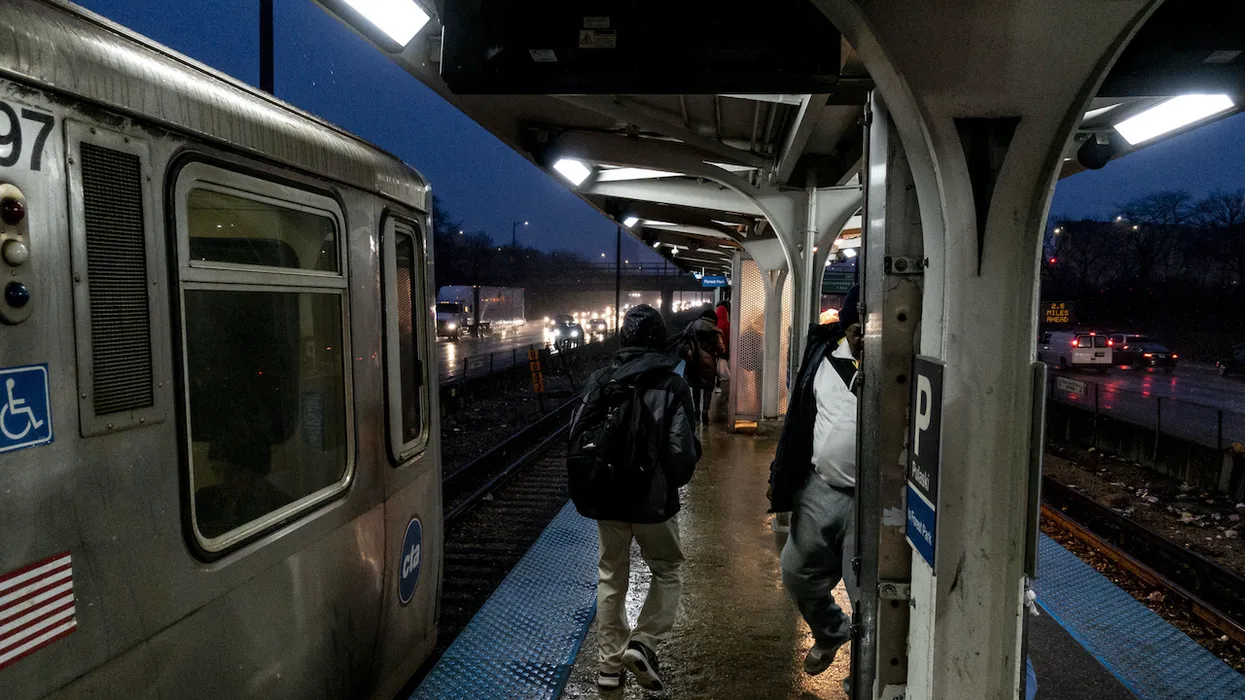
A rampant repeat offender has been accused of punching and then shoving an intellectually disabled man off a Chicago suburb train platform and upon the tracks below, seriously injuring the victim — and all over $1.
Tommie O. Carter, 39 — who law enforcement sources said has been arrested over 40 times in Cook County, Illinois — has been identified as the culprit, WGN-TV reported.
‘I am the victim!’
Forest Park officers were dispatched to the Harlem Blue Line stop just before 8:35 a.m. Monday for a report of a battery, the station said. Forest Park is a suburb just west of Chicago.
Officers found the 59-year-old victim lying on the train tracks, WGN said.
Prosecutors allege Carter approached the man and repeatedly asked him for a dollar, the station said, adding that the man replied that he had no money.
More from WGN:
Carter allegedly pushed the man to the ground, and he was able to get back up. Documents state the man walked to the train platform and Carter followed him.
He then struck the man in the head and pushed him from behind, causing the 59-year-old to fall to the tracks, prosecutors state. The man came “really close” to the electric third rail.
A train was approaching the station, but the train’s operator, who saw what happened, was able to stop the train in time. Authorities were able to cut off electricity to the rail so first responders could make the rescue.
Prosecutors said the alleged attack was captured on surveillance video, the station added.
WGN reported that the victim — who suffered multiple fractures to his right knee and a fracture in his left knee — was taken to a hospital for treatment.
Officers approached Carter on the train platform after witnesses identified him, the station said, citing court documents.
But Carter refused to comply with officers’ orders and fought back as they were placing him in handcuffs, police told WGN.
Carter continued to tense up and tried to pull away from officers as they took him to a squad car, the station said, citing an incident report.
More from WGN:
As one officer was placing the suspect in the back seat, he turned his head and spit on the officer, hitting him in the forehead and side of his face.
After driving to the police department, as officers were trying to remove Carter from the squad car to bring him inside for processing, he allegedly began to spit again, hitting one officer in his arm, and hitting another in the face mask, left shoulder, and on his body-worn camera mounted on his uniform.
An incident report shows once Carter was in the station, he was irate at first, and then began to speak with officers. He claimed the victim initially grabbed him, which caused his jacket to rip, and said he pushed the man after he was grabbed.
“Carter then became increasingly hostile, spitting towards officers, throwing a wet toilet paper roll and wet T-shirt,” the incident report stated, according to the station.
Carter was charged with attempted murder and three counts of aggravated battery to a police officer, WGN reported.
He also shouted, “I am the victim!” and “Let me out of here!” during his detention hearing, the station said.
A judge denied a request from Carter’s attorney that he should be allowed on electronic monitoring, WGN noted.
What’s more, Carter was on pretrial release in connection with a case just last month in which he was charged with criminal damage to government supported property, criminal trespass, and assault, the station said.
More from WGN:
According to an arrest report, Carter entered the Citadel Center without authorization, and when asked to leave, he refused. After being taken into custody, he allegedly started kicking the door of the Chicago Police Department squad car and tried to spit on one of the officers.
Carter also has seven felony convictions on his record, including a 2023 case for aggravated unlawful use of a weapon, in which he was sentenced to two years in the Illinois Department of Correction.
He has six other convictions on his criminal record, including retail theft, attempted armed robbery, and armed robbery.
A judge ordered Carter detained, the station said; his next court date is scheduled for Dec. 19.
Like Blaze News? Bypass the censors, sign up for our newsletters, and get stories like this direct to your inbox. Sign up here!
Do we love the ‘Wicked’ movies because we hate innocence?
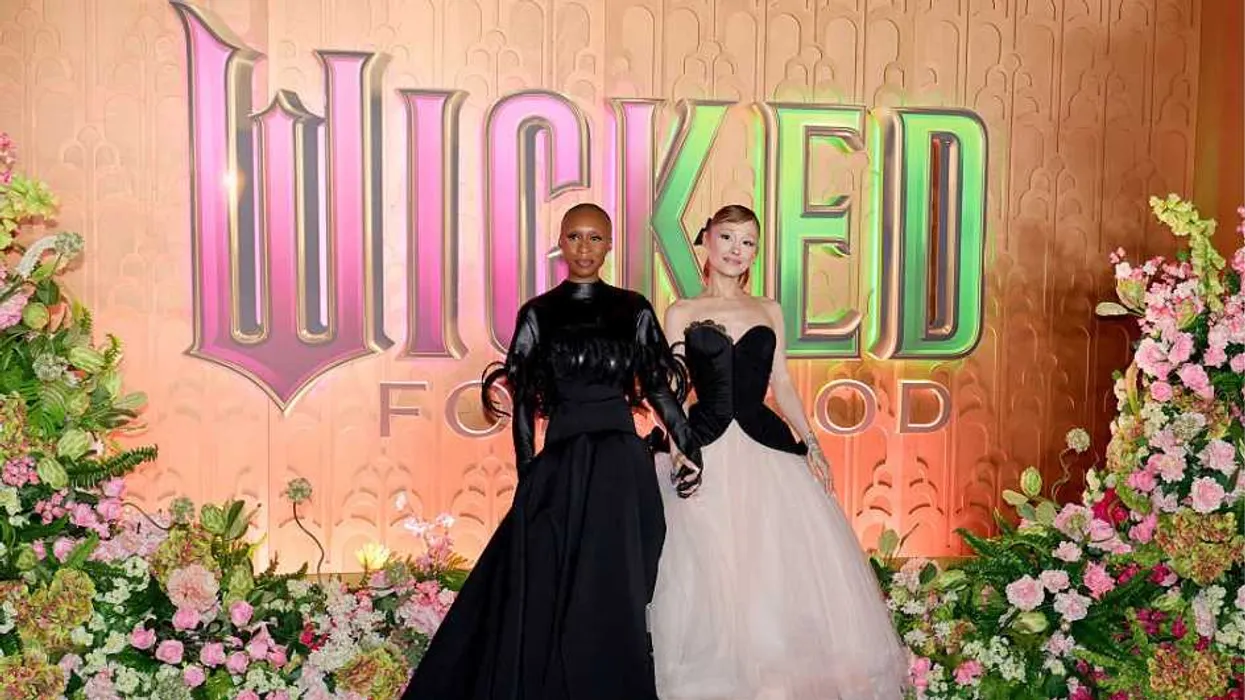
As I watched Jon M. Chu’s “Wicked: For Good” last week, I kept thinking about another, very different filmmaker: David Lynch.
Specifically, the Lynch that emerges from Alexandre Philippe’s excellent 2022 documentary “Lynch/Oz,” wherein we discover just how deeply the infamously surreal filmmaker was influenced by one of cinema’s sweetest fantasy films: the original “Wizard of Oz.”
In the era of #WitchTok … a story like ‘Wicked’ has built-in appeal.
Philippe’s film includes footage from a 2001 Q and A in which Lynch confirms the extent of his devotion: “There is not a day that goes by that I don’t think about ‘The Wizard of Oz.'”
The logic of fairyland
And that shouldn’t be surprising given how much it shows up in his work. From Glinda the Good Witch making an appearance in “Wild at Heart,” to the hazy, dreamlike depiction of suburbia in “Blue Velvet,” his films exist in a dual state between the realm of fairyland and the underworld.
Indeed, Lynch doesn’t reject either. In proper Buddhist fashion, these two forces exist in balance, equally potent and true. There is both good and evil in his world. Neither negates the other’s existence. And when darkness spills over into the light, it may be tragic, but it is also just another part of the world. Like Dorothy, his protagonists find themselves walking deeper into unknown territory. The protagonists of his films truly “aren’t in Kansas anymore.”
“The Wizard of Oz” is potent because it captures the logic of fairyland better than almost any film ever made. Channeling the fairy stories of J.R.R. Tolkien, Lewis Carroll, and George MacDonald, it transports the mind to a realm that is more real than real, where even the most dire intrusion of evil can be set right according to simple moral rules.
As G.K. Chesterton famously puts it:
Fairy tales do not give the child his first idea of bogey. What fairy tales give the child is his first clear idea of the possible defeat of bogey. The baby has known the dragon intimately ever since he had an imagination. What the fairy tale provides for him is a St. George to kill the dragon.
Wicked good
“Wicked” and its new sequel reject this comforting clarity for something altogether more “adult” and ambiguous. Instead of presenting good and evil as objective realities that can be discerned and defeated, the films show how political authorities manipulate those labels to scapegoat some and exalt others.
They do so by swapping the original’s heroes and villains. The Wonderful Wizard is a cruel tyrant. Glinda is foppish and self-obsessed. Dorothy is the unwitting tool of a corrupt regime. And Elphaba — the so-called Wicked Witch — is reimagined as a sympathetic underdog with a tragic backstory, a manufactured villain invented to keep Oz unified in ire and hatred.
Elphaba exudes a whiff of Milton’s Lucifer — an eternal rebel in a tragic quest to upend the moral order. But unlike “Paradise Lost,” “Wicked” presents rebellion against its all-powerful father figure not as a tragic self-deception, but as a justified response to systemic cruelty.
Witch way?
“Wicked: For Good” takes the ideas of its predecessor even further than mere rebellion. If “Wicked: Part One” is about awakening to the world’s realities and becoming radicalized by them, “Wicked: For Good” is about the cost of selling out — the temptation to compromise with a corrupt system and the soul-crushing despair that follows.
This is where the irony of the film’s title, “Wicked: For Good” comes in. Once a person sees the world for what it truly is, they can’t go back without compromising themselves. They’ve “changed for good.” They’ve awakened and can’t return to sleep.
It’s worth considering why the “Wicked” franchise is so wildly popular. Gregory Maguire’s original 1995 novel has sold 5 million copies. The 2003 stage show it inspired won three Tony Awards and recently became the fourth longest-running Broadway musical ever. And the first film grossed $759 million last winter, with the sequel poised to make even more money.
Perhaps it is no coincidence that this outsize success comes at a time when Wicca and paganism have grown into mainstream cultural forces. In the era of #WitchTok, in which self-proclaimed witches hex politicians and garner billions of views on social media, a story like “Wicked” has built-in appeal. It offers glamorous spell-casting and a romantic tale of resistance to authority.
RELATED: ‘Etsy witches’ reportedly placed curses on Charlie Kirk days before assassination
 Photo by The Salt Lake Tribune / Contributor via Getty Images
A bittersweet moral
The temptation of witchcraft is one that always hovers over our enlightened and rationalistic society. Particularly for young women, witchcraft offers a specific form of autonomy and power — over body, spirit, and fate — that patriarchal societies often deny. Many view witchcraft as progressive and empowering; “witchy vibes” have become a badge of identity.
Thus the unsettling imagery of Robert Eggers’ 2015 film “The Witch” comes into focus: A satanic coven kidnaps and kills a Puritan baby, seduces a teenage girl, and gains the power to unsubtly “defy gravity” through a deal with the devil.
“Wicked” is all about this power to transcend. Even as its protagonist grows despairing in the second film and abandons her political quest for the freedom of the wastelands, the film presupposes that it is better to resist or escape a corrupt system than submit to it.
Ultimately, the two films leave their audience with a bittersweet moral: Society is dependent on scapegoats. The Platonic noble lie upon which all societies rest cannot be escaped — but it can be redirected. A new civic myth can be founded that avoids sacrificing the vulnerable and overthrows the demagogues atop Mount Olympus. And the witches play the central role in overturning the world of Oz. Their rebellion sets it free.
But because the films blur the clear, objective distinction between good and evil — even while acknowledging that real evil exists — the characters in “Wicked” often drift in moral grayness, defining themselves mainly in relation to power. The world becomes overbearing, radicalizing, and morally unstable.
Sad truth
This is far afield from the vision of Oz presented in the 1939 film, the one David Lynch venerated as vital to his understanding of the world. But it reflects how modern storytellers often grapple with Oz. Almost every sequel or spin-off struggles to recapture the sincerity of the original. The 1985 sequel “Return to Oz” reimagined the land with a dark-fantasy twist. 2013’s “Oz the Great and Powerful” comes closest to the original tone but centers on fraudulence and trickery.
“Wicked,” too, falls in line with the modern tendency to subvert and complicate traditional stories of good versus evil. “Frozen,” “The Shape of Water,” “Game of Thrones,” and “Star Wars: The Last Jedi” all explore morally conflicted worlds where bravery is futile or where Miltonian rebellion is celebrated.
Of course, seeing the stories of our childhood with a jaundiced adult eye can be quite entertaining; it’s perfectly understandable why even those not in covens love these films. They are well-made, well-performed, and especially irresistible to former theater kids (I am one).
Their popularity isn’t inherently bad either. They are perfectly fine in isolation. It is only when we contrast them with the clarity and beauty of the original — and place them within the context of our society — that a sad truth emerges: Finding fairyland is hard. Most of us prefer to live in the Lynchian underworld.





