

Author: mfnnews
From 911 to broadband, criminals are unplugging America

Imagine calling 911 and no one answers. A hospital loses internet access mid-surgery and your child is the patient. You can’t work, access your bank, or contact your doctor — all because a few thieves ripped copper wiring from the ground to sell for scrap.
These aren’t distant hypotheticals. They’re happening across the country right now. In recent weeks alone, copper wire thefts darkened 5,500 streetlights in Tucson, shut down Denver’s A-Line train, and caused $1.25 million in losses in Bakersfield, California, where thieves stripped wiring from electric-vehicle charging stations.
Broadband is critical infrastructure — the digital lifeline of daily American life. Protecting it is not a corporate issue but a consumer one.
The problem isn’t slowing down. Two new reports reveal a stunning rise in theft and vandalism against America’s broadband and wireless networks. Between June 2024 and June 2025, more than 15,000 incidents disrupted service for over 9.5 million customers nationwide. In just the first half of 2025, incidents nearly doubled from the previous six months.
Hospitals, schools, 911 dispatch centers, even military bases have been hit — exposing a growing national vulnerability.
Not just a local nuisance
The cost of stolen wire is trivial compared with the damage it causes. Between June and December 2024, theft-related outages cost society between $38 million and $188 million in losses. California and Texas took the biggest hits — $29.3 million and $18.1 million — while smaller states like Kentucky suffered millions too. Every cut cable ripples outward, silencing entire communities.
These aren’t weekend thieves looking for beer money. They’re organized, brazen, and increasingly strategic. Some know exactly which copper or fiber-optic lines to hit. Others destroy fiber cables by mistake, assuming they contain metal. Either way, the result is the same: chaos, cost, and danger.
Consumers pay the price. Each attack disrupts 911 access, paralyzes small businesses, and stalls health care, banking, and remote work. Broadband expansion — especially in rural and underserved areas — slows to a crawl.
When vandalism becomes sabotage
Some of these attacks are so severe that investigators now treat them as potential acts of domestic terrorism. Charter Communications reports a 200% increase in felony attacks on its Missouri fiber network this year. In Van Nuys, California, vandals cut 13 fiber lines in one night, knocking out 911 dispatch, a military base, and hospitals for 30 hours. These were no petty crimes. They were coordinated strikes that endangered lives.
Businesses, taxpayers, and consumers have invested billions to build these networks. Letting criminals dismantle them for pocket change is unacceptable.
Yet under current federal law, destroying broadband infrastructure isn’t punished like attacks on pipelines, railways, or power grids. In many states, penalties are outdated or nonexistent — effectively giving vandals a free pass to cripple critical systems.
A bipartisan fix
Congress has begun to respond. Reps. Laurel Lee (R-Fla.) and Marc Veasey (D-Texas) have introduced H.R. 2784, the bipartisan Stopping the Theft and Destruction of Broadband Act. The bill would amend federal law to explicitly criminalize the destruction of broadband infrastructure, giving law enforcement the tools needed to act.
Adding broadband systems to the list of protected critical assets under Title 18 of the U.S. Code would send a clear message: This isn’t scrap-metal scavenging — it’s sabotage, and it will be prosecuted as such.
RELATED: China rules the resources we need to build the future. Now what?
 Liudmila Chernetska via iStock/Getty Images
To defend consumers and our connected economy, lawmakers must:
- strengthen penalties for theft or destruction of communications infrastructure, matching protections for other critical sectors;
- crack down on black-market copper sales by holding scrap dealers accountable;
- increase funding and coordination for law enforcement to investigate and prosecute network attacks; and
- support industry-led security upgrades without adding regulatory burdens that slow innovation.
States like Florida, South Carolina, and North Carolina have already moved to deter these crimes. Congress should follow their lead.
Defend what we built
Broadband is critical infrastructure — the digital lifeline of daily American life. Protecting it is not a corporate issue but a consumer one. Americans shouldn’t have to wonder whether their connection will work when they need it most.
We built the connected economy. Now we must defend it — before the vandals win.
Uwan nears Catanduanes, Signal No. 4 up in four Bicol areas
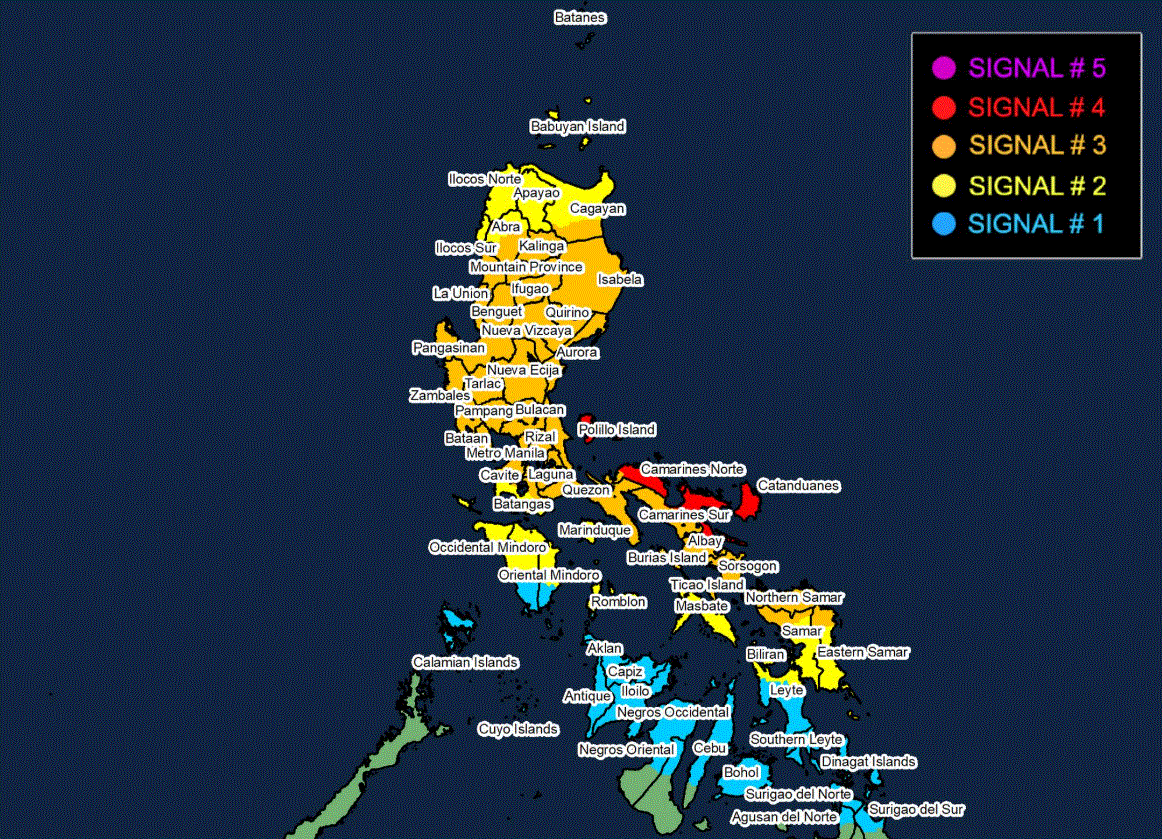
Typhoon Uwan continues to “rapidly intensify” as it heads to Catanduanes province, PAGASA said in its 5 a.m. cyclone bulletin on Sunday.
Negros Occidental logs over P35M in agri losses due to Tino
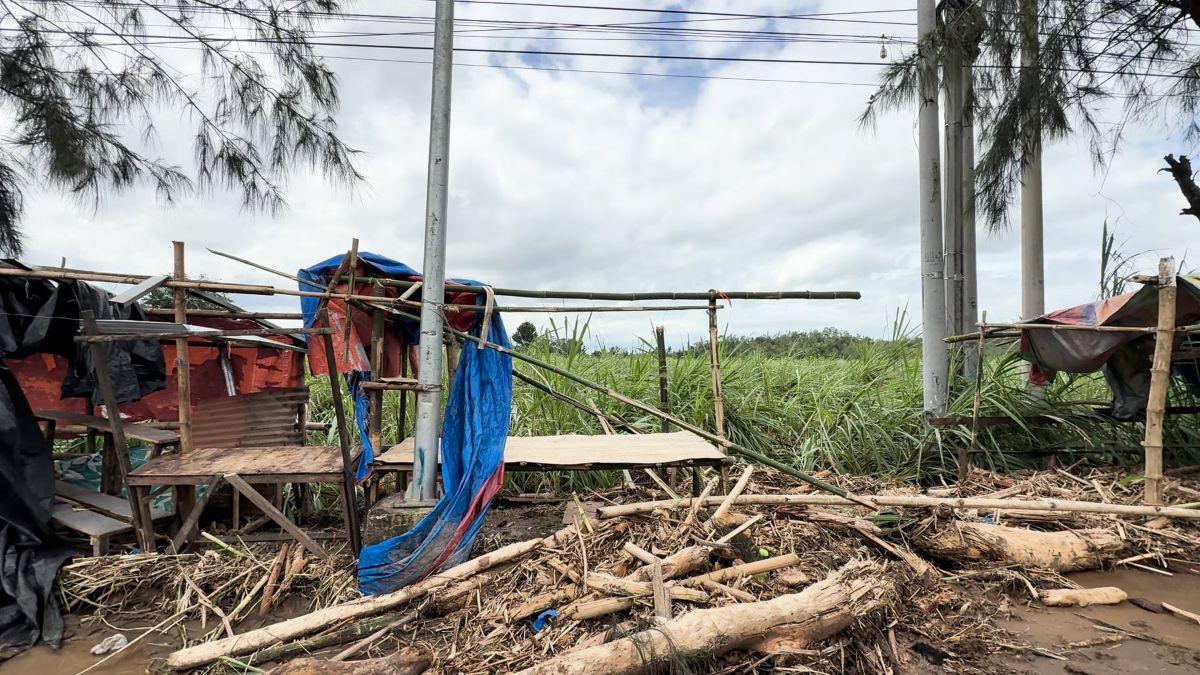
Typhoon Tino (international name: Kalmaegi) wreaked havoc on the agriculture sector of at least 13 local government units (LGUs) in the Province of Negros Occidental.
LIVE UPDATES: Typhoon Uwan (Fung-Wong), Nov. 9, 2025
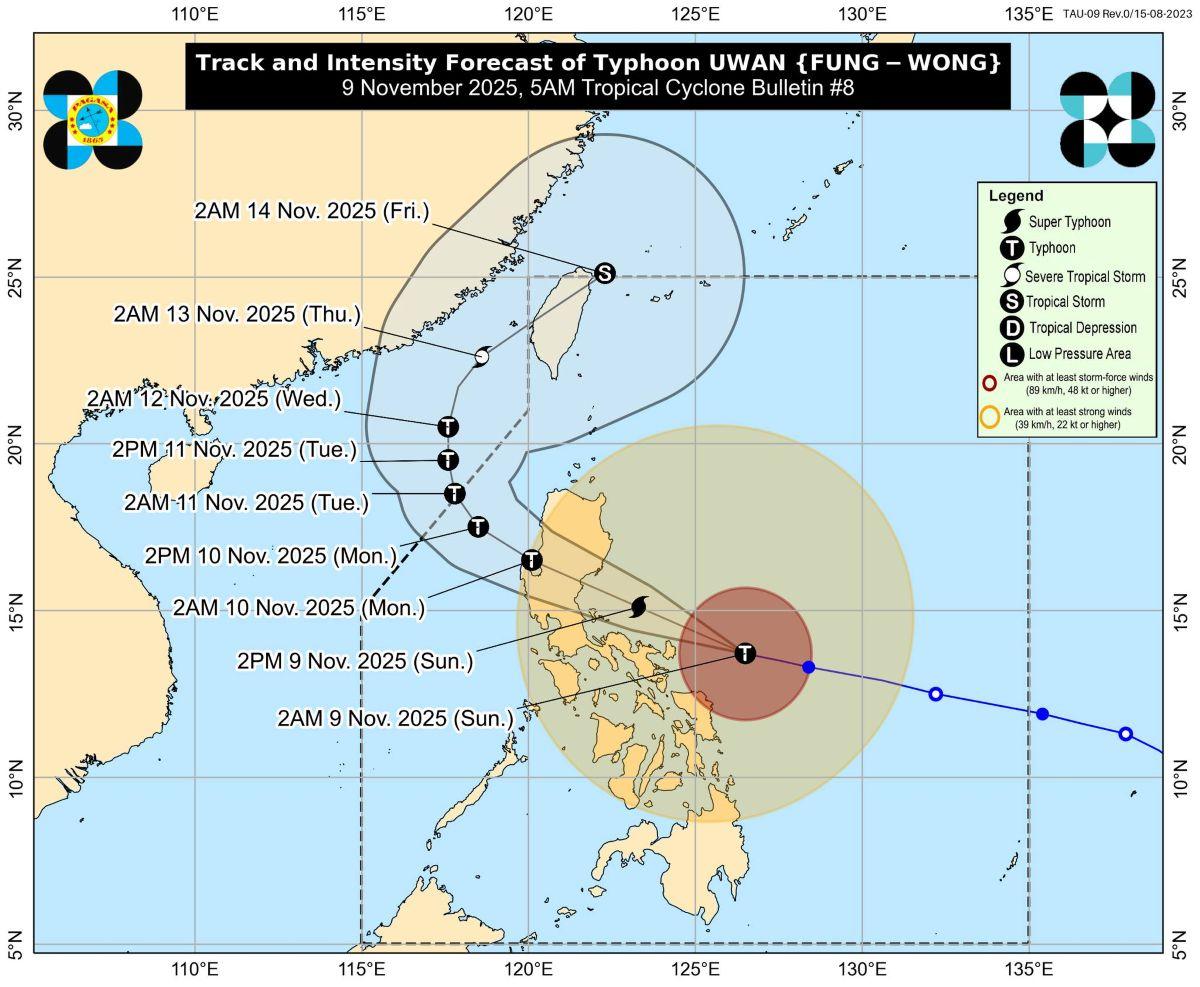
Typhoon Uwan (international name: Fung-Wong) continued to rapidly intensify as it heads for Catanduanes on Sunday morning, weather bureau PAGASA said in its 5 a.m. bulletin.
Tino claims over 50 persons in Negros Occidental

At least 52 individuals perished during the onslaught of Typhoon Tino in the Province of Negros Occidental on November 4, 2025, according to data from the Provincial Disaster Risk Reduction and Management Office (PDRRMO).
Teen saw ‘devil in disguise’ John Wayne Gacy before her friend disappeared forever
Robert Piest, 15, left work to meet contractor John Wayne Gacy about a job on his mother’s birthday in 1978. He never came home and became Gacy’s final known victim.
Multiple agencies responding after LifeFlight helicopter crashes in Tennessee; casualties unknown
LifeFlight helicopter crashes near Cumberland River in Wilson County, Tennessee. Multiple agencies respond to emergency scene Saturday afternoon.
No 2 Indiana caps off comeback win over Penn State with sensational touchdown, keeps undefeated season alive
Indiana quarterback Fernando Mendoza and receiver Omar Cooper Jr. engineered a stunning 73-yard touchdown drive to beat Penn State 27-24 in dramatic fashion.
The latest fast-food oddity — a Mountain Dew pie from Taco Bell — sparks frenzy online
Taco Bell’s electric-blue Mountain Dew Baja Blast pie is breaking the internet with its wild tropical lime flavor and shocking neon appearance that has fans divided.
‘Landman’ star Ali Larter reveals 4:30 a.m. workout routine and diet secrets
Ali Larter reveals her intense fitness routine including 4:30 AM runs and protein-heavy diet that keeps the 49-year-old actress in shape for demanding roles.





