Author: mfnnews
Minnesota ‘on the clock’ as HHS threatens penalties over childcare fraud scandal
Federal officials give Minnesota 60-day ultimatum amid alleged childcare fraud scandal involving millions in taxpayer dollars and compliance issues.
WINS PILING UP: Kash Confirms Arrest of FBI Top 10 Most Wanted Fugitive Ryan Wedding, ‘Modern-day El Chapo’ [WATCH]
![WINS PILING UP: Kash Confirms Arrest of FBI Top 10 Most Wanted Fugitive Ryan Wedding, ‘Modern-day El Chapo’ [WATCH]](https://hannity.com/wp-content/uploads/2026/01/Patel-300x167.png "Patel")
He went from the slopes to the underworld.
‘IN OVER HIS HAIRDO’: Bessent Continues His Gavin Newsom Comedy Tour, ‘Brain the Size of a Walnut’ [WATCH]
![‘IN OVER HIS HAIRDO’: Bessent Continues His Gavin Newsom Comedy Tour, ‘Brain the Size of a Walnut’ [WATCH]](https://hannity.com/wp-content/uploads/2022/04/GettyImages-1240238068-300x200.jpg "Wallis Annenberg Wildlife Crossing Groundbreaking Celebration")
Treasury Secretary Scott Bessent unloaded on California Gov.
EVEN DEMS HATE DEMS: CNN’s Harry Enten Has Bad News for the Democratic Party [WATCH]
![EVEN DEMS HATE DEMS: CNN’s Harry Enten Has Bad News for the Democratic Party [WATCH]](https://hannity.com/wp-content/uploads/2026/01/Enten-1-300x169.png "Enten")
‘These numbers are awful, awful, awful.
LEMON SQUEEZE: Dhillon Not Done With Don — ‘We’re Going to Pursue This to the Ends of the Earth’

A senior Justice Department official said Friday that the Trump administration will continue pressing for criminal charges against former CNN anchor Don Lemon after a federal magistrate declined to approve an indictment.
‘THE BATTLE MUST BE WON’: President Trump Delivers Remarks to March For Life Participants [WATCH]
![‘THE BATTLE MUST BE WON’: President Trump Delivers Remarks to March For Life Participants [WATCH]](https://hannity.com/wp-content/uploads/2026/01/GettyImages-2256299305-300x200.jpg "President Trump Participates In A Signing Ceremony In The Oval Office")
President Donald Trump on Friday delivered a pre-recorded address to participants in the annual March for Life demonstration in Washington, D.
The winter apocalypse of 2026 has begun: ‘This is a major to extreme ice threat’
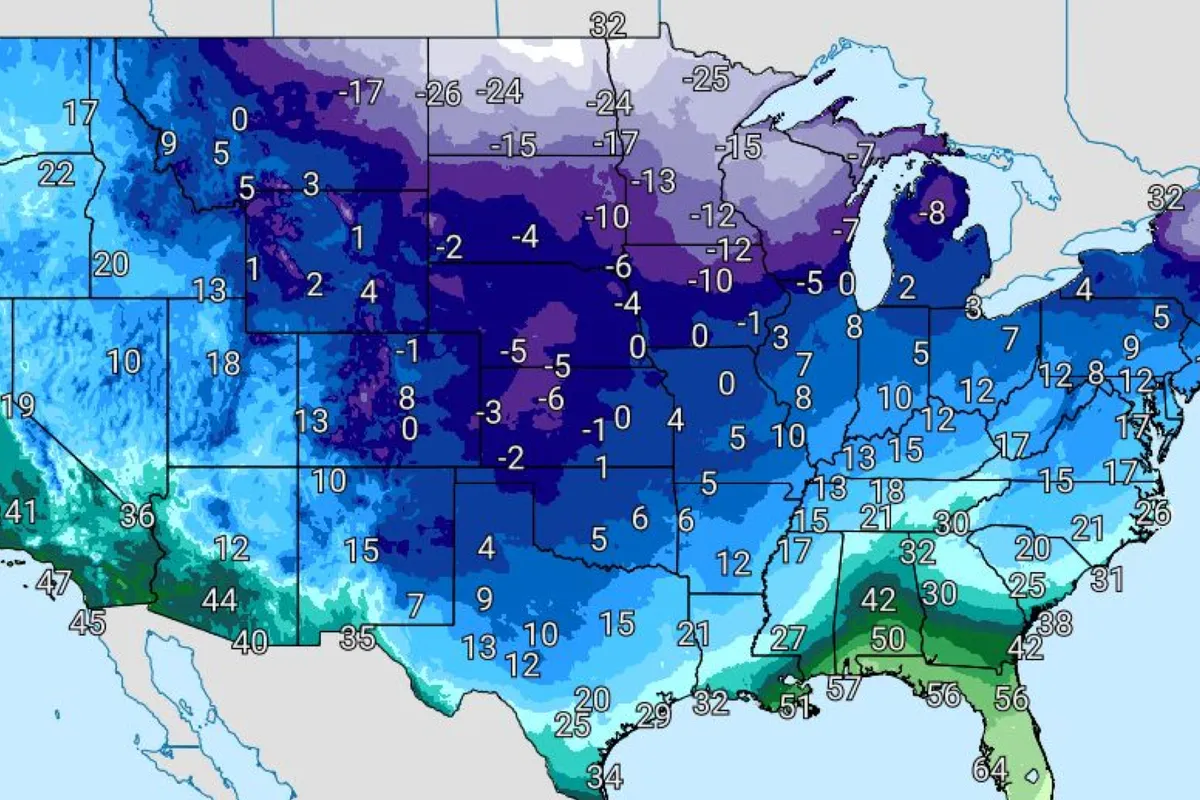
A large-scale winter storm will affect large regions of the United States, and much of the panicking has already led to food and supply shortages at grocery stores.
Nearly half of the U.S. population is already under emergency watch, warnings, and alerts from Winter Storm Fern, according to the National Weather Service.
‘This is a damaging ice event. We have been lucky for a long time, but the data is showing a setup that demands respect and preparation.’
One meteorologist for WCNC-TV in North Carolina issued a dire warning on social media.
“Folks, I cannot stress this enough: Please prepare now!” said Brad Panovich. “We have all day today (Friday) and most of the daylight hours on Saturday to get ready. After that, the window closes. This is not a ‘bread and milk’ situation — this is a major to extreme ice threat. We are looking at a setup we haven’t seen in at least 10 years, and if the higher ice totals hold, we could be looking at something we haven’t dealt with in 20 years (think back to the 2002 ice storm).”
He said that people should be prepared to be without electricity for hours and perhaps days. Travel will be dangerous beginning Saturday evening, and families should be “hyper-aware” about tree limbs that may snap above their homes.
Families across the country are responding by stocking up on supplies and clearing out their local grocery stores. Many are comparing it to the panic from the coronavirus pandemic in 2020.
“Tennessee is really tripping over the snowstorm. There is nothing in stores,” wrote one witness on Facebook.
“If you’re from Oklahoma you know there’s probably not any bread or milk left,” another shopper said on a social media post.
The administration has issued warnings about the storm.
“We are anticipating a major winter weather event expected to impact much of the U.S. population this weekend, especially the Midwest and East Coast,” said Department of Homeland Security Sec. Kristi Noem Wednesday. “DHS is working with state and local authorities, and the Federal Emergency Management Agency to monitor and prepare for this likely adverse weather.”
RELATED: ‘Snowmageddon’: ‘Ted Cruz Index’ may predict bitter winter storm for DC
Others took the opportunity to make jokes about the storm on social media.
“Night crew here,” reads a post from the Greensboro Police Dept. “Please remember that whoever you hang out with on Saturday, you’re stuck with until at least Tuesday when the ice melts. You’re either going to be besties or not. Choice is yours.”
“Big storm on the way. Reminder: I don’t run City Hall anymore. Yelling at me on Twitter will not speed up snow removal,” former NYC Mayor Eric Adams wrote.
Some even blamed the lack of an accurate forecast on President Donald Trump.
“The Bottom Line: This isn’t a ‘fun snow day.’ This is a damaging ice event,” Panovich continued.
“We have been lucky for a long time, but the data is showing a setup that demands respect and preparation,” he added. “Use today and tomorrow to prepare your family and check on your elderly neighbors, then stay off the roads once this starts.”
Like Blaze News? Bypass the censors, sign up for our newsletters, and get stories like this direct to your inbox. Sign up here!
Florida sheriff: New video shows deputy fighting armed shoplifting suspect, fatally shooting suspect as he runs away with gun
Newly released bodycam and surveillance videos show a Miami-Dade Sheriff’s Office deputy fighting an armed shoplifting suspect last fall and then fatally shooting the suspect as he runs away with a gun, authorities said.
The incident took place at a Walmart in southwest Miami-Dade on the morning of Nov. 6, WFOR-TV reported.
‘We are grateful at this time. The circumstances could have gotten so much worse.’
Deputies were notified that a male allegedly was shoplifting inside the store, the station said, adding that surveillance video shows the suspect walking through the aisles before exiting the building, the station said, citing the sheriff’s office.
Authorities said a deputy tried to stop the male as he left the store, WFOR said, citing the sheriff’s office.
The male in question later was identified as 36-year-old Kennedy Graham, the station said.
More from WFOR:
Body camera video shows Graham running from the deputy as a struggle breaks out. In the footage, the deputy can be heard yelling, “Don’t resist, don’t resist,” as the two wrestle on the ground.
Deputies say the officer called for backup while trying to detain Graham.
Investigators say the video was slowed down to show Graham was armed during the encounter. Store surveillance video shows the deputy pinning Graham to the ground and holding him by the neck with his legs as Graham continued to fight back.
At one point, Graham dropped the gun, then picked it up again and ran, investigators said. The deputy is then seen pointing his weapon and firing.
Graham was rushed to a local hospital, where he was pronounced dead, the station said, adding that no one else was hurt.
Miami-Dade Sheriff Rosie Cordero-Stutz back in November defended the deputy’s actions, WFOR said: “I will say this, this individual had an extensive criminal past. We are grateful at this time. The circumstances could have gotten so much worse.”
Investigators also displayed the weapon they say Graham was carrying at the time of the shooting, the station said, which added that the deputy involved has not been identified. WTVJ-TV reported that Graham’s gun was loaded.
“We recognize that incidents of this nature raise questions and concerns within our community, and I believe the public has the right to see critical incidents involving law enforcement,” the sheriff’s office said in a Thursday statement, according to WFOR.
The Florida Department of Law Enforcement is still investigating the incident, which is standard practice in police shootings, WTVJ added.
Like Blaze News? Bypass the censors, sign up for our newsletters, and get stories like this direct to your inbox. Sign up here!
Judge orders release of two church-storming anti-ICE activists

Two of the anti-ICE protesters who stormed a Saint Paul church on Jan. 18 were ordered to be released from custody, according to a statement from the Racial Justice Network.
Nekima Levy Armstrong and Chauntyll Allen were arrested for their alleged involvement in an activist protest at the Cities Church after identifying a pastor as an Immigration and Customs Enforcement officer.
‘Despite aggressive attempts by federal prosecutors to delay and derail the process, the courts stood firm in defense of constitutional rights, due process, and the rule of law.’
Levy Armstong is a civil rights attorney and activist, while Allen is a member of the St. Paul School Board. Both were arrested on Thursday along with a male.
The group claimed that they had been peacefully protesting against ICE and excoriated the Justice Dept. for seeking their prosecution.
“Despite aggressive attempts by federal prosecutors to delay and derail the process, the courts stood firm in defense of constitutional rights, due process, and the rule of law,” their statement reads. “A second judge affirmed the original ruling issued on January 22, confirming that the activists must be released, a decisive rejection of prosecutorial overreach and political intimidation.”
They also posted a video of the arrest of Levy Armstrong.
Critics of the protest have been outraged after a magistrate refused charges against former CNN anchor Don Lemon, despite his being at the protest. He has defended his actions by claiming to have been there as a journalist.
“Once the protest started in the church, we did an act of journalism, which was report on it and talk to the people involved, including the pastor, members of the church, and members of the organization,” Lemon said later. “That’s it. That’s called journalism.”
Further outrage ensued when it was discovered that the wife of the magistrate who refused the charges against Lemon is reportedly an assistant attorney general at Minnesota Attorney General Keith Ellison’s office.
RELATED: Anti-ICE radical who took credit for the invasion of Minnesota church ARRESTED by feds
“Our fight is far from over,” the statement from the Racial Justice Network continued.
“We will continue to organize, mobilize, and litigate until all charges are dropped against all detainees and meaningful accountability is imposed for this blatant abuse of power,” they added. “All power to the people. Justice will not be silenced.”
Like Blaze News? Bypass the censors, sign up for our newsletters, and get stories like this direct to your inbox. Sign up here!
Russiagate Update!
Judicial Watch Sues for Records on Crossfire Hurricane Investigation Judicial Watch Sues Justice Dept. Over FBI Celebrating Peter Navarro Prosecution Judicial Watch Sues Chicago Treasurer Over Plan to Halt U.S. Treasury Purchases Americans Pay Billions to Subsidize Illegal Aliens’ College Education Judicial Watch Sues for Records on Crossfire Hurricane Investigation We are working to […]
The post Russiagate Update! appeared first on Judicial Watch.