

Category: Administrative state
If parental rights can be bypassed in Alabama, no state is safe

Millions of Americans fled deep-blue states like California and New York because they believed the rules were different elsewhere. They moved to places like Alabama to escape lockdowns, mandates, and ideological capture of public institutions. They believed red states meant red lines.
That belief is proving dangerously naïve.
If red states cannot enforce their own parental rights laws, then the red-state refuge is a myth.
Alabama is one of the most conservative states in the country. It has a Republican supermajority and some of the strongest parental rights laws on the books: bans on gender-transition procedures for minors, curriculum transparency requirements, legal definitions of male and female, protections for girls’ sports, and a rare requirement that parents must opt in before schools provide any mental health services, including discussions of suicide or bullying.
And yet those protections are now being quietly hollowed out — not by legislators, but by bureaucratic subversion.
The footnote loophole
The Alabama State Department of Education is undermining parental consent by inserting exceptions into the fine print of a required opt-in form distributed after a new parental consent law took effect Oct. 1.
The law itself is unambiguous. Parents must provide prior written consent before schools offer mental health services, including discussions related to suicide or bullying. But the department claims in the footnotes that mental health-related conversations may still occur “as appropriate” in other school settings — and that these interactions do not require parental permission.
The ALSDE has stated that “instruction, advisement, and occasional interventions are not subject to opt-in requirements, as these are regular duties of school counselors and other educators.”
That language does more than stretch the statute. It appears designed to bypass it entirely. When schools engage minors in discussions with clear psychological or therapeutic implications — trauma, gender identity, suicidal ideation — without parental consent, they move into legally and constitutionally questionable territory.
Same playbook, new label
Parents have seen this before. During COVID, mandates were imposed first and justified later. Dissent was sidelined. Authority flowed downward, not outward.
Now the same model is being applied to school-based mental health. Whether embedded in social-emotional learning, “student wellness,” or character education, the result is the same: psychological interventions delivered by school employees, not licensed physicians, without parental oversight.
This is not a gray area. The Supreme Court has repeatedly affirmed parents’ fundamental right to direct the upbringing of their children. When school systems create end runs around opt-in requirements — especially on matters involving suicide or gender ideology — they invite serious legal and civil rights challenges.
No state is immune
This is not an Alabama anomaly.
Illinois now mandates mental health screenings for public school students, with no opt-in. Mississippi is rolling out a statewide “youth wellness platform.” Tennessee is placing mental health clinicians in every public school through a $250 million trust fund. Ohio is expanding school-based health centers that embed mental health treatment directly on campus.
These programs erase the line between education and health care. They normalize a system in which children’s emotions are monitored, recorded, and interpreted by the state without parental consent. That is state-sponsored emotional profiling.
Who decides what helps?
This debate is not about whether children need support. It is about who decides what support looks like — and who has the authority to provide it.
Parents possess a fundamental right to make decisions about their children’s mental and physical health. The Supreme Court’s decision in Mahmoud v. Taylor reaffirmed that when schools impose ideologically loaded services or content without notice or opt-out, they burden parental rights and religious liberty.
RELATED: ‘Incredible victory’: Federal judge prohibits trans-related grooming efforts in California schools
 Photo by Luis Soto/SOPA Images/LightRocket via Getty Images
Alabama’s counseling framework includes DEI-driven language encouraging students to “identify individual differences” and “describe and respect differences among individuals.” In practice, that language provides a vehicle for embedding gender ideology and values-based content into guidance lessons.
When that content is paired with school-based interventions, the issue is no longer education. It is ideological formation funded by taxpayers and imposed without consent.
Alabama’s warning
If this can happen in Alabama — arguably the most pro-parental-rights state in the country — then no state is safe.
Agencies should not be allowed to bury statutes in footnotes, reinterpret laws by memo, or use therapeutic language to bypass parental authority. These are not technical disagreements. They are unconstitutional and demand legal pushback.
If red states cannot enforce their own parental rights laws, then the red-state refuge is a myth.
Strong laws matter, but enforcement matters more. Parents must demand both.
Trump v. Slaughter exposes who really fears democracy
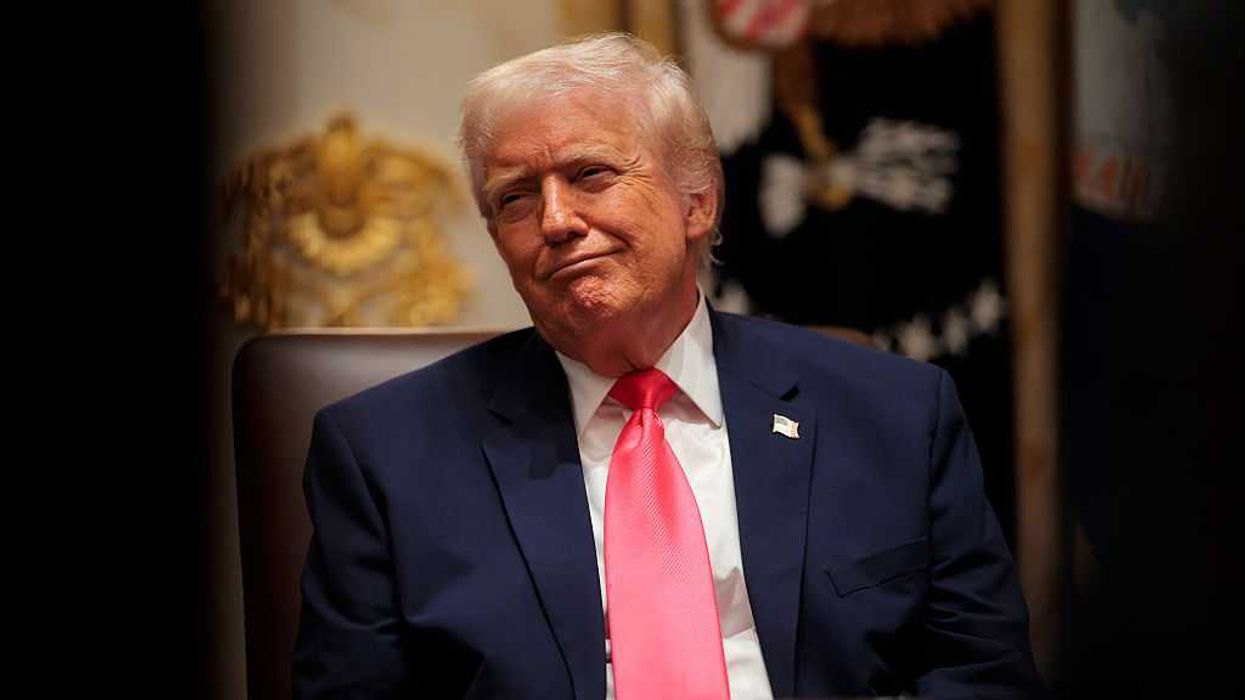
In the recently argued Trump v. Slaughter case, most of the U.S. Supreme Court seemed to affirm what should be obvious: The president has a constitutional right under Article II to dismiss federal employees in the executive branch when it suits him.
That conclusion strikes many of us as self-evident. Executive-branch employees work under the president, who alone among them is chosen in a nationwide election. Bureaucrats are not. Why, then, should the chief executive’s subordinates be insulated from his control?
When the Roberts Court overturned Roe in 2022 and returned the issue to the states, many voters responded with fury. The electorate did not welcome responsibility. It resented it.
A vocal minority on the court appears to reject that premise. Justices Ketanji Brown Jackson and Sonia Sotomayor warned that allowing a president — implicitly a Republican one — to control executive personnel would unleash political chaos. Jackson suggested Trump “would be free to fire all the scientists, the doctors, the economists, and PhDs” working for the federal government. Sotomayor went further, claiming the administration was “asking to destroy the structure of government.”
David Harsanyi, in a perceptive commentary, identified what animates this view: “fourth-branch blues.” The administrative state now exercises power that rivals or exceeds that of the constitutional branches. As Harsanyi noted, nothing in the founders’ design envisioned “a sprawling autonomous administrative state empowered to create its own rules, investigate citizens, adjudicate guilt, impose fines, and destroy lives.”
Yet defenders of this system frame presidential oversight as a threat to “democracy.” Democrats, who present themselves as democracy’s guardians, warn that allowing agency officials to answer to the elected president places the nation in peril. The argument recalls their reaction to the Dobbs case, when the court returned abortion policy to voters and was accused of “undermining democracy” by doing so.
RELATED: This Supreme Court case could reverse a century of bureaucratic overreach
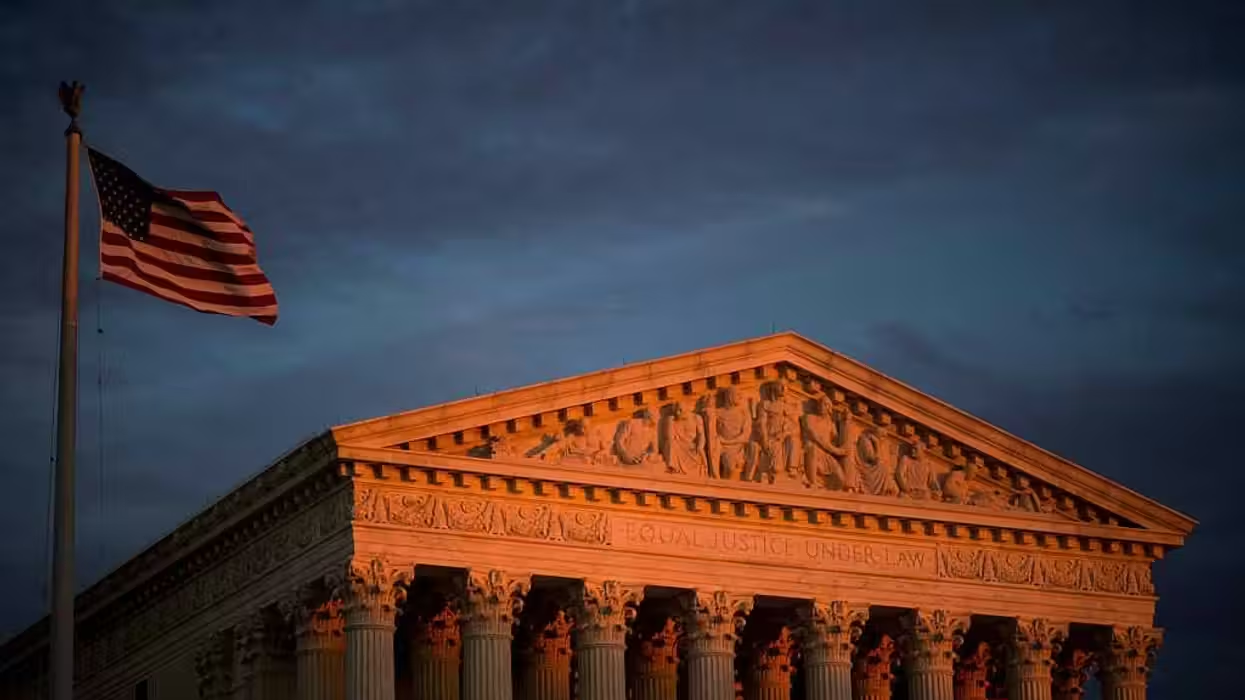 Photo By Bill Clark/CQ Roll Call
On that point, Harsanyi and I agree. Judicial and bureaucratic overreach distort constitutional government. The harder question is whether voters object.
From what I can tell, most do not. Many Americans seem content to trade constitutional self-government for managerial rule, provided the system delivers benefits and protects their expressive preferences. The populist right may bristle at this arrangement, but a leftist administrative state that claims to speak for “the people” may reflect the electorate’s will.
Recent elections reinforce that suspicion. Voters showed little interest in reclaiming authority from courts or bureaucracies. They appeared far more interested in government largesse and symbolic rights than in the burdens of republican self-rule.
Consider abortion. Roe v. Wade rested on shaky legal ground, yet large segments of the public enthusiastically embraced it for nearly 50 years. When the Roberts Court overturned Roe in 2022 and returned the issue to the states, many voters responded with fury. States enacted expansive abortion laws, and Democrats benefited from unusually high turnout. The electorate did not welcome responsibility. It resented it.
This reaction should not surprise anyone familiar with history. In 1811, Spaniards rejected the liberal constitution imposed by French occupiers, crying “abajo el liberalismo” — down with liberalism. They did not want abstract rights. They wanted familiar authority.
At least half of today’s American electorate appears similarly disposed. Many prefer guided democracy administered by judges and managers to the uncertainties of self-government. Their votes signal approval for continued rule by the administrative state. Republicans may slow this process at the margins, but Democrats expand it openly, and voters just empowered them to do so.
RELATED: Stop letting courts and consultants shrink Trump’s signature promise
 Yuri Gripas/Abaca/Bloomberg via Getty Images
I anticipated this outcome decades ago. In “After Liberalism” (1999), I argued that democracy as a universal ideal tends to produce expanded managerial control with popular consent. Nineteenth-century fears that mass suffrage would yield chaos proved unfounded. Instead the extension of the franchise coincided with more centralized, remote, and less accountable government.
As populations lost shared traditions and common authority, governance shifted away from democratic participation and toward expert administration. The state grew less personal, less local, and less answerable, even as it claimed to act in the people’s name.
Equally significant has been the administrative state’s success in presenting itself as the custodian of an invented “science of government.” According to this view, administrators form an enlightened elite, morally and intellectually superior to the unwashed masses. Justice Jackson’s warnings reflect this assumption.
I would like to believe, as Harsanyi suggests, that Americans find such attitudes insulting. I am no longer sure they do. Many seem pleased to be managed. They want judges and bureaucrats to make decisions for them.
That preference should trouble anyone who still cares about constitutional government.
This Supreme Court case could reverse a century of bureaucratic overreach
Washington is watching and worrying about a U.S. Supreme Court case that could very well define the future of American self-government. And I don’t say that lightly. At the center of Trump v. Slaughter is a deceptively simple question: Can the president — the one official chosen by the entire nation — remove the administrators and “experts” who wield enormous, unaccountable power inside the executive branch?
This isn’t a technical fight. It’s not a paperwork dispute. It’s a turning point. Because if the answer is no, then the American people no longer control their own government. Elections become ceremonial. The bureaucracy becomes permanent. And the Constitution becomes a suggestion rather than the law of the land.
A government run by experts instead of elected leaders is not a republic. It’s a bureaucracy with a voting booth bolted onto the front to make us feel better.
That simply cannot be. Justice Neil Gorsuch summed it up perfectly during oral arguments on Monday: “There is no such thing in our constitutional order as a fourth branch of government that’s quasi-judicial and quasi-legislative.”
Yet for more than a century, the administrative state has grown like kudzu — quietly, relentlessly, and always in one direction. Today we have a fourth branch of government: unelected, unaccountable, insulated from consequence. Congress hands off lawmaking to agencies. Presidents arrive with agendas, but the bureaucrats remain, and they decide what actually gets done.
If the Supreme Court decides that presidents cannot fire the very people who execute federal power, they are not just rearranging an org chart. The justices are rewriting the structure of the republic. They are confirming what we’ve long feared: Here, the experts rule, not the voters.
A government run by experts instead of elected leaders is not a republic. It’s a bureaucracy with a voting booth bolted onto the front to make us feel better.
The founders warned us
The men who wrote the Constitution saw this temptation coming. Alexander Hamilton and James Madison in the Federalist Papers hammered home the same principle again and again: Power must remain traceable to the people. They understood human nature far too well. They knew that once administrators are protected from accountability, they will accumulate power endlessly. It is what humans do.
That’s why the Constitution vests the executive power in a single president — someone the entire nation elects and can unelect. They did not want a managerial council. They did not want a permanent priesthood of experts. They wanted responsibility and authority to live in one place so the people could reward or replace it.
So this case will answer a simple question: Do the people still govern this country, or does a protected class of bureaucrats now run the show?
Not-so-expert advice
Look around. The experts insisted they could manage the economy — and produced historic debt and inflation.
The experts insisted they could run public health — and left millions of Americans sick, injured, and dead while avoiding accountability.
The experts insisted they could steer foreign policy — and delivered endless conflict with no measurable benefit to our citizens.
And through it all, they stayed. Untouched, unelected, and utterly unapologetic.
If a president cannot fire these people, then you — the voter — have no ability to change the direction of your own government. You can vote for reform, but you will get the same insiders making the same decisions in the same agencies.
That is not self-government. That is inertia disguised as expertise.
A republic no more?
A monarchy can survive a permanent bureaucracy. A dictatorship can survive a permanent bureaucracy. A constitutional republic cannot. Not for long anyway.
We are supposed to live in a system where the people set the course, Congress writes the laws, and the president carries them out. When agencies write their own rules, judges shield them from oversight, and presidents are forbidden from removing them, we no longer live in that system. We live in something else — something the founders warned us about.
And the people become spectators of their own government.
RELATED: Judges break the law to stop Trump from enforcing it
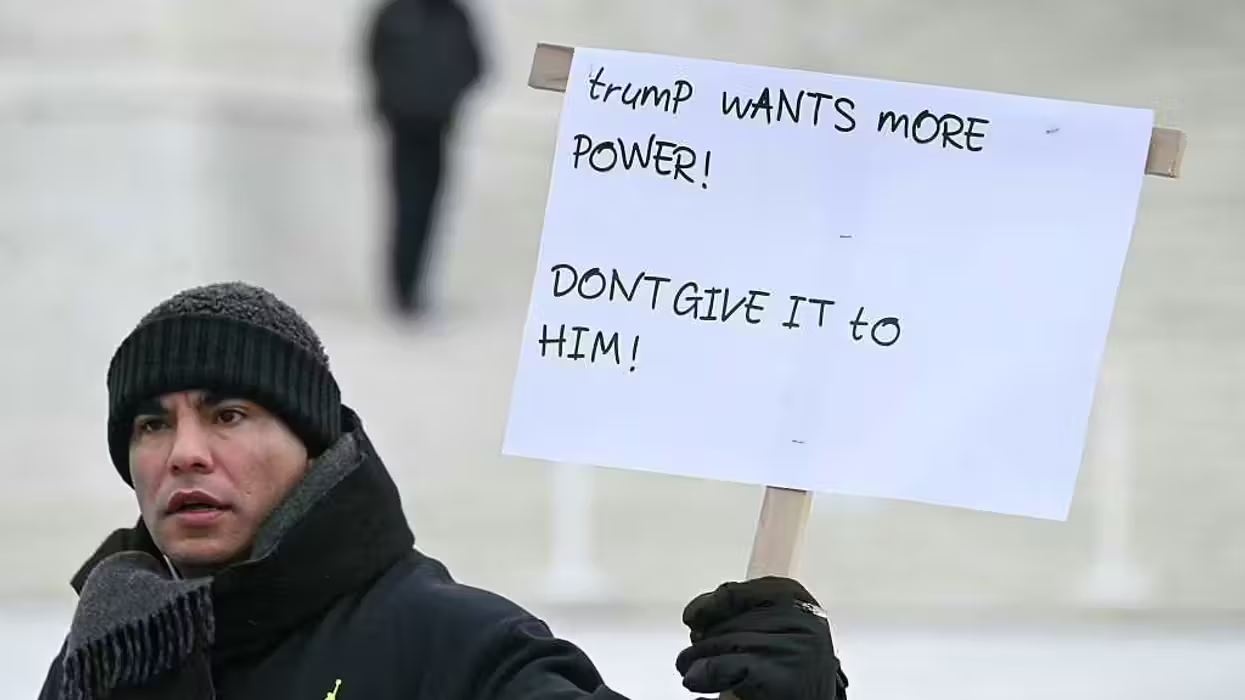 Photo by Jim WATSON / AFP via Getty Images
The path forward
Restoring the separation of powers does not mean rejecting expertise. It means returning expertise to its proper role: advisory, not sovereign.
No expert should hold power that voters cannot revoke. No agency should drift beyond the reach of the executive. No bureaucracy should be allowed to grow branches the Constitution never gave it.
The Supreme Court now faces a choice that will shape American life for a generation. It can reinforce the Constitution, or it can allow the administrative state to wander even farther from democratic control.
This case isn’t about President Trump. It isn’t about Rebecca Slaughter, the former Federal Trade Commission official suing to get her job back. It’s about whether elections still mean anything — whether the American people still hold the reins of their own government.
That is what is at stake: not procedure, not technicalities, but the survival of a system built on the revolutionary idea that the citizens — not the experts — are the ones who rule.
Can presidents fire all federal bureaucrats at will? Supreme Court to hear case with major implications
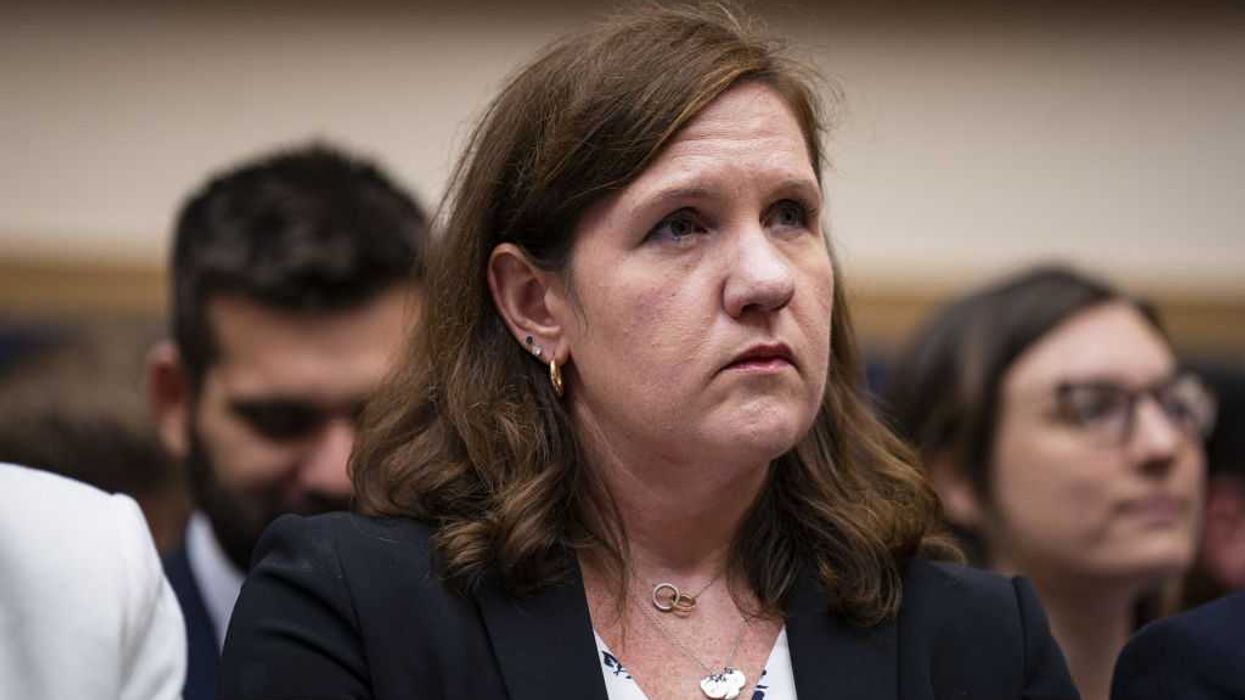
President Donald Trump’s work to dismantle the administrative state has reached a tipping point that could have major implications for the future. The Supreme Court is set to hear arguments that will determine President Trump’s firing power at federal agencies, specifically at the Federal Trade Commission.
On Monday, the court will hear arguments that will challenge a 90-year-old precedent from Humphrey’s Executor v. United States.
A Supreme Court decision in President Trump’s favor could rewrite the bounds of presidential power over the administrative state.
The case before the court came after President Trump fired Federal Trade Commissioner Rebecca Slaughter over email in March. Trump did not cite any legal reasoning for Slaughter’s firing, even though Humphrey’s Executor states that an FTC commissioner may be fired only for “inefficiency, neglect of duty, or malfeasance in office.”
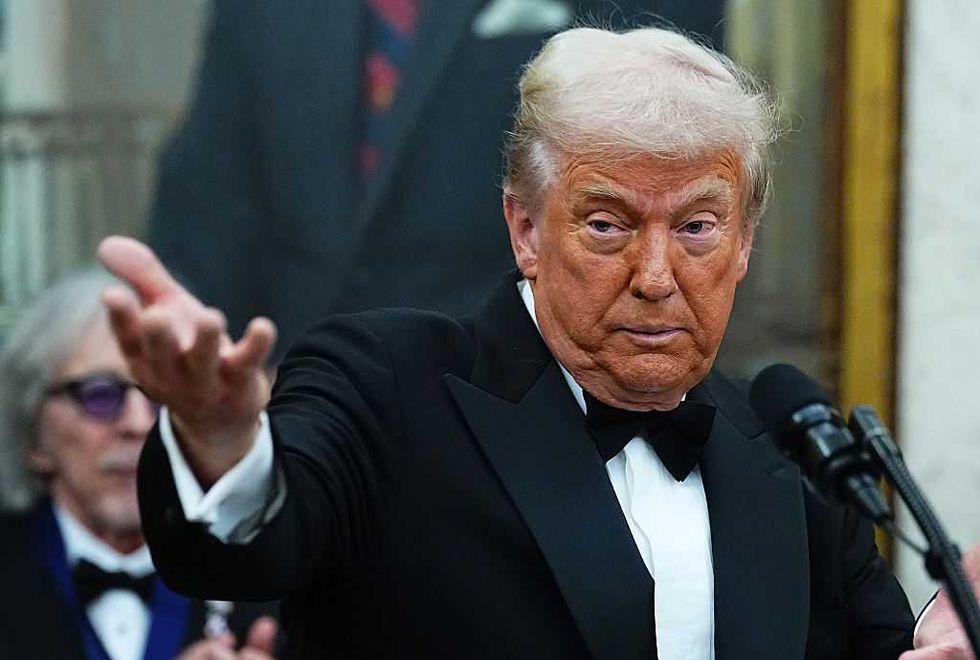 Photo by Aaron Schwartz/Getty Images
Trump has also fired employees at the National Labor Relations Board, the Merit Systems Protection Board, and the Consumer Product Safety Commission.
Trump has been challenged on other high-profile firings in recent months, including those of Federal Reserve Governor Lisa Cook and a copyright official at the Library of Congress, Shira Perlmutter. They have both successfully avoided losing their positions thus far.
Though the FTC is likely to be treated differently because of the precedent, a Supreme Court decision in President Trump’s favor could rewrite the bounds of presidential power over the administrative state.
The court currently has a 6-3 conservative majority. Three of the justices were appointed during Trump’s first term.
Like Blaze News? Bypass the censors, sign up for our newsletters, and get stories like this direct to your inbox. Sign up here!





