

Category: Align
Disney fans cheer as Mouse House reverses DEI-inspired theme park change

It’s been nearly five years since the Walt Disney Company leaned into the corporate vogue of diversity, equity, and inclusion across its theme parks.
Now, some parkgoers think they’re hearing something different — something familiar.
‘The sound of the trip starting for real.’
DEI dream
Back in 2021, Disney confirmed to Newsweek that it would phase out the classic greeting, “Ladies and gentlemen, boys and girls,” from announcements at Magic Kingdom. In its place came a more neutral line: “Good evening, dreamers of all ages,” part of a broader push to make park language more “inclusive.”
At the time, the change was treated as small but symbolic — another piece of Disney’s effort to align itself with the cultural priorities of the moment.
Now, a clip circulating on X suggests the company may be quietly loosening its grip on that approach. In the video, a monorail announcement clearly addresses riders as “ladies and gentlemen” while instructing them to hold the handrail — a phrase that, until recently, had been scrubbed from official park language.
Old times
No announcement has been made. No policy has been reversed, at least publicly.
But at a place like Disney, where every word is scripted and nothing is accidental, even a small change can signal something larger.
For longtime visitors, it’s not really about the phrasing itself. It’s about what it represents: a return to tradition — or at least a pause in the steady rewriting of it.
RELATED: Lindsey Graham spotted holding bubble wand at Disney World during shutdown
No place for ‘ladies’
Various Disney-centric sites have stated that the removal of “ladies and gentleman” from park experiences was actually a bigger blow than it seemed. Inside the Magic called it the most recognized part of the vital experience that leads Disney fans into the theme park.
Disney Dining called the phrase “the sound of the trip starting for real,” noting its specific cadence made it memorable to park goers.
That Park Place reported that it took just a year for Disney to start treating gendered language like a bygone era, with progressive ideology becoming part of Disney’s internal training philosophy. The outlet cited diversity and inclusion manager Vivian Ware, who reportedly said cast members were being taught to avoid saying “ladies and gentlemen” and “boys and girls.”
Instead, the outlet stated, they were taught to say, “Hello, everyone,” or, “Hello, friends.”
The language shift wasn’t the only obvious change to standards at Disney, either.
RELATED: BOX OFFICE KRYPTONITE: ‘Supergirl’ star flames fans ahead of premiere
 Joe Burbank/Orlando Sentinel/Tribune News Service/Getty Images
Mixed-up mouse
In 2023, Disney partnered with a man who claimed to be “gender fluid” in order to promote a Minnie Mouse-themed clothing set that included a red dress, yellow pumps, and red hair bow.
Earlier that year, an employee at Disneyland, who appeared to be a man in a dress, was seen greeting little girls at the salon and dress shop called the “Bibbidi Bobbidi Boutique.”
Align reached out to Disney Parks to ask when the gendered language was brought back into the attractions and the reasoning behind the policy change, but did not receive a reply.
Like Blaze News? Bypass the censors, sign up for our newsletters, and get stories like this direct to your inbox. Sign up here!
CBS to replace Stephen Colbert with actual comedy
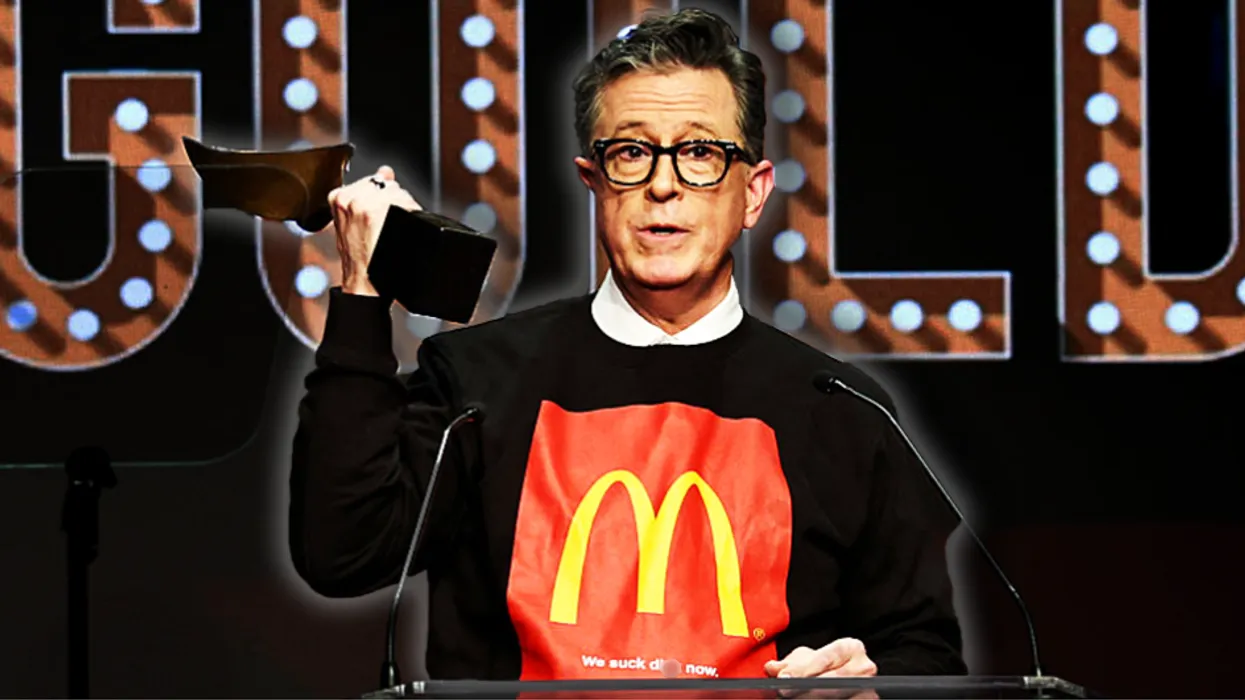
CBS will waste no time looking for laughs after “The Late Show with Stephen Colbert” ends its near-11-year run.
Colbert has faced consistent scrutiny since reports surfaced of his show’s alleged $40 million annual losses against a $100 million budget. Now, the finish line is fast approaching as his show nears its May 21 finale.
‘The world can never have enough laughter.’
CBS will reportedly waste no time replacing Colbert and is moving right along with a new lineup for the 11:35 p.m. time slot on May 22.
Giggle gang
According to The Hill, Colbert’s late-night talk show is set to be replaced by a pair of half-hour programs featuring actual comedians.
First, back-to-back episodes of “Comics Unleashed” will air in Colbert’s soon-to-be former slot, moving up an hour from where it sits currently. The show features panels of bantering stand-up comics that have ranged from newbies to legends like Dennis Miller, Bert Kreischer, John Lovitz, and more.
Moving into the 12:35 a.m. slot is “Funny You Should Ask,” a reboot of the 1968 classic of the same name. The format has celebrities and comedians answer trivia questions, while contestants have to determine if they are giving the right answer.
RELATED: ‘LATE’ HATE: Even Hollywood is sick of Colbert’s endless pity party
Nothing personal
CBS said in 2025 that its cancellation of Colbert’s show was “purely a financial decision against a challenging backdrop in late night.”
They added, “It is not related in any way to the show’s performance, content, or other matters happening at Paramount.”
This came around the same time that CBS News’ parent company, Paramount, paid a $16 million settlement to President Trump. The lawsuit claimed the network deceptively edited an interview with Vice President Kamala Harris during her 2024 presidential election campaign, the Guardian reported.
Colbert called the settlement “a big fat bribe.”
Happy meal
Both shows replacing Colbert are produced by comedian Byron Allen, who has pushed out a steady stream of TV shows and movies over the past two decades.
Allen told The Hill that “Comics Unleashed” is a platform for comedians to simply “make people laugh,” adding that he truly appreciates CBS for “picking up our two-hour comedy block.”
“The world can never have enough laughter,” Allen added.
The 64-year-old is on the board of governors of the Motion Picture & Television Fund, along with other Hollywood staples like director J.J. Abrams, actor Colin Farrell, and rapper Curtis “50 Cent” Jackson. The fund describes itself as supporting “working and retired members of the entertainment community with a safety net of health and social services.
In 2025, Variety reported that Allen reached a settlement with McDonald’s after filing a $10 billion lawsuit against the food chain. The lawsuit alleged that McDonald’s discriminated against black-owned media companies in its TV advertising expenditures.
Like Blaze News? Bypass the censors, sign up for our newsletters, and get stories like this direct to your inbox. Sign up here!
MEMBERS ONLY: Pro-Palestine posting no problem with ‘penis,’ claims fired Kate Beckinsale

Actress Kate Beckinsale wants to know why she was fired but a man was not.
The 52-year-old’s gripe dates back to 2023, when she was allegedly fired by talent agency UTA, which also represents actor Mark Ruffalo.
‘The price you pay for having a vagina while even remotely liking a post that was as un political as it could possibly be.’
‘Vagina’ monologue
Beckinsale took aim at Ruffalo by leaving a lengthy and inflammatory comment on his Instagram page last week. Ruffalo’s post was promoting a movie about Palestine, which prompted Beckinsale to leave scathing remarks claiming that UTA had fired her for liking a social media post about Palestine.
“Gosh, it must be so nice not to be fired by your Agent for liking a post about a ceasefire and not supporting the murdering of children,” Beckinsale reportedly wrote in response; her comments have since been deleted, Entertainment Weekly noted.
It only took two sentences for the “Underworld” actress to label her apparent firing as a case of sexism.
“I guess having a penis in Hollywood really counts for a lot because you’ve not been fired by the same Agent that I had and … I liked a post about a ceasefire and I’ve got fired on the same day as Susan Sarandon was fired,” she continued.
Saran-done
Unlike Beckinsale’s alleged firing, Sarandon’s was public and confirmed by UTA for allegedly making anti-Semitic remarks at a pro-Palestine rally in 2023. According to Deadline, her comments included, “There are a lot of people afraid of being Jewish at this time and are getting a taste of what it feels like to be a Muslim in this country.”
UTA’s CEO at the time of Sarandon’s firing was Jeremy Zimmer, who is Jewish.
RELATED: Celebrities demand ICE send illegal immigrants back … to your neighborhood
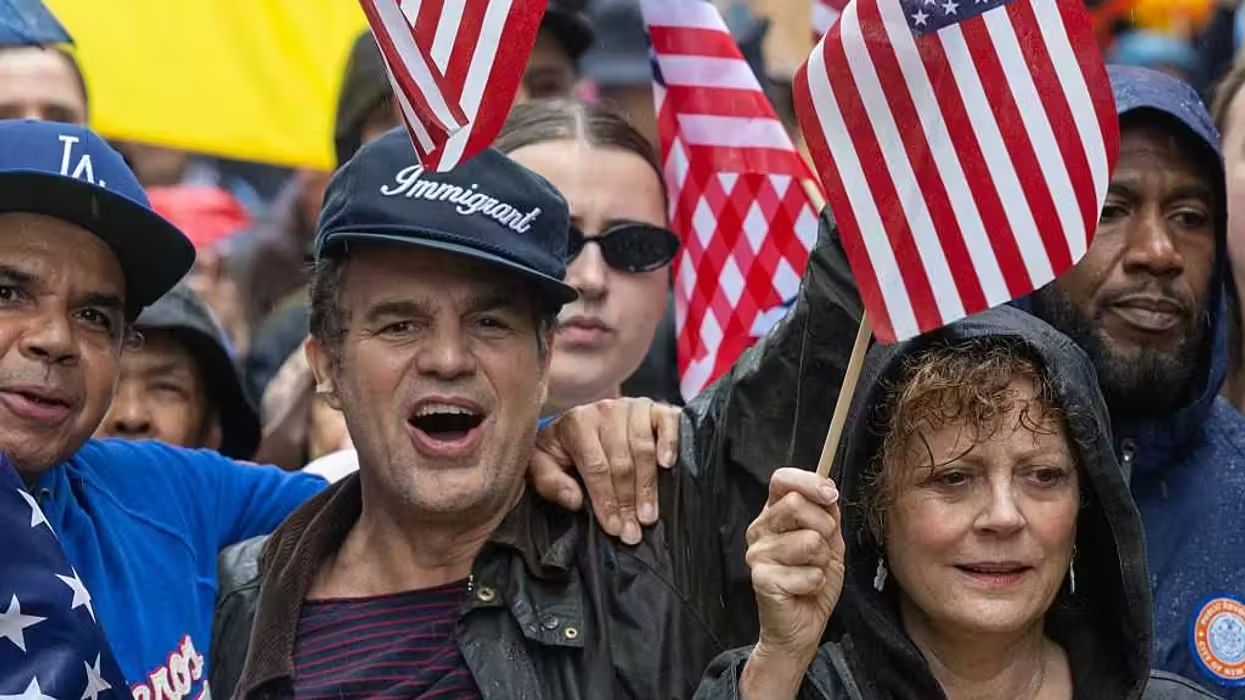 Alex Kent/Getty Images
Social justice worrier
Beckinsale went on in her reported comments to describe the tough spot she was in when she was allegedly fired, having to take care of two sick parents. She also applauded Ruffalo for his “voice” and “activism,” before blaming sexism once more as the reason she was dropped by her agency.
“… the price you pay for having a vagina while even remotely liking a post that was as un political as it could possibly be, just asking for mercy for children and babies by UNICEF, in fact doing 1 millionth of what you have laudably done, caused me to be fired and you not, and that is, to say the least interesting.”
The actress said that other actresses and “women’s advocate groups” also found the situation interesting, before claiming that she had sent Ruffalo a private message about the issue months ago but he “ignored” her.
EW also reported that Beckinsale replied to one user’s comments by saying there exists “male privilege even in the good guys.”
RELATED: Gene Simmons’ advice for celeb activists Ben Stiller, Mark Ruffalo: ‘Shut the f**k up’
 JOCE/Bauer-Griffin/GC Images/Getty Images
Hulk smashed
The agent in question was not named, and neither Ruffalo nor UTA have offered comment when approached by different outlets.
Beckinsale was correct to characterize Ruffalo as very politically active, though. He has put out a constant stream of commentary during the Donald Trump administration, including accidentally sharing AI images of Trump that he thought were real.
“Sorry Folks. Apparently these images are AI fakes. The fact Trump was on Epstein’s plane and what Epstein was up to is not. Be careful. Elon’s X and his allowing so much disinformation here is driving the value of his app down by 55%,” Ruffalo wrote at the time.
Ruffalo has shown his support for Palestine in many ways, including supporting the shutdown of the Oscars ceremony he was attending and calls for his union to protect pro-Palestine activists from being blacklisted.
Like Blaze News? Bypass the censors, sign up for our newsletters, and get stories like this direct to your inbox. Sign up here!
UConn star Tarris Reed praises Jesus ahead of national championship: ‘He changed everything about me’

University of Connecticut star Tarris Reed Jr. spoke beautifully about Easter, the Resurrection, and how Jesus has affected him following the March Madness semifinals on Saturday.
Reed took the podium following a 71-62 win over Illinois, which sent UConn to the national championship against Michigan, his former team, on Monday night.
‘He changed everything about me.’
Surprisingly, a reporter in Indianapolis brought up Easter weekend during Reed’s press conference, asking the 22-year-old what the Resurrection means to him.
Praise and proof
With a smile on his face, Reed rubbed his chin and said, “That’s a great question.”
“The resurrection is really everything,” he began. “That’s like, the staple of Christianity. So like, without the Resurrection, there is no Christian [faith], there is no Jesus.”
Reed then went into details that are rarely heard in the sports world, which may signal a continued shift into faith being proclaimed by high-level athletes.
“I feel like once you can show a lot of significant evidence for the Resurrection, I mean, it shows a lot of proof towards Christianity. So I feel like just to go through, where I came from throughout my college career … Jesus just literally changed my mind.”
RELATED: Olympic Committee adopts new policy on ‘trans’ athletes
Bible based
Before the national tournament, Reed said he has been drawing inspiration from his Christianity, saying he reads the Bible every morning. When his confidence has been low, he has turned to God and been “strong” in his faith.
It was then that Reed began telling reporters that his belief in Jesus has changed him completely.
“He changed everything about me,” Reed said on Saturday night. “It’s crazy looking back; like I saw my old team Michigan the other day and spoke to a couple of those guys. We [have] just seen each other just grow so much and just change. So it’s just been a blessing just to see myself just, like I said, grow through Jesus. I mean He just, like I said, wiped my eyes clean.”
While there aren’t as many instances, Reed had spoken about being a Christian during his time at Michigan, but he admitted recently he did not read the Bible when he played there.
Interestingly enough though, he cited similar reasoning for turning to his faith in 2023 with the Wolverines.
“When things are crumbling down, I know that I have faith in Jesus Christ. He’s going to produce and carry me through the storm,” he said at the time.
RELATED: Jason Whitlock: The NCAA tournament has a Bruce Pearl problem
 Patrick Smith/Getty Images
Walking of faith
Ahead of the tournament final, the 6’11” center says he has completely changed due to his faith, right down to the way he walks.
“My whole mind is different. The way I talk, walk, act changed. The way I treat other people. It’s like more not to get, but more to serve. You know, I feel like I’m here to really serve and serve others.”
UConn plays Michigan Monday night at 8:50 p.m. ET for the national championship.
Like Blaze News? Bypass the censors, sign up for our newsletters, and get stories like this direct to your inbox. Sign up here!
Celebrities demand ICE send illegal immigrants back … to your neighborhood
Not in their backyard.
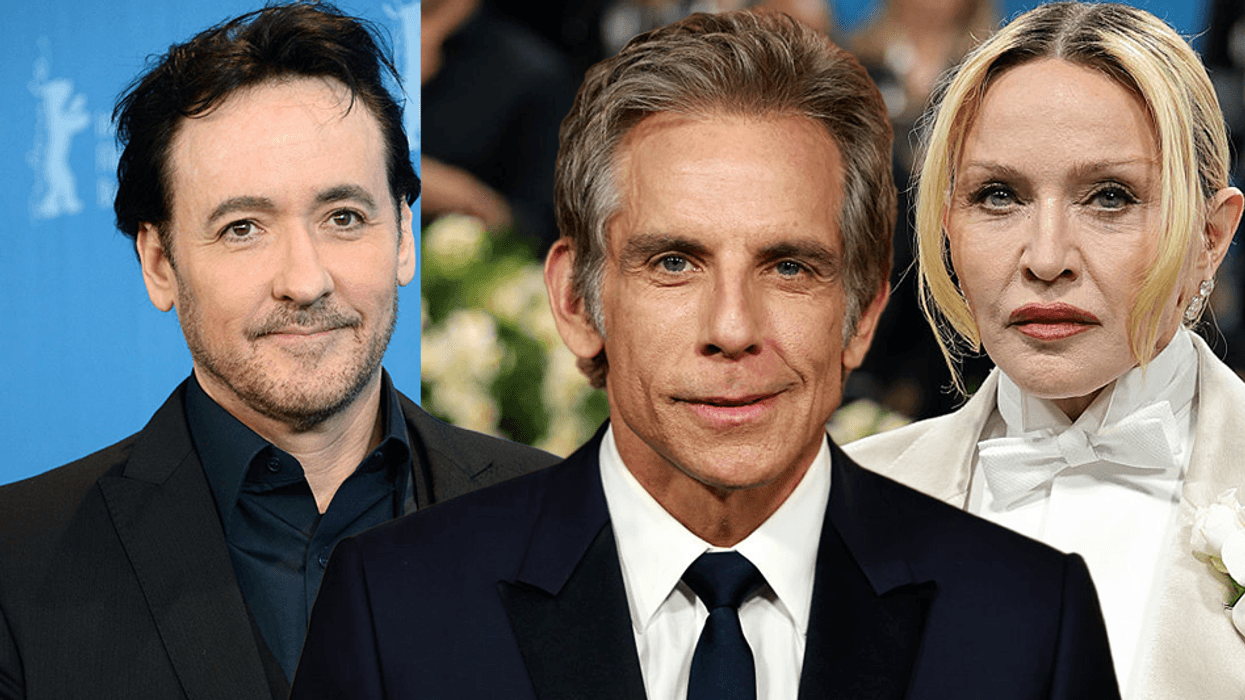
Gated-community-dwelling celebs like Ben Stiller, Edward Norton, and Madonna are among those demanding that the Department of Homeland Security close a Texas ICE facility — and send its illegal immigrant detainees back into American neighborhoods.
The Change.org petition, which has reached over 200,000 signatures, targets the Dilley ICE detention center in Dilley, Texas, which was opened in 2014 by President Barack Obama.
‘Children belong in schools and on playgrounds, not in detention centers.’
The facility was then closed by President Joe Biden in 2024, before being reopened by President Donald Trump in 2025.
Lock shock
Now, some of the country’s most prominent liberal celebrities are accusing ICE of child imprisonment.
“No child should be locked in an immigration detention center,” the petition states.
“We urge the federal government and CoreCivic to close the Dilley facility immediately, return children and families to the homes and communities they were taken from and to end child imprisonment now.”
The description claimed that the children at the Dilley detention center “endure trauma, neglect and conditions that violate basic standards of health, safety, dignity and human rights.”
RELATED: Misogyny? Please: Our real problem is female entitlement
 Ilana Panich-Linsman/The Washington Post/Getty Images
‘Rotten food’
Additional claims cited court filings that detail “abuse … refusals to provide clean water, rotten food contaminated with worms, dangerous medical neglect, sleep deprivation, denial of legal counsel, the separation of children from their families, and retaliation against families protesting the inhumane conditions.”
Many of these claims were outlined in a PBS News report from January, citing allegations made by migrant families “in recent court documents about their children’s conditions while in ICE custody.”
‘Desperate’ measures
In a statement, DHS refuted the claims as the media’s “desperate” attempt to discredit immigration reform:
Dilley does meet federal detention standards and actually undergoes regular audits and inspections. The Dilley Detention Center is retrofitted for families. Adults with children are housed in facilities that provide for their safety, security, and medical needs. All detainees are provided with 3 meals a day, clean water, clothing, bedding, showers, soap, and toiletries.
The federal entity also said inmates have access to phones to contact family and lawyers, have dietitian-evaluated meals, and ensure that children are protected.
“Parents, who are here illegally, can take control of their departure,” the statement went on. DHS added the families can self-deport with the potential to return legally.
RELATED: Taylor Swift’s ‘Life of a Showgirl’: The same sad sound and fury
“Children belong in schools and on playgrounds, not in detention centers,” the petition also said.
Other celebrity signees include: Alyssa Milano, Brittney Griner, Christina Ricci, Cobie Smulders, Elizabeth Banks, Elliot Page, Eva Longoria, Jane Fonda, John Cusack, John Legend, Lance Bass, Maggie Gyllenhaal, Mark Ruffalo, Ms. Rachel, and Raffi.
Like Blaze News? Bypass the censors, sign up for our newsletters, and get stories like this direct to your inbox. Sign up here!
‘No one is illegal on stolen land’: Grammys audience goes wild over anti-ICE speeches
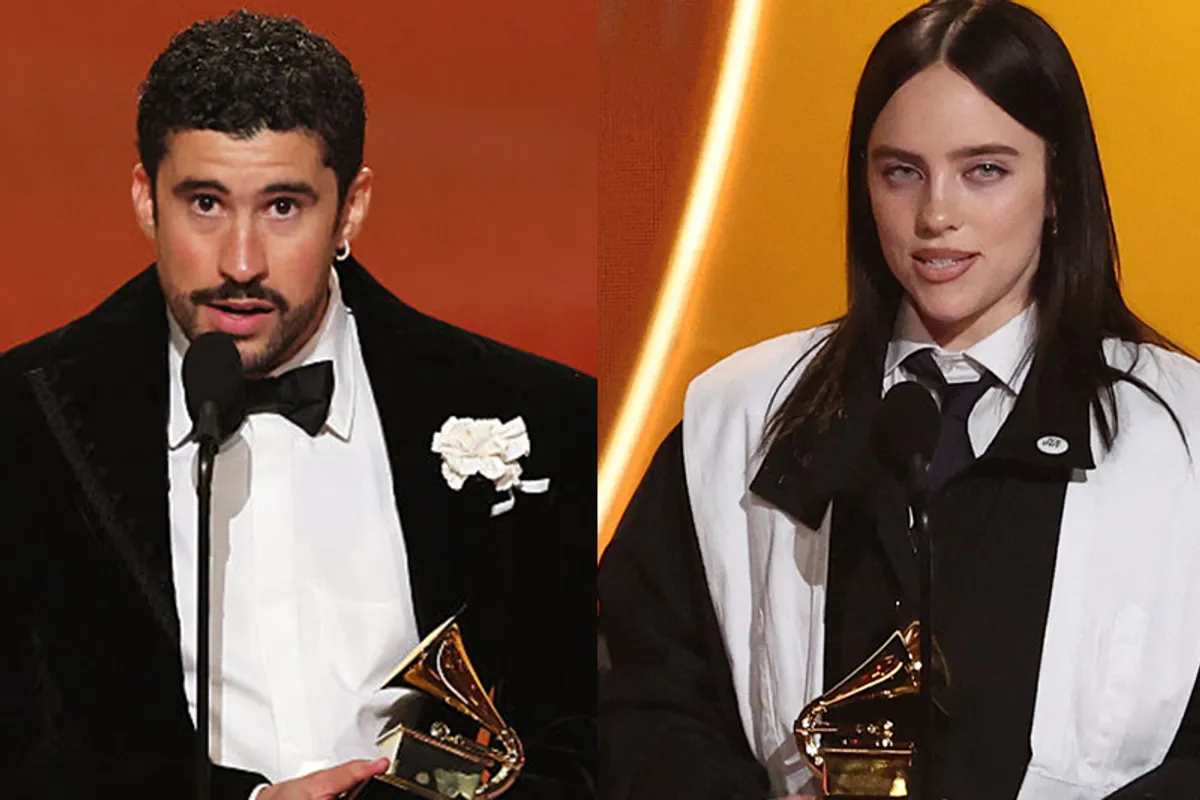
The 2026 Grammys seemed like a political rally at times as the audience screamed and cheered over anti-government sentiments.
Simple statements garnered standing ovations as some award winners specifically condemned Immigration and Customs Enforcement in their remarks.
‘Um, f**k ICE is all I want to say. Sorry.’
After singer Billie Eilish won Song of the Year, she told the crowd that “no one is illegal on stolen land.”
This statement brought the house down, as attendees rose to their feet and nodded along with impassioned fervor.
ICE-capades
“It’s just really hard to know what to say and what to do right now,” the 24-year-old continued. “I feel really hopeful in this room, and I feel like we just need to keep fighting and speaking up and protesting, and our voices really do matter, and the people matter.”
“Um, f**k ICE is all I want to say. Sorry,” she added as the crowd went wild.
The audience similarly cried out like victors of an intergalactic war when Puerto Rican artist Bad Bunny accepted the award for Best Urban Album, which was called “Best Música Urbana Album” by the Grammys.
“ICE out,” he began, garnering huge applause. “We’re not savage. We’re not animals. We’re not aliens. We are humans. And we are Americans,” Bad Bunny strangely said, given that ICE works to enforce immigration law.
What did not receive as much raucous applause was when the singer asked the audience to “be different. If we fight, we have to do it with love.”
“We don’t hate them. We love our people. We love our family. And that’s the way to do it, with love. Don’t forget that, please,” he said.
RELATED: ‘This isn’t organic’: Joe Rogan says Minnesota’s anti-ICE protests are ‘coordinated’ to induce chaos
Pop-star punditry
According to Variety, Eilish was joined by singers like Justin Vernon and Jack Antonoff in wearing “ICE Out” pins to the ceremony. Also included in that group were Justin and Hailey Bieber, although the singer looked incredibly unhappy to be at the event while on the red carpet.
Singer Jelly Roll was asked why he has been silent on political issues, to which he replied, “People shouldn’t care to hear my opinion, man. You know, I’m a dumb redneck. I haven’t watched enough. I didn’t have a phone for 18 months. I’ve had one for four months and don’t have social media.”
However, he went on to say that he is going to have “a lot to say” in the next week, and audiences will hear him “in the most loud and clear way I’ve ever spoke in my life.”
Shut up and sing
Comedian Ricky Gervais made a simple remark on Monday morning, mocking the celebrities for their political speeches.
“They’re still not listening,” he wrote on X, with an attached quote of his remarks from the 2020 Golden Globes, which reads: “If you do win an award tonight, don’t use it as a platform to make a political speech. You’re in no position to lecture the public about anything. You know nothing about the real world.”
Like Blaze News? Bypass the censors, sign up for our newsletters, and get stories like this direct to your inbox. Sign up here!
How to watch Turning Point USA Super Bowl halftime show — ‘American culture, freedom, and faith’

Charlie Kirk’s Turning Point USA will have its own performances that will air during the Super Bowl halftime show.
With artist Bad Bunny set to perform at the Super Bowl LX halftime show — where he may or may not wear a dress — conservative activist group TPUSA will ask viewers to change the channel for the break.
‘Experience a one-of-a-kind halftime event.’
Just a month after Kirk’s assassination, TPUSA announced it would host the All American Halftime Show on its channels. Now, the organization has revealed its musical lineup for February 8, 2026.
Rock, Barrett, Brice
Leading the charge is diamond-selling artist Kid Rock, who recently told Congress his ideas for keeping ticket prices down at concerts and sporting events.
Platinum country artist Brantley Gilbert will also perform. He has more than 10 million followers on social media.
Also featured is Lee Brice. The South Carolina native went platinum as recently as 2020 with his album “Hey World.”
Rounding out the performers is Gabby Barrett. The 25-year-old Pennsylvanian was just a teen when she finished third on the 16th season of “American Idol” in 2018. She went platinum in Canada and the United States with 2020’s “Goldmine.”
RELATED: Trump’s ‘number-one fan,’ Nicki Minaj, praises the president, shreds Gavin ‘Newscum’
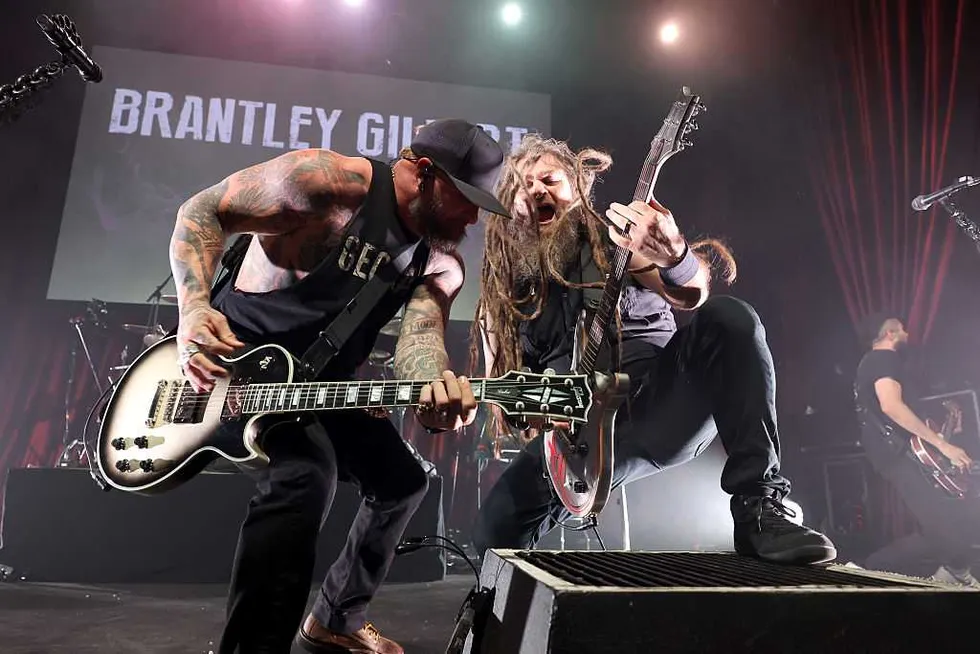 Photo by Terry Wyatt/Getty Images for BBR Music Group/BMG Nashville
How to Watch
With Super Bowl LX set for kickoff around 6:30 p.m. ET, halftime will likely be around 8-8:30.
At that point, viewers can escape network coverage by heading to any of Turning Point USA’s social media channels or video platforms. This includes TPUSA’s YouTube page, Rumble channel, and X page.
Charlie Kirk’s YouTube channel and Rumble channel will also feature the stream.
“Experience a one-of-a-kind halftime event celebrating American culture, freedom, and faith,” Turning Point wrote in its promotional materials.
RELATED: ‘All in’: TPUSA’s Andrew Kolvet sets sights on 2028 presidential candidate after AmFest
 Photo by Erika Goldring/Getty Images
English speakers welcome
Super Bowl LX is shaping up to be one of the most controversial on record. Although Bad Bunny reportedly will not wear a dress (according to TMZ), he has told viewers to be sure to learn Spanish for his performance.
This has been followed by consistent warnings from the Trump administration to illegal immigrants in the Santa Clara, California, area — where the game is being hosted — that immigration enforcement will be present around Levi’s Stadium.
However, local police have said they will not be assisting federal agents with any immigration enforcement and warned residents that any masked agents would not be local law enforcement.
Like Blaze News? Bypass the censors, sign up for our newsletters, and get stories like this direct to your inbox. Sign up here!
Sydney Sweeney spurns Cosmo girl’s desperate ‘MAGA Barbie’ bait
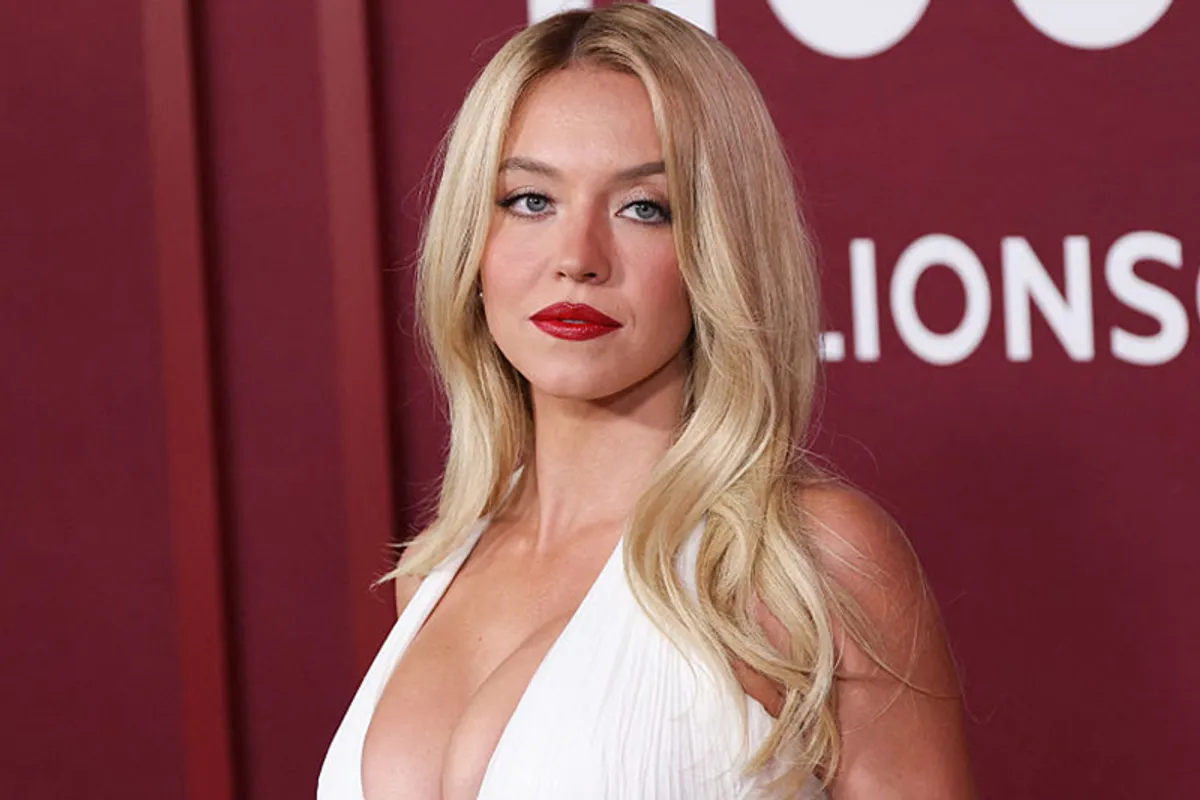
Feminist glossy “Cosmopolitian” could use a reminder: No means no.
When it comes to the media’s attempts to use Sydney Sweeney as a political pawn, the star has made it clear that she does not consent.
‘I’ve never been here to talk about politics.’
From claims that a jeans ad is a product of white supremacy to outrage over her use of a firearm, the 28-year-old is asked by reporters to reveal her politics nearly every time she is put in front of a camera.
And every time, she refuses.
Private parts
That didn’t stop a pushy writer from Cosmopolitan — single gal lifestyle mag turned leftist propaganda organ — from doing her best to wear Sweeney down.
After discussing body image and Sweeney’s new lingerie line, writer Alexandra Whittaker took an abrupt turn toward politics by bringing up what she called the star’s “charged nickname”: MAGA Barbie.
“I see it in Instagram comments constantly. How do you understand this label, given that you’ve been private about your politics?” Whittaker asked.
“I’ve never been here to talk about politics,” Sweeney plainly replied. “I’ve always been here to make art, so this is just not a conversation I want to be at the forefront of. And I think because of that, people want to take it even further and use me as their own pawn. But it’s somebody else assigning something to me, and I can’t control that.”
RELATED: Sydney Sweeney is rebuilding Americana — one Bronco at a time
Party lines
The reporter then asked why Sweeney would not want to correct any untrue labels.
“Where is the line for you?”
“I haven’t figured it out. I’m not a hateful person. If I say, ‘That’s not true,’ they’ll come at me like, ‘You’re just saying that to look better.’ There’s no winning. There’s never any winning. I just have to continue being who I am, because I know who I am. I can’t make everyone love me. I know what I stand for.”
Trying a different angle, Whittaker — executive director of Cosmopolitan’s website — asked Sweeney to define some of her values, “not party affiliations,” that she wants people to understand.
Sweeney simply described leading with “love” and being “kind to whoever you meet.”
American ogle
Despite Sweeney’s clear lack of interest, the reporter kept on pressing, asking Sweeney about not talking about politics and if she ever will.
“You don’t speak to your fans directly about your political beliefs. … Is there a future in which people will get to see what you believe, politically?”
The Spokane, Washington, native completely shut the idea down.
“No. I’m not a political person. I’m in the arts. I’m not here to speak on politics. That’s not an area I’ve ever even imagined getting into. It’s not why I became who I am.”
Readers will have to check out the full interview to see other attempts to discuss the “culture war” and separate online narratives that Sweeney is asked to answer to.
The actress was consistent in saying she does not have any control over what others print, say, or claim about her for their own gain.
“It’s been a weird thing having to navigate and digest, because it’s not me. None of it is me. And I’m having to watch it happen. I’m online and I see things, but I’m slowly pulling myself away,” she explained.
‘They can’t take us all down’: Actor Giancarlo Esposito declares it’s ‘time for a revolution’ in unhinged rant
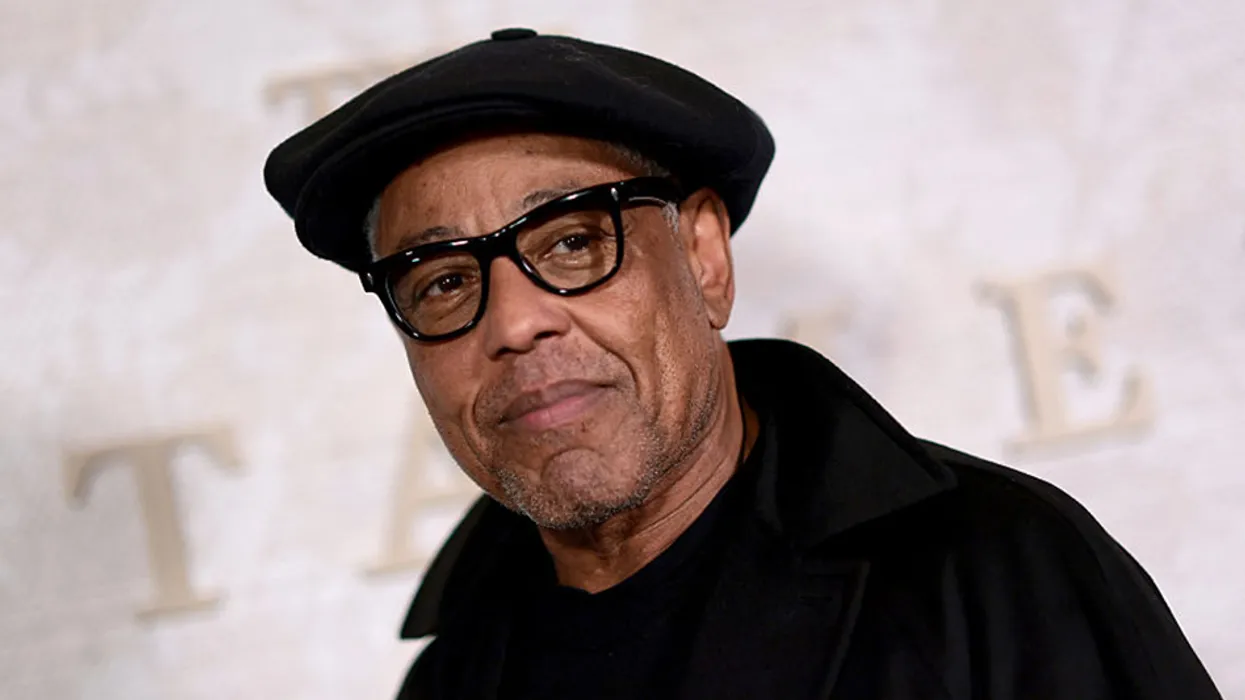
“Breaking Bad” actor Giancarlo Esposito has a message for old white men: If you want civil war, you might just get it.
The 67-year-old told a reporter at the Sundance Film Festival that it is “time for a revolution” and that the powers that be “don’t even know that’s what they’re starting.”
‘They’ll kill 500, 50 million, however [many], but the rest of us would survive with a new [world].’
Esposito, who has also starred in “The Mandalorian” and “Better Call Saul,” elaborated on his theory at the premiere of his latest project on Tuesday in Park City, Utah.
Fring-a-ling
“You know, some very rich old white men are exerting their power to suppress our own people, thus creating a feeling of civil war in the streets, preparing the haters to hate, teaching them how to shoot — they’re not even trained right — to kill,” he explained. “This is all preparation for a very insidious problem that’s happening in our world.”
Esposito then told a reporter from Variety that while tens of millions may die from a revolution, the rest would get to live on in the new world.
RELATED: Sundance VIPs take 10-minute protest break in between screenings
Collateral damage
“I have to speak out that we will not be ICE’d out,” the actor continued. “This is not going to happen. They can’t take us all down. If the whole world showed up on Putin’s doorstep or on the Iranians’ doorstep or in Washington, it would stop [them]. They’ll kill 500, 50 million, however [many], but the rest of us would survive with a new [world].”
The TV actor went on to say that the unnamed forces don’t know what the revolution is that they are starting, but “we have to be strong enough to know that we can change the world. We have to change it from within.”
“Not by deporting immigrants” and “not by killing off brown … people,” the actor stressed.
RELATED: Brave Hollywood stars hit Sundance red carpet in defiance of ICE ‘gestapo’ terror
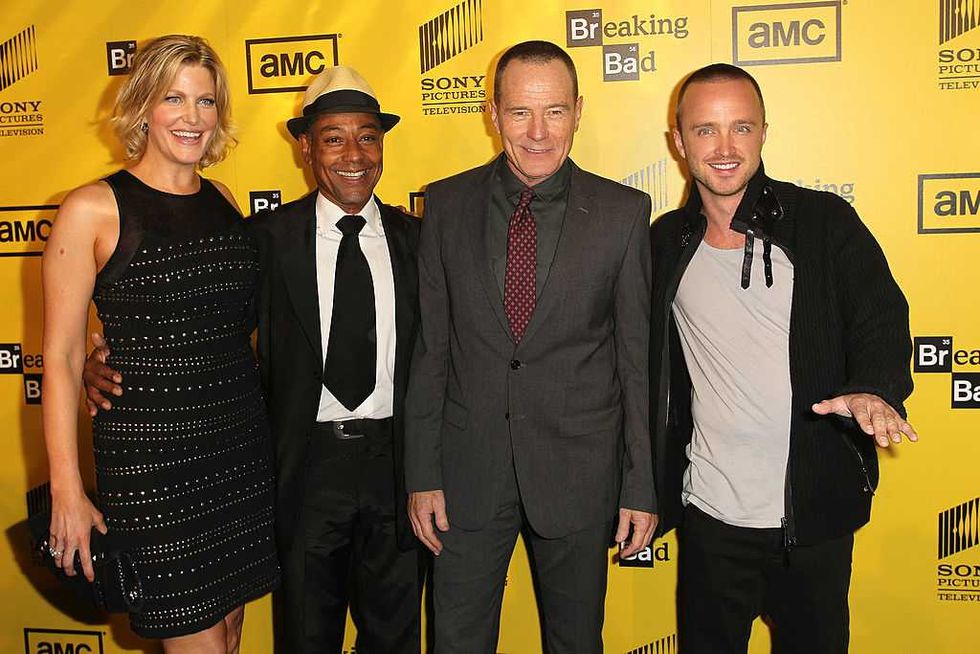 Photo by Frederick M. Brown/Getty Images
Talk show
This year’s Sundance has seen the “premiere” of many celebrity political opinions. Edward Norton, for example, wowed audiences by comparing Immigration and Customs Enforcement to Nazi gestapo.
Not to be upstaged, actress Natalie Portman told Deadline that what the Trump administration is doing is “really the worst of the worst of humanity,” while actor Elijah Wood of “Lord of the Rings” fame showed up for a 10-minute demonstration on Main Street to protest ICE with cell phones.
Wood said “folks” had been “unlawfully gunned down in Minnesota” and that the crowd at Sundance is “coming together” and is not divided.
Like Blaze News? Bypass the censors, sign up for our newsletters, and get stories like this direct to your inbox. Sign up here!
Matt Damon: Netflix dumbs down movies for attention-impaired phone addicts
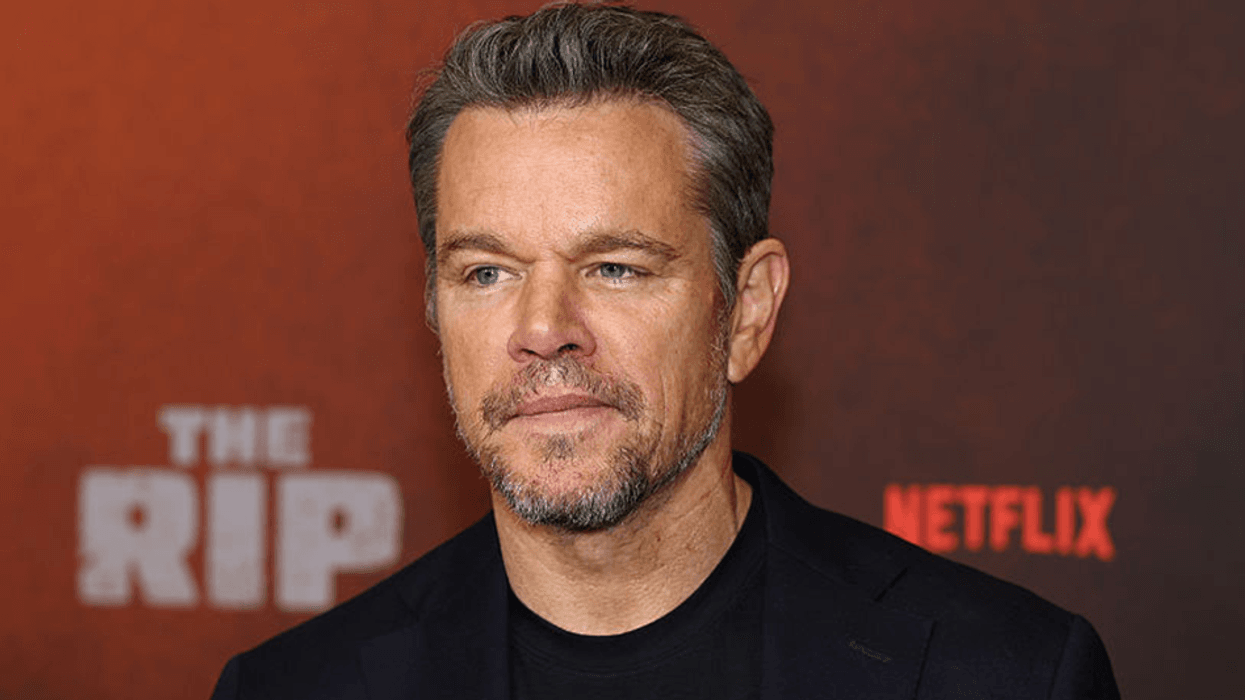
In Matt Damon’s new Netflix thriller, “The Rip,” a bunch of cops and crooks fight over a $20 million cash stash.
Making the movie required fighting for an even more precious commodity: the viewer’s ever-dwindling attention span.
‘It wouldn’t be terrible if you reiterated the plot three or four times.’
Appearing with long-time friend and co-star Ben Affleck on the “Joe Rogan Experience” last week, Damon revealed what his first collaboration with a streamer taught him about the new economics of the movie biz — and how it affects storytelling.
Dumbed down
Damon said that the “different level of attention” audiences are giving at home has started to affect how films are being made.
“Like, for instance, Netflix. The standard way to make an action movie that we learned was, you usually have three set pieces. One in the first act, one in the second, one in the third,” Damon began.
“You spend most of your money on that one in the third act. That’s your kind of finale. And now they’re like, ‘Can we get a big one in the first five minutes? We want people to stay tuned in,'” he continued.
Furthermore, the filmmaker explained that the reason dialogue has become simple and repetitive, in many cases, is that people are splitting their attention.
“‘It wouldn’t be terrible if you reiterated the plot three or four times in the dialogue because people are on their phones while they’re watching,'” Damon laughed, relaying notes he might receive from the platform.
RELATED: Is real-life ‘Star Wars’ America’s manifest destiny?
‘Casual’ vacancy
These types of notes and guidelines could really “infringe” on how writers are telling their stories, Damon stressed.
This theory of “casual viewing” was popularized and widely discussed in 2025, with outlet CBR calling it a style of filmmaking that is “overly descriptive, breaking basic rules of cinema and contributing to a dumbing down of the art.”
Affleck cited British crime drama “Adolescence” as a show that “didn’t do any of that s**t,” and that’s what made it “f**king great,” he added.
“There’s long shots of the back of their head. They get in the car, nobody says anything. … My feeling is just that it demonstrates that you don’t need to do any of that s**t,” Affleck said.
RELATED: Almost half of Gen Z wants AI to run the government. You should be terrified.
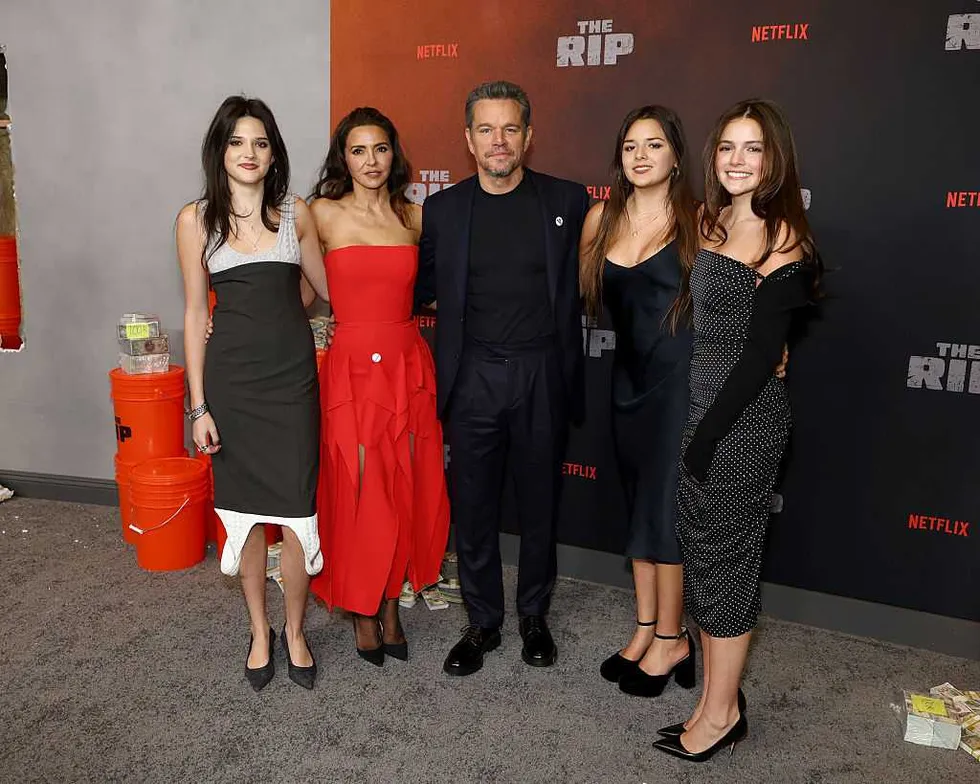 Photo by Arturo Holmes/WireImage
Du cinéma au smartphone
Affleck’s clear position when it comes to filmmaking and technology throughout the episode was that there will always be an audience for quality films.
“It’s like supply and demand,” he said. “People want to look at their phone, they can look at TikTok, they’re going to do that. I think what you can do is make s**t the best you can. Make it really good.”
When it comes to making movies for mobile viewers, Damon joked that he likes to rile up directors that he works with by asking them if they are thinking about how their film will look on a cell phone.
“That’s a joke that I like to make with every director I work with. Like, when they’re really puzzling over a shot or really grinding out something, I go, ‘You know, it’s not going to look as good on the phone.’ … Everyone gets angry.”
Like Blaze News? Bypass the censors, sign up for our newsletters, and get stories like this direct to your inbox. Sign up here!





