Category: Defense distributed
How Texas slammed the gate on Big Tech’s censorship stampede
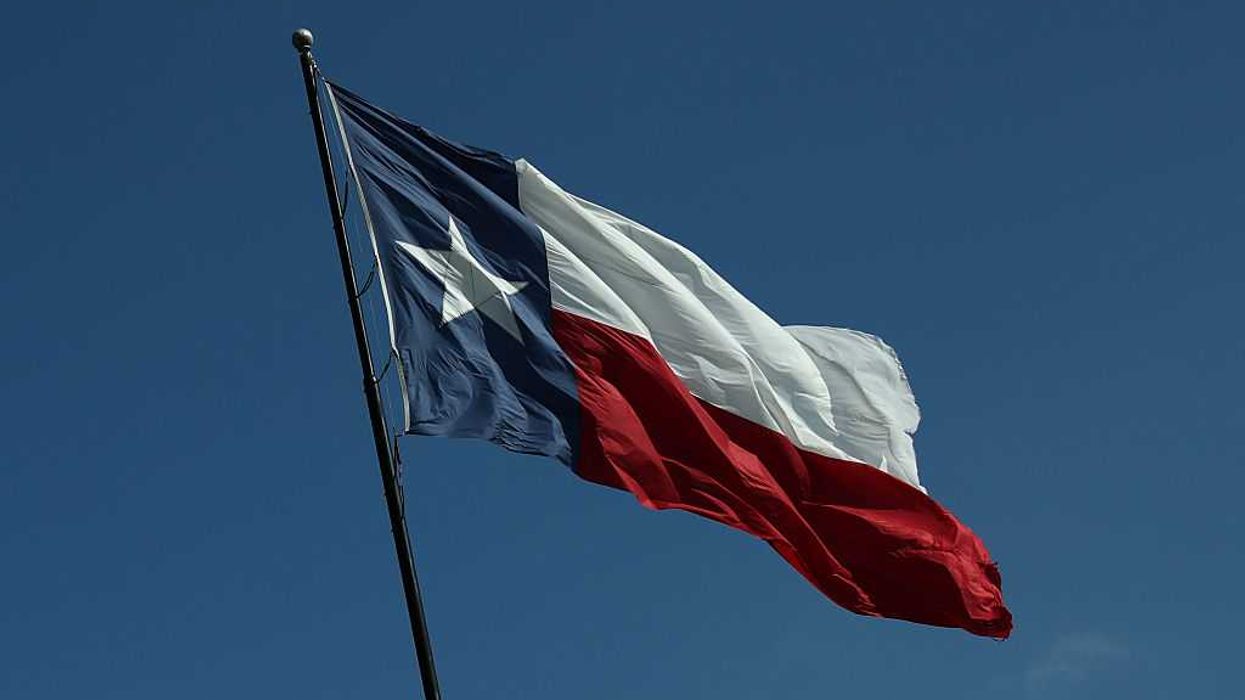
Texas just sent a blunt message to Silicon Valley: You don’t get to censor Texans and then run home to California.
In a world where Big Tech routinely decides who may speak and who must be silenced, Defense Distributed v. YouTube, Google, and Alphabet has become a defining moment in the national fight over digital free expression. The shock isn’t the censorship at issue; it’s the fact that Big Tech — for once — lost.
In a time when Americans are desperate for leaders willing to stand up to media and tech conglomerates, Texas showed what real resolve looks like.
Defense Distributed, a Texas company, committed the unpardonable offense of promoting the constitutional right to keep and bear arms.
Our videos and ads — some of them simply announcing court victories — were throttled, suppressed, or removed by YouTube and Google. None of this surprised us. These platforms built vast empires on controlling information and burying viewpoints that fall outside their ideology.
Texas prepared for this fight
The surprise is that Texas saw this coming and armed itself for the conflict. HB 20 — now Chapter 143A of the Texas Civil Practice and Remedies Code — directly prohibits viewpoint-based censorship by major platforms. The law doesn’t hint, suggest, or politely advise. It states outright: Social media companies may not censor Texans for their viewpoints, and lawsuits brought under this chapter stay in Texas courts no matter what boilerplate corporate contracts say.
So when Defense Distributed filed suit, YouTube and Google reached for their favorite escape route: forum-selection clauses that force nearly every challenger into California courts, where Big Tech enjoys home-field advantage. It’s a delay tactic, a cost-inflation tactic, a shield against accountability — and it almost always works.
But Texas slammed that door shut before they reached it.
No escape
HB 20 doesn’t merely frown on these clauses; it voids them. The statute declares that any attempt to waive its protections violates Texas public policy — public policy the law describes as “of the highest importance.” The legislature anticipated Big Tech’s usual playbook and locked the gates years in advance.
The federal court recognized this. Judge Alan Albright ruled that transferring the case to California would directly undermine Texas’ strong public policy. Under federal law, courts cannot enforce a forum-selection clause that contradicts a state’s deeply rooted interests — especially when the legislature spells those interests out with the clarity found in HB 20.
Silicon Valley does not hear the word “no” very often. Big Tech’s money, influence, and political allies usually clear the path. But in a federal courtroom in the Lone Star State, Texas’ commitment to protecting its citizens from ideological censorship outweighed Silicon Valley’s customary dominance. The court refused to let YouTube and Google drag the case back to California.
The fight stayed in Texas — exactly where the legislature intended.
A national shift and a model for states
The timing matters. Americans now understand that Big Tech can shape elections, suppress dissent, and curate truth itself. HB 20 was mocked by the press, attacked by activists, and targeted by corporate lobbyists from the moment it passed. Yet today, it stands as one of the most potent legal tools in the country’s fight against digital censorship.
HB 20 is no longer just a statute; it is proof that a state with conviction can push back and win.
RELATED: Big Tech CEOs should leave policy to the politicians
 Photo by Win McNamee/Getty Images
This victory is more than a procedural ruling. It affirms that Big Tech’s era of unchallenged authority is not inevitable. Defense Distributed didn’t merely keep our lawsuit in Texas; we preserved the principle that powerful corporations cannot hide their censorship behind “terms of service” fine print.
Texas drew a line in the sand, and — for once — Silicon Valley stopped.
In a time when Americans are desperate for leaders willing to stand up to media and tech conglomerates, Texas showed what real resolve looks like. This ruling promises that citizens still have a fighting chance, that speech still matters, and that even the world’s largest corporations remain subject to the laws of a state determined to defend its people.