

Category: Emissions standards
Trump TORCHES Biden-Buttigieg EPA rules
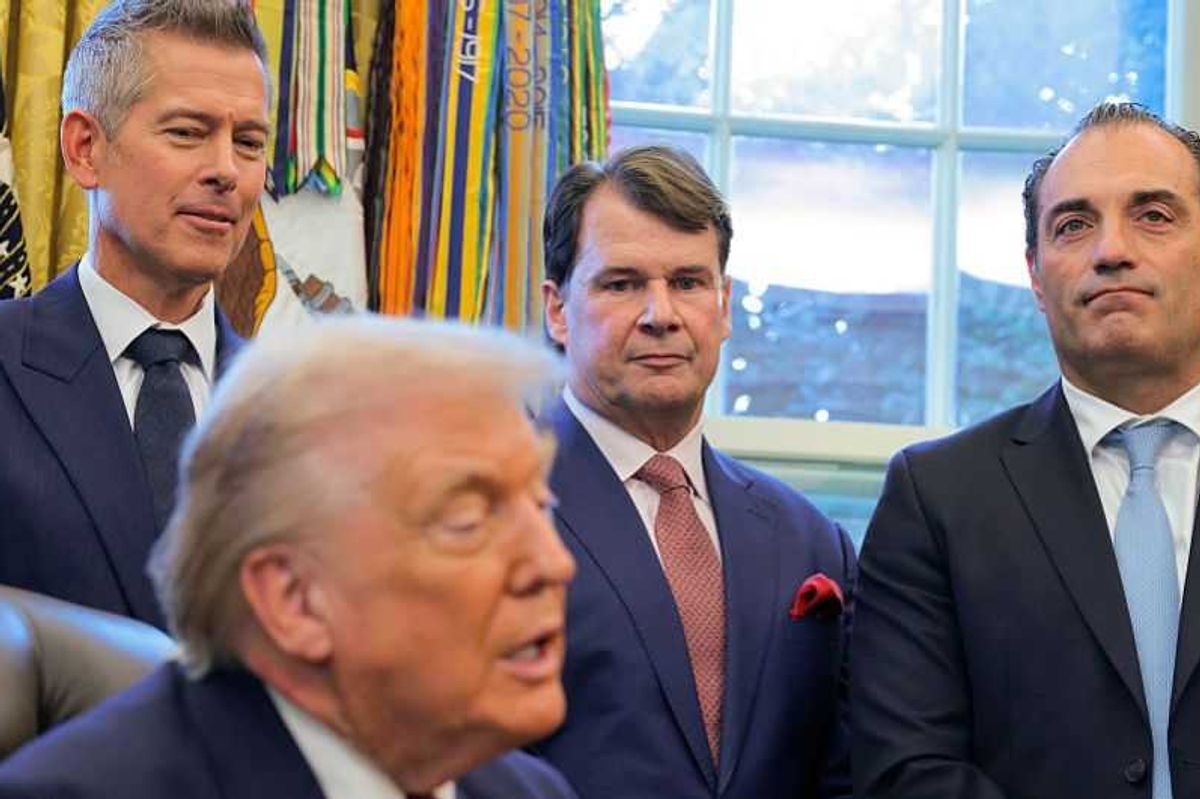
Washington rarely admits when policy has failed. But earlier this month, the White House stepped back from more than a decade of regulations that drove car prices to record highs, limited consumer choice, and tried to force an industry to move faster than technology, infrastructure, or American families could manage.
With the unveiling of the Freedom Means Affordable Cars proposal, President Donald Trump and Transportation Secretary Sean Duffy signaled a dramatic shift in national auto policy — one aimed at making car ownership attainable again for millions priced out of the market.
The Biden-Buttigieg standards were projected to generate $14 billion in compliance fines between 2027 and 2032, costs manufacturers said would be passed directly to buyers.
The timing is critical. New vehicle prices topped $50,000 this fall, while average monthly payments approached $750. Families are keeping cars longer than ever, pushing the average age of the U.S. fleet to record levels. As Washington pushed electric vehicles, consumers pushed back: EV demand stalled, rejection rates soared, and buyers continued to favor affordable gas and hybrid vehicles. That tension has been building for years, and the December 3 announcement marked the most direct challenge yet to the regulatory regime behind it.
Trump’s proposal resets National Highway Traffic Safety Administration fuel-economy rules, reversing Biden-era targets that aimed to push the fleet toward roughly 50 mpg.
Closing the ‘back door’
Under the new plan, Corporate Average Fuel Economy standards return to 34.5 mpg — levels last seen in the late 2000s — with future increases scaled back to what Congress originally envisioned. The administration projects up to $109 billion in savings over five years and roughly $1,000 off the average new car. Whether those figures hold, the philosophical shift is clear: ending what the White House calls a backdoor EV mandate.
For years, automakers warned privately that the prior rules forced them to build vehicles customers didn’t want simply to avoid massive penalties. The Biden-Buttigieg standards were projected to generate $14 billion in compliance fines between 2027 and 2032, costs manufacturers said would be passed directly to buyers. Aligning federal rules with California’s stricter standards further nudged companies toward EVs even as demand weakened. CAFE was never meant to reshape the marketplace — but that is how it was being used.
The consequences were stark. Billions were poured into EV-charging initiatives with little to show for it; $5 trillion was allocated, yet only 11 stations were built nationwide. California faced rolling blackouts with EVs still just 2.3% of vehicles on the road. Experts warned that even 10% EV adoption would strain the grid under current infrastructure. Meanwhile buyers who didn’t want EVs — still the majority — faced fewer choices and higher prices.
Attracting investment
The Trump reset aims to reverse course. Automakers quickly announced new domestic investments. Stellantis committed $13 billion to expand U.S. manufacturing, including Jeep, Dodge, Ram, and Chrysler. Ford pledged $5 billion for American facilities, noting that 80% of its vehicles are already made domestically. General Motors announced $4 billion to bring production back from Mexico while retooling plants for broader consumer demand. Even the United Auto Workers offered support, citing increased U.S. jobs and domestic production.
The plan also includes a tax change backed by the National Auto Dealers Association, allowing buyers to deduct interest on American-built vehicles. At a time when many families are locked out of the new-car market, the measure offers practical relief while encouraging domestic manufacturing.
Less noticed — but equally important — was the Congressional Review Act action that eliminated California’s special emissions waivers. Signed in June 2025, those resolutions dismantled the structure that allowed California to dictate national vehicle policy, ending the EV mandate embedded in federal regulations and clearing the way for this shift.
RELATED: Duffy threatens funding freeze for 3 states flouting English requirements for truck drivers
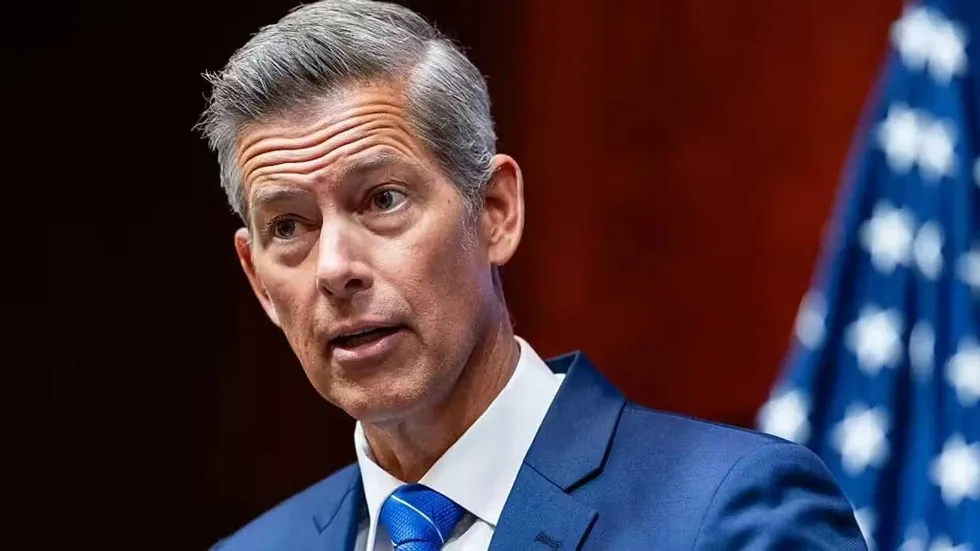 Secretary of Transportation Sean Duffy. Photographer: Eric Lee/Bloomberg via Getty Images
Not far enough?
Some analysts argue the rollback doesn’t go far enough. As long as CAFE exists — at any target — it remains vulnerable to political swings. They contend emissions should be regulated directly through the EPA, leaving the market to determine the mix of gas, hybrid, and electric vehicles. This view is gaining traction among critics who say CAFE no longer reflects consumer demand or technological reality.
Even Republican Sen. Bernie Moreno of Ohio weighed in, calling the forced EV pivot “irrational policy” that benefits China. China controls roughly 80% of EV battery minerals and most related mining, while the U.S. holds the world’s largest proven oil reserves. Moreno’s argument is blunt: America weakened its own manufacturing base by adopting policies that played to China’s strengths.
Sales data reinforces the point. EVs made up about 6% of new vehicle sales in November 2025, with rejection rates near 70% due to cost, charging gaps, range limits, insurance, and cold-weather performance. EVs still account for just 2.3% of vehicles on U.S. roads. The demand Washington expected never materialized.
The new policy reflects those realities. It restores balance to an industry pushed into transformation without consumer support or infrastructure readiness. Automakers will still build EVs and hybrids and pursue new technologies — but consumers will decide the pace, not regulators.
For the first time in years, drivers may again see affordability, variety, and genuine choice. Fuel-economy rules will remain contested, but the Freedom Means Affordable Cars plan marks the most significant shift in auto policy in over a decade.
For millions of Americans priced out of the market, that change alone is long overdue.
Trump’s autopen reversal could mean more choice, lower prices for car buyers
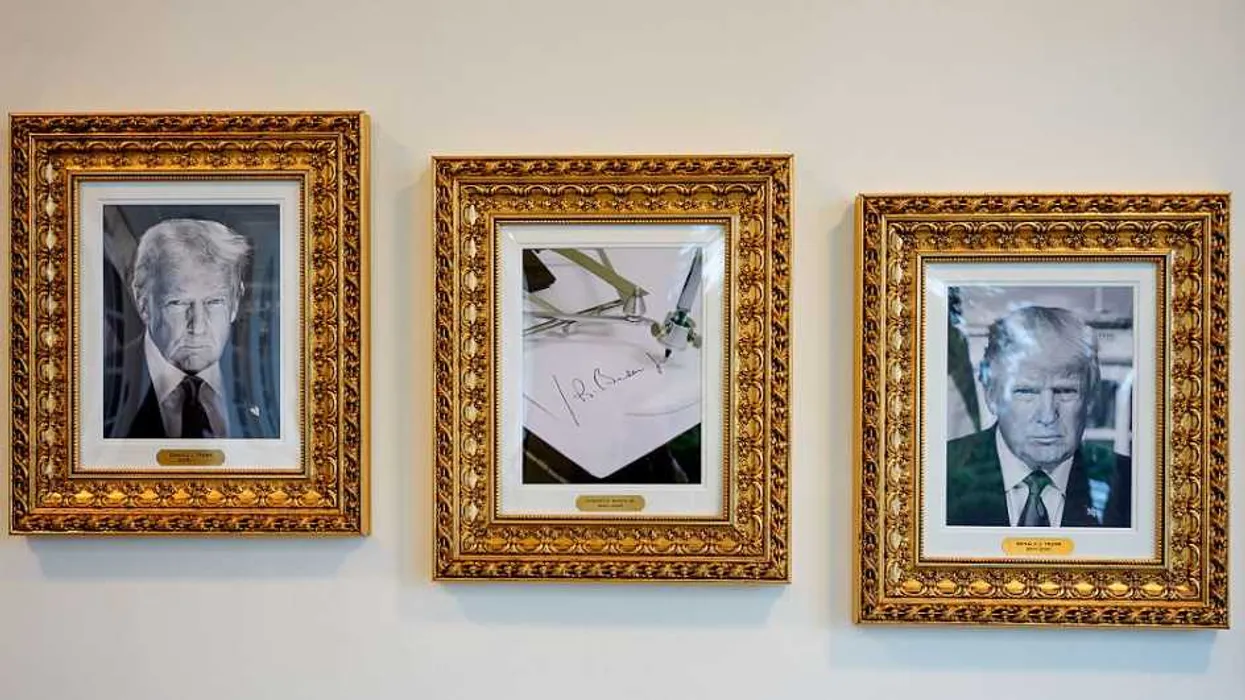
A quiet, technical ruling about presidential signatures has suddenly become one of the most consequential automotive turning points in decades.
What looked like an obscure constitutional question has reshaped the nation’s energy strategy, reversed federal transportation policy, and put the electric-vehicle transition on a very different path.
Whether seen as restoring constitutional accountability or disrupting environmental planning, the result is unmistakable: America’s automotive trajectory has been rewritten.
The issue is straightforward: If a president did not personally sign an executive action, can it legally stand? President Donald Trump has answered no — and the effects will be felt in dealerships, factories, and garages nationwide.
Sign-off
In late November 2025, President Trump declared that any executive order, regulation, or directive signed with an autopen after mid-2022 is invalid. Oversight reviews suggest this affects up to 92% of actions taken in the final two and a half years of the Biden administration. Trump argues that executive authority cannot be delegated to a machine; the Constitution vests power in the president himself, not staff operating an autopen while the president is traveling or unavailable.
This interpretation has upended large portions of recent federal policymaking.
Nowhere is the impact more dramatic than in automotive and energy policy. The Biden administration’s EV strategy relied heavily on Executive Order 14037, issued in 2021, which set aggressive emissions and fuel-economy goals. While signed early in Biden’s term, nearly all enforcement actions after 2022 — including the rules that gave the order teeth — bear autopen signatures. Those signatures now sit at the center of a sweeping rollback.
Executive Order 14037 formed the backbone of Biden’s push toward zero-emission vehicles. It directed agencies to impose strict emissions rules, raise fuel-efficiency standards, steer manufacturers toward electric powertrains, and work toward a goal of 50% zero-emission vehicle sales by 2030. Automakers spent tens of billions preparing — building battery plants, restructuring supply chains, and cutting production of profitable internal-combustion models.
According to forensic reviews cited by the Trump administration, many of the directives enforcing those standards after mid-2022 were never personally signed by President Biden. Trump maintains this breaks the constitutional chain of authority.
High energy
On the first day of his second term, Trump issued Executive Order 14154, Unleashing American Energy. It revoked Biden’s EV mandates, halted remaining EV-related funds under the Inflation Reduction Act and infrastructure law, and ordered agencies to withdraw aggressive tailpipe regulations. Fuel-economy targets revert to earlier levels. Federal fleet electrification requirements are gone. The 2030 zero-emission sales target no longer exists. The $7,500 EV tax credit will be phased out by the end of 2026.
The industry impact is immediate. Automakers that bet heavily on federal EV mandates are reassessing long-term strategies. Companies focused on trucks, SUVs, and hybrids are now better positioned. EV-only startups face mounting financial strain. Market uncertainty has hit stock prices, delayed launches, and raised doubts about the future of several pure-electric brands.
RELATED: ‘Won’t be the last’: Felon freed by Biden autopen arrested after Omaha shooting
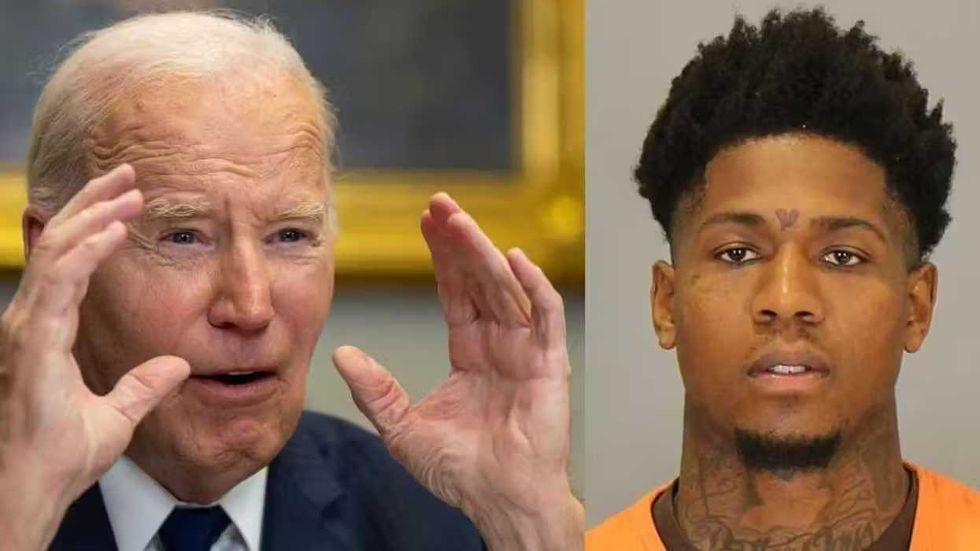 Image composite: Tasos Katopodis/Getty Images, Omaha Police Department
Sweeping consequences
Consumers will notice the shift on showroom floors. Vehicles slated for retirement will remain in production. EVs — still pricier than gas or hybrid counterparts — will face new price pressure as incentives disappear. Charging access and range remain barriers, especially outside urban centers. Without mandates driving adoption, consumer preference — not regulation — will dictate the pace of change.
Legal fights are already underway. Agencies must follow formal rule-making procedures, and environmental groups and states like California are challenging the reversals. California plans to retain its own strict standards, setting up years of litigation over federal pre-emption and Clean Air Act waivers.
Even so, the federal direction is clear. The United States is no longer pursuing a national strategy centered on rapid vehicle electrification. The emphasis has shifted to diversification, consumer choice, and competition among internal-combustion, hybrid, and electric technologies.
The autopen dispute may sound bureaucratic, but its consequences are sweeping. A major climate and transportation agenda is being reconsidered because of how it was signed. Whether seen as restoring constitutional accountability or disrupting environmental planning, the result is unmistakable: America’s automotive trajectory has been rewritten.
The internal-combustion engine, long declared on borrowed time, has a renewed future. Hybrids are likely to gain ground. Electric vehicles will remain — but their growth will depend on price, practicality, and performance, not mandates. The timeline for full electrification has shifted, and the debate over how America powers mobility has entered a new phase.
There’s more to come, and I’ll keep you posted.





