Category: Hybrids
Jeep just pulled the plug on the hybrids — and no one is saying why
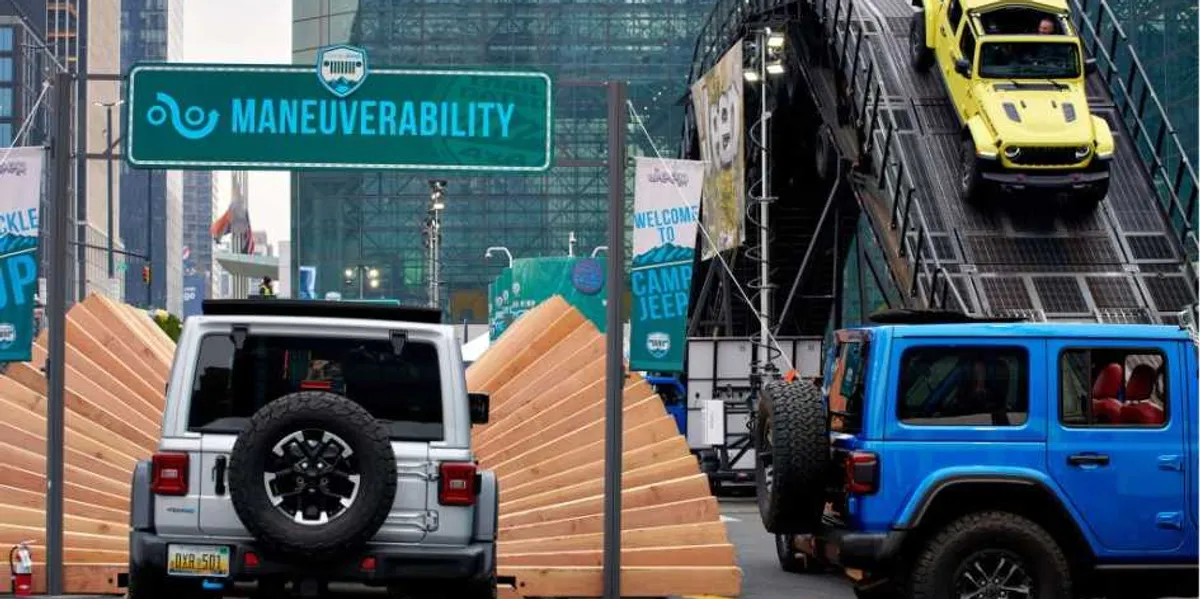
Jeep once bet big on electrification. The pitch was simple: Keep everything that made a Jeep a Jeep — capability, toughness, identity — while adding electric efficiency. For a brief moment, that bet worked.
The Wrangler 4xe didn’t just sell; it dominated. It became the best-selling plug-in hybrid in the U.S., proof that electrification could succeed when it respected consumer priorities instead of lecturing buyers. The Grand Cherokee 4xe followed, extending the same formula into a more refined family SUV without stripping away Jeep’s DNA.
Jeep owners are famously loyal. They tolerate compromises in ride and refinement for capability and character. What they won’t tolerate is silence.
Stellantis had managed what many automakers could not: Electrify without alienating loyal customers.
And then, almost overnight, they vanished.
Without a trace
Without warning or meaningful explanation, the Wrangler 4xe and Grand Cherokee 4xe disappeared from Jeep’s website. They can’t be ordered. EPA ratings for future model years are missing. Dealers are under stop-sale orders. More than 320,000 vehicles are tied up in recalls involving serious safety risks.
This is not how a confident automaker behaves. So what happened?
The 4xe lineup wasn’t a side project. It was central to Stellantis’ North American strategy — key to meeting fuel-economy rules while keeping Jeep profitable. The Wrangler 4xe, in particular, became a regulatory and marketing success story. Until reality caught up.
At the center is a massive recall affecting more than 320,000 Wrangler and Grand Cherokee 4xe models due to a high-voltage battery defect that increases fire risk. That alone is enough to halt sales and shake confidence.
Compounding the problem is a separate recall involving potential engine failure caused by sand contamination. Together, these aren’t isolated issues; they point to deeper quality-control problems in vehicles meant to represent Jeep’s future.
Alarming distinction
Owners have been raising concerns for months — electrical faults, warning lights, charging failures, erratic performance. Consumer Reports recently named the Wrangler 4xe the most unreliable midsize SUV in its annual survey, an alarming distinction for a brand built on durability.
In some cases, fixes amount to a software update. In others, the battery pack fails validation and must be replaced entirely. That difference matters. High-voltage batteries are among the most expensive components in any vehicle, and replacing them at scale creates serious financial strain — even for a global automaker.
For consumers, it raises uncomfortable questions about long-term ownership, resale value, and whether risks were passed on before these vehicles were truly ready.
RELATED: Hemi tough: Stellantis chooses power over tired EV mandate
 Global Images Ukraine/J. David Ake/Getty Images
Good on paper
Plug-in hybrids were sold as the sensible middle ground — the stable bridge between internal combustion and full electrification. On paper, the Wrangler 4xe looked ideal: 375 horsepower, strong torque, and about 21 miles of electric-only range for daily driving.
What buyers didn’t sign up for was uncertainty.
The implications extend beyond Jeep. Stellantis invested billions in batteries, EV platforms, and software-driven vehicles. The 4xe lineup wasn’t optional; it was essential. When a segment leader quietly pulls its products, it sends a message that the challenges are deeper than advertised.
It also exposes the growing gap between political mandates and engineering reality. Automakers were pushed aggressively toward electrification before infrastructure and consumer demand were ready. Some products were rushed to meet timelines. When expectations collide with reality, trust erodes fast.
With regulatory pressure easing, hybrids are no longer a necessity — and Stellantis’ commitment to plug-ins appears to have cooled.
Loyalty test
Jeep owners are famously loyal. They tolerate compromises in ride and refinement for capability and character. What they won’t tolerate is silence. Removing vehicles without explanation feels less like caution and more like avoidance. Existing owners worry about support and resale value. Future buyers are questioning whether plug-in hybrids are really the smart compromise they were promised.
Stellantis may eventually fix the recalls and relaunch the models. But perception matters, and damage has already been done.
If Jeep wants consumers to believe in its electrified future, it will need more than quiet fixes and lifted stop-sales. It will need transparency, accountability, and proof that innovation doesn’t come at the expense of reliability.
Because hiding information isn’t leadership — and Jeep, of all brands, should know that.