Category: Mexico
El Mencho, Head Of Cartel Trump Designated As Terrorists, Reportedly Killed In Mexico
Head Of Cartel Trump Designated As Terrorists Reportedly Killed In Mexico
Lawsuit for Secret Service’s Code Pink Records
Judicial Watch Sues for Secret Service Records on Disruption at Trump Dinner Criminal Aliens Were Using Arrest Warrants, Removal Orders as Legal ID Lawsuit Accuses Trump of Discrimination for Ending DEI Programs Happy New Year! Judicial Watch Sues for Secret Service Records on Disruption at Trump Dinner The Secret Service has a tarnished record […]
The post Lawsuit for Secret Service’s Code Pink Records appeared first on Judicial Watch.
Sanctuary Policies Release Thousands of Violent Criminal Aliens
Violent Criminal Aliens Released in Two States Since January Stemming Toxic Waste from Mexico Merry Christmas! Violent Criminal Aliens Released in Two States Since January Sanctuary policies not only unlawfully interfere with federal immigration enforcement, but they are also a clear and present danger to the public safety. Our Corruption Chronicles blog points out […]
The post Sanctuary Policies Release Thousands of Violent Criminal Aliens appeared first on Judicial Watch.
Teen Gangsters Plead Guilty To Serving As Hitmen For Deadly Drug Cartel
anyone caught within the “kill zone”
After $630 Mil Plan Fails to Stop Flow of Waste, Sewage from Tijuana U.S. Solution Relies on Mexico
Just a few years after the U.S. government wasted $630 million on a failed plan to stop the constant flow of toxic waste and raw sewage that gushes in from Mexico, the Trump administration is celebrating a new project it guarantees will finally solve the problem though it seems too good to be true. The […]
The post After $630 Mil Plan Fails to Stop Flow of Waste, Sewage from Tijuana U.S. Solution Relies on Mexico appeared first on Judicial Watch.
Mexico has cartel armies. Blue America has cartel politics.
Detroit is synonymous with autos, Los Angeles with motion pictures, and Texas with oil. Pittsburgh still conjures steel. When a product or service anchors a region’s economy, that sector has power. Politicians court industry. Industry demands representation and, ideally, protection.
What’s true regionally is just as true nationally. That’s why K Street exists and lobbyists make big bucks. Fortunes rise and fall, but if our GDP slips even 3%, the usual talking heads sprint to the cameras to declare the American economy on the verge of collapse — and always under whichever Republican is in office. When a Democrat presides over a faltering economy, the political media prefers to drive the getaway car.
Harassing users did nothing to stop the poison. Blowing up supply at sea does. Every sunken shipment dents the cartels’ profits. Every explosion represents a tangible loss.
If any of us invented a product that added 3% to national GDP, we’d enjoy the influence over policy and legislation that naturally comes with living in a representative republic with a market economy. Innovation and competition fuel prosperity.
So here’s a question the blue-city, blue-state establishment doesn’t want asked: What percentage of its GDP comes from narcotics trafficking?
Recently a member of our self-styled House of Lords, Sen. Jack Reed of Rhode Island, erupted in outrage over the Pentagon’s lethal targeting of drug traffickers in the Caribbean. He said he was “deeply disturbed” by these operations. Was Reed ever equally disturbed by narcotics deaths in Providence or Pawtucket?
Some Democrats insist the traffickers are “impoverished fishermen.” Reed himself defended them on the grounds that “they are just trying to make money,” as if they weren’t waging chemical warfare on our civilian population. And he reassured us that the men killed weren’t running fentanyl — only cocaine. As though cocaine were some kind of civic improvement!
By any honest analysis, an overnight eradication of drug addiction in America would collapse an entire NGO ecosystem — along with the payrolls of the consultants, therapists, and bureaucrats who perpetually “mitigate” our crises of addiction, alcoholism, and dereliction. Given the nature of addiction, that blessed day will never come.
Look south. By my estimation, two-thirds of Mexico’s economy is directly or indirectly tied to narcotics. No, that’s not the Wall Street Journal’s number; nobody has the real statistics because the books are kept on scraps of paper known in DEA argot as “Pay/Owe” sheets. My estimate comes from observing the level of protection the trade enjoys at every tier of Mexican governance — local, rural, national. Narcotics are so economically essential that cartels decide who can run in elections with preordained outcomes. Their influence rivals that of the Democratic Party’s super delegates, if you’ll pardon the comparison.
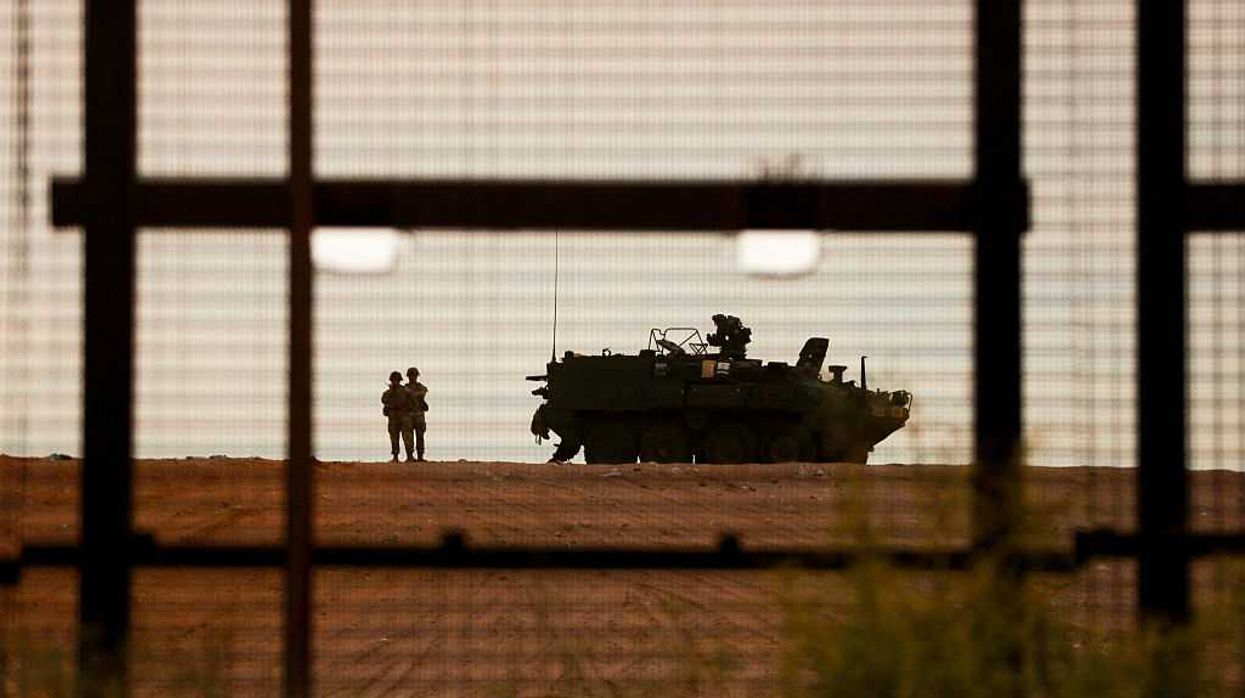
Big Narco commands private armies, armored vehicles, anti-tank missiles, machine guns, uniforms, rules, and courts. The narcotics sector has effectively stalled Mexico’s political maturation.
And it’s affecting us too.
RELATED: Trump cracks the Caracas cartel code
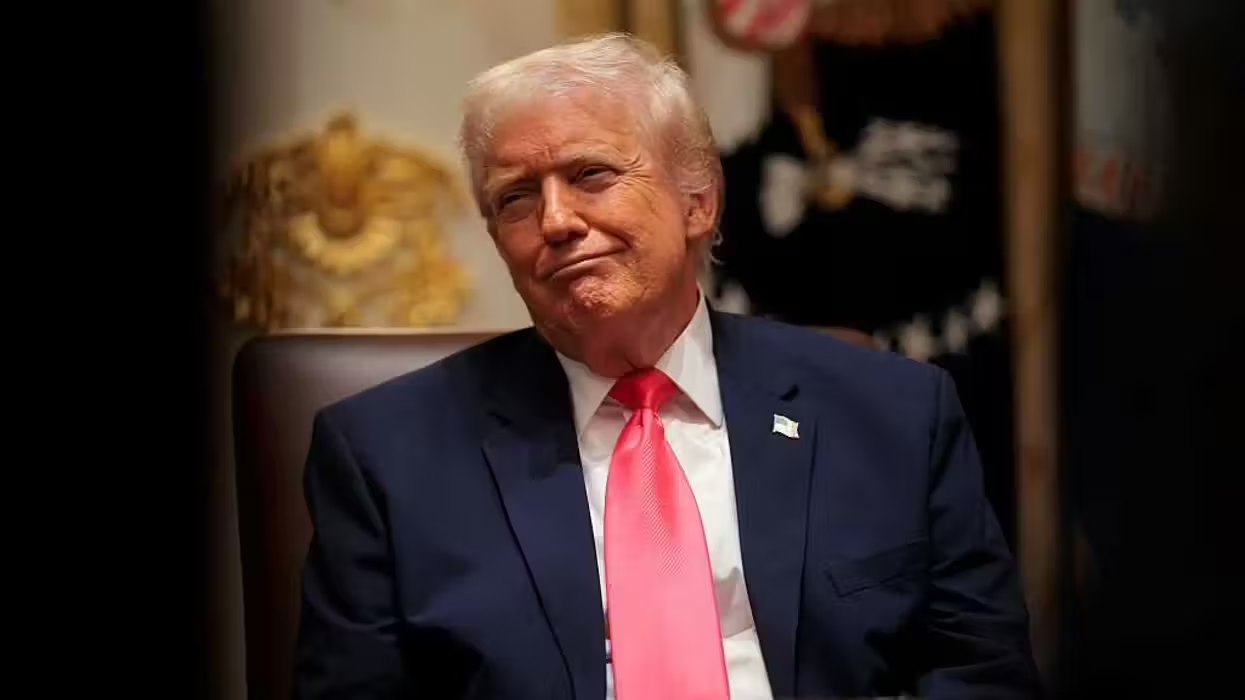 Photo by Chip Somodevilla/Getty Images
In past administrations, the so-called war on drugs looked more like a war on addicts and their families, with only token strikes on the international criminal organizations moving the product. The Trump administration has reversed that. Secretary of War Pete Hegseth is hitting the cartels directly. Harassing users did nothing to stop the poison. Blowing up supply at sea does. Every sunken shipment dents the cartels’ profits. Every explosion represents a tangible loss.
The hysterics from Jack Reed and others suggest these interdictions are hurting the economies of blue cities and states more than they care to admit. You’d think the destruction of cocaine, heroin, and fentanyl — inflicting daily carnage — would spark celebration. In Los Angeles County alone, the coroner processes six dead Americans per day from overdoses. Last year, it was eight. Fathers, mothers, runaway teens, derelict addicts — Americans, dead every day.
And yet Gov. Gavin Newsom (D) — raw with presidential ambition — insists the leading cause of death for young Californians is firearms. This is false of course. But to blue-city politicians, gun control makes for better PR than confronting thousands of overdose deaths. Meanwhile Sacramento’s ruling cabal has passed a thicket of laws, regulations, and policies that effectively protect narcotics trafficking in the Golden State.
Guns hardly register in California’s GDP. Big Narco does.
‘Assault on Our Sovereignty’: How George Soros Funds Foreign Government Lawsuits Against American Gun Makers
Liberal billionaire George Soros bankrolls an anti-gun group that sues American gun manufacturers on behalf of Mexico and other foreign governments, a controversial legal strategy that gun rights advocates call an “affront to the sovereignty of the United States of America.”
The post ‘Assault on Our Sovereignty’: How George Soros Funds Foreign Government Lawsuits Against American Gun Makers appeared first on .
The Myth of the Noble Savage
We are increasingly asked now, particularly by those of anti-Western or antihuman persuasions, to see the Indian tribes populating the…
Trump’s SHOCKING 25% truck tariff: A matter of national security?

President Donald Trump’s dropping another tariff on the auto industry.
Starting November 1, the U.S. will impose a 25% tariff on all imported medium- and heavy-duty trucks, a dramatic escalation in the administration’s ongoing effort to strengthen domestic manufacturing and reduce reliance on foreign-built vehicles.
The short-term effects could include delays in vehicle availability, higher fleet costs, and potential retaliation from trading partners.
This announcement sent shockwaves through global trade circles and Wall Street. According to Trump, the decision is rooted in national security and economic strength, not politics. But as with any sweeping trade action, there’s more under the hood than meets the eye.
Priced to move
While celebrating the immediate bump in automaker stock prices following the tariff announcement, Trump’s message was direct. “Mary Barra of General Motors and Bill Ford of Ford Motor Company just called to thank me. … Without tariffs, it would be a hard, long slog for truck and car manufacturers in the United States.”
The president framed the move as a matter of economic sovereignty, arguing that domestic production capacity in critical industries, like heavy vehicles used in logistics, defense, and infrastructure, is essential to national security.
That message resonates with many Americans frustrated by decades of outsourcing and the hollowing out of domestic manufacturing. But it’s also raising concerns among global partners and major U.S. companies with deep supply chain ties abroad.
Winners and losers
The new tariffs target a wide range of vehicles: delivery trucks, garbage trucks, utility vehicles, buses, semis, and vocational heavy trucks.
Manufacturers expected to benefit include Paccar, the parent company of Peterbilt and Kenworth, and Daimler Truck North America, which produces Freightliner vehicles in the U.S. These companies have much to gain from reduced import competition and potentially stronger domestic demand.
However, for companies like Stellantis, which manufactures Ram heavy-duty pickups and commercial vans in Mexico, the impact could be costly.
Under the United States-Mexico-Canada Agreement, trucks assembled in North America can move tariff-free if at least 64% of their content originates within the region. But many manufacturers rely on imported parts and materials, putting them at risk of higher costs and tighter margins.
Mexico, the largest exporter of medium- and heavy-duty trucks to the U.S., will be hit hardest. Imports from Mexico have tripled since 2019, climbing from about 110,000 to 340,000 units annually. Canada, Japan, Germany, and Finland also face new barriers under the 25% tariff.
Industry pushback
Not everyone is excited about the tariffs — especially considering that the import sources for these trucks (Mexico, Canada, and Japan) are long-standing American allies and trading partners.
Industry analysts warn of supply-chain disruptions, potential price increases, and reduced model availability for both commercial fleets and consumers. Tariffs could also pressure U.S. companies to adjust production strategies, increase domestic sourcing, or even pass higher costs on to customers.
RELATED: Hemi tough: Stellantis chooses power over tired EV mandate
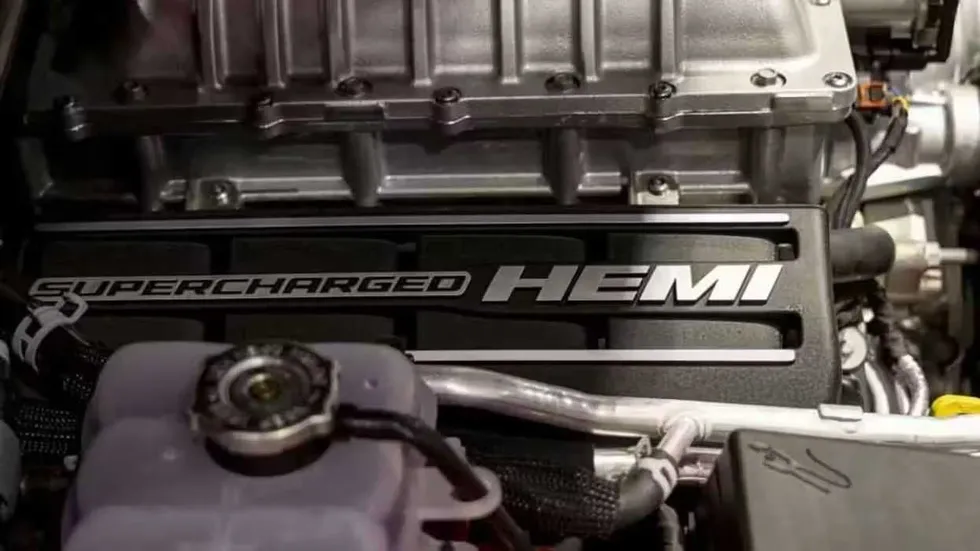 Chicago Tribune/Getty Images
The politics of protectionism
This is not the first time a Trump administration has leaned on tariffs as an economic lever. During his previous term, tariffs on imported steel, aluminum, and Chinese goods aimed to bring manufacturing back to U.S. soil. Supporters argue those policies helped revitalize key industries and encourage job growth. Critics countered that they raised costs for American companies and consumers alike.
Still, there’s no denying that tariffs remain one of Trump’s most powerful economic tools and one of his most politically effective messages. By positioning tariffs as a way to protect American jobs, the policy appeals to workers and manufacturers across the Rust Belt, a region that will play a pivotal role in the upcoming election.
Short-term pain
For the U.S. trucking and logistics sectors, the short-term effects could include delays in vehicle availability, higher fleet costs, and potential retaliation from trading partners.
Truck leasing and rental companies that rely on imported chassis and components may see their operating costs rise. Meanwhile, domestic truck makers could ramp up production, potentially benefiting U.S. suppliers and job growth in states like Ohio, Michigan, and Texas.
The challenge will be whether domestic manufacturers can meet demand quickly enough without triggering inflationary pressures in the commercial transportation market.
Long-term gain?
Trump’s framing of the tariffs as a “national security matter” echoes earlier policies aimed at reducing foreign dependence in critical sectors, from semiconductors to electric vehicles. Advocates say this approach ensures that America can produce what it needs in times of crisis.
But opponents warn that labeling economic measures as “security” issues can backfire, alienating allies and inviting retaliation. European officials and trade negotiators in Canada and Japan are already signaling possible countermeasures if talks with Washington fail to yield exemptions.
Mind the gap
The real question now is how manufacturers will adapt. Companies may accelerate plans to localize assembly and parts production inside the U.S., while foreign brands could seek joint ventures or partnerships with American firms to skirt tariffs.
Consumers and fleets will likely see higher sticker prices for imported trucks and commercial vehicles as tariffs ripple through supply chains. That may also shift more buyers toward U.S.-built models, at least in the short term.
Ultimately, Trump’s move puts America’s industrial policy back in the driver’s seat. Whether it strengthens the economy or creates new trade turbulence will depend on how quickly domestic production can fill the gap left by imports.
President Trump’s 25% truck tariff is a high-stakes bet on American manufacturing dominance. It could fuel a resurgence in U.S. production or ignite new rounds of trade retaliation.
Either way, one thing is certain: The decision has already reshaped the conversation about what it means to build, and buy, American.