

Category: Blaze Media
Sign at McDonald’s in Minneapolis: No ICE agents allowed!

A McDonald’s restaurant location in Minneapolis has a sign outside restricting Immigration and Customs Enforcement agents from entering.
An image of the sign was posted to social media and confirmed by a Daily Wire reporter who spoke to a security guard outside of the location.
‘At the end of the day, this is private property, so you can’t just break the law because you’re a federal agent.’
“NO ICE ACCESS IN THIS BUSINESS,” the sign reads. “NOTICE TO ALL LAW ENFORCEMENT & IMMIGRATION AGENTS.”
The sign went on to say that workers would not accept ICE administrative warrants for entry into the business.
“This is a private business,” the sign said. “You are not permitted to enter non-public areas of this business (including offices, break rooms, storage areas, and staff-only areas) without a valid JUDICIAL WARRANT signed by a judge or magistrate.”
The sign also forbids agents from questioning employees or searching the premises without “proper legal authority.”
It added in capital letters, “If you enter, you are trespassing, and we will seek legal recourse.”
When a Daily Wire reporter went to the location, a security guard said he was there to enforce the restaurant’s ban.
“Yeah, just to let you know, at the end of the day, this is private property. So you can’t just break the law because you’re a federal agent,” said the guard. “It’s like coming into your house or coming to any other restaurant. There’s rules.”
McDonald’s USA released a statement via email to Blaze News saying they had contacted the owner of the franchise.
“We’re in touch with the owner/operator of this franchised restaurant and have confirmed that this flyer was posted without approval and has since been taken down,” reads the statement from the company.
The company also confirmed that the owner/operator had reiterated the company’s policies to the restaurant team about what signage was appropriate.
A similar controversy erupted at a Minneapolis-area Hampton Inn by Hilton after the Department of Homeland Security reported on social media that agents had their reservations canceled.
Hilton Hotels eventually dropped the hotel location from its system after releasing a statement to Blaze Media saying that location was independently owned and was not living up to its standards.
Editor’s note: This article has been edited after publication to include a statement from McDonald’s USA.
Like Blaze News? Bypass the censors, sign up for our newsletters, and get stories like this direct to your inbox. Sign up here!
Liz Wheeler: New vaccine schedule is a MAJOR win for MAHA moms

According to the updated CDC guidance, the recommended childhood immunization schedule has been drastically reduced — a change BlazeTV host Liz Wheeler says MAHA moms have been fighting for years to see.
“My head is actually still spinning from this news. It took me a couple days to wrap my mind around the implications of what President Trump has done,” Wheeler explains.
“What I’m talking about, of course, is the new recommended childhood immunization schedule from the CDC. Finally, guys, finally. How long have we MAHA moms been waiting for this? Finally that vaccine schedule has been not just slightly altered, but absolutely slashed, ripped to pieces,” she continues.
“To call this a huge decision would be the understatement of the year,” she says, adding, “It’s revolutionary. It’s paradigm shifting. And the argument that I’m going to make today is that this is the most significant thing that President Trump has ever done.”
Wheeler explains that the reason this is such a big deal is because this will have “generational impacts long after President Trump is out of office, long after he’s dead.”
“So this is what happened,” she begins. “The CDC has a committee called ASIP. Now the ASIP committee is supposed to recommend to the CDC, and then of course the HHS at large, supposed to recommend which vaccines should go on the recommended child immunization schedule, or which vaccines not to recommend.”
When ASIP was originally retooled by HHS Secretary Robert F. Kennedy Jr., Wheeler explains that he “put a lot of people on there.”
While she was originally very excited about the changes Kennedy made, Americans have had yet to see the impact made by them, until now.
“Now the CDC has taken action to reduce the recommended doses, the recommended vaccine doses for children in the United States from 88 doses — if you can believe that’s how many doses of vaccines were recommended for children and adolescents in our country — they’ve reduced the recommended doses from 88 to 55,” Wheeler says.
“They almost slashed it in half,” she says.
“This is what we voted for,” she adds.
Want more from Liz Wheeler?
To enjoy more of Liz’s based commentary, subscribe to BlazeTV — the largest multi-platform network of voices who love America, defend the Constitution, and live the American dream.
Obama judge derails probe into Letitia James
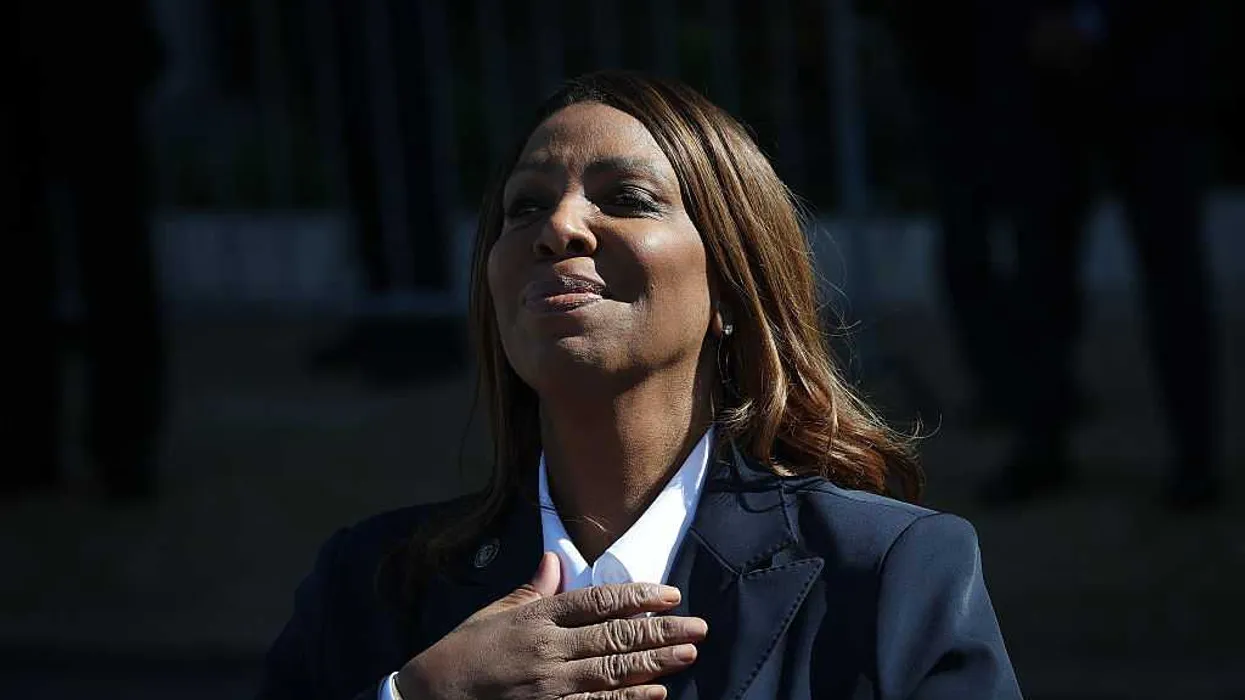
A federal judge who was appointed by former President Barack Obama issued an order on Thursday disqualifying John Sarcone as the U.S. attorney for the Northern District of New York.
Adding insult to injury, Judge Lorna Schofield then tossed the subpoenas Sarcone’s office issued in August to state Attorney General Letitia James regarding civil cases brought by the Empire State against President Donald Trump and the National Rifle Association.
‘It acts without lawful authority.’
Sarcone has been investigating whether James’ office violated the president’s civil rights and the rights of others.
Attorney General Pam Bondi appointed Sarcone as interim U.S. attorney for NDNY on Feb. 28. His 120-day term began in earnest on March 1.
Since Sarcone was neither formally nominated by the president nor confirmed by the Senate, it was left up to a panel of judges overseeing the U.S. District Court for the Northern District of New York to appoint an attorney for the district at the end of Sarcone’s term, just one month after he was threatened with a knife, allegedly by an illegal alien.
RELATED: The courts are running the country — and Trump is letting it happen
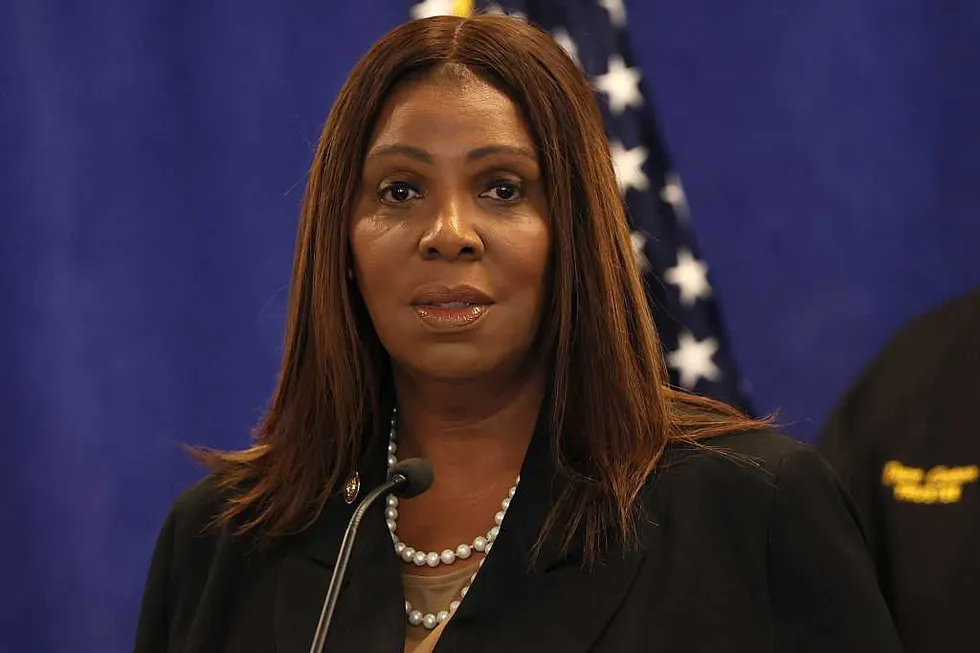 Photo by Michael M. Santiago/Getty Image
Although the panel declined to grant Sarcone a permanent appointment, Bondi designated him special attorney and first assistant U.S. attorney, effectively keeping him in charge of the office.
Schofield claimed in her ruling on Thursday that Sarcone was not lawfully serving as the acting U.S. attorney for the NDNY as his appointment supposedly “violates the [Federal Vacancies Reform Act] and the statutes governing U.S. Attorney appointments.”
“When the Executive branch of government skirts restraints put in place by Congress and then uses that power to subject political adversaries to criminal investigations, it acts without lawful authority,” wrote Schofield.
She suggested further that because Sarcone “used authority he did not lawfully possess to direct the issuance of the subpoenas, the subpoenas are quashed.”
A spokesperson from James’ office said in a statement obtained by CNN, “This decision is an important win for the rule of law, and we will continue to defend our office’s successful litigation from this administration’s political attacks.”
Like Blaze News? Bypass the censors, sign up for our newsletters, and get stories like this direct to your inbox. Sign up here!
White House Creates New Assistant Attorney General Position To Go After Fraud
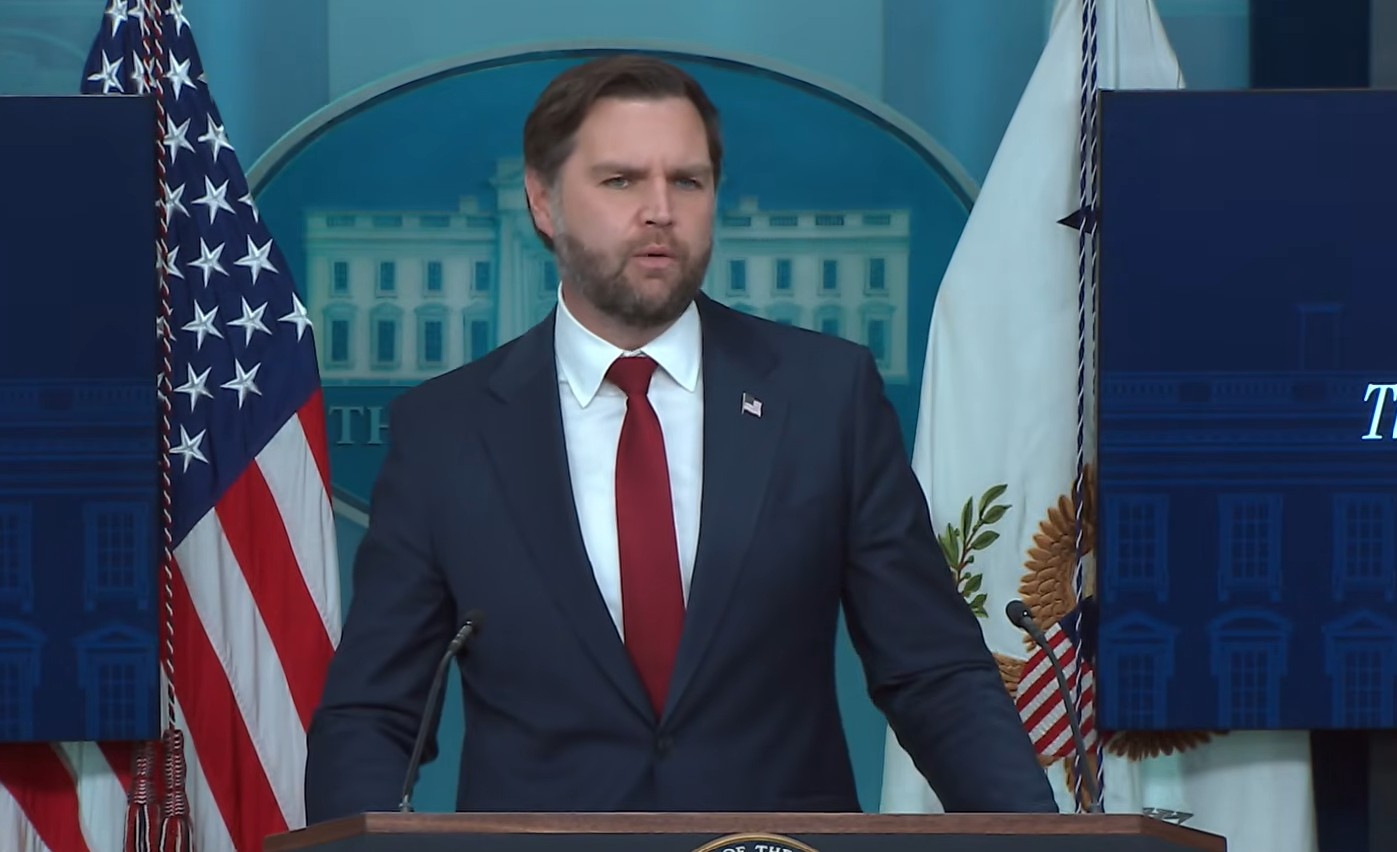
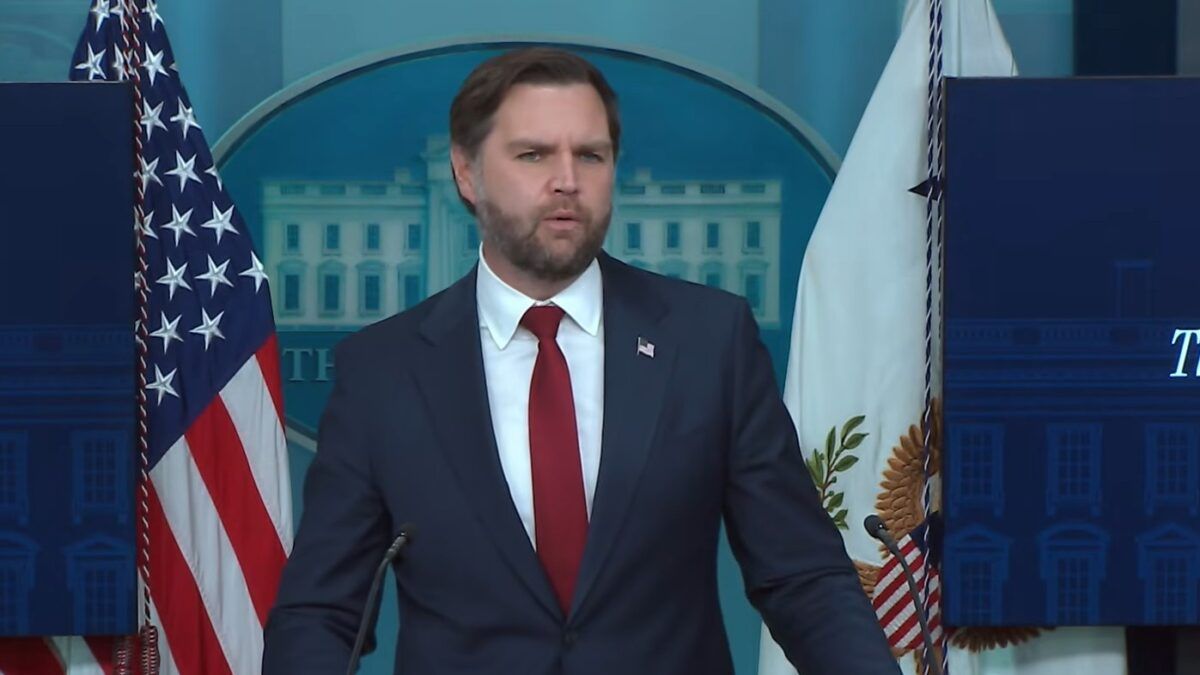 Vance said the White House decided the best way to streamline anti-fraud efforts was to create a new division at the Department of Justice.
3 healthy habits to bring you closer to God in 2026

As Christians, when we consider New Year’s resolutions, we often think about reading the Bible more, praying more often, or maybe getting more involved in our church. Those are all wonderful things worthy of pursuing.
Rather than taking time to expound on those, however, I’d like to commend three other resolutions that may not make the usual lists.
Our bodies and souls are integrally connected, and each significantly influences the other.
These are practical — maybe even commonsensical — but given the times in which we live, they’re easy to neglect, with the result that we flourish less than we could.
1. Practice attention management
We hear a great deal about time management these days, but rarely about attention management. Americans spend multiple hours each day on their phones, with teens devoting more than nine hours(!) and adults more than four hours daily. We’re awash in a sea of texts, emails, videos, games, and alerts. If we’re not careful, these can become an endless series of distractions that divert our attention from more important things.
They can also subtly mold us in the shape of the secular culture that produces much of what we consume. As theologian Jason Thacker writes, “Following Jesus in a digital age requires … having our eyes wide open and seeing how technology is subtly shaping us in ways often contrary to our faith. We need to learn how to ask the right questions about our relationship with technology, examining it with clear eyes grounded in the Word of God.”
It takes some intentionality to guard our hearts from the often counter-Christian messages coming through our screens, but we have to make it a priority because “everything [we] do flows from” our hearts (Proverbs 4:23). We can use technology in many beneficial ways, but we must also “examine everything” and “hold firmly to that which is good” (1 Thessalonians 5:21) while avoiding obstacles to our spiritual growth.
2. Get more sleep
There’s an old saying among pastors that “sometimes the most spiritual thing you can do is take a nap.” After all, we’re not just souls or minds, but also physical beings, by God’s design. Christians are sometimes tempted to view our physical nature in a negative light, but this reflects a Gnostic view that sees the spiritual as good and the material as bad or inferior. This is alien to Scripture, however, which tells us that we are “fearfully and wonderfully made” (Psalm 139:14). As John W. Kleinig argues in his book “Wonderfully Made: A Protestant Theology of the Body”:
The body matters much more than we usually imagine it does. It matters because it locates us in time and space here on earth. It matters because we live in it and with it. It matters because through it we interact with the world around us, the people who coexist with us, and the living God who keeps us physically alive in it.
Our bodies are temples of the Holy Spirit (1 Corinthians 6:19). In order to keep them healthy and functioning properly, adults need between seven and nine hours of sleep each day. A lack of sufficient sleep can lead to heart disease, hormonal imbalances, reduced immune response, and a lack of mental focus, among other problems.
Since blue light from our phone and computer screens can make it harder to get deep, restful sleep, this is another good reason to limit screen time, especially close to bedtime.
Get enough sleep, and you’ll likely notice greater energy, optimism, and an increased capacity to exhibit the fruit of the Spirit (Galatians 5:22-23). Our bodies and souls are integrally connected, and each significantly influences the other.
3. Cultivate friendships
Even before the Covid-19 pandemic, half of U.S. adults reported feelings of loneliness, with 58% worrying that no one in their life knows them well. We live in a hyper-individualistic society that often views other people as obstacles to our personal agendas. Yet God designed us to live in close connection with other humans, especially fellow believers. The writer of Hebrews instructed his readers not to give up “meeting together, as some are in the habit of doing, but encouraging one another” (Hebrews 10:25). Like Christians in the early church, we should “[devote ourselves] to … fellowship” (Acts 2:42).
Since we’ve been noting how some of these resolutions affect our physical health, it’s remarkable that chronic loneliness is more dangerous than smoking 15 cigarettes a day! Thus, author Justin Earley observes that “friendship will make or break your life.” We can see the wisdom of God’s statement in Genesis that “it is not good for the man to be alone” (Genesis 2:18).
RELATED: 6 ways I’m using 2026 to deepen my relationship with God
 Heritage Images/Getty Images
The quality of our friendships also makes a big difference. We’ve all seen groups of people sitting together in some public place, not interacting with one another, but engrossed in their phones. “This is what community often looks like in the digital age,” writes pastor Jay Kim. “Lonely individuals falling prey, over and over again, to the great masquerade of digital technology” that lulls us “into a state of isolation via the illusion of digital connection.”
As Kim goes on to note, while we can communicate digitally, we can only commune in person. Communication is about the exchange of information, while communing involves the exchange of presence. Communing is the more difficult task because it “requires more of us: more of our attention, empathy, and compassion.”
So this year, I encourage you to practice attention management, get enough sleep, and intentionally look for opportunities to begin new friendships and deepen old ones. It will take some deliberate effort, and every relationship will have growing pains, but the greater depth of fellowship will be worth it. As a saying often attributed to 18th-century evangelist George Whitefield goes, “No man is the whole of himself. His friends are the rest of him.”
A version of this essay originally appeared in the Worldview Bulletin Substack.
Are women overtaking the NFL? Whitlock slams new obsession with female leadership

Jim Irsay was the owner of the Indianapolis Colts before he passed away. Now, his daughter Carlie Irsay-Gordon is the team’s new owner — and BlazeTV host Jason Whitlock isn’t thrilled with the attention her presence has been drawing.
“She magically appears as the team’s owner and standing on the sideline. And she is what I’m calling an example of the equalizers and this whole feminist movement we have going on in the National Football League,” BlazeTV host Jason Whitlock comments.
“America, beyond question — American culture, American society — the feminist movement has overtaken everything. And that’s why we have women like Carlie Irsay-Gordon pretending to be some sort of football savant and standing on the sidelines with headsets on and listening to the coaches,” he continues.
“If women can overtake the NFL, that should be a message to you that they can overtake, and they are overtaking, all of American society,” he adds.
And when Irsay-Gordon spoke about the end of their season during a press conference, Whitlock points out that she’s literally reading off a script.
“She’s looking down every fourth word at notes in front of her. She’s reading a script. She’s pretending to be a male leader by reading a script. This is all scripted and intentional,” Whitlock says.
“In 2022, NFL owners put out a statement saying that diversity in ownership was an important goal for the NFL. And so, they’ve been ushering in all of this female leadership into the National Football League,” he explains.
“Anything that’s diverse, anything that promotes something that’s not male, patriarchal, and white, that’s all good. … Anything that disrupts tradition, anything that disrupts biblical patriarchy, anything that disrupts male authority and leadership, it’s all good. It’s a positive. It’s a sign of progress,” he continues.
While Irsay-Gordon isn’t the first daughter of an owner to inherit an NFL team, Whitlock points out that it’s not the fact that she inherited the team, but the hyperfocus on her while the Colts were off to an 8-2 start.
“She was the hottest thing in the NFL — ‘She’s holding the coaches accountable, she’s on the sidelines during the games, she’s on headsets, let’s do stories about it,’” Whitlock mocks.
“This is the future of the NFL,” he adds.
Want more from Jason Whitlock?
To enjoy more fearless conversations at the crossroads of culture, faith, sports, and comedy with Jason Whitlock, subscribe to BlazeTV — the largest multi-platform network of voices who love America, defend the Constitution, and live the American dream.
Toddler dies after being found submerged in container of water on front porch; mother accused of negligence: Cops

A North Carolina mother was arrested for negligence almost a month after her toddler boy was found submerged in a container of water on a home’s front porch and later died, the Onslow County Sheriff’s Office said.
Deputies responded to a 911 call about a missing child in the 200 block of Old Timber Road in Jacksonville around 4:30 p.m. Dec. 11, officials said.
‘Don’t have kids if you’re not diligent about the care and protection you provide them! You are responsible for their lives! Literally!’
Shortly after deputies arrived at the home, they found a 16-month-old boy unconscious and submerged in water inside a container on the front porch of the home, officials said.
Deputies and emergency medical services personnel immediately initiated lifesaving measures, officials said, adding that the boy was taken to Naval Medical Center Camp Lejeune, where he later was pronounced dead.
 Image source: Onslow County (N.C.) Sheriff’s Office
An investigation determined that negligence on the part of the child’s mother was a contributing factor in his death, officials said.
Elizabeth Marie Holderness, 30, turned herself in Monday to the Onslow County Sheriff’s Office, officials said.
The sheriff’s office said Holderness has been charged with felony involuntary manslaughter, felony negligent child abuse – serious bodily injury, and six misdemeanor counts of contributing to the delinquency of a juvenile.
Investigators determined that Holderness showed reckless disregard for human life, WCTI-TV reported, citing arrest warrants.
The warrants allege Holderness willfully ingested an illegal substance in a separate room for an extended period of time while the child was in her care, the station added.
She received a $75,000 unsecured bond after her first court appearance Monday in Onslow County District Court, WCTI said, adding that Holderness bonded out later Monday afternoon.
While a number of commenters posting under the sheriff’s office Facebook entry about the incident claim to know Holderness and caution against judgment, others didn’t feel that way:
- “Maybe you shouldn’t do drugs,” one commenter said. “If you’re defending these actions, do better.”
- “Everyone making excuses. This boy was 16 months [old]. Those children are never to be left unattended. Period,” another user declared, adding that “the mother got negligence for a reason.”
- “Makes me sick! Don’t have kids if you’re not diligent about the care and protection you provide them! You are responsible for their lives! Literally!” another commenter wrote.
Like Blaze News? Bypass the censors, sign up for our newsletters, and get stories like this direct to your inbox. Sign up here!
Pro-transgender Seattle Kraken jersey enrages NHL fans: ‘Feel some trans joy’

The NHL may have banned Pride-themed warm-up jerseys, but that did not stop the Seattle Kraken from releasing their own transgender jersey this week.
One of the newest NHL franchises, the Kraken jumped out of the gate with wokeness in 2021 by naming their home rink Climate Pledge Arena, as a “rallying call” for companies and organizations to “commit to net-zero carbon by 2040, a decade ahead of the Paris Agreement.”
‘I hope that people can, like, see the logo and, like, feel some trans joy and queer joy, too!’
The NHL struggled with backlash over Pride Night jerseys in 2023, with select Russian and Canadian players refusing to wear the sexuality-themed attire. The league eventually banned all themed warm-up jerseys, but launched a Player Inclusion Coalition just a week later.
With the league being no stranger to leftist ideology, the Kraken have found a work-around for 2026 despite gender- and sex-based events seeing significantly less support in the United States. The team released a transgender unicorn jersey this week, announcing they would auction off the bizarre design online for their Pride Night.
RELATED: NHL reverses ban on rainbow Pride stick tape; LGBTQ group calls it ‘a win for us all’
The team included transgender and gay Pride flags on their post announcing the jersey, and the artist who designed the unicorn clarified the transgender inspiration.
Tattoo artist Vegas Vecchio was profiled by the hockey organization and, after immediately announcing her “they/them pronouns,” rattled off strange rantings about being “exposed” to “queerness.”
“Being able to be in Seattle surrounded by the queer community and being exposed to the queerness I never got to experience growing up, it inspires my work a lot,” she explained.
“I ended up doing the unicorn; it seems like such a classic queer symbol,” she continued. “And I was like, ‘If anyone is going to do a unicorn, it’s going to be me.’ I hope that people can, like, see the logo and, like, feel some trans joy and queer joy, too!”
The artist also noted that people would describe her artwork as “very gay.”
 Photo by Caean Couto/NHLI via Getty Images
Fans revolted in the comments on the Kraken’s post on X, with several asking if the jersey was actually meant as a joke.
“Hardcore stupidity. Are you going to start doing straight jerseys also?” another X user wrote.
“That’s not a Kraken. No matter how it identifies,” another fan joked about the logo.
Alongside dozens of less-than-safe-for-work memes, one fan called the jerseys a “humiliation ritual” for the players. However, Kraken players did not seem bothered by the design.
Canadian players Ryan Winterton, Brandon Montour, and Tye Kartye all went along with the controversial photo shoot, while German goalie Philipp Grubauer made a public statement on the topic at the same time.
“It’s so important to create a safe and inclusive space within the hockey community,” he said in a team post. “As a proud ally of the LGBTQ+ community, I’ll continue to stand by your side.”
Like Blaze News? Bypass the censors, sign up for our newsletters, and get stories like this direct to your inbox. Sign up here!
How the Minneapolis ICE agent who fired in self-defense was nearly killed by an illegal alien child rapist in June

On Wednesday, federal agents approached an SUV in Minneapolis that was strategically angled to interfere with their law enforcement operation. The driver, 37-year-old Colorado native Renee Nicole Macklin Good, disobeyed repeated orders to exit the vehicle, then drove into a federal agent who opened fire in self-defense.
The agent who fatally shot Good is apparently no stranger to suffering injuries as the result of vehicular violence from radicals. In fact, he appears to be the ICE agent bloodied by another menace evading justice in Minnesota earlier this year.
Munoz-Guatemala hit the gas, trapping the ICE agent’s arm between the seat and the frame of the car.
Homeland Security Secretary Kristi Noem told reporters on Wednesday, “The very same officer who was attacked today had previously been dragged by an anti-ICE rioter who had rammed him with a car and dragged him back in June. He sustained injuries at that time as well.”
On June 17, federal agents attempted to arrest Roberto Carlos Munoz-Guatemala in Bloomington on an immigration order.
RELATED: Woman who died plowing into ICE agent extolled by same liberal media that vilified Ashli Babbitt
 Photo by Christopher Juhn/Anadolu via Getty Images
Munoz-Guatemala is a 40-year-old illegal alien from Guatemala who was previously arrested for domestic assault, convicted in 2022 for serial sexual abuse of a minor, and convicted for driving without a valid license.
Federal agents stopped the foreign sex offender’s vehicle and ordered him to exit; however, Munoz-Guatemala refused to comply.
As Munoz-Guatemala was preparing to speed away, an ICE agent smashed the rear window of the sex offender’s vehicle and attempted to open the car from the inside. However, Munoz-Guatemala hit the gas, trapping the ICE agent’s arm between the seat and the frame of the car.
According to the U.S. Attorney’s Office for the District of Minnesota, “Munoz-Guatemala dragged the federal agent for more than 100 yards, while weaving back and forth in an attempt to shake the agent from the car.”
Footage of the incident shows the sex offender accelerating down a residential street with the federal agent hanging from the car.
The agent reportedly required 20 stitches for a deep cut in his right arm and an additional 13 stitches in his right hand.
DHS Assistant Secretary Tricia McLaughlin stated at the time, “Instead of comparing ICE law enforcement to the Gestapo, Governor Walz should be thanking our brave law enforcement for arresting these violent criminals.”
A federal jury convicted the sex offender last month on one count of assault on a federal officer with a dangerous and deadly weapon, causing bodily injury.
When asked to confirm that the ICE agent in the two incidents are one and the same, the Department of Homeland Security seemingly confirmed that they are by directing Blaze News to a press release about Munoz-Guatemala.
Like Blaze News? Bypass the censors, sign up for our newsletters, and get stories like this direct to your inbox. Sign up here!
9 Republicans aid Democrats to advance Obamacare subsidies
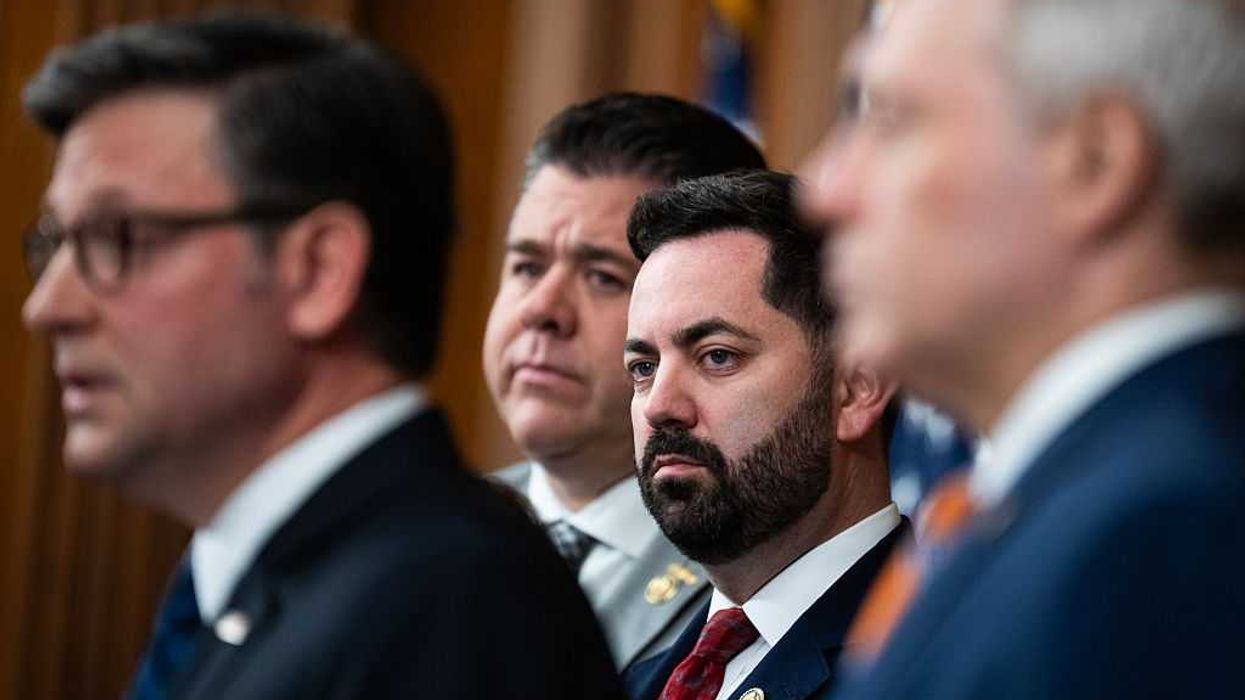
Nine Republicans voted to advance the Democrat-led health care bill Wednesday, defying the GOP to extend Obamacare subsidies.
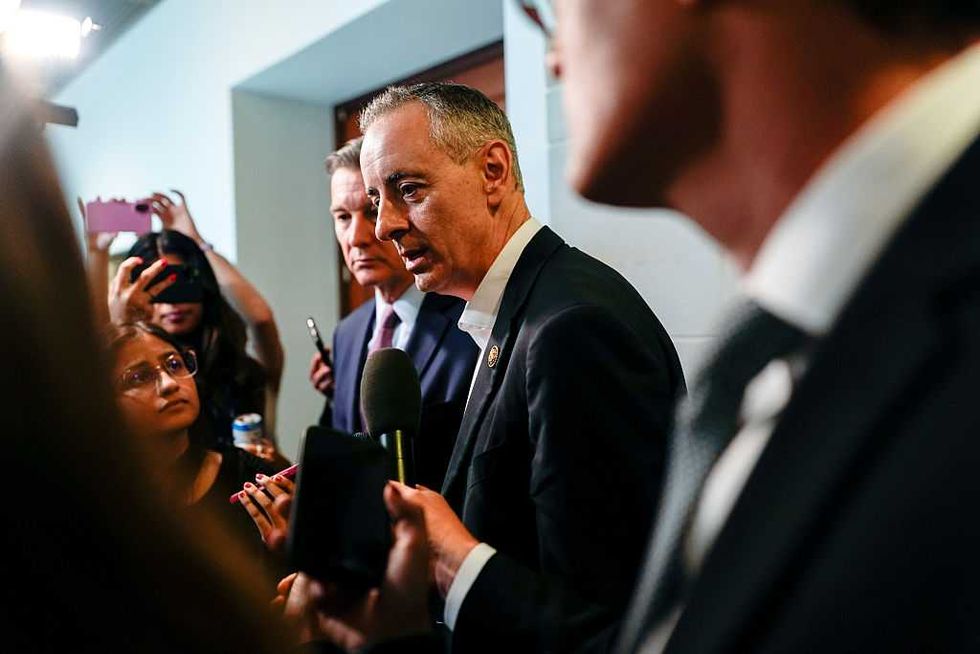
Republican Reps. Nick LaLota of New York, Thomas Kean of New Jersey, Mike Lawler of New York, Ryan Mackenzie of Pennsylvania, David Valadao of California, Brian Fitzpatrick of Pennsylvania, Max Miller of Ohio, Rob Bresnahan of Pennsylvania, and Maria Elvira Salazar of Florida joined Democrats to bring a vote on the health care subsidies that expired at the end of 2025.
‘DEMOCRATS have increased health care costs exponentially.’
Notably Lawler, Fitzpatrick, Bresnahan, and Mackenzie also signed onto House Minority Leader Hakeem Jeffries’ (D-N.Y.) discharge petition last month that would have forced a House vote to extend the subsidies.
A final vote on the bill is now expected to take place Thursday.
RELATED: Senate tanks GOP solution to Obamacare subsidy problems
 Kent Nishimura/Bloomberg via Getty Images
Lawler defended his vote aiding Democrats, saying the solution to fix the “broken” health care system is “through a bipartisan approach.”
“Republicans and Democrats can agree that our healthcare system is broken and must be fixed through a bipartisan approach,” Lawler wrote. “Enough of the blame game on both sides. Let’s focus on actually delivering affordable healthcare for Americans.”
RELATED: California Republican suddenly dies at age 65
 Tom Williams/CQ-Roll Call, Inc via Getty Images
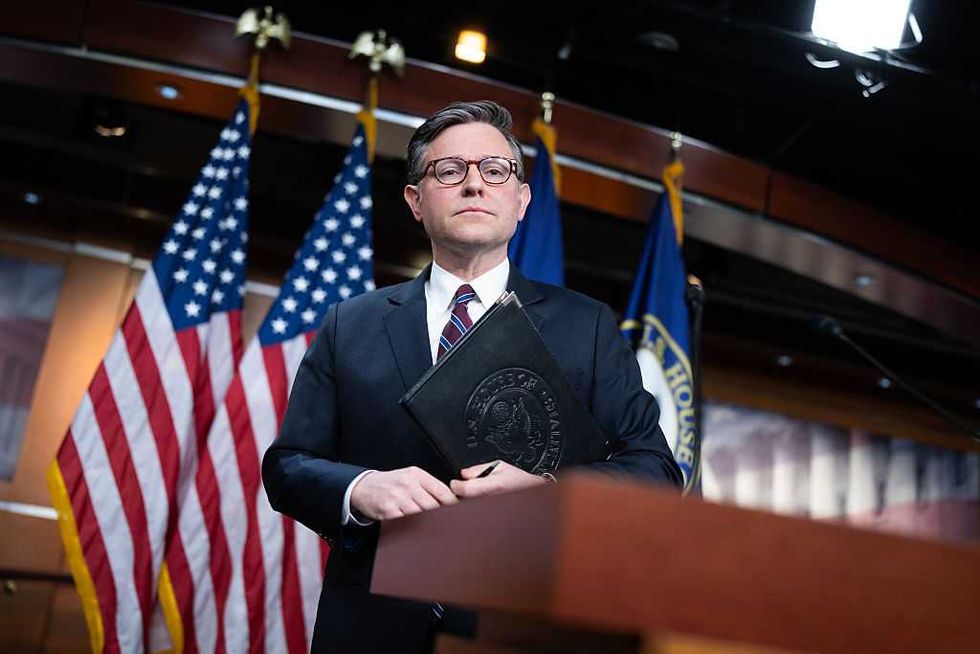
Speaker Mike Johnson (R-La.) has maintained that the Affordable Care Act, especially the COVID-era subsidies, are responsible for skyrocketing premiums.
“Obamacare was created and passed entirely by DEMOCRATS,” Johnson said in a post on X during the 2025 government shutdown. “Since Obamacare took effect, health insurance premiums have SKYROCKETED. The Obamacare COVID-era subsidies were also passed entirely by DEMOCRATS, and set to expire at the end of this year.”
“DEMOCRATS have increased health care costs exponentially, and are now shutting down the government — as they try to cover up THEIR OWN FAILURES and somehow blame Republicans.”
Like Blaze News? Bypass the censors, sign up for our newsletters, and get stories like this direct to your inbox. Sign up here!





