

Category: Blaze Media
BREAKING: Rachel Maddow Works on a Weekend

Part-time MS NOW host Rachel Maddow remarkably showed up to work on a weekend, appearing on the network from a mysterious remote location on Saturday morning to criticize President Donald Trump’s military operation that captured Venezuelan dictator Nicolas Maduro.
The post BREAKING: Rachel Maddow Works on a Weekend appeared first on .
Jonathan Turley Predicts If Maduro Indictment Will Be ‘Accepted By The Courts’
‘They had a right to do this’
Donroe Doctrine: Trump Nabs Maduro in Daring, Middle-of-the-Night Operation
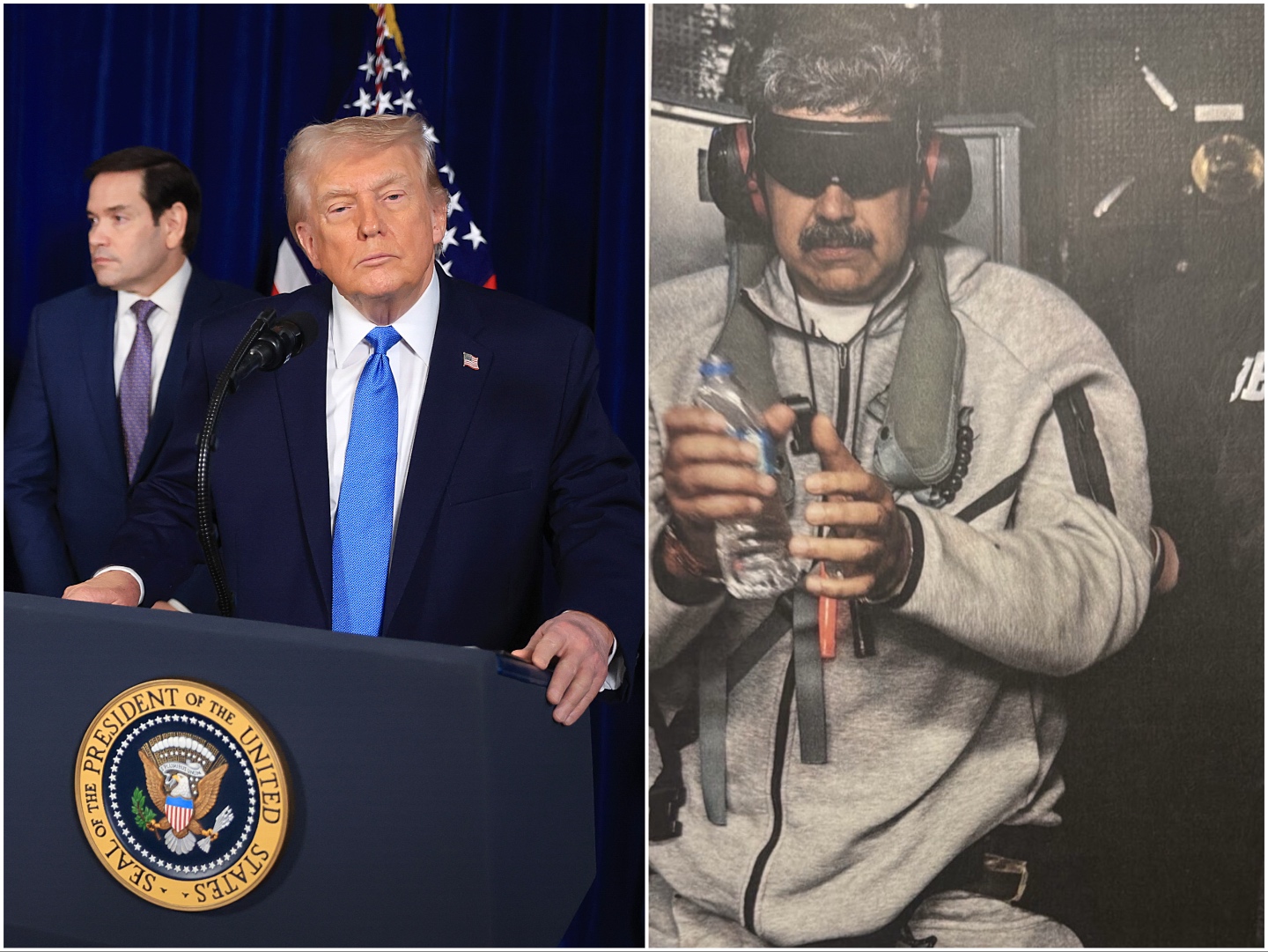
President Donald Trump on Saturday described a meticulously planned, middle-of-the-night special forces operation that ended in the capture of Venezuelan dictator Nicolás Maduro. The operation followed months of surveillance tracking Maduro’s movements.
The post Donroe Doctrine: Trump Nabs Maduro in Daring, Middle-of-the-Night Operation appeared first on .
‘We’re going to run it’: Trump reveals Venezuela’s fate following Maduro’s capture
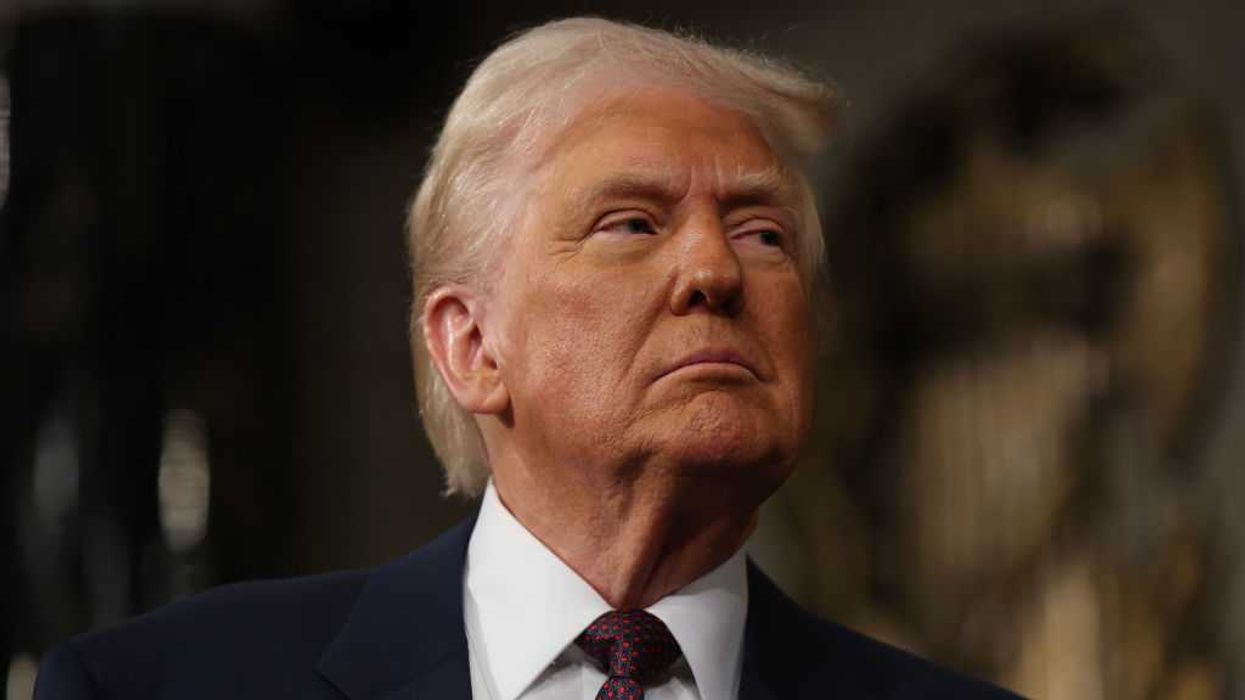
President Donald Trump announced that the United States will be running Venezuela following the capture of President Nicolas Maduro.
American military forces conducted a “large scale strike” in Venezuela where Maduro and his wife were captured and transported on the USS Iwo Jima. Following the operation, Trump announced that the United States is “going to run” Venezuela until a “proper transition can take place” in the government.
‘It was dark, and it was deadly.’
“We can’t take a chance that somebody else takes over Venezuela that doesn’t have the good of the Venezuelan people in mind,” Trump said, flanked by Secretary of War Pete Hegseth, Secretary of State Marco Rubio, and other officials. “We’ve had decades of that. We’re not going to let that happen.”
Trump also said American oil companies are going to “go in” and “fix the badly broken infrastructure.”
RELATED: Maduro captured following ‘large scale strike’ in Venezuela, Trump says
Maduro and his wife were indicted for their “campaign of deadly narco-terrorism against the United States and its citizens.” Both are en route to the Southern District of New York, where they will be tried.
Trump also noted that no American servicemen were killed in the operation and all military equipment was recovered.
RELATED: Trump says US struck drug-linked site in Venezuela: ‘We hit them very hard’
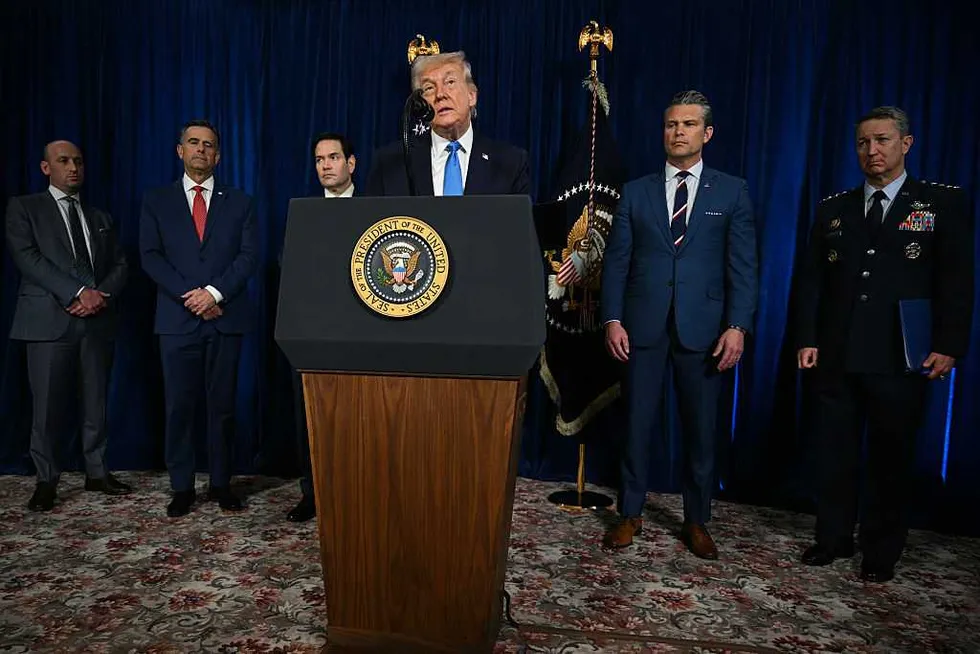 Photo by Jim WATSON / AFP via Getty Images
“All Venezuelan military capacities were rendered powerless as the men and women of our military, working with U.S. law enforcement, successfully captured Maduro in the dead of night,” Trump said.
“It was dark, and it was deadly.”
Like Blaze News? Bypass the censors, sign up for our newsletters, and get stories like this direct to your inbox. Sign up here!
Trump’s agenda faces a midterm kill switch in 2026
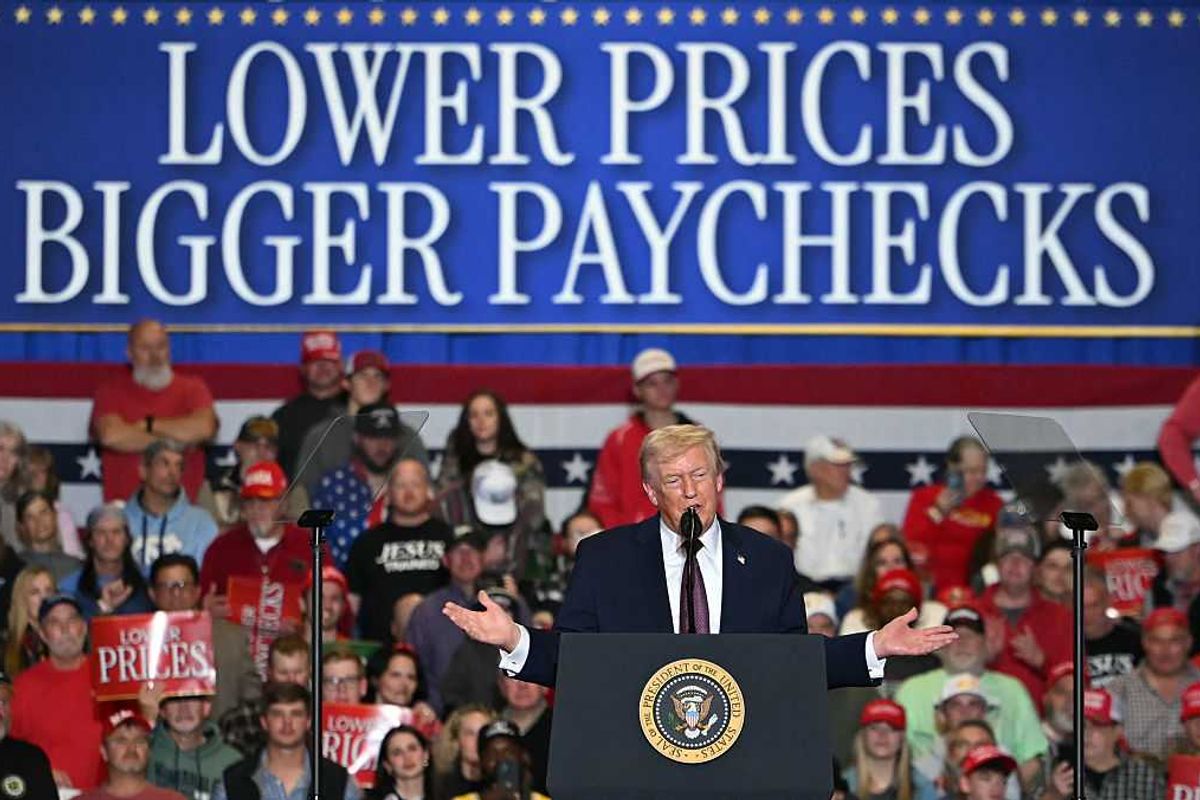
Ten months ahead of November’s midterms, political and economic crosscurrents are colliding. Which of these conflicting trends prevail will greatly shape the next two years. And possibly even longer.
Midterm elections are always important. Besides gauging the country’s political mood, they have proven integral to maintaining America’s political equilibrium.
For good or ill, incumbent presidents and their party own the economy. The question is: Which economy will Republicans own?
They are the “ebb” to the “flow” of America’s political tide. Historically, every four years a large tide of voters go to the polls and elect a president. Then every two years, the large voter flow ebbs back, and the president’s party suffers accordingly.
This midterm is particularly important to Trump because he has proven susceptible to being baited by his opponents. After 2018, Rep. Nancy Pelosi (D-Calif.) returned to the House speakership and unrelentingly harassed Trump over the last two years of his first term. These distractions and obstructions — especially during COVID — were undoubtedly a factor in Trump’s narrow 2020 Electoral College defeat.
Today’s political crosscurrents are pronounced. We know the president’s party historically loses seats. The last two two-term presidents, George W. Bush and Barack Obama, suffered congressional losses averaging 22 House seats and 7.5 Senate seats.
Such losses would hand Democrats control of Congress, giving them a House majority larger than Republicans’ narrow edge and a Senate majority bigger than the GOP’s current six-seat margin. Such outcomes would end Trump’s legislative agenda, and Democrats could set their own. To understand the potential impact, play back the recent funding impasse when Democrats shut the government down for the longest period ever — despite lacking control of either chamber.
While Trump would be able to veto Democratic legislation and Republican numbers would be ample to uphold his vetoes, Democrats would have a formal hand in shaping the political agenda. This could greatly help their 2028 presidential prospects.
RELATED: Republicans are letting Democrats lie about affordability
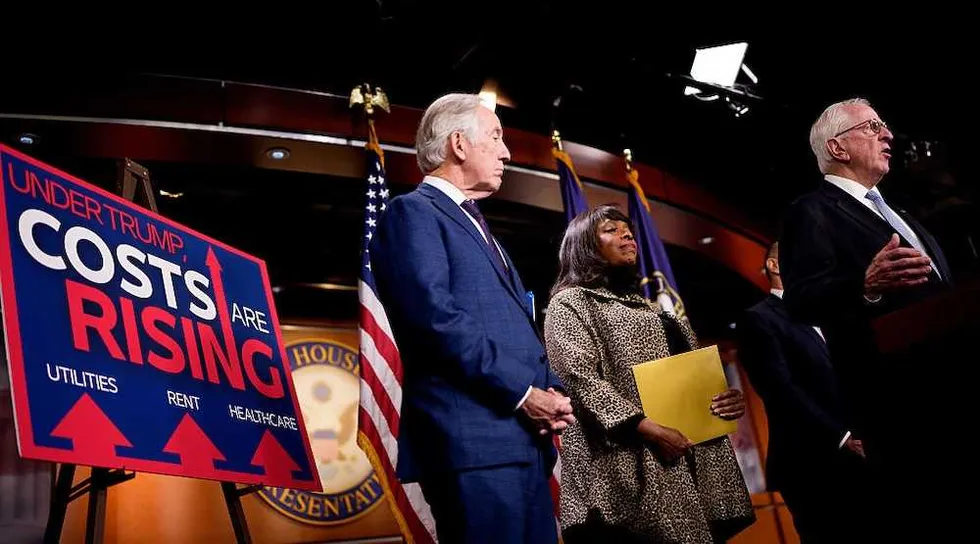 Photo by Andrew Harnik/Getty Images
Current politics are blunting the historical midterm flow, however. Trump is divisive, with just a 43.4% favorable rating; however, his job approval rating of 43.1% is higher than Obama’s (42.4%) at the same point in his second term. Further, Democrats are in abysmal shape with just a 32.5% favorability rating.
The current 2026 political map is also favorable to Republicans. While they have more seats (22 to 13) to protect in the Senate, the toss-up seats are evenly split: Republicans with Maine and North Carolina; Democrats with Georgia and Michigan. Mid-decade House redistricting efforts are also likely to favor Republicans somewhat; if the Supreme Court should allow race to be disregarded in drawing House districts when it rules on the Louisiana case currently before it, then even more redistricting could occur and amount to an even greater Republican advantage.
Today’s economic crosscurrents are equally pronounced. For good or ill, incumbent presidents and their party own the economy. The question is: Which economy will Republicans own?
At the micro level, the growing issue is “affordability.” Nationally, this is an overhang of inflation that surged during Biden’s administration and peaked at 9.1% in June 2022 — a 40-year high.
Locally, affordability played well in New York City (which has been plagued by Democratic policies of rent control and excessive taxation, regulation, and litigation) in 2025’s mayoral race. It also played well in Virginia, where it linked powerfully into the record-long government shutdown. Democrats are therefore seizing on the issue with some success — particularly in the establishment media — and are trying to nationalize it.
At the macro level, the economy is a different story. Despite “expert” predictions that Trump’s tariffs, green agenda rollback, attack on illegal immigration, and reduction in government would combine to wreck the economy, the reverse has occurred. In Trump’s first two full quarters in office, GDP is averaging over 4% growth: up 3.8% in the second quarter and 4.3% in the third. Inflation has also been moderate — 2.7% in November — certainly not the spike experts predicted and a far cry from the previous four years.
RELATED: Conservatives face a choice in ’26: realignment or extinction
 MediaProduction via iStock/Getty Images
So politically, depending on your perspective, Republicans look to outperform historically. Their Senate majority looks safe for now, with the chance that Republicans could even gain a seat or two. By contrast, Republicans’ House majority looks vulnerable; this could be offset slightly by current mid-decade redistricting efforts. Yet even just half the average loss of the last two administrations in their second midterms would mean an 11-seat swing and a 226-209 Democratic majority.
Economically, the question is whether the micro or the macro prevails. Can the micro become a national mood outside Democratic areas, or will the macro of strong GDP growth and moderate inflation have time to prevail? Expect political midterm fortunes to respond accordingly.
What is certain is that the midterms will shape the last two years of Trump’s second term. And possibly determine who will run and who will win the presidency in 2028.
Editor’s note: This article was originally published by RealClearPolitics and made available via RealClearWire.
Maduro captured following ‘large scale strike’ in Venezuela, Trump says

Nicolás Maduro was “captured and flown out” of Venezuela after the United States carried out another strike, President Donald Trump announced.
After months of anticipation and several strikes against alleged drug cartel boats, Trump greenlit the most aggressive military action of his second term in office.
‘Maduro was arrested by American officials and will stand trial in the United States.’
“The United States of America has successfully carried out a large scale strike against Venezuela and its leader, President Nicolas Maduro, who has been, along with his wife, captured and flown out of the Country,” Trump announced Saturday.
“This operation was done in conjunction with U.S. Law Enforcement. Details to follow.”
Trump is expected to speak at a Mar-A-Lago press conference at 11 a.m. on Saturday.
RELATED: Trump says US struck drug-linked site in Venezuela: ‘We hit them very hard’
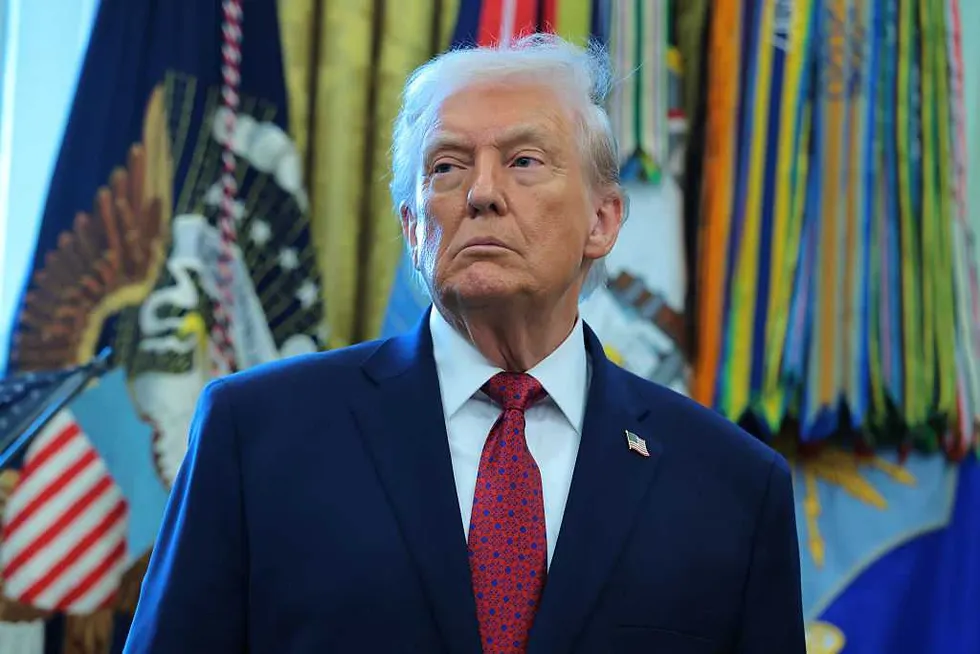 Photo by Anna Moneymaker/Getty Images
Secretary of State Marco Rubio spoke with several Republican senators about the capture, noting that Maduro was arrested by American officials and will stand trial in the United States.
“[Rubio] informed me that Nicolás Maduro has been arrested by U.S. personnel to stand trial on criminal charges in the United States, and that the kinetic action we saw tonight was deployed to protect and defend those executing the arrest warrant,” Republican Sen. Mike Lee of Utah said in a post on X. “This action likely falls within the president’s inherent authority under Article II of the Constitution to protect U.S. personnel from an actual or imminent attack.”
“The interim government in Venezuela must now decide whether to continue the drug trafficking and colluding with adversaries like Iran and Cuba or whether to act like a normal nation and return to the civilized world,” Republican Sen. Tom Cotton of Arkansas said in a post on X. “I urge them to choose wisely.”
Like Blaze News? Bypass the censors, sign up for our newsletters, and get stories like this direct to your inbox. Sign up here!
18-year-old ISIS sympathizer who allegedly planned New Year’s Eve terror attack in North Carolina is arrested
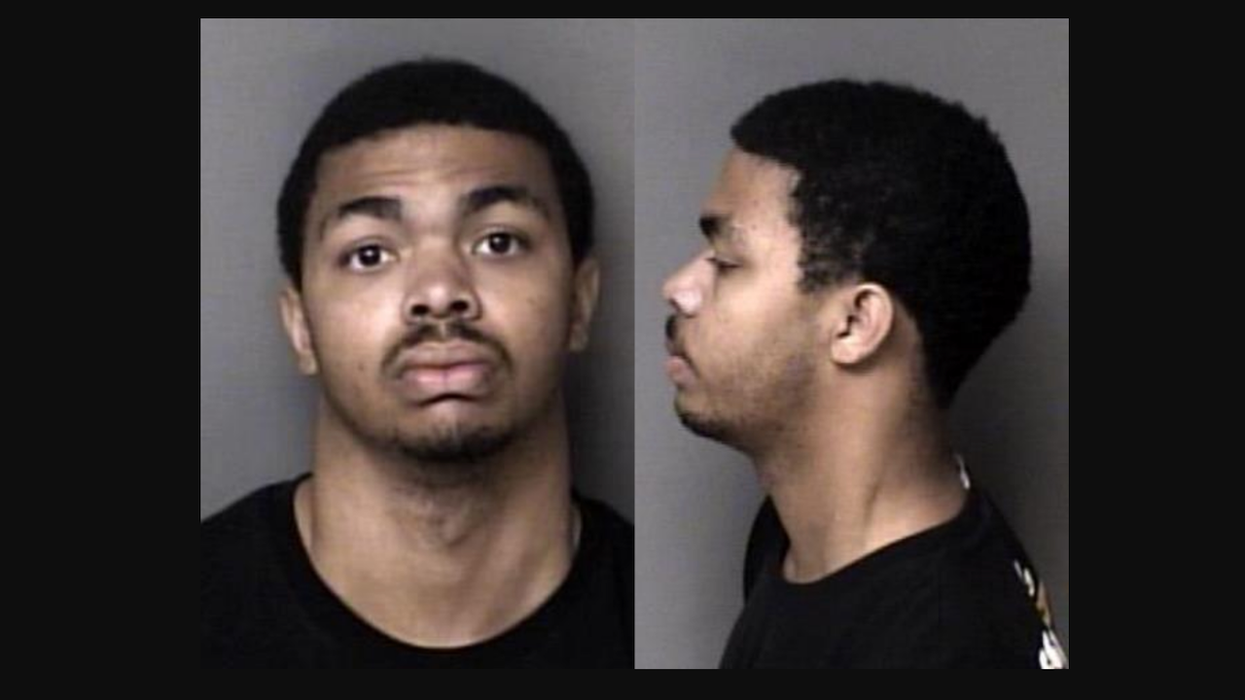
A North Carolina man who allegedly planned to use knives and hammers for a New Year’s Eve attack at a grocery store and a fast food restaurant in support of ISIS was arrested and charged with attempting to provide material support to a foreign terrorist organization, federal officials said Friday.
The Justice Department and the U.S. Attorney’s Office for the Western District of North Carolina said a criminal complaint was filed Wednesday and unsealed Friday after Christian Sturdivant appeared in federal court in Charlotte. Sturdivant turned 18 just two weeks ago, according to jail records.
‘May Allah curse the cross worshipers.’
“This successful collaboration between federal and local law enforcement saved American lives from a horrific terrorist attack on New Year’s Eve,” Attorney General Pamela Bondi said. “The Department of Justice remains vigilant in our pursuit of evil ISIS sympathizers — anyone plotting to commit such depraved attacks will face the full force of the law.”
FBI Director Kash Patel added that “the accused allegedly wanted to be a soldier for ISIS and made plans to commit a violent attack on New Year’s Eve in support of that terrorist group, but the FBI and our partners put a stop to that.”
The FBI in Charlotte on Dec. 18 received information that an individual later identified as Sturdivant was making multiple social media posts in support of ISIS, a designated foreign terrorist organization, according to allegations in the arrest affidavit.
Sturdivant in early December posted an image depicting two miniature figurines of Jesus with on-screen text that read, “May Allah curse the cross worshipers,” officials said. The post allegedly is consistent with ISIS rhetoric calling for the extermination of all non-believers, including Christians, Jews, and Muslims who do not agree with ISIS’ extreme ideology.
 Image source: Department of Justice
The criminal complaint alleges that Sturdivant on or about Dec. 12 began communicating with an online covert employee, or “OC,” whom Sturdivant believed was an ISIS member, officials said.
Sturdivant told the OC, “I will do jihad soon” and proclaimed he was “a soldier of the state,” meaning ISIS, officials said, adding that on Dec. 14, Sturdivant allegedly sent an online message to the OC with an image of two hammers and a knife. This is significant because an article in the 2016 issue of ISIS’ propaganda magazine promoted the use of knives to conduct terror attacks in Western countries, officials said, adding that the article inspired actual attacks in other countries. Later, Sturdivant told the OC that he planned to attack a specific grocery store in North Carolina, officials said. Sturdivant also told the OC about his plans to purchase a firearm to use along with the knives during the attack, according to the arrest affidavit.
What’s more, officials said Sturdivant on Dec. 19 allegedly sent the OC a voice recording of Sturdivant pledging “Bayat,” which is a loyalty oath to ISIS.
On Dec. 29, 2025, law enforcement conducted a search warrant at Sturdivant’s residence, where they discovered handwritten documents, one of which was titled “New Years Attack 2026,” officials said.
RELATED: FBI stops radical pro-Palestinian New Year’s Eve terror plot: Report
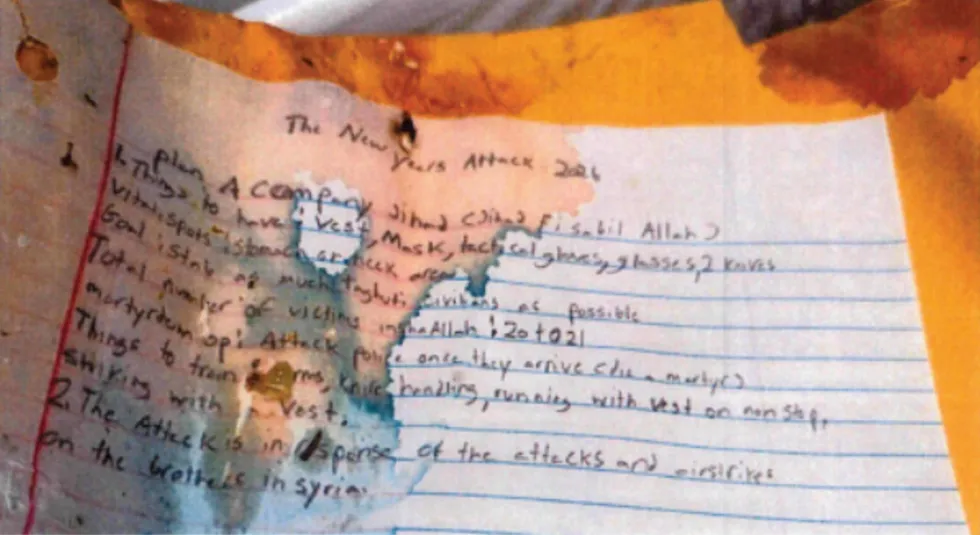 Image source: Department of Justice
The document listed items such as a vest, mask, tactical gloves, and two knives allegedly to be used in the attack, officials said, adding that it also described a goal of stabbing as many civilians as possible, with the total number of victims to be as high as 20 to 21.
The note also included a section labeled as “martyrdom op,” which described a plan to attack police responding to the site of the attack so Sturdivant would die a martyr, officials said.
RELATED: Trans-identifying radicals among those arrested in alleged planned New Year’s Eve terror plot
The complaint alleges that Sturdivant lived with a relative who secured knives and hammers so Sturdivant could not use them for harm, officials said. Yet, law enforcement seized from Sturdivant’s bedroom a blue hammer, a wooden handled hammer, and two butcher knives which appeared hidden underneath the defendant’s bed, officials said. These items appear to be the ones depicted in the online message Sturdivant previously sent to the OC, officials said.
Law enforcement also seized from Sturdivant’s bedroom a list of targets, as well as tactical gloves and a vest, acquired as part of the defendant’s planned attack, officials said.
Sturdivant remains in federal custody, officials said, adding that he faces a statutory maximum penalty of 20 years in federal prison if convicted. He was behind bars Friday night at the Gaston County Jail with no bond.
Like Blaze News? Bypass the censors, sign up for our newsletters, and get stories like this direct to your inbox. Sign up here!
Congressional Democrats Rage At Trump’s Venezuela Operation
Democratic lawmakers railed against President Donald Trump’s overnight military operation in Venezuela on Saturday that resulted in the successful capture and indictment of socialist dictator Nicolás Maduro and his wife. Congressional Democrats argued Trump lacked legal authority and that it was counter to American interests to use military force against Maduro’s regime. Republican lawmakers largely […]
Universities treated free speech as expendable in 2025
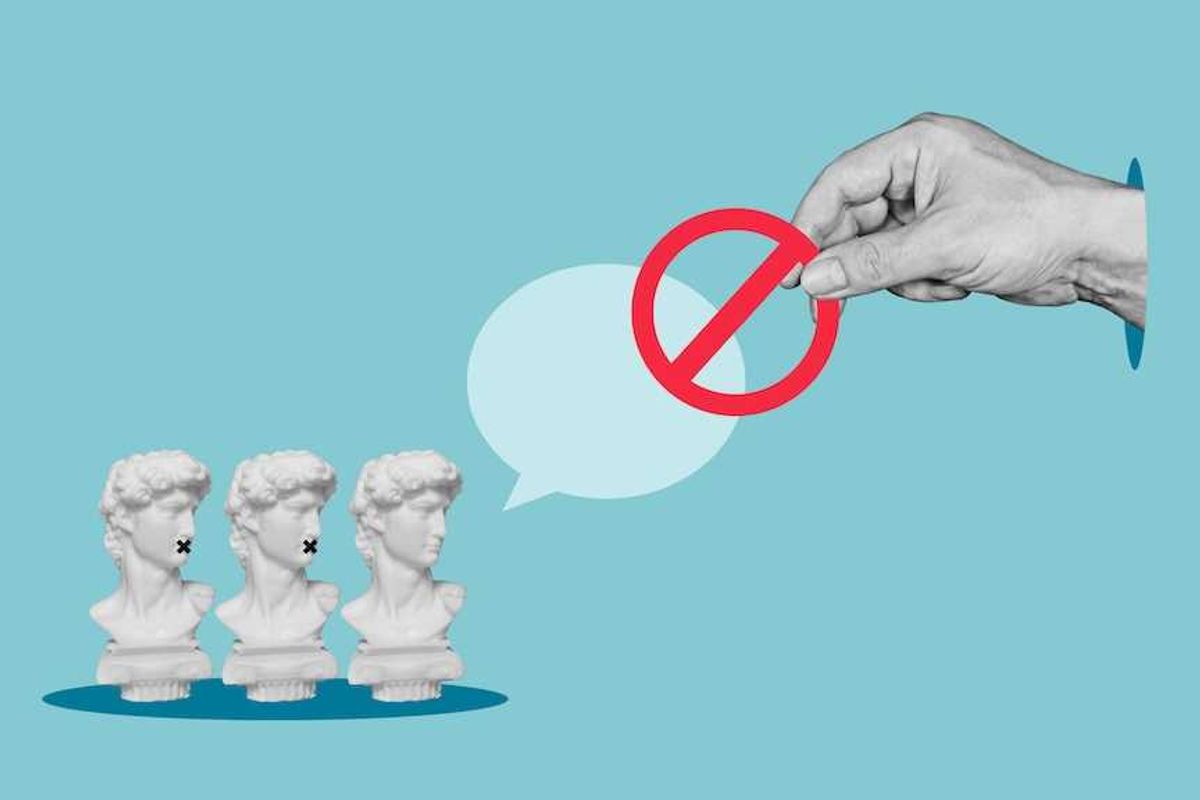
The fight over free expression in American higher education reached a troubling milestone in 2025. According to data from the Foundation for Individual Rights and Expression, efforts to censor speech on college campuses hit record highs across multiple fronts — and most succeeded.
Let’s start with the raw numbers. In 2025, FIRE’s Scholars Under Fire, Students Under Fire, and Campus Deplatforming databases collectively tracked:
- 525 attempts to sanction scholars for their speech, more than one a day, with 460 of them resulting in punishment.
- 273 attempts to punish students for expression, more than five a week, with 176 of these attempts succeeding.
- 160 attempts to deplatform speakers, about three each week, with 99 of them succeeding.
That’s 958 censorship attempts in total, nearly three per day on campuses across the country. For comparison, FIRE’s next-highest total was 477 two years ago.
The 525 scholar sanction attempts are the highest ever recorded in FIRE’s database, which spans 2000 to the present. Even when a large-scale incident at the U.S. Naval Academy is treated as just a single entry, the 2025 total still breaks records.
The common denominator across these censorship campaigns is not ideology — it’s intolerance.
Twenty-nine scholars were fired, including 18 who were terminated since September for social media comments about Charlie Kirk’s assassination.
Student sanction attempts also hit a new high, and deplatforming efforts — our records date back to 1998 — rank third all-time, behind 2023 and 2024.
The problem is actually worse because FIRE’s data undercounts the true scale of campus censorship. Why? The data relies on publicly available information, and an unknown number of incidents, especially those that may involve quiet administrative pressure, never make the public record.
Then there’s the chilling effect.
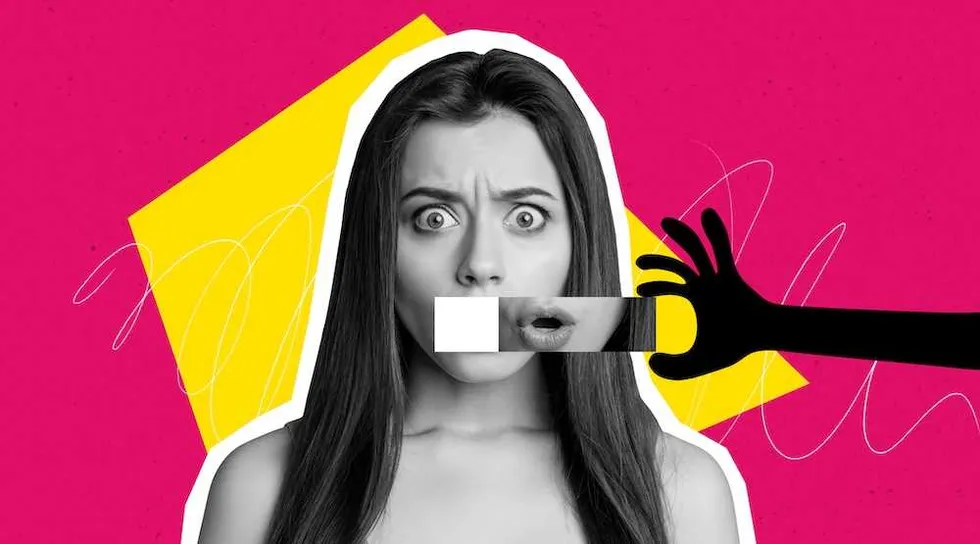
Scholars are self-censoring. Students are staying silent. Speakers are being disinvited or shouted down. And administrators, eager to appease the loudest voices, are launching investigations and handing out suspensions and dismissals with questionable regard for academic freedom, due process, or free speech.
RELATED: Liberals’ twisted views on Charlie Kirk assassination, censorship captured by a damning poll
 Deagreez via iStock/Getty Images
Some critics argue that the total number of incidents is small compared to the roughly 4,000 colleges in the country. But this argument collapses under scrutiny.
While there are technically thousands of institutions labeled as “colleges” or “universities,” roughly 600 of them educate about 80% of undergraduates enrolled at not-for-profit four-year schools. Many of the rest of these “colleges” and “universities” are highly specialized or vocational programs. This includes a number of beauty academies, truck-driving schools, and similar institutions — in other words, campuses that aren’t at the heart of the free-speech debate.
These censorship campaigns aren’t coming from only one side of the political spectrum. FIRE’s data shows, for instance, that liberal students are punished for pro-Palestinian activism, conservative faculty are targeted for controversial opinions on gender or race, and speaking events featuring all points of view are targeted for cancellation.
The two most targeted student groups on campus? Students for Justice in Palestine and Turning Point USA. If that doesn’t make this point clear, nothing will.
The common denominator across these censorship campaigns is not ideology — it’s intolerance.
RELATED: Teenager sues high school after tribute to Charlie Kirk was called vandalism
 rudall30 via iStock/Getty Images
So where do we go from here?
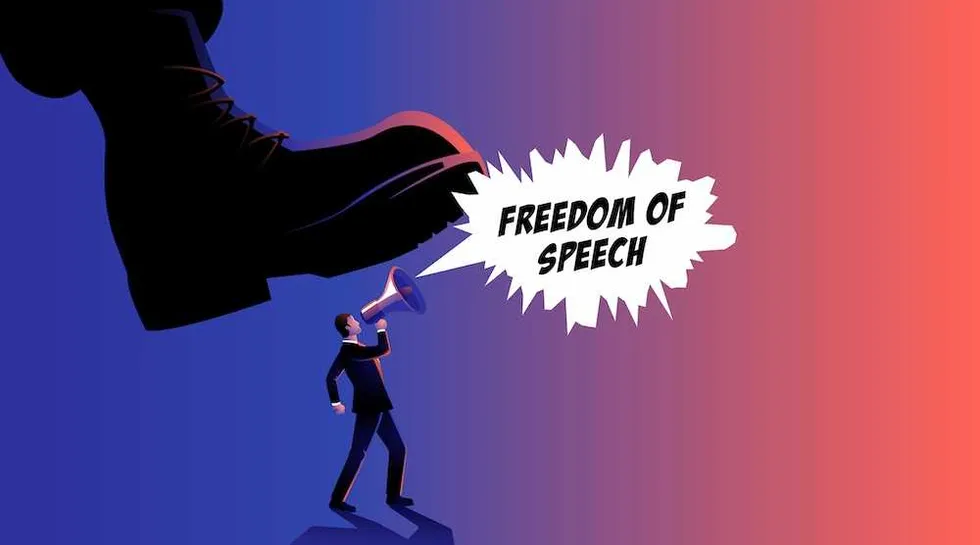
We need courage: from faculty, from students, and especially from administrators. It’s easy to defend speech when it’s popular. It’s harder when the ideas are offensive or inconvenient. But that’s when it matters most.
Even more urgently, higher education needs a cultural reset. Universities must recommit to the idea that exposure to ideas and speech that one dislikes or finds offensive is not “violence.” That principle is essential for democracy, not just for universities.
This year’s record number of campus censorship attempts should be a wake-up call for campus administrators. For decades, many allowed a culture of censorship to fester, dismissing concerns as overblown, isolated, or a politically motivated myth. Now, with governors, state legislatures, members of Congress, and even the White House moving aggressively to police campus expression, some administrators are finally pushing back. But this pushback from administrators doesn’t seem principled. Instead, it seems more like an attempt to shield their institutions from outside political interference.
That’s not leadership. It’s damage control. And it’s what got higher education into this mess in the first place.
If university leaders want to reclaim their role as stewards of free inquiry, they cannot act just when governmental pressure threatens their autonomy. They also need to be steadfast when internal intolerance threatens their mission. A true commitment to academic freedom means defending expression even when it is unpopular or offensive. That is the price of intellectual integrity in a free society.
Editor’s note: This article was originally published by RealClearPolitics and made available via RealClearWire.
Do blue-light glasses actually work?
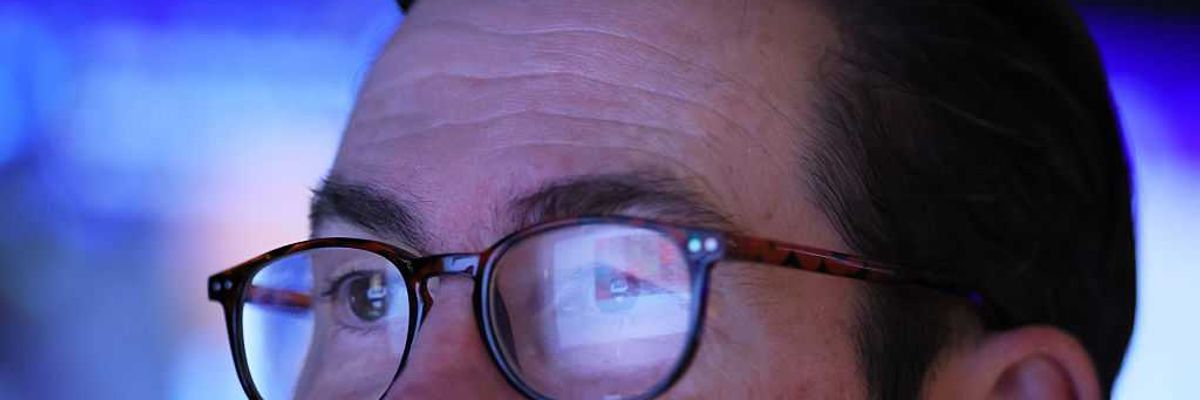
It’s impossible to imagine that anyone reading this on their computer, tablet, or smartphone has made it to 2025 without hearing about the dangers of blue light.
What’s more, for every warning about those blue-light hazards comes the equally ubiquitous solution: blue-light glasses.
Blue-light glasses are built with lenses that shield the eye from shorter, higher energy wavelengths of light.
Since screens are ubiquitous now and there’s unfortunately very little chance that they will be going anywhere, the next best solution is to learn to live with them to the best of our ability. But that leaves an important question to be answered when it comes to dealing with blue light: Do those blue-light glasses actually work, or are they a gimmick?
RELATED: Hello, darkness, my old friend: How to get your body’s circadian rhythms back on the beat
 Photographer: Anindito Mukherjee/Bloomberg via Getty Images
LED blues
Most people have seen the studies: Blue light, which is emitted by screens and indoor LED lightbulbs, may cause quite a few health problems, including the disruption of your circadian rhythm, leading to poorer quality sleep. Some believe that this is because blue light signals to the body that it is time to be alert and awake, which is obviously problematic when phones are used at night.
Blue light may also increase stress and lower cognitive output, but one might be surprised to learn that other studies have found the opposite to be true.
It’s also important to note that blue light is natural and is emitted from the sun at a higher frequency than from screens or LED bulbs. However, many have turned to blue-light glasses as a solution to eye fatigue and other issues as well.
People whose job involves staring at a screen for long periods of time have often reported eyestrain, which is sometimes called computer vision syndrome.
Blue-light glasses are built with lenses that shield the eye from shorter, higher energy wavelengths of light, notably blue light.
Science ambivalent
However, the science is still quite ambivalent on the question of blue-light glasses and their effectiveness, with most sources leaning toward saying you do not need them.
In a 2023 study that examined 17 different blue-light-filtering lens trials, it was discovered that the blue-light glasses had little to no effect on any of the relevant symptoms, including sleep quality and eye strain.
So while you may not need to go get any blue-light glasses according to these studies, the question stands: Can anything be done to reduce the negative effects of blue light?
20-20-20 vision
The answer is yes, but it’s not nearly as fancy as a pair of new spectacles. Eye doctors recommend avoiding screens at night or turning on the “night” filter on your phone to reduce the blue-light display, effectively negating any need for lenses in the first place.
“There is reason to think blue-light exposure may signal our brains that we should stay awake, so reducing blue light in the evening may be beneficial and glasses may help,” Dr. Craig See, an ophthalmologist and cornea specialist, told US News. “However, devices can automatically reduce blue light in the screens.
Others recommend following the 20-20-20 rule: Every 20 minutes, look at something 20 feet away for 20 seconds or more. This will hopefully reduce any eye discomfort without adding any unnecessary accessories.





