

Category: Blaze Media
‘You just committed a federal offense’: Sen. Mike Lee refers apparent threat mocking Charlie Kirk’s murder to the FBI
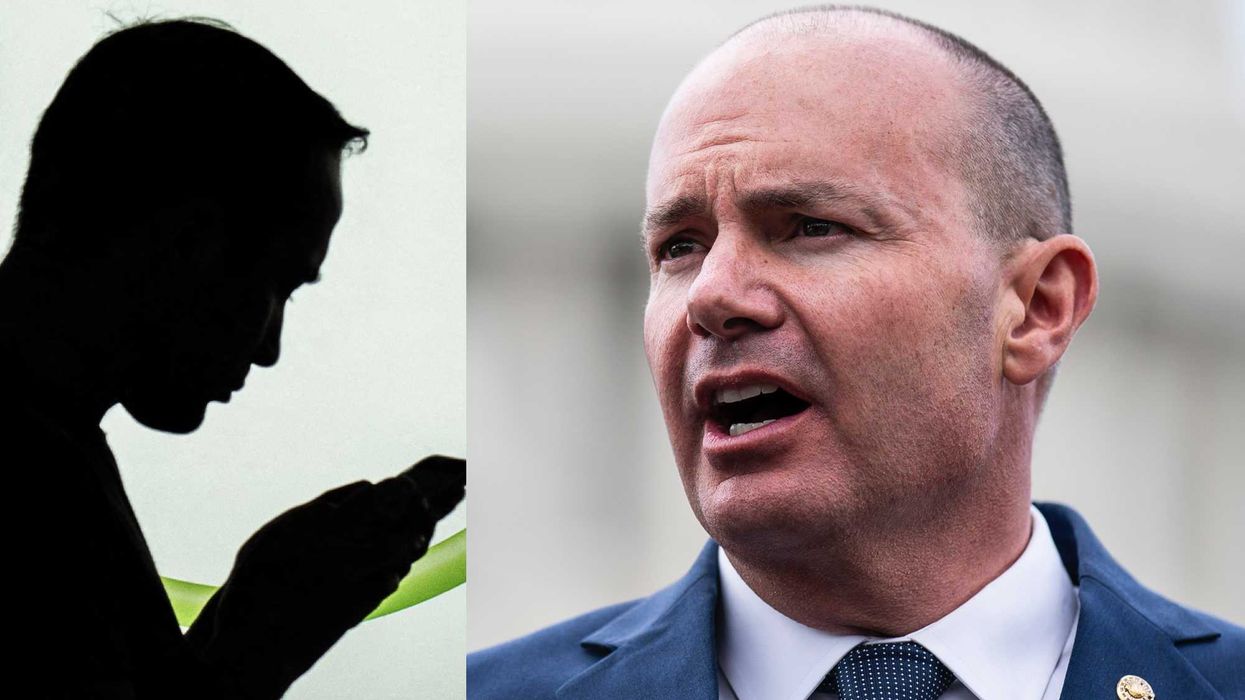
A social media user appeared to make a threat against Republican Sen. Mike Lee of Utah, who referred the message to the Federal Bureau of Investigation.
The user appeared to post a heinous meme mocking the horrific assassination of Charlie Kirk and added, “Your [sic] next buddy turn down the rhetoric.”
Former US Attorney Jay Town responded that the meme and the message could be prosecuted as a threat against the senator’s life.
Lee posted a screenshot of the alleged message, which was deleted from the X platform.
“It’s ‘you’re,’ not ‘your,'” Lee responded. “Also, you just committed a federal offense.”
The senator also tagged the accounts for FBI Director Kash Patel and U.S. Attorney General Pam Bondi.
“This is a clear threat,” he wrote in a follow-up message.
The account was later suspended, and it no longer appears on the platform.
Former U.S. Attorney Jay Town responded that the meme and the message could be prosecuted as a threat against the senator’s life.
“[Find Out] phase is coming when there’s a knock on your door! You can then explain how posting a pic of Charlie getting assassinated with ‘you’re next’ to a US Senator isn’t a threat… …TO A JURY!” he wrote.
Others questioned whether the message constituted a federal offense, but the meme ridiculing Kirk’s death was universally condemned.
Efforts to reach the person who ran the account were unsuccessful.
RELATED: Liberal arts student cites Mao in video calling for more political assassinations after Kirk
While many called for all sides to tone down their political rhetoric in the wake of Kirk’s shooting death in September, others online have lost careers and faced public outrage over their comments ridiculing the incident.
Blaze News has also reached out to Sen. Mike Lee’s office for comment.
Like Blaze News? Bypass the censors, sign up for our newsletters, and get stories like this direct to your inbox. Sign up here!
New whistleblower undermines accusations against official Jan. 6 pipe bomb suspect, Rep. Thomas Massie says
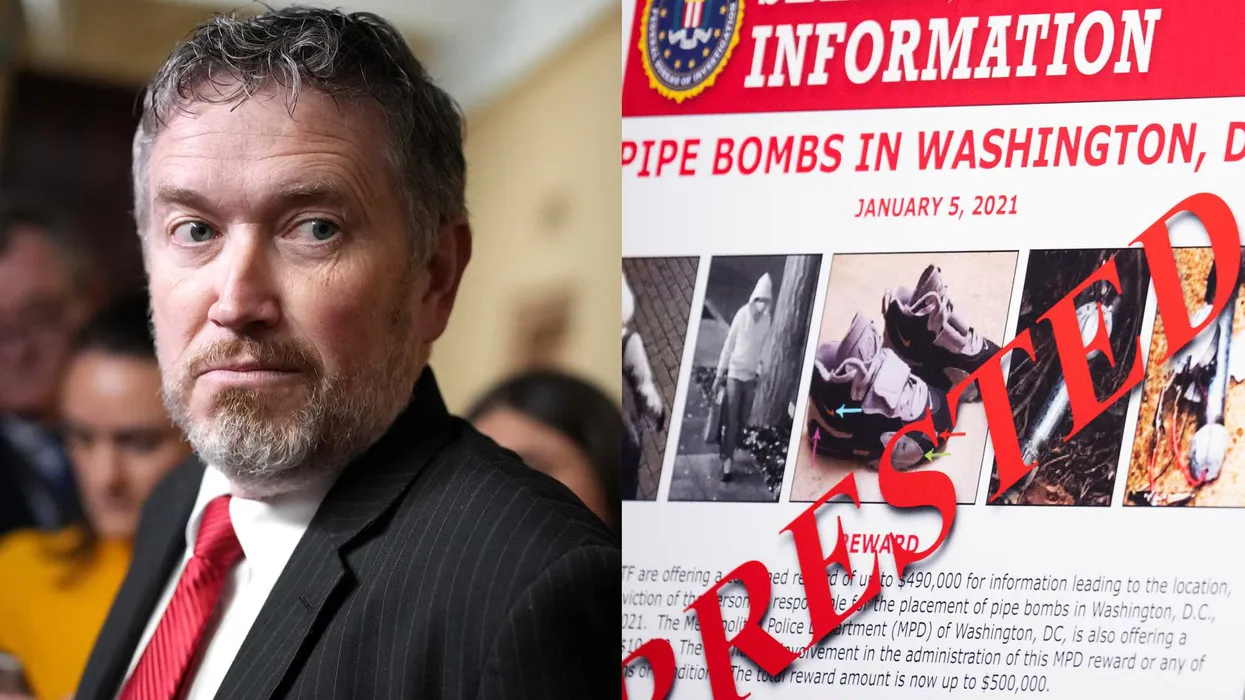
Republican Rep. Thomas Massie of Kentucky revealed alleged details about the suspect arrested for the Jan. 6 pipe bomb plantings in Washington, D.C., that might undermine the official narrative of the incident.
The mystery of the pipe bombs seemed to be solved on Dec. 4, nearly five years after they were found, when Justice Department officials announced that they had arrested 30-year-old Brian Cole Jr. of Woodbridge, Virginia.
‘It’s well known that individuals with mental conditions are susceptible to providing inaccurate and unwarranted “confessions.”‘
On Friday, Massie posted a long thread on social media claiming that information from an FBI whistleblower led him to conclude the suspect did not have the capability or motive to plant the bombs.
“Last night I received a disclosure from a new FBI whistleblower regarding the J6 pipe bomb case,” Massie wrote. “This is the third disclosure I’ve received from current and former employees of the government regarding the pipe bomb case in recent weeks.”
Massie said the suspect lived in a community with residents who worked with the FBI, Secret Service, and police.
“He wanders around his neighborhood several times a day while walking a dog. Other than walking his dog, he doesn’t engage in any other activities outside his home,” he wrote.
“He does not interact with anyone,” Massie added. “He doesn’t wave or acknowledge others or even say hello. He does not even look at other people when he walks by. He appears to live in his own world.”
The suspect had a detached demeanor and doesn’t appear to be interested in interacting with the world around him, according to the whistleblower.
“His behavior is awkward. It’s obvious he has a mental disability, and likely lives in a permanently vulnerable, intellectual, and emotional state. It’s well known that individuals with mental conditions are susceptible to providing inaccurate and unwarranted ‘confessions,'” Massie continued.
The person also claimed that authorities did not take the precaution of evacuating neighbors, which would have been necessary if they believed he had “in fact been engaged in making bombs and stockpiling bomb materials.”
RELATED: Police walked past DNC pipe bomb to look under a bush where bomber sat 17 hours earlier
Massie offered his personal opinion in conclusion.
“The FBI employee disclosing this information to me doesn’t believe the FBI has arrested a person who is capable or motivated, or even interested enough in affairs outside of his own small world, to execute the J6 pipe bomb plot on his own,” the congressman said.
The viable pipe bombs were found near the headquarters of the Republican National Committee and the Democratic National Committee on the day of the rioting at the U.S. Capitol.
Surveillance video showed one individual appearing to place them the night before the rioting. The Federal Bureau of Investigation had offered a $100,000 reward for information leading to a suspect’s arrest.
Like Blaze News? Bypass the censors, sign up for our newsletters, and get stories like this direct to your inbox. Sign up here!
44-year-old Catholic father of 10 throws touchdown in NFL return: ‘Whatever God’s will, I’m happy with’
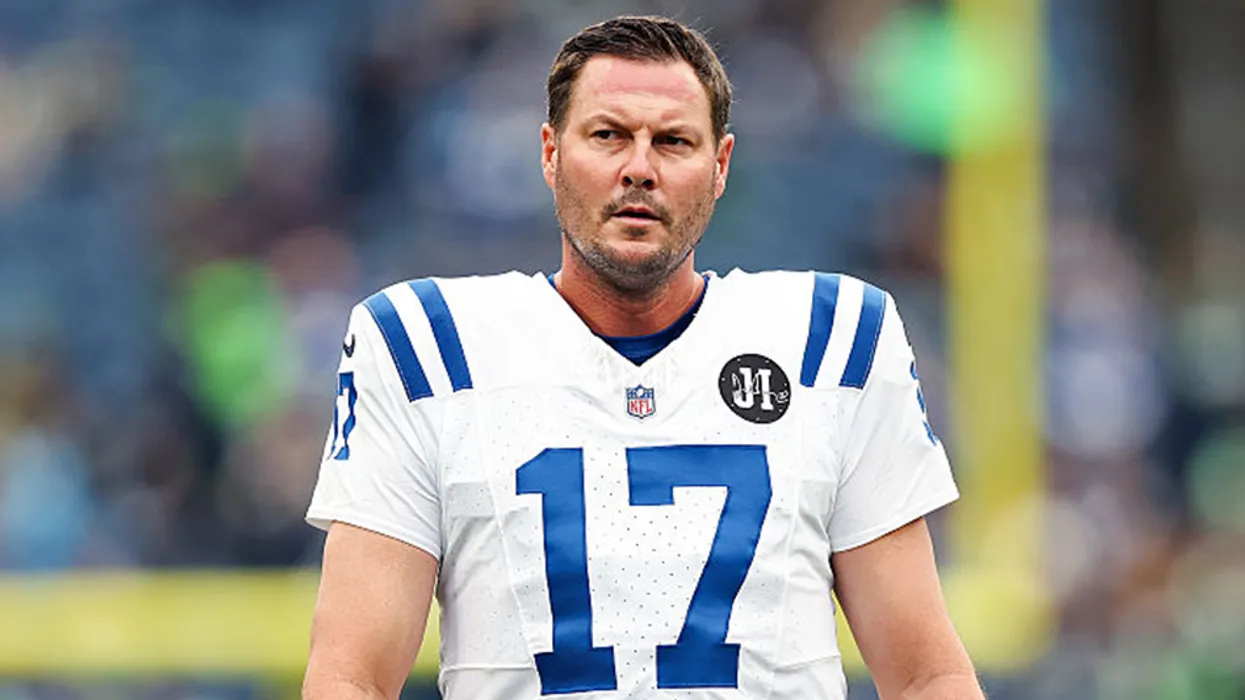
Philip Rivers knew the playbook going in.
When the 44-year-old quarterback got the call from the injury-plagued Indianapolis Colts, he already had a relationship with coach Shane Steichen. Almost a peer of his at 40 years old, Steichen was the offensive coordinator for the Los Angeles Chargers when Rivers last played in 2020.
‘These kind of things don’t come up.’
With Steichen using the same playbook with the Colts as he did when he was arm-in-arm with Rivers, the 44-year-old quarterback came out of retirement to plug the hole for the Colts as their promising season was falling apart.
On Sunday, the father of 10 stepped in the game and threw a touchdown in a hard-fought battle against the Seattle Seahawks, one of the best teams in the NFL this season. That single TD pass was one more than his opponent, and despite the Colts taking the lead with a late field goal, the Seahawks followed suit and kicked a field goal of their own with 22 seconds left to win 18-16.
At the postgame press conference, Rivers was asked why he wanted to come back after nearly five years away from the game, especially with a strong possibility of failure looming.
“I think about my own boys, you know, my own two sons, but certainly [the] high school team I’m coaching, but this isn’t why I’m doing it,” Rivers replied.
“These kind of things don’t come up. But obviously, this doesn’t come up every day. But I think, maybe it will inspire or teach [them] to not to run or be scared of what may or may not happen.”
RELATED: Christian NFL star apologizes after reference to kids’ game that likely left LGBTQ crowd seething
According to Catholic Vote, since retiring Rivers has been coaching the football team at St. Michael Catholic High School in Fairhope, Alabama, where his son also played quarterback.
It was when talking about his high school team that Rivers began getting emotional in front of the NFL press.
“Certainly I think of my sons and those ball players that I’m in charge of at the school. They’ll say, like, ‘Crap! Coach wasn’t scared!’ You know what I mean. Shoot, sometimes there is doubt, and it’s real, and … the guaranteed safe bet is to go home or to not go for it. And the other one is, ‘Shoot, let’s see what happens,'” he said.
It was in that moment that Rivers’ faith shined through.
“I hope that in that sense that it can be a positive to some young boys or young people. … Whatever God’s will, I’m happy with,” he added.
 Photo by Steph Chambers/Getty Images
Rivers also answered questions about self doubt in his abilities after being away from the professional game so long. He admitted that he initially felt some doubt last week, but he was “thankful to God” those doubts quickly dissipated.
“I’ve been very much at peace and just at peace with everything about it,” he revealed.
The Colts play the San Francisco 49ers next Monday in a game that will likely be a must-win if the Colts want to make the playoffs.
Like Blaze News? Bypass the censors, sign up for our newsletters, and get stories like this direct to your inbox. Sign up here!
‘Rents will come down’ — but not in sanctuary cities: Loan agent chronicles homes apparently abandoned by illegal aliens

A Texas real estate loan agent says houses are being abandoned by illegal immigrants.
Deportations combined with updated Federal Housing Administration policies mean fewer foreign residents, both legal and illegal, are qualifying for federal loans.
‘That’s what corporations love — they love the fact there is so many more people, whether they’re legal or not.’
An announcement in late March from the Trump administration shifted FHA policy to stop allowing non-permanent residents access to FHA loans, which are loans guaranteed by the federal government and backed by the taxpayer. According to Congress, an FHA loan requires a down payment of only 3.5% for most borrowers.
DACA recipients, H-1B holders, asylum seekers, and refugees without green cards are some of the categories no longer permitted to use FHA loans. The Trump administration said it also prevented illegal immigrants from accessing loans that they acquired under President Biden.
“Today, HUD terminated Biden’s taxpayer-backed FHA mortgages for illegal aliens,” Housing and Urban Development Secretary Scott Turner wrote on X in March. “American taxpayers will no longer subsidize open borders by offering home loans to those who enter our nation illegally.”
The policy shift left only U.S. citizens, green card holders, and select others eligible for the federal loans. Months later, a loan agent says the changes have resulted in houses being hastily abandoned.
“This week, I started doing foreclosures on undocumented properties,” a content creator named Antts Inc said in a recent viral video.
“Properties that the people had to leave in a hurry. I just left one. Pizza boxes open. Pizza was still there. All the food was still in the pantry. They grabbed whatever valuables they could, left everything else behind. These are foreclosures. So these are homes that were bought using FHA, guaranteed by the government for undocumented people,” he explained.
The loan agent said the properties come for inspection tagged as “possible undocumented immigrant” and typically have abandoned furniture or even items like fish tanks with dead fish.
The creator documents many of the houses he visits on his YouTube channel and predicts rents prices will soon start dropping.
“Rents will come down in some states it’s already happening! Don’t expect them to come down in sanctuary cities or states like California where they all flock to!” he wrote on X.
In Texas, rent costs are already drastically dropping since the same time in 2024.
RELATED: The rate cliff is real — and Washington created it
According to RentHop, studio rent has dropped by more than 11% since last December, while one-bedroom rental costs have decreased by more than 18.5%. For a two-bedroom unit, the price has gone down by about 17%.
Three- and four-bedroom rentals have stagnated or slightly increased, up by 2.6% and 0.7%, respectively.
“They drove rents up,” the Texas resident said about illegal immigrants in another video. “States like California where [illegal aliens] rent one house and there’s three families living there and they share the rent. But if you’re a single family and you’re trying to rent that house now, you gotta pay a ridiculous amount because you are one family competing with three that are living in the other house.”
He added, “That’s what corporations love — they love the fact there is so many more people, whether they’re legal or not.”
On RentHop, rent prices in Texas showed a sharp increase under the Biden administration starting in March 2021 and began a sharp decline under the Trump administration in October 2025.
Like Blaze News? Bypass the censors, sign up for our newsletters, and get stories like this direct to your inbox. Sign up here!
DC police chief manipulated crime stats to make city look better, report claims
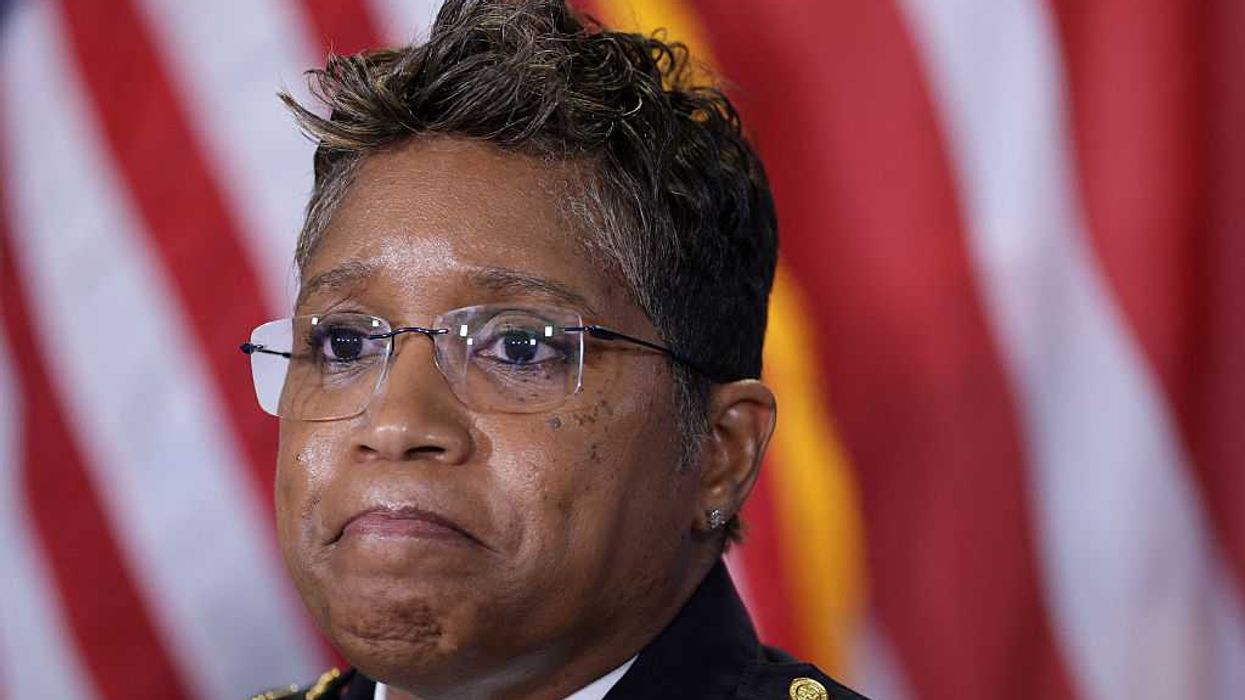
Resigning Metropolitan Police Department Chief Pamela Smith deliberately manipulated Washington, D.C., crime data to appear lower, according to a new report.
The House Committee on Oversight and Government Reform’s majority staff released an interim report on Sunday as part of its ongoing investigation into allegations that MPD leadership pressured commanders to alter crime stats. The committee launched the probe into the department in August.
‘Chief Smith should resign today.’
After interviewing seven acting MPD commanders and one suspended MPD commander, the committee found that the department’s leadership placed “a higher priority on suppressing public reporting of crime statistics than stopping crime itself.”
The commanders allegedly told lawmakers that “they were not only pressured, but also instructed, to lower crime classifications to lesser intermediate offenses in such a way that those offenses would not be included in the [daily crime report] reported to the public.”
Smith allegedly created a “toxic management culture” that propagated a “culture of fear, intimidation, threats, and retaliation,” the report read.
Lawmakers concluded that the MPD’s crime data remains at risk of manipulation despite Smith’s recent resignation announcement.
RELATED: Whistleblower alleges widespread manipulation of DC crime stats, fueling Oversight Committee probe
 James Comer. Photo by Kevin Dietsch/Getty Images
“Every single person who lives, works, or visits the District of Columbia deserves a safe city, yet it’s now clear the American people were deliberately kept in the dark about the true crime rates in our nation’s capital,” stated committee Chairman Rep. James Comer (R-Ky.). “Testimony from experienced and courageous MPD commanders has exposed the truth: Chief Pamela Smith coerced staff to report artificially low crime data and cultivated a culture of fear to achieve her agenda. Chief Smith’s decision to mislead the public by manipulating crime statistics is dangerous and undermines trust in both local leadership and law enforcement.”
“Her planned resignation at the end of the month should not be seen as a voluntary choice, but as an inevitable consequence that should have occurred much earlier. Chief Smith should resign today,” Comer added.
Former Police Commander Michael Pulliam was placed on administrative leave in May and later suspended after he was accused of manipulating crime data. Smith stated at the time that the department was committed to immediately addressing “any irregularity in crime data.”
“Any allegation of this behavior will be dealt with through our internal processes, which will ensure those members are held accountable,” she declared.
RELATED: DC police commander under investigation for allegedly manipulating crime stats
 Photo by Andrew Harnik/Getty Images
However, Smith announced her resignation last week, effective December 31. While she did not give a reason for her departure, some critics questioned the timing amid the ongoing allegations against her and the department.
These allegations against the department and its leadership emerged amid President Donald Trump’s warning that his administration would take over D.C. if its leaders failed to address the area’s crime crisis.
The MPD did not respond to a request for comment.
Like Blaze News? Bypass the censors, sign up for our newsletters, and get stories like this direct to your inbox. Sign up here!
FBI stops radical pro-Palestinian New Year’s Eve terror plot: Report
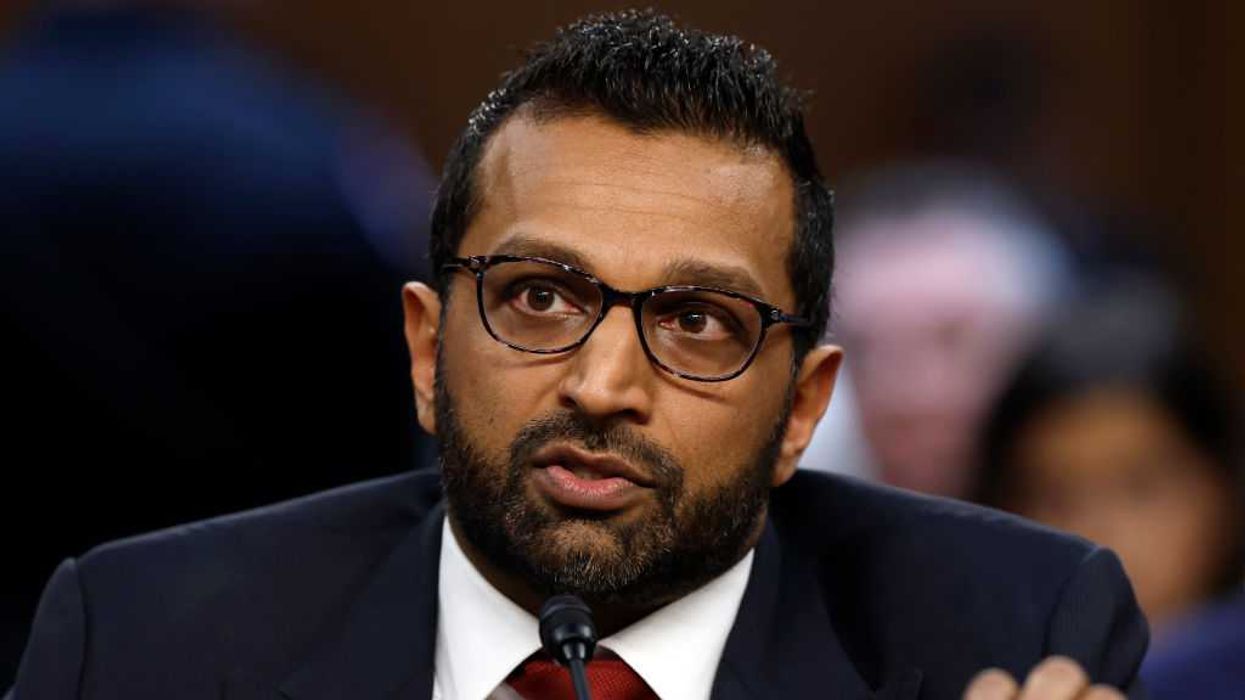
Federal authorities reportedly disrupted a New Year’s Eve terror plot by arresting several alleged members of a pro-Palestinian extremist group.
The FBI told Fox News Digital that the bureau captured four alleged members of an extremist subgroup of the Turtle Island Liberation Front.
‘The group also planned to target ICE agents and vehicles.’
FBI Director Kash Patel described the arrested individuals as members of “a radical offshoot” that is “motivated by pro-Palestinian, anti-law-enforcement, and anti-government ideology.”
According to Patel, the suspects were planning coordinated improvised-explosive-device attacks on New Year’s Eve at five locations across Los Angeles, California.
Federal agents arrested the suspects in Lucerne Valley, where they were allegedly preparing to test explosive devices ahead of the attack, Fox News Digital reported.
The arrested individuals were charged with conspiracy and possession of a destructive device.
 Photo by Chip Somodevilla/Getty Images
Patel announced that FBI New Orleans arrested a fifth individual believed to be tied to the subgroup who was also allegedly planning a separate attack.
The FBI director credited investigators and law enforcement partners for saving “countless lives.”
FBI Los Angeles is expected to hold a press conference on Monday to provide additional details to the public.
RELATED: How Trump can dismantle far-left extremist networks
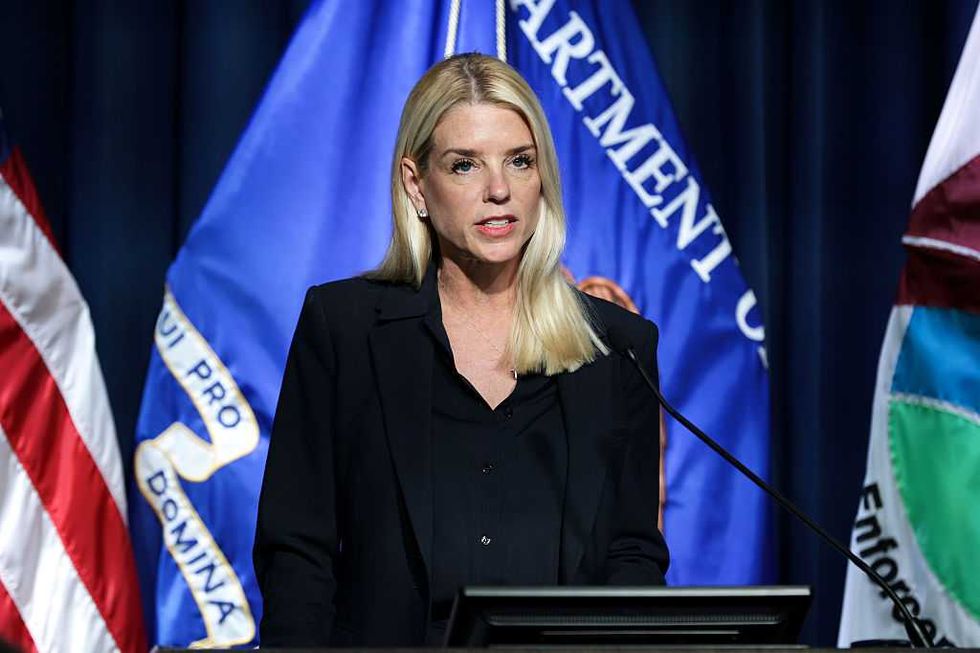 Pam Bondi. Photo by Alex Wong/Getty Images
“After an intense investigation, the Department of Justice, working with our @FBI, prevented what would have been a massive and horrific terror plot in the Central District of California (Orange County and Los Angeles),” Attorney General Pam Bondi stated. “The Turtle Island Liberation Front — a far-left, pro-Palestine, anti-government, and anti-capitalist group — was preparing to conduct a series of bombings against multiple targets in California beginning on New Year’s Eve. The group also planned to target ICE agents and vehicles.”
“PROTECT THE HOMELAND and CRUSH VIOLENT CRIME. These words are not slogans, they’re the investigative pillars of this FBI,” FBI Deputy Director Dan Bongino said.
“Thank you to our dedicated law enforcement and DOJ partners for the collaborative effort. God bless America, and all those who defend Her [sic].”
Like Blaze News? Bypass the censors, sign up for our newsletters, and get stories like this direct to your inbox. Sign up here!
Trial for Milwaukee judge accused of helping illegal alien evade ICE set to begin
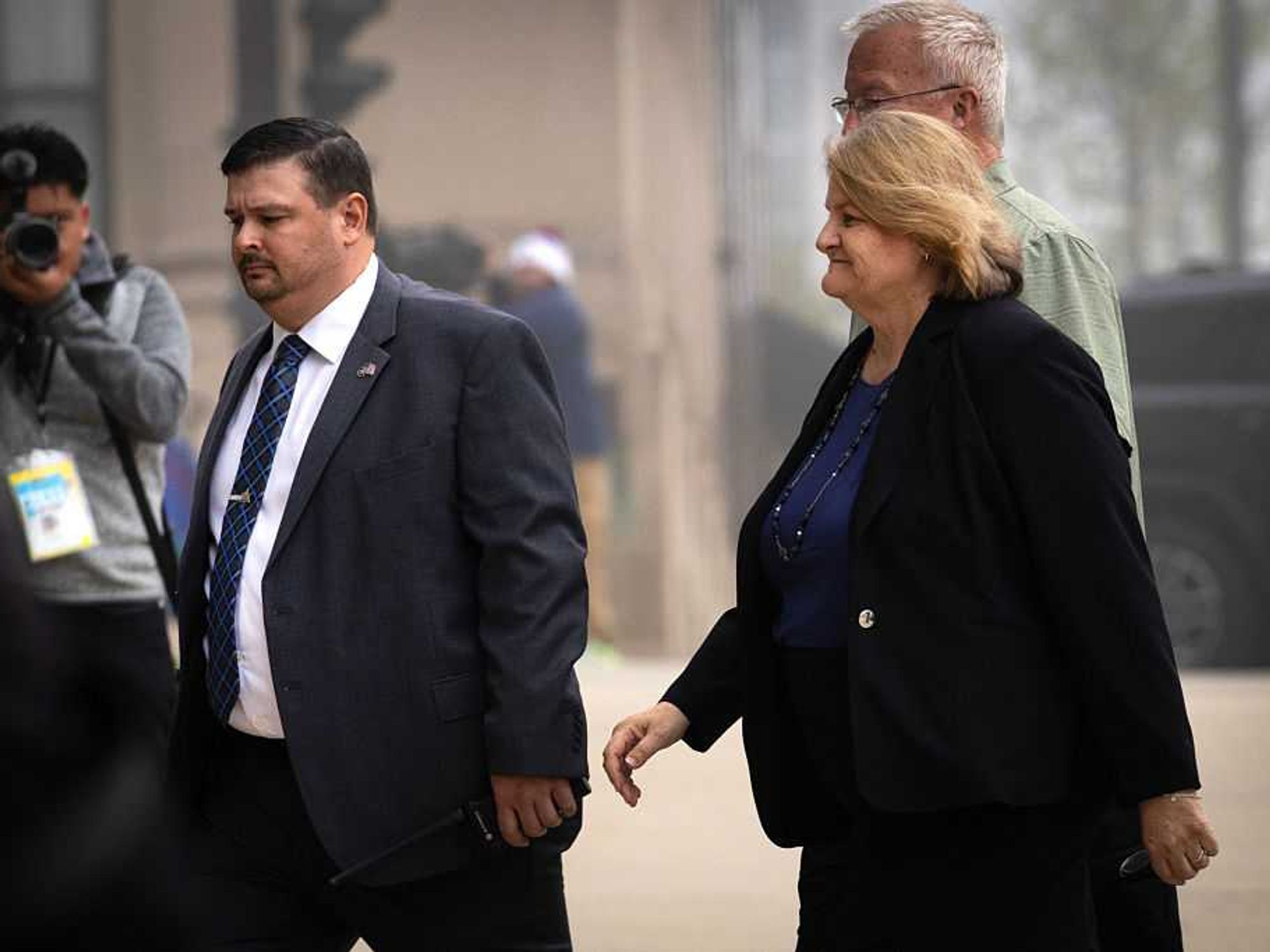
The trial for a sitting Wisconsin judge is set to begin after she allegedly helped an illegal alien avoid ICE arrest in April.
Milwaukee County Circuit Judge Hannah Dugan’s trial will begin Monday. Dugan is charged with obstruction of federal proceedings and concealing a person from arrest in connection with Eduardo Flores-Ruiz, an illegal alien who later pled guilty to re-entering the U.S. and no contest to one count of battery.
According to court filings, Dugan became ‘visibly angry’ when she learned about ICE’s presence, Reuters reported.
According to the Associated Press, the trial will begin with opening statements from the defense and prosecution as well as testimony from the prosecution’s first witness. The prosecution’s case will likely span most of the week, with around two dozen witnesses ready to take the stand.
Dugan faces up to six years in prison if convicted of both charges.
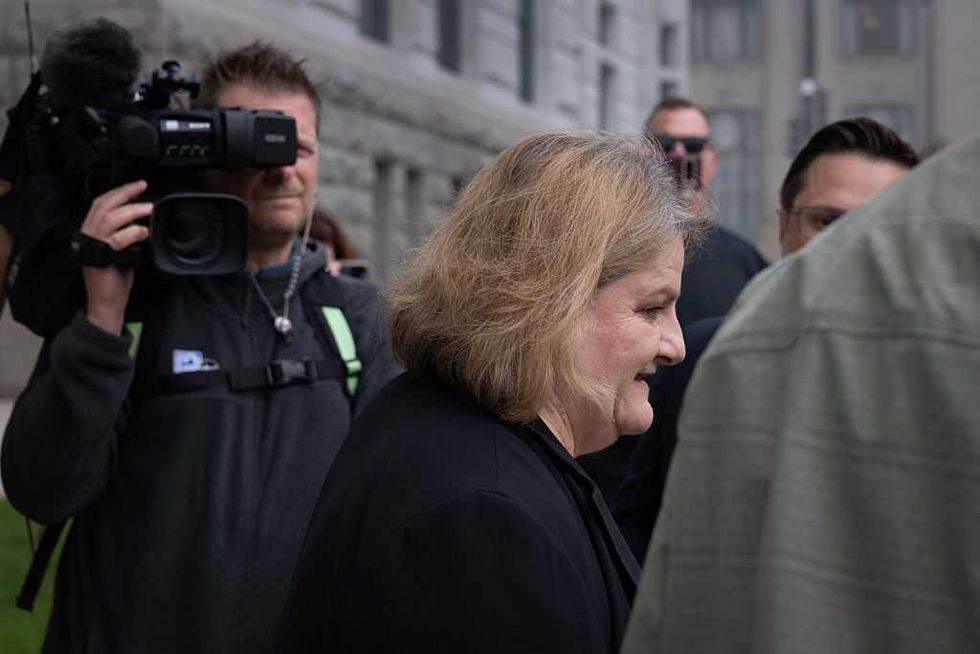 Photo by Scott Olson/Getty Images
Dugan is accused of assisting Flores-Ruiz in evading Immigration and Customs Enforcement agents upon learning that they were waiting outside her courtroom to arrest him.
According to court filings, Dugan became “visibly angry” when she learned about ICE’s presence, Reuters reported. She also falsely told law enforcement that they needed a judicial warrant to carry out an arrest, according to the prosecution.
Flores-Ruiz was allegedly shown a side door through which he fled the scene. He was apprehended by ICE agents outside the courthouse after a short foot race.
Dugan lost a bid to dismiss the charges against her in August. U.S. District Judge Lynn Adelman rejected the argument that she was acting in her official capacity as a judge, ruling that “there is no firmly established judicial immunity barring criminal prosecution of judges for judicial acts.”
Like Blaze News? Bypass the censors, sign up for our newsletters, and get stories like this direct to your inbox. Sign up here!
Fire ignites near DC runway, forcing United plane to make emergency landing
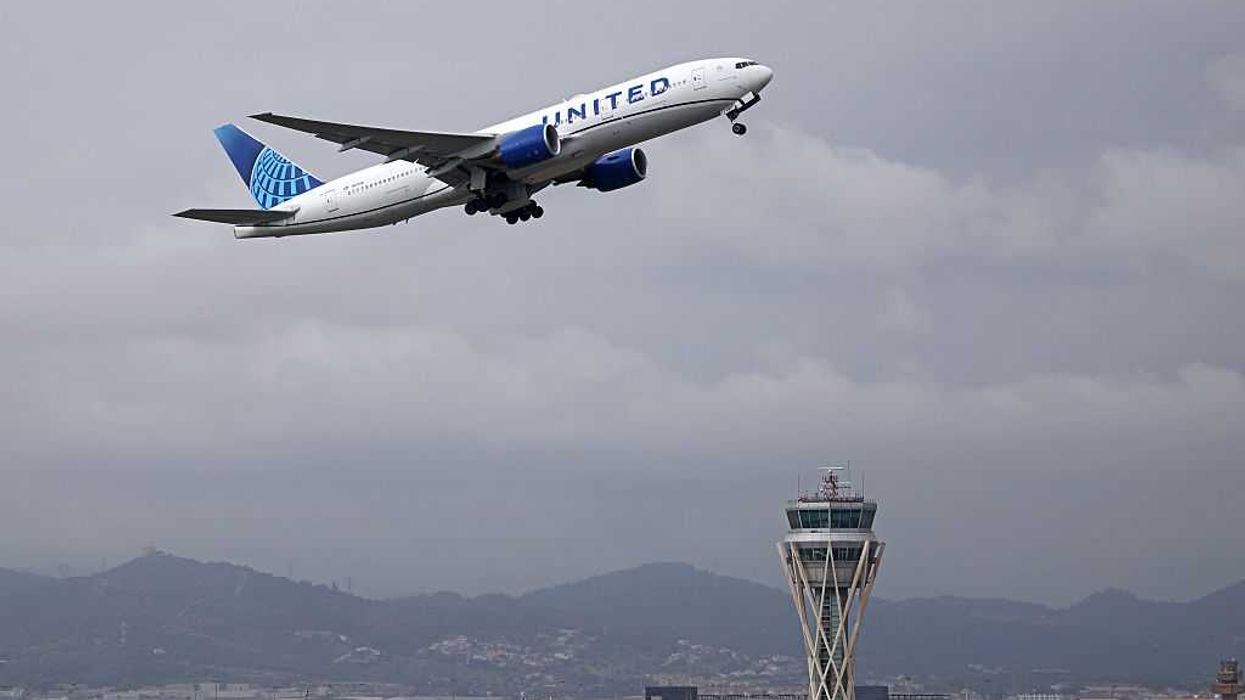
A United Airlines flight from Washington, D.C., to Tokyo made an emergency landing following an engine failure on Saturday afternoon.
The United Airlines Boeing 777-200ER landed at Washington Dulles International Airport shortly after taking off for Tokyo. During takeoff, the plane started a brush fire near the runway, according to AeroXplorer.
‘United is grateful to our crews and to the teams at Washington Dulles for their quick work to help ensure the safety of everyone involved.’
Multiple spokespersons explained that the plane experienced a loss of power in one engine shortly after takeoff, AeroXplorer reported. This loss of power reportedly caused a discharge that ignited the brush fire.
No injuries were reported among the 275 passengers and 15 crew members.
Emily McGee, the Metropolitan Washington Airports Authority spokesperson, said, “The fire was extinguished and the flight returned to Dulles, landing safely at about 1:30 p.m. when it was checked by airport fire responders.”
RELATED: Video shows Japan Airlines plane collide into Delta airplane at Seattle-Tacoma International Airport
 Photo by Joan Valls/Urbanandsport/NurPhoto via Getty Images
United Airlines hailed the preparedness of the crew, which ensured the safe return of the flight.
“Shortly after takeoff, United flight 803 returned to Washington Dulles and landed safely to address the loss of power in one engine. There were no reported injuries. We’ve temporarily closed a United Club lounge at Dulles to help assist our customers and work to get them to their destinations. United is grateful to our crews and to the teams at Washington Dulles for their quick work to help ensure the safety of everyone involved,” a United Airlines spokesperson said at the time.
Like Blaze News? Bypass the censors, sign up for our newsletters, and get stories like this direct to your inbox. Sign up here!
‘The voices in her head are not real’: Senator Kennedy issues a hilarious rebuke of Jasmine Crockett
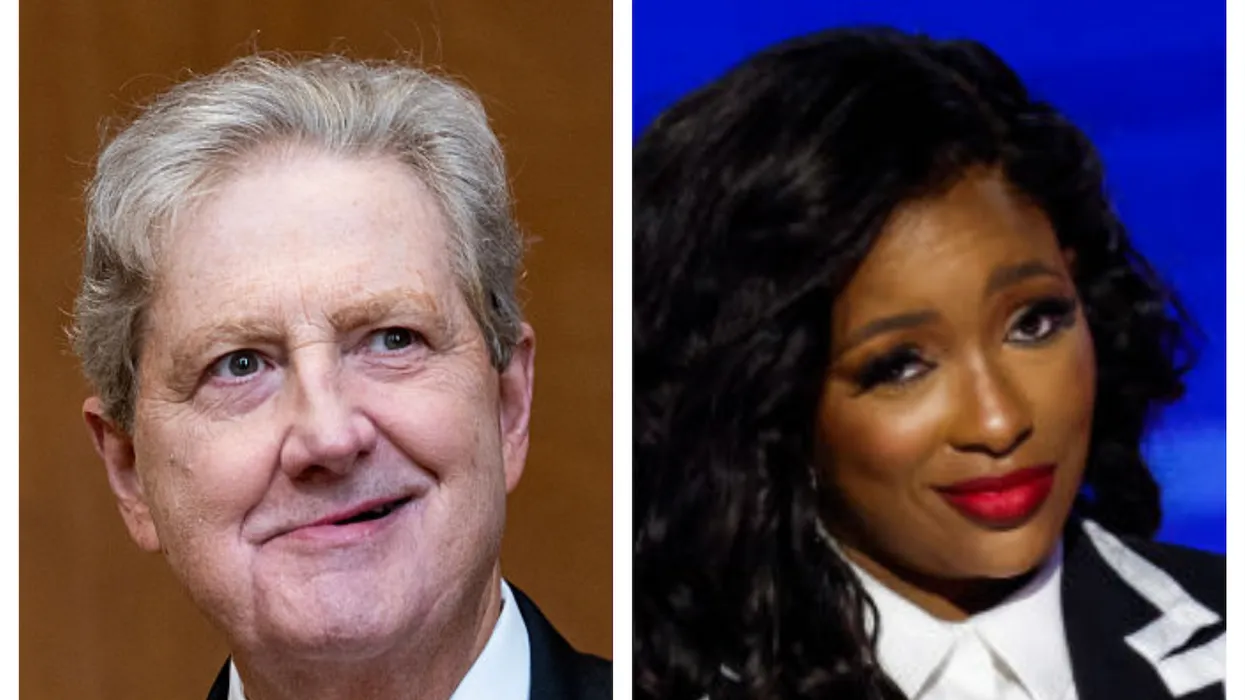
In response to Texas Rep. Jasmine Crockett’s newly launched Senate run, Republican Sen. John Kennedy of Louisiana offered a lighthearted analysis of the Democrat’s rising star.
Crockett announced her highly anticipated Senate bid in early December after her Democratic colleague Colin Allred opted to run for a House seat instead. Crockett is now expected to face off with Texas state Rep. James Talarico (D) in a contentious primary ahead of the 2026 election.
‘She is wrong on every single issue.’
Although Democrats have embraced Crockett as an up-and-coming political leader, Kennedy offered some much-needed advice about the Senate race to his colleagues across the aisle.
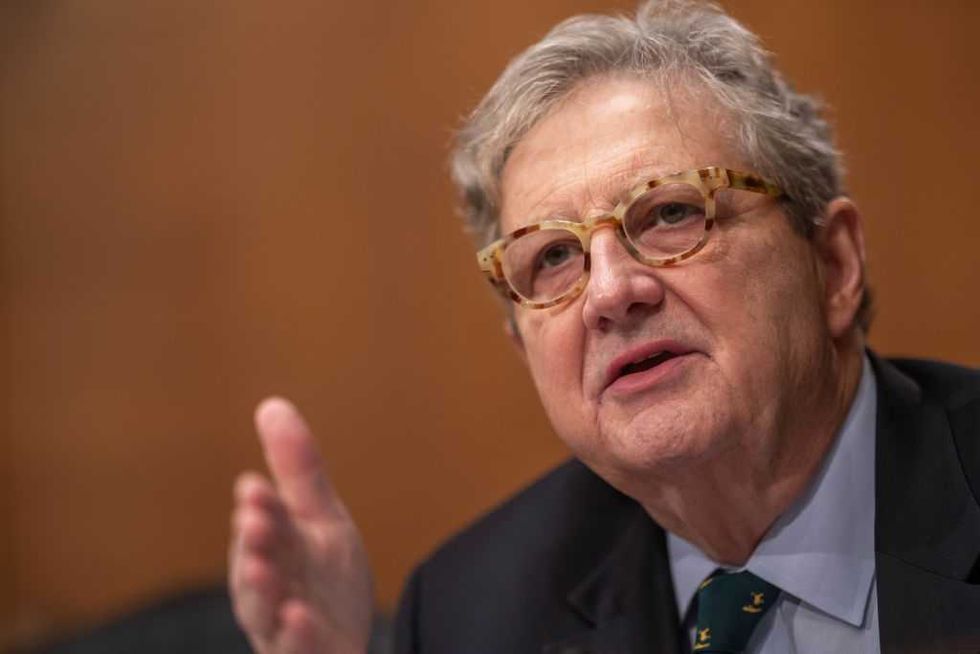
“We all have the right to express our opinion,” Kennedy said. “You’re not free if you can’t say what you think, and the congresswoman has a right to her opinion.”
 Nathan Howard/Bloomberg via Getty Images
“But I have the right to mine,” Kennedy added. “And somebody needs to tell the congresswoman, it will be in her best interest, they need to tell her that the voices in her head are not real.”
Kennedy pointed out that Crockett’s progressive policies combined with her many, many questionable comments will not bode well in a red state like Texas.
“She is wrong on every single issue,” Kennedy said. “The people of Texas will never embrace her message. I don’t know why she’s doing this, but you have the right in America to do dumb things if you want to.”
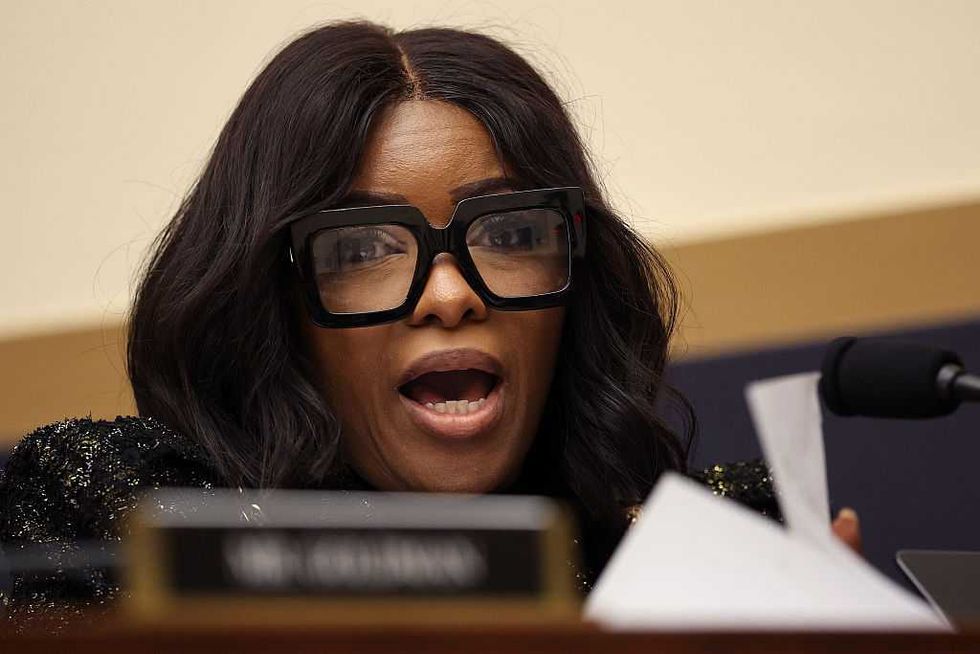 Photo by Win McNamee/Getty Images
To Republicans’ delight, Crockett actually has a shot at winning the Democratic primary. One poll has Crockett ahead of Talarico, a more moderate Democrat, by eight points. Although she is projected to sweep the competition on the Democrat side, her poll numbers against Republican challengers make a GOP victory in 2026 look promising.
Republican Sen. John Cornyn of Texas, the incumbent in the race, is polling a comfortable six points ahead of Crockett. This margin narrows against Republican challenger Ken Paxton, who is currently projected to have just a two-point advantage.
Like Blaze News? Bypass the censors, sign up for our newsletters, and get stories like this direct to your inbox. Sign up here!





