

Category: Blaze Media
‘GAVIN’S INCOMPETENT’: Trump Trashes Newsom in Exclusive Interview, ‘Amazed’ He Wants to Be POTUS

Trump trashes Newsom in latest NYP exclusive.
Potential 2028 Democratic Hopeful JB Pritzker Joins Squad Radicals in Call To Abolish ICE
A growing list of elected Democrats has begun calling to abolish ICE, a move reminiscent of the party’s rapid embrace of the Defund the Police movement in 2020.
The post Potential 2028 Democratic Hopeful JB Pritzker Joins Squad Radicals in Call To Abolish ICE appeared first on .

Minneapolis Hotel Smashed by Anti-ICE Rioters Was on Soros-Funded Group’s Target List
The Minneapolis hotel smashed up overnight by anti-ICE rioters was on a target list created by the Twin Cities chapter of Sunrise Movement, a radical group funded by some of the country’s most prominent nonprofit organizations, including George Soros’s Open Society Foundations, the Ford Foundation, and the MacArthur Foundation.
The post Minneapolis Hotel Smashed by Anti-ICE Rioters Was on Soros-Funded Group’s Target List appeared first on .
Glenn Beck goes SCORCHED-EARTH on church protest ringleader after his ‘come and get me’ taunt to Pam Bondi
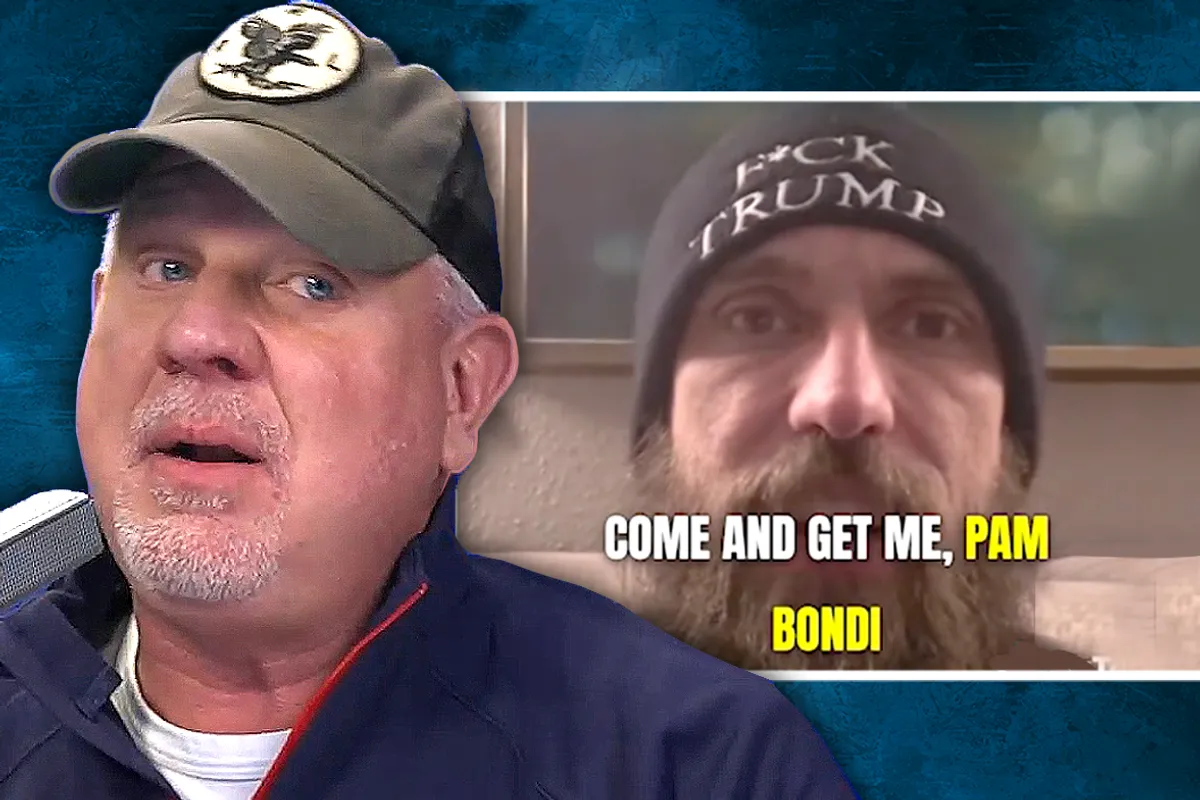
Last week, anti-ICE agitator and left-wing activist William Kelly, also known as “DaWokeFarmer” on social media, was arrested by the FBI and charged with obstruction, conspiracy to deprive rights, and violating the FACE Act for his role in invading Cities Church during a worship service as part of an anti-ICE protest on January 18 in St. Paul, Minnesota.
Shortly following the demonstration, Kelly took to social media and posted a profanity-laden video challenging Attorney General Pam Bondi to arrest him.
“Yesterday, I went into a church with Nekima Armstrong, and I protested these white supremacists. The pastor of the church is a f**king ICE leader in the city. How can you be a f**king pastor and be a f**king ICE agent? F**k ’em,” Kelly railed, donning a “F**K TRUMP” beanie.
“They want to come after me. F**k ’em. How can they live so comfortably while the f**king people from Somalia that are in this country legally that have f**king citizenship can’t even go to their mosque and pray? How do they deserve any f**king different? F**k those f**king Nazis. Come and get me, Pam Bondi, you f**king traitorous bitch. F**k, all power to the people,” he continued.
To Kelly’s expletive-filled video, Bondi humorously replied, “OK,” before arresting him just days later.
When Glenn Beck saw the footage, he was appalled by Kelly’s delusional rant.
“Hey, farm boy,” he taunts, “the policies that you’re pushing for right now, let me ask you: How’d they work out for the farmers in the Soviet Union? How’d they work out for the farmers in Ukraine? How’d they work out for the farmers in China?”
When it comes to “these policies that you’re so in love with … you know who loses their farms right away? The stupid farmer like you!”
On this episode of “The Glenn Beck Program,” Glenn responds to “DaWokeFarmer” with a truth bomb so savage, you’ll feel the heat through your screen.
In communist regimes like the one Kelly advocates for in the U.S., farmers are some of the first to be targeted, Glenn points out.
“They take people like you, and they shoot them. And then they take dummies like you who know nothing about farming and say, ‘Hey, now you go farm.’ … And then everybody starts to starve, and then the government comes back and says, ‘You’re part of the problem too.’ And they take those people and shoot them. … And it just, lather, rinse, repeat,” he excoriates, denouncing Kelly as a “moron.”
Glenn then pleads with Kelly to send him the “list of Somali citizens that are citizens who have done nothing wrong.”
If such a list exists, he vows to “stand with” Kelly — but, of course, no such list exists.
“How do I know? Because if you had that evidence, it would be all over ABC, NBC, and CBS. It’d be everywhere. But I don’t see that,” Glenn says. “I just see people like you using the F-word, wearing a hat with the F-word … saying they’re coming and they’re arresting innocent people.”
The truth is, in the first year of the Trump administration, ICE has arrested only two Somali-American citizens.
“One was released a couple of hours into it. The other one, they didn’t sort it out until the next day, but they were immediately released once the problem was found,” Glenn says.
“These victims are all made-up people,” he says.
The fact that these protesters are still so concentrated on Renee Good — the 37-year old woman who was lethally shot after she struck an ICE officer with her vehicle while deliberately impeding a federal immigration operation — is proof that there isn’t a genuine victim list, Glenn says. Otherwise they wouldn’t need Good to be their convenience linchpin.
“They know they have nothing,” he concludes.
To hear more of his epic rant, watch the video above.
Want more from Glenn Beck?
To enjoy more of Glenn’s masterful storytelling, thought-provoking analysis, and uncanny ability to make sense of the chaos, subscribe to BlazeTV — the largest multi-platform network of voices who love America, defend the Constitution, and live the American dream.
Minneapolis Mayor Frey outlines deal reached with Trump on Operation Metro Surge: ‘The president agreed’
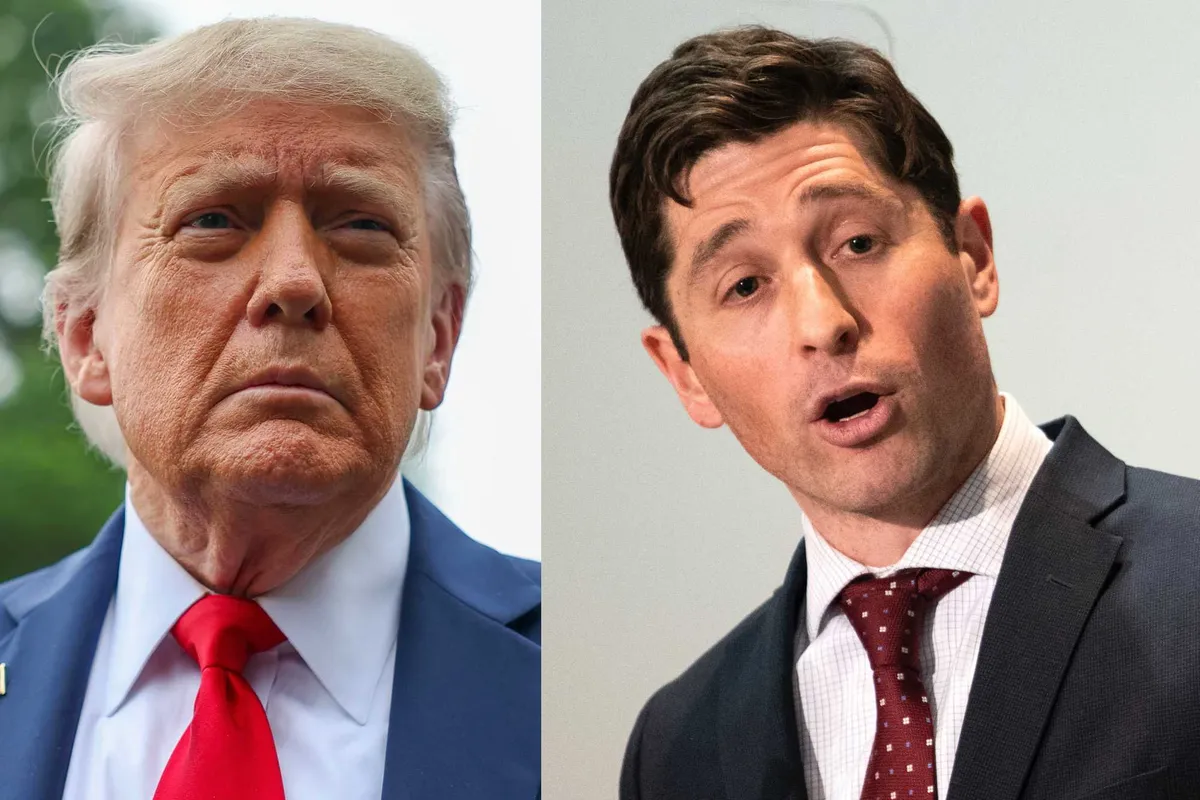
President Donald Trump and Democratic Minneapolis Mayor Jacob Frey apparently agreed on de-escalating the situation that led to the lethal shooting of an anti-ICE protester.
The president said on social media that he had spoken via phone with Minnesota Gov. Tim Walz (D), before adding that he had a positive phone call with Frey as well.
‘Violent criminals should be held accountable based on the crimes they commit, not based on where they are from.’
“I just had a very good telephone conversation with Mayor Jacob Frey, of Minneapolis,” Trump said.
“Lots of progress is being made!” he added. “[Border czar] Tom Homan will be meeting with him tomorrow in order to continue the discussion.”
Frey posted about the call on his account soon after.
“I spoke with President Trump today and appreciated the conversation. I expressed how much Minneapolis has benefited from our immigrant communities and was clear that my main ask is that Operation Metro Surge needs to end. The president agreed the present situation can’t continue,” the mayor said.
“Some federal agents will begin leaving the area tomorrow, and I will continue pushing for the rest involved in this operation to go,” he added.
Frey could be referring to reports that top Border Patrol official Gregory Bovino and some other agents agreed to leave Minneapolis.
The mayor went on to say that the city would continue to cooperate with federal investigations but not with “unconstitutional arrests of our neighbors” or to help enforce federal immigration law.
“Violent criminals should be held accountable based on the crimes they commit, not based on where they are from,” he added.
“I will continue working with all levels of government to keep our communities safe, keep crime down, and put Minneapolis residents first,” he continued.
Anti-ICE protester Alex Pretti was shot and killed during a scuffle with federal immigration agents when he tried to interfere with an operation on Saturday. Pretti was carrying a firearm at the time, but one agent grabbed it away from him before shots rang out.
Democrats responded to the incident by demanding that all of the federal troops be pulled out of the state.
“Minnesota has had it. This is sickening,” Walz replied. “The President must end this operation. Pull the thousands of violent, untrained officers out of Minnesota. Now.”
Like Blaze News? Bypass the censors, sign up for our newsletters, and get stories like this direct to your inbox. Sign up here!
Ilhan Omar accuses Trump of ulterior motive for ICE raids — and JD Vance shuts her down
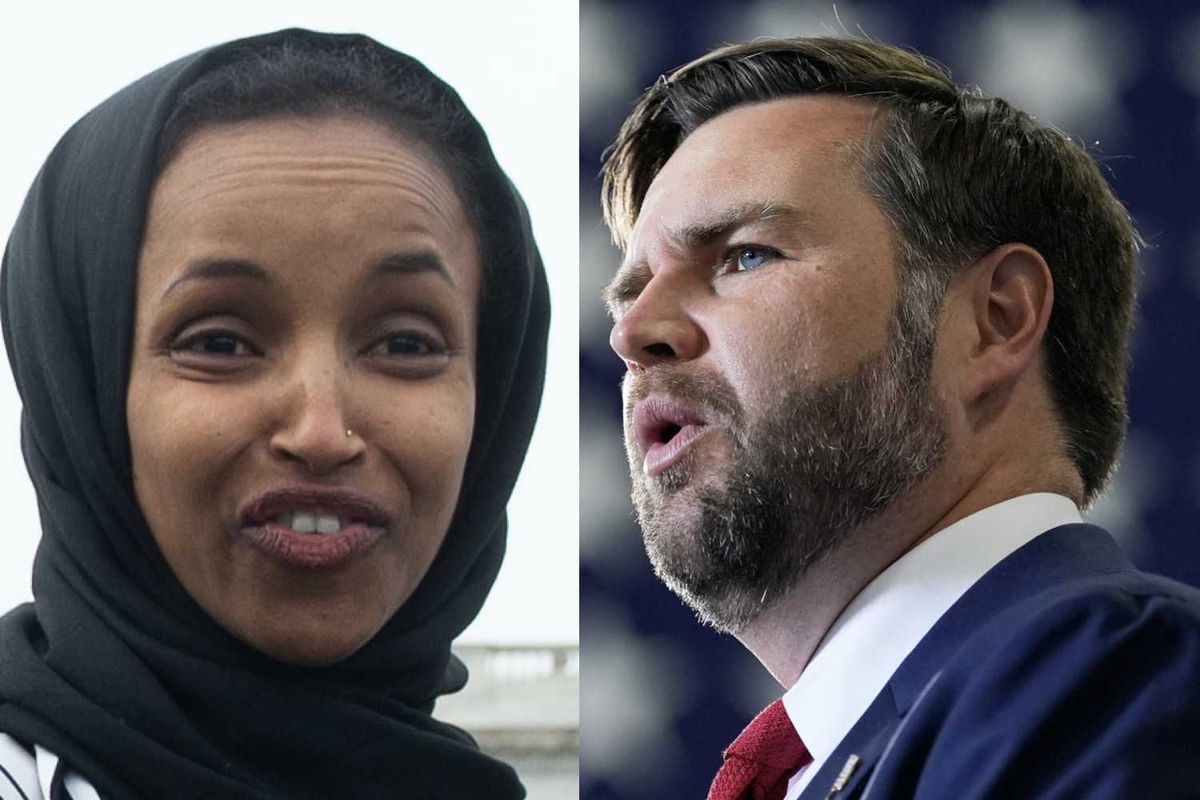
Democratic Rep. Ilhan Omar of Minnesota claimed that President Donald Trump’s true aim with the surge in Minnesota had to do with rigging elections, and Vice President JD Vance issued a brutal rebuke.
Omar said that Trump was trying to gain possession of voter rolls in order to rig the upcoming midterm election that could stall the president’s agenda for the rest of his term.
‘This was never about immigration or fraud.’
“‘ICE will leave Minnesota if you hand over your voter rolls’ tells you everything you need to know. This was never about immigration or fraud. It was always about rigging elections,” Omar posted on social media.
She was referring to reports that U.S. Attorney General Pam Bondi had included in her demands from the state the requirement that they hand over voter rolls. Minnesota Secretary of State Steve Simon responded on Sunday with an unequivocal “no.”
Vance reposted Omar’s message and offered a satirical translation of what she really meant, according to his estimation.
“‘We really want illegal aliens to vote in elections and will riot to ensure that it is so,'” he posted.
Trump said Monday that he had a phone call with Minneapolis Mayor Jacob Frey (D), and the mayor laid out the agreements they made. He said that some of the federal agents would leave Minneapolis and that he would continue to seek for all of them to leave.
The White House said that border czar Tom Homan would be sent to Minneapolis to look over the operations after Border Patrol Chief Gregory Bovino agreed to leave the city.
Democrats have begun publicly voicing a plan to block a bill to fund Immigration and Customs Enforcement in order to oppose the president’s mass deportation policies. If they are unable to reach a compromise, it may result in a partial government shutdown.
“Government funding expires at the end of the week, and Republicans are determined to not have another government shutdown,” said a Senate Republican spokesperson about the disagreement. “We will move forward as planned and hope Democrats can find a path forward to join us.”
Like Blaze News? Bypass the censors, sign up for our newsletters, and get stories like this direct to your inbox. Sign up here!
College Football: CFP Punts on Expansion in 2026
As the Indiana Hoosiers are still trying to figure out where to display their most unlikely but well-deserved national championship…
Empowering Patients in a Broken System
President Trump reentered the healthcare debate with The Great Healthcare Plan (GHP), as families confront another year of rising insurance costs. After…
From Outrage to Agreement: Trump’s Greenland Gambit
Last week this column chastised President Trump for demanding ownership of Greenland and for threatening tariffs on any nation —…
Newt Gingrich Proposes Ways For Trump To Enforce Immigration Law And Still Keep Public Trust
‘more training, a little more restraint’





