Category: Pharmacy benefit managers
As legislative season begins, lawmakers should be careful about PBM ‘reform’

As state lawmakers begin to return to office this week, a number of issues will be clamoring for their attention. One of the most important — but perhaps overlooked due to its technical and less attention-grabbing nature — is pharmacy benefit manager reform.
Reform-minded leaders should work with PBMs, leveraging their market power to achieve lower costs for consumers.
Last year, Arkansas became the first state in the nation to ban PBMs, and other states heavily regulated the industry. These efforts are expected to continue in 2026, even as courts raise constitutional questions about the Arkansas law and regulations in Iowa.
I’m a health care broker, so I know PBMs pretty well. They’re easy targets because of the complex process by which they work, as well as the pharmaceutical industry’s years-long campaign to put blame for drug pricing on the industry.
At its core, PBMs’ basic function is straightforward. Because they represent hundreds of thousands or even millions of patients who cannot negotiate with drugmakers on their own, PBMs are able to use their size as leverage to push for lower prices. When the big players reject a high price, a manufacturer has to decide whether it wants to lose access to those patients.
That negotiating leverage also keeps drugmakers from unilaterally dictating the cost of medications, from commonly used drugs like insulin to newer medications like Zepbound and Wegovy. For example, companies gave consumers a New Year’s present of increasing prices for 350 products — but the final costs to patients won’t be known until PBMs have their say.
U.S. health care pricing can be confusing, with even seasoned observers getting lost amid the jargon of rebates, formularies, and spread pricing. Critics often accuse PBMs of adding unnecessary layers of administrative cost or of exaggerating savings. Some of these concerns are legitimate, and the industry’s lack of transparency makes it easy for critics to portray PBMs as the villains keeping patients from being able to afford the medications they need.
But this criticism is better leveled at the drugmakers. They often insist they cannot lower prices because of research costs or regulatory burdens. Yet when Eli Lilly, the first trillion-dollar drug company, found itself boxed out of the CVS network, it suddenly found a way to make its products available more cheaply.
On December 1, drugmaker Eli Lilly cut the consumer cost of its popular weight-loss injection Zepbound, bringing its prices in line with competitor Novo Nordisk’s popular and recently reduced drug Wegovy.
Lilly’s move should be instructive for state and federal lawmakers because it came after Novo Nordisk agreed to lower prices of Wegovy under pressure from pharmacy giant CVS. CVS — through its PBM division, CVS Caremark — had initially tried to negotiate with Lilly, but the drugmaker refused to budge on its pricing, leading CVS Caremark to stop offering Zepbound to clients. But once Novo Nordisk agreed to reduce the price of Wegovy, Eli Lilly suddenly changed its tune.
RELATED: Taxpayers are funding California’s Medicaid shell game
 Photo by Justin Sullivan/Getty Images
Lawmakers looking to reduce prescription drug prices should take note.
Like all industries, PBMs have their flaws, but this case showed CVS forcing a needed price correction. And it should be front of mind for lawmakers who, yes, should insist on greater PBM transparency, but also must be aware of both the constitutional limitations on so-called “reforms” and how overregulating PBMs will impact constituents’ drug prices.
As lawmakers look for solutions to Americans’ record-high health care costs, they should realize that any cost-reduction effort must include prescriptions — and that means working with PBMs. Reform-minded leaders should work with PBMs, leveraging their market power to achieve lower costs for consumers while insisting on price transparency and other reforms that reinforce how PBMs are using fundamental market principles to keep drug companies from causing even more harm to Americans’ finances.
Your lawmakers’ big drug-price stunt could strand millions without meds
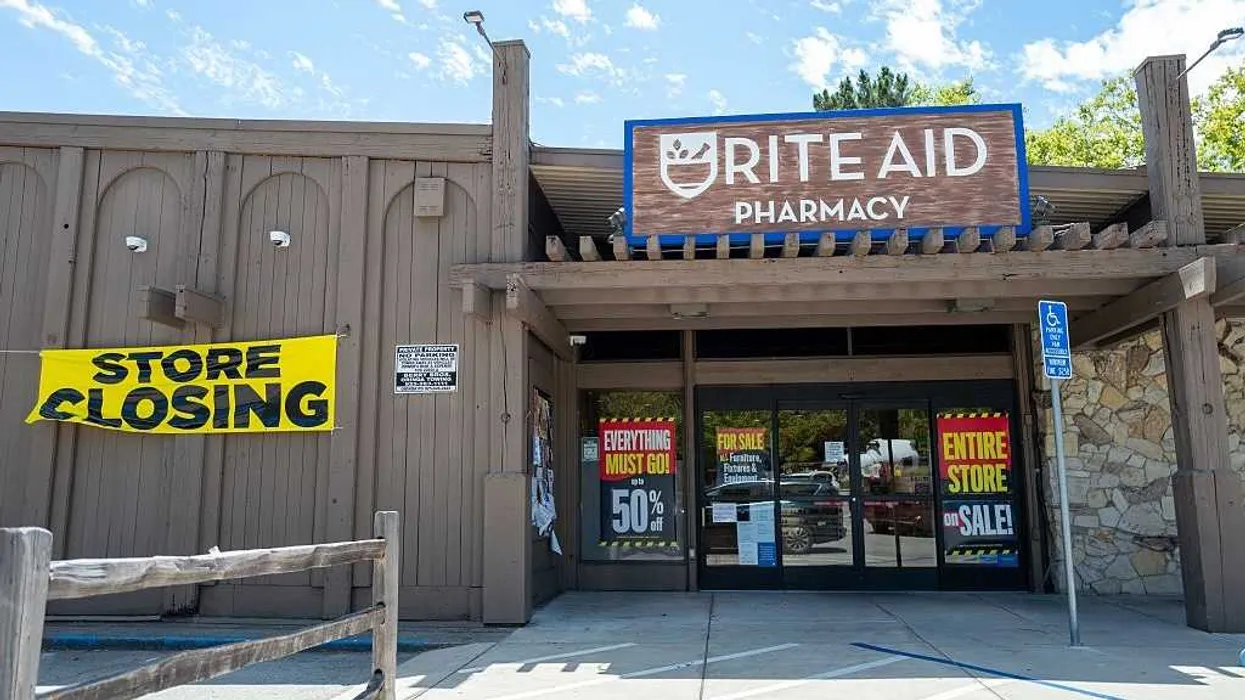
State lawmakers, desperate to address America’s sky-high drug prices, have turned their fire on pharmacy benefit managers. Their chosen tools — outright bans in Arkansas and suffocating regulations in Indiana — will not rein in drug costs. They will close pharmacies, however. And disabled Americans will feel the pain first and worst.
For millions of people living with disabilities or chronic illnesses, the neighborhood pharmacy isn’t just a place to pick up a prescription. It is a medical anchor — often the only dependable access point in a fragmented health care system.
Policy leaders must hold three truths at once: Drug prices are too high, access is too fragile, and for disabled Americans, both problems collide.
When states make it harder for pharmacies to operate, they aren’t tightening consumer protections. They are tightening a noose around the patients they claim to protect.
Proximity is key
Healthy, mobile adults can switch pharmacies with mild frustration. Disabled Americans can’t. They rely on stable, nearby pharmacy relationships to manage complex regimens, limited transportation, and conditions that make in-person care indispensable.
A person with epilepsy juggling multiple medications cannot suddenly travel to a pharmacy two towns over. A disabled veteran with hearing loss cannot sit on hold for an hour to fix a refill problem. A parent caring for a child with developmental disabilities needs a pharmacist who knows her family and can explain changes — especially potential interactions — face to face.
For disabled patients, proximity isn’t convenience. It is continuity, safety, and sometimes survival.
Long before I served as commissioner for the Administration on Disability at Health and Human Services, I was a teacher who learned that real service depends on presence. You must know the person in front of you. The same holds true in every field: the banker who helps you fix a missed payment, the pastor who walks beside his congregation. Their influence comes from relationship.
Pharmacists are no different. They cannot be replaced with apps, compliance checklists, or centralized call centers. Their work depends on knowing their patients — and being close enough to serve them.
What happens when pharmacies disappear?
Imagine telling a cancer patient he now needs to drive 20 miles for treatment because a state ban forced his local pharmacy to close.
Imagine telling a parent managing her child’s seizure medications that she must start over with a new pharmacy because the compliance burden became too much to stay open.
Imagine telling a stroke survivor who no longer drives that “it’s only a few minutes farther.” For many disabled Americans, a few minutes farther means losing independence — or tipping into crisis.
Pharmacies provide far more than prescriptions. They monitor complex drug regimens and catch dangerous interactions. They manage refills when cognitive disabilities make self-management difficult. They offer immediate, walk-in guidance when something feels wrong. They coordinate with doctors on sudden changes. And maybe most importantly, they provide calm, in-person clarity that no software platform can match.
Lawmakers say they want to help, but they are ignoring what disabled Americans need most: stable, nearby pharmacies that can remain open.
RELATED: The maligned and misunderstood player that Big Pharma wants gone
 Oleg Elkov via iStock/Getty Images
Access is a crisis
Drug prices in America are too high. Disabled Americans feel that burden more than anyone because they use more medications, more often, and for longer durations. Many rely on mail-order programs and already face delays and shortages.
So yes, policymakers should push for lower prices. They should demand transparency from pharmacy benefit managers so patients know what they are paying. They should pressure pharmaceutical companies to create pricing structures that serve consumers instead of shareholders.
But none of that will matter if the pharmacies disabled Americans depend on are regulated out of business.
Policy leaders must hold three truths at once: Drug prices are too high, access is too fragile, and for disabled Americans, both problems collide.
You cannot help vulnerable people by making their closest health care providers harder to reach. If states want to protect patients, they should create a regulatory environment where pharmacies can survive — and where the communities that depend on them can too.