

Category: Sharia law
Political Islam is playing the long game — America isn’t even playing
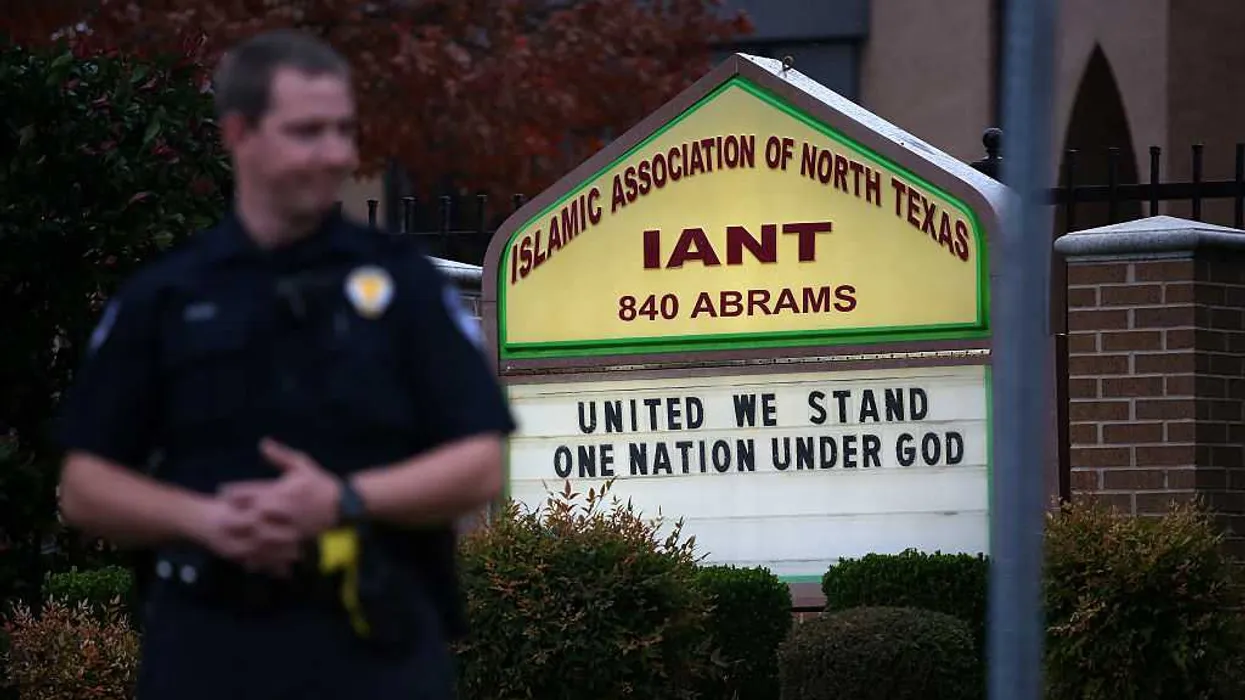
A political system completely incompatible with the Constitution is gaining ground in the United States, and we are pretending it is not happening.
Sharia — the legal and political framework of Islam — is being woven into developments, institutions, and neighborhoods, including a massive project in Texas. And the consequences will be enormous if we continue to look the other way.
This is the contradiction at the heart of political Islam: It claims universal authority while insisting its harshest rules will never be enforced here. That promise does not stand up to scrutiny. It never has.
Before we can have an honest debate, we’d better understand what Sharia represents. Sharia is not simply a set of religious rules about prayer or diet. It is a comprehensive legal and political structure that governs marriage, finance, criminal penalties, and civic life. It is a parallel system that claims supremacy wherever it takes hold.
This is where the distinction matters. Many Muslims in America want nothing to do with Sharia governance. They came here precisely because they lived under it. But political Islam — the movement that seeks to implement Sharia as law — is not the same as personal religious belief.
It is a political ideology with global ambitions, much like communism. Secretary of State Marco Rubio recently warned that Islamist movements do not seek peaceful coexistence with the West. They seek dominance. History backs him up.
How Sharia arrives
Political Islam does not begin with dramatic declarations. It starts quietly, through enclaves that operate by their own rules. That is why the development once called EPIC City — now rebranded as the Meadow — is so concerning. Early plans framed it as a Muslim-only community built around a mega-mosque and governed by Sharia-compliant financing. After state investigations were conducted, the branding changed, but the underlying intent remained the same.
Developers have openly described practices designed to keep non-Muslims out, using fees and ownership structures to create de facto religious exclusivity. This is not assimilation. It is the construction of a parallel society within a constitutional republic.
The warning from those who have lived under it
Years ago, local imams in Texas told me, without hesitation, that certain Sharia punishments “just work.” They spoke about cutting off hands for theft, stoning adulterers, and maintaining separate standards of testimony for men and women. They insisted it was logical and effective while insisting they would never attempt to implement it in Texas.
But when pressed, they could not explain why a system they consider divinely mandated would suddenly stop applying once someone crossed a border.
This is the contradiction at the heart of political Islam: It claims universal authority while insisting its harshest rules will never be enforced here. That promise does not stand up to scrutiny. It never has.
RELATED: The real danger isn’t immigration — it’s the refusal to become American
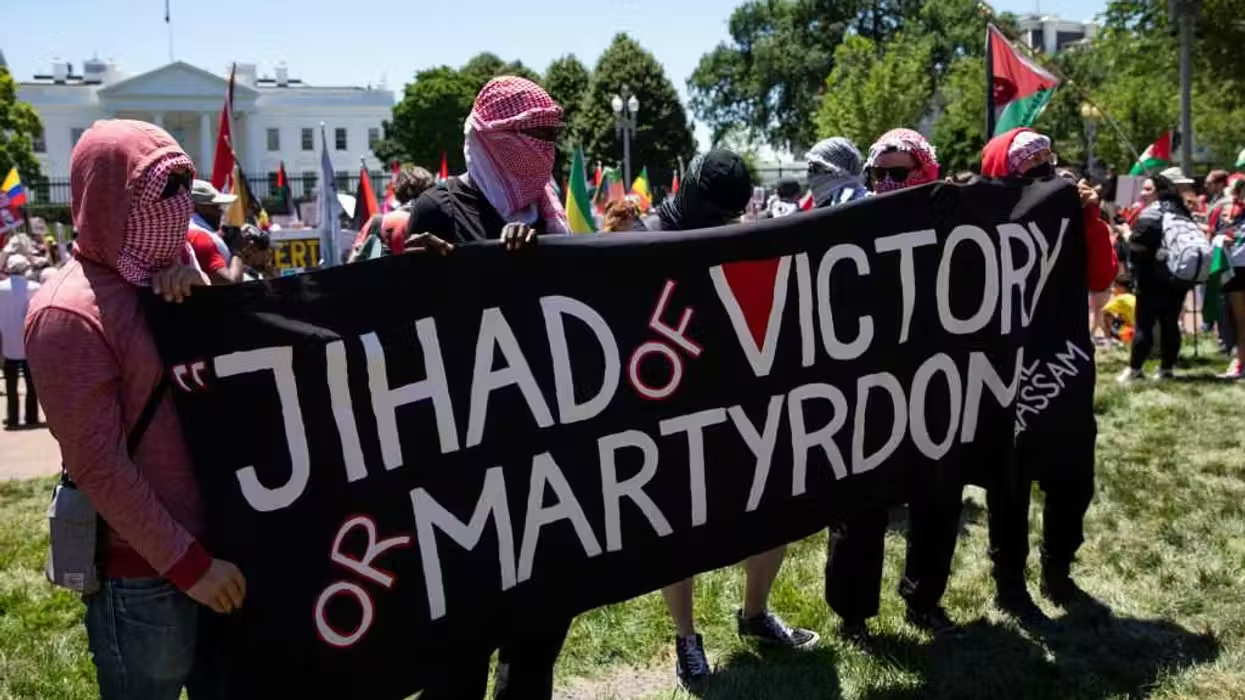 Photo by AASHISH KIPHAYET/Middle East Images/AFP via Getty Images
America is vulnerable
Europe is already showing us where this road leads. No-go zones, parallel courts, political intimidation, and clerics preaching supremacy have taken root across major cities.
America’s strength has always come from its melting pot, but assimilation requires boundaries. It requires insisting that the Constitution, not religious law, is the supreme authority on this soil.
Yet we are becoming complacent, even fearful, about saying so. We mistake silence for tolerance. We mistake avoidance for fairness. Meanwhile, political Islam views this hesitation as weakness.
Religious freedom is one of America’s greatest gifts. Muslims may worship freely here, as they should. But political Islam must not be permitted to plant a flag on American soil. The Constitution cannot coexist with a system that denies equal rights, restricts speech, subordinates women, and places clerical authority above civil law.
Wake up before it is too late
Projects like the Meadow are not isolated. They are test runs, footholds, proofs of concept. Political Islam operates with patience. It advances through demographic growth, legal ambiguity, and cultural hesitation — and it counts on Americans being too polite, too distracted, or too afraid to confront it.
We cannot afford that luxury. If we fail to defend the principles that make this country free, we will one day find ourselves asking how a parallel system gained power right in front of us. The answer will be simple: We looked away.
The time to draw boundaries and to speak honestly is now. The time to defend the Constitution as the supreme law of the land is now. Act while there is still time.
Want more from Glenn Beck? Get Glenn’s FREE email newsletter with his latest insights, top stories, show prep, and more delivered to your inbox.
How sharia law violates everything the founding fathers built
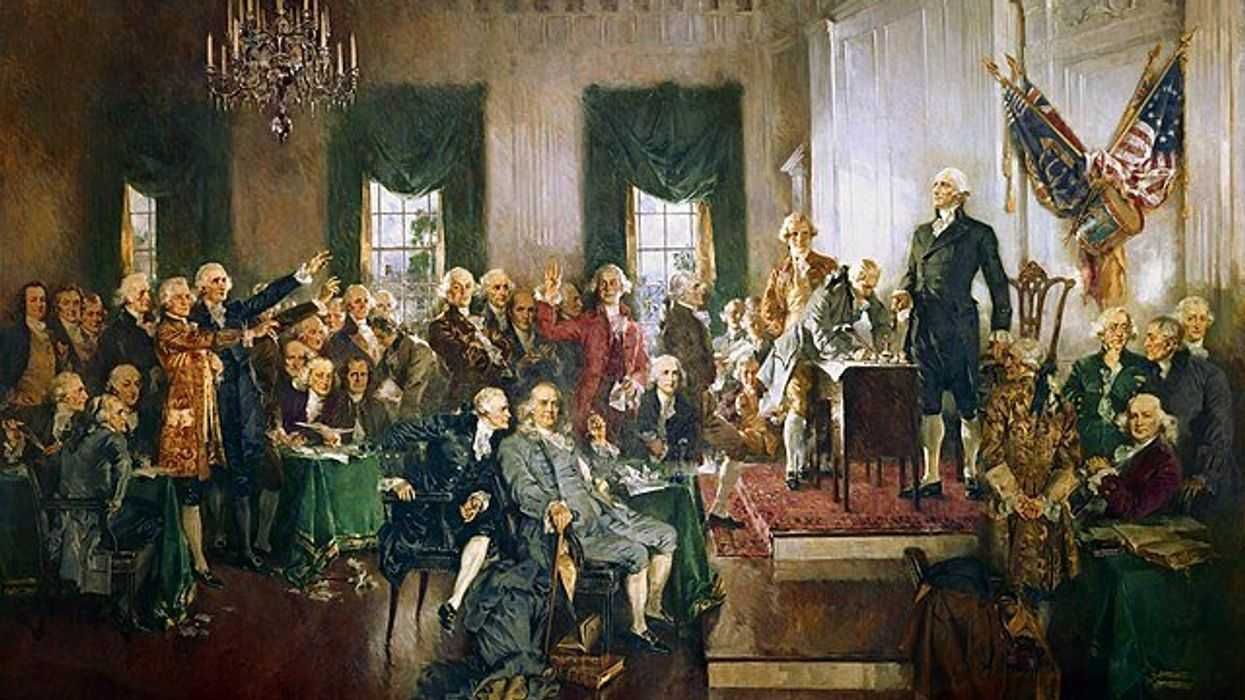
From the moment I first studied the United States Constitution through the lens of scripture, I’ve been struck by how carefully our founders embedded God-given liberty into the fabric of our nation. Freedom of conscience, equality before God, and protection from government overreach are not just political ideas; they are biblical principles.
The more I study, the clearer it becomes that Islamic systems like sharia law, enforced as government policy abroad, stand in sharp contrast to both the freedoms our Constitution guarantees and the liberties scripture upholds.
Christians must be informed, discerning, and proactive in defending freedoms that allow people to come to God freely.
Sharia law, when enforced as government policy, conflicts with constitutional freedom and biblical principles of liberty, including protections for personal conscience, speech, and moral choice.
Sharia law vs. constitutional liberty
Sharia law is a system derived from Islamic religious texts, guiding personal conduct and societal governance.
In countries where it is enforced, it often dictates punishments, civil law, and social norms based on religious authority rather than individual liberty. This approach contrasts sharply with the U.S. Constitution, which separates church and state, ensuring that government does not dictate religious belief or practice.
Scripture emphasizes the importance of freedom in Christ. Galatians 5:1 reminds us, “It is for freedom that Christ has set us free. Stand firm, then, and do not let yourselves be burdened again by a yoke of slavery.” The Constitution mirrors this principle, protecting Americans from coercion in matters of conscience, ensuring that individuals may follow God freely without fear of government reprisal.
Real-world examples of sharia governance
When we examine Muslim nations governed by sharia-based systems, the consequences for personal freedom are clear.
In countries like Saudi Arabia, Iran, and Afghanistan, civil and criminal codes often derive directly from religious texts. These laws enforce strict moral codes, restrict freedom of speech, and impose severe punishments on offenses such as theft, adultery, or apostasy.
RELATED: The Islamification of America is well under way
 osmanpek/iStock/Getty Images Plus
Punishments include public lashings, stonings, and even amputations for certain crimes. LGBTQ individuals face particularly harsh treatment, including imprisonment, corporal punishment, or death. Women’s rights and freedom of expression are often restricted as well.
These policies illustrate a system in which government enforces religious conformity, which directly conflicts with the freedom of conscience guaranteed by the Constitution. The U.S. founders recognized that human governments are fallible; they designed laws to protect liberty and allow people to make moral and spiritual choices voluntarily rather than under coercion.
The biblical perspective on liberty and government
Scripture provides a firm framework for understanding liberty. Romans 13:1-4 teaches that governments are instituted to punish wrongdoers and maintain order, but within limits. Civil authority is meant to restrain evil while upholding justice, not to enforce religious orthodoxy.
John 8:32 reminds us, “Then you will know the truth, and the truth will set you free.” True freedom, in both spiritual and civil contexts, comes from the ability to choose God and live according to His moral order voluntarily.
The Constitution’s protections for freedom of religion, speech, and equal protection under the law reflect these same biblical principles. They ensure that no one is coerced into adherence to a particular religious code, preserving liberty and human dignity.
Sharia-based governance, when implemented as law, replaces personal conscience with mandatory religious observance, undermining the freedoms that God and the founders intended.
How Christians should respond
Loving our neighbors does not mean ignoring the truth about systems of governance. But discernment calls us to distinguish between individuals and systems of law that impose religious authority on entire societies.
Christians are called to defend freedom and truth, speaking boldly yet compassionately.
Understanding the differences between sharia-based governance and constitutional liberty is not purely academic; it’s practical. Nations that merge religion and state often face suppression of speech, persecution of minorities, and human rights violations. Christians must be informed, discerning, and proactive in defending freedoms that allow people to come to God freely.
Practical engagement may include:
- Praying for wisdom to navigate cultural and political issues.
- Educating others about the value of freedom of conscience.
- Participating in civic discourse in ways that honor God while upholding liberty.
Sharia law and the protection of minorities
One area that starkly highlights the contrast is treatment of LGBTQ individuals. In sharia-governed regions, homosexuality is often criminalized, with penalties ranging from imprisonment to corporal punishment, even death. Theft or other criminal offenses can result in amputations, and adultery may be punished by stoning.
Christians are charged to uphold liberty, educate themselves on systems that restrict freedom, and advocate for policies that reflect God’s justice while protecting human conscience.
These practices illustrate the deep conflict between enforced religious law and personal freedom, especially for vulnerable minorities.
In contrast, the U.S. Constitution protects all citizens, ensuring legal equality, freedom of conscience, and due process. The biblical principle that every person is made in the image of God (Genesis 1:27) supports the need to defend dignity and liberty for all.
Historical lessons and modern implications
History demonstrates that societies enforcing religious law as government policy often struggle with oppression and instability. By embedding freedom and separation of powers, the U.S. Constitution creates space for citizens to practice faith voluntarily, without fear of legal coercion.
As Christians, we can see how these principles align with biblical teaching and recognize why coercive religious legal systems are incompatible with God’s design for human freedom.
Standing for freedom with compassion
Understanding these contrasts calls us to vigilance, prayer, and action. Christians are charged to uphold liberty, educate themselves on systems that restrict freedom, and advocate for policies that reflect God’s justice while protecting human conscience.
Loving our neighbors does not mean compromising truth; it means defending freedom in a way that is rooted in Christ’s example of compassion and moral clarity.
By examining Islam as a governance system, we see clearly the importance of constitutional and biblical liberty. Freedom of conscience, protection of minorities, and the ability to choose God freely are not negotiable — they are foundational to both faith and the American experiment.
Standing for these freedoms is an act of love, truth, and obedience to God.
This article is adapted from an essay originally published at Arch Kennedy’s blog.





