

Category: Breitbart
Liberal reporter frustrates American tennis stars by asking the same tired question
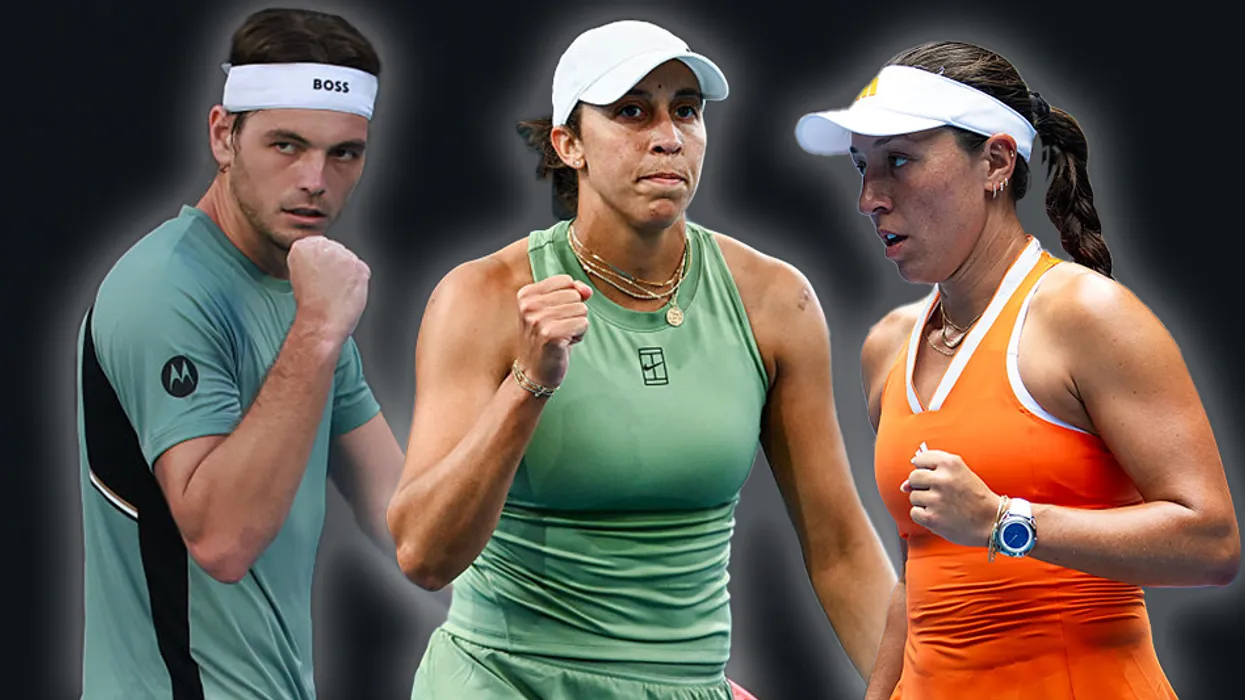
The Australian Open has become about politics instead of tennis, thanks to one reporter’s questions.
As men and women have won matches at the tournament in Melbourne, Australia, a male reporter has consistently popped up to ask players about their feelings about current U.S. politics.
‘We are very diverse, we are a home of immigrants.’
“I’ve been asking a lot of the American players just how it feels to play under the American flag right now. And I’m curious how you feel,” the man asked No.4-ranked Amanda Anisimova on Wednesday, with noted vocal fry.
Anisimova was praised for shutting the questions down, but it turns out the same reporter has asked the same divisive question to at least four other American tennis players.
The Women’s Tennis Association’s No.6-ranked Jessica Pegula faced almost the same question on Wednesday, though more specifically about living in Florida.
Pegula’s answer likely won’t please nationalists as much as Anisimova’s did.
“Personally Florida’s been, I think, OK. I think Florida, there’s a big melting pot of different people from all over, in Florida,” the 31-year-old went on. “So I feel like especially me being in South Florida, near Miami, I mean, there’s people of all over the country that come to move to Florida, and there’s a lot of international people that are there. I don’t know if that’s maybe why you kind of get a lot of different cultural differences in a good way honestly.”
The reporter, who is alleged by several outlets such as Breitbart and Yahoo to likely be the Athletic’s Owen Lewis, has not publicly confirmed he has asked the questions despite sharing that he has been in Australia covering the event.
Next up was men’s No.9-ranked Taylor Fritz from California, who on Thursday had just completed a second-round win. Fritz buried his head in his hands as he answered the question, albeit reluctantly.
“Not sure what we’re, like, specifically talking about, but there is a lot going on in the U.S., and I don’t know, I feel like whatever I say here is going to get put in a headline, and it’s going to get taken out of context,” he groaned. “So I’d really rather not do something that’s going to cause a big distraction for me in the middle of the tournament.”
On Thursday, No.9-ranked female Madison Keys from Illinois faced the reporter. Her reaction was much more progressive than her compatriots, saying, “I’m not a fan of divisiveness, and I think the beauty of the U.S. is we are a mixing pot.”
“We are very diverse, we are a home of immigrants. And I hope that we can get back to those values,” she added.
No.3-ranked woman and Florida native Coco Gauff took it a step further by bringing race politics into the mix with her response.
Gauff initially said she feels “a bit fatigued talking about it.”
She then claimed, “It is hard, also I think, being a black woman in this country and having to experience things, even online.”
She argued that “marginalized communities” are being affected, and the only thing she can do is “donate and speak out.”
Gauff then cited the fact that she posted a Martin Luther King Jr. video online recently and said, “We must keep moving forward,” as an example of her activism.
Like Blaze News? Bypass the censors, sign up for our newsletters, and get stories like this direct to your inbox. Sign up here!
Toxic femininity crushed his gaming dream. Then the internet found out.

While video game player demographics are split almost down the middle — 53% male and 47% female — the gap is vastly wider when it comes to esports. Men dominate the category, taking up 95% of the available spots in game tournaments, while women only account for 5%. So what happens when a skilled male player gets paired with a less experienced group of girl gamers with a $12,000 grand prize on the line? Naturally, they kick him off the team in the name of misogyny.
What happened?
On January 18, 2026, streamer Kingsman265 went live on his channel as he met up with several other players in preparation for a Marvel Rivals tournament with a prize pool of $40,000, with $12,000 going to the winning team to be split among four players. As a rank 1 player himself, Kingsman265 had his eyes set on the prize money, which he planned to use to pay his college tuition, and he actually had a solid shot at winning it. However, during a practice match before the tournament, he quickly realized that his teammates were more interested in feminist politics than in winning.
Proof that he knew what he was doing, his warnings were positioned as insults.
The rest of the team was composed of three female players named Cece, Zazzastack, and Luciyasa. Kingsman265 quickly suggested a change to the team’s character lineup, recommending that they run a triple support setup to give their team the best shot at victory. The pushback was immediate, as the female players rejected his warnings, opting to play with characters they were familiar with instead of using a loadout that was more effective, especially in a tournament setting.
Things went downhill from there. Tensions rose at several points throughout the video, with Cece telling him to shut up after he pleaded his case for a triple support setup, even after he explained that they would lose without it. Another teammate told him to “shut the f**k up” after they lost a practice match, a moment that vindicated Kingsman265, as it displayed the team’s vulnerabilities in real time. Then Cece ended with “this is f**king getting annoying” as Kingsman265 continued to urge the team to change their strategy, to no avail.
The team went their separate ways to play ranked games apart for the night. Shortly after, Kingsman265 learned that he was kicked out of the tournament entirely by the organizer, BasimZB, for his allegedly “toxic” behavior. Basim later admitted that he made the wrong decision based on “misinformation” from Cece and her team.
Kingsman265 was ultimately relegated to the sidelines for the Marvel Rivals tournament, leaving him behind to watch his team get knocked out in the first round, proving that his instincts around their character lineup were correct.
The fallout
As the male gamer in this situation, Kingsman265 was made to look like the bad guy. He was unceremoniously kicked out of the tournament due to his “toxicity” in ganging up on three girl gamers as he tried to spur them to victory. Instead of recognition that his skills, knowledge, and ranking were proof that he knew what he was doing, his warnings were positioned as insults.
RELATED: 25 years later, the gaming console that caused so much chaos is still No. 1
 Photo By Eduardo Parra/Europa Press via Getty Images
It wasn’t until Kingsman265 posted his video of the practice match, along with a conversation between Cece and himself dubbed the Cece Files, that the truth came to light. Not only did Cece and her team want Kingsman265 to be banned from the tournament, but they conspired to remove him, claiming that “there are plenty of people in line who are just as good. Kingsman, like everybody else, is replaceable.”
The aftermath was swift, with the internet quickly turning on the female team in favor of Kingsman265. Despite telling anyone who saw the video not to harass Cece and company, the message exchange between them shows that the internet has no tolerance for liars. She begged Kingsman265 to take down the video — or, at the very least, cut out the incriminating parts that made her and the team look guilty — but he refused, noting that it was a legitimate video. Cece lost several sponsorship deals and partnerships for her behavior.
All’s well that ends well
The whole debacle cost Kingsman265 his shot at a $3,000 grand prize to help pay off his college debt, but what came next was even sweeter. Once he was exonerated of any wrongdoing, Kingsman265 saw a huge boost to his channel, netting 139,000 followers on Twitch (and counting), 10,000 paying subscribers, and instant acceptance into the Twitch Partner Program, which will allow him to earn money for streaming online. As an added bonus, he received more than $3,000 in donations from supporters, surpassing the amount he would have earned from winning the Marvel Rivals tournament, and Marvel Rivals developer NetEase even sent him credits to buy skins for his character.
The good guy won in the end, leaving the all-girls team with a major loss in the tournament, loss in internet clout, and loss in their streaming careers. All of it could have been avoided if they had not made Kingsman265 out to be the toxic misogynist that he wasn’t, but if that had happened, his own gaming career wouldn’t be rocketing through the stratosphere at this very moment.
What happens online lives forever — the lies that are told and the truth that comes through in 4K — and the consequences are unavoidable. This is why it is always important to keep your receipts when tension erupts on the internet. You never know when you’ll have to defend yourself against cheats and liars who think they control the narrative.
Chicago female arrested for alleged string of beatings — after reportedly failing to appear in court for earlier battery case

A Chicago female recently was arrested in connection with an alleged string of beatings that took place after she allegedly failed to appear in court for an earlier battery case, CWB Chicago reported.
Records show that 37-year-old Diamond Miller failed to appear in court on a pending misdemeanor battery charge on Dec. 2, the outlet said, adding that court records show that Judge Peter Gonzalez ordered the court clerk to send Miller a postcard reminding her of her court dates rather than issuing a warrant.
Miller allegedly struck the woman in the face with a broken beer bottle, the outlet said, adding that the woman began bleeding immediately and suffered cuts to her face and a deep cut to her bottom lip.
Later that month, Miller allegedly went on a physical attack spree.
Prosecutors said that while she was “in AWOL status” from the pending misdemeanor battery case, Miller allegedly attacked three people within minutes near Pulaski Road and Cermak Road around noon on Dec. 21, CWB Chicago reported.
The first attack occurred on a southbound CTA #53 Pulaski bus after a 33-year-old man asked Miller to quiet down so he could hear his wife during a phone call, the outlet said, citing prosecutors during a detention petition.
Miller approached the man and struck him in the face “with great force,” causing him to experience “pain and dizziness,” CWB Chicago said, citing the filing. The bus driver stopped at Pulaski and Cermak and called police and EMS, the outlet noted.
 Diamond Miller. Image source: Chicago Police Department
Prosecutors said Miller exited the bus and walked to a nearby bus shelter, the outlet reported.
At 12:17 p.m., a second victim and her friend approached the shelter, where Miller was acting erratically and telling them to give her space, the outlet said, citing prosecutors. The victim and her friend walked away — but Miller allegedly followed them, CWB Chicago said. The victim told police that while she stood on the sidewalk with her back turned, Miller approached from behind and struck her in the face with a white plastic bag that contained a hard object that felt like ice, the outlet said, adding that the victim called 911.
Miller returned to the bus shelter minutes later, when a 54-year-old woman — the third victim — and her 74-year-old mother approached while switching bus lines, CWB Chicago said, citing prosecutors. The detention filing said Miller yelled at them and accused them of following her, according to the outlet. The daughter helped her mother — who uses a walker — away from the shelter, but Miller allegedly followed them and continued yelling, CWB Chicago said.
The daughter saw a CTA bus idling on the corner and asked the driver if her mother could board and wait until the next bus arrived, but the driver declined, the outlet said, citing the filing. As the woman and her mother walked away, Miller allegedly struck the woman in the face with a broken beer bottle, the outlet said, adding that the woman began bleeding immediately and suffered cuts to her face and a deep cut to her bottom lip.
The second victim saw the attack on the third victim and recorded part of it with her phone, the outlet said, citing prosecutors.
The first victim — the man from the bus — was taken to St. Anthony Hospital for treatment of minor injuries, CWB Chicago said, adding that prosecutors said the third victim received five stitches.
Police said they arrested Miller at 12:50 p.m. the same day and charged her with three felony counts of aggravated battery and one misdemeanor count of aggravated assault of a person older than 60.
Judge Robert Kuzas detained Miller, CWB Chicago said.
Records indicate Miller was booked into Cook County Jail on Dec. 24, and she has no bond. Her next court date is Feb. 19, jail records say.
CWB Chicago said Miller spent three days in jail in connection with four retail theft cases in October. A fifth retail theft case was dropped in November, the outlet said, even though Miller didn’t appear in court. However, records indicate the store’s representative didn’t show up for court, either, the outlet noted. A separate misdemeanor battery case was dropped in August, CWB Chicago added.
Like Blaze News? Bypass the censors, sign up for our newsletters, and get stories like this direct to your inbox. Sign up here!
‘Going to get someone killed’: Democratic AG shocks with talk about shooting ICE agents in ‘stand your ground’ Arizona
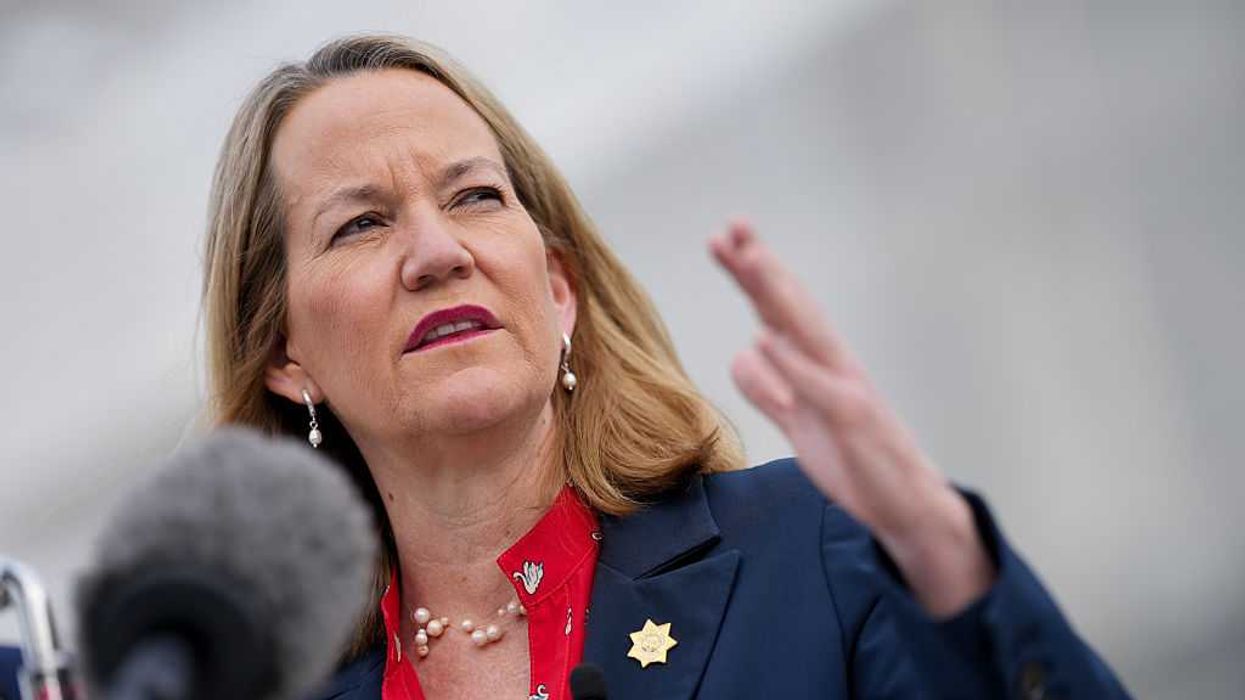
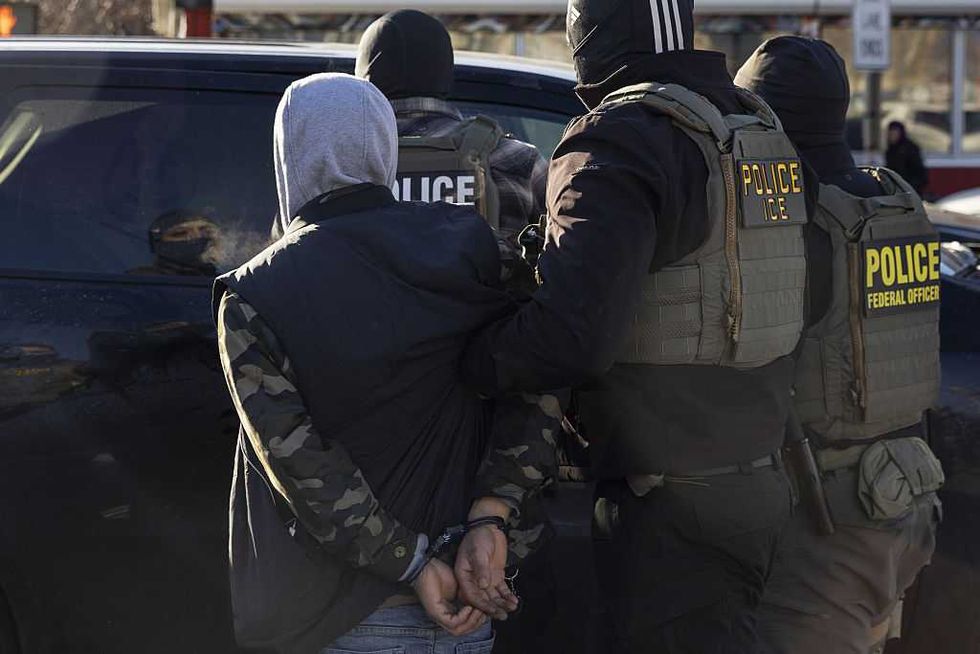
Republican lawmakers, the Arizona Police Association, and the Trump administration castigated Arizona Attorney General Kris Mayes (D) this week over her suggestion that it may be reasonable to shoot masked U.S. Immigration and Customs Enforcement agents.
Mayes made no secret of her contempt for ICE in her interview with KPNX-TV’s Brahm Resnik, suggesting, for instance, that ICE officers are engaged in “thuggish, brutish behavior” and causing chaos, confusion, and anxiety in Minneapolis.
‘How do you know they are a peace officer?’
“It’s a combustible situation, let’s be clear about that,” said Mayes. “It’s a combustible situation being caused by ICE right now, wearing masks.”
After noting that she was “outraged and sickened” to see ICE agents outside her building and claiming that “real cops don’t wear masks,” the Democrat — who is seeking re-election — made a point of stressing that Arizona is a “stand your ground state.”
“We also have a lot of guns in Arizona,” she said with a smile.
“You know, it’s kind of a recipe for disaster because you have these masked federal officers with very little identification, sometimes no identification, wearing plain clothes and masks, and we have a stand your ground law that says that if you reasonably believe that your life is in danger and you are in your house or your car or on your property, that you can defend yourself with lethal force.”
Resnik pumped the brakes and said, “I want to be careful with that and understand what you are saying because you know how that could be interpreted.”
RELATED: Anti-ICE radical who took credit for the invasion of Minnesota church ARRESTED by feds
 (Photo by Mostafa Bassim/Anadolu via Getty Image
“But it’s the fact,” said Mayes.
While Mayes clarified that you still cannot gun down peace officers in the Grand Canyon State and that she was not giving anyone license to start doing so, she appeared to give would-be killers an excuse, stating, “How do you know they’re a peace officer?”
“If there’s a situation where somebody pulls out their gun because they know Arizona is a stand your ground state, then it becomes ‘did they reasonably know that they were a peace officer?'” said Arizona’s top law enforcement officer.
When Resnik once more pressed her for clarification that she was not “telling folks you have license if you are threatened,” Mayes said, “Well,” and smirked.
“No,” she continued, “but again, if you’re being attacked by someone who is not identified as a peace officer, how do you know?”
Republican Arizona Rep. David Schweikert noted, “Let’s not pretend this was some careful legal seminar.”
“This was the attorney general of Arizona freelancing a scenario where bullets start flying and then shrugging it off as ‘just the law.’ That is reckless on its face,” wrote Schweikert. “If your job is to enforce the law, you do not go on TV and hand out a permission structure for violence, then act surprised when people hear it as a green light. Words matter. Especially when they come from the state’s top lawyer.”
Arizona Senate President Warren Petersen (R), who is running for state attorney general, noted, “Mayes should be fully aware of her dangerous rhetoric — and how people will construe, apply, and execute her comments. Mayes’ comments were reckless, dangerous, and disqualifying.”
The Arizona Police Association also condemned Mayes’ remarks, emphasizing that “words from elected officials matter.”
APA Executive Director Joe Clure stated that the Democrat’s framing was “deeply troubling and dangerous” especially as “law enforcement officers at every level including state, local, and federal agencies do not always wear traditional uniforms” — including members of Mayes’ own investigative teams.
“This does not diminish their legal authority or status as law enforcement,” said Clure. “Publicly speculating about how someone might legally justify shooting an ICE agent sends a dangerous and irresponsible message, particularly in an already tense and polarized environment.”
Department of Homeland Security Assistant Secretary Tricia McLaughlin told the New York Post, “This is [a] direct threat calling for violence against our law enforcement officers — this kind of rhetoric is going to get someone killed.”
Blaze News has reached out the Justice Department for comment.
Like Blaze News? Bypass the censors, sign up for our newsletters, and get stories like this direct to your inbox. Sign up here!
Cuba next? Trump admin eying possible regime change after Maduro arrest: Report
The Trump administration indicated in its National Security Strategy that “after years of neglect, the United States will reassert and enforce the Monroe Doctrine to restore American preeminence in the Western Hemisphere.”
Making abundantly clear to all that this was not empty rhetoric, the U.S. kicked off 2026 by militarily deposing Venezuelan dictator Nicolás Maduro.
Maduro was the first leftist dictator removed from power this year, but he may not be the last.
Sources familiar with the matter told the Wall Street Journal that now with a blueprint for surgical governmental restructures in the region, the Trump administration is searching for well-placed insiders in Cuba who could help oust the island nation’s communist regime by the end of the year.
‘I strongly suggest they make a deal, BEFORE IT IS TOO LATE.’
That strategy appears, after all, to have worked in Caracas, Venezuela, where an asset within Maduro’s inner circle furnished American intelligence personnel with critical information about the leftist leader’s habits, travels, and whereabouts, according to administration officials.
It’s unclear if that asset was Maduro’s vice president, now acting President Delcy Rodríguez, whom four sources familiar with the discussions told the Guardian signaled a willingness to cooperate with the Trump administration ahead of the military extraction.
RELATED: The truth behind Trump’s Venezuela plan: It’s not about Maduro at all
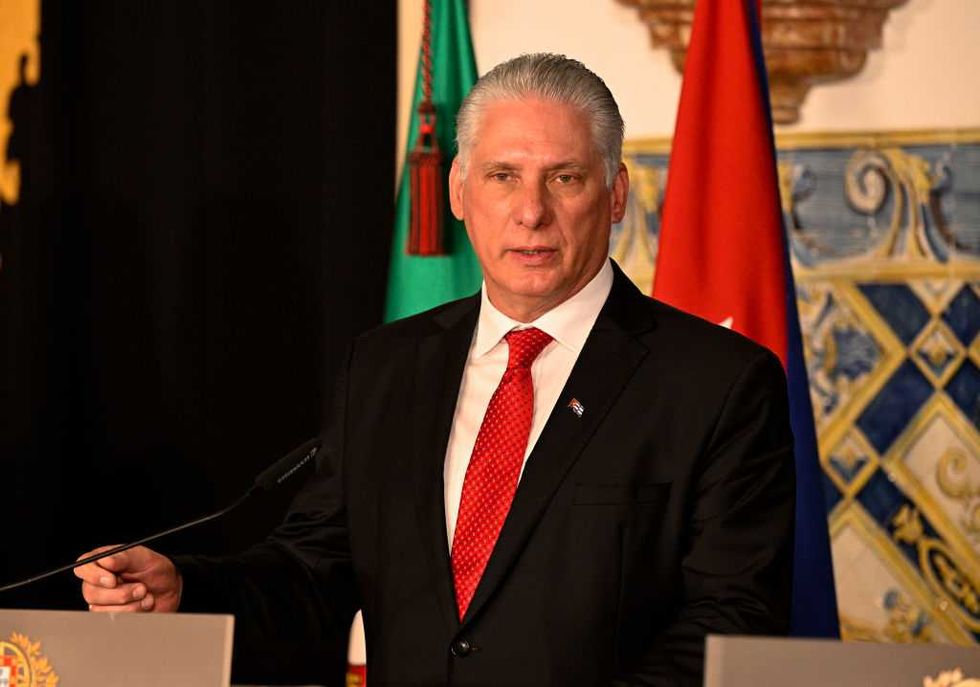 Photo by Horacio Villalobos#Corbis/Corbis via Getty Images
One U.S. official told the Journal that in recent meetings with Cuban exiles and civic groups, Trump administration officials have brainstormed possible individuals within the current Cuban regime who have an appetite for change and might want to make a deal.
The sense is that the time is ripe for a shakeup in the Stalinist island nation in light of its economic instability and loss of a key ally in Caracas.
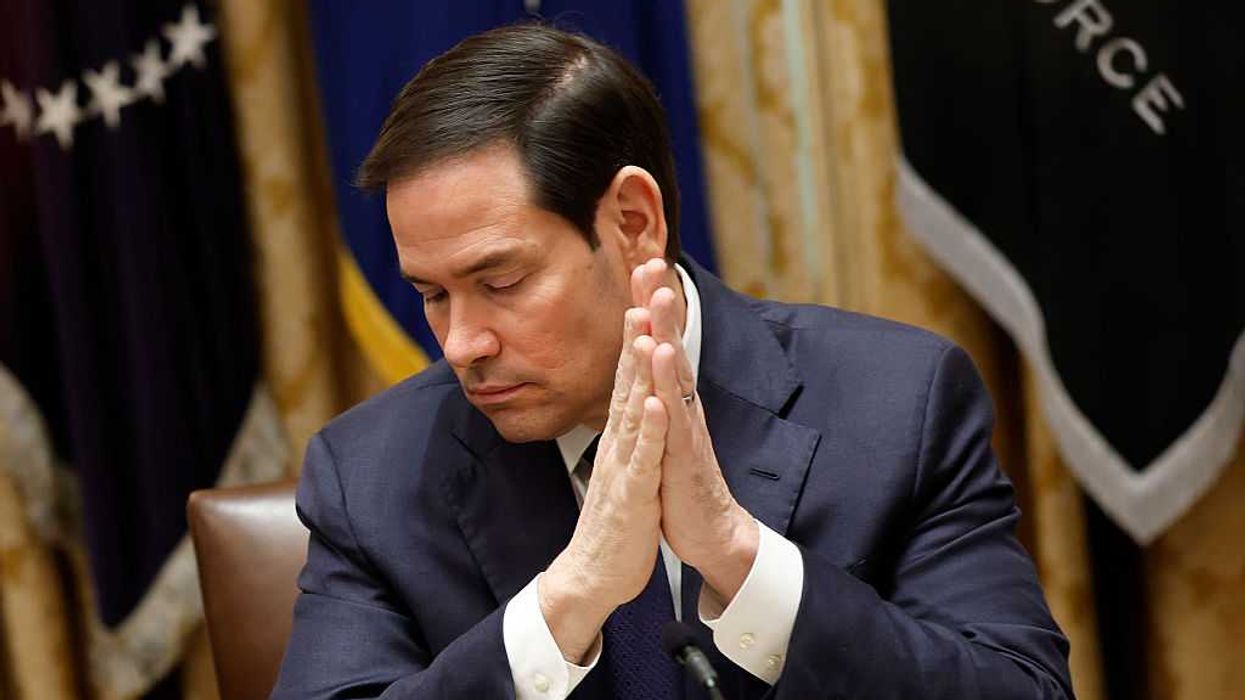
Secretary of State Marco Rubio, the son of Cuban immigrants, said earlier this month, “I think Cuba is going to be something we’ll end up talking about, because Cuba is a failing nation right now, a very badly failing nation, and we want to help the people.”
“If I lived in Havana, and I was in the government, I’d be concerned,” added Rubio.
Cuba — which has suffered rolling blackouts in recent months and years — has long relied on Venezuela for subsidized oil, which has made up around 70% of its total oil imports.
In the wake of Maduro’s removal, Pavel Vidal, a former Cuban central bank economist who teaches at Javeriana University, told NBC News, “If oil supply were to cease entirely, the Cuban economy would grind to a halt.”
Senior U.S. officials told the Journal that the U.S. plans to further undermine the Cuban regime by restricting its access to Venezuelan oil.
“Cuba lived, for many years, on large amounts of OIL and MONEY from Venezuela,” Trump noted in a Truth Social post on Jan. 11. “THERE WILL BE NO MORE OIL OR MONEY GOING TO CUBA — ZERO! I strongly suggest they make a deal, BEFORE IT IS TOO LATE.”
The State Department said in a statement that it is in America’s national security interests for Cuba “to be competently run by a democratic government and to refuse to host our adversaries’ military and intelligence services.”
Rubio made a point of noting last week that the Cuban regime was “illegitimate.”
Like Blaze News? Bypass the censors, sign up for our newsletters, and get stories like this direct to your inbox. Sign up here!
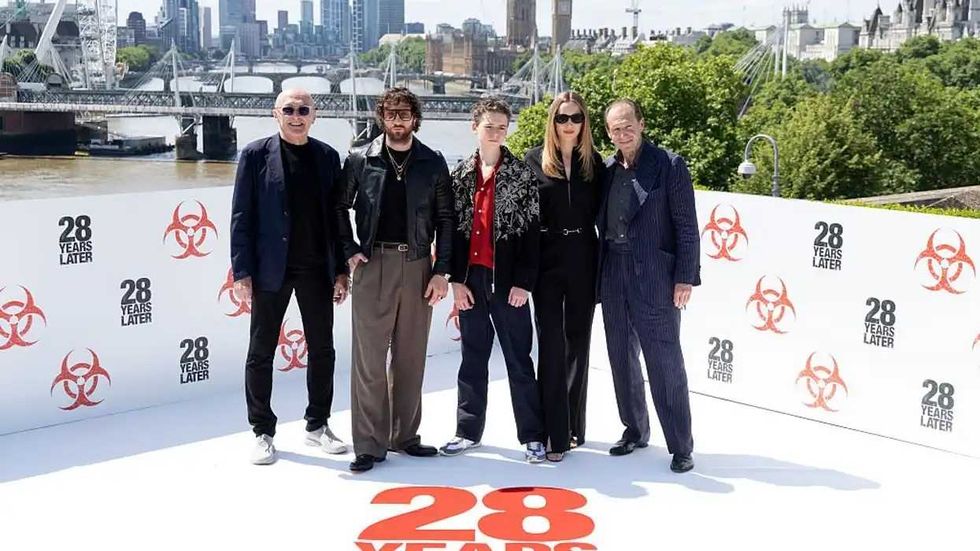
’28 Years Later: The Bone Temple’ brings new life to horror franchise
Like the post-apocalyptic Britain of the “28 Days Later” franchise, Hollywood has become a wasteland, teeming with the stripped-down, lethally efficient shells of once-vital creations. Nostalgia-driven reboots swarm the multiplex, satisfying audience cravings for familiarity and studio appetites for certainty — even as they leave the surrounding creative landscape increasingly barren.
This year’s “28 Years Later” could just as easily have been another of these living-dead productions. While previous installment “28 Weeks Later” (2007) — made with nominal participation from the original creative team — delivered competent scares, it hardly cried out for a follow-up.
The movie is littered with British cultural references — decontextualized and repurposed by survivors struggling to find meaning in a world they no longer understand.
But the return of director Danny Boyle and writer Alex Garland proved worth the wait. “28 Years Later” demonstrated that this universe could still surprise, ending with a tantalizingly bizarre coda in which our hero Spike is rescued by Sir Lord Jimmy Crystal (Jack O’Connell) and his blonde-wigged, track-suited minions. Clearly the infected are not the only menace stalking the British countryside.
Charity cases
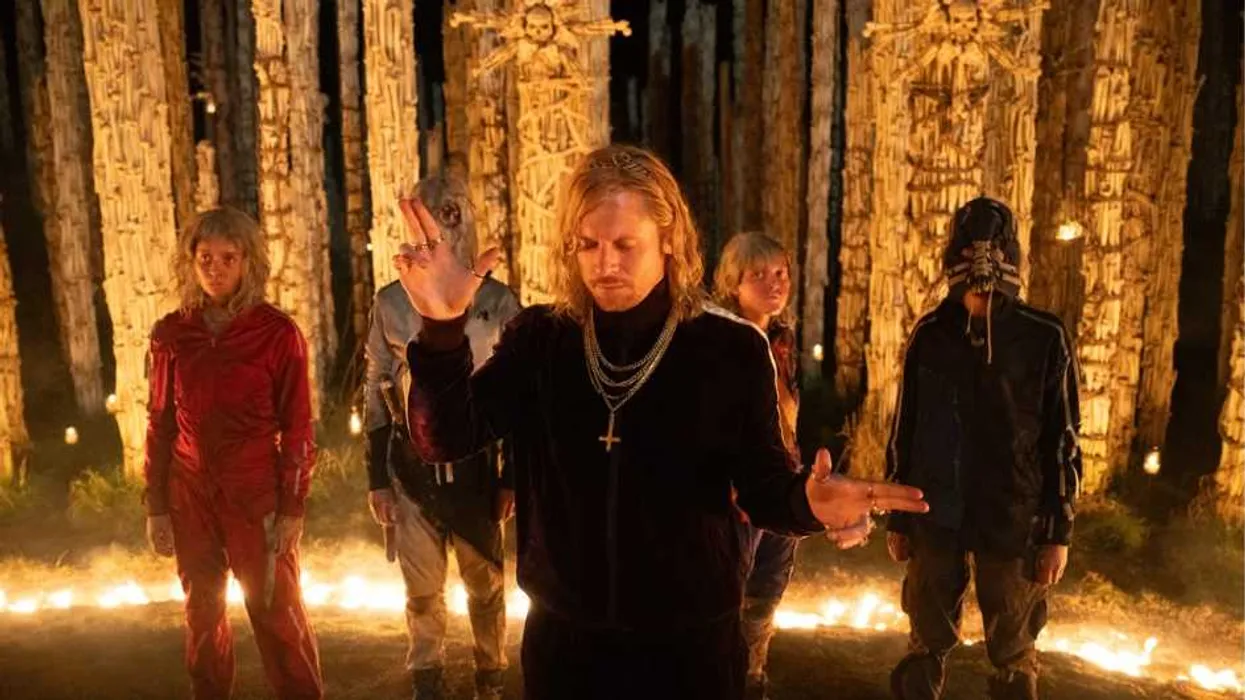
“28 Years Later: The Bone Temple” picks up right after this moment, confirming our suspicions that Spike’s troubles have just begun. After a gruesome kind of initiation, Spike is forcibly enlisted as one the “Jimmys,” who turn out to be a gang of satanic killers. Led by Jimmy Crystal, who believes himself to be the son of “Old Nick,” they prowl the land inflicting gruesome ritualized violence — which they call “charity” — on those unfortunate enough to meet them.
While Garland returns as screenwriter, Boyle (who stays on as producer) cedes the director’s chair to Nia DaCosta, whose striking use of lingering close-ups and tightly framed compositions inject the film with a raw, anarchic energy. The result is a legacy sequel that both pays homage to its origins and reimagines them — one that weaves graphic violence together with incisive observations on culture, faith, and survival in a world irreversibly altered by catastrophe.
Doctor Sleep
Many of those observations come straight from the kindly and philosophical Dr. Ian Kelson (Ralph Fiennes), an eccentric recluse who provided shelter for runaway Spike and his dying mother in “28 Years Later.” In this grisly sequel, the iodine-covered, blowdart-wielding former physician is searching for a cure to the rage virus, using an infected “alpha” zombie — whom he names Samson — as his pet project.
He also continues work on the titular bone temple, a memorial to the outbreak’s victims, until his optimism and ingenuity is tested by the new and horrifying human adversary we met in the beginning.
While Boyle’s 2002 film focused on urban chaos, this installment widens its lens, exploring the virus’ impact across the countryside while delving into deeper philosophical terrain. Beneath the skin-flaying, stabbings, “Mortal Kombat”-style spine removals, and Iron Maiden needle drops lies a poignant meditation on a once-beautiful country sliding into social and spiritual decay.
This is England
DaCosta, an American director, deftly preserves the distinctly English identity of the original films. The movie is littered with British cultural references — decontextualized and repurposed by survivors struggling to find meaning in a world they no longer understand.
The Jimmys, with their blonde wigs, tracksuits, and gold jewelry, are intentionally modeled after Jimmy Savile, one of Britain’s most notorious sex offenders. In this universe — where society collapsed in 2002, years before Savile’s real-world crimes were exposed — the cult reveres him as a benevolent, almost mythical figure. Their so-called acts of “charity” grotesquely invert Savile’s public image of philanthropy, turning it into a rationale for cruelty and sadism.
The dynamic between Sir Jimmy and Kelson is magnetic. O’Connell and Fiennes deliver outstanding performances, moving seamlessly between surrealism and melancholy. Some of the film’s most compelling moments occur when these two simply share the screen in conversation.
Sir Jimmy and Kelson represent competing philosophies of survival. In desperate times, humanity creates belief systems — sometimes as tools of power, sometimes as mechanisms of self-preservation. Through these two figures, Garland weaves a thoughtful exploration of evil, faith, and meaning.
RELATED: ‘28 Years Later’: Brutal, bewildering, and unabashedly British
 Tim P. Whitby/Getty Images
Feral faith
Religious symbolism runs throughout the film. The Jimmys repurpose Savile’s catchphrase “Howzat!” as a ritual chant — stripped of its original meaning and reconstituted as a signifier of violence. Kelson, meanwhile, assumes the role of a secular creator. His humanist liturgy centers on music and literature, which function as sacred texts connecting him to the past and preserving his sanity.
Samson’s transformation becomes an allegory for rebirth: emerging from the hell of infection into renewal. Where the biblical Adam becomes aware of his nakedness after eating from the tree of knowledge, Samson’s recovery inspires modesty as he clothes himself with memories of his return. It is the Fall in reverse — self-awareness as ascension, rebirth without grace.
“The Bone Temple” manages to inject genuine life into a franchise nearly 25 years old. I may regret saying this, but I am genuinely curious to see where the story goes next — especially with Boyle returning to direct the third and final installment. The film’s closing scene teases the return of a familiar face, and John Murphy’s fuzzed-out guitar theme suggests that hope remains, for both the survivors and the fans.
Nash Keen’s life proves the unborn deserve the law’s protection

Nash Keen holds the Guinness World Record for the most premature infant to survive outside the womb. Born at just 21 weeks’ gestation, Nash’s story forces us to grapple with an unsettling reality: In 29 states and Washington, D.C., the law would have permitted his abortion for at least another week.
At 21 weeks, abortionists commonly use dilation and extraction. Many call it a dismemberment abortion, and the term fits. The procedure requires pulling the child apart.
We’ve made real progress since the Dobbs decision. Thirteen states, including my home state of West Virginia, protect life from the moment of conception.
A Sopher clamp — a metal tool with sharp, serrated jaws — grasps a limb, the torso, or the head. The abortionist twists and tears the body piece by piece. The child has a beating heart and can feel pain. Arms and legs are ripped from the torso. The spine snaps. The skull is crushed so it can pass through the cervix. Blood and tissue are suctioned out. Then the abortionist reassembles the remains on a tray to confirm nothing is left behind.
This barbarity happens tens of thousands of times each year in the United States.
Consider the contrast. At 21 weeks, doctors and nurses fought to keep Nash alive. At the same stage of development, in other hospitals and clinics across the country, medical professionals ended the lives of other babies.
What separates those children? No coherent answer exists because no meaningful difference exists. Every child — born and unborn — bears God-given dignity and deserves the protection of our laws.
This year, Nash will turn 2. His survival, as rare as it is, reveals why so many Americans fight for life — and why we will win.
I plan to do everything I can to protect the most vulnerable among us. That’s why I’m proud to co-sponsor the Life at Conception Act, which aligns federal policy with scientific reality: Life begins at conception, and the law should protect it.
Policymakers must also do more to support mothers and fathers raising children. If we aim — as we should — to end abortion, our laws must protect the unborn and make it easier to raise a family in America.
RELATED: New York caves on forcing nuns and churches to fund abortion after knockout SCOTUS ruling
 Photo by JOSEPH PREZIOSO/AFP via Getty Images
That’s why I have introduced legislation to give low-income families more flexibility to choose the child-care option that fits their situation.
I have also introduced legislation to eliminate marriage penalties that discourage single parents from marrying.
And I have also introduced a bill to close a loophole so women who choose not to return to work after giving birth cannot be forced to reimburse an employer for health insurance premiums from the year they delivered.
Similarly I support legislation that would hold fathers accountable for pregnancy costs as part of child support. I supported expanding the Child Tax Credit in the One Big Beautiful Bill Act, and I advocate extending the credit to cover the months of pregnancy.
We’ve made real progress since the Dobbs decision. Thirteen states, including my home state of West Virginia, protect life from the moment of conception. In Congress, the One Big Beautiful Bill Act finally defunds big-abortion providers.
The fight has only begun. As long as I’m in public service, I will work to protect every life from the moment of conception — and to ensure federal policy puts the American family first.
Dan Bongino Tells Sean Hannity What He Has In Mind For ‘Full-Diaper’ Media
‘They are a big, full diaper’
European Union Doubles Down on ‘Hate Speech’ Censorship in New ‘Anti-Racism’ Strategy
The European Union on Monday unveiled an “anti-racism” plan that presses member states to censor online “hate speech” and adopt an “intersectional approach” to “structural racism.”
The post European Union Doubles Down on ‘Hate Speech’ Censorship in New ‘Anti-Racism’ Strategy appeared first on .





