Category: Breitbart
Local sheriff refuses to help ICE with immigration enforcement around the Super Bowl

Santa Clara County Sheriff Bob Jonsen bizarrely pledged not to work with federal agents while claiming such non-cooperation would result in increased safety for residents.
Ahead of Super Bowl LX at Levi Stadium in Santa Clara, California, the local sheriff said he is refusing to work with Immigration and Customs Enforcement agents.
‘We will not be working or supporting ICE immigration enforcement.’
The Trump administration has warned illegal aliens that there would still be enforcement around the Super Bowl, which takes place on February 8, but Sheriff Jonsen told residents he will not assist the Department of Homeland Security or its agents.
“We are gonna be here for you, side by side,” Jonsen said about his own officers. “So as you’re getting off those trains, … high probability you’re going to see somebody in uniform. But if they’re not masked, if they’re wearing tan and green or blue or black, trust me, they are there for your protection.”
Jonsen told reporters on Thursday that if residents or visitors see masked law enforcement who are “trying to hide their identity,” that means “somebody hasn’t communicated” with his department.
“We’ve made it very clear to our officers — our workforce is to be open, transparent, and engaged with this community for the next few weeks,” the sheriff added.
At that point, Jonsen made it clear to his constituents that his department would not be working alongside the immigration enforcement officers.
RELATED: Former Vikings player says ‘demonic’ Minnesota Democrats are upset ICE is ‘deporting their voters’
“I urge our federal partners — if there is something that you’re planning to do in our community, please be transparent and reach out to your local officials so we can work as best we can,” Jonsen announced to federal authorities.
“As mentioned, we are not going to be changing our policies or protocols. We will not be working or supporting ICE immigration enforcement,” he added.
In October, special adviser to Homeland Security Corey Lewandowski warned illegal aliens that if they went to the Super Bowl, there would be “repercussions to that.”
He added, “Just as there are if you are in any other neighborhood in this great country.”
DHS assistant secretary for public affairs Tricia McLaughlin told TMZ this week that her department is still “committed to working with” local partners to ensure safety around the Super Bowl.
“Our mission remains unchanged,” McLaughlin noted.
RELATED: Wife of Super Bowl champion launches GOP campaign for Democrat-controlled NJ congressional seat
 Photo via Smith Collection/Gado/Getty Images
The Santa Clara sheriff positioned his department as wanting to protect the level of trust it has built with its community over “decades” and expressed that he wants federal authorities to communicate their plans to him so he can relay it to his city.
Jonsen urged his constituents to contact “somebody wearing a uniform” if they see ICE operations unfolding.
Like Blaze News? Bypass the censors, sign up for our newsletters, and get stories like this direct to your inbox. Sign up here!
‘Looksmaxxing’ and the war on male self-improvement
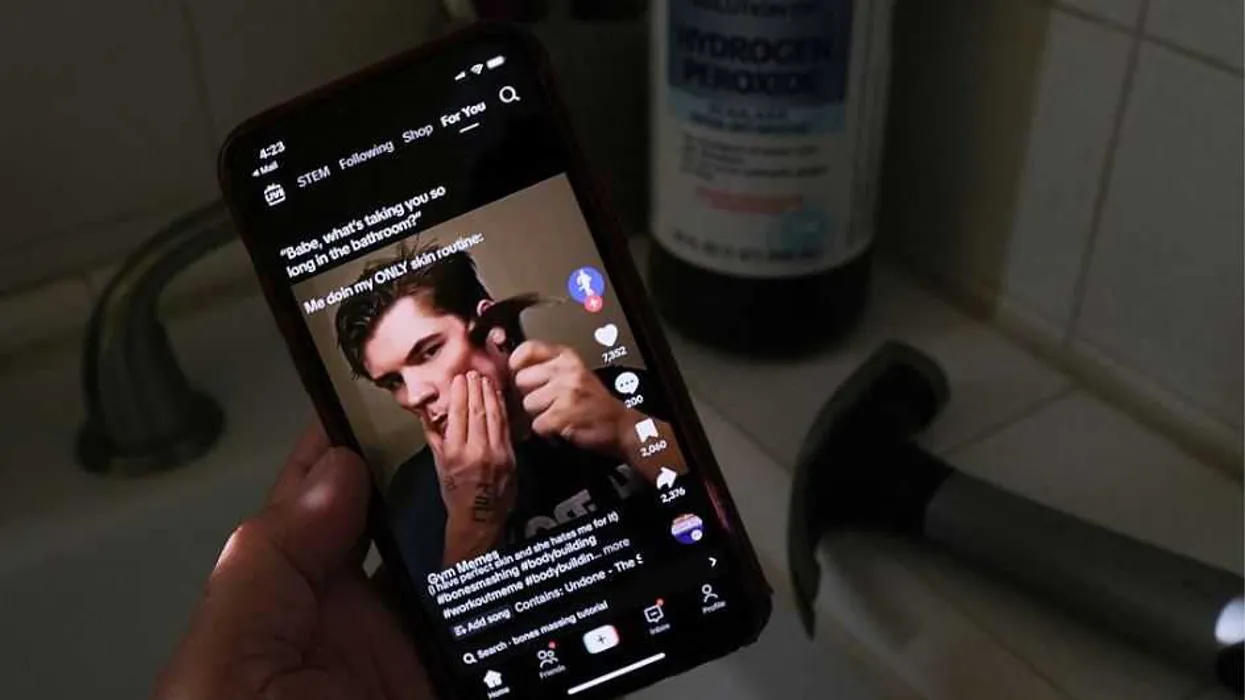
If you’ve been anywhere near social media lately, you have probably heard of the latest oddly named lifestyle: looksmaxxing.
It’s laughed at, pathologized, and treated as a digital disease. It is filed under narcissism, extremism, or maladaptation — anything that avoids taking it seriously.
What really offends critics isn’t the vanity but the accountability. Looksmaxxing puts the burden back on the individual in a culture addicted to external blame.
But what is it?
Checklist for Chads
At its most basic, looksmaxxing refers to a loose online movement encouraging men to improve their physical appearance through deliberate, practical self-improvement rather than passive acceptance. In practice, this usually means mundane, unglamorous changes: losing excess weight, lifting weights consistently, grooming properly, dressing with intention, fixing posture, and presenting oneself as a capable human being. It is not a philosophy so much as a checklist.
There are, inevitably, outliers — internet backwaters where bone-breaking routines are discussed without irony, extreme facial surgeries are contemplated, and pseudoscientific measurements of skull angles are treated as destiny.
These exist, and they’re easy to mock. But they don’t represent the broader phenomenon. They emerge at the margins, where men believe, rightly or wrongly, that they have exhausted ordinary options. The typical looksmaxxing example is far less exotic. A sedentary man quits junk food, joins a gym, gets a proper haircut, replaces stained hoodies with fitted clothes, and steps out of his mom’s basement.
Scarcity mindset
Looksmaxxing is a response to scarcity: romantic scarcity, social scarcity, economic scarcity. Young men are told relentlessly that confidence matters, that personality wins, that being “yourself” is enough.
Then reality arrives, usually with a swift kick to the nether regions. Faces, frames, height, grooming, fitness, posture — these things open doors long before a sentence is spoken. They decide who gets seen, who gets listened to, who gets to move on to the next round. The lie isn’t that personality matters, but that it matters first.
Critics default to dismissal because it requires no engagement. It costs nothing to tell a struggling man that he should simply “be kind” or “work on his inner self.” It costs nothing to shame him for caring about how he looks, while a culture sells beauty as destiny and desire as status.
The same people who insist looks don’t matter meticulously curate their appearance through filters, lighting, angles, brands, and cosmetic interventions. They publicly reject the rules while privately enforcing them. Everyone else pays for the pretense, most notably the average American man.
And the term average couldn’t be more apt. Overweight. Sedentary. Winded by a flight of stairs, pausing halfway like he’s summiting Everest. He is the product of abundance without discipline, comfort without consequence, a culture of convenience, couches, and calories. And he is told, endlessly, that his problems are emotional rather than physical.
Law of attraction
Looksmaxxing begins where denial ends. It says the body matters; the face matters; presentation matters. It refuses to treat biology as a slur. It doesn’t ask permission to acknowledge that attraction is selective, visual, and often cruel.
In a dating environment dominated by apps, where most singles are judged in a fraction of a second, this isn’t ideology but reality. That honesty unsettles people who have built careers telling men soothing stories about how the world ought to work rather than how it does.
As noted above, looksmaxxing can become obsessive. That pattern is familiar in any movement shaped by exclusion. But remove the extremes, and what remains is entirely reasonable. Lift weights. Lose the gut. Fix posture. Groom properly. Dress like you respect yourself. Sleep. Eat like an adult. Stop looking like you lost a bet with your mirror. None of this is radical. None of it is hateful. It is common sense.
Man up
What really offends critics isn’t the vanity but the accountability. Looksmaxxing puts the burden back on the individual in a culture addicted to external blame. It tells men that improvement is possible, but optional excuses are not. That message is intolerable to systems that profit from passivity. It is far easier to medicalize male dissatisfaction than to admit that a doughy, slumped, self-neglecting body will be judged accordingly.
There is also a class element no one wants to touch. Good looks are increasingly a luxury good: time to train; money for decent food; knowledge of grooming, style, and fitness. These are not evenly distributed. Telling men that looks don’t matter is a convenient way to ignore how much effort the winners quietly invest. Looksmaxxing is, in part, a grassroots attempt to close that gap — crude at times, desperate at others. But earnest.
There is also an undeniable element of misandry at play. When women improve their appearance, it is framed as empowerment, self-care, or self-expression. When men do the same — deliberately, analytically, and without apology — it is framed as an illness requiring immediate intervention. Looksmaxxing, a movement dominated by men, is treated as evidence of a psychological defect. The behavior is identical; the judgment is not. The double standard is structural.
RELATED: You can’t be 50 in Hollywood
 Alexandre Guerra/Getty Images
What about both?
And most straight women, if they are honest, aren’t confused about what they find attractive. Who doesn’t want a good-looking man? Who doesn’t respond positively to a strong frame, a defined jawline, a body that signals health and self-command?
This doesn’t negate the need for depth. No one wants a handsome face paired with the emotional range of a vacuum cleaner. But the inverse is no more appealing. Emotional intelligence struggles to shine when it is housed in a body that signals neglect. The idea that a man must choose between substance and appearance is false. It is entirely possible — indeed reasonable — to demand both.
Looksmaxxing doesn’t promise eternal happiness, but it does promise leverage — a chance to be seen before being dismissed. A chance to compete rather than be invisible. For the overweight man incapable of doing a single pull-up, it offers something rare: a clear target and a measurable path.
Looksmaxxing exists because the social contract broke first. When institutions stopped offering stable work, when dating turned into a market, when community receded and screens advanced, men adapted.
Mock looksmaxxing if you want. Call it vain. Call it sad. But don’t call it irrational. It isn’t the sickness but the symptom. And until we are willing to tell the truth about attraction, status, and the price of neglect, young men will keep gravitating toward the only strategy that abandons pretense.
Exclusive: Republicans pen OMAR Act, targeting lawmakers who have ‘blurred’ ethical lines

Republican lawmakers are pushing new legislation on Capitol Hill aimed at reining in members of Congress who take advantage of campaign finances for personal gain.
Wisconsin Republican Reps. Tom Tiffany and Tony Wied introduced the Oversight for Members And Relatives Act on Friday, known as the OMAR Act, which would prevent candidates’ campaign funds from benefiting their spouses. The legislation would also mandate the disclosure of campaign-related payments made to their immediate family members, according to the bill text obtained exclusively by Blaze News.
‘The American people are sick of it.’
“Public office should never be used to pad a family’s bank account,” Tiffany told Blaze News. “For years, members of both parties have blurred ethical lines by paying their spouses with campaign funds and labeling it ‘campaign work.'”
“The OMAR Act ends this practice and restores integrity to a system that’s been abused for far too long.”
RELATED: Exclusive: SAVE Act hangs in the balance as Republican Study Committee pushes for Senate passage
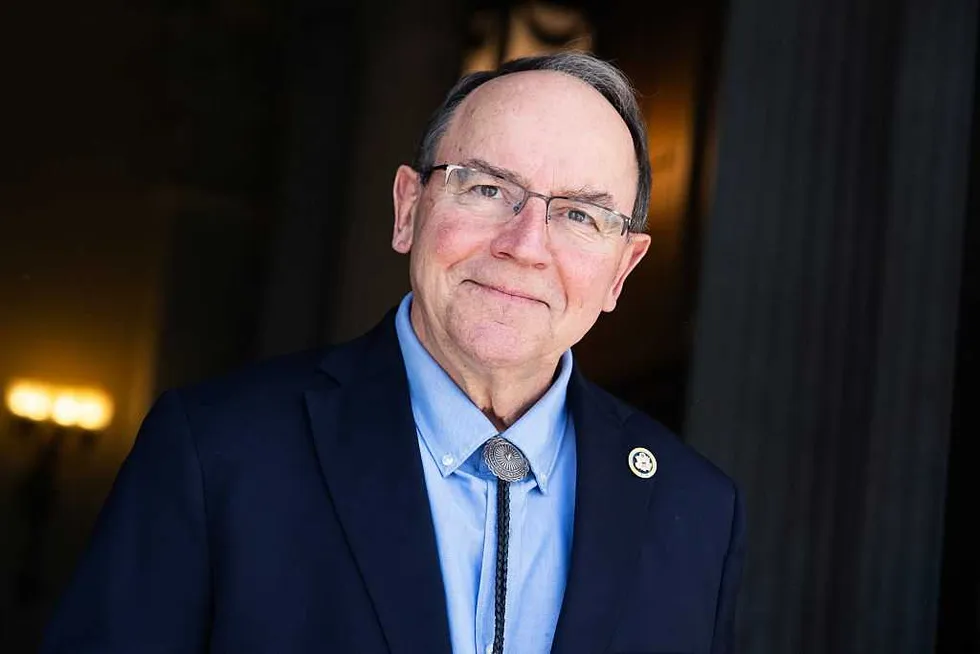 Exclusive: GOP lawmaker Tom Williams/CQ-Roll Call, Inc via Getty Images
A prime example of these “blurred ethical lines” is none other than Democratic Rep. Ilhan Omar of Minnesota, who reportedly paid nearly $2.8 million to her husband’s political consulting firm during the 2019-2020 election cycle.
According to Fox News, these payments accounted for nearly 70% of her disbursements during her third quarter, exceeding the total amount all congressional candidates combined paid their immediate relatives during the 2012 election cycle.
“Members of Congress are sent to Washington to represent the interests of their constituents — not to line their spouses’ pockets with campaign funds,” Wied told Blaze News.
RELATED: Biden DOJ’s probe into Ilhan Omar’s finances dropped same year her net worth surged
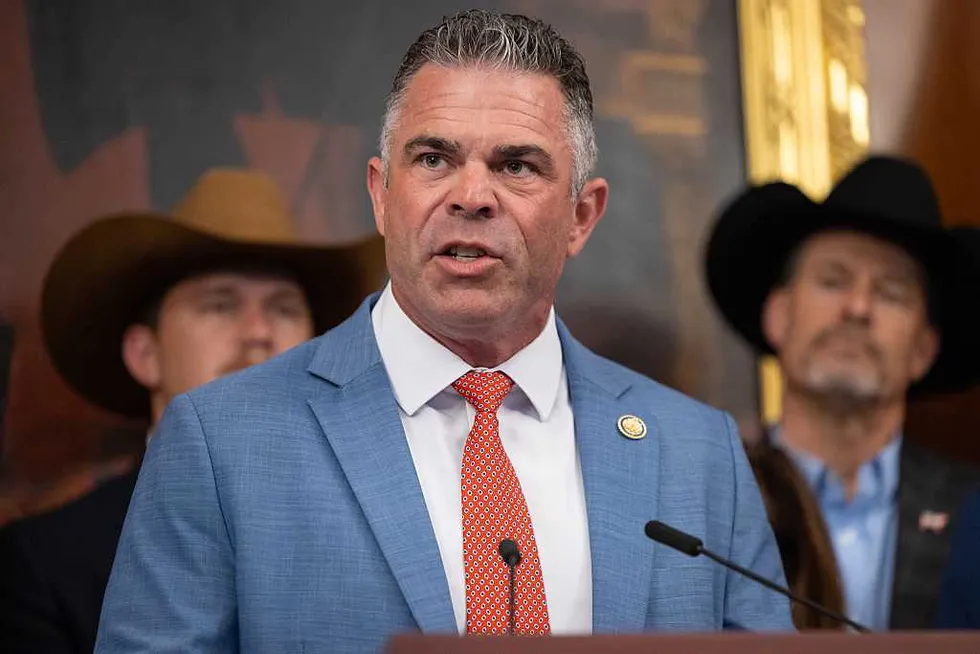 Photo by Nathan Posner/Anadolu via Getty Images
“We’ve seen far too many egregious examples of politicians exploiting loopholes for personal gain, and the American people are sick of it,” Wied added. “I’m proud to stand with Rep. Tiffany to introduce the OMAR Act and put a stop to these shady practices once and for all.”
Like Blaze News? Bypass the censors, sign up for our newsletters, and get stories like this direct to your inbox. Sign up here!
Church invasion suspect arrested by feds is woke Minneapolis prosecutor’s right-hand man

Attorney General Pam Bondi announced on Friday morning the arrests of several radicals who allegedly stormed Cities Church in Saint Paul, Minnesota, on Jan. 18.
One of Don Lemon’s fellow arrestees, Jamael Lydell Lundy, is a newly announced Democratic candidate for the Minnesota Senate who previously worked for Democratic Rep. Betty McCollum and now serves as the right-hand man for Mary Moriarty, Hennepin County’s Soros-backed prosecutor.
Moments prior to the church invasion, Lundy told Lemon on camera, “I’m here to support our community activists,” reported the New York Post.
‘They are troublemakers who should be thrown in jail, or thrown out of the Country.’
“I’m currently a candidate for Minnesota state Senate District 65,” Lundy told the former CNN talking head. “I feel like it’s important if you’re going to be representing people in office, that you’re out here with the people as well.”
“We all we got,” continued Lundy. “I’m actually married to an elected official; I work closely with elected officials, but direct action from the community, certainly within the lines of the law, is so important to show that we have one voice.”
In footage of the subsequent church invasion, Lundy appears fully engaged in the mob’s disruption of the Christian service and the parishioners’ worship, pumping his fist in the air and shouting near the altar.
RELATED: Don Lemon ARRESTED over apparent involvement in church invasion; Jim Acosta whines
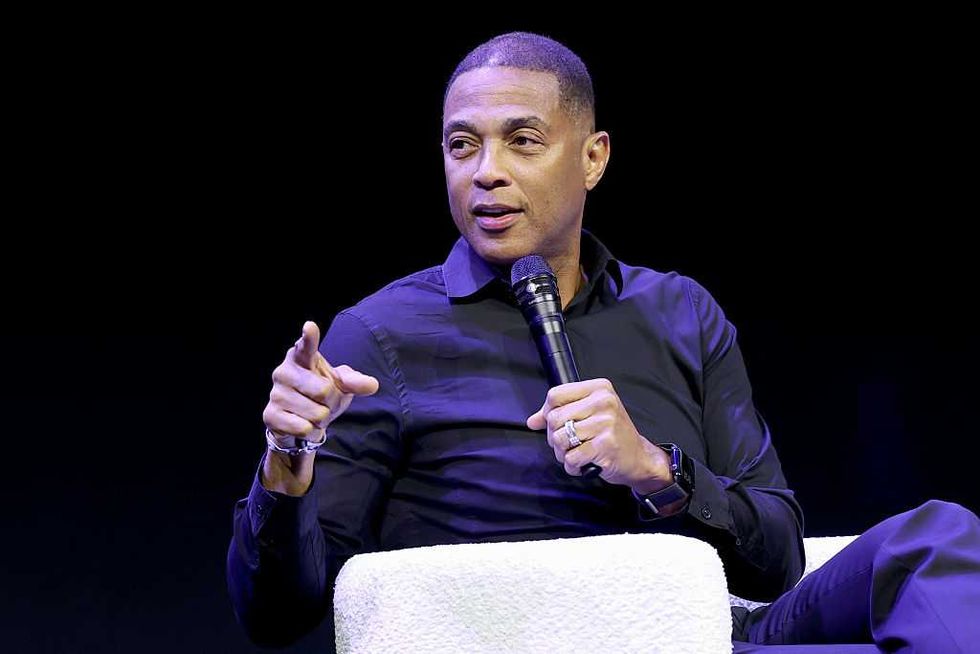 Photo by Arturo Holmes/Getty Images
According to Lundy’s campaign website, he is married to St. Paul City Councilwoman Anika Bowie, Minnesota Attorney General Keith Ellison’s former political director.
In his role as Moriarty’s intergovernmental relations manager, Lundy — who supported the “bananas with rice” Somali accused this week of spitting on federal agents — is responsible for interfacing with the federal government, reported the Daily Wire.
Lundy’s radicalism is in keeping with that practiced by his anti-ICE boss, who launched a project with Philadelphia District Attorney Larry Krasner and other woke prosecutors on Wednesday aimed at “collaborating to ensure federal officials are held accountable when they exceed their lawful authority.”
The non-straight prosecutor has been one of the more unhinged critics of federal agents’ enforcement of federal immigration law in Minneapolis, claiming earlier this month, for instance, “If you do not have white skin, you are in danger of being approached by ICE.”
President Donald Trump suggested those who stormed the church were “agitators and insurrectionists.”
“These people are professionals! No person acts the way they act,” continued Trump. “They are highly trained to scream, rant, and rave, like lunatics, in a certain manner, just like they are doing. They are troublemakers who should be thrown in jail, or thrown out of the Country.”
Blaze News has reached out to Moriarty’s office for comment.
Like Blaze News? Bypass the censors, sign up for our newsletters, and get stories like this direct to your inbox. Sign up here!
Don Lemon ARRESTED over apparent involvement in church invasion; Jim Acosta whines
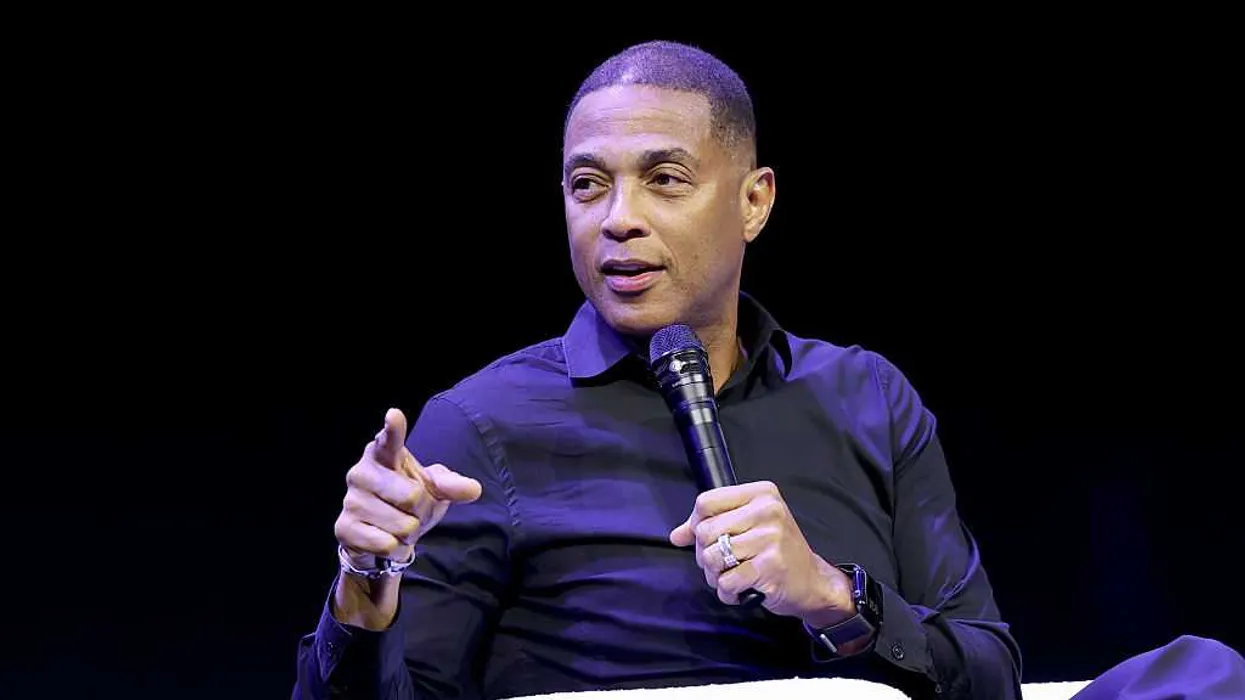
Assistant Attorney General for Civil Rights Harmeet Dhillon put Don Lemon “on notice” after he allegedly joined other radicals in participating in a so-called “ICE Out Action” by storming Cities Church in Saint Paul, Minnesota, on Jan. 18.
It appeared, however, that the former CNN talking head might avoid consequence for his alleged involvement in the church invasion when, earlier this month, an activist judge refused to issue a warrant for his arrest.
Evidently, that was a surmountable obstacle.
‘A house of worship is not a public forum for your protest!’
Federal agents arrested Lemon on Thursday night. Sources told CBS News that agents from the FBI and Homeland Security Investigations were reportedly involved in the arrest, which apparently came hours after a grand jury was impaneled.
Attorney General Pam Bondi announced Friday morning that Lemon was arrested at her direction along with three others involved in the church invasion, namely Trahern Jeen Crews, Georgia Fort, and Jamael Lydell Lundy.
A source told the Washington Examiner’s Christian Datoc that Lemon has been charged with conspiracy to deprive rights and with violating the Freedom of Access to Clinics Entrances Act.
Lemon’s lawyer, Abbe Lowell, stated that the arrest took place in Los Angeles, where the radical was supposedly covering this weekend’s Grammy Awards.
“Don has been a journalist for 30 years, and his constitutionally protected work in Minneapolis was no different than what he has always done,” Lowell said in a statement. “The First Amendment exists to protect journalists whose role it is to shine light on the truth and hold those in power accountable. There is no more important time for people like Don to be doing this work.”
RELATED: ‘This is First Amendment activity’: Democrats give church-storming mobs their stamp of approval
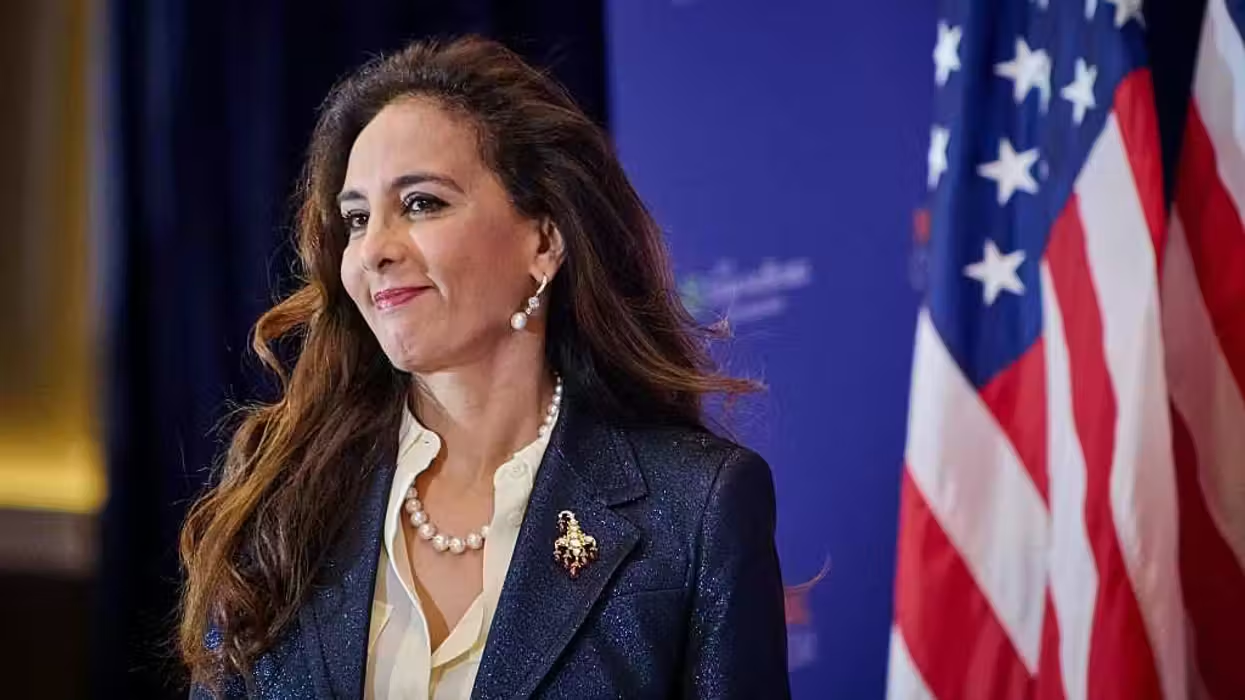 Photo by DOMINIC GWINN/Middle East Images/AFP via Getty Images
Lemon — who suggested in October that “black people, brown people” should take up arms against ICE — appeared to join other radicals in disrupting a service at Cities Church, video showed. The church was targeted because of a pastor’s reported role at U.S. Immigration and Customs Enforcement.
The leftist interlopers not only screamed and chanted but castigated the pastor and pressed parishioners individually to answer whether they support ICE.
Lemon, who lost his CNN gig amid accusations of sexist comments, seemingly slipped in and out of character as a journalist during the mob action, stating, “There’s nothing in the Constitution that tells you what time you can protest. You can protest at any time. That’s the whole point of it — is to disrupt, is to make uncomfortable. And that’s what they’re doing, and that’s what I believe when I say everyone has to be willing to sacrifice something. You have to make people uncomfortable in these times.”
The former CNN host also lectured lead Pastor Jonathan Parnell after Parnell said the mob action was “unacceptable” and that it was “shameful to interrupt a public gathering of Christians in worship.”
“There’s a Constitution and the First Amendment to freedom of speech and freedom to assemble and protest,” Lemon told Parnell, excusing the mob’s interference and intimidation tactics.
Dhillon later responded to Lemon’s defense of the mob action, noting, “A house of worship is not a public forum for your protest! It is a space protected from exactly such acts by federal criminal and civil laws! Nor does the First Amendment protect your pseudo journalism of disrupting a prayer service. You are on notice!”
Lemon is reportedly scheduled to appear in federal court in Los Angeles on Friday morning.
Liberals who were silent when Blaze News reporter Steve Baker was arrested for covering the Jan. 6 riot are apoplectic over the arrest.
Jemele Hill, a writer for the Atlantic, called the radical’s arrest “horrifying,” adding that “this absolutely cannot stand.”
Jim Acosta, also formerly of CNN, adhered to a similar script, writing, “This is outrageous and cannot stand. The First Amendment is under attack in America!”
Like Blaze News? Bypass the censors, sign up for our newsletters, and get stories like this direct to your inbox. Sign up here!
Trump picks ‘numbskull’ Powell’s replacement for Fed chair
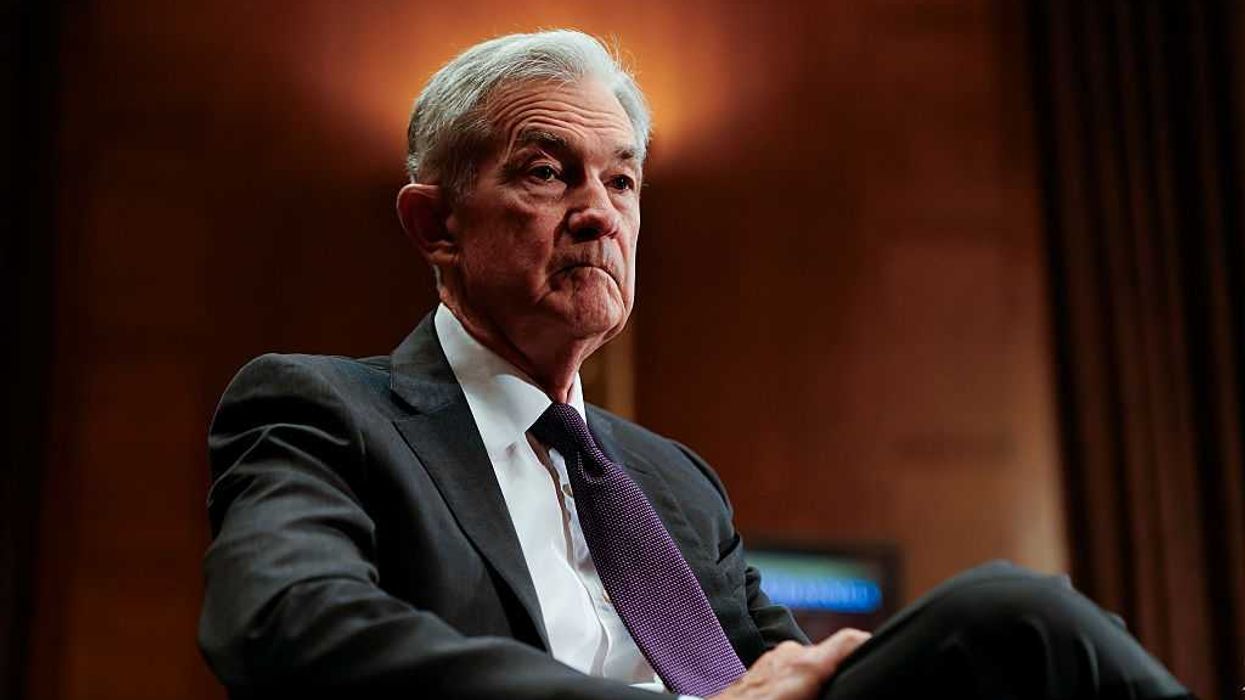
President Donald Trump has officially selected Federal Reserve Chair Jerome Powell’s successor.
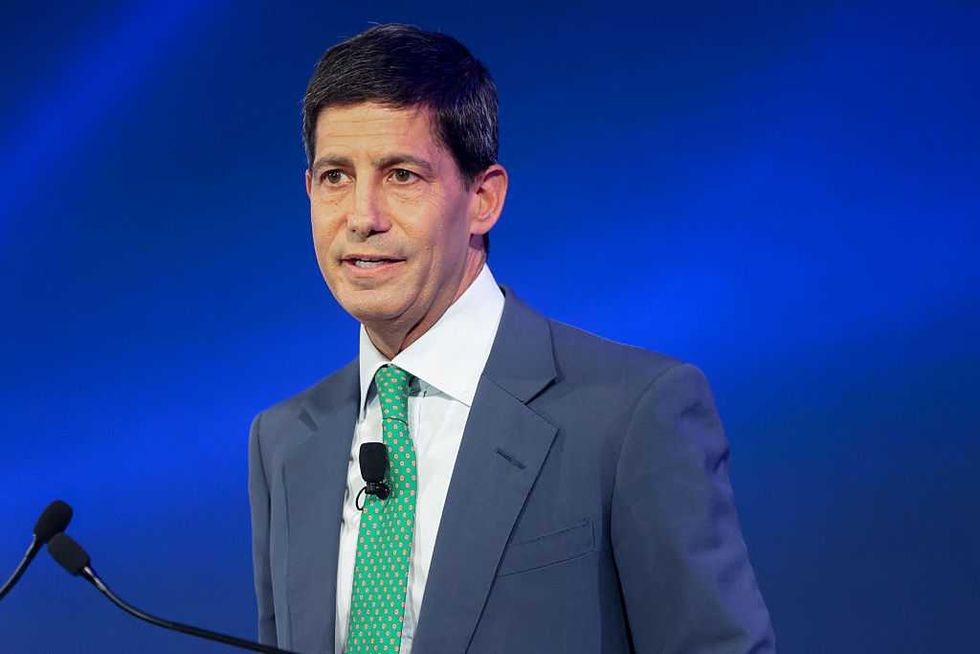
Trump nominated Kevin Warsh for the role, noting the financier’s extensive experience, including his former role as a governor on the board of the Federal Reserve. At the time of Warsh’s appointment to the board in 2006, he was 35, the youngest appointee to serve, Trump claimed.
This announcement comes after a longtime feud between ‘numbskull’ Powell and the president.
Warsh is set to replace Powell in May after Powell’s term officially ends.
“I have known Kevin for a long period of time, and have no doubt that he will go down as one of the GREAT Fed Chairmen, maybe the best,” Trump said in a Truth Social post Friday. “On top of everything else, he is ‘central casting,’ and he will never let you down.”
RELATED: Fed Chairman Jerome Powell fears criminal indictment as Trump-Fed confrontation intensifies
 Tierney L. Cross/Bloomberg via Getty Images
This announcement comes after a longtime feud between “numbskull” Powell and the president, with Trump often criticizing Powell’s refusal to cut interest rates.
This conflict came to a fever pitch when Trump’s Department of Justice launched a criminal investigation into Powell over his testimony to the Senate Banking Committee in June 2025, when he discussed the ballooning cost of renovation to the Fed headquarters.
In a statement following the subpoena, Powell claimed the investigation was actually a political response to “whether the Fed will be able to continue to set interest rates based on evidence and economic conditions — nor whether instead monetary policy will be directed by political pressure or intimidation.”
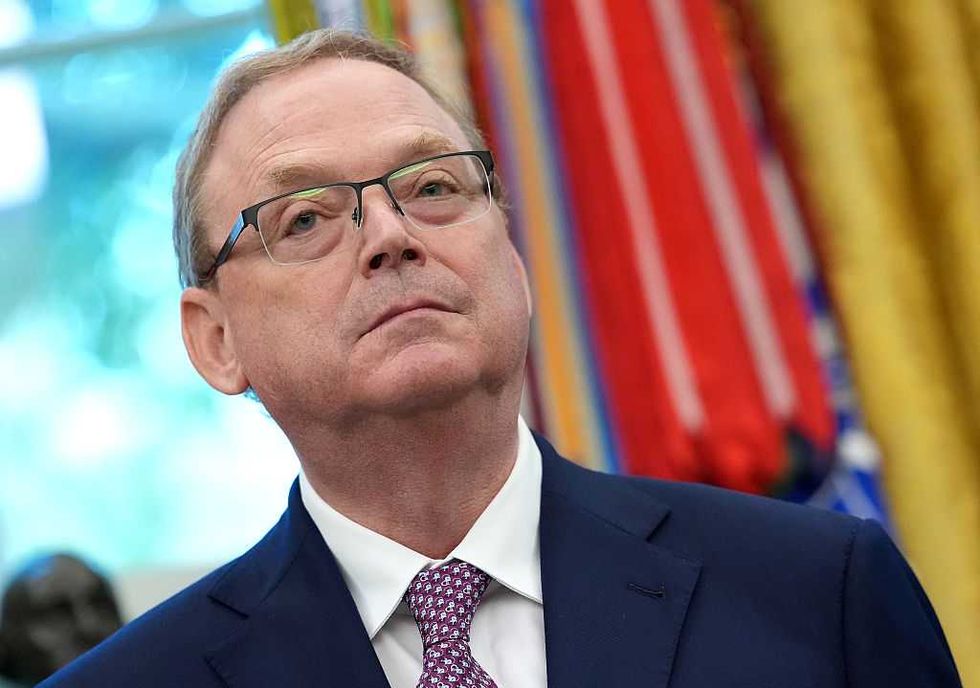 Photo by Kevin Dietsch/Getty Images
Trump was originally considering National Economic Council Director Kevin Hassett for the role, but later suggested he would pick someone else because he wanted to keep Hassett in his position.
“[There] was great speculation that highly respected Kevin Hassett was going to be named Chairman of the Fed, and a great Chairman he would have been but, quite honestly, he is doing such an outstanding job working with me and my team at the White House, that I just didn’t want to let him go,” Trump wrote in a Truth Social post.
“Kevin is indescribably good so, as the expression goes, ‘if you can’t do better, don’t try to fix it!’ Thank you Kevin for doing such a great job!”
Like Blaze News? Bypass the censors, sign up for our newsletters, and get stories like this direct to your inbox. Sign up here!
LATE-NIGHT LECTURE: Colbert Says ICE Worse Than Nazis Because at Least Nazis Were ‘Willing to Show Their Faces’ [WATCH]
![LATE-NIGHT LECTURE: Colbert Says ICE Worse Than Nazis Because at Least Nazis Were ‘Willing to Show Their Faces’ [WATCH]](https://hannity.com/wp-content/uploads/2024/08/colbert-300x166.png "colbert")
Late-night host Stephen Colbert drew backlash this week after a remark about Immigration and Customs Enforcement and Border Patrol agents that critics argued trivialized history while escalating rhetoric around immigration enforcement.
Former Harvard History Chairman Boasts of Transforming It From ‘White Male Affinity Group’
A former chairman of the Harvard History Department, Sidney Chalhoub, is out with a piece criticizing the Harvard History Department of the early 1990s as a “white male affinity group” and praising its transformation into today’s veritable United Nations, with “faculty native to more than fifteen countries around the world.”
The post Former Harvard History Chairman Boasts of Transforming It From ‘White Male Affinity Group’ appeared first on .
Springsteen’s ‘Streets of Minneapolis’ an Ode to Fascists Obstructing the Law
Do you remember when Bruce Springsteen wrote that rousing anthem to honor Laken Riley? Me neither. But on Wednesday, he…