

Category: Breitbart
5 hilarious political moments that make me thankful for Trump

President Donald Trump has spent the last decade producing some of America’s most iconic political moments. Some were divisive, some were historic, and many of them were hilarious.
Here are the top five Trump moments that make me thankful for his presidency.
5. Turn them OFF!
Trump had many memorable moments during his first presidential campaign, earning a reputation for being a totally candid and unapologetic candidate. Almost a decade ago at a rally in Atlanta, Georgia, Trump put his personality and political talent on full display, turning a technical hiccup into a chant with countless rallygoers.
The stage lights abruptly went off in the middle of his campaign speech, prompting Trump to quip that the venue “didn’t pay the electric bill,” sending applause and laughter through the audience. To Trump’s dismay, the lights quickly blared back on, and he began to shout, “No! Get those lights off!”
“Turn them off! They’re too bright! Turn them OFF!”
Trump later encouraged audience members to join him in chanting, “Turn off the lights!”
“That’s the way we have to negotiate for our country,” he added.
4. From the standpoint of water
During Hurricane Florence in September 2018, Trump posted a video in which he thanked first responders and all those involved in mitigating the pain inflicted by the natural disaster. Although this would have been a routine exercise in any other administration, the orator in chief delivered one of his most iconic Trump lines that never fails to make people chuckle.
While Trump has several memorable one-liners, this one was uniquely pre-approved and posted to a personal social media account.
“I just want to thank all of the incredible men and women who have done such a great job in helping with Florence,” Trump said. “This is a tough hurricane.”
“One of the wettest we’ve ever seen from the standpoint of water. Rarely have we had an experience like it, and it certainly is not good,” he added.
3. Trick or treat
Some of the most iconic Trump moments were entirely unscripted, and 2018 Halloween was no exception.
The White House was hosting the annual trick-or-treat festivities where the president and first lady Melania Trump hand out candy to kids dressed up in their Halloween costumes. One such trick-or-treater showed up in a Minion costume from the well-known “Despicable Me” films, which quickly proved to limit the child’s candy-collecting abilities.
The child’s costume seemingly obstructed his hands, but Trump didn’t want to deprive the Minion of his Halloween harvest. Instead, Trump opted to simply place the candy bar on top of the Minion’s head as onlookers erupted in laughter.
2. The N-word
Trump’s unprompted one-liners are usually the most controversial, but also the most entertaining. His speech to military brass at Quantico earlier this year was no exception, after Trump veered off script and produced one of the most viral moments so far in his second term.
“It was really a stupid person that … mentioned the word ‘nuclear,'” Trump said during the address.
“I moved a submarine or two … over to the coast of Russia, just to be careful, because we can’t let people throw around that word,” he continued.
“I call it the N-word,” Trump added. “There are two N-words, and you can’t use either of them.”
Campaigning as the peace president and working around the clock to end conflicts around the globe, his play on words was both in line with the administration’s agenda and with Trump’s comedic instincts.
1. ‘Because you’d be in jail’
One of Trump’s most iconic political feuds was with none other than failed Democratic presidential candidate Hillary Clinton. The two sparred on a number of issues and exchanged many notable insults at each other, but few are as memorable as the October 9, 2016, presidential debate.
This mic drop speaks for itself.
“Last time, at the first debate, we had millions of people fact-checking, so I expect we’ll have millions more fact-checking because, you know, it’s just awfully good that someone with the temperament of Donald Trump is not in charge of the law in our country,” Clinton said.
Trump picked up the mic and simply said, “Because you’d be in jail.”
Like Blaze News? Bypass the censors, sign up for our newsletters, and get stories like this direct to your inbox. Sign up here!
Strap ’em on: From watches to glasses, snag our top wearables this Black Friday

The speed of tech is a formidable force, so we have paused to catch you up on the cutting-edge devices and gadgets you might want to bump to the top of your list if you’re hoping to speedrun Black Friday this year.
Best wearables to buy during Black Friday
Apple Watch Series 10 or 11
Apple Watch is one of the best-selling wearables on the planet, largely due to its customization options, iconic style, and wide range of fitness features. However, while Apple used to add fun new sensors and capabilities every year, newer Apple Watches have reached a point of innovation stagnation. Aside from battery life improvements, last year’s Series 10 has all the new features that landed on the Series 11, including high blood pressure detection and sleep score tracking, plus all the usual tricks like heart rate monitoring, ECG scans, blood oxygen levels, AFIB detection, and more.
There’s no telling how long the gadgets on your list will be on sale.
While I do recommend an Apple Watch for anyone in the Apple ecosystem, your money would be better spent on a Series 10, if you can find one. Otherwise, you’re looking at $399 MSRP or more for a Series 11.
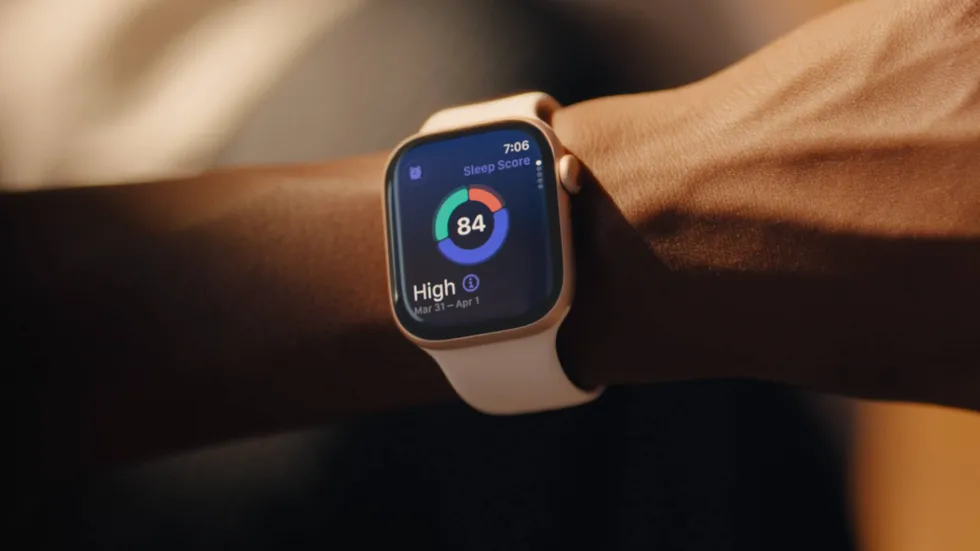 The Series 11 looks great, but for your money, the Series 10 wins out.Photo courtesy of Apple
Pixel Watch 3 or 4
On the Android side, Pixel Watch has quickly become one of the best wearables available. With Fitbit integration, heart rate tracking, daily readiness scores, and a host of other features, Pixel Watch is the best that Android users can buy. As for which model deserves a spot on your wrist (or list), last year’s Pixel Watch 3 is where the device really started to hit its stride, while the newest Pixel Watch 4 for $349.99 adds quality-of-life improvements (40 hours of battery life per charge and a larger domed display) that further refine the experience. You’d be safe with either one of these under the tree this season.
 The Pixel Watch 4: just like the 3, only better.Photo courtesy of Android
Oura Ring 4
For anyone who wants an ultra-sleek or unconventional wearable fitness tracker, Oura Ring 4 is easily the best ring the company has ever made. With a new slimmer design, it looks more like a piece of jewelry than a tech gadget. It comes in a range of sizes and finishes from $249 to $499, and it tracks everything you’d expect from a larger smartwatch, including heart rate data, sleep and rest, and stress levels. Although Oura Ring is great for men and women, its added female health features make it especially great for the lady in your life.
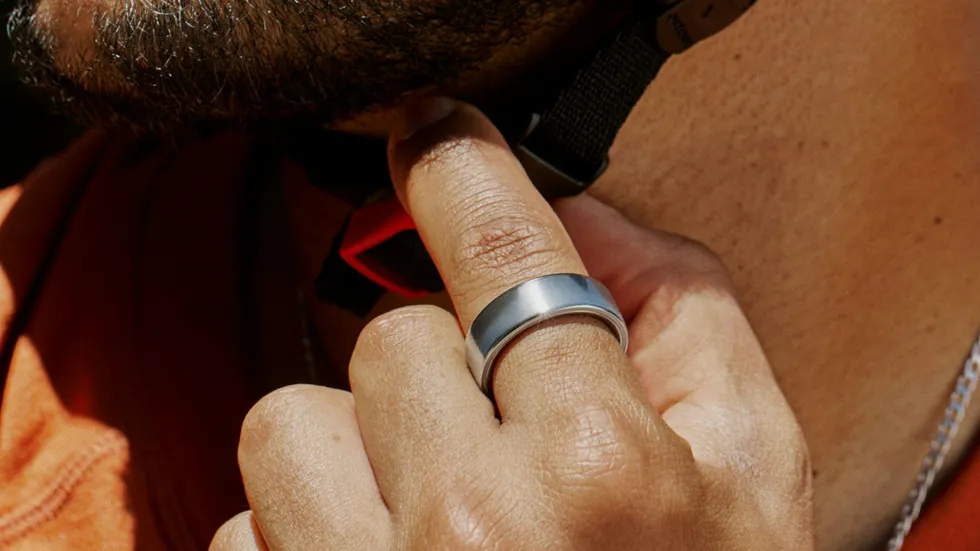 Oura Ring 4 hits new highs.Photo courtesy of Oura
One more thing: Speaking of Fitbit, it’s easy to recommend a Charge series fitness band or Versa watch to anyone looking to slim down in the New Year. However, hold off for now. Google recently confirmed that new devices are on the way soon, so only buy a Fitbit this week if you get a really good discount.
Try something totally new for Black Friday
For the more adventurous gift-giving type, a new product category is making waves in the tech space. From Apple to Google, Meta and more, everyone is trying their best to make augmented reality, virtual reality, and extended reality glasses, goggles, and headsets a thing. The category is still very young and OEMs are still trying to figure out exactly what users want, but if you’d like to try it out for yourself or with a loved one, here are a few devices to keep in mind.
Apple Vision Pro
Apple’s first foray into AR didn’t go so well. The first-generation Vision Pro was heavy, clunky, and very expensive. It didn’t sell in high numbers, either. However, that didn’t stop Apple from finally launching a sequel that hit shelves last month. With a much faster M5 chip and an improved dual-knit headband for comfort, the second-generation Vision Pro offers an immersive spatial computing experience that puts you directly inside your work, movies, and memories. If you ever wanted to know what it was like to wear an iPad on your face, this is the one to do it.
 First was worst, second is best: the new Vision Pro.Photo courtesy of Apple
One more thing: Vision Pro is an impressive piece of tech, but keep in mind that developers have been slow to create apps for the headset. Nearly two years after the first version launched, several critical apps are still missing from the App Store, including YouTube, Netflix, and Spotify. At this point, there’s no telling if or when the platform will ever take off like iPhone, Apple Watch, and Mac, so only pick this one up if you’re really curious about AR/VR/XR.
RELATED: Fooled by fake videos? Unsure what to trust? Here’s how to tell what’s real.
 Qilai Shen/Bloomberg via Getty Images
Samsung Galaxy XR
Almost one full year ago, Google announced its glasses operating system called Android XR. Even then, the company hinted that the first Android XR device would come from Samsung, and after months of teases and unveils, it is finally here. Samsung Galaxy XR is Android’s first direct Apple Vision Pro competitor. Using the same concept — building a product that lets users dive directly into the action — Galaxy XR differentiates itself in several key ways. For starters, Gemini sits at the center of the user experience, helping users navigate the UI, pull up information, and learn more about whatever they see on their screens. The device itself is also lighter than Vision Pro, making it easier to wear for longer sessions. Android XR supports most apps already found on the Google Play Store, which means it does have access to YouTube, Netflix, and other entertainment apps, all ready to go.
 Samsung’s Galaxy XR wants you scrolling past the Vision Pro.Photo courtesy of Samsung
One more thing: While Samsung Galaxy XR is an interesting alternative to Apple Vision Pro, its underlying software is brand-new. Developers will likely make tweaks and squash bugs as they flesh out the feature list for Android XR. It’s also worth noting that Google has a reputation for killing projects early if they don’t amass a large user base within the first several years. In other words, if the Samsung Galaxy XR isn’t a success, Android XR may get the axe sooner than later. No one has a crystal ball, though, so it’s hard to predict what will happen until a bit more time has passed.
Ray-Ban Meta Glasses (Gen 2)
Where Apple Vision and Samsung Galaxy XR are meant to be worn while sitting down in a controlled space, Ray-Ban Meta Glasses (Gen 2) are smart glasses that are meant to be worn with you out in the world. These don’t have displays, but they have built-in cameras controlled by an AI assistant that can see what you see and tell you about the world around you in real time. Ask it about the architecture of a building, capture high-quality videos and photos of memories as they happen in front of you, or play music through the built-in open-air speakers. If you ever wanted an AI assistant for your face, Ray-Ban Meta Glasses (Gen 2) are a good place to start.
 Play it cool with the new Meta Glasses, and you might not get the wrong kind of stares.Photo courtesy of Ray-Ban/Meta
Let the deals begin!
The Black Friday deals have already started to roll out, and many of them will carry into Cyber Monday and the weeks leading up to Christmas. Still, there’s no telling how long the gadgets on your list will be on sale, so grab them sooner rather than later to make sure you have exactly what you want under the tree.
Happy Black Friday weekend and merry Christmas!
How NFL football became a Thanksgiving holiday tradition
Before the NFL had three Thanksgiving games — or any games at all — the tradition was already under way in one part of the country.
The northeast is credited with creating the Thanksgiving game tradition. But, no, it wasn’t the New York Giants or the New York Jets that started it. Rather, the tradition began in the upscale setting of Princeton and Yale.
‘People in this area … are used to having football with their turkey.’
Back in 1876, the two schools played what is considered to be the first college football game on Nov. 30. Just 1,000 fans sat through a 2-0 Yale victory in Hoboken, New Jersey, that would start a tradition for the ages.
Over the next two decades, the annual game grew in popularity, with Princeton winning 6-0 in front of more than 50,000 fans in 1892, according to History. While this was the last time the schools met on Thanksgiving, the tradition was in full swing as colleges, high schools, and clubs played around 5,000 games on Thanksgiving Day throughout the 1890s.
Thanksgiving Pros
While most associate the start of the Thanksgiving tradition in the NFL with the Detroit Lions, there was more than a decade of games on the holiday before it became a fixture in the Motor City.
On Thanksgiving 1920, teams like the Akron Pros and the Dayton Triangles shut out the Canton Bulldogs and Detroit Heralds, 7-0 and 28-0, respectively. Even non-league teams like the Elyria Athletics and Chicago Boosters played that Thanksgiving.
In 1922, the Chicago Bears played their first of 17 consecutive Thanksgiving games. One of those games was against the Lions in 1934 after entrepreneur George A. Richards bought the Ohio Spartans for just under $8,000 and moved them to Detroit. In order to draw fans, he invited the champion Bears for the Thanksgiving game.
A record 26,000 fans watched the game at the University of Detroit Stadium, setting a record for a football game in Detroit. Even though the Bears won 19-16 — finishing with an undefeated season — it sparked a Lions tradition that continues to this day.
RELATED: Free speech and football: Why they matter and why you should be thankful for them
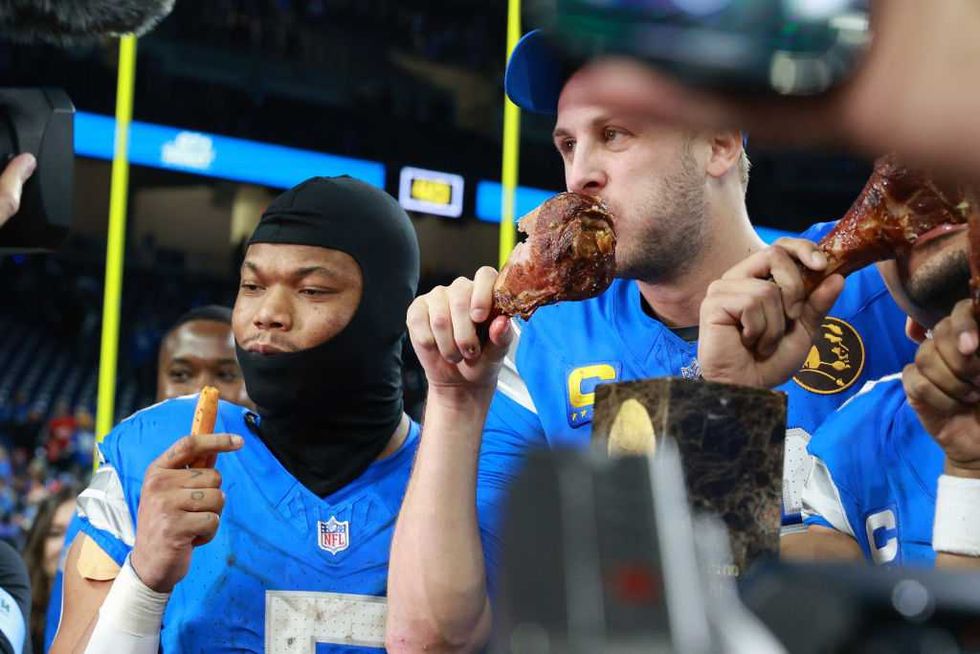 Photo by Jorge Lemus/NurPhoto via Getty Images
Lions and Cowboys and Cardinals, oh my!
Since the Lions became the Lions, they have hosted a Thanksgiving game every year — except between 1939 and 1944 during World War II.
The first televised game came in 1953 for the Green Bay Packers-Lions game, but fans would have to wait another 13 years for a second Thanksgiving game to come on the airwaves.
On November 24, 1966, the Dallas Cowboys became the second team to host a televised Turkey Day game. They beat the Cleveland Browns 26-14 at the Cotton Bowl in front of more than 80,000 fans that day.
The area was thirsty for the tradition to continue. Cowboys General Manager Tex Schramm remarked at the time that Texas football fans had become accustomed to the holiday game.
“People in this area, because of the Texas-Texas A&M game, are used to having football with their turkey,” he said.
For nearly a decade, the Cowboys hosted the second game. However, in 1975 the NFL wanted to showcase the St. Louis Cardinals’ highly-touted offense and gave the team a few years to show it off. They lost in 1975, 1976, and 1977 — including a loss to the Cowboys in ’76 — before the league asked the Cowboys if they wanted to take the tradition back for the 1978 game.
“I said only if we got it permanently,” Schramm told the Chicago Tribune in 1998, according to History. “It’s something you have to build as tradition. He said, ‘It’s yours forever.'”
RELATED: NFL player apologizes over backlash for doing Trump dance: ‘I did not mean to offend anyone’
Turducken and a third game
Late and great coach-turned-commentator John Madden has brought the football world so many things: Madden video games, hilarious telestrator segments, and, of course, his sideburns.
Another addition in his 85 years was bringing the joy of eating to the Thanksgiving Day broadcast.
Calling 22 straight Thanksgiving games starting in 1981, Madden’s three-bird roast was born in the lead-up to the 1996 broadcast, according to ESPN. Along with his annual Turkey Leg Award for player of the game that started in 1989, the turducken became an annual staple, with Madden explaining his complex process on how to cook, cut, and even eat the birds.
In 2002, he even tore the roast open with his bare hands to create a working diagram.
“It’s a deboned chicken stuffed in a deboned duck stuffed in a deboned turkey, with dressing between the chicken and the duck, and the duck and the turkey. So as you cut down that way, you go turkey, dressing, duck, dressing, chicken,” he instructed.
Unfortunately, Madden retired just a few years after the NFL expanded its Thanksgiving schedule to three games in 2006, which would have offered a lot more opportunities to spread his turducken joy.
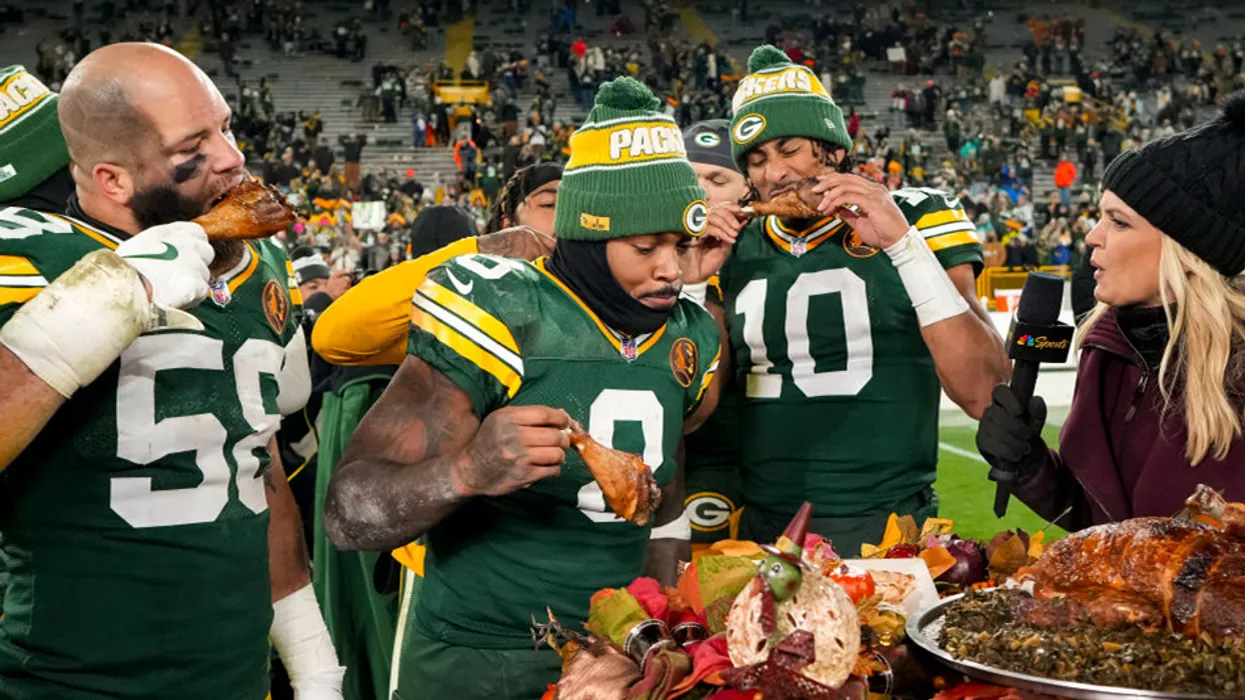
Although no specific host team is used for the third game, players have recently carried on Madden’s tradition by eating turkey on the field after the game — or even just a carrot.
Like Blaze News? Bypass the censors, sign up for our newsletters, and get stories like this direct to your inbox. Sign up here!
Turkey-hater’s delight: 6 historic Thanksgiving substitutes
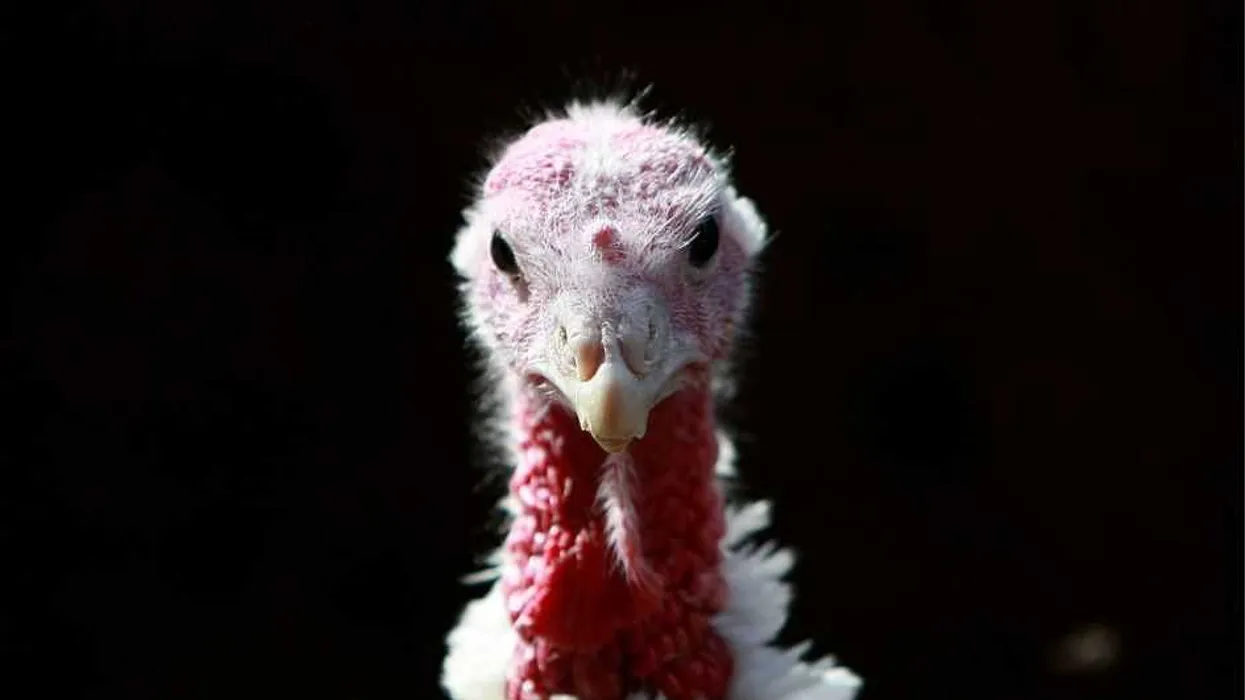
This Thanksgiving, consider the poor turkey. Is there any animal we consume with less gusto?
It has become something of annual tradition to denigrate the day’s traditional fare. Nearly 35% of Americans claim turkey is their least favorite part of the feast, according to one recent survey.
This vintage Better Homes and Gardens recipe is a bit of a cheat, as it does use turkey — although not in any form you’re likely to recognize
The internet just stokes the hatred. Every year the same tiresome “contrarian” opinions: “Stop pretending you like turkey. It’s no good on Thanksgiving, or any other day.”
Even celebrity chefs can’t resist punching down. “Turkey is wildly overrated,” says restaurateur David Chang.
“The only reason to cook the turkey is to get the gravy, and then you can just give the turkey away.”
We must admit that turkey-haters have a point. Yes, turkey meat can be dry and flavorless (although brining is a dependable way to avoid that). And yes, the tradition of eating turkey — and most Thanksgiving foods — was essentially created by advertising in the early 20th century. (College freshman home for fall break voice: “It’s all a scam by Big Cranberry!”)
While we’re content to stick with the standard flightless fowl, there were plenty of other contenders in the great battle for the Thanksgiving table. As a service, we provide the following recipes for anyone wanting to change it up.
1. Roast eel (1621)
Among the meats served at the first Thanksgiving in Plymouth would surely have been this vital freshwater food source. The 1622 promotional pamphlet for the Plymouth colony “Mourt’s Relation” describes how the Wampanoag native Tisquantum (better known as Squanto) taught the Pilgrims to catch the slippery, succulent treats.
Tisquantum went at noon to fish for Eels, at night he came home with as many as he could well lift in one hand, which our people were glad of, they were fat & sweet, he trod them out with his feet, and so caught them with his hands, without any other Instrument.
Here’s how they might have prepared it:
Ingredients
- 2 lbs cleaned freshwater eel
- Salt, splash of vinegar
- Sage or bay, butter
Instructions
- Soak eel 30 minutes in salt water and vinegar.
- Dry; rub with salt and herbs.
- Split a roasting stick down the middle, coil eel around stick.
- Roast over open fire 20-25 min.
- Baste with butter.
2. Roast swan (17th-18th centuries)
Long a favorite of European royals (peasants were forbidden to hunt them), swan was plentiful in the New World and was most likely one of the waterfowl consumed at the first Thanksgiving.
Here’s a recipe from Hannah Woolley’s “The Queen-like Closet,” (1670) a cookbook that later colonists would have had in their kitchens:
To bake a Swan.
Scald it and take out the bones, and parboil it, then season it very well with Pepper, Salt and Ginger, then lard it, and put it in a deep Coffin of Rye Paste with store of Butter, close it and bake it very well, and when it is baked, fill up the Vent-hole with melted Butter, and so keep it; serve it in as you do the Beef-Pie.
For something more elaborate, here’s a preparation from the late 14th century cookbook “Le Menagier de Paris”:
Pluck like a chicken or goose, scald, or boil; spit, skewer in four places, and roast with all its feet and beak, and leave the head unplucked; and eat with yellow pepper.
Item, if you wish, it may be gilded.
Item, when you kill it, you should split its head down to the shoulders.
Item, sometimes they are skinned and reclothed.
RECLOTHED SWAN in its skin with all the feathers. Take it and split it between the shoulders, and cut it along the stomach: then take off the skin from the neck cut at the shoulders, holding the body by the feet; then put it on the spit, and skewer it and gild it. And when it is cooked, it must be reclothed in its skin, and let the neck be nice and straight or flat; and let it be eaten with yellow pepper.
3. Passenger pigeon pie (1700s)
Though extinct for more than a century, passenger pigeons were once as abundant as the kind you see fouling statues in urban parks. While we wouldn’t recommend eating those birds, Cornish game hen or squab make a decent substitute.
Ingredients
- 2 Cornish game hens (substitute for extinct passenger pigeons)
- 1 onion, quartered
- 2 tbsp butter
- 2 tbsp flour
- 1-1½ cups chicken or turkey stock
- Salt and pepper, to taste
- 1 tsp dried thyme
- Double pie crust (bottom + top crust)
Instructions
1. Prepare the meat
- Simmer game hens with the onion until fully cooked and tender.
- Remove hens; pick the meat from the bones.
- Place shredded meat in a bowl.
2. Make the gravy
- Melt butter in a pan.
- Add flour and cook until lightly browned.
- Stir in stock to form a smooth gravy.
- Season with salt, pepper, and thyme.
- Simmer until slightly thickened.
3. Assemble the pie
- Line a pie dish with bottom crust.
- Add shredded meat.
- Pour warm gravy over the meat.
- Cover with top crust and seal edges.
- Cut a small vent in the center.
4. Bake
Outdoor Dutch oven method (historical):
- Preheat Dutch oven with coals above and below.
- Elevate pie pan inside the Dutch oven on metal hooks or a trivet.
- Bake ~10-20 minutes, checking frequently to avoid burning.
Modern oven method:
- Bake at 375°F for 35-45 minutes, until crust is golden.
5. Serve. Let cool slightly before slicing.
4. Sautéed calf’s brains with mushrooms, sour cream, and dill
In 1904, railroad heir George Vanderbilt and his wife, Edith, hosted a lavish Thanksgiving at their Asheville estate, Biltmore. Turkey was on the menu — but so were calf’s brains. Here’s one preparation that guarantees a delicate, custardy mouthfeel:
Ingredients
- 1 lb brains (veal, pork, or lamb)
- Water for soaking
- Salt (for poaching water)
- 2 tbsp butter
- 1 cup sliced white mushrooms
- 2-3 tbsp sour cream
- 1-2 tbsp fresh dill, minced
- Toasted bread, for serving
Instructions
1. Prep the brains
- Soak brains overnight in cold water to remove blood pockets.
- Drain.
- Poach gently in salted water (bare simmer) for 10-15 minutes until firm.
- Cool slightly, then peel off the thin outer membrane.
- Cut brains into bite-size pieces.
2. Cook the mushrooms
- In a skillet, melt butter over medium heat.
- Add mushrooms and sauté until they release their juices and the butter turns lightly browned and nutty.
3. Add the brains
- Add chopped brains to the skillet.
- Toss gently with the mushrooms and browned butter for 1-2 minutes.
4. Finish the sauce
- Remove skillet from heat.
- Stir in sour cream to form a loose sauce.
- Add minced dill.
- Adjust salt if needed.
5. Serve. Spoon the mixture over warm toast. Serve immediately.
5. Celery au naturel (late 1800s-early 1900s)
Now the most unwanted vegetable on the crudite platter, this Bloody Mary garnish was a highly coveted status symbol of the Gilded Age (it was hard to grow). Everyone will want the recipe.
Ingredients
- 1 bunch crisp celery
- Cold water
- Ice cubes (optional)
- Salt (for serving, optional)
Instructions
1. Trim the celery
- Cut off the root end.
- Remove tough outer stalks if desired.
- Trim leafy tops to a neat fan.
2. Refresh the stalks
- Place celery in a bowl of cold water (add ice for extra crispness).
- Chill 15-30 minutes.
3. Present with appropriate ceremony
- Stand stalks upright in a tall glass, vase, or celery jar.
- Arrange so the tops flare elegantly.
4. Serve. Place the celery in the center of the table. Offer a pinch dish of salt on the side.
Note: In the late 19th century, this was considered a showpiece delicacy. Your guests are encouraged to admire its beauty before eating it exactly as it is.
6. Turkey lime molded salad (1969)
This vintage Better Homes and Gardens recipe is a bit of a cheat, as it does use turkey — although not in any form you’re likely to recognize.
Ingredients
- 2 packages (3 oz each) lime-flavored gelatin
- ¼ tsp salt
- 2 cups boiling water
- ½ cup cold water
- 1 (7 oz) bottle ginger ale
- 2 cups diced cooked turkey
- 1 cup sour cream
- ¼ tsp ground ginger
- 1 (16 oz) can pears, drained and diced
- 6½-cup gelatin mold
Instructions
1. Make the gelatin base
- Dissolve lime gelatin and salt in 2 cups boiling water.
- Add ginger ale and ½ cup cold water.
- Chill until partially set.
2. Prepare the turkey layer
- Fold diced turkey into the partially set gelatin.
- Pour into a 6½-cup mold.
- Chill until almost firm.
3. Prepare the sour cream-pear layer
- Beat sour cream, ground ginger, and ½–1 cup of the remaining unset gelatin until smooth.
- Chill until partially set.
- Fold in diced pears.
4. Add second layer
- Spoon the pear-sour cream mixture over the firm turkey layer.
- Chill until completely set.
5. Unmold and serve
- Dip mold briefly in warm water.
- Invert onto a serving platter.
- Lift mold carefully to reveal two layers.
Our forefathers prayed on Thanksgiving. We scroll.

There was a time when Thanksgiving pointed toward something higher than stampedes for electronics or a long weekend of football. At its root, Thanksgiving was a public reminder that faith, family, and country are inseparable — and that a free people must recognize the source of their blessings.
Long before Congress fixed the holiday to the end of November, colonies and early states observed floating days of thanksgiving, prayer, and fasting. These were civic acts as much as religious ones: moments when communities asked God to protect them from calamity and guide their families and their nation.
Grounded in gratitude
The Continental Congress issued the first national Thanksgiving proclamation in 1777, drafted by Samuel Adams. The delegates called on Americans to acknowledge God’s providence “with Gratitude” and to implore “such farther Blessings as they stand in Need of.”
Twelve years later, President George Washington proclaimed the first federal day of thanksgiving under the Constitution. He asked citizens to gather in public and private worship, to seek forgiveness for “national and other transgressions,” and to pray for the growth of “true religion and virtue.”
Our problems — social, fiscal, and moral — are immense. But they are not greater than the God our ancestors trusted.
Other presidents followed suit. During rising tensions with France in 1798, John Adams declared a national day of “solemn humiliation, fasting, and prayer,” arguing that only a virtuous people could sustain liberty. The next year he called for another day of thanksgiving, urging citizens to set aside work, confess national sins, and recommit themselves to God.
For generations, this was the American understanding: national strength flowed from moral character, and moral character flowed from religious conviction.
The evolution of a holiday
In 1863, President Abraham Lincoln — responding to years of lobbying by Sarah Josepha Hale — established the last Thursday in November as a permanent national Thanksgiving. Hale saw the holiday as a unifying civic ritual that strengthened families and reminded Americans of their shared heritage.
Calvin Coolidge echoed this tradition in 1924, observing that Thanksgiving revealed “the spiritual strength of the nation.” Even as technology transformed daily life, he insisted that the meaning of the day remain unchanged.
But as the country drifted from an agricultural rhythm and from public expressions of faith, the holiday’s original purpose faded. The deeper meaning — gratitude, repentance, unity — gave way to distraction.
When a nation forgets
Today, America marks Thanksgiving with a national character far removed from the one our forebears envisioned. The founders believed public acknowledgment of God’s authority anchored liberty. Modern institutions increasingly treat religious conviction as an obstacle.
Court rulings have redefined marriage, narrowed the space for religious conscience, and removed long-standing religious symbols from public grounds. Citizens have been fined, penalized, or jailed for refusing to violate their beliefs. The very freedoms early Americans prayed to preserve are now treated as negotiable.
At the same time, other pillars of national life — family stability, civic order, border security, self-government — erode under cultural and political pressure. As faith recedes, government fills the void. The founders warned that a people who lose their internal moral compass invite external control.
Former House Speaker Robert Winthrop (Whig-Mass.) put it plainly in 1849: A society will be governed “either by the Word of God or by the strong arm of man.”
A lesson from history
The collapse of religious conviction in much of Europe created a vacuum quickly filled by ideologies hostile to Western values. America resisted this trend longer, but the rising influence of secularism and identity ideology pushes our society toward the same drift: a nation less confident in its heritage, less united by a common purpose.
Ronald Reagan saw the warning signs decades ago. In his 1989 farewell, he lamented that younger generations were no longer taught to love their country or understand why the Pilgrims came here. Patriotism, once absorbed through family, school, and culture, had been replaced by fashionable cynicism.
Thanksgiving offers the antidote Reagan urged: a return to gratitude, history, and shared purpose.
RELATED: Why we need God’s blessing more than ever
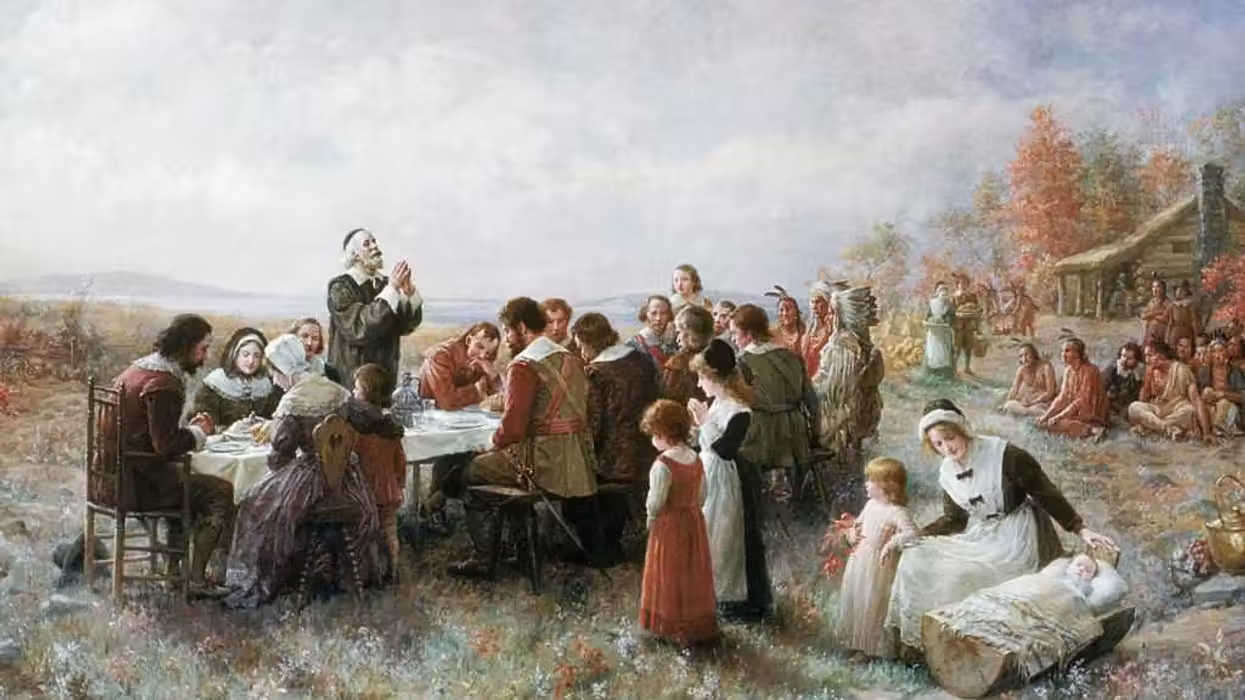 Photo by Barney Burstein/Corbis/VCG via Getty Images
Thanksgiving was meant to be the clearest expression of a nation united by faith, family, and patriotism. It rooted liberty in gratitude and gratitude in God’s providence.
Reagan captured that spirit in 1986, writing that Thanksgiving “underscores our unshakable belief in God as the foundation of our Nation.” That conviction made possible the prosperity and freedom Americans inherited.
Today’s constitutional conservatives must lead in restoring that heritage — not by nostalgia, but by example. Families who teach gratitude, faith, and national purpose build the civic strength the founders believed essential.
A return to gratitude
Thanksgiving calls each of us to humility: to recognize that national renewal begins with personal renewal. Our problems — social, fiscal, and moral — are immense. But they are not greater than the God our ancestors trusted.
That confidence is the heart of Thanksgiving. It is why the Pilgrims prayed, why Congress proclaimed days of fasting and praise, why Lincoln unified the holiday, and why generations of Americans pause each November to give thanks.
Editor’s note: A version of this article first appeared at Conservative Review in 2015.
The Real First Thanksgiving Happened In Virginia Two Years Before The Pilgrims

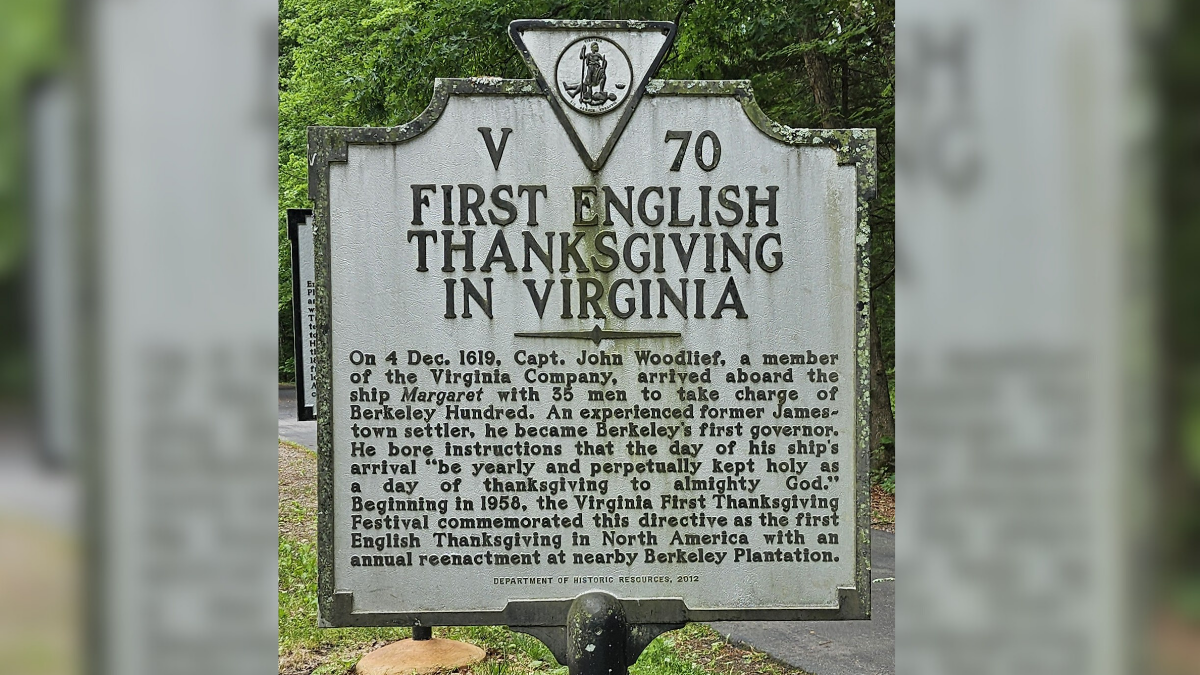 It was English settlers in Virginia, not Pilgrims in New England, who observed America’s first Thanksgiving.
Give thanks for the sun, the CO2, and the farmers — not the climate scolds
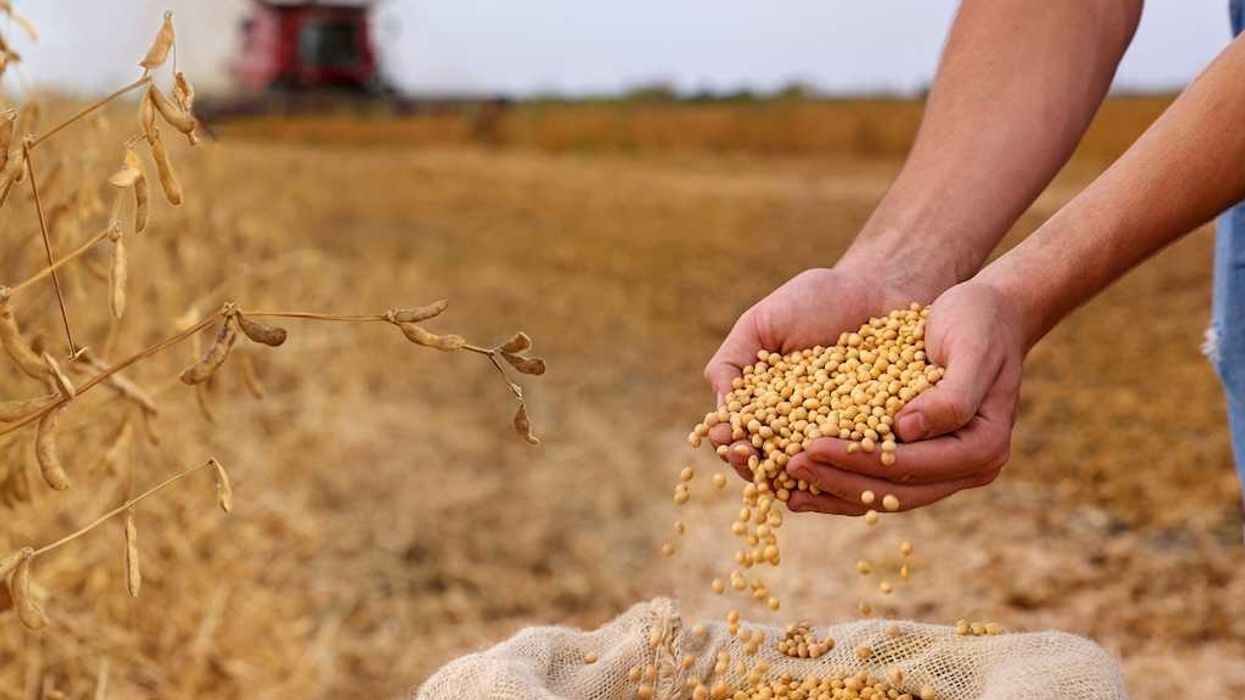
What if, this Thanksgiving, we offered a small tribute to global warming and the relative abundance of carbon dioxide in the atmosphere? An apparently scandalous idea. Global elites and their media partners insist that these forces promise catastrophe. Yet sound thinking demands the opposite conclusion.
Fifty years ago, the story was reversed. In the 1970s, major outlets warned of a coming ice age. Some scientists called for immediate action to stop the planet from plunging into widespread glaciation.
Abundance is not an accident. It reflects a climate far friendlier than the one our ancestors endured — and a modern economy powered by fuels that make global agriculture possible.
The fear of cold had at least a historical basis. Unlike today’s speculative climate models, past civilizations suffered through genuine cold-driven crises.
The Little Ice Age, from roughly 1300 to 1850, brought centuries of persistent chill. Historical accounts describe crops withering, growing seasons collapsing, and communities starving as food systems failed. The Thames froze solid. Frost fairs became a tradition because the cold was relentless. Entire regions fell into poverty and instability.
People living through those centuries would have welcomed the warmth we enjoy today.
Modern Americans rarely think about that history as they prepare Thanksgiving meals sourced from every climate zone on Earth. Our abundance depends on a long supply chain anchored in one fundamental reality: Plants grow best in warmth, not cold.
Warm periods fed civilizations
Warm eras have repeatedly aligned with human flourishing. During the Roman Warm Period and the Medieval Warm Period, farmers cultivated crops in regions that are too cold for them now. Warmer temperatures didn’t bring disaster; they supported prosperity.
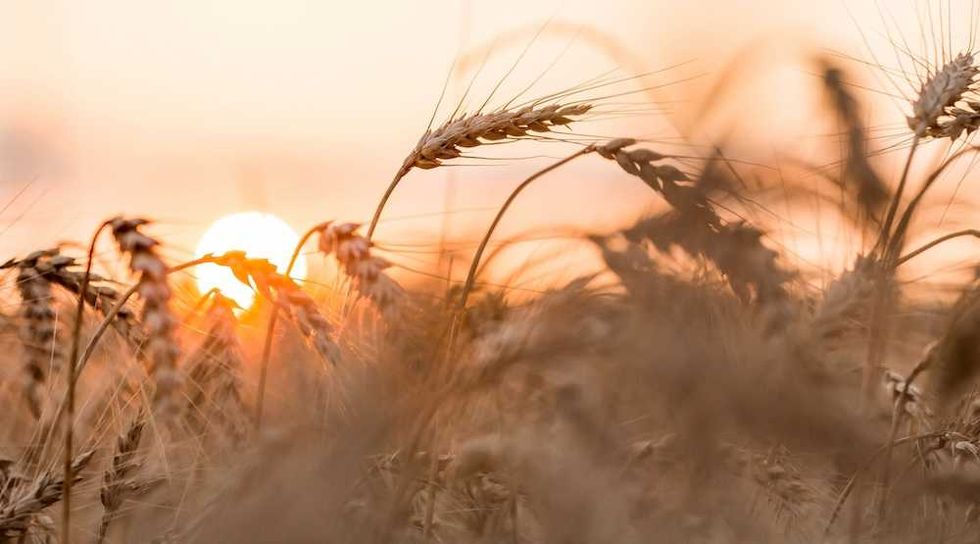
The present is no exception. Earth has quietly greened since the late 20th century. Satellite data shows expanding vegetation, especially in arid regions. The drivers are straightforward: increased carbon dioxide and a slightly warmer global climate.
CO2 is not a toxin. It’s plant food — an essential input for photosynthesis. Higher concentrations allow crops to use water more efficiently and grow more robustly. This is one of the greatest environmental improvements of the past century, though you would never know it from the coverage.
RELATED: ‘Green Antoinettes’ live large, preach small
 Julia Klueva via iStock/Getty Images
The other indispensable ingredient is modern fertilizer, made largely from natural gas. High-yield crops require nitrogen, and synthetic fertilizers supply it.
Energy-dense fuels — coal, oil, natural gas — power nearly every part of modern agriculture. Irrigation pumps, fertilizer plants, harvesters, delivery trucks, and refrigeration systems depend on them. Remove these fuels, and global food systems collapse. The return of famine would be swift.
A simple truth
Climate alarmists warn that warming will devastate global food security. Actual yields say otherwise. For 40 years, production of wheat, corn, rice, and other staples has climbed dramatically. Most food shortages today result from war or corrupt governance, not climate.
Earth’s climate has always shifted. Mega-droughts, severe floods, heat waves, and cold snaps have occurred throughout history. Treating every anomaly as evidence of imminent collapse ignores the long record of natural variability.
So as Americans gather around Thanksgiving tables, remember a simple truth: The feast depends on warmth, carbon dioxide, and the affordable energy that moves food from field to plate.
This abundance is not an accident. It reflects a climate far friendlier than the one our ancestors endured — and a modern economy powered by fuels that make global agriculture possible.
The families behind our veterans deserve more than once-a-year thanks
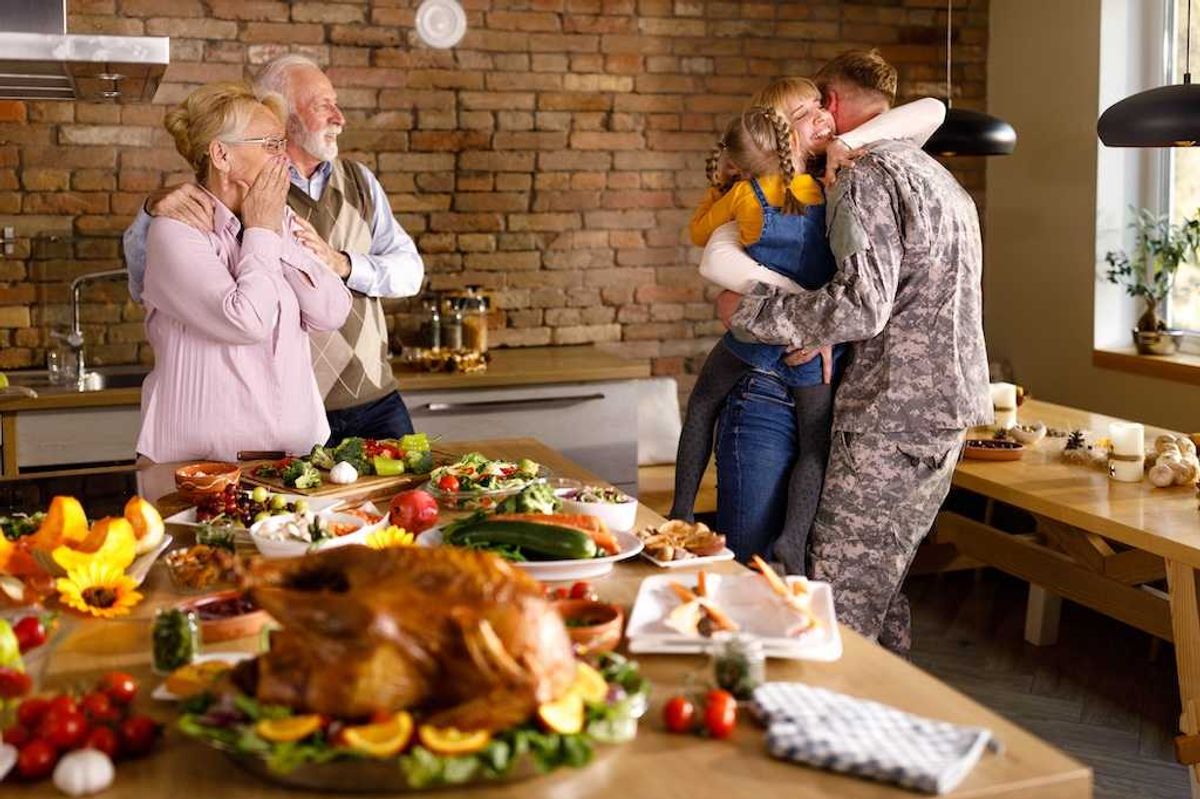
Every November, America pauses to thank its veterans. As Thanksgiving approaches — and as we mark Veterans and Military Families Month — it’s worth remembering that real gratitude does not begin in ceremonies. It begins in living rooms, workplaces, and communities willing to listen.
When I returned from Iraq, I believed my mission was complete. I had led soldiers through chaos during the invasion of Baghdad and made it home alive. What I didn’t expect was the second battle: reintegration. Purpose felt less defined. Connection felt harder to find. The uniform came off, but the transition demanded its own kind of discipline.
Service doesn’t end on the battlefield. It continues in the boardroom, the classroom, the town hall — and at the dinner table.
Like many veterans, I learned that coming home isn’t an ending. It’s a transfer of duty.
Service that spans generations
That duty is carried not just by veterans but by the families who stand behind them. A spouse manages a household while absorbing the worry that never quite fades. A child learns resilience from absence. A parent hopes each phone call means his son or daughter is one day closer to coming home — and able to stay.
My son is now a second lieutenant in the Army. Watching him begin his own journey reminds me that service does not stop at the edge of a battlefield. It moves through generations. Families carry it alongside us.
The meaning of gratitude
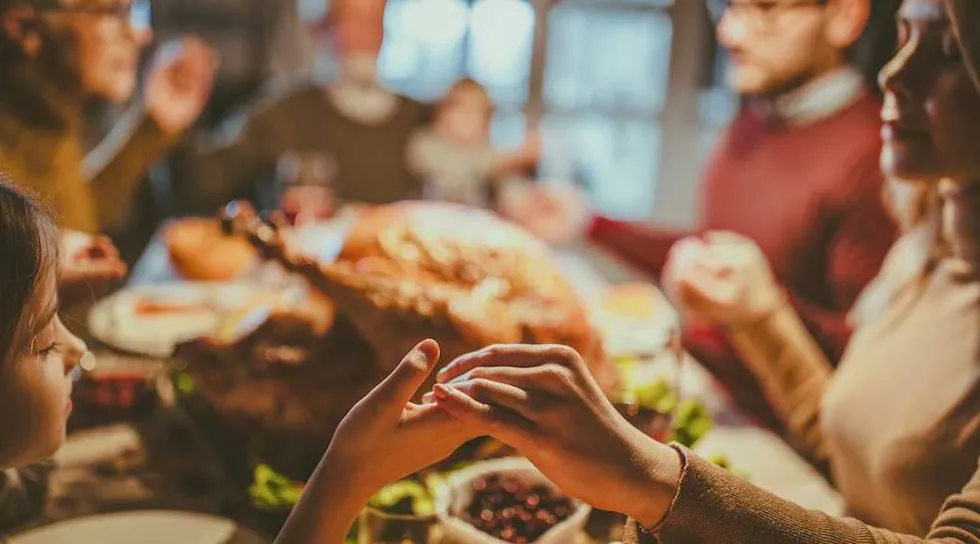
Thanksgiving offers a natural moment to reflect on gratitude — not the polite version, but the kind that demands something from us.
It demands employers who recognize leadership potential behind a résumé gap.
It demands communities willing to listen before advising.
It demands fellow veterans who know that strength includes accepting help, not just offering it.
Most of all, it demands that Americans see military families not as supporting characters but as central figures in the story of national resilience.
RELATED: Thankful for a capitalist Thanksgiving
 skynesher via iStock/Getty Images
What we owe the next generation
The wars of the last two decades lasted longer than anyone expected. Their consequences will last even longer. We owe it to the next generation — including my son’s — to show that a nation’s strength is not measured only by how it deploys its forces, but by how it welcomes them back.
As we close Veterans and Military Families Month and gather around Thanksgiving tables, we can honor veterans in a simple but meaningful way: not by assuming we understand their experience, but by inviting them to share it. Not by thanking them once a year, but by offering them roles in which their judgment, discipline, and experience make a difference.
Service doesn’t end on the battlefield. It continues in the boardroom, the classroom, the town hall — and at the dinner table.
Two National Guardsmen Shot After Democrats Dubbed Their Presence In DC An ‘Occupation’

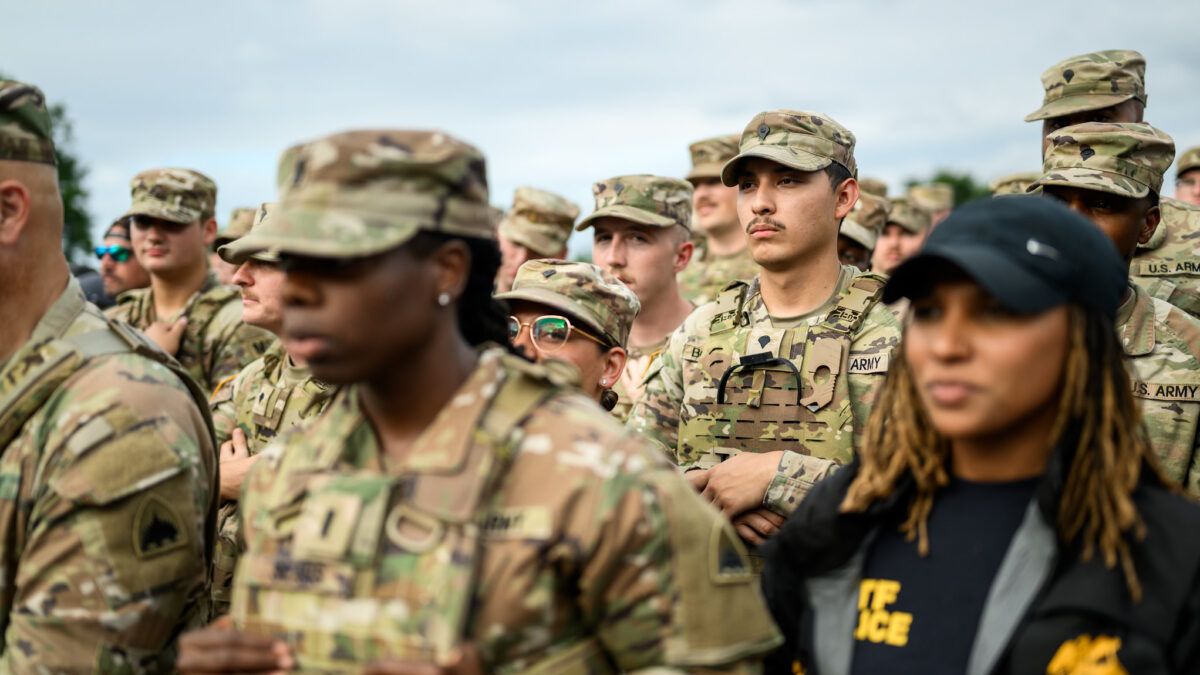 Democrats have relentlessly fomented fear and hatred of troops deployed to help reduce crime and violence.
National Guard Shooting Suspect Came From Afghanistan Through Biden Program

 A 2022 DHS report concedes the government may have ‘paroled individuals into the United States who pose a risk to national security and the safety of local communities.’





