

Category: Drug prices
Why weight-loss drug prices finally fell — and who deserves credit

For decades, Americans heard the same justification for high drug prices. Pharmaceutical executives insisted those prices were unavoidable. Research costs required them. Innovation depended on them. The United States, as the world’s most open market, had to pay more than everyone else.
Then Eli Lilly cut the monthly price of one of its flagship weight-loss drugs, Zepbound.
If lower prices matter, then incentives matter more than bureaucracy. Competition and consumer access drive real change.
Nothing about the drug changed. No new scientific breakthrough appeared. The only thing that changed was competition. Once real pressure entered the market, Lilly found room in its pricing model that executives had long claimed did not exist.
The market responded quickly. Novo Nordisk, Lilly’s primary rival, lowered its prices soon after. This did not reflect a sudden gain in efficiency. It reflected fear of losing ground to a competitor.
That is how functioning markets work. When one major player moves, others adjust. The correction happens faster than any federal agency could hope to manage.
The irony is hard to miss. For years, the industry claimed margins were fixed and untouchable. Executives warned that any shift would damage shareholders and undermine global health. Yet the moment one company blinked, others followed. Consumers saw relief not because regulators intervened, but because competition exposed the old narrative as hollow.
Another force reinforced that shift. On Nov. 6, the White House announced a pricing agreement with major drug manufacturers scheduled to take effect in 2026. The agreement aims to narrow the gap between U.S. prices and those in other advanced economies and establishes a purchasing framework that makes reductions easier to implement.
That move marked a break from Washington’s habit of passively accepting industry talking points. The administration did not override the market. It amplified momentum competition had already created. Companies that once refused to consider cuts began to bend once the political cost of rigidity became clear. The announcement accelerated the trend, but competition started it.
A larger reality deserves attention. Major pharmaceutical companies have posted enormous profits for years. They have spent billions on stock buybacks and shareholder payouts while executive compensation soared. Market valuations across the sector reached historic highs. Lilly even became the first pharmaceutical company to surpass a trillion-dollar valuation.
Profit itself is not the problem. But competition forcing these firms to behave more like the quasi-utilities they resemble marks a welcome change from a system long treated as untouchable.
RELATED: The party that made life more expensive wants credit for noticing
 byemo via iStock/Getty Images
That system rests on a global arrangement in which Americans shoulder a disproportionate share of drug development costs. Wealthy nations negotiate prices or impose caps. The United States does not. The gap between what Americans pay and what others pay funds buybacks, dividends, and executive packages. Shareholders collect the upside.
The disparity speaks for itself. Drugs that cost hundreds of dollars overseas cost thousands here. The industry defended that gap by warning that research would collapse if prices fell. The current price cuts prove otherwise. Pipelines remain intact. Investment continues. Profitability holds. The model did not break when prices moved downward. It adjusted.
These developments expose a simple truth. Prices never reflected necessity. Incentives shaped them, reinforced by limited competition and political deference. Competition cracked open an inflexible model. The White House helped widen the opening.
Policymakers should learn from that sequence. If lower prices matter, then incentives matter more than bureaucracy. Competition and consumer access drive real change. The bloated regulatory machinery Washington favors often delays it. The market moved before Congress could even respond.
For Americans struggling to afford essential medication, that lesson matters most. Competition remains the strongest and most reliable force for bringing prices down.
It worked here. It can work again — if policymakers allow markets to function and pharmaceutical companies choose access over insulation.
Why weight-loss drug prices finally fell — and who deserves credit
For decades, Americans heard the same justification for high drug prices. Pharmaceutical executives insisted those prices were unavoidable. Research costs required them. Innovation depended on them. The United States, as the world’s most open market, had to pay more than everyone else.
Then Eli Lilly cut the monthly price of one of its flagship weight-loss drugs, Zepbound.
If lower prices matter, then incentives matter more than bureaucracy. Competition and consumer access drive real change.
Nothing about the drug changed. No new scientific breakthrough appeared. The only thing that changed was competition. Once real pressure entered the market, Lilly found room in its pricing model that executives had long claimed did not exist.
The market responded quickly. Novo Nordisk, Lilly’s primary rival, lowered its prices soon after. This did not reflect a sudden gain in efficiency. It reflected fear of losing ground to a competitor.
That is how functioning markets work. When one major player moves, others adjust. The correction happens faster than any federal agency could hope to manage.
The irony is hard to miss. For years, the industry claimed margins were fixed and untouchable. Executives warned that any shift would damage shareholders and undermine global health. Yet the moment one company blinked, others followed. Consumers saw relief not because regulators intervened, but because competition exposed the old narrative as hollow.
Another force reinforced that shift. On Nov. 6, the White House announced a pricing agreement with major drug manufacturers scheduled to take effect in 2026. The agreement aims to narrow the gap between U.S. prices and those in other advanced economies and establishes a purchasing framework that makes reductions easier to implement.
That move marked a break from Washington’s habit of passively accepting industry talking points. The administration did not override the market. It amplified momentum competition had already created. Companies that once refused to consider cuts began to bend once the political cost of rigidity became clear. The announcement accelerated the trend, but competition started it.
A larger reality deserves attention. Major pharmaceutical companies have posted enormous profits for years. They have spent billions on stock buybacks and shareholder payouts while executive compensation soared. Market valuations across the sector reached historic highs. Lilly even became the first pharmaceutical company to surpass a trillion-dollar valuation.
Profit itself is not the problem. But competition forcing these firms to behave more like the quasi-utilities they resemble marks a welcome change from a system long treated as untouchable.
RELATED: The party that made life more expensive wants credit for noticing
byemo via iStock/Getty Images
That system rests on a global arrangement in which Americans shoulder a disproportionate share of drug development costs. Wealthy nations negotiate prices or impose caps. The United States does not. The gap between what Americans pay and what others pay funds buybacks, dividends, and executive packages. Shareholders collect the upside.
The disparity speaks for itself. Drugs that cost hundreds of dollars overseas cost thousands here. The industry defended that gap by warning that research would collapse if prices fell. The current price cuts prove otherwise. Pipelines remain intact. Investment continues. Profitability holds. The model did not break when prices moved downward. It adjusted.
These developments expose a simple truth. Prices never reflected necessity. Incentives shaped them, reinforced by limited competition and political deference. Competition cracked open an inflexible model. The White House helped widen the opening.
Policymakers should learn from that sequence. If lower prices matter, then incentives matter more than bureaucracy. Competition and consumer access drive real change. The bloated regulatory machinery Washington favors often delays it. The market moved before Congress could even respond.
For Americans struggling to afford essential medication, that lesson matters most. Competition remains the strongest and most reliable force for bringing prices down.
It worked here. It can work again — if policymakers allow markets to function and pharmaceutical companies choose access over insulation.
Why weight-loss drug prices finally fell — and who deserves credit
For decades, Americans heard the same justification for high drug prices. Pharmaceutical executives insisted those prices were unavoidable. Research costs required them. Innovation depended on them. The United States, as the world’s most open market, had to pay more than everyone else.
Then Eli Lilly cut the monthly price of one of its flagship weight-loss drugs, Zepbound.
If lower prices matter, then incentives matter more than bureaucracy. Competition and consumer access drive real change.
Nothing about the drug changed. No new scientific breakthrough appeared. The only thing that changed was competition. Once real pressure entered the market, Lilly found room in its pricing model that executives had long claimed did not exist.
The market responded quickly. Novo Nordisk, Lilly’s primary rival, lowered its prices soon after. This did not reflect a sudden gain in efficiency. It reflected fear of losing ground to a competitor.
That is how functioning markets work. When one major player moves, others adjust. The correction happens faster than any federal agency could hope to manage.
The irony is hard to miss. For years, the industry claimed margins were fixed and untouchable. Executives warned that any shift would damage shareholders and undermine global health. Yet the moment one company blinked, others followed. Consumers saw relief not because regulators intervened, but because competition exposed the old narrative as hollow.
Another force reinforced that shift. On Nov. 6, the White House announced a pricing agreement with major drug manufacturers scheduled to take effect in 2026. The agreement aims to narrow the gap between U.S. prices and those in other advanced economies and establishes a purchasing framework that makes reductions easier to implement.
That move marked a break from Washington’s habit of passively accepting industry talking points. The administration did not override the market. It amplified momentum competition had already created. Companies that once refused to consider cuts began to bend once the political cost of rigidity became clear. The announcement accelerated the trend, but competition started it.
A larger reality deserves attention. Major pharmaceutical companies have posted enormous profits for years. They have spent billions on stock buybacks and shareholder payouts while executive compensation soared. Market valuations across the sector reached historic highs. Lilly even became the first pharmaceutical company to surpass a trillion-dollar valuation.
Profit itself is not the problem. But competition forcing these firms to behave more like the quasi-utilities they resemble marks a welcome change from a system long treated as untouchable.
RELATED: The party that made life more expensive wants credit for noticing
byemo via iStock/Getty Images
That system rests on a global arrangement in which Americans shoulder a disproportionate share of drug development costs. Wealthy nations negotiate prices or impose caps. The United States does not. The gap between what Americans pay and what others pay funds buybacks, dividends, and executive packages. Shareholders collect the upside.
The disparity speaks for itself. Drugs that cost hundreds of dollars overseas cost thousands here. The industry defended that gap by warning that research would collapse if prices fell. The current price cuts prove otherwise. Pipelines remain intact. Investment continues. Profitability holds. The model did not break when prices moved downward. It adjusted.
These developments expose a simple truth. Prices never reflected necessity. Incentives shaped them, reinforced by limited competition and political deference. Competition cracked open an inflexible model. The White House helped widen the opening.
Policymakers should learn from that sequence. If lower prices matter, then incentives matter more than bureaucracy. Competition and consumer access drive real change. The bloated regulatory machinery Washington favors often delays it. The market moved before Congress could even respond.
For Americans struggling to afford essential medication, that lesson matters most. Competition remains the strongest and most reliable force for bringing prices down.
It worked here. It can work again — if policymakers allow markets to function and pharmaceutical companies choose access over insulation.
Killing drug ads won’t lower prices — it will kill innovation

The United States is one of the few countries that allows prescription drugmakers to speak directly to patients. That simple fact now fuels political calls to “ban the ads.” But restricting direct-to-consumer advertising would do more than change what runs during football games. It would shrink the flow of information to patients and push our system toward the bureaucratic throttling that has turned other countries into innovation laggards.
Advertising is part of a dynamic market process. Entrepreneurs inform consumers about new products, and when profits are high, firms have every incentive to improve quality and expand access.
The pattern is clear: The more Washington intervenes, the fewer cures Americans get.
New, cheaper treatments need to be brought to consumers’ attention. Otherwise, people stay stuck with older, more expensive options, and competition falters. Banning pharmaceutical advertising would hobble innovative firms whose products are not yet known and leave those seeking medical care less informed.
Critics warn that “a growing proliferation of ads” drives demand for costly treatments, even when less expensive alternatives exist. Yet a recent study in the Journal of Public Economics finds that exposure to pharmaceutical ads increases drug utilization across the board — including cheaper generics and non-advertised medications. In short, advertising pushes people who need care to make better, more informed decisions.
A market-based system rewards risk-taking and innovation. Despite the many flaws in American health care, the United States leads the world in medical breakthroughs — from cancer immunotherapies to vaccines developed in record time. That success wasn’t created by government decree. It came from competition: firms communicating openly about their products, fighting for patients, and reinvesting earnings into the next generation of lifesaving discoveries.
Sure, some regulations are adopted with good intentions. But drug ads are already heavily regulated, and a full ban would create serious unintended consequences — including the unseen cost of innovative drugs that will never reach patients because firms won’t invest in developing treatments they are barred from promoting.
American health care is now regulated to the point of satisfying no one. Patients face rising costs. Physicians navigate a Kafkaesque maze of top-down rules. Taxpayers foot the bill for decisions made by distant bureaucracies. Measures associated with socialized medicine continue creeping into the marketplace.
Price controls in the Inflation Reduction Act are already cutting into pharmaceutical research and development. One study estimates roughly 188 fewer small-molecule treatments in the 20 years after its enactment. The pattern is clear: The more Washington intervenes, the fewer cures Americans get.
RELATED: Trump faces drugmakers that treat sick Americans like ATMs
 Photo by Andrew Harnik/Getty Images
The answer to the problems in American health care isn’t more government. It’s less. Expected profitability drives investment in biomedical research. Imposing new advertising bans or European-style price controls would mean lower-quality care, higher mortality, and the erosion of America’s leadership in medical innovation.
The United Kingdom offers a warning. Once a global leader, it drove investment offshore through overregulation and rigid price controls. Today, only 37% of new medicines are made fully available for their licensed uses in Britain. Americans spend more, but they also live longer: U.S. cancer patients outlive their European counterparts for a reason.
Discovering new drugs is hard. Every breakthrough begins with the freedom to imagine, to compete, and to communicate. Strip companies of the ability to inform patients, and you strip away the incentive to develop the next cure. Competitive markets — not centralized control — will fuel tomorrow’s medical miracles.
Why Trump’s Obesity Drug ‘Deal’ Will Help Big Pharma Most Of All

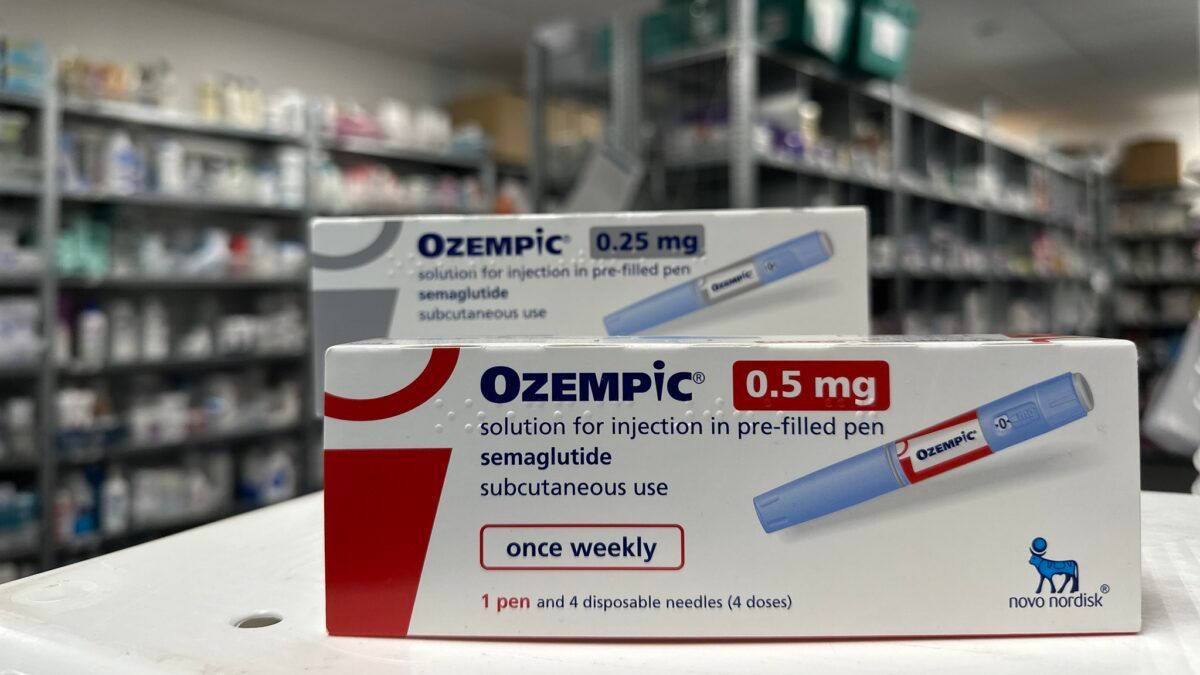 With the market for GLP-1s already exploding, Americans might be best served by a government that focuses on promoting competition to drive down prices.





