

Category: Drug trafficking
Venezuela was the stage. China was the target.
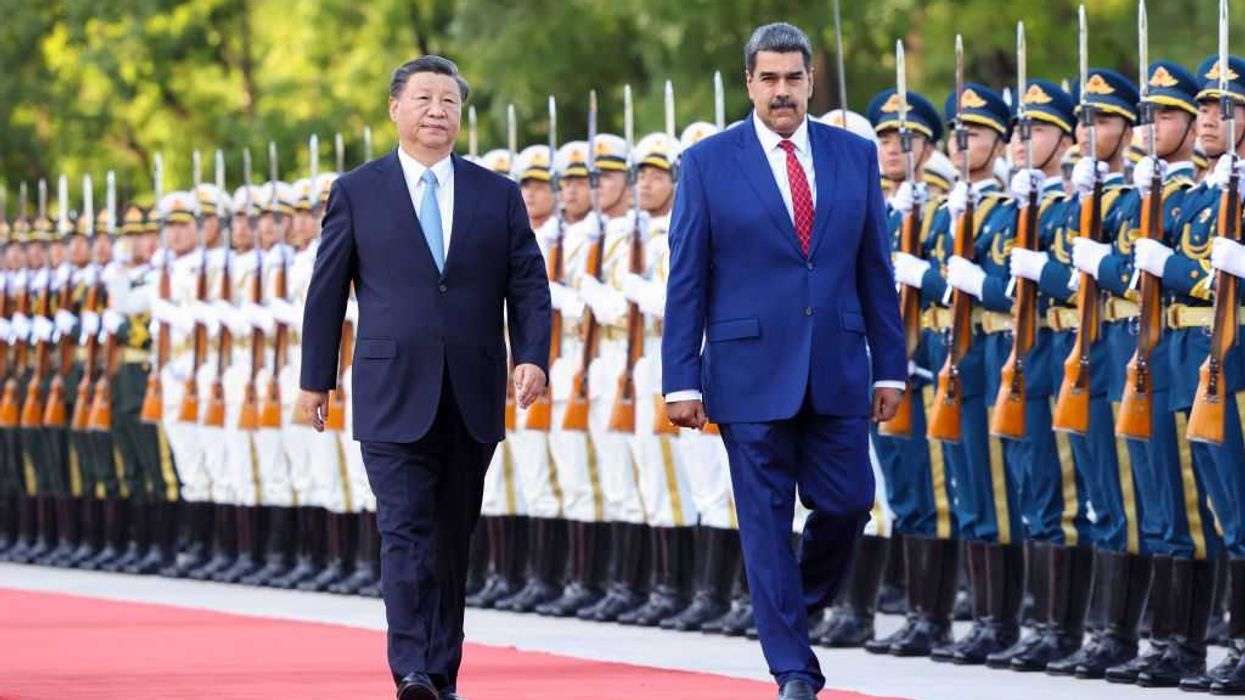
Last weekend’s Caribbean live-fire exercise in and around the suburbs of Caracas delivered a steady stream of tactical messages to the Western Hemisphere. We don’t like narco-terrorists, wannabe communists, bloated dictators, or people who supply oil to our adversaries.
But that wasn’t the real message.
Message to Xi: There’s a new sheriff in town. He isn’t ‘Sleepy Joe.’ And his call sign is FAFO.
The love note was addressed to China, and it read: We are awake now. Our game is FAFO.
America’s 36-year slumber on the Monroe Doctrine — “Stay out of the Western Hemisphere or else” — began after Panama in 1990. The Gulf War and the Global War on Terrorism followed, and Washington became dangerously myopic about threats in America’s own backyard.
Then came the turning point. When Bill Clinton signed off on communist China’s entry into the World Trade Organization in 2000, Beijing rapidly surged into a world-class economic power. Along with that rise came a succession of Chinese leaders who openly advanced the idea of global Chinese hegemony.
Oddly enough, many of those ideas came from an American — my late friend Alvin Toffler.
Toffler’s book “The Third Wave” so impressed Deng Xiaoping and Zhao Ziyang in 1984 that millions of bootleg Chinese translations were distributed — without royalties — throughout the People’s Liberation Army. The same thing happened after Toffler published “War and Anti-War.” Once again, millions of pirated copies circulated, and Beijing began integrating his ideas into military doctrine.
In the late 1990s, PLA Major General Qiao Liang and Colonel Wang Xiangsui wrote “Unrestricted Warfare,” borrowing heavily from Toffler while laying out a strategy to defeat the United States.
In hindsight, it should have been titled “Slow Motion War.”
The book focuses on perceived weaknesses in American character and American war-making. The United States remains a nation of quarterly earnings reports and election cycles. We change political leadership every two or four years. The Chinese think in generational time frames.
From their perspective, Americans only go to war when facing a “clear and present danger.”
The genius of “Unrestricted Warfare” lies in exploiting what happens when a threat is clear but not present — like cancer from long-term smoking — or present but not clear, like the slow poisons Lucrezia Borgia allegedly used on her enemies.
Qiao and Wang proposed a slow, steady pressure campaign against the four pillars of American national power: diplomatic, information, military, and economic — the DIME.
Examples abound. Diplomatic and economic leverage through the Belt and Road Initiative. Tight control of information inside China paired with aggressive information warfare abroad through platforms such as TikTok. A decades-long military buildup aimed at surpassing U.S. power. And a long trail of currency manipulation.
(And then there’s this gem from page 191 of “Unrestricted Warfare”: “Can special funds be set up to exert greater influence on another country’s government and legislature through lobbying?” Eric Swalwell might find that line interesting.)
RELATED: From Monroe to ‘Donroe’: America enforces its back yard again
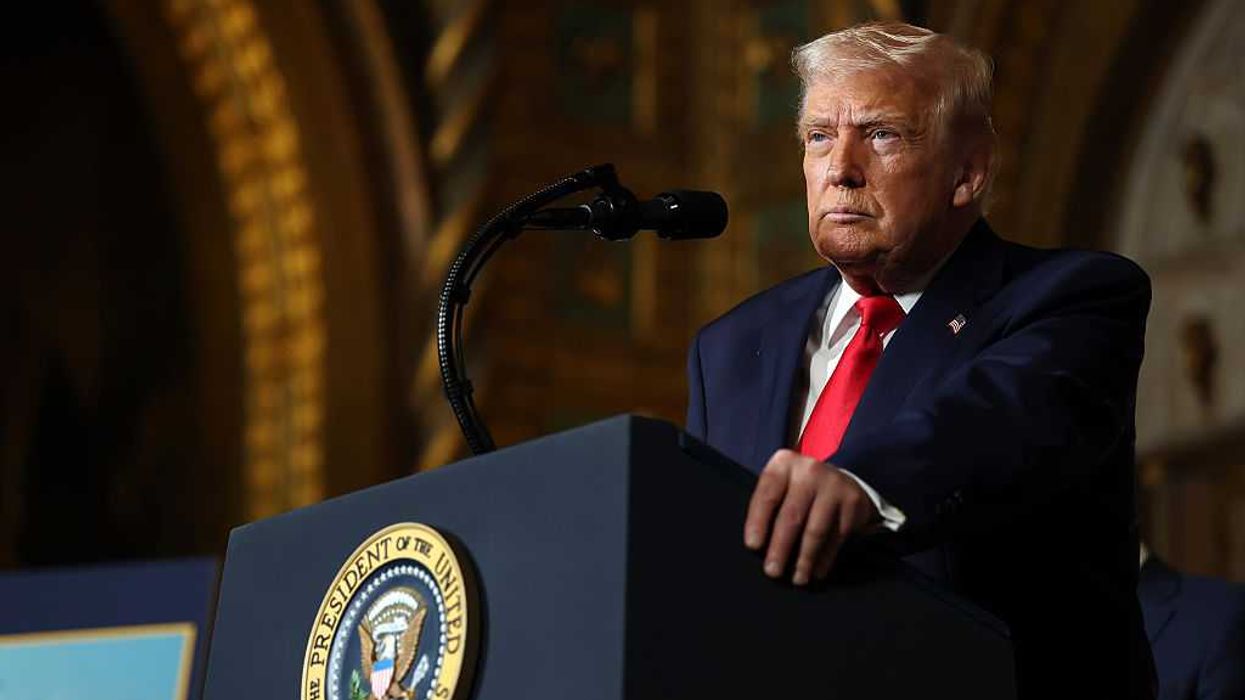 Photo by Tasos Katopodis/Getty Images
While America fixated on the Middle East, China quietly embedded itself throughout Latin America. In Panama, Beijing gained control of port management at both ends of the Panama Canal and began upgrading the system. In Costa Rica — which has no army — China donated 3,500 police cars and built a national stadium in San José, free of charge. It also cut sweetheart deals involving hundreds of Chinese fishing trawlers. Colombia saw similar treatment.
Then came Orange Man Bad.
Donald Trump is the first president to grasp that China isn’t a Red Godzilla stomping cities with napalm breath and a scything tail. China is more like the Blob — and Trump is Steve McQueen.
Venezuela, Maduro, oil, and narco-terrorism were all subsets.
China was the target. Xi Jinping was the bullseye.
Zero hour wasn’t set by the weather. It was set by the departure of Chinese envoy Qiu Xiaoqi, who had just wrapped up discussions on future ties with Venezuela. Unfortunately for Beijing, Delta Force snagged and bagged Nicolás Maduro and his wife and had them sitting in a Brooklyn jail before the envoy even made it home.
Message to Xi: There’s a new sheriff in town. He isn’t “Sleepy Joe.” And his call sign is FAFO.
Any questions?
Maduro captured following ‘large scale strike’ in Venezuela, Trump says
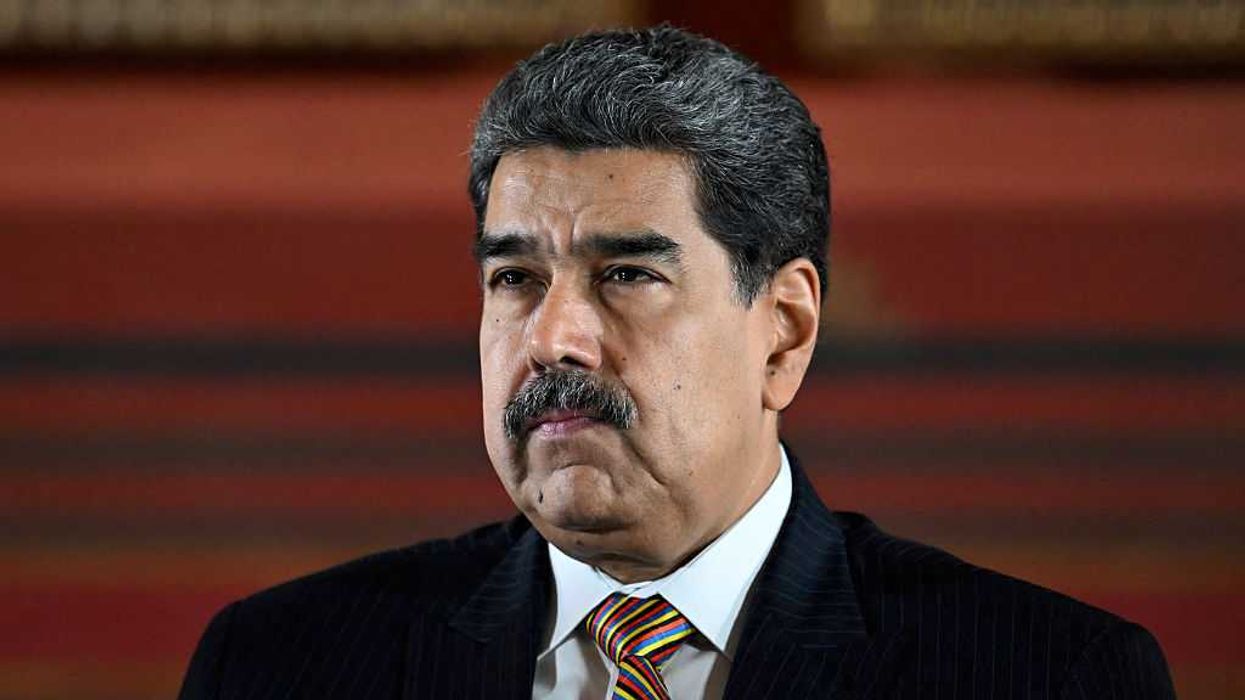
Nicolás Maduro was “captured and flown out” of Venezuela after the United States carried out another strike, President Donald Trump announced.
After months of anticipation and several strikes against alleged drug cartel boats, Trump greenlit the most aggressive military action of his second term in office.
‘Maduro was arrested by American officials and will stand trial in the United States.’
“The United States of America has successfully carried out a large scale strike against Venezuela and its leader, President Nicolas Maduro, who has been, along with his wife, captured and flown out of the Country,” Trump announced Saturday.
“This operation was done in conjunction with U.S. Law Enforcement. Details to follow.”
Trump is expected to speak at a Mar-A-Lago press conference at 11 a.m. on Saturday.
RELATED: Trump says US struck drug-linked site in Venezuela: ‘We hit them very hard’
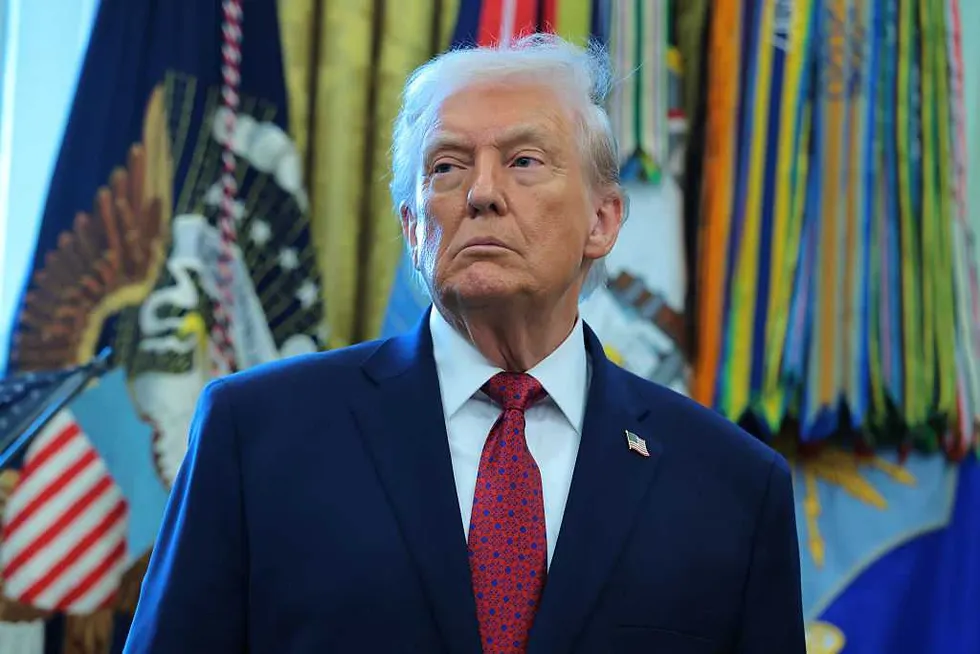 Photo by Anna Moneymaker/Getty Images
Secretary of State Marco Rubio spoke with several Republican senators about the capture, noting that Maduro was arrested by American officials and will stand trial in the United States.
“[Rubio] informed me that Nicolás Maduro has been arrested by U.S. personnel to stand trial on criminal charges in the United States, and that the kinetic action we saw tonight was deployed to protect and defend those executing the arrest warrant,” Republican Sen. Mike Lee of Utah said in a post on X. “This action likely falls within the president’s inherent authority under Article II of the Constitution to protect U.S. personnel from an actual or imminent attack.”
“The interim government in Venezuela must now decide whether to continue the drug trafficking and colluding with adversaries like Iran and Cuba or whether to act like a normal nation and return to the civilized world,” Republican Sen. Tom Cotton of Arkansas said in a post on X. “I urge them to choose wisely.”
Like Blaze News? Bypass the censors, sign up for our newsletters, and get stories like this direct to your inbox. Sign up here!
Things appear grim in search for Dec. 30 boat strike survivors
Welcome to The Hill’s Defense & NatSec newsletter {beacon} Defense &National Security Defense &National Security The Big Story Things appear grim in search for Dec. 30 boat strike survivors The U.S. Coast Guard painted a grim picture of its ongoing search for the survivors of a Dec. 30 strike on an alleged drug-trafficking convoy…
Trump cracks the Caracas cartel code
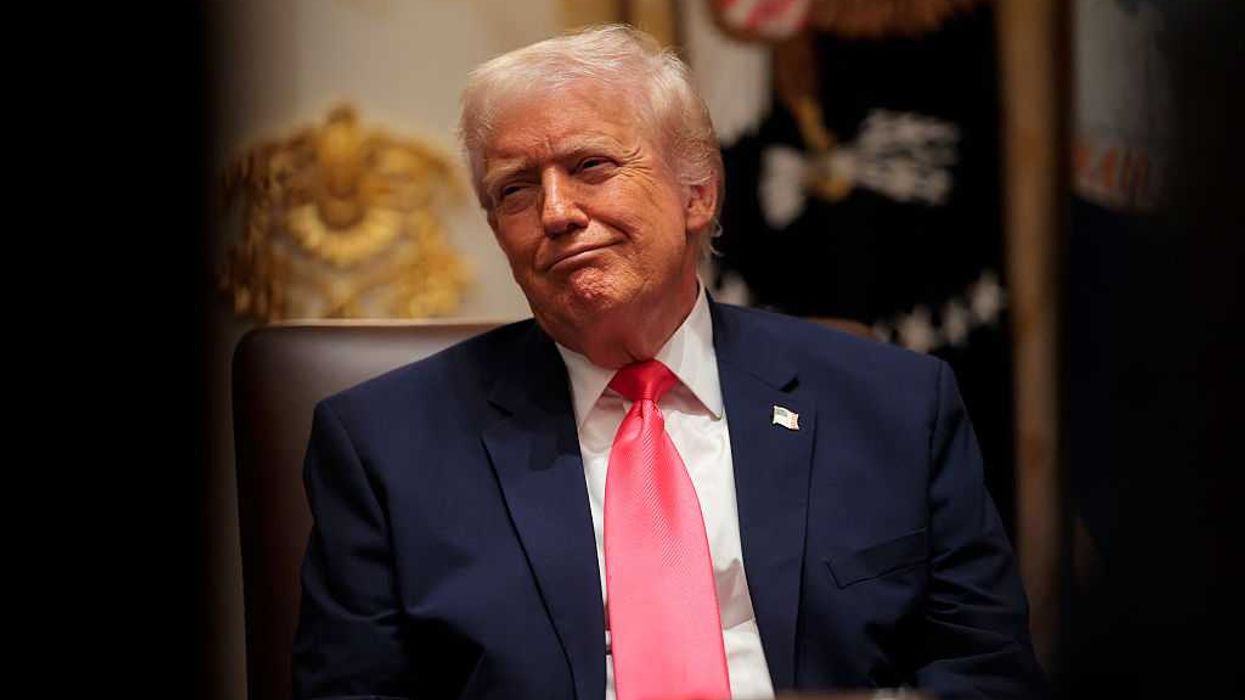
Democrats deny what mountains of evidence have long shown: Terrorist groups traffic in illegal drugs.
Rep. Jim Himes (D-Conn.) recently insisted, “There is no such thing as a narco-terrorist,” as he defended his opposition to the Trump administration’s war on narco-terrorism in the Caribbean. He accused the administration of trying “to make this look like it’s ISIS or Al-Qaeda,” ignoring that ISIS, Al-Qaeda, Hezbollah, and similar groups have long run profitable drug operations with local and transnational cartels. These alliances increased revenue, financed attacks, fueled violence, and deepened existing conflicts.
Maduro’s narco-terrorist regime threatens regional stability and US national security. Trump’s war on narco-terrorism meets that threat head-on.
Narco-terrorism did not originate with the Trump administration. It was the subject of my 1990 book, which documented how governments around the world used the drug trade to fund and advance terrorist activity. For more than three decades, Washington looked away. That era has ended.
On November 16, the U.S. Treasury designated Venezuela’s Cártel de los Soles — run by Venezuela President Nicolás Maduro and key figures in his illegitimate regime — along with Tren de Aragua and the Sinaloa Cartel, as foreign terrorist organizations. Treasury should have added Colombia’s National Liberation Army (Ejército de Liberación Nacional, or ELN), a Marxist paramilitary and major drug-trafficking force that controls both sides of the border and works closely with Maduro.
When I began researching narco-terrorism in 1986, I assumed political groups across the spectrum could use terror and drug trafficking to advance their aims. The evidence showed otherwise. Marxist-Leninist and Islamist regimes, movements, and militias initiated, expanded, and ultimately dominated this trade.
Venezuela’s slide into narco-terrorism dates to 2005, when Hugo Chávez expelled the U.S. Drug Enforcement Administration. After Chávez died in 2013, Maduro took control of both the government and the drug enterprise, tightening his partnership with Iran and its Lebanese proxy, Hezbollah, under the so-called Axis of Resistance. The goal is to counter U.S. influence in Latin America and the Middle East while enriching the regime.
Maduro’s alliance with Iran and Hezbollah runs deep. He offers sanctuary and support for their narcotics networks, money laundering, weapons pipelines, and terrorist smuggling throughout the region.
RELATED: Turns out that Hegseth’s ‘kill them all’ line was another media invention
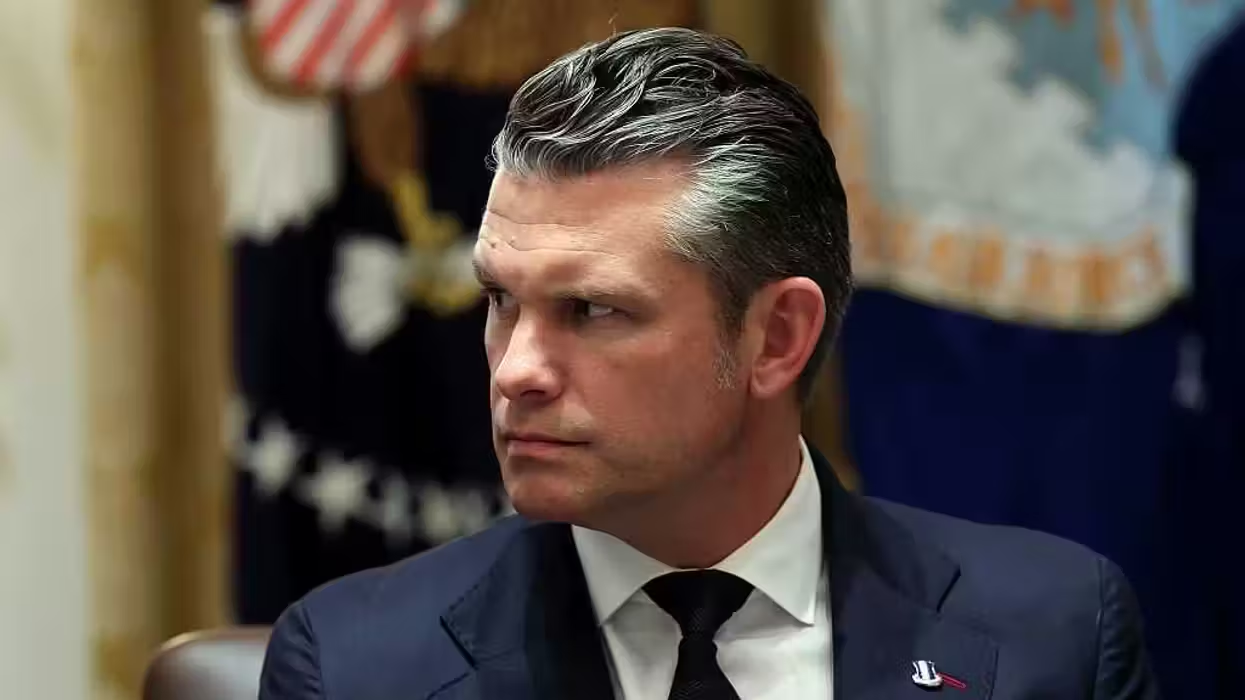 Photo by Anna Moneymaker/Getty Images
Hugo “El Pollo” Carvajal — a former three-star Venezuelan general under Chávez and Maduro and a former member of Cártel de los Soles — described the strategy bluntly in a letter to President Trump. “The purpose of this organization is to weaponize drugs against the United States,” he wrote. “The drugs that reached your cities through new routes were not accidents of corruption nor just the work of independent traffickers; they were deliberate policies coordinated by the Venezuelan regime against the United States.”
This collaboration, built over decades, helped millions of Americans fall into addiction and contributed to hundreds of thousands of deaths.
Maduro’s narco-terrorist regime threatens regional stability and U.S. national security. Trump’s war on narco-terrorism meets that threat head-on and is perfectly just.
Vote To Block Trump From Striking Narco Boats In Venezuela Fails, As Shutdown Continues
The Senate on Thursday voted down an effort to block President Donald Trump from conducting strikes against alleged drug smugglers off the coast of Venezuela without congressional approval. The War Powers Resolution, introduced by Democratic Virginia Sen. Tim Kaine, failed to pass the upper chamber 51 to 49, just a day after Secretary of State […]





