Category: History
Membership Has Its Privileges
London Clubland: A Companion for the Curious, by historian Seth Alexander Thévoz, is the rare book that manages to be both reverent and sly: an impeccably researched directory of London’s private members’ clubs that understands, at a cellular level, which of these places want to be mythologized and which would rather die than be written about at all. The former are treated gently, the latter mercilessly. My favorite section, “What They Probably Don’t Want You to Know,” skewers this distinction perfectly, offering quiet mockery for the clubs desperate to be talked about—Soho House, for instance, which has built an entire business model on insisting it is still misunderstood—while maintaining gentlemanly discretion around those that still prize silence over clout.
The post Membership Has Its Privileges appeared first on .
Former Harvard History Chairman Boasts of Transforming It From ‘White Male Affinity Group’
A former chairman of the Harvard History Department, Sidney Chalhoub, is out with a piece criticizing the Harvard History Department of the early 1990s as a “white male affinity group” and praising its transformation into today’s veritable United Nations, with “faculty native to more than fifteen countries around the world.”
The post Former Harvard History Chairman Boasts of Transforming It From ‘White Male Affinity Group’ appeared first on .
A Founding Document Finds Its Principles

Akhil Reed Amar’s Born Equal: Remaking America’s Constitution, 1840–1920 covers a period of American history that most of us learned as a series of familiar episodes: the crisis of the 1850s, the Civil War, Reconstruction’s rise and fall, the boom of the late 19th century, and the reforms of the Progressive Era. In the standard telling, the Constitution is the province of officials in the federal government—amended in dramatic fashion after the war, interpreted by courts in a mostly linear fashion, grappled over by men with names like Clay and Calhoun until the Progressives came along to say they no longer had any interest in it. (In my family we joke that there were no presidents or Supreme Court decisions between the end of Reconstruction and the rise of Teddy Roosevelt—our high-school and college U.S. history curricula pivoted hard to economic history for those three decades.) The business of the American people was business; obsession over constitutional text and foundational promises belonged to a small cadre of elites until it went underground and reappeared at the nation’s bicentennial.
The post A Founding Document Finds Its Principles appeared first on .
Ted’s Excellent Adventures
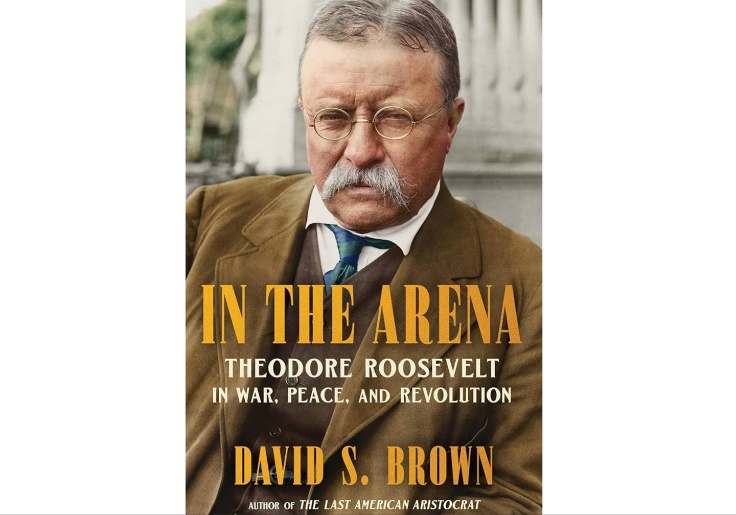
It cannot be said that Theodore Roosevelt has suffered from historical neglect. Harvard’s collection of Rooseveltiana boasts 14,000 works by or about the man. A casual perusal of Amazon’s Top 100 Audiobooks on Presidents and Heads of State turns up no fewer than 10 dealing with TR, more than any of the executive fraternity with whom he shares Mount Rushmore. A celebratory Roosevelt biography by Fox News anchor Bret Baier is currently ensconced on the New York Times bestseller list.
The post Ted’s Excellent Adventures appeared first on .
Is Western civilization really doomed — or does history show a path forward?

Anyone who’s been paying attention knows that Western civilization is on the brink of collapse. The values that built it have been ripped up and condemned as antiquated, imperialist, or white supremacist.
But instead of despairing, Westerners ought to take heart in one trait the West has exemplified time and again: resilience.
Historian Allen Guelzo, co-author of “The Golden Thread” book series, tells BlazeTV host Steve Deace that “unlike other civilizations, which have risen, reached a certain peak, and then gone rapidly into decline, the Western tradition … has shown a remarkable resilience to rise, to falter, to look like it’s about to slide downwards maybe into the abyss of forgetfulness, but yet somehow finding the way to recover itself.”
This bouncing back has happened over and over again, Guelzo says.
“We had a moment like that at the end of the Roman Empire when it appeared that we were about to disappear into what is commonly called the Dark Ages,” he recaps.
It happened again after the Black Plague of the 1300s wiped out “two-thirds of the European population” and again after the Thirty Years’ War left so much death and chaos in its wake, it appeared that “violence and power were about to stamp out any notion of law and inquiry.”
In more recent years, the West faced two World Wars and the greatest genocide in Western history.
And yet, in all of these cases, “there was something which bounced back in this Western tradition,” Guelzo remarks optimistically.
Today, we stand at yet another “civilizational moment” where destruction is knocking at our door.
Guelzo is hopeful our future will mirror our resilient past, but for that to happen, people — especially younger generations — must cultivate an interest in history.
“History itself tells us who we have been. What we are today is what we were in the past,” he says. “The great Marcus Tullius Cicero … once said that anyone who remained ignorant of their history was condemned perpetually to live as a child, and I think that’s true.”
“The Golden Thread” series, which Guelzo co-authored with former Harvard history professor James Hankins, are exactly the kind of books that will spark an interest in Western history.
“It is a good deal more than just long lists of names, dates, places — which is the kind of thing that most people tell me they dread about history,” Guelzo laughs. “These books are also full of ideas; they are full of philosophy; they are full of art; they are full of great paintings; they are full of music.”
“It’s full of color. It’s full of life. It’s full of acknowledgments that the Western tradition has sometimes put its foot down wrongly. It’s made mistakes. People have suffered for that, and yet, even with that, the vitality of that tradition has been one of recovery; it has been one of uplift; it has been one that promotes human flourishing,” he adds.
It is this knowledge that can save Western civilization from collapse, Guelzo tells Deace.
“We can save it because it has been saved before.”
To hear more of the conversation, watch the episode above.
Want more from Steve Deace?
To enjoy more of Steve’s take on national politics, Christian worldview, and principled conservatism with a snarky twist, subscribe to BlazeTV — the largest multi-platform network of voices who love America, defend the Constitution, and live the American dream.
Without George Washington, America Wouldn’t Have A 250th Birthday
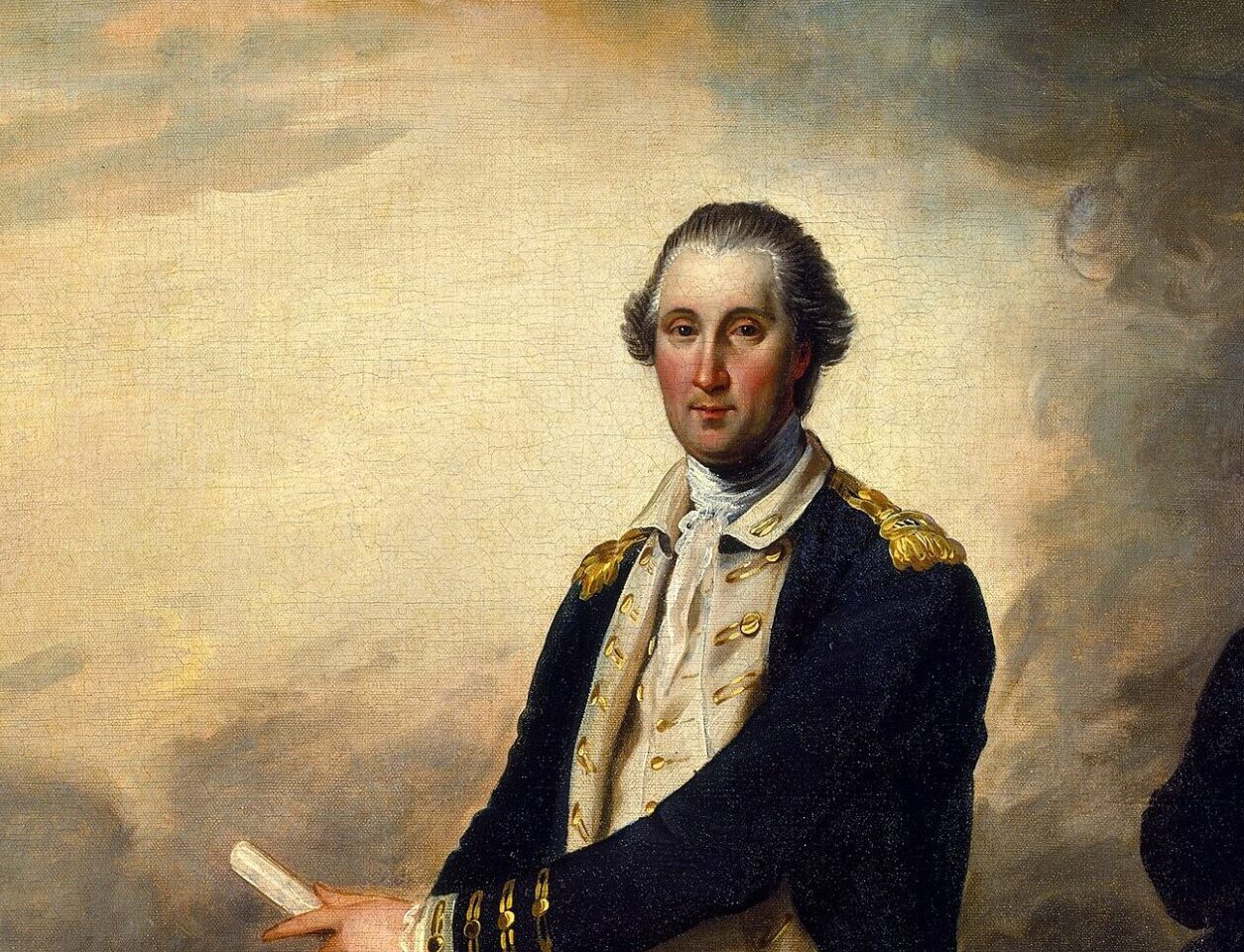
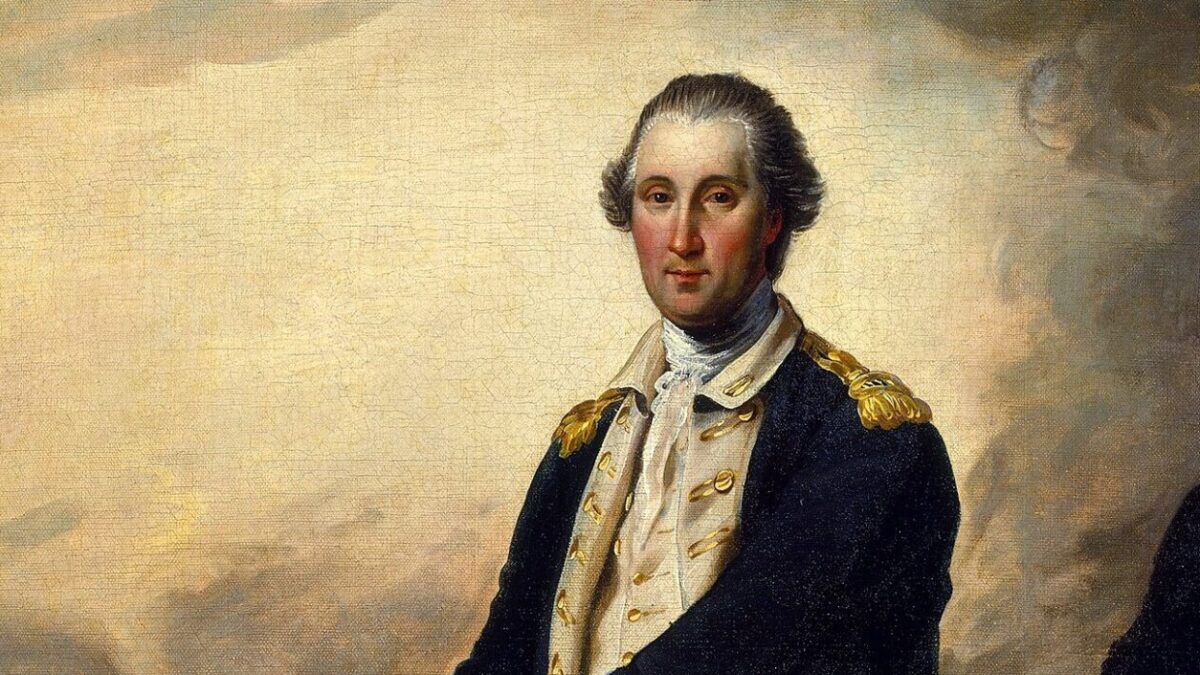 No one looms larger in the story of our nation’s struggle for independence than George Washington, who today seems almost mythical.
The Federalist’s Notable Books Of 2025

 Seasons greetings! It’s time for another exciting and sprawling books recommendation column.
The Soundness of a Discipline
Ken Burns has come in for some deserved criticism for pushing the line, in his new documentary on the American…
The Real First Thanksgiving Happened In Virginia Two Years Before The Pilgrims

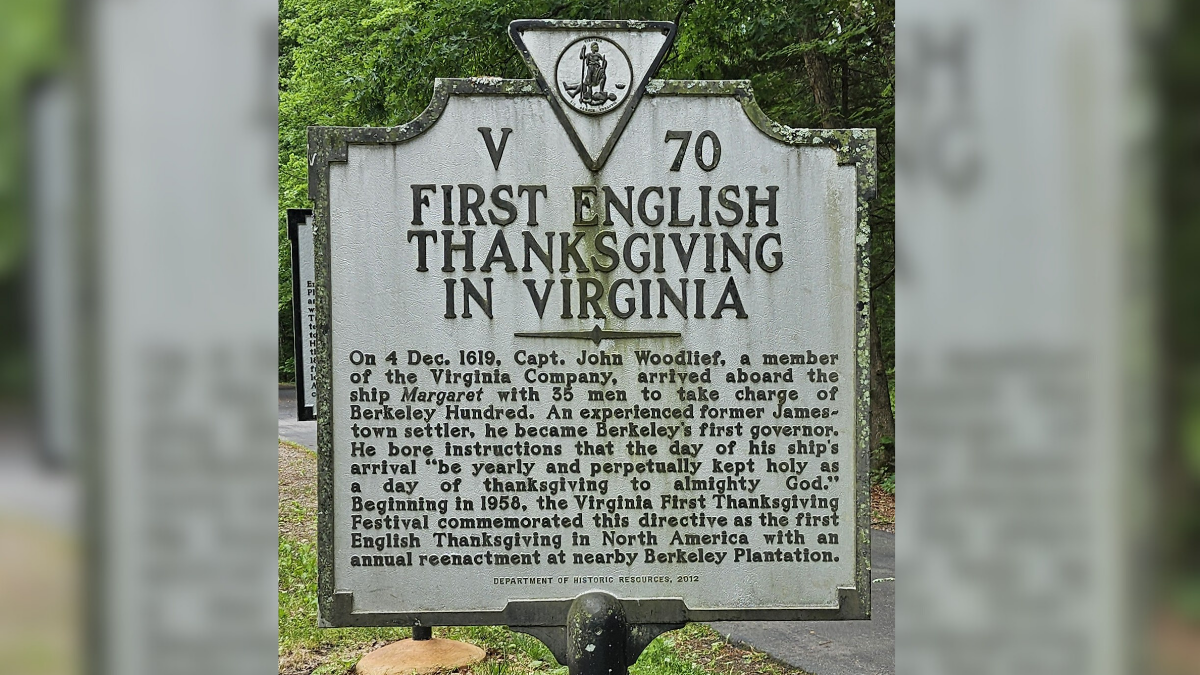 It was English settlers in Virginia, not Pilgrims in New England, who observed America’s first Thanksgiving.
Giving History the Human Touch
America owes all her triumphs to the humans who crawled across battlefields, toiled in factories, blasted through mountains, sermonized on soapboxes, and experimented in labs. American history—world history—is human history more than anything. The late David McCullough understood this as well as anyone, and in the posthumous collection of his essays and speeches, History Matters, this basic idea is a consistent throughline.
The post Giving History the Human Touch appeared first on .