Category: Movies
Project Hail Mary Is The Masculine Christian Film You’ve Been Waiting For
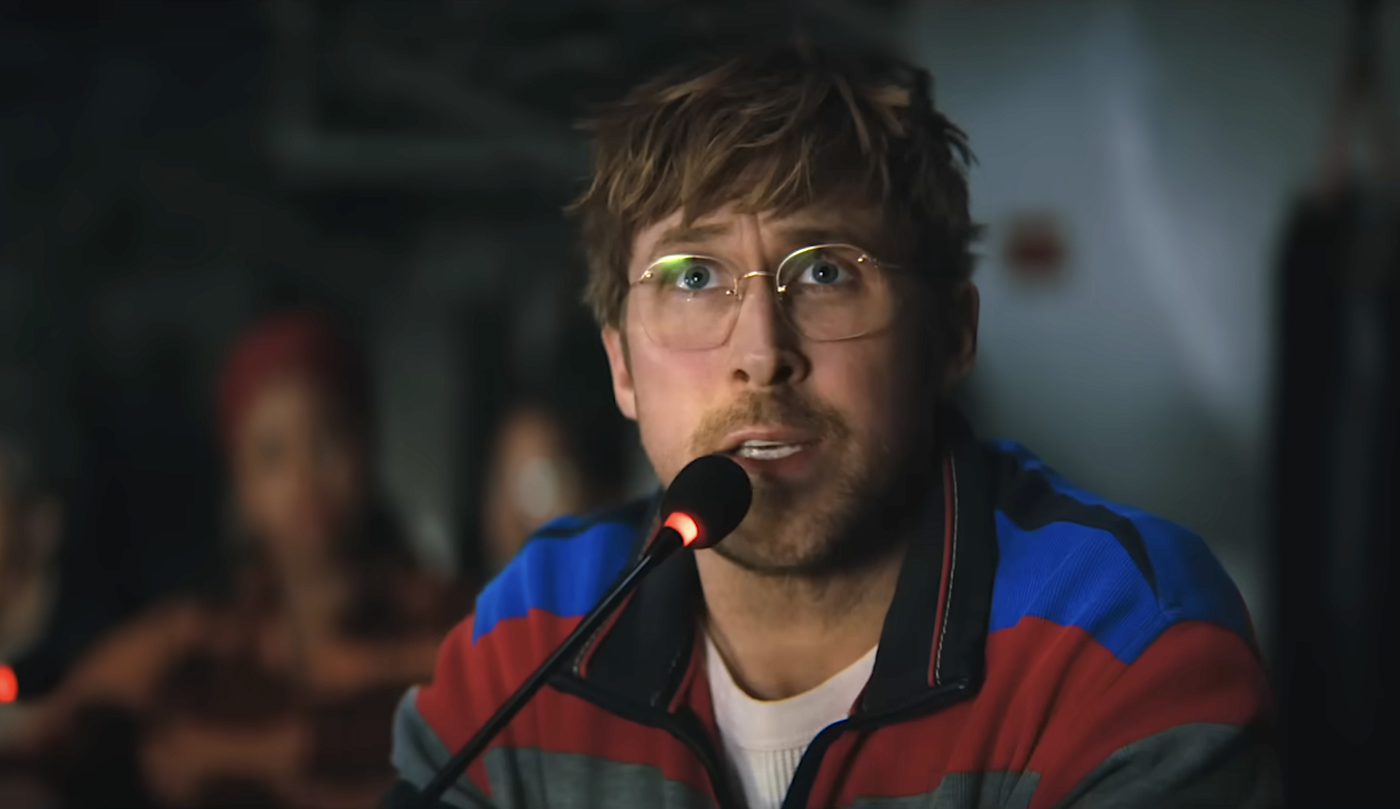
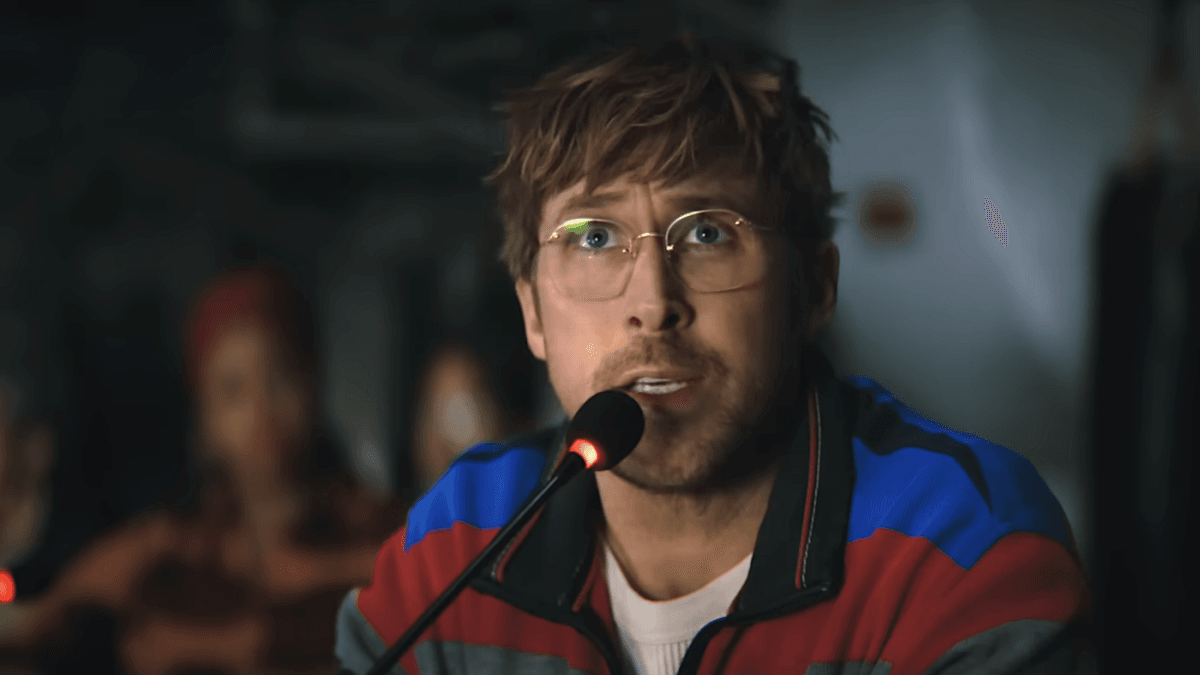 Project Hail Mary should inspire us to invest in a different kind of masculine Christian storytelling that challenges the conventions of the female-driven faith-based market.
When Hollywood Made Great Epic Films
Turner Classic Movies is really shining this month with its annual 31 Days of Oscar marathon leading up to the…
‘Melania’ soars: Audiences love first lady’s documentary while the usual haters hate

Audiences rave and critics sneer as the documentary “Melania” exceeds industry expectations in its opening weekend.
The opening gross domestic ticket sales reached $7 million, placing the film third overall at the domestic box office behind two major studio releases.
‘To say that “Melania” is a hagiography would be an insult to hagiographies.’
The film, which chronicles first lady Melania Trump in the weeks leading up to President Donald Trump’s second inauguration, debuted in 1,778 theaters nationwide, an unusually wide release for a documentary.
Prerelease projections published by entertainment outlets such as People magazine estimated the film would earn between $3 million and $5 million.
RELATED: New ‘Melania’ documentary blends unprecedented access with subtle, profound message
 Brooks Kraft/Getty Images
While the film did not screen in advance for critics, reviews published after release were largely unfavorable.
Critics from the Guardian, Variety, and the Hollywood Reporter described the documentary as politically one-sided and overly sympathetic.
Xan Brooks of the Guardian compared the film to a “medieval tribute to placate the greedy king on his throne.” Owen Gleiberman of Variety described it as a “cheese ball infomercial of staggering inertia.” Frank Scheck of the Hollywood Reporter wrote, “To say that ‘Melania’ is a hagiography would be an insult to hagiographies.”
Audiences reacted differently.
Opening-night viewers awarded the film an “A” at CinemaScore, a metric based on verified exit polling conducted at theaters nationwide.
 Photo by Eva Marie Uzcategui/Getty Images
The film was distributed by Amazon MGM Studios, which reportedly paid $40 million for distribution rights and spent an additional $35 million on marketing.
The total investment made the project the most expensive documentary release to date.
Despite the high cost, box-office analysts interviewed by AP noted that political documentaries are often evaluated based on visibility and audience engagement rather than traditional profitability.
The film premiered at the John F. Kennedy Memorial Center for the Performing Arts in Washington, D.C., with attendance from members of Congress, Cabinet officials, and business executives.
Following its theatrical run, “Melania” is scheduled to stream on Prime Video. International theatrical distribution is expected to be limited.
Like Blaze News? Bypass the censors, sign up for our newsletters, and get stories like this direct to your inbox. Sign up here!
How Hollywood tries to masculinize femininity — and makes everyone miserable

We are told, repeatedly, that woke is dead. Piers Morgan even wrote a book about it, so it must be true. Right?
Wrong.
Strength, by Hollywood’s current definition, must weigh a little over 100 pounds and look perpetually annoyed.
If in doubt, please watch the trailer for “Apex,” due for release in April. With it comes Hollywood’s most exhausted fantasy yet: the indestructible badass woman who outruns youth, outpunches men twice her size, and shrugs off biology like it’s a clerical error.
Mission: Implausible
This time, it’s a 50-year-old Charlize Theron sprinting through the Australian wilderness and scaling cliffs as if she’s Tom Cruise circa “Mission: Impossible 2.” Gravity is optional. Muscle mass is negotiable. Aging, it seems, is strictly forbidden.
We’ve seen this act so many times that it barely registers any more. Swap the title card, rotate the backdrop, keep the same choreography. A lone woman wronged by men. A past trauma. An axe to grind, sometimes literally. Six-foot brutes wait their turn to be neutralized. The music swells. The credits roll. And with them go the eyeballs of nearly every viewer still capable of respecting basic reality.
The point is not that women can’t be strong. Of course they can. Strength is not the issue. Hollywood’s definition of it is. Somewhere along the way, empowerment became synonymous with women cosplaying male action heroes, only with fight scenes that insult Newton and scripts that insult the audience. A petite actress body-checking men built like refrigerators — then calling disbelief misogyny — is not progress.
What makes “Apex” more revealing than irritating is how nakedly it exposes the broader frame. This isn’t about one film or one actress. It’s the result of a steady drip: years of female-driven nonsense poured into every genre until it became the genre. The same beats. The same postures. The same lectures delivered at gunpoint.
Form fatale
Hollywood has always run on formula. Nothing new there. It followed money, copied hits, and abandoned failures without sentimentality. But the formula answered to the audience. If people didn’t buy tickets, the trend was over.
Now the industry treats audience resistance not as feedback, but as something to be corrected — like a behavioral problem that needs retraining. Failure is no longer evidence that the formula is broken. It is treated as proof that the audience is.
Studios like to pretend this is audience demand. It isn’t. It’s institutional inertia. Executives terrified of being accused of regression keep recycling the same safe lie: If the movie fails, the audience is at fault. If it succeeds modestly, it’s a cultural victory.
It’s a system that makes the arrival of the new “Supergirl” later this year entirely predictable. Not because audiences asked for it. Not because there was pent-up demand. Not because anyone ever thought, yes, this is what’s missing. It is arriving because this is what the industry now produces by reflex.
The irony is hard to miss. The original “Supergirl” debuted in 1984, the same year Orwell warned us about systems that repeat lies until they feel inevitable. That film was a commercial and critical dud, quickly forgotten for good reason.
Four decades later, Hollywood appears determined to rerun the experiment, convinced that time, tone, and audience memory can all be overwritten. Don’t expect to be entertained. Expect scowls and sermons in spandex. Strength, by Hollywood’s current definition, must weigh a little over 100 pounds and look perpetually annoyed.
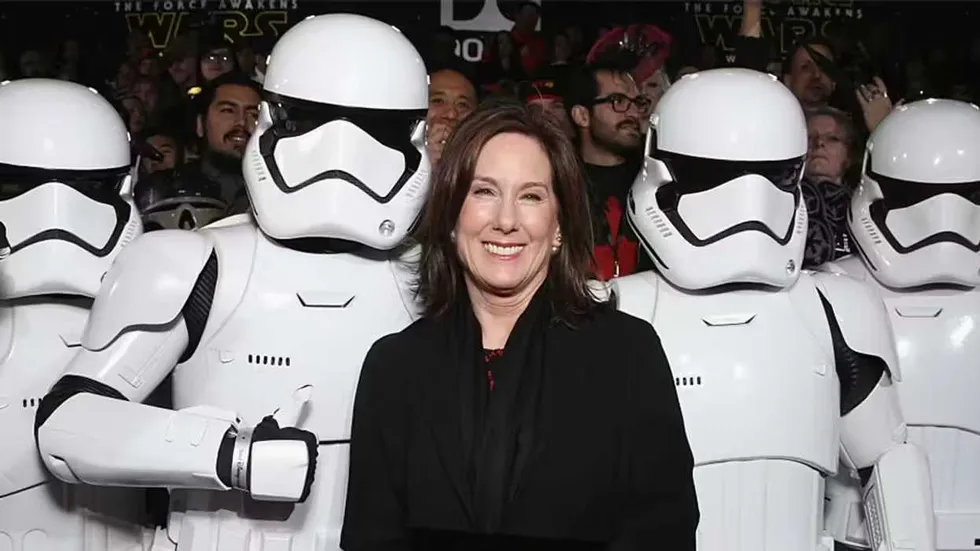
RELATED: FEMPIRE STRIKES BACK: Kathleen Kennedy leaves ‘Star Wars’; is it too soon for fans to celebrate?
Down for the count
We saw the results late last year. The box-office face-plant of “Christy,” the biopic of boxer Christy Martin, made the point brutally clear. Despite opening in more than 2,000 theaters, it scraped together just $1.3 million — one of the worst wide releases on record.
The film stars Sydney Sweeney, an American beauty inexplicably styled like a discount Rocky Balboa. Producers assumed her star power would draw crowds, then forgot why anyone — especially male viewers — watches her in the first place. It isn’t to see her absorb jabs, hooks, and uppercuts like a human heavy bag. It’s when she leans into what she actually is: feminine, magnetic, sexy. No one is buying a ticket to watch a gorgeous woman get beaten senseless.
This is the quiet truth studios refuse to say out loud: Men and women are not the same, and they do not want the same things on screen. Audiences happily watched Liam Neeson bulldoze Europe in “Taken.” They turned up in droves to see Keanu Reeves turn the death of a dog into a four-film genocide in “John Wick.” Nothing motivates a man like canine-related trauma and unlimited ammunition. Those films worked because they leaned into male fantasy without apology.
Equalizer rights?
What audiences don’t want is that same template awkwardly stapled onto a completely different body and sold as innovation. Denzel Washington was excellent in “The Equalizer” — cold, credible, and infinitely cool.
The TV reboot took that precision and desecrated it by turning the role into unintentional slapstick. A morbidly obese Queen Latifah as a silent, unstoppable angel of death is pure absurdity. This is a woman who struggles to climb a single flight of stairs, yet viewers are expected to believe she’s capable of stalking, subduing, and dispatching trained men without breaking a sweat.
Which brings us back to “Apex.” What makes the film accidentally hilarious isn’t Charlize Theron running through the bush. It’s the industry sprinting right behind her, desperately chasing a fantasy that stopped selling years ago. The humor comes from the sincerity. From the absolute faith that this time — finally — it will land.
And it will land. Just not gracefully. More like a Boeing falling out of the sky. Twisted metal, scorched wreckage, and stunned executives wandering around asking what went wrong.
And from that wreckage, there will be no reckoning. No pause. No course correction. Just a quick trip back to the studio lot to greenlight the next movie nobody requested and that everyone will forget.
’28 Years Later: The Bone Temple’ brings new life to horror franchise
Like the post-apocalyptic Britain of the “28 Days Later” franchise, Hollywood has become a wasteland, teeming with the stripped-down, lethally efficient shells of once-vital creations. Nostalgia-driven reboots swarm the multiplex, satisfying audience cravings for familiarity and studio appetites for certainty — even as they leave the surrounding creative landscape increasingly barren.
This year’s “28 Years Later” could just as easily have been another of these living-dead productions. While previous installment “28 Weeks Later” (2007) — made with nominal participation from the original creative team — delivered competent scares, it hardly cried out for a follow-up.
The movie is littered with British cultural references — decontextualized and repurposed by survivors struggling to find meaning in a world they no longer understand.
But the return of director Danny Boyle and writer Alex Garland proved worth the wait. “28 Years Later” demonstrated that this universe could still surprise, ending with a tantalizingly bizarre coda in which our hero Spike is rescued by Sir Lord Jimmy Crystal (Jack O’Connell) and his blonde-wigged, track-suited minions. Clearly the infected are not the only menace stalking the British countryside.
Charity cases
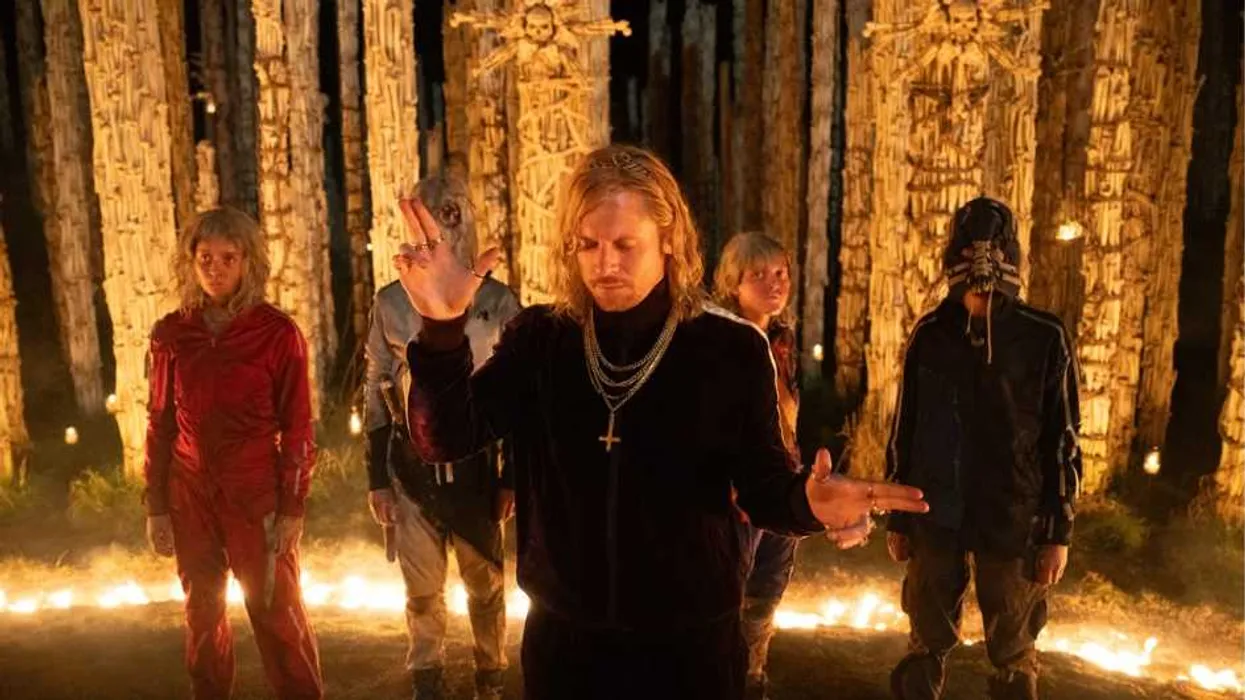
“28 Years Later: The Bone Temple” picks up right after this moment, confirming our suspicions that Spike’s troubles have just begun. After a gruesome kind of initiation, Spike is forcibly enlisted as one the “Jimmys,” who turn out to be a gang of satanic killers. Led by Jimmy Crystal, who believes himself to be the son of “Old Nick,” they prowl the land inflicting gruesome ritualized violence — which they call “charity” — on those unfortunate enough to meet them.
While Garland returns as screenwriter, Boyle (who stays on as producer) cedes the director’s chair to Nia DaCosta, whose striking use of lingering close-ups and tightly framed compositions inject the film with a raw, anarchic energy. The result is a legacy sequel that both pays homage to its origins and reimagines them — one that weaves graphic violence together with incisive observations on culture, faith, and survival in a world irreversibly altered by catastrophe.
Doctor Sleep
Many of those observations come straight from the kindly and philosophical Dr. Ian Kelson (Ralph Fiennes), an eccentric recluse who provided shelter for runaway Spike and his dying mother in “28 Years Later.” In this grisly sequel, the iodine-covered, blowdart-wielding former physician is searching for a cure to the rage virus, using an infected “alpha” zombie — whom he names Samson — as his pet project.
He also continues work on the titular bone temple, a memorial to the outbreak’s victims, until his optimism and ingenuity is tested by the new and horrifying human adversary we met in the beginning.
While Boyle’s 2002 film focused on urban chaos, this installment widens its lens, exploring the virus’ impact across the countryside while delving into deeper philosophical terrain. Beneath the skin-flaying, stabbings, “Mortal Kombat”-style spine removals, and Iron Maiden needle drops lies a poignant meditation on a once-beautiful country sliding into social and spiritual decay.
This is England
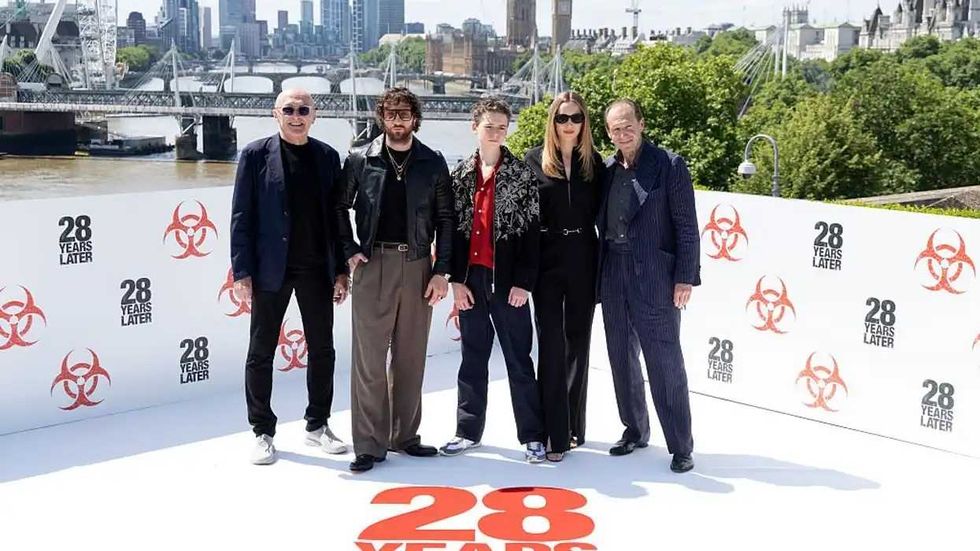
DaCosta, an American director, deftly preserves the distinctly English identity of the original films. The movie is littered with British cultural references — decontextualized and repurposed by survivors struggling to find meaning in a world they no longer understand.
The Jimmys, with their blonde wigs, tracksuits, and gold jewelry, are intentionally modeled after Jimmy Savile, one of Britain’s most notorious sex offenders. In this universe — where society collapsed in 2002, years before Savile’s real-world crimes were exposed — the cult reveres him as a benevolent, almost mythical figure. Their so-called acts of “charity” grotesquely invert Savile’s public image of philanthropy, turning it into a rationale for cruelty and sadism.
The dynamic between Sir Jimmy and Kelson is magnetic. O’Connell and Fiennes deliver outstanding performances, moving seamlessly between surrealism and melancholy. Some of the film’s most compelling moments occur when these two simply share the screen in conversation.
Sir Jimmy and Kelson represent competing philosophies of survival. In desperate times, humanity creates belief systems — sometimes as tools of power, sometimes as mechanisms of self-preservation. Through these two figures, Garland weaves a thoughtful exploration of evil, faith, and meaning.
RELATED: ‘28 Years Later’: Brutal, bewildering, and unabashedly British
 Tim P. Whitby/Getty Images
Feral faith
Religious symbolism runs throughout the film. The Jimmys repurpose Savile’s catchphrase “Howzat!” as a ritual chant — stripped of its original meaning and reconstituted as a signifier of violence. Kelson, meanwhile, assumes the role of a secular creator. His humanist liturgy centers on music and literature, which function as sacred texts connecting him to the past and preserving his sanity.
Samson’s transformation becomes an allegory for rebirth: emerging from the hell of infection into renewal. Where the biblical Adam becomes aware of his nakedness after eating from the tree of knowledge, Samson’s recovery inspires modesty as he clothes himself with memories of his return. It is the Fall in reverse — self-awareness as ascension, rebirth without grace.
“The Bone Temple” manages to inject genuine life into a franchise nearly 25 years old. I may regret saying this, but I am genuinely curious to see where the story goes next — especially with Boyle returning to direct the third and final installment. The film’s closing scene teases the return of a familiar face, and John Murphy’s fuzzed-out guitar theme suggests that hope remains, for both the survivors and the fans.
Matt Damon: Netflix dumbs down movies for attention-impaired phone addicts
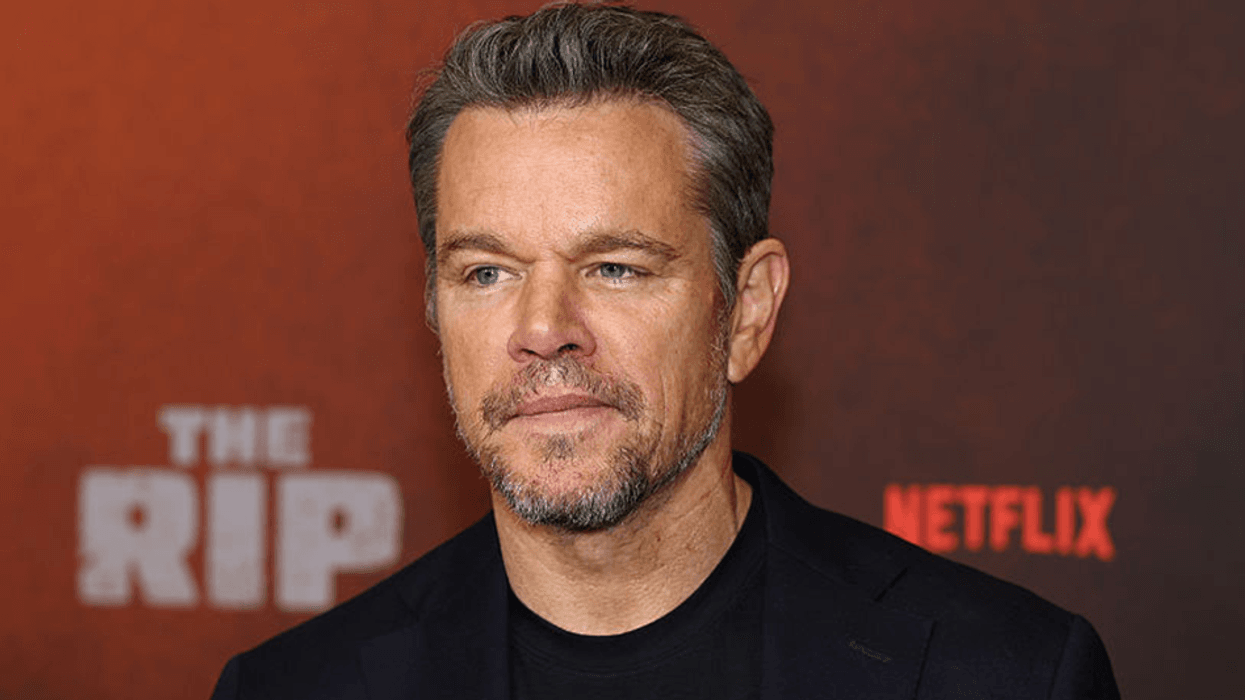
In Matt Damon’s new Netflix thriller, “The Rip,” a bunch of cops and crooks fight over a $20 million cash stash.
Making the movie required fighting for an even more precious commodity: the viewer’s ever-dwindling attention span.
‘It wouldn’t be terrible if you reiterated the plot three or four times.’
Appearing with long-time friend and co-star Ben Affleck on the “Joe Rogan Experience” last week, Damon revealed what his first collaboration with a streamer taught him about the new economics of the movie biz — and how it affects storytelling.
Dumbed down
Damon said that the “different level of attention” audiences are giving at home has started to affect how films are being made.
“Like, for instance, Netflix. The standard way to make an action movie that we learned was, you usually have three set pieces. One in the first act, one in the second, one in the third,” Damon began.
“You spend most of your money on that one in the third act. That’s your kind of finale. And now they’re like, ‘Can we get a big one in the first five minutes? We want people to stay tuned in,'” he continued.
Furthermore, the filmmaker explained that the reason dialogue has become simple and repetitive, in many cases, is that people are splitting their attention.
“‘It wouldn’t be terrible if you reiterated the plot three or four times in the dialogue because people are on their phones while they’re watching,'” Damon laughed, relaying notes he might receive from the platform.
RELATED: Is real-life ‘Star Wars’ America’s manifest destiny?
‘Casual’ vacancy
These types of notes and guidelines could really “infringe” on how writers are telling their stories, Damon stressed.
This theory of “casual viewing” was popularized and widely discussed in 2025, with outlet CBR calling it a style of filmmaking that is “overly descriptive, breaking basic rules of cinema and contributing to a dumbing down of the art.”
Affleck cited British crime drama “Adolescence” as a show that “didn’t do any of that s**t,” and that’s what made it “f**king great,” he added.
“There’s long shots of the back of their head. They get in the car, nobody says anything. … My feeling is just that it demonstrates that you don’t need to do any of that s**t,” Affleck said.
RELATED: Almost half of Gen Z wants AI to run the government. You should be terrified.
 Photo by Arturo Holmes/WireImage
Du cinéma au smartphone
Affleck’s clear position when it comes to filmmaking and technology throughout the episode was that there will always be an audience for quality films.
“It’s like supply and demand,” he said. “People want to look at their phone, they can look at TikTok, they’re going to do that. I think what you can do is make s**t the best you can. Make it really good.”
When it comes to making movies for mobile viewers, Damon joked that he likes to rile up directors that he works with by asking them if they are thinking about how their film will look on a cell phone.
“That’s a joke that I like to make with every director I work with. Like, when they’re really puzzling over a shot or really grinding out something, I go, ‘You know, it’s not going to look as good on the phone.’ … Everyone gets angry.”
Like Blaze News? Bypass the censors, sign up for our newsletters, and get stories like this direct to your inbox. Sign up here!
Matt Damon: Netflix dumbs down movies for attention-impaired phone addicts
In Matt Damon’s new Netflix thriller, “The Rip,” a bunch of cops and crooks fight over a $20 million cash stash.
Making the movie required fighting for an even more precious commodity: the viewer’s ever-dwindling attention span.
‘It wouldn’t be terrible if you reiterated the plot three or four times.’
Appearing with long-time friend and co-star Ben Affleck on the “Joe Rogan Experience” last week, Damon revealed what his first collaboration with a streamer taught him about the new economics of the movie biz — and how it affects storytelling.
Dumbed down
Damon said that the “different level of attention” audiences are giving at home has started to affect how films are being made.
“Like, for instance, Netflix. The standard way to make an action movie that we learned was, you usually have three set pieces. One in the first act, one in the second, one in the third,” Damon began.
“You spend most of your money on that one in the third act. That’s your kind of finale. And now they’re like, ‘Can we get a big one in the first five minutes? We want people to stay tuned in,'” he continued.
Furthermore, the filmmaker explained that the reason dialogue has become simple and repetitive, in many cases, is that people are splitting their attention.
“‘It wouldn’t be terrible if you reiterated the plot three or four times in the dialogue because people are on their phones while they’re watching,'” Damon laughed, relaying notes he might receive from the platform.
RELATED: Is real-life ‘Star Wars’ America’s manifest destiny?
‘Casual’ vacancy
These types of notes and guidelines could really “infringe” on how writers are telling their stories, Damon stressed.
This theory of “casual viewing” was popularized and widely discussed in 2025, with outlet CBR calling it a style of filmmaking that is “overly descriptive, breaking basic rules of cinema and contributing to a dumbing down of the art.”
Affleck cited British crime drama “Adolescence” as a show that “didn’t do any of that s**t,” and that’s what made it “f**king great,” he added.
“There’s long shots of the back of their head. They get in the car, nobody says anything. … My feeling is just that it demonstrates that you don’t need to do any of that s**t,” Affleck said.
RELATED: Almost half of Gen Z wants AI to run the government. You should be terrified.
Photo by Arturo Holmes/WireImage
Du cinéma au smartphone
Affleck’s clear position when it comes to filmmaking and technology throughout the episode was that there will always be an audience for quality films.
“It’s like supply and demand,” he said. “People want to look at their phone, they can look at TikTok, they’re going to do that. I think what you can do is make s**t the best you can. Make it really good.”
When it comes to making movies for mobile viewers, Damon joked that he likes to rile up directors that he works with by asking them if they are thinking about how their film will look on a cell phone.
“That’s a joke that I like to make with every director I work with. Like, when they’re really puzzling over a shot or really grinding out something, I go, ‘You know, it’s not going to look as good on the phone.’ … Everyone gets angry.”
Like Blaze News? Bypass the censors, sign up for our newsletters, and get stories like this direct to your inbox. Sign up here!
Pluribus, Another Vince Gilligan Masterpiece
Vince Gilligan is back. The writer, director, and creative mind behind the award-winning drama Breaking Bad and the equally successful…
Orthodox saint meets Chicago gang life in gritty crime flick ‘Moses the Black’
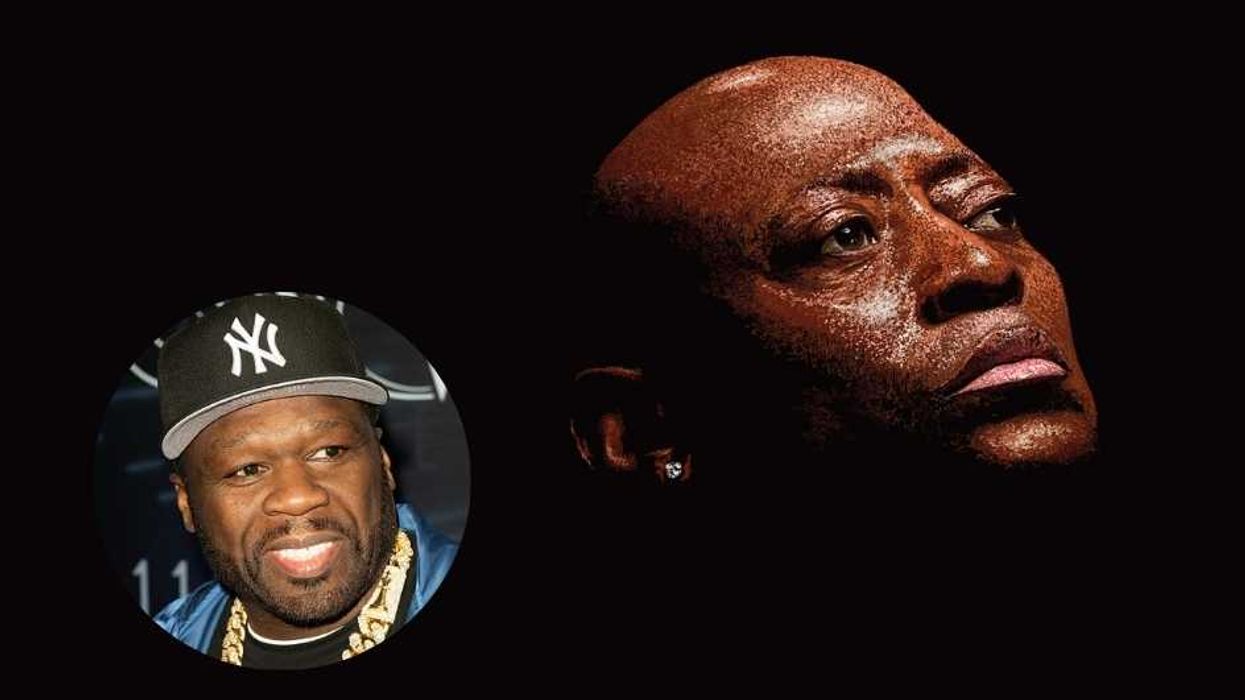
50 Cent is going from sin to sanctity.
Hot on the heels of his recent Netflix documentary on the debauched downfall of hip-hop mogul Sean “Diddy” Combs, the rapper turned producer is set to release an urban crime drama inspired by the life of fourth-century Ethiopian monk Moses the Black.
Even in our compromised state, saints remain scandalous and alluring precisely because they cut against our deepest desires and despair.
Fans of Fox Nation’s “Martin Scorsese Presents: The Saints” will remember the violent bandit turned desert-dwelling ascetic as one of the series’ most fascinating subjects. Officially recognized by Pope Leo XIII in 1887, the former slave has long been venerated as the patron saint of nonviolence and is widely praised as a symbol of the power of peace and repentance.
Out for blood
“Moses the Black,” a loose retelling of that story set against the backdrop of modern-day Chicago, follows Malik (Omar Epps), a gang leader fresh out of prison and seeking to avenge his murdered friend.
Complicating his quest his is grandmother, an Orthodox Christian who gives him an icon of St. Moses, whom she describes as a “saint who was also a gang member.” Haunted by frustration, loss, and a lifetime of sins, Malik starts having visions of the saint, who warns him that the bloody path he has embarked upon is one he will regret.
“Moses” — which also features hip-hop notables Wiz Khalifa and Quavo — makes for an interesting companion piece to director Yelena Popovic’s previous outing, 2021 St. Nektarios biopic “Man of God.” Where that film depicts sanctity as something preserved through obedience and suffering, “Moses” imagines it reclaimed from disorder.
Mean streets
Malik navigates an inner city filled with dealers and enforcers locked into violent criminal lives, casually killing rivals or shooting up funerals over petty grudges. These sequences are among the film’s darkest and do not soften their portrayal of brutality or drug use.
“Moses” is clearly a personal project for the platinum-selling artist born Curtis Jackson, whose own background mirrors Malik’s. Raised by a single mother in Jamaica, Queens — herself a drug dealer who was murdered when he was 8 — Jackson entered the drug trade at a young age. After barely surviving an attack by a rival in 2000, Jackson released his debut “Get Rich or Die Tryin'” in 2003.
Although that album cemented Jackson’s association with the violence and materialism of gangsta rap, its cover found him wearing a jewel-encrusted cross necklace. The tension between survival and transformation is one Jackson understands firsthand.
As he has said:
I believe in God. I didn’t survive being shot nine times for nothing. I didn’t claw my way out of the ‘hood just ’cause it was something to do. I know I’ve got a purpose, a reason for being on this planet. I don’t think I’ve done everything I’m supposed to do yet. But I do know this: I ain’t going nowhere ’til I’ve done it all.
Redemption song
There is something unsettling and compelling about the lives of saints. Even in our compromised state, they remain scandalous and alluring precisely because they cut against our deepest desires and despair. The film’s greatest strength is its depiction of how Catholics and Orthodox Christians turn to saints during moments of trial, seeking models of repentance and change — models Malik strains toward but does not easily inhabit.
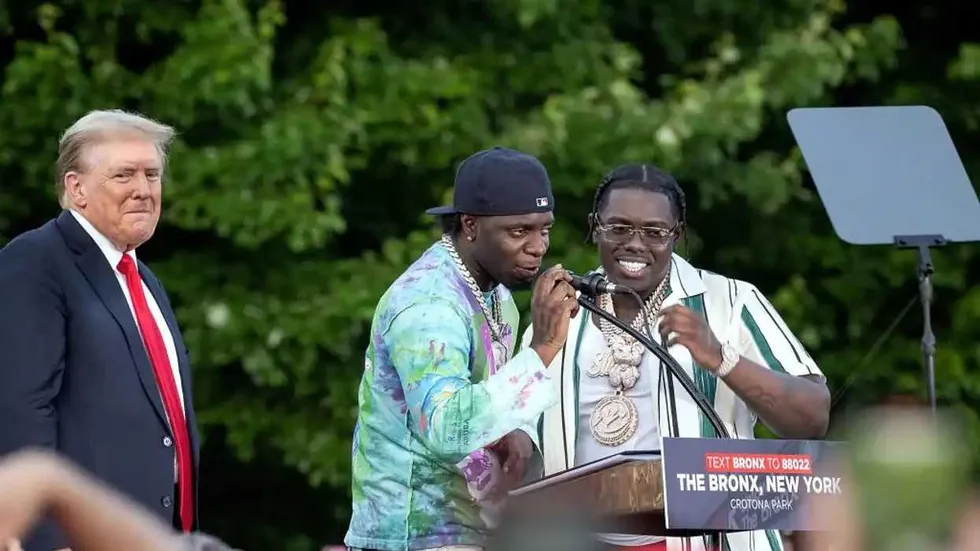
RELATED: Blaze News original: 6 more pro-Trump rappers
 Steven Ferdman/GC Images/Getty Images
The film’s ambitions, however, exceed its budget. Extensive handheld camerawork — whether a stylistic or budgetary choice — sits uneasily beside green-screen flashbacks and CGI-heavy desert scenes. The rough Chicago footage clashes with these elements, and the film might have benefited from a tighter focus on Malik’s interior struggle. Exaggerated performances from the supporting cast further push many scenes into melodrama.
Despite its “faith-based” trappings, “Moses the Black” is emphatically not a family film. It includes graphic violence, coarse language, and crude sexual innuendo, narrowing its audience to those inclined to receive its warning. Still, its central claim — that mercy extends even to the gravest sinners — lands with force in a culture starved for hope.
“Moses the Black” will be released through Fathom Entertainment on January 30.

The Spectacle Ep. 313: Here’s What We’re Leaving Behind in 2025
What didn’t work in 2025 and still won’t work in 2026? DEI, transgender ideology, vaccines — just to name a…