

Category: Conservative Review
Chip Roy’s immigration blitz hits the lawless left and the squish right
Let’s face it: Republicans are staring at a wipeout in the midterm elections. The economy is battered, GOP leadership looks unfocused, and swing voters show signs of fatigue with the endless drama surrounding Trump. The trend lines point in one direction.
But another truth sits alongside it: Republican voters still want a reason to show up. The base will not match the left’s turnout intensity unless the party gives them a fight worth having. And no issue energizes the conservative electorate more than immigration. If Republicans intend to use their remaining political capital, this is where to use it.
At a minimum, Trump should return to his original 2015 promise: Pause immigration and restore sanity to a system voters believe is broken beyond recognition.
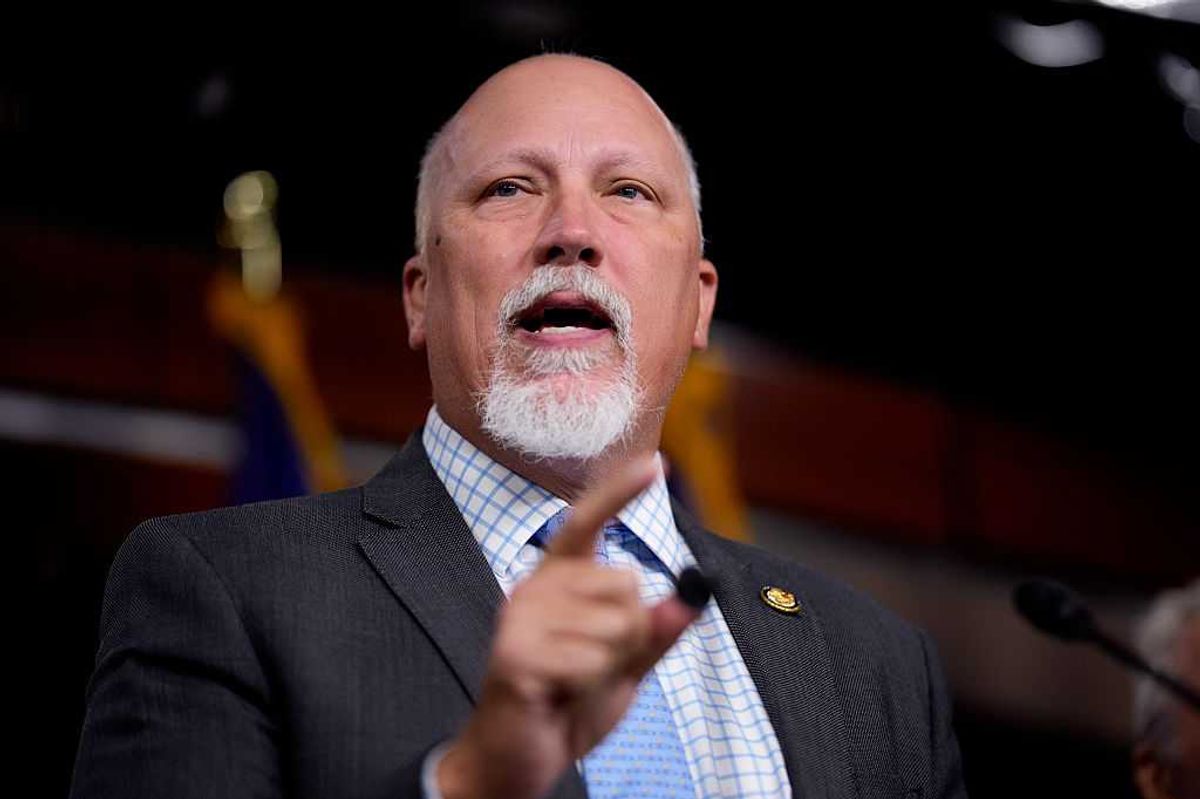
Last week, Rep. Chip Roy (R-Texas) introduced exactly that fight.
What the PAUSE Act does
Roy’s PAUSE Act freezes all legal immigration — except temporary tourist admissions — until the federal government establishes permanent enforcement against illegal entry and against categories of immigration voters have opposed for years. The bill sets clear conditions for lifting the moratorium.
- Reversing Plyler v. Doe, allowing states and localities to deny illegal aliens access to public schools.
- Reforming birthright citizenship so that minors receive citizenship only when at least one parent is a U.S. citizen or green card holder.
- Ending chain migration and the diversity visa program; limiting entries to spouses and unmarried minor children; ending extended-family preference categories.
- Prohibiting the entry of Sharia-law adherents, Chinese Communist Party members, known or suspected terrorists, and members of foreign terrorist organizations.
- Barring noncitizens from accessing means-tested federal benefits such as SNAP, SSI, TANF, Medicaid, Medicare, WIC, federal student loans, and public housing.
- Ending adjustment of status for H-1B visa holders and abolishing the unconstitutional optional practical training program that displaces American tech workers.
The bill accomplishes all of this in fewer than 10 pages. Original co-sponsors include Reps. Keith Self (R-Texas), Brandon Gill (R-Texas), Andy Biggs (R-Ariz.), Lauren Boebert (R-Colo.), Eli Crane (R-Ariz.), and Andy Ogles (R-Tenn.).
A long-delayed agenda
Conservatives have pushed these reforms for nearly two decades. Some ideas surfaced in the Trump years through executive actions, but courts blocked several and entrenched others — especially anchor-baby citizenship and taxpayer-funded K-12 education for illegal aliens.
Other essential reforms, such as ending optional practical training, halting visas from China, or barring Sharia-law adherents, were never attempted.
RELATED: Trump can’t call it ‘mission accomplished’ yet
 Photo by Anna Moneymaker/Getty Images
The genius of Roy’s bill is simple: It creates a standing incentive for courts, presidents, and future Congresses. If judges want legal immigration to continue, they must revisit the policies that created the crisis in the first place.
Staring at political reality
If Trump focused his attention on this bill — and forced congressional Republicans to choose — he could unite conservatives heading into primary season. A transformational immigration fight would energize GOP voters at a moment when the party shows weakness across the map.
Democrats have over-performed by an average of 15 points in recent special elections. That surge alarmed Republicans enough that they pulled Rep. Elise Stefanik (R-N.Y.) from consideration for U.N. ambassador for fear of losing her district, which Trump carried by 15 points. Democrats are now pouring money into Tennessee’s 7th Congressional District, which Trump carried by 20. A party that cannot defend safe seats is a party in trouble.
If Republicans can’t win in red America during a bad economy, it’s not because voters demand new talking points. It’s because the party has failed to deliver on the core issues that animate its base.
RELATED: The right must choose: Fight the real war, or cosplay revolution online
 wildpixel via iStock/Getty Images
The choice ahead
Trump could offer a fresh economic vision or finally follow through on repealing Obamacare. But at a minimum, he should return to his original 2015 promise: Pause immigration and restore sanity to a system voters believe is broken beyond recognition.
The window is closing. If Republicans refuse to use the power they still possess, they will lose it — not gradually, but suddenly.
The PAUSE Act gives them a chance to reverse that trajectory. The question is whether they will take it.
CAIR: Trump’s Revocation of Somali Deportation Protections Is Part of ‘Israel First’ Campaign
The Council on American Islamic Relations (CAIR) lashed out against President Donald Trump’s decision to eliminate deportation protections for Somali immigrants in Minnesota, blaming the move on an “Israel first” campaign that it says is also targeting podcasters Candace Owens and Tucker Carlson.
The post CAIR: Trump’s Revocation of Somali Deportation Protections Is Part of ‘Israel First’ Campaign appeared first on .

Northwestern Professor Uses Biomedicine Class to Claim Israel Deliberately Killed Its Own Citizens on Oct 7, Lecture Slides Show
A Northwestern University professor turned her biomedicine course into an anti-Israel lecture accusing the Jewish state of killing its own people on Oct. 7, 2023, excusing Hamas terrorism, and arguing that Israel does not have the right to self-defense, according to lecture slides obtained by the Washington Free Beacon.
The post Northwestern Professor Uses Biomedicine Class to Claim Israel Deliberately Killed Its Own Citizens on Oct 7, Lecture Slides Show appeared first on .
Founder of ‘America First’ AIPAC Tracker Is Self-Proclaimed Marxist Who Lives in Germany
A founder of Track AIPAC, a group that accuses pro-Israel U.S. politicians of being “foreign agents,” is a self-proclaimed Marxist who lives in Germany.
The post Founder of ‘America First’ AIPAC Tracker Is Self-Proclaimed Marxist Who Lives in Germany appeared first on .
DOGE Succeeded, Just Not For The Reasons You Think
DOGE Succeeded, Just Not For The Reasons You Think
Trump Moves To Designate Muslim Brotherhood Chapters As Terrorist Organizations
‘preserve international peace’
‘We’re not chopping nuts’: ShamWow guy files to run for Congress — as a Republican

Offer Vince Shlomi, the 61-year-old Israeli-born pitchman whose work selling absorbent towels on late-night TV gained him recognizability as the “ShamWow guy,” has filed to run for Congress as a Republican.
According to the Texas GOP’s list of filing applications, Shlomi has filed an application to unseat Republican incumbent Rep. John Carter, who has represented Texas’ 31st congressional district since 2003 thanks to a series of landslide electoral victories.
‘Hopefully I won’t make another mistake.’
“The woke churches are after our kids’ nuts,” Shlomi said in a video where he can be seen standing outside a structure painted in the LGBT imperial colors. “Not no more. We’re not chopping nuts. You’re going to love your nuts with the ShamWow guy.”
The allusion to nuts is both a play on LGBT activists’ support for child genital mutilation and the “Slap Chop” infomercial wherein Shlomi states, “With Slap Chop, you’re going to love my nuts,” prior to dicing a bowl full of almonds and walnuts.
Shlomi, an apparent Los Angeles resident who serves as president and CEO of the TV marketing company Square One Entertainment, told Fox News Digital on Sunday that he was motivated to run for office by a desire to “destroy wokeism” and as a tribute to assassinated conservative Charlie Kirk, whom he referred to as the original “woke buster.”
In a recent parody music video titled “Woke Busters,” Shlomi signaled opposition to men in girls’ locker rooms, child sex changes, the “Me Too” movement, identity politics, and cancel culture.
While Shlomi’s new role as culture warrior might find resonance with voters, he may have to address on the campaign trail some of the skeletons crowding his closet.
RELATED: Justice Alito delivers win to Texas GOP, temporarily restores Republican congressional map
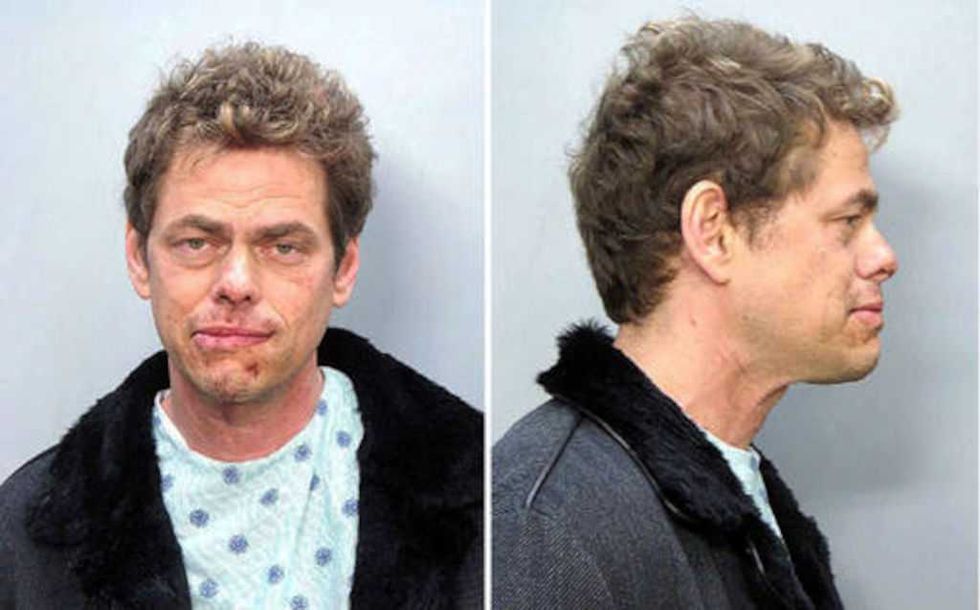 Vince Offer’s mugshot following his 2009 arrest in Miami Beach, Florida. Photo by Kypros/Getty Images
For instance, Shlomi was arrested and slapped with a felony battery charge in February 2009 for allegedly pummeling a prostitute at a hotel in Miami Beach, Florida.
According to the arrest affidavit, Shlomi kissed a hooker he had met earlier at a nightclub. Shlomi told police that the hooker bit his tongue and would not let go, so he punched her in the face several times. The prostitute reportedly suffered facial fractures and numerous lacerations. Prosecutors ultimately dropped the case.
Two years later, Shlomi’s former personal assistant sued him in a separate case, alleging he stalked and emotionally abused her, made unwanted sexual advances, and at one stage offered to buy her eggs, reported CBS News.
In 2013, Shlomi told NBC News that he was cleaning up his act, stating, “People understand you make mistakes in life.”
“Hopefully I won’t make another mistake,” he added.
Shlomi has reportedly not yet formalized his intention to run with the Federal Election Commission.
Like Blaze News? Bypass the censors, sign up for our newsletters, and get stories like this direct to your inbox. Sign up here!
Judge axes indictments against Trump foes James Comey, Letitia James
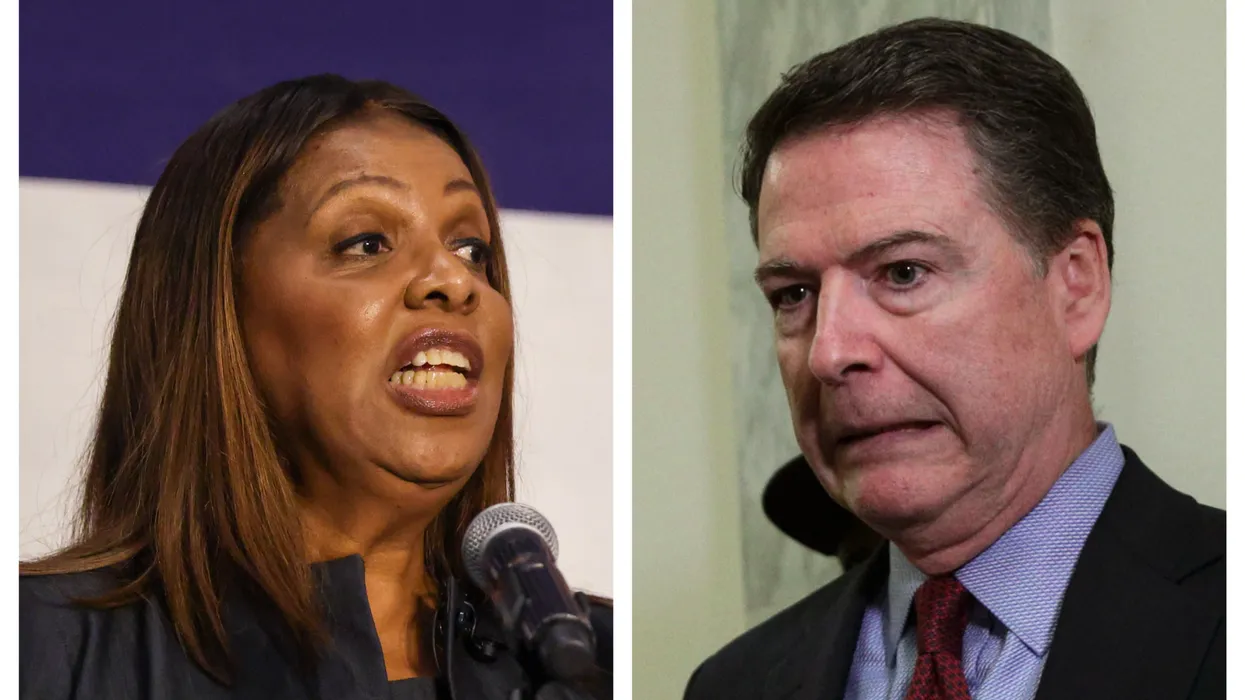
A federal judge dismissed the cases against former FBI Director James Comey and New York Attorney General Letitia James Monday.
Senior U.S. District Judge Cameron Currie dismissed the two indictments, ruling that President Donald Trump’s former personal lawyer Lindsey Halligan was invalidly appointed to her position.
‘No one is above the law.’
Currie said that “all actions flowing from Ms. Halligan’s defective appointment” to serve as interim U.S. attorney for the Eastern District of Virginia “were unlawful exercises of executive power and hereby set aside.”
Prosecutors who work alongside Halligan said U.S. Attorney General Pam Bondi has the authority to choose whom to appoint to the position and that the 120-day period interim U.S. attorneys serve operates as a temporary check-in system for appointees.
RELATED: Eric Swalwell offers melodramatic response to Trump DOJ probe: ‘I refuse to live in fear’
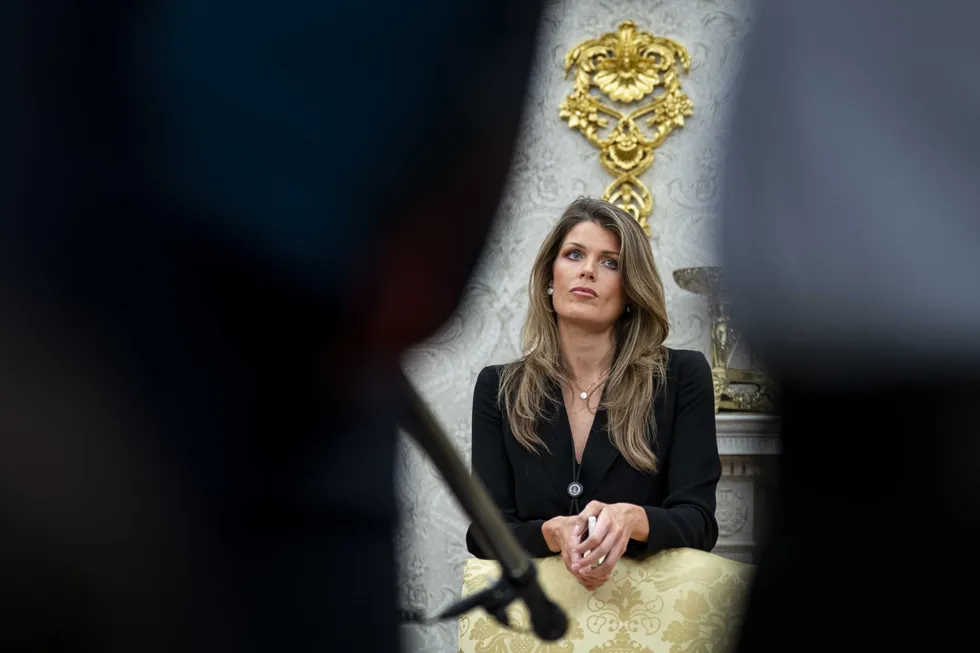 Photo by Al Drago/Getty Images
“The implications of a contrary conclusion are extraordinary,” Currie said of Halligan’s appointment. “It would mean the government could send any private citizen off the street — attorney or not — into the grand jury room to secure an indictment so long as the Attorney General gives her approval after the fact. That cannot be the law.”
Currie dismissed the cases without prejudice, keeping the door open for the cases to be refiled, though whether they will be remains unclear. The Department of Justice may also opt to appeal Currie’s decision. Blaze News reached out to Bondi’s office for comment.
Comey was indicted in September for “serious crimes related to the disclosure of sensitive information,” with the Department of Justice alleging that the former director lied to Congress.
“No one is above the law,” Bondi said in a statement following the indictment. “Today’s indictment reflects this Department of Justice’s commitment to holding those who abuse positions of power accountable for misleading the American people. We will follow the facts in this case.”
 Photo by Joe Raedle/Getty Images
James was indicted shortly after Comey in October over allegations of bank fraud and providing false statements to a financial institution. If James had been convicted, she would have faced up to 30 years in prison and up to $1 million in fines on each count.
“The charges as alleged in this case represent intentional, criminal acts and tremendous breaches of the public’s trust,” Halligan said in a statement following the indictment. “The facts and the law in this case are clear, and we will continue following them to ensure that justice is served.”
Like Blaze News? Bypass the censors, sign up for our newsletters, and get stories like this direct to your inbox. Sign up here!
Judge Dismisses Indictments Against Letitia James, James Comey Over Prosecutor’s Appointment
A federal judge found interim U.S. Attorney Lindsey Halligan’s appointment unlawful on Monday. Judge Cameron Currie dismissed cases against former FBI Director James Comey and New York Attorney General Letitia James, who both challenged Halligan’s appointment. “I agree with Mr. Comey that the Attorney General’s attempt to install Ms. Halligan as Interim U.S. Attorney for […]





