

Category: Conservative Review
Nazi SpongeBob, erotic chatbots: Steve Bannon and allies DEMAND copyright enforcement against AI
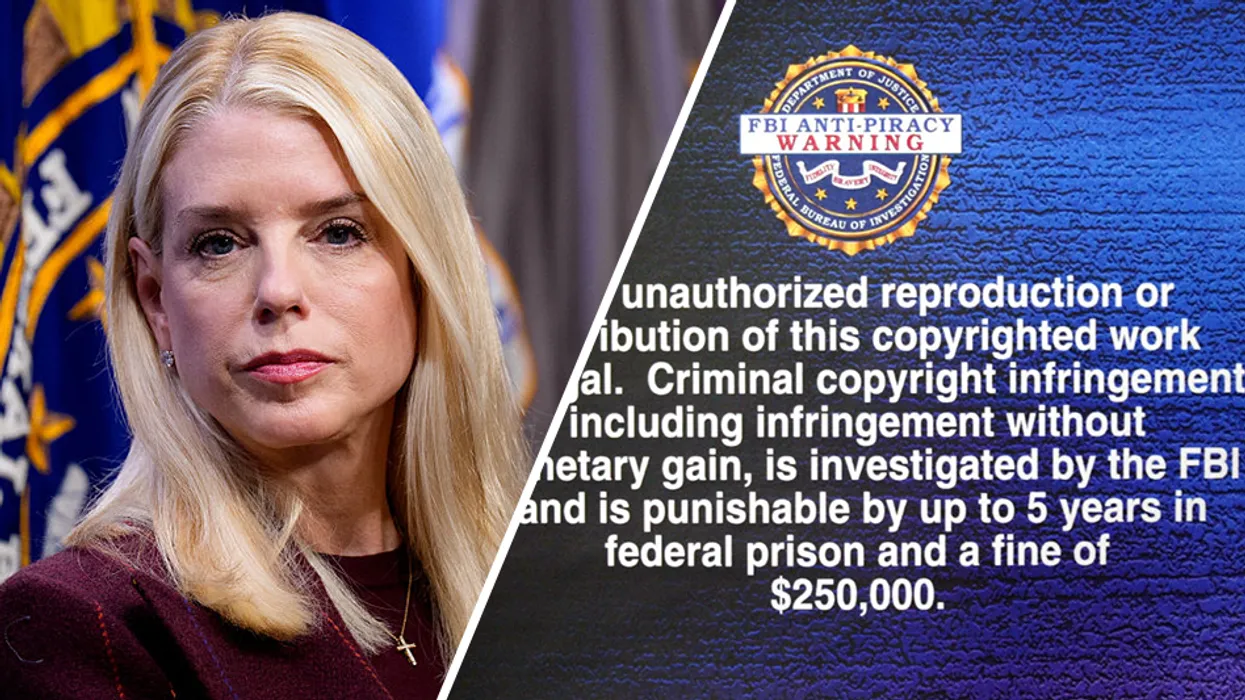
United States Attorney General Pam Bondi was asked by a group of conservatives to defend intellectual property and copyright laws against artificial intelligence.
A letter was directed to Bondi, as well as the the director of the Office of Science and Technology Policy, Michael Kratsios, from a group of self-described conservative and America First advocates including former Trump adviser Steve Bannon, journalist Jack Posobiec, and members of nationalist and populist organizations like the Bull Moose Project and Citizens for Renewing America.
‘It is absurd to suggest that licensing copyrighted content is a financial hindrance to a $20 trillion industry.’
The letter primarily focused on the economic impact of unfettered use of IP by imaginative and generative AI programs, which are consistently churning out parody videos to mass audiences.
“Core copyright industries account for over $2 trillion in U.S. GDP, 11.6 million workers, and an average annual wage of over $140,000 per year — far above the average American wage,” the letter argued. That argument also extended to revenue generated overseas, where copyright holders sell over an alleged $270 billion worth of content.
This is in conjunction with massive losses already coming through IP theft and copyright infringement, an estimated total of up to $600 billion annually, according to the FBI.
“Granting U.S. AI companies a blanket license to steal would bless our adversaries to do the same — and undermine decades of work to combat China’s economic warfare,” the letter claimed.
RELATED: ‘Transhumanist goals’: Sen. Josh Hawley reveals shocking statistic about LLM data scraping
Letters to the administration debating the economic impact of AI are increasing. The Chamber of Progress wrote to Kratsios in October, stating that in more than 50 pending federal cases, many are accused of direct and indirect copyright infringement based on the “automated large-scale acquisition of unlicensed training data from the internet.”
The letter cited the president on “winning the AI race,” quoting remarks from July in which he said, “When a person reads a book or an article, you’ve gained great knowledge. That does not mean that you’re violating copyright laws.”
The conservative letter aggressively countered the idea that AI boosts valuable knowledge without abusing intellectual property, however, claiming that large corporations such as NVIDIA, Microsoft, Apple, Google, and more are well equipped to follow proper copyright rules.
“It is absurd to suggest that licensing copyrighted content is a financial hindrance to a $20 trillion industry spending hundreds of billions of dollars per year,” the letter read. “AI companies enjoy virtually unlimited access to financing. In a free market, businesses pay for the inputs they need.”
The conservative group further noted examples of IP theft across the web, including unlicensed productions of “SpongeBob Squarepants” and Pokemon. These include materials showcasing the beloved SpongeBob as a Nazi or Pokemon’s Pikachu committing crimes.
IP will also soon be under threat from erotic content, the letter added, citing ChatGPT’s recent announcement that it would start to “treat adult users like adults.”
RELATED: Silicon Valley’s new gold rush is built on stolen work
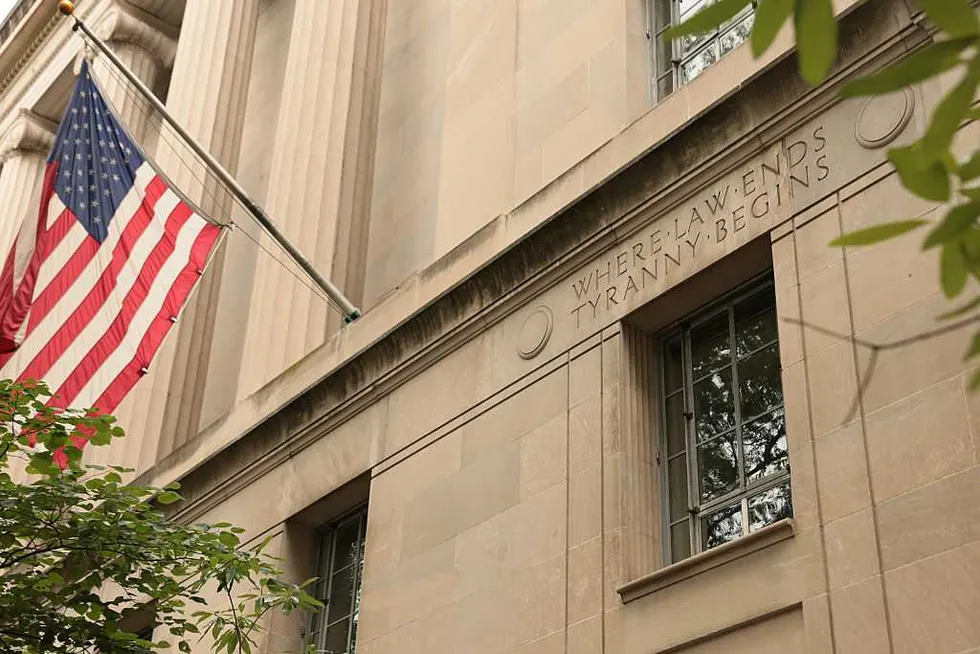 Photo by Michael M. Santiago/Getty Images
The letter argued further that degrading American IP rights would enable China to run amok under “the same dubious ‘fair use’ theories” used by the Chinese to steal content and use proprietary U.S. AI models and algorithms.
AI developers, the writers insisted, should focus on applications with broad-based benefits, such as leveraging data like satellite imagery and weather reports, instead of “churning out AI slop meant to addict young users and sell their attention to advertisers.”
Like Blaze News? Bypass the censors, sign up for our newsletters, and get stories like this direct to your inbox. Sign up here!
How Texas slammed the gate on Big Tech’s censorship stampede

Texas just sent a blunt message to Silicon Valley: You don’t get to censor Texans and then run home to California.
In a world where Big Tech routinely decides who may speak and who must be silenced, Defense Distributed v. YouTube, Google, and Alphabet has become a defining moment in the national fight over digital free expression. The shock isn’t the censorship at issue; it’s the fact that Big Tech — for once — lost.
In a time when Americans are desperate for leaders willing to stand up to media and tech conglomerates, Texas showed what real resolve looks like.
Defense Distributed, a Texas company, committed the unpardonable offense of promoting the constitutional right to keep and bear arms.
Our videos and ads — some of them simply announcing court victories — were throttled, suppressed, or removed by YouTube and Google. None of this surprised us. These platforms built vast empires on controlling information and burying viewpoints that fall outside their ideology.
Texas prepared for this fight
The surprise is that Texas saw this coming and armed itself for the conflict. HB 20 — now Chapter 143A of the Texas Civil Practice and Remedies Code — directly prohibits viewpoint-based censorship by major platforms. The law doesn’t hint, suggest, or politely advise. It states outright: Social media companies may not censor Texans for their viewpoints, and lawsuits brought under this chapter stay in Texas courts no matter what boilerplate corporate contracts say.
So when Defense Distributed filed suit, YouTube and Google reached for their favorite escape route: forum-selection clauses that force nearly every challenger into California courts, where Big Tech enjoys home-field advantage. It’s a delay tactic, a cost-inflation tactic, a shield against accountability — and it almost always works.
But Texas slammed that door shut before they reached it.
No escape
HB 20 doesn’t merely frown on these clauses; it voids them. The statute declares that any attempt to waive its protections violates Texas public policy — public policy the law describes as “of the highest importance.” The legislature anticipated Big Tech’s usual playbook and locked the gates years in advance.
The federal court recognized this. Judge Alan Albright ruled that transferring the case to California would directly undermine Texas’ strong public policy. Under federal law, courts cannot enforce a forum-selection clause that contradicts a state’s deeply rooted interests — especially when the legislature spells those interests out with the clarity found in HB 20.
Silicon Valley does not hear the word “no” very often. Big Tech’s money, influence, and political allies usually clear the path. But in a federal courtroom in the Lone Star State, Texas’ commitment to protecting its citizens from ideological censorship outweighed Silicon Valley’s customary dominance. The court refused to let YouTube and Google drag the case back to California.
The fight stayed in Texas — exactly where the legislature intended.
A national shift and a model for states
The timing matters. Americans now understand that Big Tech can shape elections, suppress dissent, and curate truth itself. HB 20 was mocked by the press, attacked by activists, and targeted by corporate lobbyists from the moment it passed. Yet today, it stands as one of the most potent legal tools in the country’s fight against digital censorship.
HB 20 is no longer just a statute; it is proof that a state with conviction can push back and win.
RELATED: Big Tech CEOs should leave policy to the politicians
 Photo by Win McNamee/Getty Images
This victory is more than a procedural ruling. It affirms that Big Tech’s era of unchallenged authority is not inevitable. Defense Distributed didn’t merely keep our lawsuit in Texas; we preserved the principle that powerful corporations cannot hide their censorship behind “terms of service” fine print.
Texas drew a line in the sand, and — for once — Silicon Valley stopped.
In a time when Americans are desperate for leaders willing to stand up to media and tech conglomerates, Texas showed what real resolve looks like. This ruling promises that citizens still have a fighting chance, that speech still matters, and that even the world’s largest corporations remain subject to the laws of a state determined to defend its people.
Scamming Somalis Are The Love Children Of Dems’ Mass Welfare And Immigration Policies
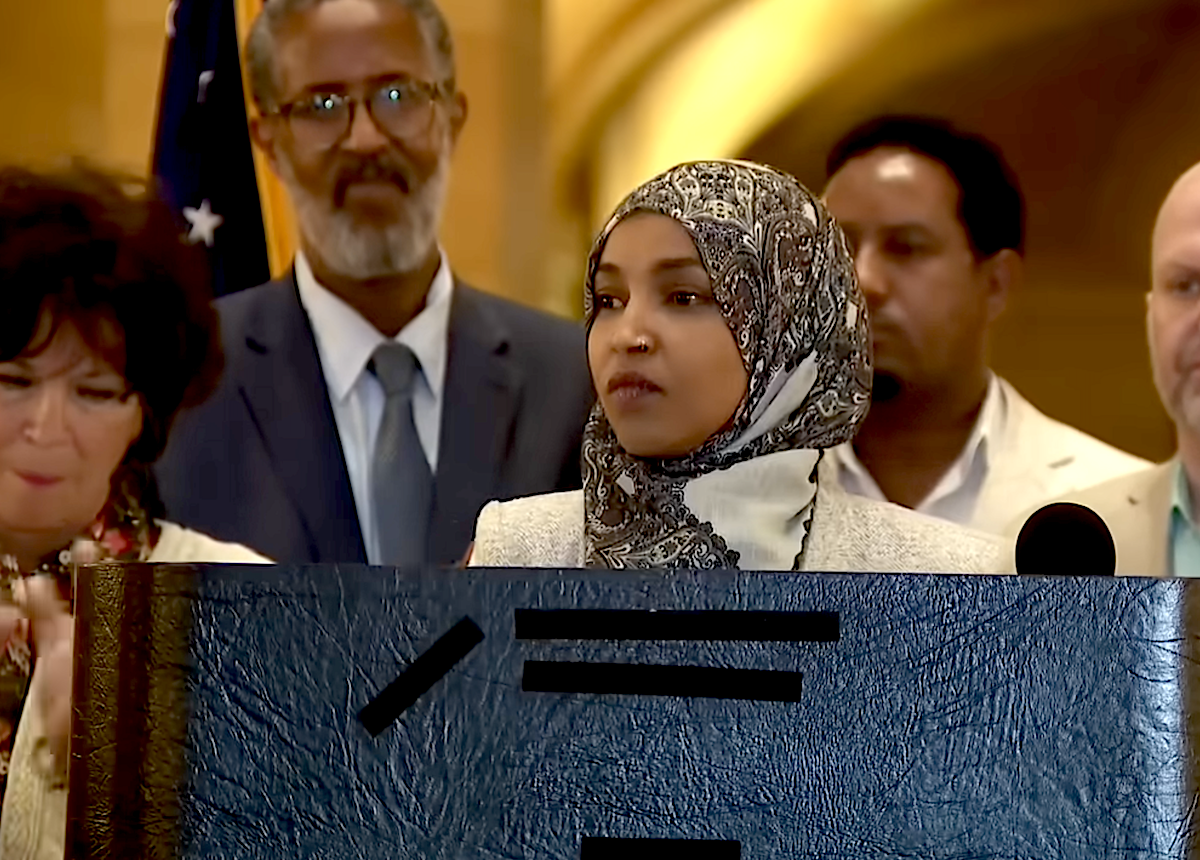
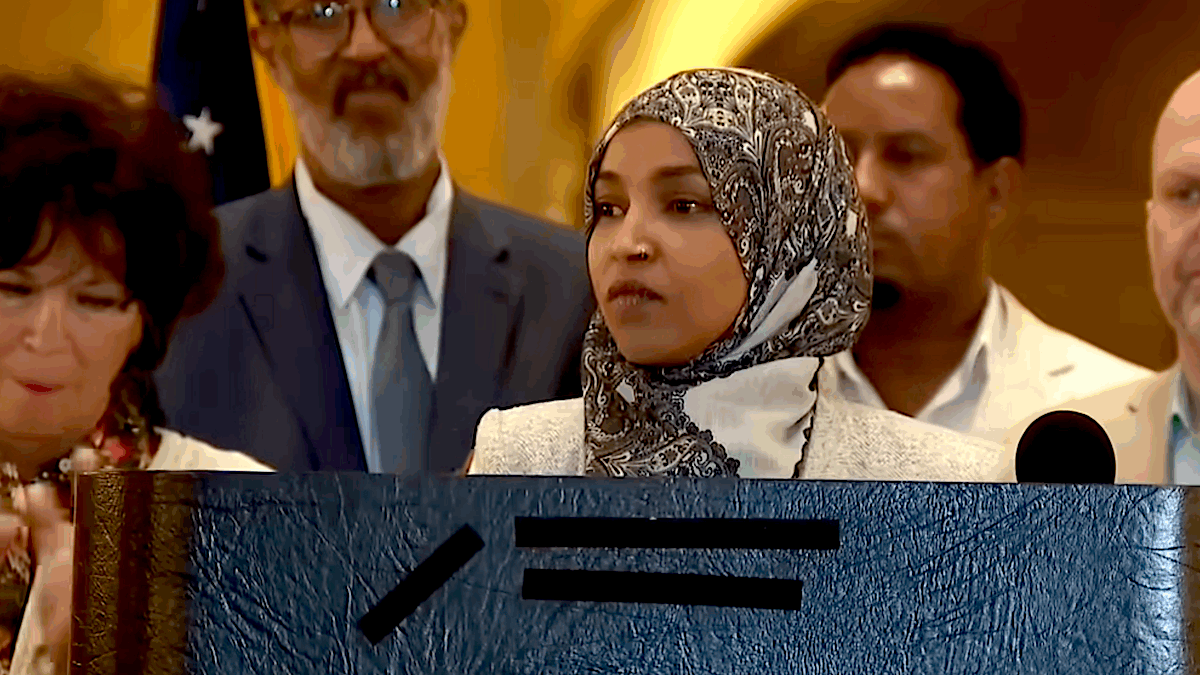 If there was ever a perfect case study in just how destructive the Democrat Party’s top two policy priorities — mass welfare distribution and unchecked immigration from the Third World — are to America, it’s what continues to unfold in Minnesota. Federal prosecutors have uncovered hundreds of millions of taxpayer dollars stolen over the past five years […]
Man who brought Happy Meal to buy 11-year-old girl for sex slavery will be deported after serving decades in prison

A man living in Oklahoma was convicted for charges related to the attempted sexual trafficking of a minor after getting caught in an undercover sting operation.
Braulio Luna, 59, arranged to purchase an 11-year-old girl for sexual activity, but unbeknownst to him, he was speaking to police officers pretending to be human traffickers.
‘There is actually … code words that people use to advertise these. And once you are in the trade, you understand what these code words are.’
The operation involved officers posting ads as a mother who was trying to sell her 11-year-old daughter.
“Mr. Luna responded to that ad and started making preparations to actually purchase an 11-year-old for a sexual encounter,” said Maj. Adam Flowers of the Canadian County Sheriff’s Office to KFOR-TV.
Investigators noted that Luna brought a McDonald’s Happy Meal with him to purchase the fictitious girl, which they said demonstrated his intent to exploit a minor.
Rather than finding his intended victim, Luna found deputies waiting in a hotel room and was arrested on August 29, 2024.
Luna confessed to investigators that he had harmed a child in the past, and police are working to identify that victim.
“But unfortunately, it’s kind of like a cold case. We know they’re out there. We just don’t know who they are. He wasn’t forthcoming with that,” Flowers added.
Luna pleaded guilty to felony child exploitation and was sentenced to 25 years in prison. He must serve at least 18 years before being released.
Court documents indicated that Luna would also be deported to his country of origin after serving his time in prison. He was a legal U.S. resident but not a citizen.
Flowers said that traffickers use everyday apps such as Snapchat, Tinder, and Facebook to seek their victims.
“There are numerous websites out there that cater to this type of black market, illicit activity where people are selling themselves for sex,” Flowers said.
“Family members, foster families, even kids that are being trafficked by pimps,” he explained, “they all have people that use these apps for illicit purposes. There is actually … code words that people use to advertise these. And once you are in the trade, you understand what these code words are.”
Like Blaze News? Bypass the censors, sign up for our newsletters, and get stories like this direct to your inbox. Sign up here!
Trump makes America dangerous again — to our enemies
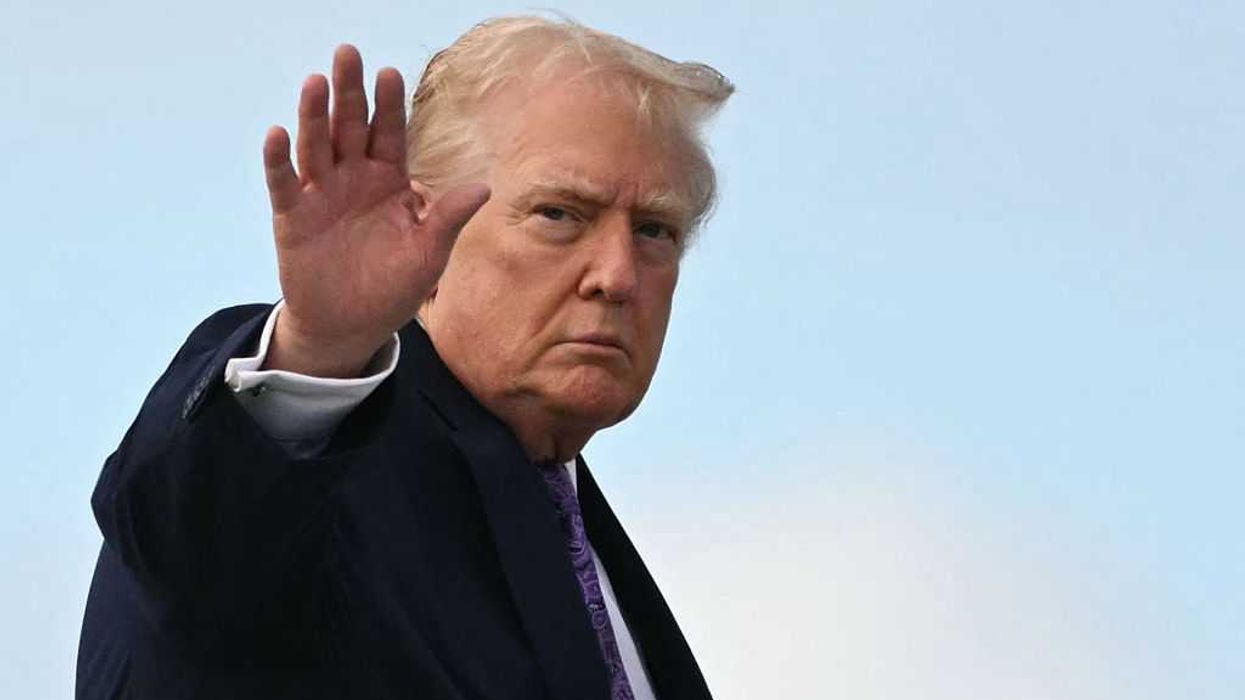
For the first time in years, the world once again views the United States as a force for strength, order, and peace. Clear, consistent American leadership backed by resolve is restoring the U.S. role as the world’s stabilizing power. That clarity is already reshaping some of the most entrenched conflicts, from the Middle East to Eastern Europe.
The breakthrough in Gaza illustrates the shift. What looked like a permanent cycle of bloodshed has given way to a ceasefire, the safe return of hostages, and the growing global isolation of Hamas — a terrorist group that has long thrived on regional instability. The success rests on American influence, quiet coordination with regional partners, and the renewed credibility that comes from a White House that means what it says.
After years of drift and decline, the world once again knows where America stands.
The same seriousness is now visible in Europe. Ukrainian President Volodymyr Zelenskyy’s recent visit to Washington may lead to a negotiated end to a devastating conflict that has killed hundreds of thousands and destabilized global energy and food markets. Zelenskyy described his meetings as a “big chance” to finish the war.
President Trump’s peace plan to end the Russia-NATO war in Ukraine will stop the bleeding, enable reconstruction, and reduce the strain on U.S. ammunition stocks at a moment when the Pentagon must prepare for a potential conflict with China.
US diplomacy regains stature
Strength backed by diplomacy — not drift or apology — is what puts the United States in high esteem with much of the world again. Nations respect a country willing to confront aggression and equally willing to help broker reconciliation.
That same clarity guides the administration’s approach to economics and trade. When America projects strength abroad, it must also defend economic interests at home.
Rebuilding America’s economic strength
After years of watching U.S. innovation shipped overseas, the administration has signaled that America will build, produce, and lead from within. That principle drove President Trump’s deal with Australia to break China’s grip on rare earth minerals — metals essential to everything from fighter jets and missiles to smartphones and electric vehicles.
For years, Beijing used its near-monopoly on mining and refining these materials as leverage, threatening to cut off supplies whenever the U.S. challenged its aggression. The deal with Australia strengthens both nations’ capacity to mine and process these strategic resources, allowing the U.S. to build advanced technology and military systems without bowing to Chinese pressure. It’s another example of President Trump converting economic strength into national security strength.
America’s return to Central Asia
Last week, President Trump hosted a meeting of the C5+1 — the United States and the five Central Asian republics: Kazakhstan, the Kyrgyz Republic, Tajikistan, Turkmenistan, and Uzbekistan. Founded in 2015, the group has rarely received presidential-level attention. That changed with Trump’s direct engagement.
Trump emphasized access to Central Asia’s vast reserves of rare and strategic minerals. Turkmenistan emerged as a potential transit hub for processing and exporting these resources to America. Airlines from Kazakhstan, Tajikistan, and Uzbekistan signed agreements to purchase 37 Boeing aircraft. The president also announced the Trump Route for International Peace and Prosperity, a new trade corridor designed to boost connectivity and economic integration across the region.
Leaders reaffirmed commitments to counterterrorism cooperation, energy security, and balancing regional influence from Russia and China.
RELATED: America’s addiction to Chinese money runs deeper than we care to admit
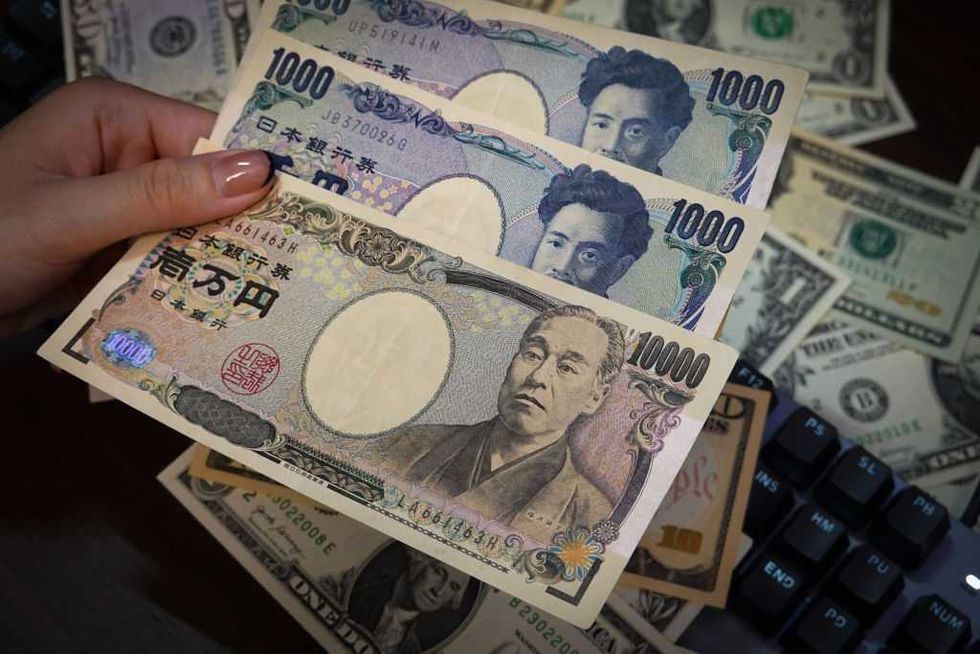 Photo Illustration by Sheldon Cooper/SOPA Images/LightRocket via Getty Images
Strength in technology policy
The administration’s posture on technology sends a message as unmistakable as a carrier group in the Pacific: America will defend its industries from predatory foreign dominance.
The recent approval of the Hewlett Packard Enterprise-Juniper Networks merger reflects that stance. The decision, made in consultation with national security officials, counters the global reach of China’s state-controlled telecom giant Huawei and strengthens U.S. data networks in an era defined by artificial intelligence and 5G. The move also signals that America will no longer sabotage its own companies to satisfy globalists or Beltway bureaucrats.
Predictably, Democratic attorneys general led by Colorado’s Phil Weiser — joined by congressional voices such as Sens. Cory Booker (D-N.J.) and Elizabeth Warren (D-Mass.) — denounced the decision. But their reflexive criticism doesn’t alter the administration’s commitment to peace-through-strength policies that protect American interests.
A world steadied by American resolve
When the U.S. leads with confidence, the world responds with respect. Whether confronting turmoil in the Middle East, pressing for stability in Europe, or rebuilding supply chains and industries essential to national security, American strength has produced a safer, more stable international environment.
After years of drift and decline, the world once again knows where America stands.
Peace through strength brought the world back to the table. Strength through accountability will keep it there. That is the kind of respect no adversary can test — and no ally will forget.
Tennessee’s 7th Congressional District Stays Red In 9-Point Win For GOP
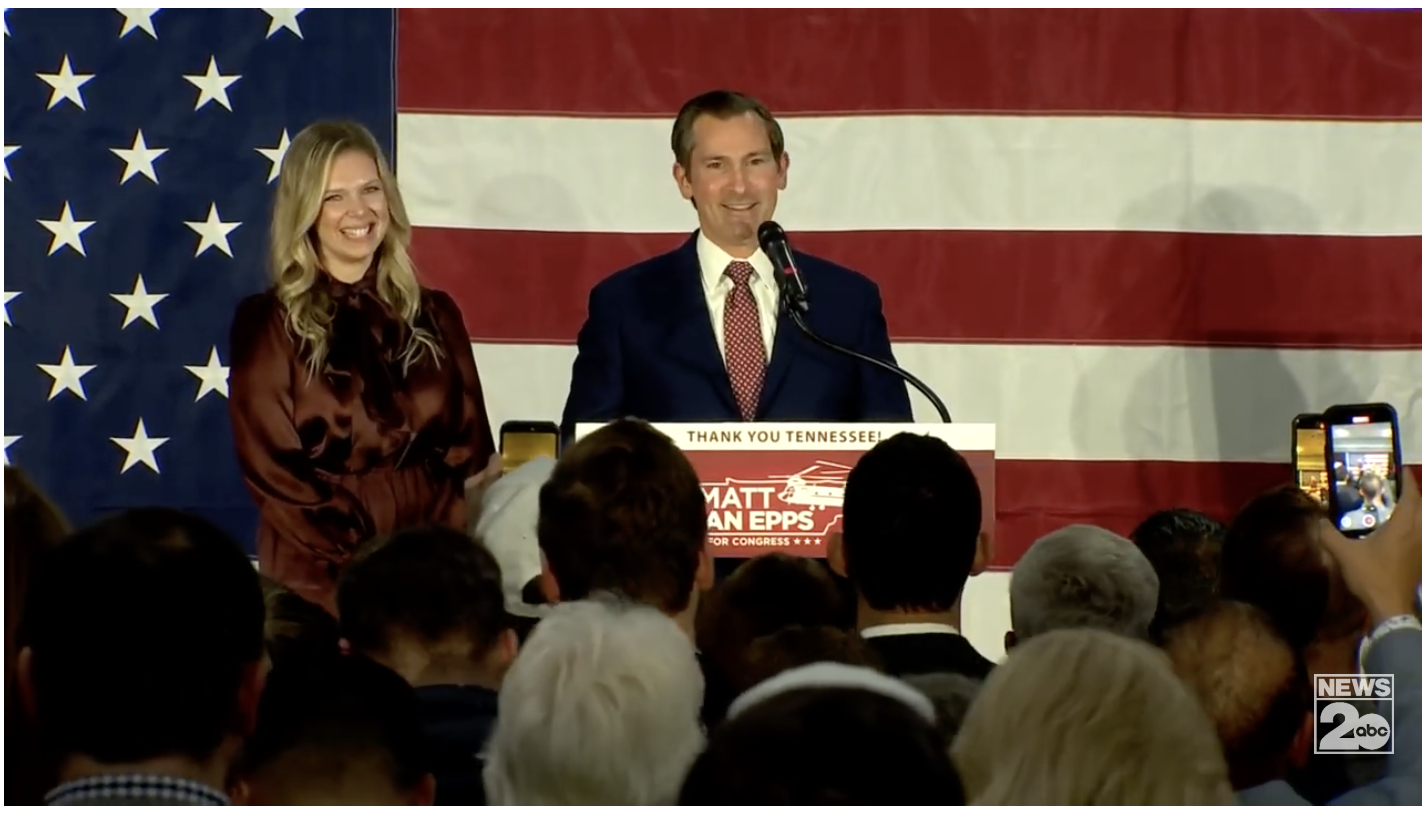
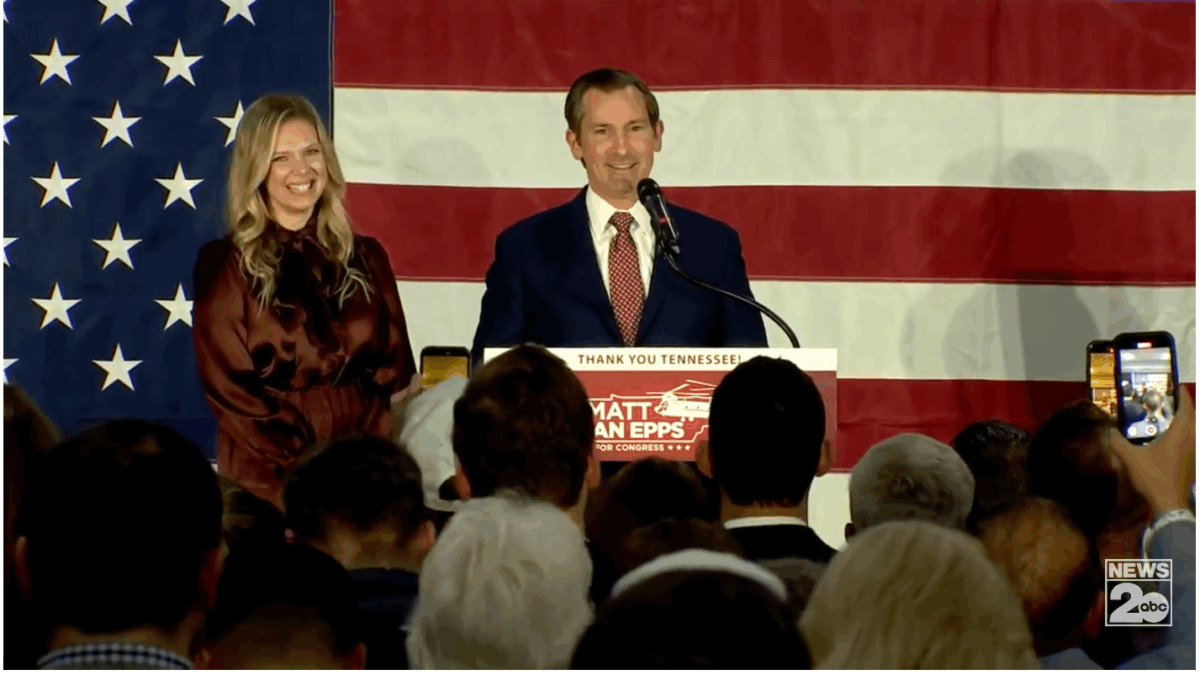 ‘Running from Trump is how you lose. Running with Trump is how you win,’ Republican Matt Van Epps said after his special election win.

Tennessee Democrat Aftyn Behn Loses Bid To Represent City She ‘Hates’ in State She Called ‘Racist’
Democrat Aftyn Behn once said she “hates” the city of Nashville. It turns out that voters there aren’t too fond of her, either.
The post Tennessee Democrat Aftyn Behn Loses Bid To Represent City She ‘Hates’ in State She Called ‘Racist’ appeared first on .
Bad Presidents or Bad Government?
No matter where one looks these days, there is an explosion of anger over the decline in political ethics and…

Persecution

“Persecution,” editorial cartoon by Yogi Love for The American Spectator on Dec. 1, 2025.





