

Category: Republicans
The Music Never Stopped for Bob Weir
Bob Weir’s death was surprising but not a shock. Grateful Dead fans have had plenty of practice saying fare thee well to other band members, most prominently Phil Lesh, Jerry Garcia, and Ron McKernan (aka Pigpen). Weir, who died Jan. 10 at 78, kept the Dead spirit alive after Garcia’s death in 1995 (just after turning 53), and with his passing the band’s music moves into a new realm. Never again will it be performed by the people who created it (holograms need not apply). A veil of sorts has fallen over the Skull and Roses.
The post The Music Never Stopped for Bob Weir appeared first on .
Business as Usual on Pennsylvania Ave
To anyone who doesn’t live under a rock, things seem chaotic right now. Just in the last month, Venezuelan dictator…
Six questions Trump and conservatives can no longer dodge in ’26
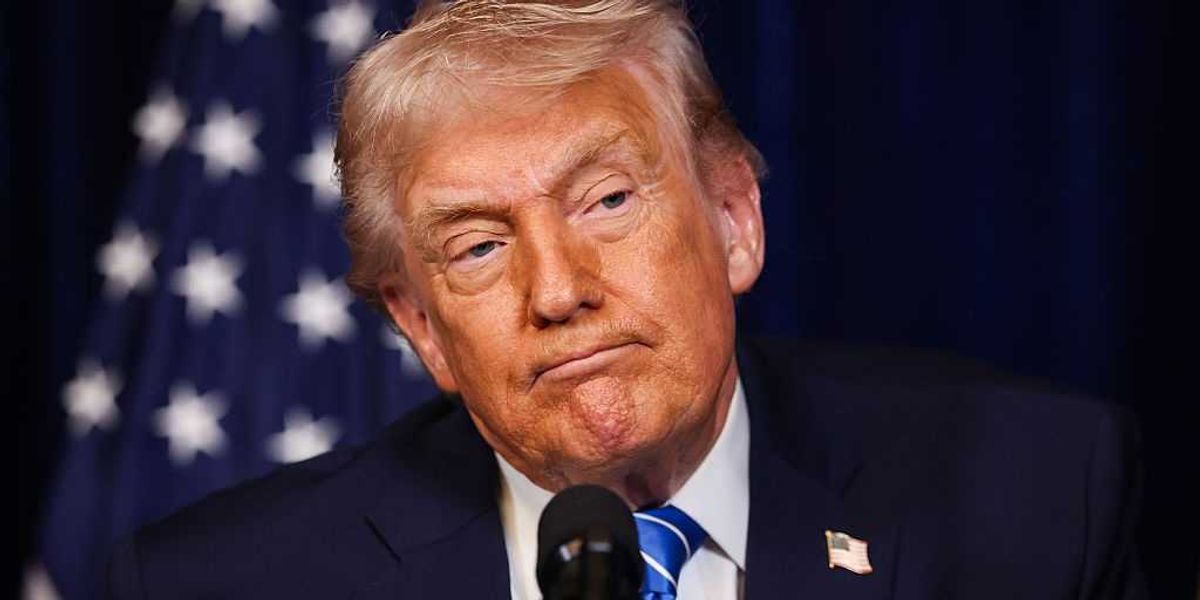
For conservatives, January 2025 felt like an auspicious moment to be alive. Donald Trump sat atop the world with a bully pulpit larger than any media outlet and the power to drive virtually any narrative he chose. Yet instead of using that power, we spent the year arguing over the power the GOP supposedly lacked.
Almost no legislation was passed. Many of the most transformational policies Trump enacted through executive action now sit mired in the courts.
Where is our Mamdani?
Fast-forward to January 2026. The economy looks grim. Democrats are crushing Republicans in special elections. It feels like a different universe.
Republicans tend to operate on a familiar two-year cycle. After a victory, the first year involves explaining why campaign promises cannot be fulfilled. The second year, ending in November elections, turns into defensive posturing: As disappointed as voters may be, they must remember that Democrats represent instant political death.
The implication stays constant. Voters must dutifully back the GOP, ignore the fact that Republicans currently hold power, and politely bypass the primary process out of fear of weakening resistance to Democrats.
As we enter the new year, we have reached the “rally around the GOP to stop the Democrats” phase of the cycle once again.
But reality intrudes. No matter how faithfully the base rallies, Republicans will likely lose in November because of the economy. Absent a dramatic national reset, Democrats will retake the House, probably with a substantial majority.
That makes the present moment decisive. With trifecta control still intact for now, Republicans must use what power they have to improve daily life, enact changes harder to undo, and reinforce red-state America so the coming blue wave does not obliterate the remaining red firewall.
Whether Republicans break free from their familiar cycle of election-failure theater comes down to the answers to these six questions.
1. Will the red firewall hold?
Republicans will likely lose the House and surrender residual power in battleground states such as Georgia and Arizona. Independents have abandoned the GOP, and that trend will accelerate as economic conditions worsen.
The question is whether Republicans will give their voters something worth turning out for. Base turnout alone will not flip purple territory, but it could stop the bleeding deep into red states and keep races such as the Iowa and Ohio governorships out of reach.
This past year made clear that Republicans are losing races they never should have had to defend. A deeper economic downturn would push that line even farther.
2. How toxic do AI data centers become — and will Republicans notice?
By the end of 2025, opposition to data centers surged across ideological lines. Communities worry about water use, power strain, housing values, and secondary effects.
Democrats have begun embracing that resistance as Trump elevates data centers and tech interests as pillars of his economic agenda. Will this issue fracture Republicans’ coalition or even force a break with Trump?
3. What will Republicans do with health care?
Democrats engineered a trap that forces Republicans to address health care, the single largest driver of deficits, inflation, and household pain.
Obamacare made unsubsidized insurance unaffordable for most Americans. Democrats then timed the expiration of expanded subsidies to land on Trump’s watch, ensuring that voters blame him rather than the law’s architects.
Anything Trump does — or refuses to do — will be pinned on him. That reality argues for pushing a genuinely free-market repeal-and-replace that lowers costs. History suggests that outcome remains unlikely. I’m not holding my breath, anyway.
4. Will Trump finally ignore a lawless court?
Could a powerless judge issue a ruling so egregious that it would prompt Trump to defy it at long last?
I am not holding my breath on that one, either.
RELATED: The courts are running the country — and Trump is letting it happen
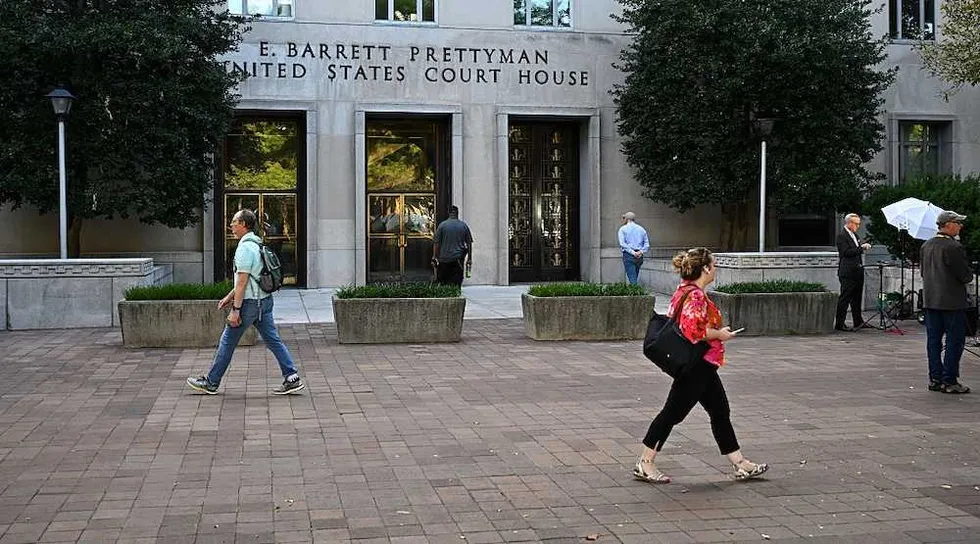 Photo by Graeme Sloan/Bloomberg via Getty Images
5. Will Trump clear the decks on his promises dating back to 2015?
Democrats will likely control one or both chambers for the remainder of Trump’s term. Regardless of strategy, they probably win the midterms.
That means Trump has nothing to lose by executing fully on his original agenda now. Immigration moratoria, judicial reform, welfare devolution, bans on the Council on American-Islamic Relations and Antifa — these changes should be forced through every “must-pass” bill available.
An all-out approach carries policy upside and political clarity.
6. Will Trump stop making bad primary endorsements?
This year’s primaries matter far more than the general election. They will determine whether red states have leaders willing to defend their prerogatives when Democrats reclaim federal power.
If Trump continues endorsing lackluster governors and candidates such as Byron Donalds in Florida, Greg Abbott in Texas, and Brad Little in Idaho, conservatives will have nowhere to retreat when figures like Zohran Mamdani dominate national politics.
RELATED: Trump’s agenda faces a midterm kill switch in 2026
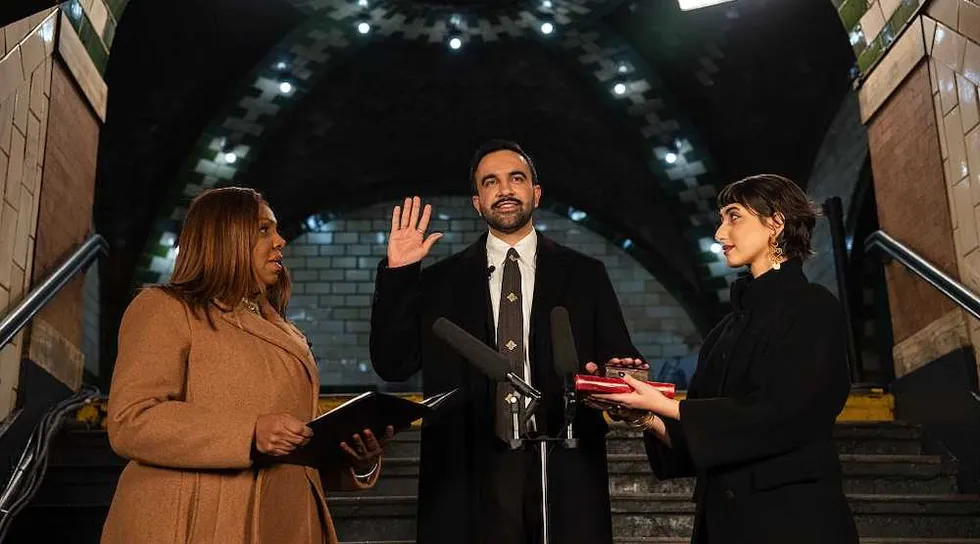 Photo by Amir Hamja-Pool/Getty Images
Mamdani’s takeover of New York and his appointment of Ramzi Kassem — a 9/11 al-Qaeda defense lawyer — as chief counsel drew outrage on the right. At his inauguration, Mamdani declared, “We’ll replace the frigidity of rugged individualism with the warmth of collectivism.”
Rather than merely lamenting how Marxists consolidate power in deep-blue America, conservatives should let that example ignite action where they actually govern. If the left can floor the gas pedal in its strongholds, why can’t we?
Where is our Mamdani?
This moment demands urgency. GOP power has become a “use it or lose it” proposition. Trump must finally become the right-wing disruptor his supporters were promised.
If he cannot — or will not — then Republicans deserve to go the way of the Whigs.
Republicans are letting Democrats lie about affordability
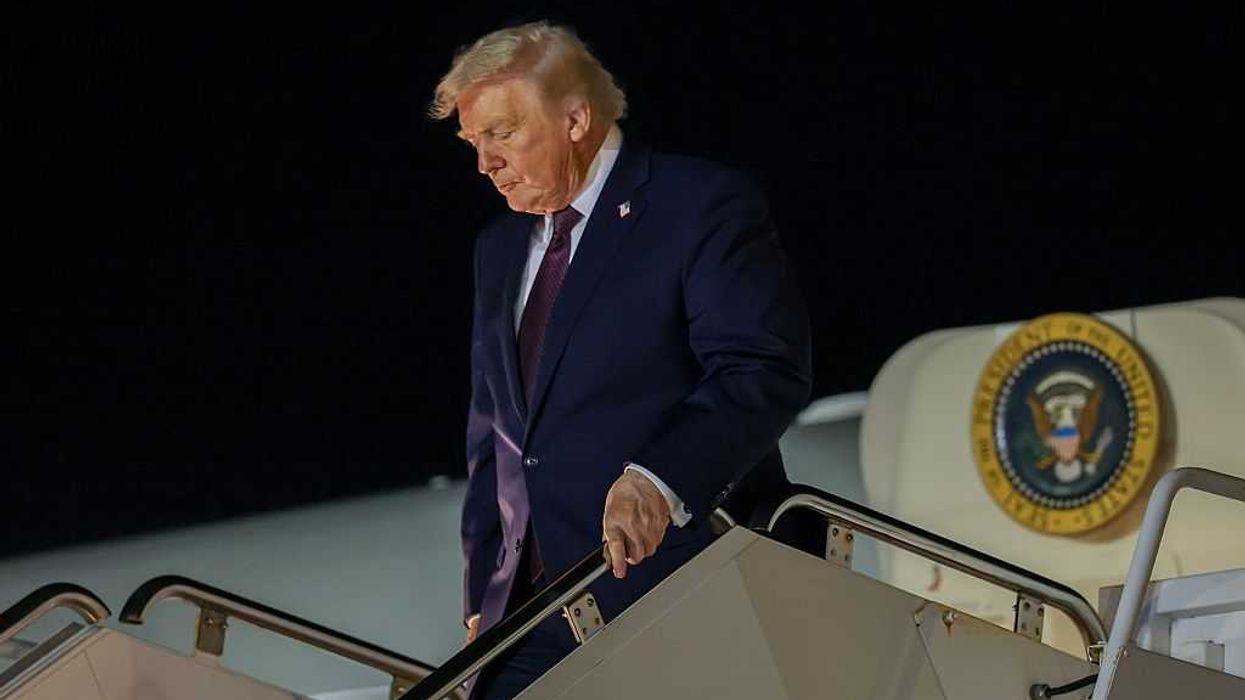
Midterm elections go one of two ways. They are either a validation of the sitting president or a repudiation. Historically, they have almost always been a repudiation.
The 2026 midterms are shaping up to be no different — a firm rebuke to Donald Trump. That’s obviously bad for him. Congress will spend two straight years investigating and likely impeaching him.
If President Trump’s supporters don’t show up, Republican defeat is guaranteed.
But the bigger danger is to America. Democrat control of Congress will jeopardize Republicans’ efforts to restore an economy of opportunity for all. Worse, Democrats will lay the groundwork for recapturing the White House in 2028, at which point they will implement the most anti-opportunity agenda in American history. We’re talking welfare for all, funded by crippling tax hikes and a federal takeover of a once-free economy.
Can Donald Trump turn the midterms around? Only if he, his fellow Republicans, and their allies on the right make immediate changes. If they do, they could stem the losses in November — and maybe even defy the odds to expand their majorities in the House and Senate.
First and foremost: They need to realize that midterms hinge on turnout.
The reason midterms are usually a presidential repudiation is that voters from the other party are more motivated. They feel greater anger and intensity, and they show up. The president’s supporters, meanwhile, usually think they did their job when they elected their man. Why bother showing up again?
If President Trump’s supporters don’t show up, Republican defeat is guaranteed. The most urgent need, therefore, is to invest in a massive get-out-the-vote operation. The GOP needs one the likes of which it has never seen.
But such an effort also needs a message — something that resonates with voters and spurs them to action. That’s the second area where change is required. Because right now, Republicans don’t have any meaningful message at all.
The left certainly does. Democrat politicians, their allies in the media, and their associated army of activists and nonprofits have rallied around a single word: affordability. They’re tricking voters into thinking that all the inflation and financial pain that Joe Biden caused is really the fault of Donald Trump. The call to action writes itself: If voters want to make ends meet, their only hope is to vote the GOP out.
This message works, but only because Republicans are letting it work. They are largely silent in the face of Democrat attacks. Worse, in the president’s case, he is calling affordability a “hoax.” For voters who supported him because of Joe Biden’s inflation, nothing could be worse. It’s tantamount to saying their problems don’t matter.
Republicans must reclaim the economic high ground. They need to relentlessly hammer the point that Joe Biden’s enormous failures will take time to fix. They need to point to the relief they’ve given, especially the tax cuts the president signed in July. Most importantly, they need to lay out a unified agenda that speaks to Americans’ deep concerns, convincing voters that the GOP will, in fact, make life more affordable.
RELATED: The ‘blue-slip block’ is GOP cowardice masquerading as tradition
 Photo by ANDREW CABALLERO-REYNOLDS/AFP via Getty Images
Crafting that agenda is as much the work of policy wonks as it is public relations. Republicans and their allies should be relentlessly message-testing and focus-grouping to discover not only what policies Americans want, but how to sell the policies that Americans need — in health care, housing, and beyond. This can be done without compromising conservative principles. In fact, it is essential if those principles are to have a path to becoming policies.
There’s one more message the GOP needs. It’s not enough to make a positive case for Republicans’ own priorities. They need to remind Americans of the danger posed by Democrats relentlessly.
This isn’t hard. The return of crippling inflation. The collapse of our borders once again. Higher taxes on the middle class. Republicans have a simple case to make: If voters want all of America to look more like crime-ridden, welfare-defrauding, utterly unaffordable big blue cities, they should vote for Democrats.
Republicans needed these messages yesterday. They needed a turnout operation that was already delivering these messages to the base and undecided voters alike. If they and their allies don’t get their act together before the start of the year, the midterm elections will indeed be a repudiation of Donald Trump. Worse, they’ll put America’s future at risk. The clock is ticking.
Editor’s note: This article was originally published by RealClearPolitics and made available via RealClearWire.
Watch Jasmine Crockett Contradict Herself On Mike Johnson As She Insists ‘Final Nail’ In His Coffin Imminent
‘looking really bad for him’
Why Democrats fear this midterm more than Republicans do

Midterm elections usually punish the party in power. Political gravity pulls incumbents downward as voters look for balance. But Donald Trump has never operated according to political gravity. This midterm, following the 2024 realignment that delivered the White House and both chambers of Congress to Republicans, looks less like a second-year slump and more like a referendum on a political transformation without modern precedent.
Rather than a routine evaluation of performance, this election is shaping up as a test of will, an economic reckoning, and a public judgment on the unraveling of the administrative state. The failures of the left — not Republican incumbency — are likely to define the terrain.
Trump remains an engine rather than a liability. Party unity has not looked this solid since the Reagan years. Democrats remain trapped in spectacle and grievance.
At the center of it all sits Trump’s methodical effort to dismantle what many Americans now recognize as an unaccountable fourth branch of government.
What was once dismissed as a conspiracy theory is unfolding openly. Trump and congressional Republicans have made no attempt to conceal the project. They are explaining it step by step: how federal agencies accumulated unchecked authority, how oversight collapsed, and why constitutional balance must be restored. These are not marginal reforms. It’s a structural correction.
The result is an electorate unusually aware of how Washington’s permanent class operates. Americans who lived through Russiagate, the 2020 election controversies, years of politicized investigations, and coordinated censorship no longer view federal reform passively. They see themselves as stakeholders in the rollback of bureaucratic power.
A major shift enabling this moment is the collapse of the Russia narrative. Tulsi Gabbard, once embraced by Democrats before being cast out, has played a central role in dismantling the mythology that sustained years of hysteria. Her critique carries weight precisely because it comes from someone who saw the rot from inside her former party.
With that narrative gone, Democrats have lost their most reliable alibi. They can no longer lean on leaks, innuendo, or intelligence-adjacent smears to explain electoral defeats. In its absence, their messaging has devolved into warnings, moral panic, and emotional appeals. That posture signals weakness, not confidence — a poor place to begin a midterm campaign.
The same dynamic surfaces around election integrity. Voters remember 2020 — not the sanitized version offered by media institutions, but the confusion surrounding rule changes, ballot handling, and emergency measures weaponized for political advantage. Those concerns did not fade. If anything, they hardened.
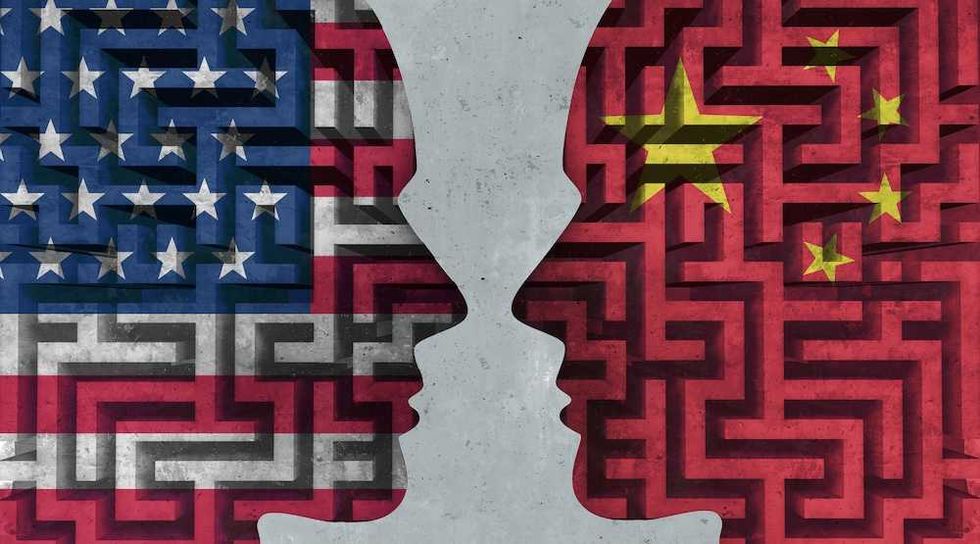
Republicans tapped into that sentiment in 2022 and expanded it in 2024. Now, as attention turns to foreign interference — particularly China’s digital reach and geopolitical incentives — even skeptics acknowledge that election vulnerabilities are real and unresolved. Republicans benefit because they are the only party willing to confront the problem directly.
RELATED: Buckle up: We are headed for an AI collision with China
 wildpixel via iStock/Getty Images
That advantage was built incrementally. While 2022 fell short of a wave, it provided discipline, data, and hard lessons. By 2024, Republicans had unified around priorities that crossed demographic lines: economic recovery, border enforcement, and ending the weaponization of government. The result was not only a presidential victory but unified control of Congress — and margins sturdy enough to govern.
Democrats, by contrast, have lost their taste for prosecutorial theatrics. Years of timed indictments, investigations, and legal spectacle exhausted the public. What once energized the base now appears to be manipulation.
Their federal shutdown was another miscalculation. Instead of appearing principled, Democrats disrupted or financially strained nearly 10 million Americans — federal workers, contractors, and regional industries — in a maneuver widely seen as cynical and purposeless. Voters did not see conviction. They saw political theater staged at their expense.
At the same time, left-wing political violence has become harder to dismiss. From major cities to college campuses, radical unrest is increasingly tolerated by progressive officials. With Republicans governing, the contrast is stark: One party emphasizes order, while the other struggles to contain its most extreme factions. Midterms reward stability. Right now, Republicans own that advantage.
Yes, midterms are usually brutal for incumbents. But this cycle is different. Republicans enter with momentum, cohesion, and a governing agenda aligned with voter concerns. Trump remains an engine rather than a liability. Party unity has not looked this solid since the Reagan years. Democrats remain trapped in spectacle and grievance.
MAGA is no longer an insurgency. It is the governing coalition. This midterm is more likely to ratify that reality than reverse it.
All I want for Christmas is for Vivek Ramaswamy to stop embarrassing the GOP
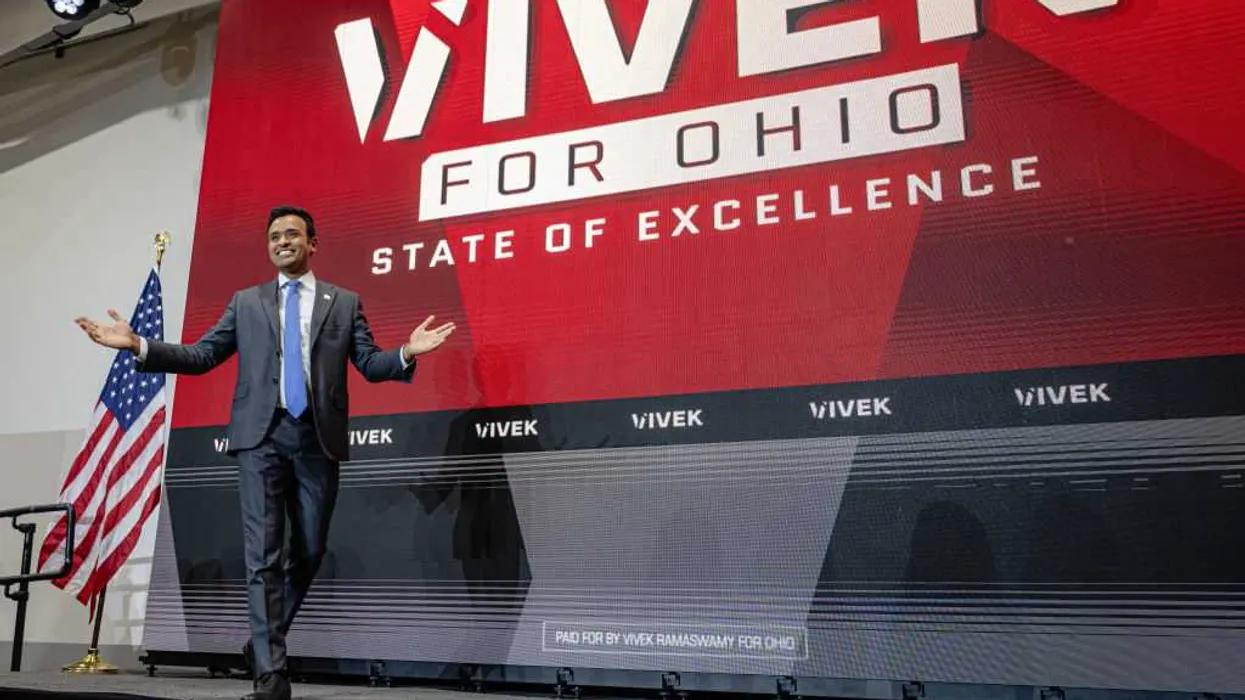
Vivek Ramaswamy is a DEI candidate — and an unqualified one. Republicans do not vote for unqualified DEI candidates. Historically, they never have.
For the good of Ohio, the Republican Party, and MAGA voters nationwide, Vivek Ramaswamy should withdraw from the Ohio gubernatorial race. His candidacy is not merely ill-advised; it is corrosive. At a moment when unity and discipline matter, he threatens to fracture the coalition President Trump assembled and to waste political capital ahead of the 2026 midterms and the 2028 presidential cycle, when Ohio native JD Vance is widely expected to lead the ticket.
All Ramaswamy had to do was remain silent and act like a normal Republican for 18 months. He couldn’t.
Ramaswamy’s problem is not policy disagreement. It is temperament, judgment, and an inability to restrain himself. His habit of attacking critics as racists, trolls, or bad actors poisons the well. Democrats, corporate media, and professional activists already do that job. Republicans do not need a gubernatorial candidate doing it from inside the party.
In 2024, 3,189,116 Ohioans voted for Donald Trump. It strains credulity to claim that Ramaswamy is more qualified to govern Ohio than virtually any one of them.
Yet this charade continues. For decades, GOP leadership has tried to impose an identity-driven strategy on a party whose voters reject it. The results are consistent. From Alan Keyes to Winsome Earle-Sears, the establishment clings to a failed premise: that Republican voters will embrace DEI candidates if scolded long enough. They won’t. Nor do minority voters reliably cross over for such candidates. The strategy fails on both ends.
That makes the present moment especially baffling. At a time when Trump and Vance are openly criticizing decades of discriminatory policies against white Americans, backing a candidate whose appeal rests on the same identity logic is not just tone-deaf — it is hostile to the base.
Ohio is a solid red state. Any competent Republican with discipline wins statewide office comfortably.
Vivek Ramaswamy is neither.
His background underscores why. In 2011, at age 24, Ramaswamy accepted a $90,000 “scholarship” from the brother of George Soros. That alone raises eyebrows. It becomes more troubling when you consider that Ramaswamy had already earned more than $1.2 million in the prior three years and reported $2.25 million in income the year he accepted the award.
This occurred during the Great Recession, when many white Millennial men faced systematic exclusion across elite institutions. Ramaswamy did not.
Later, much of his wealth flowed from Axovant Sciences, which aggressively promoted an Alzheimer’s breakthrough to retail investors after early trials had failed. The result was a textbook pump-and-dump that left ordinary Americans holding the bag. These facts go directly to trust and judgment.
Despite this record, Ramaswamy launched a quixotic presidential campaign, which he parlayed into a brief role in the Trump administration and a partnership with Elon Musk under the DOGE initiative. That arrangement ended almost as quickly as it began.
Then came the Christmas crashout of 2024.
During the holidays — entirely unprovoked — Ramaswamy took to X to berate American workers as lazy and culturally deficient while praising foreign H-1B visa holders. He mocked American childhood culture, disparaged “jocks and prom queens,” and lamented that Americans watched “Boy Meets World” instead of competing in math olympiads. The episode revealed far more about Ramaswamy’s resentments than about American culture.
MAGA voters were celebrating a landslide victory when the lecture arrived. The response was swift and overwhelming. Rather than admit error, Ramaswamy doubled down, dismissing critics as bots, trolls, and racists while casting himself as a victim.
Shortly thereafter, the Trump administration quietly removed him from his DOGE role before he was even formally installed.
Voters noticed. The internet does not forget.
When Ramaswamy announced his run for governor, the reaction was not enthusiasm but disbelief. The Ohio GOP’s apparent decision to anoint him is indefensible. It would take an estimated $100 million to drag this candidacy across the finish line, and even then he would be lucky to crack 48%.
We’ve seen this movie before. At least one-third of Ohio Republicans would rather spoil their ballot, vote third-party, or stay home than support him. Accusing them of racism will not change that reality.
Most recently, Ramaswamy took to the New York Times to reprise his grievances, portraying MAGA voters and heritage Americans as racists, extremists, and “groypers.” He made similar remarks at Turning Point USA’s AmFest over the weekend.
RELATED: The media just told you their 2026 strategy: ‘Lies, but better!’
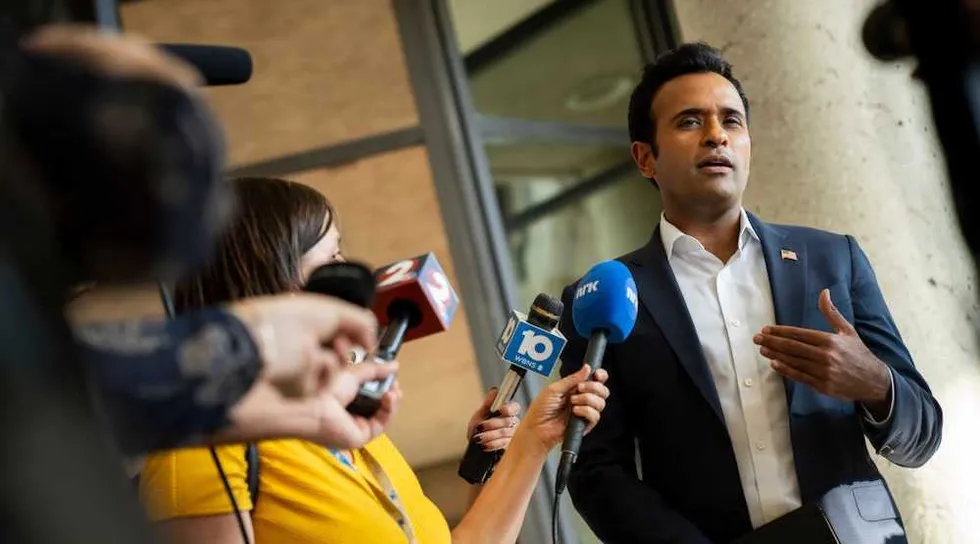 Photo by Michael Swensen/Getty Images
In his Times op-ed, he argued that America is an abstract idea detached from ancestry, history, or continuity — and that descendants of those who built the nation have no greater claim to it than recent arrivals or anchor babies.
That view is not widely held, nor is it reflected in the American tradition. From America’s founders to Alexis de Tocqueville and Theodore Roosevelt, continuity, inheritance, and culture have always mattered.
No one expects Ramaswamy to be a heritage American. But Americans reasonably expect someone seeking to govern them to respect the people whose nation it is. Ramaswamy has shown repeated contempt instead.
He did not have to attack white Americans over Christmas. He did not have to insult the Republican base in the New York Times. He did not have to liken MAGA voters to extremists.
He chose to.
All Ramaswamy had to do was remain silent and act like a normal Republican for 18 months. He couldn’t.
MAGA does not need this distraction. Ohio does not need this fight. The Republican Party cannot afford to spend finite resources defending a candidate who consistently antagonizes his own voters.
That alone makes him unsuitable for office.

The Spectacle Ep. 307: Three Cheers for Jasmine Crockett! Texas Celebrates!
Jasmine Crockett is the likely candidate to secure the Democratic primary for the U.S. Senate in Texas, especially as Colin…
Chip Roy’s immigration blitz hits the lawless left and the squish right
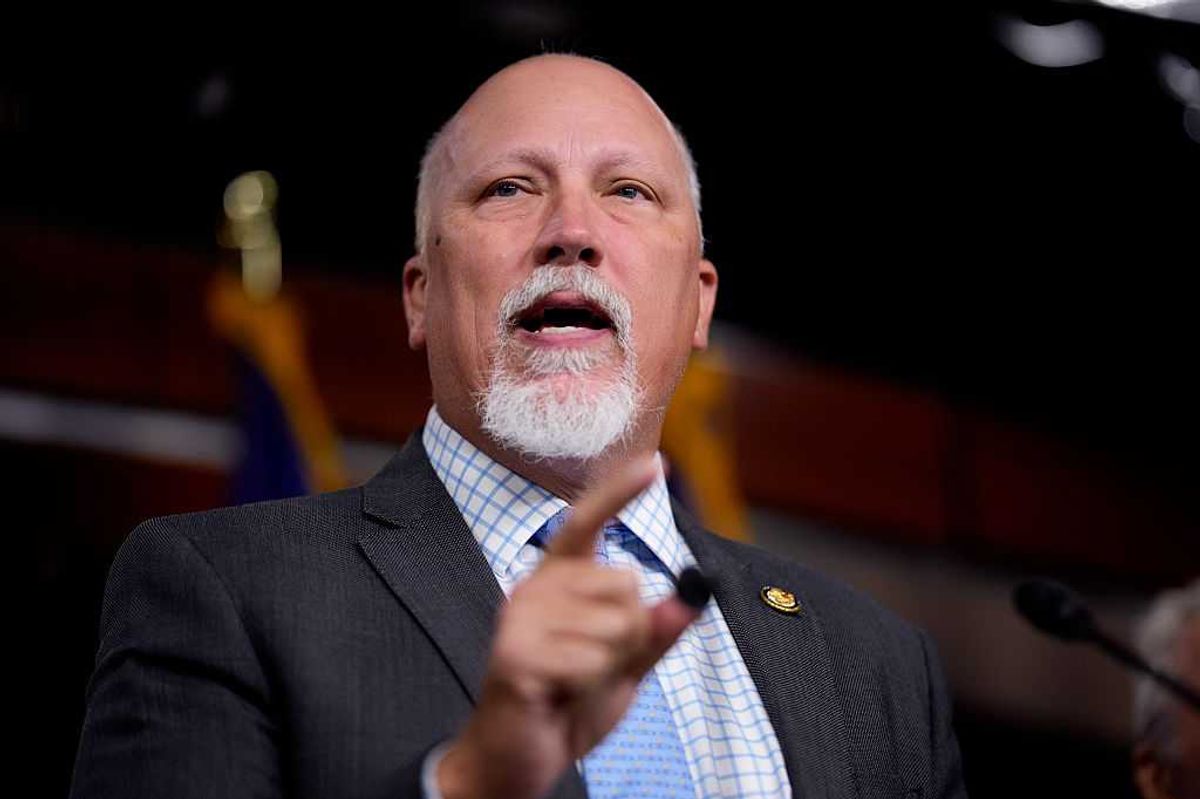
Let’s face it: Republicans are staring at a wipeout in the midterm elections. The economy is battered, GOP leadership looks unfocused, and swing voters show signs of fatigue with the endless drama surrounding Trump. The trend lines point in one direction.
But another truth sits alongside it: Republican voters still want a reason to show up. The base will not match the left’s turnout intensity unless the party gives them a fight worth having. And no issue energizes the conservative electorate more than immigration. If Republicans intend to use their remaining political capital, this is where to use it.
At a minimum, Trump should return to his original 2015 promise: Pause immigration and restore sanity to a system voters believe is broken beyond recognition.
Last week, Rep. Chip Roy (R-Texas) introduced exactly that fight.
What the PAUSE Act does
Roy’s PAUSE Act freezes all legal immigration — except temporary tourist admissions — until the federal government establishes permanent enforcement against illegal entry and against categories of immigration voters have opposed for years. The bill sets clear conditions for lifting the moratorium.
- Reversing Plyler v. Doe, allowing states and localities to deny illegal aliens access to public schools.
- Reforming birthright citizenship so that minors receive citizenship only when at least one parent is a U.S. citizen or green card holder.
- Ending chain migration and the diversity visa program; limiting entries to spouses and unmarried minor children; ending extended-family preference categories.
- Prohibiting the entry of Sharia-law adherents, Chinese Communist Party members, known or suspected terrorists, and members of foreign terrorist organizations.
- Barring noncitizens from accessing means-tested federal benefits such as SNAP, SSI, TANF, Medicaid, Medicare, WIC, federal student loans, and public housing.
- Ending adjustment of status for H-1B visa holders and abolishing the unconstitutional optional practical training program that displaces American tech workers.
The bill accomplishes all of this in fewer than 10 pages. Original co-sponsors include Reps. Keith Self (R-Texas), Brandon Gill (R-Texas), Andy Biggs (R-Ariz.), Lauren Boebert (R-Colo.), Eli Crane (R-Ariz.), and Andy Ogles (R-Tenn.).
A long-delayed agenda
Conservatives have pushed these reforms for nearly two decades. Some ideas surfaced in the Trump years through executive actions, but courts blocked several and entrenched others — especially anchor-baby citizenship and taxpayer-funded K-12 education for illegal aliens.
Other essential reforms, such as ending optional practical training, halting visas from China, or barring Sharia-law adherents, were never attempted.
RELATED: Trump can’t call it ‘mission accomplished’ yet
 Photo by Anna Moneymaker/Getty Images
The genius of Roy’s bill is simple: It creates a standing incentive for courts, presidents, and future Congresses. If judges want legal immigration to continue, they must revisit the policies that created the crisis in the first place.
Staring at political reality
If Trump focused his attention on this bill — and forced congressional Republicans to choose — he could unite conservatives heading into primary season. A transformational immigration fight would energize GOP voters at a moment when the party shows weakness across the map.
Democrats have over-performed by an average of 15 points in recent special elections. That surge alarmed Republicans enough that they pulled Rep. Elise Stefanik (R-N.Y.) from consideration for U.N. ambassador for fear of losing her district, which Trump carried by 15 points. Democrats are now pouring money into Tennessee’s 7th Congressional District, which Trump carried by 20. A party that cannot defend safe seats is a party in trouble.
If Republicans can’t win in red America during a bad economy, it’s not because voters demand new talking points. It’s because the party has failed to deliver on the core issues that animate its base.
RELATED: The right must choose: Fight the real war, or cosplay revolution online
 wildpixel via iStock/Getty Images
The choice ahead
Trump could offer a fresh economic vision or finally follow through on repealing Obamacare. But at a minimum, he should return to his original 2015 promise: Pause immigration and restore sanity to a system voters believe is broken beyond recognition.
The window is closing. If Republicans refuse to use the power they still possess, they will lose it — not gradually, but suddenly.
The PAUSE Act gives them a chance to reverse that trajectory. The question is whether they will take it.
How GOP leadership can turn a midterm gift into a total disaster

Did Donald Trump secretly plan this fight over the Jeffrey Epstein files to lure Democrats into another political trap? No. I don’t believe he did. I know people close to the president who were frustrated over the summer when he abruptly shifted from promising the files’ release to calling it a “distraction” and a “hoax.” I said at the time on my show that the switch was the first major misstep of Trump 2.0.
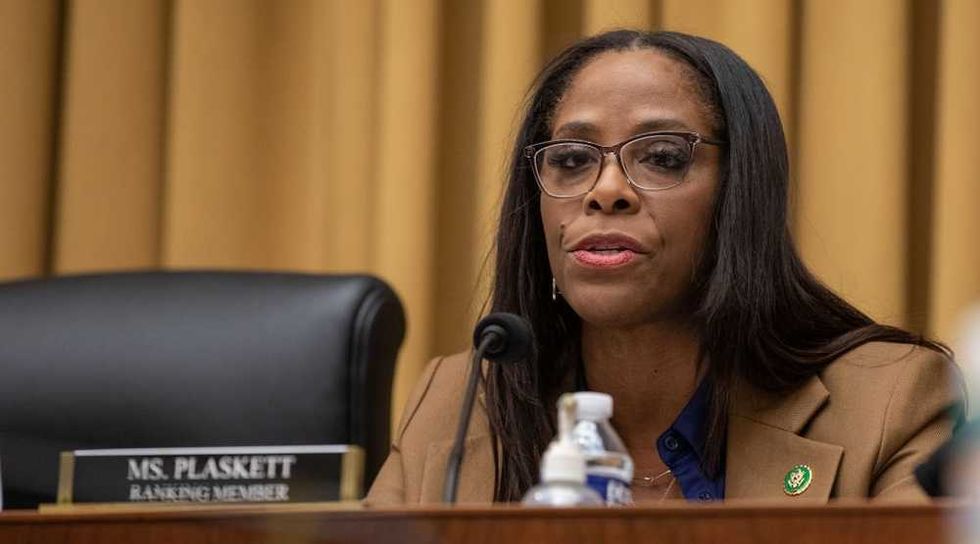
But I understand why the 4D-chess theory is so tempting now. It looks like a setup. House Minority Leader Hakeem Jeffries (D-N.Y.) spent months attacking Trump over Epstein. Then we learned that Jeffries may have accepted donor requests from Epstein after Epstein’s first sex-offense conviction. And a Democrat from the Virgin Islands — Epstein’s district — was literally taking dictation from Epstein on what questions to ask in a congressional hearing.
The 2026 midterms are coming fast. If the GOP wants to avoid another preventable disaster, it had better stop rehearsing the same script.
Those are facts, not theories.
The deeper truth, though, has nothing to do with strategy. American politics follows two patterns, and both showed up again this week.
First, Republicans pre-emptively surrender. Always.
Watch Democrats tell soldiers to ignore orders while Trump follows every instruction a federal judge hands him. His restraint isn’t Romney-level, but the Republicans around him shrink the space for any real fight. That’s why Attorney General Pam Bondi is developing a well-deserved reputation for overpromising and under-delivering.
RELATED: The right message: Justice. The wrong messenger: Pam Bondi.
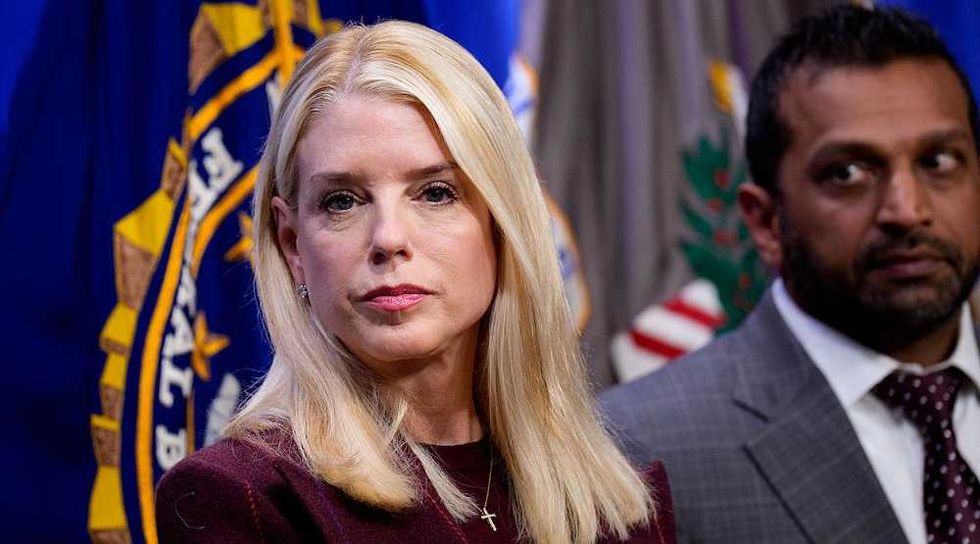 Photo by Andrew Harnik/Getty Images
Second, Democrats always overreach when Republicans fold.
We saw it in 2018 when Republicans gave up on repealing Obamacare and lost 40 House seats for their cowardice. The pattern continued in 2020, as Democrats pushed their false god evangelism into insane absolutism — on “fortifying” elections, on arresting Trump, on forcing people into taking the poisonous jab, on transitioning kids. It was mark of the beast stuff, and voters wanted no part of it.
The latest example came this week, when Sen. Chuck Schumer (D-N.Y.) answered a question from a friendly reporter about why Democrats never pursued the Epstein files when they had the chance by snapping, “What is [Trump] hiding?” The Senate had just voted almost unanimously to release those files, and instead of revealing Trump, former Bill Clinton hack Lawrence Summers stood exposed for his ties to the sex offender, seeking his counsel as “wingman” in an effort to seduce the daughter of a high Chinese Communist Party official.
 Anna Rose Layden/Bloomberg via Getty Images
Both parties cling to their worst instincts. Republicans surrender too easily. Democrats push too far. And no politician in modern history has been buoyed more by his opponents’ excesses than Donald Trump.
So once again, Republicans hold the advantage on the Epstein files — at least for the moment. But early signs suggest they may squander it. House Speaker Mike Johnson (R-La.) and Pam Bondi appear ready to narrow or redact the release into something the base will see as betrayal. If that happens, Democrats won’t need to win the argument. Republicans will beat themselves.
The 2026 midterms are coming fast. If the GOP wants to avoid another preventable disaster, it had better stop rehearsing the same script.
A little discipline — and a little courage — would go a long way.





