

Category: Judicial Watch
Trump Admin Accidentally Doxxes ICE Agent Involved In Shooting
‘They should delete their story immediately’
Jeh Johnson worried about ‘type of people’ being recruited for ICE
Former Homeland Security Secretary Jeh Johnson on Friday questioned the “type of people” being recruited by Immigration and Customs Enforcement (ICE) after two shootings involving immigration authorities. “I also worry about the type of people that are being recruited now for ICE. The recruitment rhetoric is ‘Defend your culture.’ What does that mean? I think…
‘Don’t make a bad decision’: ICE officer warns smug leftists allegedly trailing agents in their SUVs

Tensions are running high in Minneapolis after an ICE officer shot and killed a leftist who struck him with her vehicle on Wednesday.
Renee Nicole Good, a mother of three who was part of the local “ICE Watch,” had reportedly been trailing ICE agents in her SUV. Good was later confronted by an ICE officer who ordered her to exit her vehicle. She refused to cooperate, then turned and accelerated her vehicle toward another agent, who fatally shot her.
‘Don’t interfere.’
Just days after the shooting, ICE agents were filmed confronting another leftist woman in an SUV, pleading with her not to “make a bad decision.”
“If I continually see you following us, interfering with us, honking your horn, blocking our cars, you’ll have a very high probability of making a really bad decision of being arrested today,” the ICE officer warned.
RELATED: VIDEO: Unhinged anti-ICE extremists hurl profanities at agents in Minneapolis: ‘Get the f**k out!’
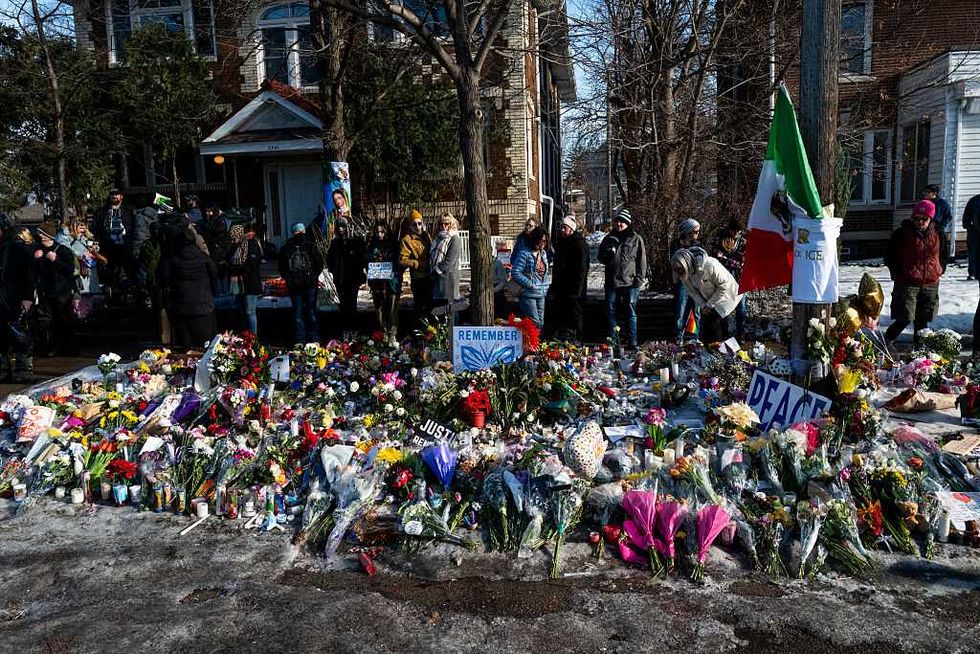 Photo by Stephen Maturen/Getty Images
The woman gave a smug response to the agent’s warning, telling him to have a “terrible day.”
“Well, bad decisions, that’s funny coming from you,” she said. After the agent told her to “have a great day,” she replied with, “I hope you have a terrible day.”
The officer walked away from her car to speak with another woman sitting in the passenger seat of an SUV that had allegedly been trailing the officers. The woman filmed the officer but refused to lower her window to speak with him as a car horn blared in the background.
RELATED: Trump team calls out ‘depravity’ of Jimmy Kimmel’s response to lethal ICE shooting
 Photo by CHARLY TRIBALLEAU/AFP via Getty Images
“Don’t make a bad decision today,” the officer told the other leftist. “Don’t interfere.”
Like Blaze News? Bypass the censors, sign up for our newsletters, and get stories like this direct to your inbox. Sign up here!
DHS: Portland Suspects Who ‘Weaponized’ Vehicle Against CBP Agent Are Venezuelan Gang Affiliates
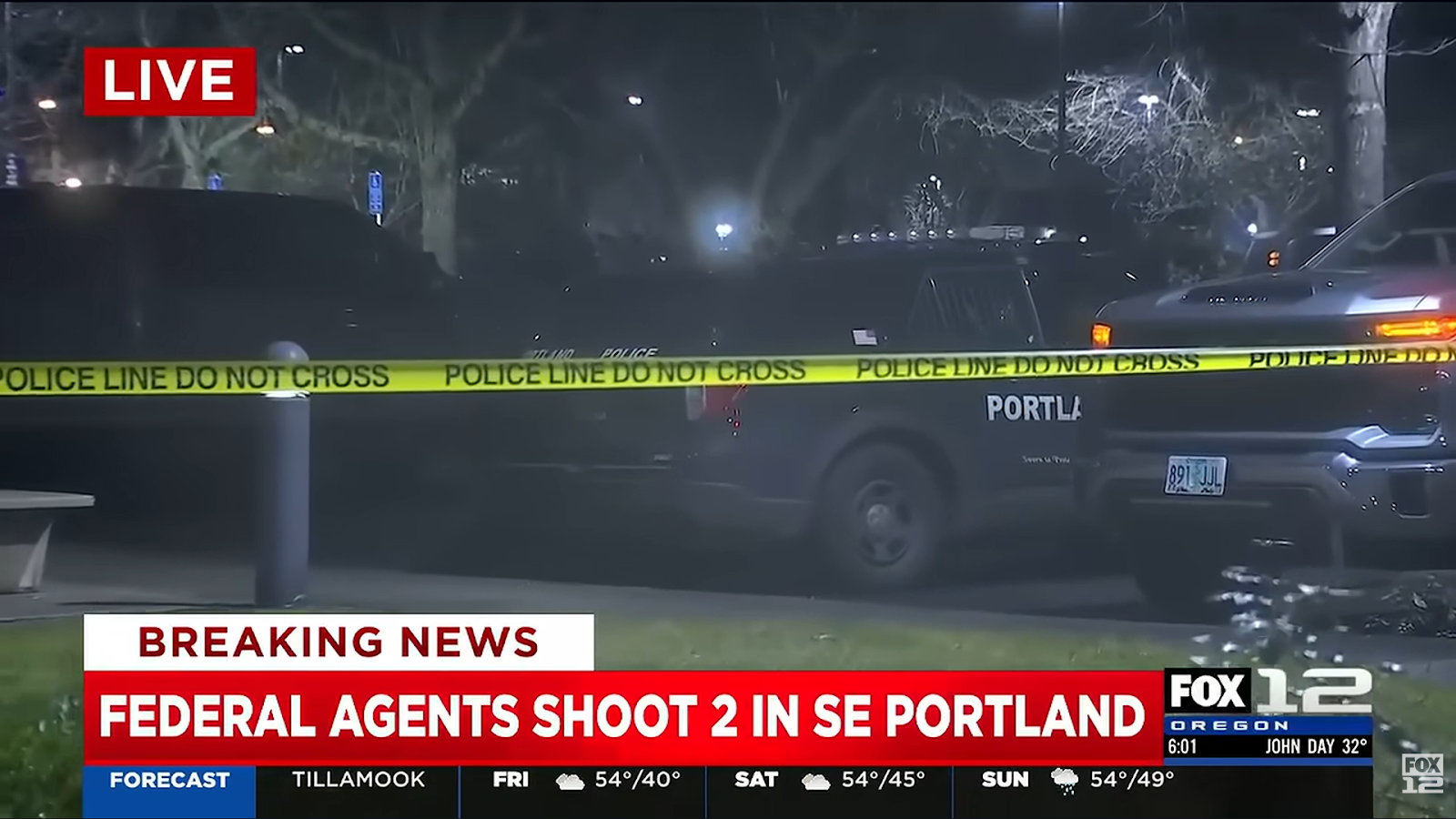
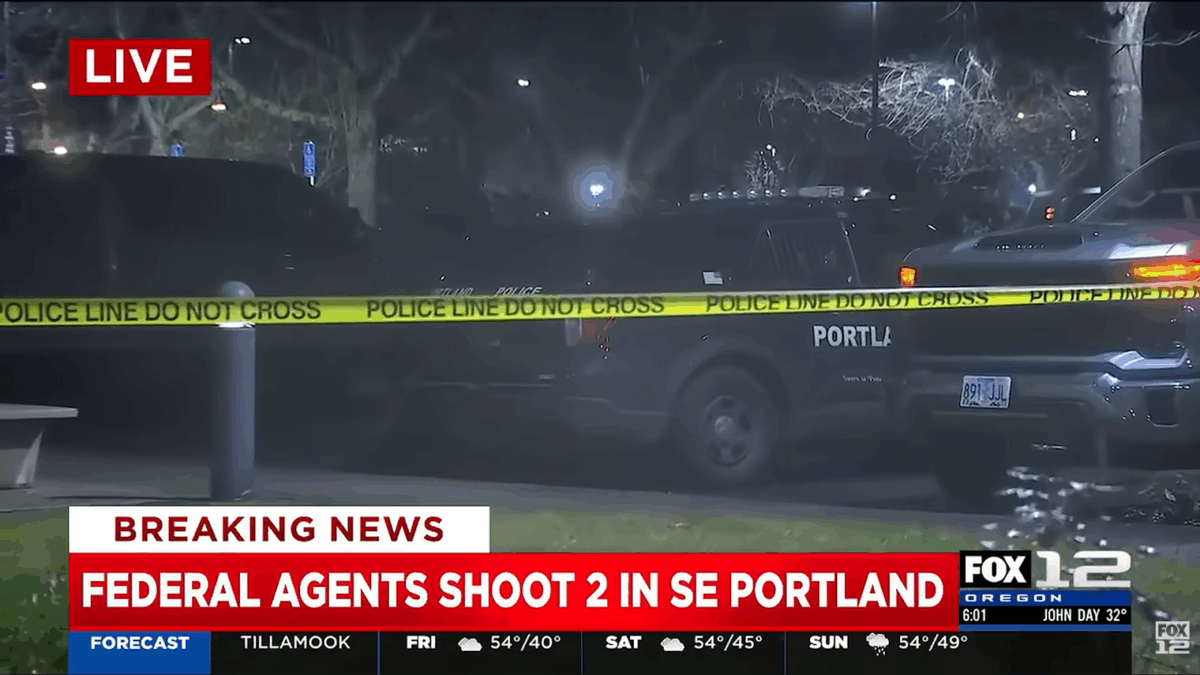 Two suspects shot for “weaponizing” their vehicle against a Portland-based Border Patrol agent are affiliates of the Venezuelan gang Tren de Aragua, according to the Department of Homeland Security. The revelation came late Thursday after news emerged of a shooting involving U.S. immigration officials in Portland, Oregon. Initial reporting indicated that two individuals were shot […]
Conan O’Brien calls out lazy Trump-hating comedians
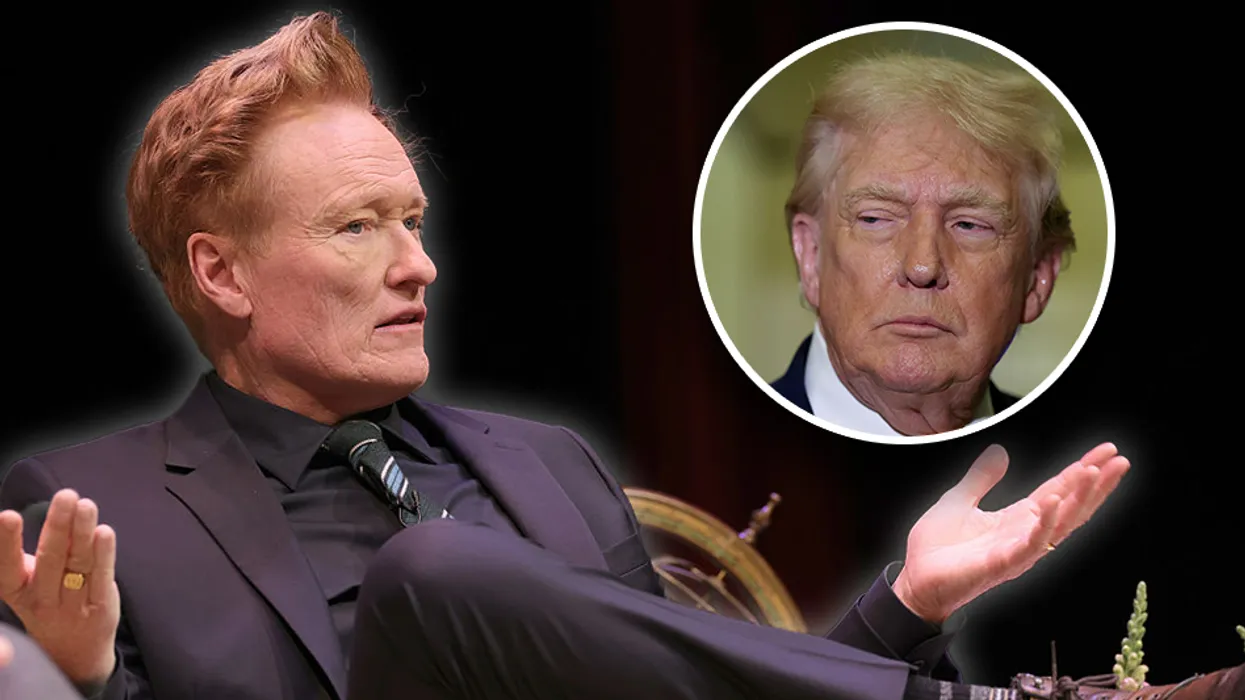
Late-night host and writer Conan O’Brien says Trump-deranged comedians need to step up their game.
Speaking at the Oxford Union Society, the former talk-show host and “Simpsons” writer lamented that some in the comedy establishment have given up on laughs in favor of angry tirades about President Trump.
‘We don’t have a straight line right now. We have a very bendy, rubbery line.’
“I think some comics go the route of, ‘I’m going to just say F Trump all the time’ [and] that’s their comedy. And I think, well, now, a little bit, you’re being co-opted because you’re so angry.”
“You’ve been lulled,” added the Harvard alum, likening the allure of crowd-pleasing but joke-free anti-Trump material to a siren song.
The comedian continued, “You’ve been lulled into just saying ‘F Trump. F Trump. F Trump. Screw this guy.’ I think you’ve now put down your best weapon, which is being funny, and you’ve exchanged it for anger.”
Finding the funny
The 62-year-old noted that he has always prided himself on finding a way to be funny in any situation, and he did not give his peers an out when it comes to political comedy.
RELATED: ‘I wouldn’t ask for no f**king charity!’ Mickey Rourke blasts ’embarrassing’ GoFundMe plea
“Any person like that would say, ‘Well, things are too serious now. I don’t need to be funny.’ I think, well, if you’re a comedian, you always need to be funny. You just have to find a way,” O’Brien told the audience at the esteemed student debating society.
“And you just have to find a way to channel that anger. … Good art will always be a great weapon, will always be a perfect weapon against power, but if you’re just screaming and you’re just angry, you’ve lost your best tool in the toolbox.”
Playing it straight
Earlier in the interview, O’Brien recalled that some of his most joyful memories in comedy were parodying different magazines or news outlets by mocking their tone and style. At the same time, he said it was impossible to parody something that doesn’t follow a “straight line.”
He referred to the National Enquirer, describing the outlet’s content as impossible to make fun of because it would print stories like, “Elvis found in Titanic lifeboat 105 years after sinking. He is now a woman, and he’s married a giant peanut-butter sandwich.”
“How do you parody that? You can’t,” he explained. “And I think with Trump we have a similar situation in comedy, which is people saying, ‘We’ve got a great Trump sketch for you. In this one, he’s kind of talking crazy and he’s saying stuff, and he tears down half the White House to build a giant ballroom, and he says it’s going to be the new Mar-a-Lago.’ Yeah, no, that happened yesterday,” O’Brien joked.
RELATED: How ‘conservative’ art can go from cringey to cathartic
 Photo by Michael Loccisano/Getty Images
“Comedy needs a straight line to go off of,” O’Brien added. “And we don’t have a straight line right now. We have a very bendy, rubbery line. We have a slinky. We have a fire hose that’s whipping around, spewing water at 100 miles an hour or something else.”
Fani Willis’ failed lawfare against Trump might cost her a fortune
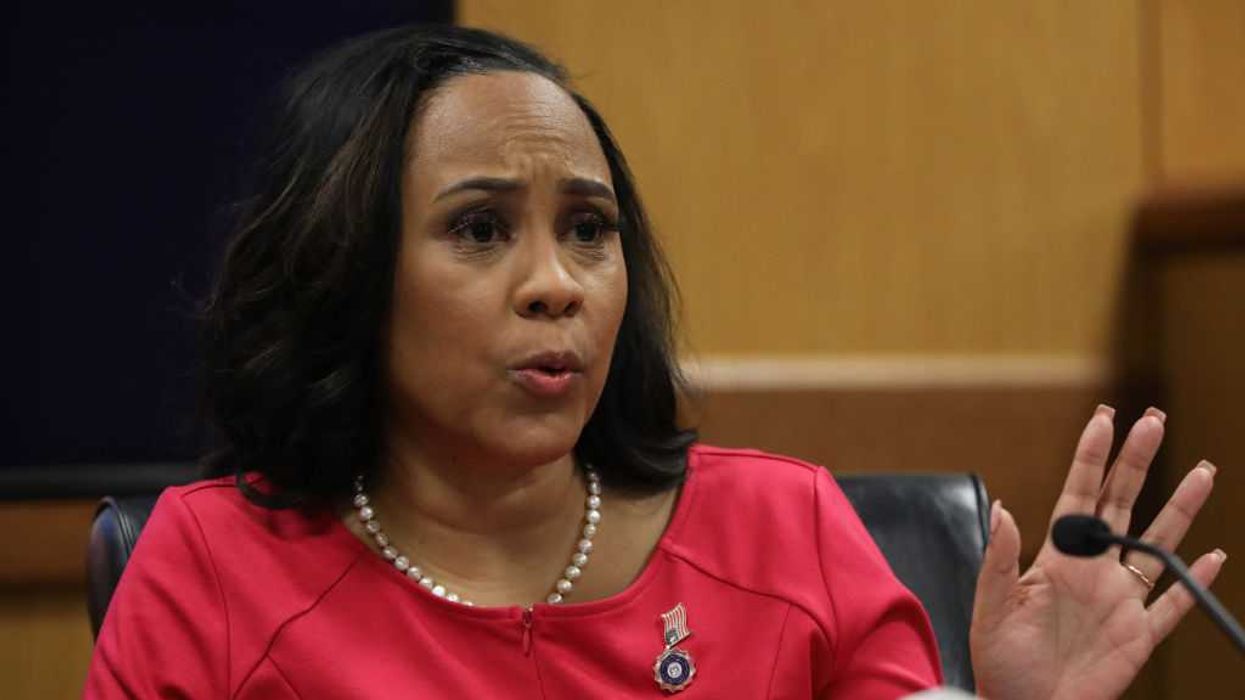
Fulton County District Attorney Fani Willis did her apparent best to throw President Donald Trump in jail and failed miserably.
While Willis was disqualified in 2024 from the Georgia case regarding alleged 2020 election interference and the case was dropped late last year, the Democrat DA has proven unable to put the lawfare behind her.
In addition to having to fight misconduct allegations, Willis now faces the possibility of having to shell out millions to the president in attorney fees and costs, thanks to legislation ratified in May by Georgia Gov. Brian Kemp (R).
‘It’s Fani Willis’ fault.’
The new law, which went into effect in July, provides “for the award of reasonable attorney’s fees and costs in a criminal case to the defendant upon the disqualification of the prosecuting attorney for misconduct in connection with the case and the subsequent dismissal of the case by the court of a subsequent prosecutor.”
Although the law might appear perfectly tailored to Trump’s case, the legislation had bipartisan support.
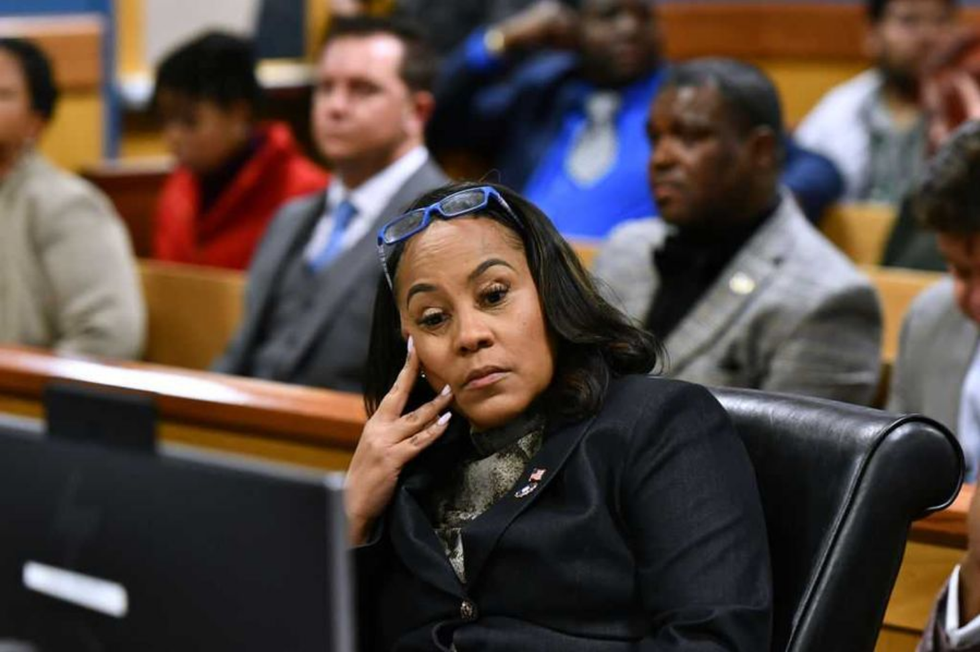 Photo by Dennis Byron-Pool/Getty Images
Trump is pushing for over $6.2 million in restitution. As the president’s legal team has reportedly already been paid, most of the requested funds would go to reimburse Trump.
Steve Sadow, Trump’s lead attorney in the case, told WXIA-TV, “I feel for the people in Fulton County, because Fani Willis has involved herself in improper conduct. She’s now set up a situation where her office, from funds that have been collected through Fulton County, will have to pay for it. It’s Fani Willis’ fault.”
“At the same time, maybe Fani Willis will tell us how much money she spent from her budget pursuing this politically motivated case against President Trump,” added Sadow.
Her office has since filed a motion to intervene in the matter, which states, “The statute raises grave separation-of-powers concerns by purporting to impose financial liability on a constitutional officer, twice elected by the citizens of Fulton County, for the lawful exercise of her core duties under the Georgia Constitution.”
Willis’ office did not immediately respond to a request for comment from Blaze News.
Like Blaze News? Bypass the censors, sign up for our newsletters, and get stories like this direct to your inbox. Sign up here!
BURN NOTICE: ‘Hills’ heel Spencer Pratt to run for Los Angeles mayor

“It’s official. I’m running for Mayor of LA.”
After a year of calling out Democrat leadership for its handling of last year’s devastating Los Angeles wildfires, Spencer Pratt is offering Angelenos an alternative: himself.
Pratt, who shot to fame playing a villainous version of himself on hit MTV reality show “The Hills,” lost the Pacific Palisades house he shared with wife (and former castmate) Heidi Montag and their children in the January 7, 2025, conflagration. Since then, he has emerged as one of the most prominent critics of L.A. Mayor Karen Bass and California Governor Gavin Newsom, both Democrats.
‘Gavin Newsom and his state park policies actually literally dictated that we let the Palisades burn.’
Fired up
The Palisades native has accused Bass of bungling the response to the deadly blaze, which eventually spread to 23,448 acres, costing 12 lives and destroying almost 6,000 homes.
Pratt has also claimed that Newsom’s inadequate brush-clearance policy helped cause what was otherwise a preventable disaster.
Pratt kicked off his mayoral campaign on Wednesday with an impassioned speech to at least 1,000 attendees.
RELATED: ‘Reckoning day’ for Newsom: Trump DOT yanks $160 million over illegal trucker licenses
“It’s official. I’m running for Mayor of LA,” Pratt announced in a post sharing video of the speech. “I’ve waited a whole year for someone to step up and challenge Karen Bass, but I saw no fighters. Guess I’m gonna have to do this myself. Let’s make LA camera ready again!”
Brush-off
Pratt addressed the enthusiastic crowd with a mixture of defiance and sorrow.
“Standing here one year later, I have to tell you the most heartbreaking part of the past year wasn’t being displaced or losing everything I own. It was the realization that all of this was preventable,” he explained, fighting back tears.
The 42-year-old continued, “The state and local leaders let us burn. Gavin Newsom and the state of California let brush grow wild … no wildfire maintenance.”
RELATED: ‘Send in the next guy’: Nicki Minaj savages Newsom over his desire to ‘see trans kids’
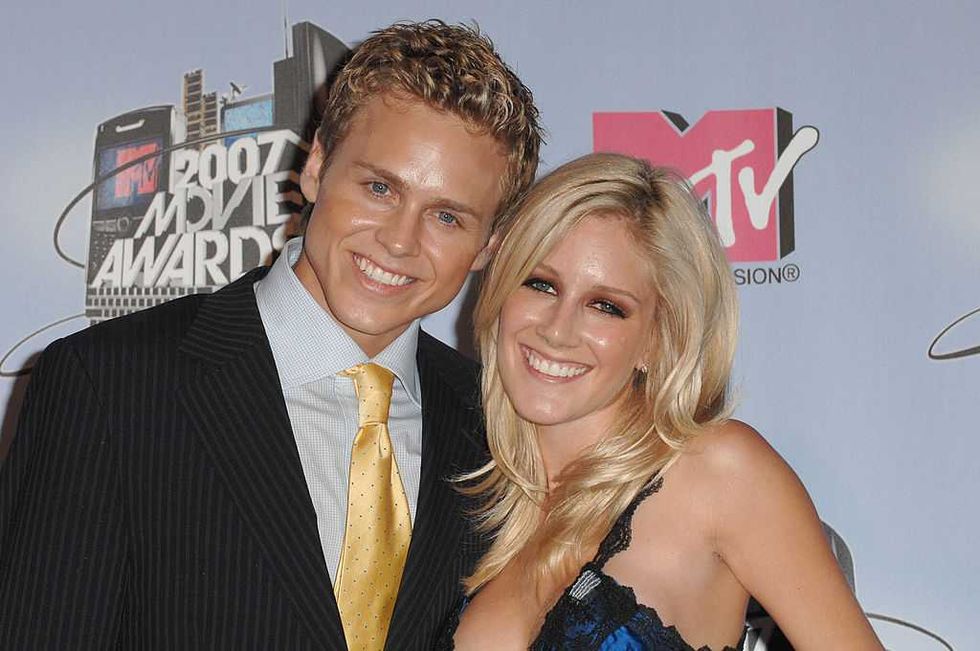 Photo by Steve Granitz/WireImage
Policy pinch
Like many of the would-be constituents in attendance, Pratt faced the fires without standard homeowners’ insurance, after insurers declined to renew policies for thousands of homes in the Palisades, Altadena, and other designated fire-prone areas in recent years. Most notably, State Farm announced in 2024 that it would discontinue coverage for roughly 72,000 houses and apartments statewide.
Pratt’s sole coverage came from the state’s supplementary California FAIR Plan, which he has previously said did not provide enough money to rebuild.
In his speech, Pratt laid the blame squarely on Newsom, who he said “created an insurance market so hostile that every major carrier stopped writing policies” and thereby “dictated that we let the Palisades burn.”
The candidate also had harsh words for the Los Angeles Fire Department, which he blamed for “fail[ing] to deploy sufficient firefighters, fire engines, and firefighting resources, whether it be due to lack of budget, lack of knowledge, or simply DEI.”
Pratt concluded by touting his showbiz experience as something that made him uniquely attuned to the workings of power in the city. Singling out “NGOs, nonprofits, and unions,” he vowed to make it his “mission” to dismantle what he labeled a “machine designed to protect the people at the top.”
At SCOTUS, Female Athletes Gear Up To Protect Women’s Sports From Leftists’ ‘Trans’ Agenda

 ‘Women deserve equal opportunity, fairness, and privacy, and states have the right to recognize biological distinctions when those distinctions matter,’ said ADF CEO Kristen Waggoner.
WATCH NOW: ICE Agent Involved in Shooting Previously Dragged 300FT, Hospitalized by Illegal Migrant Driver Last Year

According to a New York Post report, the ICE agent who opened fire in Minneapolis on Wednesday has a grim recent history:





