

Category: Affordability
How the 30-year mortgage helped create a permanent housing bubble

You won’t hear many people object to President Trump’s executive order to ban corporate purchases of residential homes. The idea sounds like common sense. But it targets a minor symptom while leaving the real disease untouched — and in some respects, it risks making that disease worse.
Institutional home-buying already peaked during the COVID-era bubble and has receded since then. In most markets, corporate ownership represents a small share of total inventory. Even at its height, it never explained why housing costs exploded for everyone else. High prices created the opportunity for institutional buyers, not the other way around.
The goal should not be cheaper debt. It should be cheaper homes.
Government policy inflated the housing market. Institutional buyers simply responded.
During COVID, the Federal Reserve pushed interest rates toward zero. Mortgage rates fell below 3%. At the same time, the Fed bought roughly $2.7 trillion in mortgage-backed securities, and HUD expanded “affordable homeownership” programs that widened the pool of subsidized buyers. Those policies produced predictable results.
When the government offers 2.5% interest for 30 years — often paired with minimal down payments backed by the FHA — buyers flood the market. Sellers respond by raising prices. The bubble becomes a feature, not a bug.
Institutional buyers entered that environment because it looked like easy money. Higher home prices also pushed rents up, so developers built more homes for long-term rental. Both trends flowed from the same source: a government-shaped market that made housing unaffordable, then subsidized the unaffordability.
Trump now seems focused on the symptom — corporate buyers — while ignoring the machinery that inflated the market in the first place.
He has spent months fighting Federal Reserve Chairman Jerome Powell to bring rates back down toward zero. Meanwhile, the Federal Reserve still holds about $2.1 trillion in mortgage-backed securities. Trump has also announced a plan for Fannie Mae and Freddie Mac to purchase another $200 billion in MBS. The stated goal is to lower mortgage rates.
But the goal should not be cheaper debt. It should be cheaper homes.
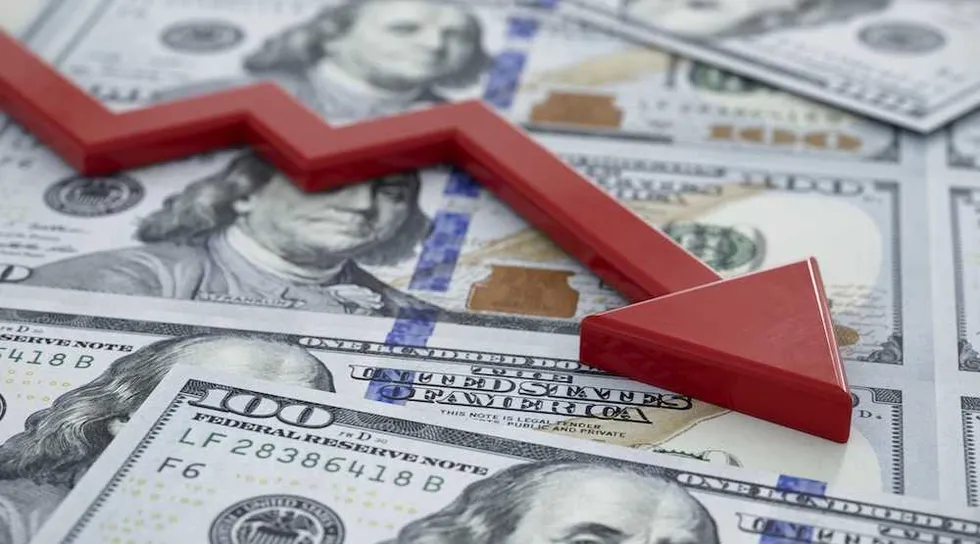 mphillips007 via iStock/Getty Images
Artificially lowering rates props up prices and slows correction. Prices in many markets have begun to soften. That correction should continue. Policies designed to suppress rates will keep prices elevated and risk inflating the next bubble.
That brings us back to corporate home-buying. Even at the COVID peak, institutional buyers — defined as entities owning at least 100 single-family homes — owned about 3.1% of the housing stock. That number has since fallen to around 1%. Investors see the market turning, and they have started backing away.
So Trump’s corporate-purchase ban arrives late, targets a relatively small share of the market, and risks becoming cosmetic cover for policies that keep the bubble inflated.
If Trump wants to drive prices down and permanently realign housing with median incomes, he has to reverse the policies that inflated the bubble. That means attacking the structure, not the headline.
Get government out of the mortgage market. Trump’s next Federal Reserve chair must commit to unwinding the Fed’s mortgage-backed securities portfolio. That $2.1 trillion cushion keeps mortgage rates lower than the market would otherwise set. Those artificially low rates inflate home prices.
End universal “homeownership for everyone” policy. The federal government keeps subsidizing buyers who are not ready to buy. Those programs inject cash into housing demand that would not exist in a real market. The goal should align prices with income, not chase a utopian dream of universal ownership. After decades of subsidies, deductions, and federal credit support, the home ownership rate still sits around the mid-60% range.
Stop chasing near-zero interest rates. A 30-year loan at 2% sounds appealing until you realize what it does to prices. Cheap money bids up homes across the board. Buyers pay the price forever even as politicians brag about the “deal.” Trump should let the market set rates. Recent rate cuts have not restored normal home buying either. Sales remain weak because prices remain too high.
End the 30-year fixed mortgage. Instead of floating longer loans — 50 years? Madness! — the country should move in the opposite direction. Before the New Deal era, short-term mortgages, often three to seven years, dominated the market. Federal policy transformed that structure.
Franklin D. Roosevelt signed the National Housing Act of 1934, establishing the Federal Housing Authority. The FHA insured long-term, fully amortizing mortgages with fixed rates, low down payments, and standardized payment schedules. That system moved the market away from short-term balloon loans and laid the foundation for longer terms.
RELATED: America tried to save the planet and forgot to save itself
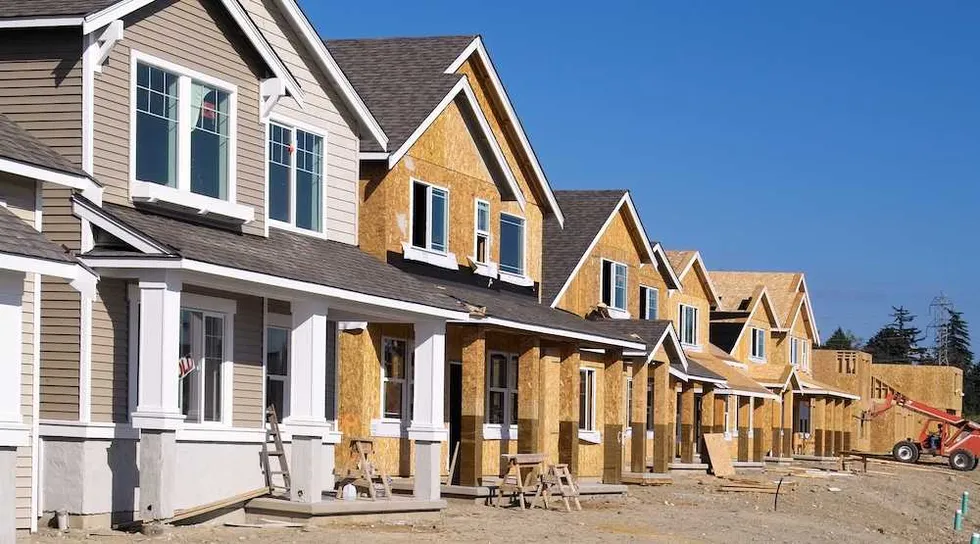 jhorrocks via iStock/Getty Images
Congress eventually authorized the 30-year mortgage in 1954. VA loans under the GI Bill and the expansion of Fannie Mae and Freddie Mac later built a secondary market that made long-term fixed-rate loans attractive to lenders.
Government insurance, guarantees, and liquidity support made 30-year fixed mortgages feasible, which is why they represent 80%-90% of U.S. mortgages today. Without those interventions, lenders would not carry that risk.
The larger point remains simple: Sellers can’t charge prices buyers can’t pay. Prices explode only when government subsidies and government-backed long-term debt expand what buyers can “afford” on paper.
Unwind the subsidies. Unwind the guarantees. Unwind the cheap-money machinery. Let incomes, not federal policy, set the ceiling.
Housing should function like other consumer markets, not be engineered by Washington. Prices should reflect what people earn.
That’s the fix. Everything else treats symptoms and pretends to solve the problem.
Taxing Lawnmowers, Gym Passes, And DoorDash Proves Dems Actually Hate ‘Affordability’
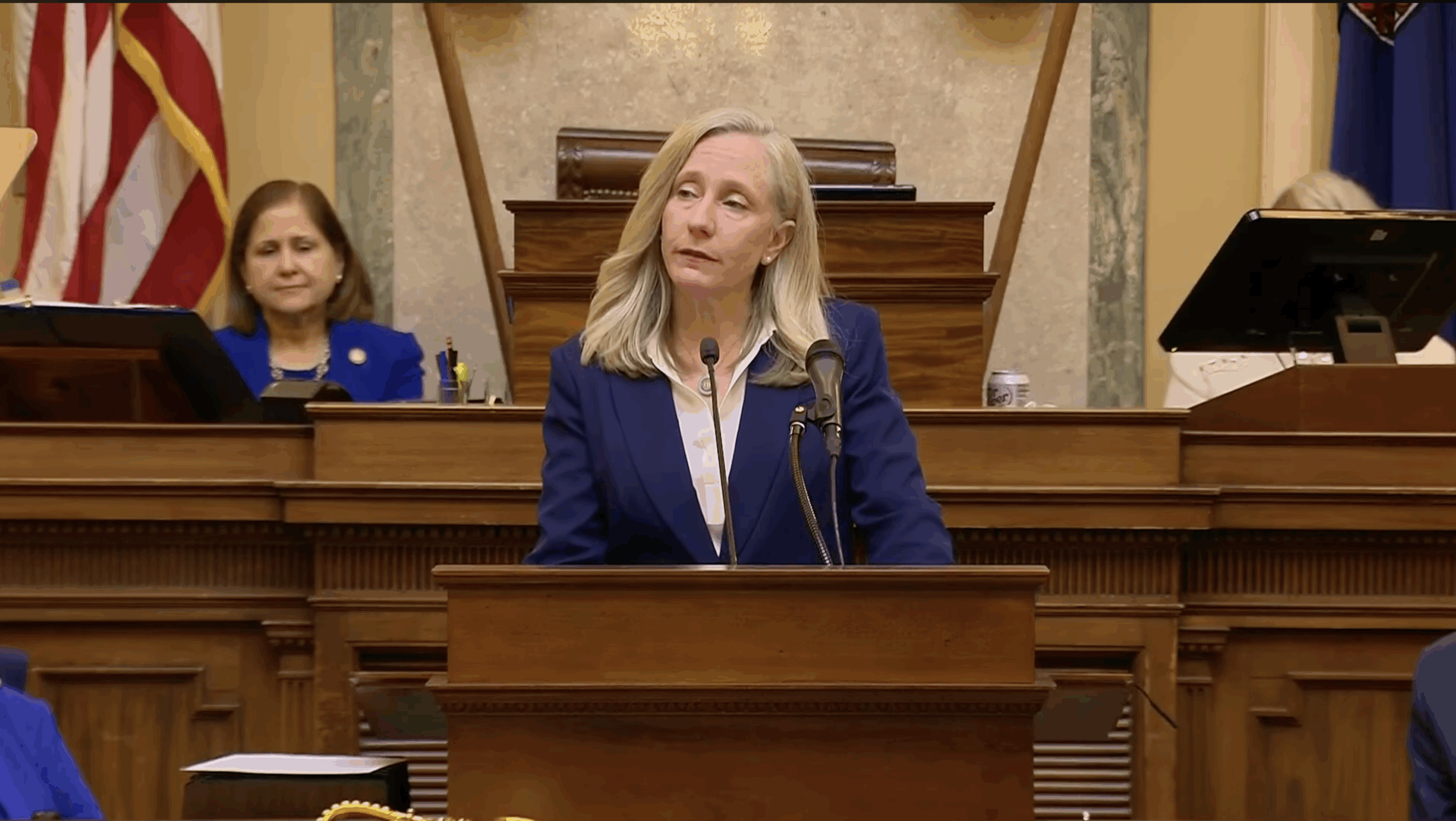
 Affordability carried the day — until Democrats actually got into office. Within weeks of Election Day, Virginia Democrats have made clear that “affordability” was never more than a campaign slogan.
How data centers could spark the next populist revolt
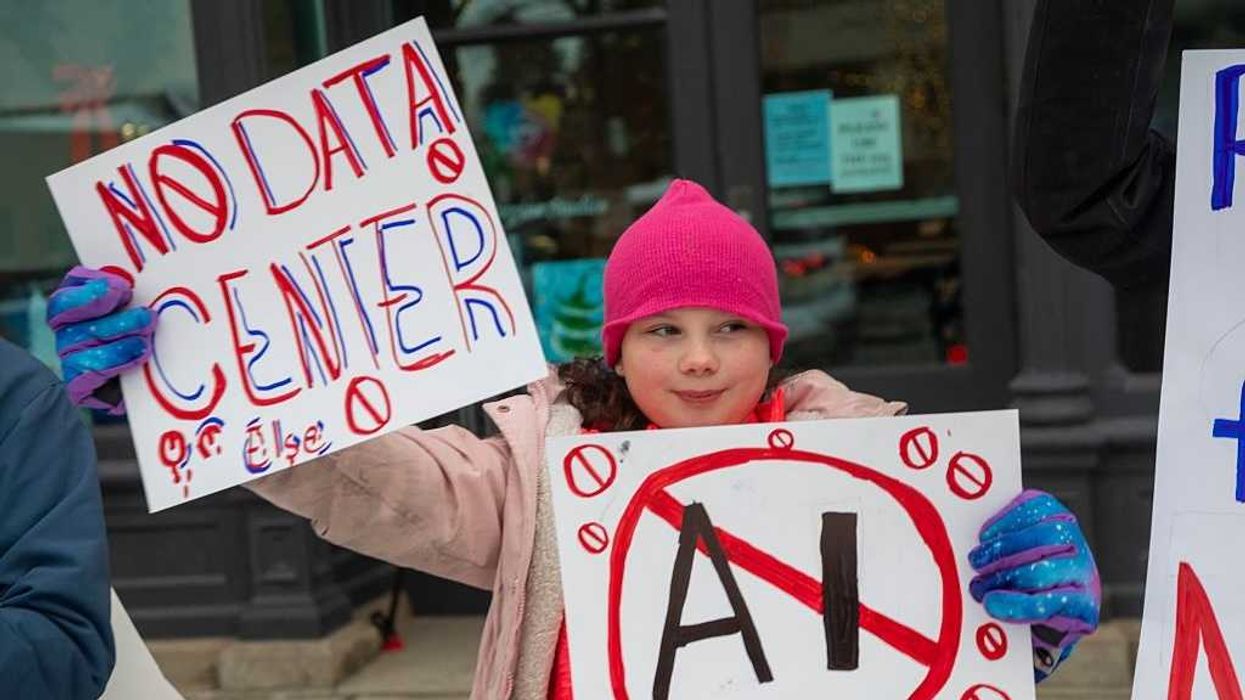
Everyone keeps promising that artificial intelligence will deliver wonders beyond imagination — medical breakthroughs, massive productivity gains, boundless prosperity. Maybe it will. Maybe it won’t. But one outcome is already clear: If data centers keep driving up Americans’ electricity bills, AI will quickly become a political liability.
Across the country, data center expansion has already helped push electricity prices up 13% over the past year, and voters are starting to push back.
Handled correctly, AI can strengthen America. Handled poorly — by letting data centers overwhelm the grid and drive families toward energy poverty — it will accelerate decline.
In recent months, plans for massive new data centers in Virginia, Maryland, Texas, and Arizona have stalled or collapsed under local backlash. Ordinary Americans have packed town halls and flooded city councils, demanding protection from corporate projects that devour land, drain water supplies, and strain already fragile power grids.
These communities are not rejecting technology. They are rejecting exploitation. As one local official in Chandler, Arizona, told a developer bluntly, “If you can’t show me what’s in it for Chandler, then we’re not having a conversation.”
The problem runs deeper than zoning fights or aesthetics. America’s monopoly utility model shields data centers from the true cost of the strain they impose on the grid. When a facility requires new substations, transmission lines, or transformers — or when its relentless demand drives up electricity prices — utilities spread those costs across every household and small business in the service area.
That arrangement socializes the costs of Big Tech’s growth while privatizing the gains. It also breeds populist anger.
A better approach sits within reach: neighborhood battery programs that put communities first.
Whole-home battery systems continue to gain traction. Rooftop solar panels, small generators, or off-peak grid power can recharge them. Batteries store electricity when it’s cheap and abundant, then release it when demand spikes or outages hit. They protect families from blackouts, lower monthly utility bills, and sometimes allow homeowners to sell power back to the grid.
One policy shift should become non-negotiable: Approval for new data centers should hinge on funding neighborhood battery programs in the communities they impact.
In practice, that requirement would push tech companies to help install home battery systems in nearby neighborhoods, delivering backup power, grid stability, and real relief on electric bills. These distributed batteries would form a flexible, local energy reserve — absorbing peak demand instead of worsening it.
RELATED: Your laptop is about to become a casualty of the AI grift
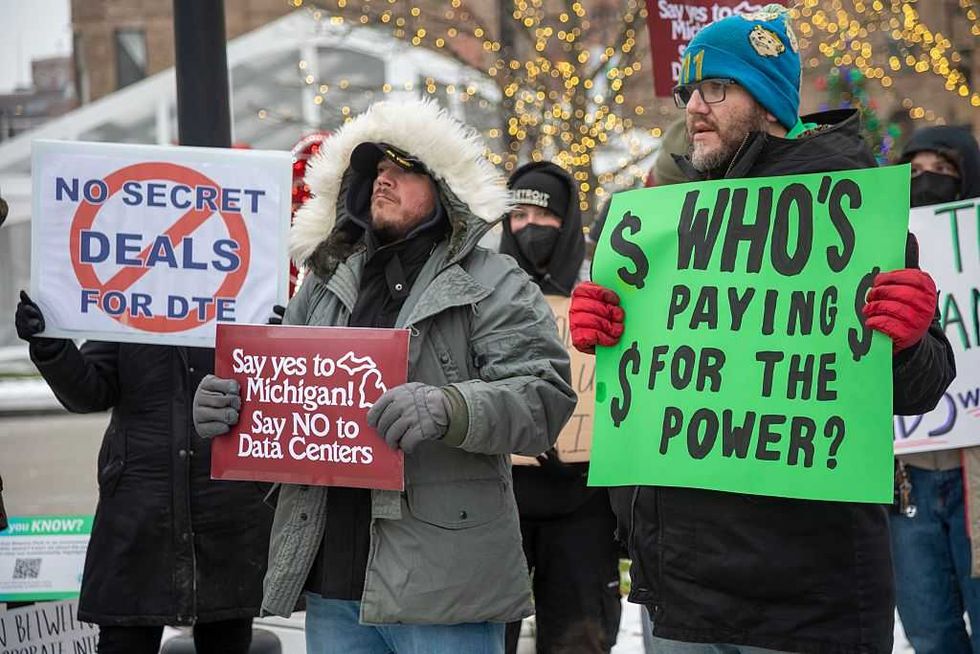 Photo by: Jim West/UCG/Universal Images Group via Getty Images
Most importantly, this model reverses the flow of benefits. Working families would no longer subsidize Big Tech’s expansion while receiving nothing in return. Communities would share directly in the upside.
Access to local land, water, and electricity should come with obligations. Companies that consume enormous public resources should invest in the people who live alongside them — not leave residents stranded when the grid buckles.
Politicians who ignore this gathering backlash risk sleepwalking into a revolt. The choice is straightforward: Build an energy system that serves citizens who keep the country running, or face their fury when they realize they have been sacrificed for someone else’s high-tech gold rush.
Handled correctly, AI can strengthen America. Handled poorly — by letting data centers overwhelm the grid and drive families toward energy poverty — it will accelerate decline.
We still have time to choose. Let’s choose wisely.
Republicans are letting Democrats lie about affordability
Midterm elections go one of two ways. They are either a validation of the sitting president or a repudiation. Historically, they have almost always been a repudiation.
The 2026 midterms are shaping up to be no different — a firm rebuke to Donald Trump. That’s obviously bad for him. Congress will spend two straight years investigating and likely impeaching him.
If President Trump’s supporters don’t show up, Republican defeat is guaranteed.
But the bigger danger is to America. Democrat control of Congress will jeopardize Republicans’ efforts to restore an economy of opportunity for all. Worse, Democrats will lay the groundwork for recapturing the White House in 2028, at which point they will implement the most anti-opportunity agenda in American history. We’re talking welfare for all, funded by crippling tax hikes and a federal takeover of a once-free economy.
Can Donald Trump turn the midterms around? Only if he, his fellow Republicans, and their allies on the right make immediate changes. If they do, they could stem the losses in November — and maybe even defy the odds to expand their majorities in the House and Senate.
First and foremost: They need to realize that midterms hinge on turnout.
The reason midterms are usually a presidential repudiation is that voters from the other party are more motivated. They feel greater anger and intensity, and they show up. The president’s supporters, meanwhile, usually think they did their job when they elected their man. Why bother showing up again?
If President Trump’s supporters don’t show up, Republican defeat is guaranteed. The most urgent need, therefore, is to invest in a massive get-out-the-vote operation. The GOP needs one the likes of which it has never seen.
But such an effort also needs a message — something that resonates with voters and spurs them to action. That’s the second area where change is required. Because right now, Republicans don’t have any meaningful message at all.
The left certainly does. Democrat politicians, their allies in the media, and their associated army of activists and nonprofits have rallied around a single word: affordability. They’re tricking voters into thinking that all the inflation and financial pain that Joe Biden caused is really the fault of Donald Trump. The call to action writes itself: If voters want to make ends meet, their only hope is to vote the GOP out.
This message works, but only because Republicans are letting it work. They are largely silent in the face of Democrat attacks. Worse, in the president’s case, he is calling affordability a “hoax.” For voters who supported him because of Joe Biden’s inflation, nothing could be worse. It’s tantamount to saying their problems don’t matter.
Republicans must reclaim the economic high ground. They need to relentlessly hammer the point that Joe Biden’s enormous failures will take time to fix. They need to point to the relief they’ve given, especially the tax cuts the president signed in July. Most importantly, they need to lay out a unified agenda that speaks to Americans’ deep concerns, convincing voters that the GOP will, in fact, make life more affordable.
RELATED: The ‘blue-slip block’ is GOP cowardice masquerading as tradition
 Photo by ANDREW CABALLERO-REYNOLDS/AFP via Getty Images
Crafting that agenda is as much the work of policy wonks as it is public relations. Republicans and their allies should be relentlessly message-testing and focus-grouping to discover not only what policies Americans want, but how to sell the policies that Americans need — in health care, housing, and beyond. This can be done without compromising conservative principles. In fact, it is essential if those principles are to have a path to becoming policies.
There’s one more message the GOP needs. It’s not enough to make a positive case for Republicans’ own priorities. They need to remind Americans of the danger posed by Democrats relentlessly.
This isn’t hard. The return of crippling inflation. The collapse of our borders once again. Higher taxes on the middle class. Republicans have a simple case to make: If voters want all of America to look more like crime-ridden, welfare-defrauding, utterly unaffordable big blue cities, they should vote for Democrats.
Republicans needed these messages yesterday. They needed a turnout operation that was already delivering these messages to the base and undecided voters alike. If they and their allies don’t get their act together before the start of the year, the midterm elections will indeed be a repudiation of Donald Trump. Worse, they’ll put America’s future at risk. The clock is ticking.
Editor’s note: This article was originally published by RealClearPolitics and made available via RealClearWire.
Billion-Dollar Snack Companies Suddenly Care About Affordability After Jacking Up Prices for Years
‘Could undermine his goal to lower costs for Americans’
Congress Faces Mountain Of Unfinished Business After Christmas Break
‘my Democrat colleagues are not there yet’
The party that made life more expensive wants credit for noticing
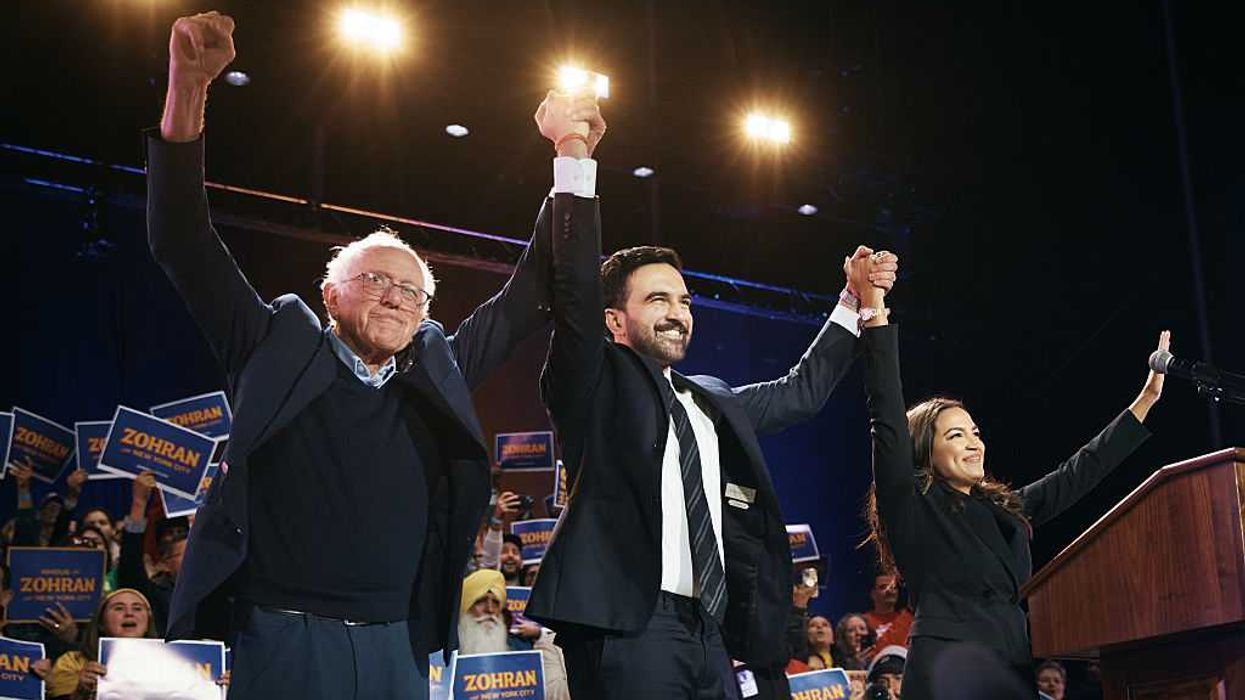
Having identified a problem they created, Democrats are now blaming “affordability” on Republicans. It is a striking display of audacity — the very definition of chutzpah.
For more than a year, Democrats have struggled to find a message that resonates because they keep recycling losing ones. They have lashed out at immigration enforcement —storming ICE facilities, attacking ICE officers, and defending violent illegal aliens.
Democrats are now left with a single strategy: campaigning on the consequences of their own incompetence and hoping voters forget who caused them.
They voted for the largest tax increase in U.S. history by opposing the extension of the 2017 tax rates under the Tax Cuts and Jobs Act.
They continue to cling to climate alarmism even as the rest of the world moves on.
They remain soft on crime, opposing President Trump’s deployment of the National Guard in cities where criminals run rampant and law-abiding citizens live in fear.
And in a final act of desperation, they triggered the longest federal government shutdown in history — before caving and achieving nothing.
Same issues. Same failure to connect.
The results speak for themselves. Democrats’ favorability sits at an abysmal 32.5%, well below Republicans’ 38.2% and far below President Trump’s 43.8%.
Then came Zohran Mamdani, the neophyte New York Democratic Socialist who toppled Democrats’ old guard in consecutive elections — first Mayor Eric Adams, then former Gov. Andrew Cuomo. Mamdani did what Democrats have always done: promise voters lots of free stuff. Only he did it on a far grander scale — buses, housing, child care, grocery stores.
Faced with his success, Democrats opted for the familiar response: If you can’t beat ’em, join ’em. They sanitized Mamdani’s socialism, rebranded it as “affordability,” and declared it their new cause.
That affordability is now Democrats’ issue should surprise no one. After all, they caused the crisis they now loudly lament.
Start with New York City, where affordability has collapsed most dramatically. According to Visual Capitalist’s ranking of America’s least affordable cities, Manhattan is No. 1, Brooklyn ranks sixth, and Queens seventh. In fact, the top 10 least affordable cities are overwhelmingly governed by Democrats and located in Democrat-dominated states: New York, Hawaii, California, and Massachusetts. By contrast, nine of the 10 most affordable cities are in Republican-dominated states.
The reasons are no mystery. They are the left’s preferred policies: high taxes that drive up the cost of living and chase out taxpayers; rent control that discourages new construction and fuels homelessness; and excessive regulation and litigation that inflate the cost of everything they touch.
The same pattern holds at the state level. U.S. News and World Report lists the 10 least affordable states, and the top six are California, New Jersey, Hawaii, Massachusetts, Washington, and New York. Nine of the 10 are blue states. Florida — the lone red-state exception — also boasts the No. 1 economy, ranks second in education, levies no state income tax, and continues to attract new residents in large numbers. Meanwhile, all 10 of the most affordable states are Republican-led.
RELATED: The socialist spell: Why modern minds keep falling for an old lie
 Photo by Chip Somodevilla/Getty Images
What about inflation? Isn’t that a national problem?
Yes, but inflation didn’t materialize out of thin air. It began under the Biden administration, reaching a 40-year high of 9.1% in June 2022. CPI-U inflation was just 1.4% when Biden took office in January 2021. By March, it had nearly doubled. By June, it had surged to 5.4%. By December, it hit 7%. A year later, it still stood at 6.5%. Inflation did not fall below 3% until July 2024 — the 43rd month of Biden’s presidency.
Excessive Democrat spending fueled this surge. From fiscal years 2021 through 2024, the Congressional Budget Office shows cumulative deficits of $8.9 trillion, driven by roughly $8 trillion in spending above the pre-pandemic baseline. The only reason Democrats didn’t spend more is that members of their own party balked.
Inflation works like weight gain: it comes on fast and comes off slowly. Even when the rate of inflation declines, prices remain higher. There is no economic Ozempic. Americans are still paying the price for four years of Democratic fiscal gluttony.
None of this has stopped Democrats from claiming “affordability” as their issue — or from demanding more of the same policies that caused the crisis in the first place: higher spending, higher taxes, and more regulation.
Stripped of winning ideas, Democrats are now left with a single strategy: campaigning on the consequences of their own incompetence and hoping voters forget who caused them.
JD Vance Is Getting Ahead Of Democrats’ Biggest Midterm Weapon
JD Vance Is Getting Ahead Of Democrats’ Biggest Midterm Weapon
Why Is Congress Importing New York’s Housing Failures?
If the road to hell is paved with good intentions, America’s lawmakers are the ones pouring the asphalt. Across the…





