






Don't miss...
Ted Nugent’s loud protest is the wake-up call Western elites want to ignore

Ted Nugent is known for many things. Subtlety isn’t one of them.
This is a man who treats volume knobs the way toddlers treat bedtime: with open defiance. So when a mosque in his Michigan town began broadcasting the early-morning call to prayer over loudspeakers, Nugent reacted in the way only Nugent would. He turned his back yard into a launchpad for a one-man rock assault.
You don’t need to be religious to see the problem. You only need to have ears.
Excessive? Perhaps. But it tapped straight into a frustration millions feel but rarely voice — not loudly, anyway.
The early-morning Islamic call to prayer echoing through American suburbs isn’t “diversity” or a charming cultural detail. It’s noise — loud, sudden, inescapable noise. It jolts families awake, spooks pets, startles infants, and demands that the entire block adapt.
Nugent’s counterattack may have been a little over the top, but beneath the distortion pedals sits a simple point: Public peace matters. In a free country, quiet hours come first. And no imported custom, however sacred to some, earns an automatic exemption.
Richard Dawkins once called the Islamic call to prayer “hauntingly beautiful.” This from a man who spent decades explaining that God doesn’t exist. It’s a strange kind of aesthetic tourism: Romanticize a religious ritual while rejecting the very religion that produced it. Dawkins was wrong about the existence of God, and he is equally wrong about the Islamic call to prayer.
The call to prayer wasn’t designed as background music, and it wasn’t conceived for multicultural suburbs where everyone keeps different hours and believes different things. It was forged in a seventh-century society where faith and authority were fused, where religion structured public life down to the minute, and where submission — literal, explicit submission — wasn’t merely encouraged but expected.
Islam’s founding worldview assumed a unified religious community, a shared legal and moral order, and a sharp distinction between believers and nonbelievers. That distinction shaped status, obligation, and allegiance.
In the Muslim context, the adhan makes perfect sense. It is a public summons for a public faith, a declaration of dominance over the rhythm of the day, and reminder that life moves according to Allah’s schedule — not yours. It reminds everyone, believer or not, that the community’s obligations take precedence over the individuals’ preferences.
But transplant it into America (or any predominantly Christian society), and it makes zero sense. The operating systems and expectations are different. The very idea of a faith dictating the morning routine of people who don’t share it runs directly against the grain of Western life.
RELATED: Why progressives want to destroy Christianity — but spare Islam
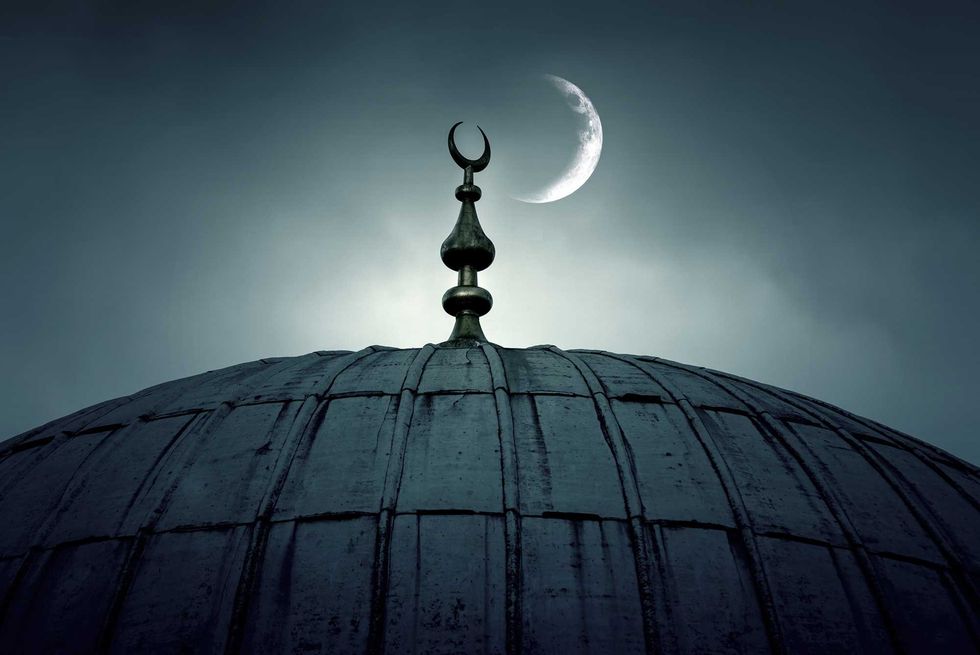 AlxeyPnferov/iStock/Getty Images Plus
This is the part Dawkins missed entirely when he praised the adhan.
It’s easy to romanticize a sound when you encounter it on holiday, filtered through distance, novelty, and sand-warm nostalgia. It’s quite another when it is broadcast at 5 a.m. into a neighborhood that never agreed to have its eardrums shattered before the coffee even brews.
Dawkins hears melody, but he ignores meaning. He praises the tune while overlooking the text, which was never written for pluralism. It was written for a social order in which Islam set the terms — and nonbelievers either complied or faced the consequences.
You don’t need to be religious to see the problem. You only need to have ears.
The adhan doesn’t float gently on the breeze. It is projected through megaphones with the explicit purpose of commanding attention. It is designed to override the soundscape of daily life. Barking dog? Buried. Garbage truck? Drowned. Your alarm clock? Irrelevant. The Islamic call to prayer cuts through everything because that is precisely what it was built to do.
And that is where the first collision occurs. In America, no foreign religion should be granted the right to reorder everyone’s routine. Christianity, which most readers know intimately, offers a useful contrast. Church bells ring, yes, but briefly and symbolically. They don’t deliver multi-minute recitations meant to summon or correct anyone.
But with fewer bells ringing, other sounds inevitably move in to fill the void. These include ones far louder, far longer, and far less rooted in America’s traditions.
There’s a difference between freedom of religion and freedom to dominate the public square.
In a predominantly Christian society, faith is personal, chosen, and interior. Prayer happens inside churches, inside homes, inside hearts — not broadcast across rooftops as compulsory ambience. The Western idea of worship is reflective and voluntary. The call to prayer, by contrast, is commanding and public by design.
Sound, as Ted Nugent knows well, is anything but neutral. A community’s soundscape shapes its psychology. People become anxious, irritable, exhausted, and far more prone to accidents when their sleep is disrupted. After all, we prosecute noisy neighbors for far less.
Yet Western elites recoil at the idea that a religious practice might be subject to the same standards as the guy who revs his motorcycle at midnight. If anything, a more intrusive and more extended ritual deserves more examination — not less.
Although I truly dislike what Islam represents, this isn’t about hatred. It is about the delicate, daily compromises a pluralistic nation depends on. When one group insists on broadcasting its obligations to everyone else, the common ground cracks, the social contract comes apart, and people start to feel like strangers on their own streets.
The call to prayer has no place in polite society. There’s a difference between freedom of religion and freedom to dominate the public square. One belongs in America. The other never will.
PH consulate checking if Filipinos affected in Bondi shooting
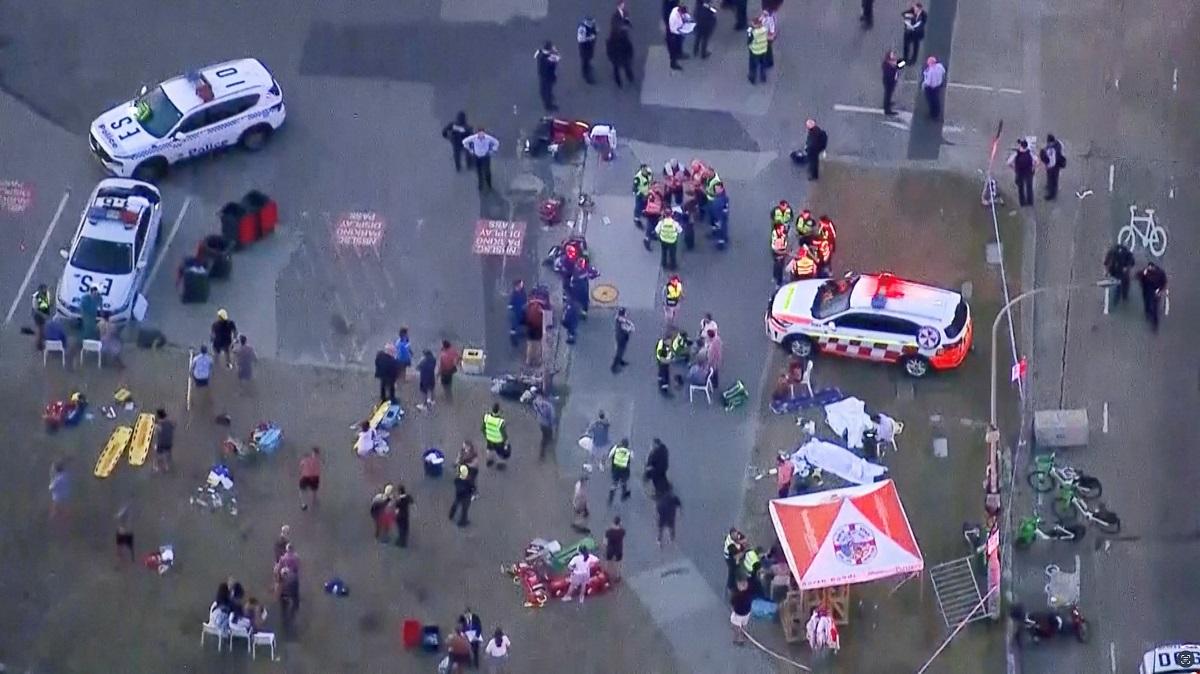
The Philippine Consulate General in Sydney is coordinating with Australian authorities to determine whether any Filipinos were affected by a mass shooting near a Jewish gathering at Bondi Beach, the Department of Foreign Affairs said on Saturday.
PH rules mixed judo team in 2025 SEA Games

The judo events at the 2025 Southeast Asian Games wrapped up on Sunday, with the Philippine team adding another gold medal to the country”s haul.
PBA: Calvin Abueva double-double, Joshua Munzon dagger lift Titan Ultra past Phoenix
_2025_12_14_20_58_04.jpg)
Calvin Abueva had a big night, while Joshua Munzon delivered the final blow as Titan Ultra pulled off a 127-119 win over Phoenix, boosting its PBA Season 50 playoff hopes on Sunday.
8 dead after multicab falls into ravine in Ayungon, Negros Oriental

Eight persons died after a multicab fell into a ravine in Ayungon, Negros Oriental on Saturday.
Bystander who tackled armed man at Bondi Beach shooting hailed as hero
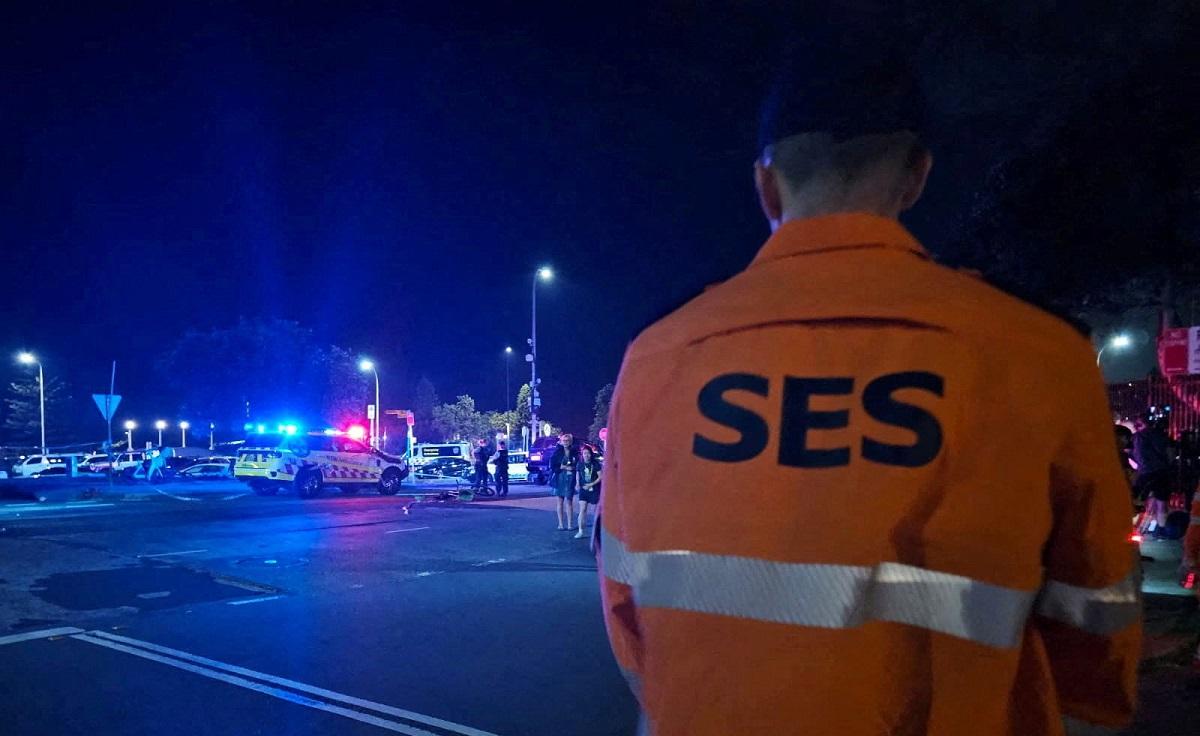
A bystander captured on video tackling and disarming an armed man during an attack in which 12 people were shot dead at a Jewish holiday event at Sydney’s Bondi Beach on Sunday has been hailed as a hero whose actions potentially saved lives.
PCSO: No one hits jackpot in 6/49, 6/58 lotto draws on Sunday, Dec. 14

No one got the jackpot in the major lotto draws of the Philippine Charity Sweepstakes Office (PCSO) on Sunday night, December 14.
DHSUD includes high-density housing as option in 4PH Program
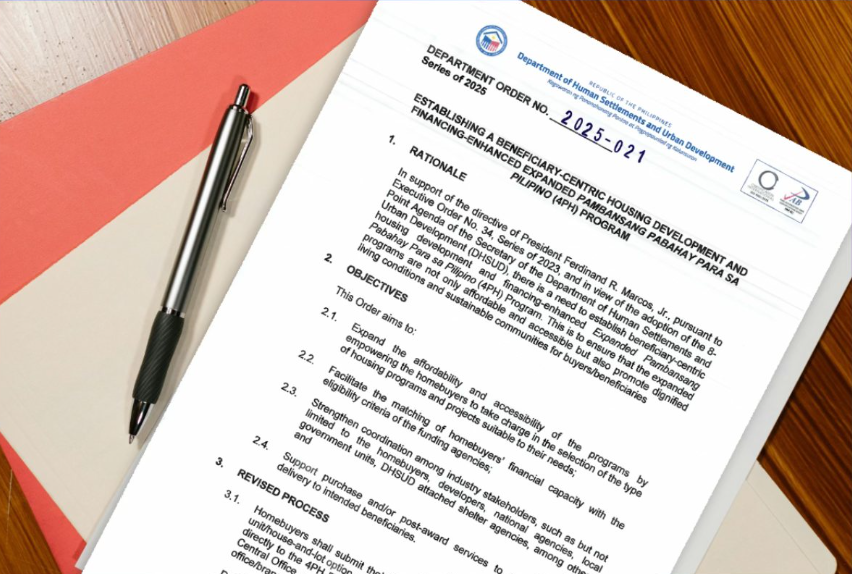
The Department of Human Settlements and Urban Development (DHSUD) has integrated high-density housing (HDH) – or multi-storey residential housing – in the Expanded Pambansang Pabahay para sa Pilipino (4PH) Program as an added housing option for informal settler families (ISFs).
Person of interest held after deadly shooting at Brown University in US
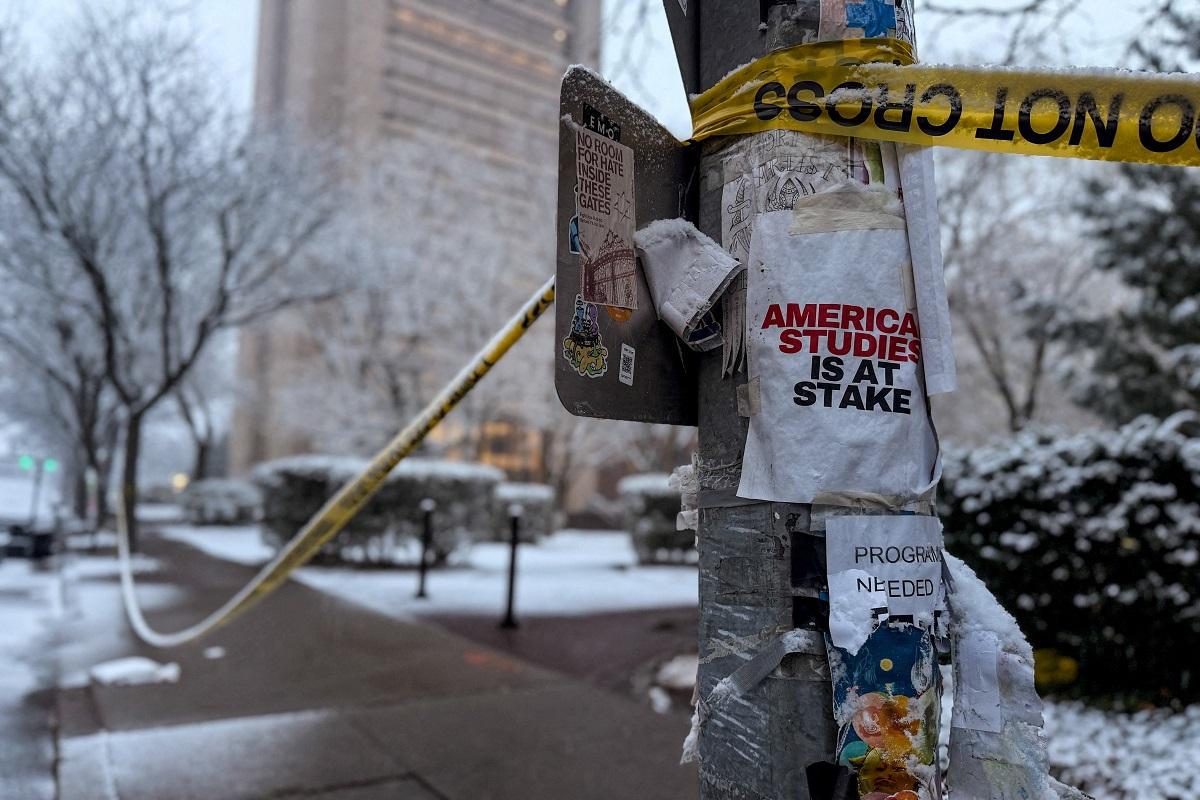
Providence police have detained a “person of interest” in connection with the Brown University shooting that left two students dead and another nine people wounded at the US Ivy League school.
DPWH defends bid to restore budget: Lower material costs, no projects to bring back

Department of Public Works and Highways Secretary Vince Dizon on Sunday defended the DPWH’s bid to restore cuts to its 2026 budget, telling skeptical lawmakers that he understood why the department lost the public’s trust after massive corruption was revealed in connection with ghost or substandard flood control projects.





