

Category: Faith
The Virus in the Faculty Lounge
Many of our strongest voices have decried a new tribalism. They call out those who spurn the emphasis on merit…
Knifed for ‘being a Christian’? Suspect allegedly stabs man and his dog after asking about victim’s religion

A suspect allegedly stabbed a man and his dog Sunday in Washington state after the suspect asked the victim what religion he is, the Pierce County Sheriff’s Office said.
The 54-year-old male victim called 911 reporting that an unknown male stabbed him near the S S Quickstop Grocery in Parkland just before 6:30 a.m. and that the male fled southbound on Park Avenue S., officials said. Parkland is about 45 minutes south of Seattle.
‘This would actually be a hate crime based on religion.’
When deputies arrived, the victim was in serious condition and told deputies the unknown man had come up to him and asked what religion he was, officials said.
“The victim answered the man and said something about being a Christian, and the man then attacked and stabbed the victim and his dog,” officials added.
The victim provided a description of the suspect prior to being transported to a local hospital; the victim’s dog was also in serious condition and was transported to a local animal hospital and was taken into surgery immediately, officials said.
Deputies used a K-9 to search the area for more than two hours but were unable to locate the suspect, officials said.
At 8:40 a.m. while conducting an area check, a deputy saw the suspect in the 800 block of 112th St. S, and the suspect fled behind a nearby home, officials said.
Deputies followed the suspect and reported that shots had been fired at 8:47 a.m., officials said.
KOMO-TV reported that the sheriff’s office confirmed the suspect was dead and that multiple deputies shot the suspect.
The sheriff’s office added to KOMO that the suspect was armed with multiple knives, was resisting arrest, and approached deputies before shots were fired.
Detectives do not know the suspect’s identity or his connection, if any, to the area or the house he fled behind, KOMO added.
KING-TV said the stabbing victim, Eddie Nitschke, lives in the convenience store’s parking lot in a car with his girlfriend and two dogs.
Nitschke told KING he initially responded to the suspect that he wasn’t religious, but the suspect kept pushing the issue about what religion he was, after which Nitschke told the suspect, “I guess Christian.”
The suspect then accused Nitschke of pursuing him, KING added: “He said, ‘You’ve been looking for me for some time,’ and I said, ‘I don’t even know you.'”
KING said the suspect soon struck Nitschke multiple times with two knives and punctured his lung.
During the attack, Nitschke told his girlfriend to release their dog from the car, KING reported, adding that the dog attacked the suspect and was also stabbed.
“My shirt was drenched with blood,” Nitschke recounted to KING.
More from KING:
At the hospital, Nitschke discovered the suspect was being treated in an adjacent room. While being interviewed by police, he heard commotion next door.
“And then I’m sitting there and then I hear ‘Code red, code red’ and they wheeled the guy in right beside me in the next room,” Nitschke said.
After learning the suspect had died, Nitschke said he felt conflicted.
“When I found out that he died, I thought to myself, ‘Oh, he died.’ I felt bad, but then I thought, ‘He just stabbed me,’” he said.
Nitschke discharged himself from the hospital, KING said.
“They didn’t want to let me go,” he recalled to KING. “I just don’t want to be in the hospital. I wanted to find out about my dog.” It appears from KING’s video report that the dog is OK.
More than 500 comments have appeared under the sheriff’s office Facebook post about the incident. As you might imagine, some commenters didn’t take too kindly to the suspect’s actions apparently related to the victim reportedly telling him he’s a Christian.
- “I believe this would be on major news if he, the victim, wasn’t Christian,” one commenter wrote.
- “This would actually be a hate crime based on religion,” another user said. “Will it be prosecuted that way? Doubtful due to the religion being Christianity.”
- “It’s not a hate crime if the victim is Christian,” another user said with seeming sarcasm.
- “No protests?” another commenter wondered with tongue fully in cheek.
- “Another hate crime attack that the mainstream media will ignore since facts don’t support their agenda,” another user stated. “Libs will post laughing emojis since they are mentally ill and have twisted morals.”
Like Blaze News? Bypass the censors, sign up for our newsletters, and get stories like this direct to your inbox. Sign up here!
Knifed for ‘being a Christian’? Suspect allegedly stabs man and his dog after asking about victim’s religion
A suspect allegedly stabbed a man and his dog Sunday in Washington state after the suspect asked the victim what religion he is, the Pierce County Sheriff’s Office said.
The 54-year-old male victim called 911 reporting that an unknown male stabbed him near the S S Quickstop Grocery in Parkland just before 6:30 a.m. and that the male fled southbound on Park Avenue S., officials said. Parkland is about 45 minutes south of Seattle.
‘This would actually be a hate crime based on religion.’
When deputies arrived, the victim was in serious condition and told deputies the unknown man had come up to him and asked what religion he was, officials said.
“The victim answered the man and said something about being a Christian, and the man then attacked and stabbed the victim and his dog,” officials added.
The victim provided a description of the suspect prior to being transported to a local hospital; the victim’s dog was also in serious condition and was transported to a local animal hospital and was taken into surgery immediately, officials said.
Deputies used a K-9 to search the area for more than two hours but were unable to locate the suspect, officials said.
At 8:40 a.m. while conducting an area check, a deputy saw the suspect in the 800 block of 112th St. S, and the suspect fled behind a nearby home, officials said.
Deputies followed the suspect and reported that shots had been fired at 8:47 a.m., officials said.
KOMO-TV reported that the sheriff’s office confirmed the suspect was dead and that multiple deputies shot the suspect.
The sheriff’s office added to KOMO that the suspect was armed with multiple knives, was resisting arrest, and approached deputies before shots were fired.
Detectives do not know the suspect’s identity or his connection, if any, to the area or the house he fled behind, KOMO added.
KING-TV said the stabbing victim, Eddie Nitschke, lives in the convenience store’s parking lot in a car with his girlfriend and two dogs.
Nitschke told KING he initially responded to the suspect that he wasn’t religious, but the suspect kept pushing the issue about what religion he was, after which Nitschke told the suspect, “I guess Christian.”
The suspect then accused Nitschke of pursuing him, KING added: “He said, ‘You’ve been looking for me for some time,’ and I said, ‘I don’t even know you.'”
KING said the suspect soon struck Nitschke multiple times with two knives and punctured his lung.
During the attack, Nitschke told his girlfriend to release their dog from the car, KING reported, adding that the dog attacked the suspect and was also stabbed.
“My shirt was drenched with blood,” Nitschke recounted to KING.
More from KING:
At the hospital, Nitschke discovered the suspect was being treated in an adjacent room. While being interviewed by police, he heard commotion next door.
“And then I’m sitting there and then I hear ‘Code red, code red’ and they wheeled the guy in right beside me in the next room,” Nitschke said.
After learning the suspect had died, Nitschke said he felt conflicted.
“When I found out that he died, I thought to myself, ‘Oh, he died.’ I felt bad, but then I thought, ‘He just stabbed me,’” he said.
Nitschke discharged himself from the hospital, KING said.
“They didn’t want to let me go,” he recalled to KING. “I just don’t want to be in the hospital. I wanted to find out about my dog.” It appears from KING’s video report that the dog is OK.
More than 500 comments have appeared under the sheriff’s office Facebook post about the incident. As you might imagine, some commenters didn’t take too kindly to the suspect’s actions apparently related to the victim reportedly telling him he’s a Christian.
- “I believe this would be on major news if he, the victim, wasn’t Christian,” one commenter wrote.
- “This would actually be a hate crime based on religion,” another user said. “Will it be prosecuted that way? Doubtful due to the religion being Christianity.”
- “It’s not a hate crime if the victim is Christian,” another user said with seeming sarcasm.
- “No protests?” another commenter wondered with tongue fully in cheek.
- “Another hate crime attack that the mainstream media will ignore since facts don’t support their agenda,” another user stated. “Libs will post laughing emojis since they are mentally ill and have twisted morals.”
Like Blaze News? Bypass the censors, sign up for our newsletters, and get stories like this direct to your inbox. Sign up here!
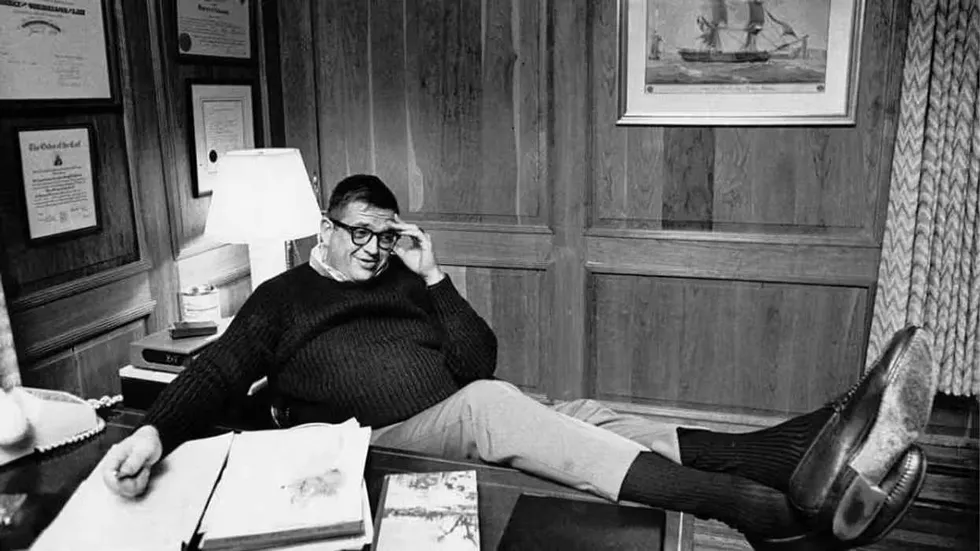
Malcolm Muggeridge: Fashionable idealist turned sage against the machine

“The depravity of man is at once the most empirically verifiable reality and the most intellectually resisted fact.”
The name of the man who made this pronouncement may not mean much to many readers now. Yet the world he warned about has arrived all the same, whether his name is remembered or not.
When Malcolm Muggeridge — a British journalist and broadcaster who became a public figure in his own right — died in 1990, many of his fears still felt abstract. The moral strain was visible, but the structure was holding. Progress was spoken of with confidence, and freedom still sounded uncomplicated.
‘I never knew what joy was until I gave up pursuing happiness.’
Today, those assumptions lie in pieces. What he distrusted has hardened into dogma. What he questioned has become unquestionable. We are living amid the consequences of ideas he spent a lifetime probing.
Theory meets reality
Muggeridge was never dazzled by modern promises. He distrusted grand schemes that claimed to perfect humanity while refusing to reckon with human nature. That suspicion wasn’t a pose; it was learned. As a young man, he flirted with communism, drawn in by its certainty and its language of justice. Then he went to Moscow. There, theory met reality.
What he encountered was not liberation but deprivation. Hunger was rationalized as hope. Cruelty came wrapped in benevolent language. Compassion was loudly proclaimed and quietly absent. The experience cured him of fashionable idealism for life. It also taught him something harder to accept: Evil often enters history announcing itself as virtue, and the most dangerous lies are told with complete sincerity.
That lesson stayed with him. In an age once again thick with certainty, that insight feels uncomfortably current.
Pills and permissiveness
Yet Muggeridge’s critique extended beyond politics. At heart, he believed the modern crisis was spiritual. God had become an embarrassment, sin a diagnosis, and responsibility something to be displaced by grievance. Pleasure, once understood as a byproduct of order, was recast as life’s purpose. The result, he argued, wasn’t freedom but loss.
This realism shaped his opposition to the sexual revolution. Long before its consequences were obvious, he warned that freedom severed from restraint wouldn’t liberate people so much as hollow them out. He mocked the belief that pills and permissiveness would deliver happiness. What he anticipated instead was loneliness, instability, and a culture increasingly medicated against its own dissatisfaction.
Muggeridge also understood the media with unsettling clarity. As a journalist and broadcaster, he watched newsrooms trade substance for spectacle and truth for approval. When entertainment becomes the highest aim, he warned, reality soon becomes optional.
By the end of his career, Muggeridge had dismantled nearly every modern promise. Fame proved thin. Desire disappointed. Professional success brought no lasting peace. Skepticism could clear the ground, but it could not explain why nothing worked.
A skeptic stands down
When after more than a decade of exploring Christianity, Muggeridge finally entered the Catholic Church in 1982, the reaction among his peers was disbelief bordering on embarrassment. This was not the impulse of a sentimental seeker but of one of Britain’s most famous skeptics — a man who had mocked piety, distrusted enthusiasm, and made a career of puncturing illusions.
Friends assumed it was a late-life affectation, a theatrical flourish from an aging contrarian. Muggeridge himself knew better. He had not converted because Christianity felt safe or consoling, but because, after a lifetime of alternatives, it was the only account of reality that still made sense.
As he had written years before in “Jesus Rediscovered,” “I never knew what joy was until I gave up pursuing happiness.”
That sentence captures the logic of his conversion. Muggeridge did not arrive at faith through nostalgia or temperament. Christianity did not flatter him. It named pride, lust, and cruelty plainly, then offered grace without euphemism. It explained the world he had already seen — and himself within it.
RELATED: Chuck Colson: Nixon loyalist who found hope in true obedience
 Washington Post/Getty Images
Truth endures
His Catholicism was not an escape from seriousness but its culmination. He believed human beings flourish within limits, not without them; that desire requires direction; that pleasure without purpose corrodes. Christianity endured, he argued, not because it was comforting but because it was true.
After his conversion, Muggeridge did not soften. He sharpened. The satire retained its bite. The warnings grew more direct. But they were no longer merely critical. Skepticism had given way to clarity — not because he had abandoned reason, but because he had finally stopped pretending it was enough.
More than three decades after his death, Muggeridge’s voice sounds less like commentary than like counsel. The world he warned about has arrived. What remains is the stubborn relevance of faith grounded in reality — and the freedom that comes only when truth is faced, rather than fled.
Matthew McConaughey: Choose God and family, not ‘participation trophies’
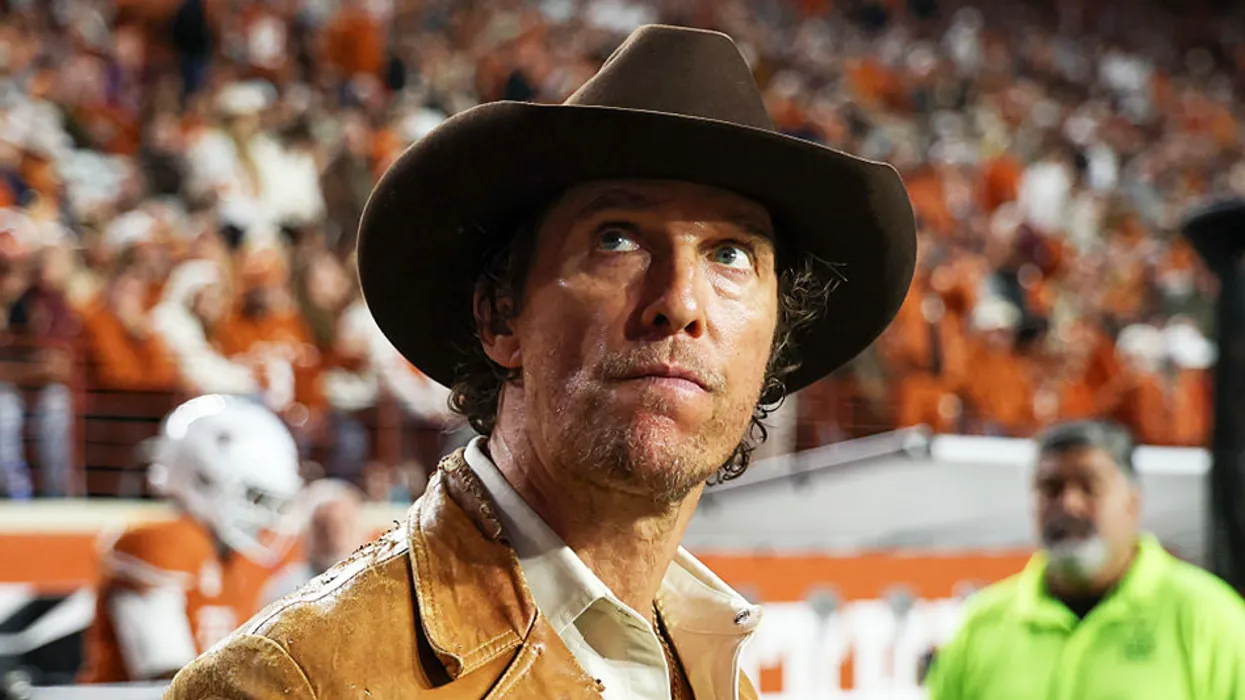
Matthew McConaughey doesn’t want participation trophies, and he doesn’t want success to be watered down.
The iconic actor recently gave a speech only he could deliver, forgoing giving traditional advice in favor of providing his own spiritual leanings that work for him.
‘I think in the West, because we want everyone to feel really great, participation trophies!’
The movie star was asked about how he critiques his performances on screen and how he gauges success.
“I know if I’m bogeying or if I’m birdieing. … I’ve seen myself on screen [and thought], ‘You’re kind of bulls***ting there,'” McConaughey told host Jay Shetty on his podcast.
Faking the grade
From there, McConaughey trashed the idea of expanded grade-point averages through extra credit.
“I’m not into extra credit. I don’t like 4.2 GPAs. That tells me, like, what happened? Are we, then, we’re not giving the right test? If 4.0 was the pinnacle, you know, that means not many people should be getting it, if anybody,” he explained.
The Texan said that with higher scores, institutions have either over-leveraged the original task or broadened the scope of scoring and therefore cheapened the credit.
“I think in the West, because we want everyone to feel really great, participation trophies! 4.2 GPA. Well, I feel better,” he said sarcastically.
It was from there that McConaughey began to explain where he seeks validation from, which was the true shining light of the discussion.
RELATED: Matthew McConaughey calls for ‘gun responsibility’ not gun control, goes on to demand gun control
Heavenly helpers
Aside from his wife and kids, McConaughey revealed he has a trio of people in heaven that he looks to for reactions — and God’s reaction through them.
“I have a council in the sky. Three people that are extremely important to me in my life: my dad, Penny Allen, and John Cheney.”
While the 56-year-old explained that Cheney is his old friend, it was not clear who Allen is.
“I see them, wink at them, talk with them, listen to them … run ideas by them, run decisions by them, and then I look up and see what their reaction is. And it’s been a very trusted council for me.”
This is a way to put “souls that are no longer with us” in “a heaven sense,” he explained. “They’re a conduit from God to me, and I have no expectations of them.”
In God he trusts
It doesn’t always go well for McConaughey, though. Sometimes his dad is “dancing in his underwear with a Miller Lite and a piece of lemon meringue pie,” he laughed, but sometimes “they’re not dancing,” and he has to figure out why.
RELATED: Matt Damon: Netflix dumbs down movies for attention-impaired phone addicts
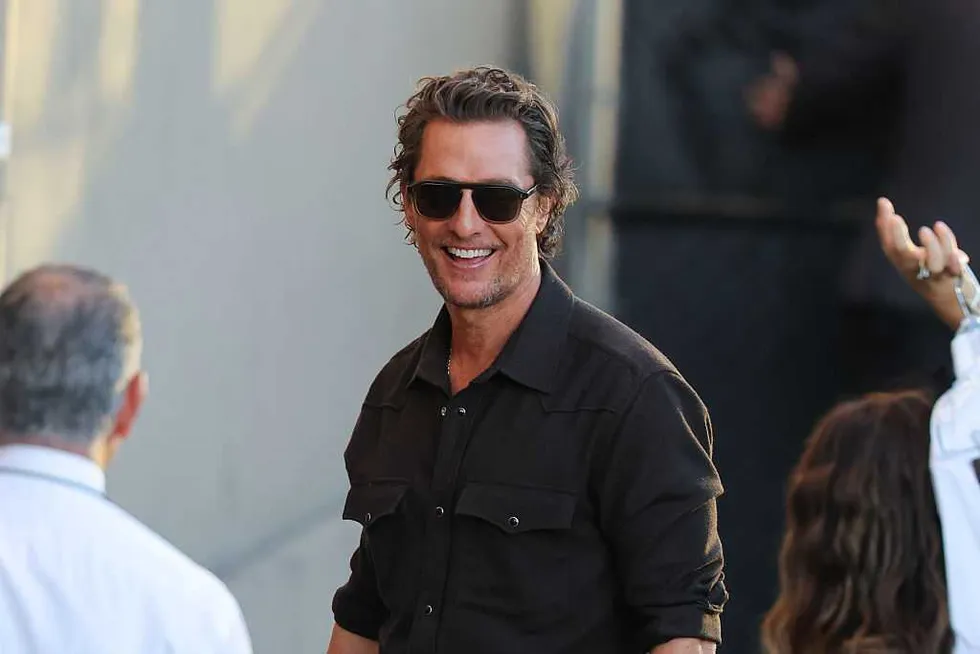 Photo by PG/Bauer-Griffin/GC Images
The Uvalde, Texas, native said it is very important to him to not have a picture of God in his mind, as he does not want to minimize his meaning.
In the end though, this all leads to McConaughey seeking his own validation, he admitted.
“I try to measure how I counsel and referee myself off of some of the people I just brought up to you,” he told the host.
“That’s where I prove it.”
McConaughey added that he does not look too far outside his own circle, because those he knows are who he trusts.
Like Blaze News? Bypass the censors, sign up for our newsletters, and get stories like this direct to your inbox. Sign up here!
Darwinism is a dead end — and biologists know it
For more than a century, Darwinism has enjoyed a peculiar privilege. It is not merely taught as a scientific theory; it is treated as a final authority. Question it, and you are not mistaken — you are suspect, a heathen guilty of fidelity to first principles.
And yet the deeper one looks, the less sense it makes.
Darwinism is not merely incomplete; it is internally inconsistent. It claims to explain life while excluding what life most plainly displays.
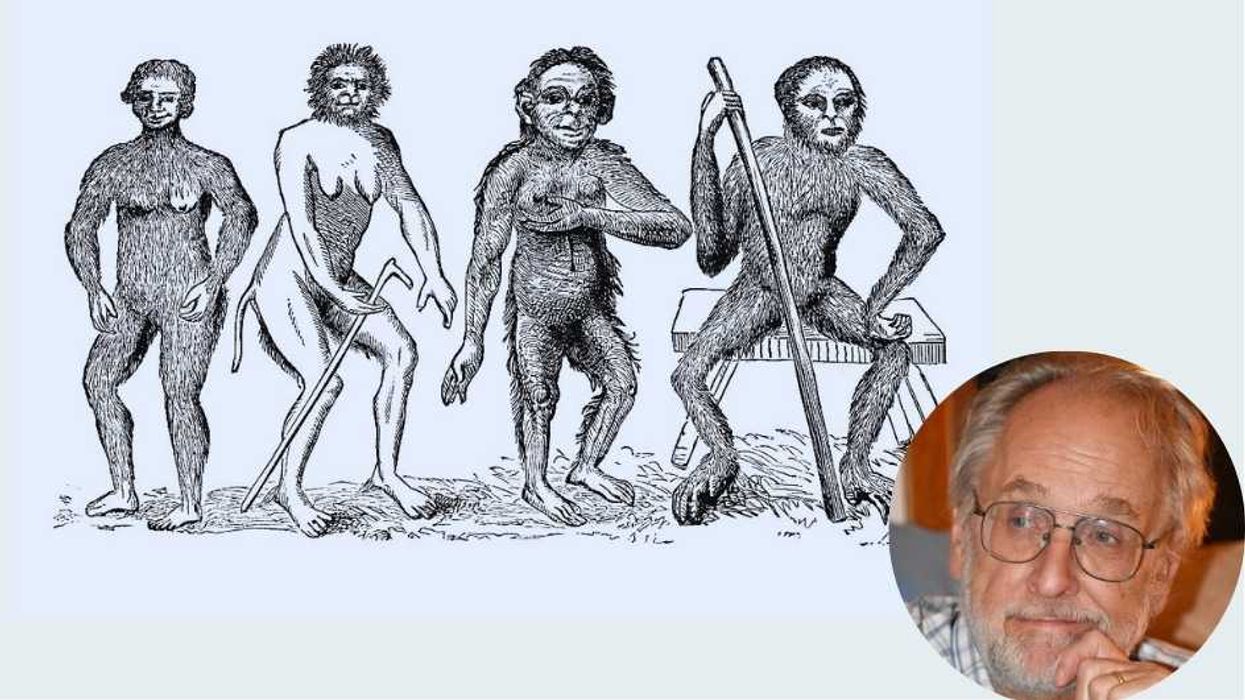
Dr. J. Scott Turner, an American physiologist with decades of serious biological research behind him, is not a Bible-thumping believer or a culture-war activist. He is a scientist who followed the evidence where it led — and discovered that modern Darwinism could not follow him there, a conclusion he shared with me in a recent interview.
‘Marvelous contrivances’
The trouble, Turner explains, began with a quiet but decisive shift. Darwin’s original theory centered on organisms — living, striving creatures with what Darwin himself called “marvelous contrivances.” Modern Darwinism replaced them with something colder. Genes took center stage. Organisms were pushed aside.
Neo-Darwinism, Turner argues, became “a form of gene determinism embedded in a statistical framework that largely shoved organisms off the stage.” What disappeared with them were the qualities that make life recognizably alive: “intentionality, intelligence, and purposefulness.” What passed for progress was, in fact, reduction.
Christians have long sensed this loss, even without the language to name it. They were told that purpose was an illusion, design an accident, and meaning a projection — that life was nothing more than chemistry with better branding. Turner’s work shows what happens when that story is taken seriously.
Termite testimony
His research on termite colonies posed a problem Darwinism could not absorb. The termites were not merely adapting to their environment. They were building it — massive mounds precisely regulated for temperature and humidity, engineered for their own survival. The environment was not selecting them. They were shaping it.
“The old idea that organisms adapt to environments is only half the story,” Turner explains. “Organisms also adapt environments to themselves.” This is not unique to termites. Coral reefs, beaver dams, and human cities all tell the same story. Life has always been an active force, not a passive one.
Once organisms shape the conditions of their own survival, the Darwinian account begins to strain. Selection still operates, but it is no longer blind or passive. It is infused with preference — with direction, with desire.
Darwinism has no language for that.
Faced with obvious design — termite mounds, bird flight, the cantilevered structure of mammalian bones — modern Darwinism retreats into qualifiers. Design becomes “apparent” design. Purpose becomes “as if” purpose. Intelligence is reduced to coincidence wearing a lab coat.
RELATED: Science’s God-denying narrative just got crushed again
 Mongkolchon Akesin/iStock/Getty Images Plus
Darwin vs. design
Turner refuses the dodge. “I couldn’t support the notion of ‘apparent’ design or ‘apparent’ intentionality any more,” he says. “These weren’t illusions. They were fundamental properties of life.”
That refusal has consequences.
Darwinism is not merely incomplete; it is internally inconsistent. It claims to explain life while excluding what life most plainly displays. It demands silence precisely where the evidence speaks.
This is why Turner concludes — without theatrics or bitterness — that Darwinism cannot be true. Not because evolution is false, but because Darwinism lacks the conceptual tools to describe what evolution actually entails.
The hardest line Darwinism draws is at meaning.
Turner is blunt about this. Darwinism’s deepest limitation is not scientific but metaphysical. It operates within what he calls an “epistemic bubble” — a closed system that refuses to admit evidence challenging its assumptions.
That is not how science advances. It is how dogma survives.
An overdue truce
Christians are often told that faith and science are natural enemies. Turner’s work suggests something more unsettling: the conflict was never necessary. It was constructed.
Between militant Darwinism and intelligent-design polemics lies a broad, neglected middle ground — one Turner openly occupies, along with scientists and philosophers like Stuart Kauffman and Terrence Deacon, as well as researchers working on the Extended Evolutionary Synthesis — who accept evolution while rejecting the dogma that purpose and agency are illusions.
Here, intelligence is neither smuggled in from theology nor erased by materialism. It is treated as a real feature of living systems.
This view has ancient roots. Turner describes himself as an Aristotelian — not an atomist, reducing life to particles and chance, nor a Platonist, locating purpose outside the world altogether. Aristotle began with what could be observed: living things striving toward ends. That vision sits comfortably alongside religious belief, which has always held that life is ordered, directed, and intelligible. Turner’s approach simply takes life as it appears — purposeful, directed, alive.
For Christians, this matters.
A world without purpose is corrosive. It erodes responsibility, dignity, and moral meaning. It tells us that desire is a delusion and intention an error — that life is busy, but empty.
Darwinism promised a grand explanation. What it delivered was a grand refusal. And yet faith remains — not as an intrusion, but as a witness to reality.
Biden’s faith attacks backfire: Support for religious liberties soars to record high under Trump, new report shows
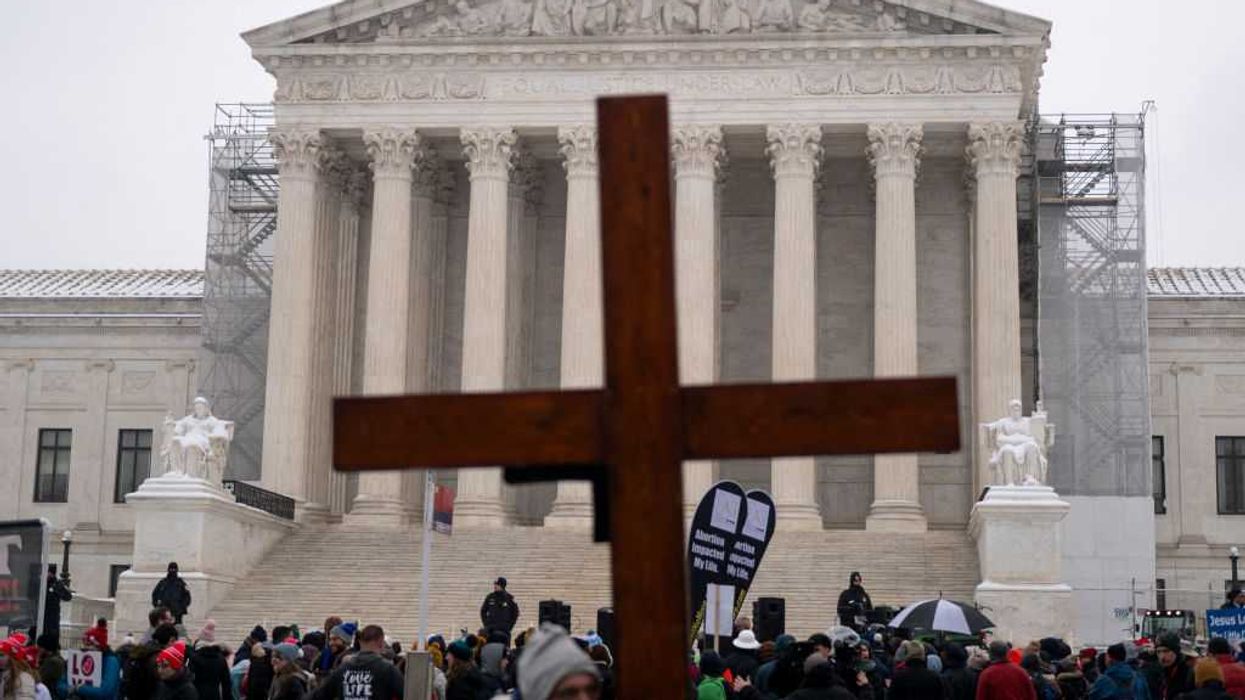
Against a backdrop of mounting attacks on churches, the Biden administration worked ardently to curb religious liberties wherever they came into conflict with the left’s radical agenda.
For example:
- the Biden Equal Employment Opportunity Commission implemented a rule requiring employers — including Christian organizations — to accommodate workers’ efforts to abort their unborn children;
- the EEOC attempted to force Christians to pay for employees’ sex-rejection mutilations;
- the Biden Department of Health and Human Services attempted to bar Christian providers who hold biblical and scientifically grounded views about sex and marriage from the foster-care system; and
- under Biden, a Catholic, the FBI characterized conservative Catholics as potential domestic terrorists and proposed to infiltrate Catholic churches as “threat mitigation.”
It’s clear from the Becket Fund for Religious Liberty’s latest Religious Freedom Index that unlike the administration voted out of power in 2024, the American people overwhelmingly — and increasingly — support religious liberties.
‘Our nation still believes that our first freedom belongs at the heart of our culture; not as a source of conflict, but as a foundation for overcoming it.’
Over the past six years, Becket has tracked public opinion on religious freedom. The legal group’s index for 2025 published on Friday registered the highest cumulative score for public support of religious freedom to-date — 71 on a scale from 0 to 100 where 0 indicates complete opposition to religious liberty and 100 indicates robust support.
This amounts to a dramatic shift, especially when compared to 2020, when the composite score was 66.
Whereas in 2020, 52% of respondents agreed that religious freedom is inherently public and that Americans should be able to share their faith in public spaces, that number jumped to 57% in the latest RFI.
There was an even bigger shift when it came to support for parents’ ability to opt out of public school curricula they believe to be inappropriate — a jump from 63% in 2021 to 73% in 2025.
RELATED: 6 ways I’m using 2026 to deepen my relationship with God
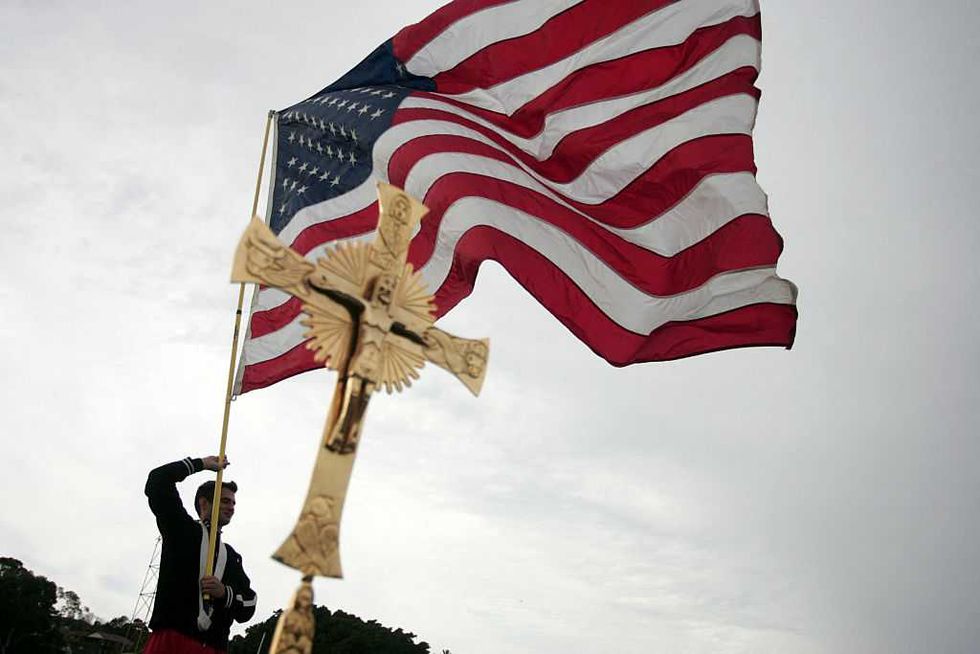 Photo by ANOEK DE GROOT/AFP via Getty Images
When asked specifically about the Supreme Court’s June 2025 ruling in Mahmoud v. Taylor, 62% of respondents signaled support for the high court’s decision to side with the Maryland parents who wanted to protect their children from LGBT propaganda in Montgomery County Public Schools.
On the question of whether public funding for education should be available to all families, including those who choose religious schools, 77% of respondents said they were mostly or completely in favor.
The report noted that “although this year’s Index found that Americans have cooled on the benefits of religion to society and are skeptical of institutions, they unify around the simple principles of religious freedom for all, even in difficult cases that invite scrutiny or controversy.”
A clear majority, 58%, of Americans said they support the right of a Christian baker to decline to make cakes that conflict with her sincere religious views.
Sixty-one percent of respondents said that the First Amendment’s guarantee of the free exercise of religion should protect Catholic priests from having to break the seal of confession as would have been required by Washington state Democrats’ now-enjoined Senate Bill 5375.
There was markedly less support for the Christian counselor in the case Chiles v. Salazar who challenged Colorado’s prohibition on so-called “conversion therapy” for non-straight youth. Only 47% expressed support for her ability to provide talk therapy to children to help them overcome their gender dysphoria.
“Year after year, the Index has made clear that religious liberty remains one of our most cherished values,” Mark Rienzi, president and CEO of Becket, said in a statement obtained by Blaze News.
“Even amid deep divisions, our nation still believes that our first freedom belongs at the heart of our culture; not as a source of conflict, but as a foundation for overcoming it,” continued Rienzi. “The work before us is to see that freedom protected for our children and theirs in the years to come.”
Like Blaze News? Bypass the censors, sign up for our newsletters, and get stories like this direct to your inbox. Sign up here!
Chuck Colson: Nixon loyalist who found hope in true obedience
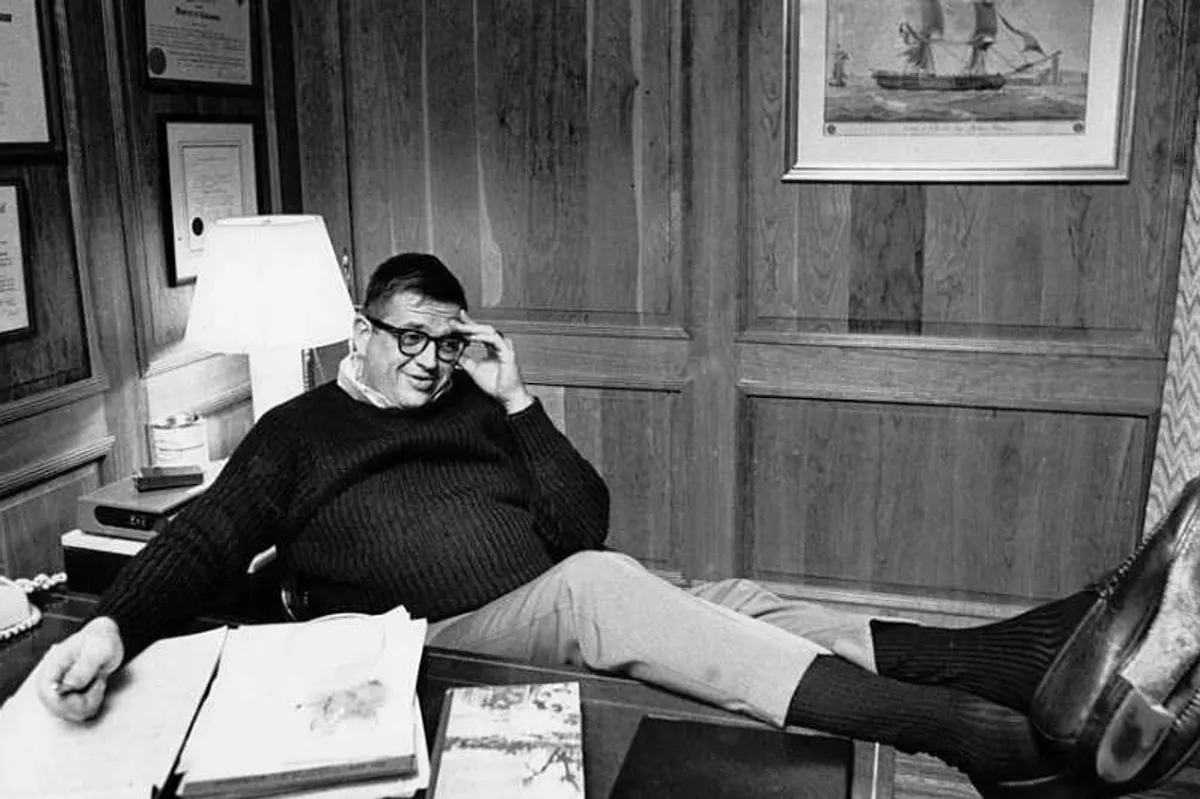
Long before he turned his life over to God, Chuck Colson burned with faith.
While working as an assistant to Massachusetts Senator Leverett Saltonstall (R), he met Richard Nixon — then vice president — and, by his own later admission, instantly became “a Nixon fanatic.” That loyalty, unwavering and severe, would become the defining feature of his life. It was also what made him so effective — and so dangerous.
For the first time in his adult life, Colson was forced to confront who he was without title, access, or leverage.
Hopelessly devoted
Colson’s devotion was not opportunistic. It was total. He believed loyalty was a virtue, even when it demanded cruelty. Years later, he would boast that he would “walk over my own grandmother” to re-elect Nixon. The line was meant to shock, but it also clarified something essential: Colson understood obedience as a moral good, independent of mercy or restraint. Colson was not a cynic pretending to believe. He was a believer who believed too much.
In Washington, that made him useful. He became the administration’s enforcer — a man willing to apply pressure, intimidate enemies, and blur lines. Politics, as Colson practiced it, was not persuasion. It was war. And war required soldiers willing to do what polite men would not.
Hatchet man
When Daniel Ellsberg leaked the Pentagon Papers, the government moved to prosecute him under the Espionage Act of 1917. For Colson, however, the embarrassment Ellsberg caused his mentor merited more than official retribution — it called for something more underhanded.
Colson’s instinct was not rebuttal but destruction: He supported efforts to smear Ellsberg as unstable and dangerous, a campaign that helped create the climate in which Nixon operatives burglarized Ellsberg’s psychiatrist’s office.
When Watergate collapsed the Nixon presidency, Colson collapsed with it. As legal consequences closed in, a friend pressed a copy of “Mere Christianity” into his hands and forced him to confront what power had allowed him to evade.
He pleaded guilty to obstruction of justice and became the first Nixon aide to get jail time. By then, the obedience he had given so freely had nowhere left to land.
Accustomed to command
Colson entered federal prison as a man accustomed to command. Early on, he braced himself for contempt from guards who knew who he was. Instead, one offered something worse: indifference — the unmistakable message that he was not special here and should act accordingly.
It was a small moment, but a decisive one. For the first time in his adult life, Colson was forced to confront who he was without title, access, or leverage. He was not feared or in control. He wasn’t even useful.
And so he began to learn a fundamental lesson of Christianity, one that power obscures: We are not self-sustaining. The first step toward obedience, Colson would later say, is realizing who you are when everything else is stripped away — and how dependent you are on grace you did not earn.
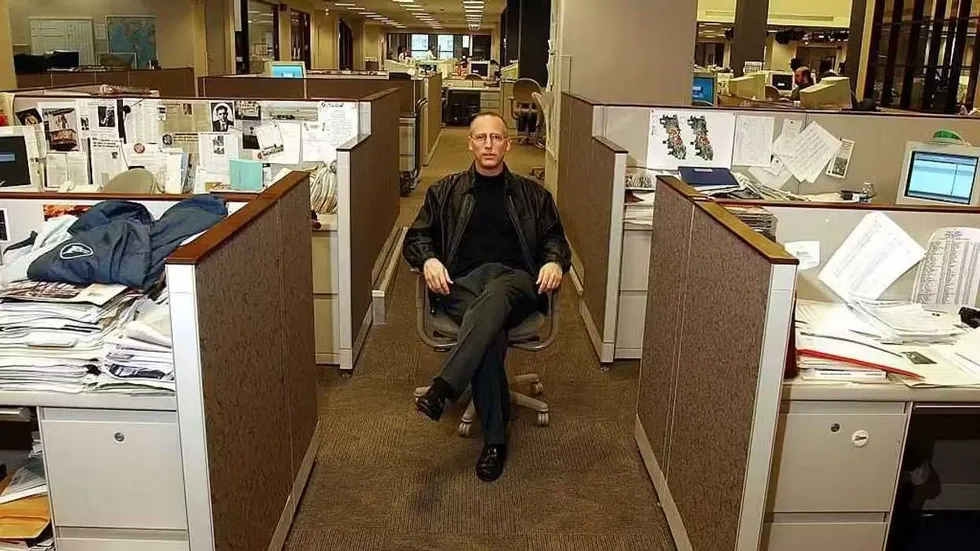 Scott Adams in 2002. Phil Velasquez/Chicago Tribune/Tribune News Service via Getty Images
Surprised by truth
After his release, Colson avoided the obvious paths. He did not rehabilitate his reputation through commentary. He did not return to politics as a chastened insider. Instead, he committed the remainder of his life to prisoners — men for whom dependence was not temporary.
“Christianity is not about becoming respectable,” Colson later said. “It is about becoming obedient.” Colson’s instinct for loyalty made him a quick study. But his newfound faith didn’t soften his nature as much as it reordered it toward something worthier.
To the end, Colson remained intense, structured, demanding, and — as those who doggedly proclaim the truth tend to be — dangerous.





