

Category: H-1b visas
America should eliminate the H-1B and replace it with THIS

Every time immigration comes up, it’s painted as a choice of extremes. Compassion or common sense? No immigration or no rules?
That’s a false choice — and it’s one that benefits only the politicians who’d rather argue than govern.
Preferring immigration that strengthens our economy instead of undercutting it is just common sense.
The recent controversy over H-1B visas is a perfect example. Americans are waking up to the reality that this program, sold as a way to fill “critical skills gaps,” too often does the opposite. It replaces U.S. workers, suppresses wages, and gives leverage to corporations that have every incentive to choose cheaper foreign labor over American talent. That’s not America First. That’s America Last — with a diversity slogan slapped on top.
But here’s what the media and the political class won’t tell you: Not all immigration programs are created equal. And if we’re serious about prioritizing American workers, jobs, and communities, we should be talking a lot more about the policies that actually deliver.
Programs like the EB-5 investor visa system.
Unlike H-1B, EB-5 doesn’t take jobs from Americans. Instead, it creates them. It doesn’t offer handouts. It requires real skin in the game from applicants. And with a strict cap of 10,650 visas, it maintains a controlled influx of immigrants, keeping America stable and secure.
Here’s how it works: A foreign applicant invests at least $1.05 million — or $800,000 if the investment is in a targeted employment area, such as a rural community or a region with high unemployment. Returns are not guaranteed. If the investment fails, the investor loses his money.
In exchange, he gets a chance at a green card — only if he meets strict requirements and proves his investment generated American jobs.
That’s the key: EB-5 doesn’t promise success; it requires it.
RELATED: ‘A direct path to Citizenship’: Trump announces official launch of Trump Gold Card visa program
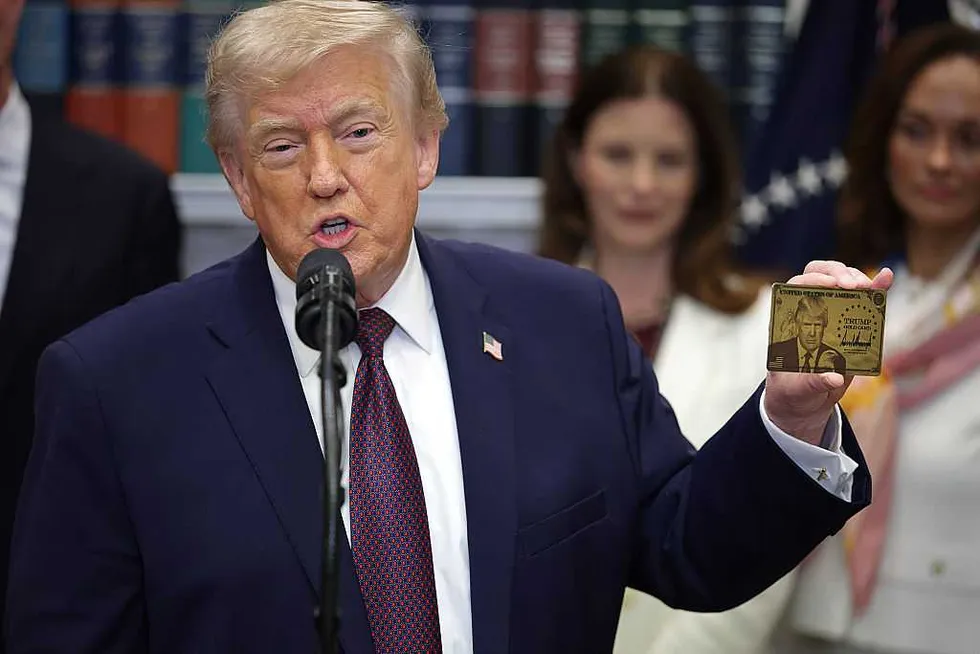 Photo by Alex Wong/Getty Images
EB-5 aligns incentives the way immigration policy should. Investors succeed only if American communities succeed. Jobs must be created here, projects must be built here, and money must stay here. That’s a far cry from visa programs that reward outsourcing, encourage dependency, and leave taxpayers holding the bag. EB-5 treats U.S. residency as something to be earned.
The results speak for themselves. Between 2008 and 2021, the program generated $43.9 billion in foreign direct investment. That money translates to real American improvement through projects like hotels, infrastructure, commercial developments, and housing. From 2010 to 2013 alone, EB-5 investments were responsible for creating over 100,000 American jobs.
Contrast that with H-1B, where companies can import foreign workers, often at lower wages, to the detriment of American citizens.
Critics love to point to early reports of fraud in the EB-5 program. What they conveniently leave out is that those cases were tied to bad actors running projects — not the investors themselves. The perpetrators were prosecuted. Reforms followed.
In fact, the program has been significantly strengthened over time. Investment thresholds were raised in 2019 to ensure only serious investors qualify. Then came the 2022 reforms, which added even more transparency, oversight, and accountability.
That’s how a healthy immigration system is supposed to work. When abuse was identified, Congress stepped in. Oversight increased. Standards tightened. Transparency improved. Instead of scrapping a productive program, lawmakers fixed it — proving that enforcement, not abandonment, is the answer when a policy shows real promise.
The compliance data doesn’t lie. U.S. Citizenship and Immigration Services reported a 94% decrease in I-829 petition denials by 2015 — meaning the overwhelming majority of participants were meeting the program’s requirements.
That’s what responsible immigration looks like: high standards, strict enforcement, and real benefits for America.
RELATED: Chip Roy’s immigration blitz hits the lawless left and the squish right
 Photo by Graeme Sloan/Bloomberg via Getty Images
And let’s address another elephant in the room. EB-5 doesn’t fast-track voters. It doesn’t hand out political favors or rely on emotional blackmail about being “anti-immigrant.” It’s transactional, transparent, and limited by design.
You invest. You create jobs. You follow the rules. Or you don’t qualify.
That’s it.
For years, Americans have been told that questioning immigration policy makes them heartless. But there’s nothing heartless about asking whether a program actually helps this country. Preferring immigration that strengthens our economy instead of undercutting it is just common sense.
If Washington insists on talking about immigration, let’s at least talk honestly. Programs like H-1B deserve scrutiny — and reform — because they too often put corporations ahead of citizens. Programs like EB-5, when properly enforced, do the opposite.
America doesn’t need more slogans. We need smarter policy. And that starts with rewarding systems that put Americans first.

EXCLUSIVE: In Wake of Free Beacon Report, Trump Administration To Investigate Federal Contractors That Say They Won’t Hire US Citizens
Several IT firms that appear to bar U.S. citizens from certain jobs also have contracts with the federal government, suggesting that they are discriminating against Americans even as they receive millions in taxpayer largesse.
The post EXCLUSIVE: In Wake of Free Beacon Report, Trump Administration To Investigate Federal Contractors That Say They Won’t Hire US Citizens appeared first on .
America didn’t lose its tech edge — globalist CEOs gave it away
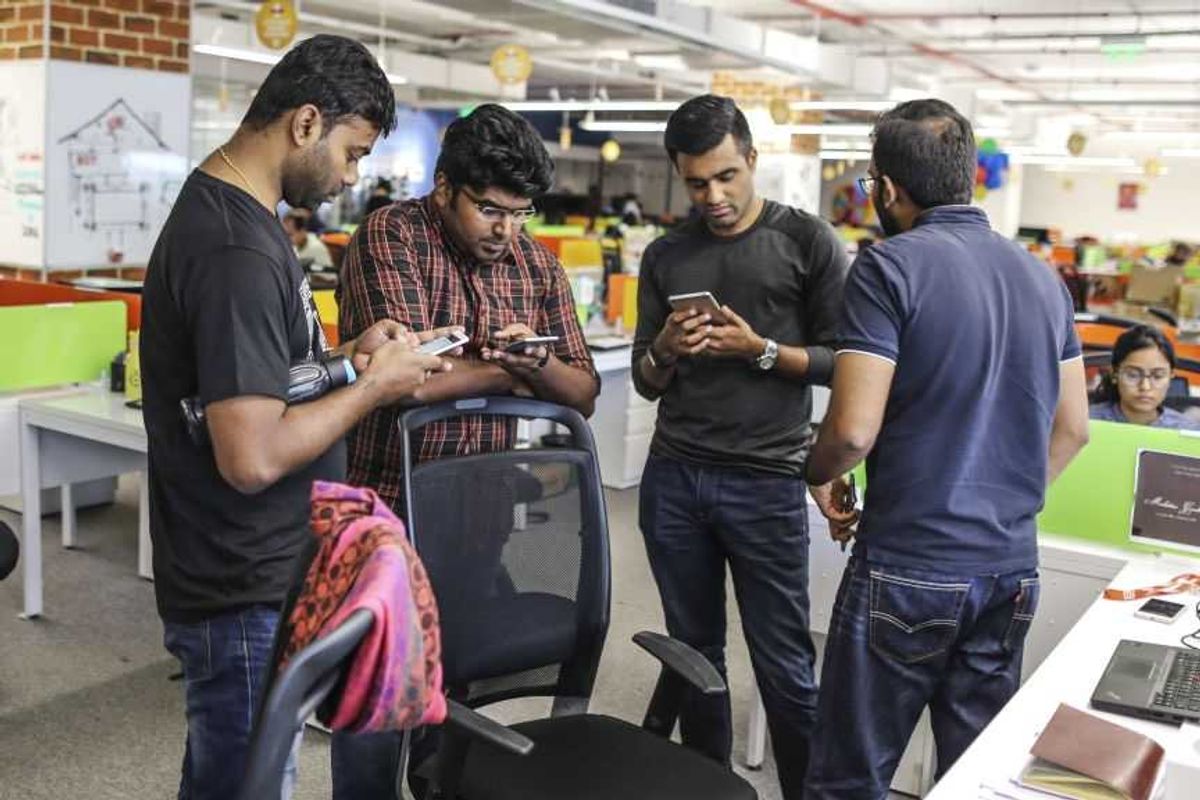
Everything you interact with is now built by people who don’t understand you, and your kids are pushed out of the job market.
From the front lines of corporate tech, I can confirm what many Americans already suspect: The H-1B program has produced a workplace disaster. It has compromised security. It has degraded the quality of everyday software. Worst of all, it has crushed the job prospects of American workers.
We don’t need to accept a corporate-designed future in which our industries no longer employ us and the products no longer serve us.
I’ve spent more than a decade inside corporate tech. In that time — especially after COVID — the number of Americans on my left and right has steadily dropped. Meanwhile, offshore offices multiply and more foreign workers arrive under visas. And they’re not doing low-stakes tasks. They’re building internal portals for insurance companies, managing databases that store your medical records, and writing the code behind your bank and utility apps.
Look at the results. Your bank’s mobile app crawls. Basic online bill-pay feels like an endurance test. Everyday American services — airlines, grocery chains, utilities — deploy software that barely works. The root cause sits in boardrooms across the Fortune 500: fire Americans, import cheaper labor, and call it efficiency. Why pay an American engineer $150,000 when an H-1B worker costs $100,000 and can be deported for missing an unrealistic goal?
Here’s the pattern I’ve watched repeat across company after company.
An H-1B hire climbs the ladder to director or vice president. He earns that rise largely by finding “inefficiencies,” which usually means firing Americans. He then pushes leadership to open more H-1B slots or to contract with a “consulting firm” staffed almost entirely from abroad.
Executives applaud because the invoices are low and the offshore teams rarely say no to any request, no matter how impossible. And when the savings look good enough, leadership shutters the American division altogether and replaces it with an “innovation center” in Bangalore. Look at the savings!
The American worker who survives this gets a grim reward: meetings at 6 a.m. to accommodate India Standard Time, an office filled with co-workers who share neither language nor culture, an org chart dominated by unfamiliar and unpronounceable names, and a career path with no upward mobility. And that’s if the worker is fortunate enough to have a job at all. Bleak.
The numbers paint an even darker picture. According to the Cengage Group’s 2025 Employability Report, only 41% of 2024 college graduates found full-time work related to their fields. In 2025, that number fell to 30%. Some analysts blame AI, but the claim doesn’t survive contact with reality. A recent MIT report found that despite $30-$40 billion in corporate spending on AI tools, 95% of organizations show no return on that investment — even though nearly half of office workers already use AI in some form.
RELATED: The H-1B system is broken. Here’s how to fix it.
 Photo by DANIEL SLIM/AFP via Getty Images
If AI were truly replacing white-collar workers at scale, why did these same corporations ask the federal government to approve 141,207 H-1B visas in 2024?
The truth is simpler: Importing cheaper, compliant labor remains the easiest way for corporate leadership to cut costs, pad bonuses, and build bigger homes in Southlake — while American workers pay the price.
America is not obligated to subsidize its own replacement. We don’t need to accept a corporate-designed future in which our industries no longer employ us and the products no longer serve us. The American middle class built the modern technology economy. It should not be pushed aside so that executives can chase savings that hollow out the country one layoff at a time.
Enough.
Crush the H-1B program: MTG’s proposed bill aims to stop companies from depressing American wages with foreign workers
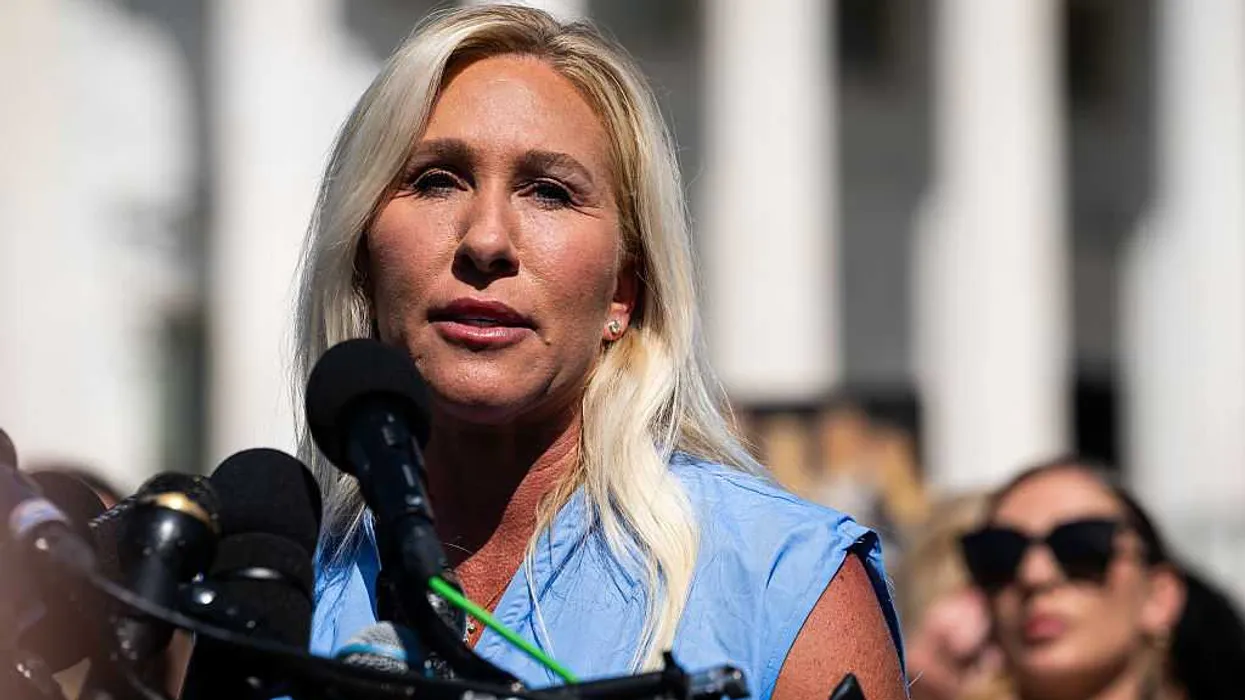
Rep. Marjorie Taylor Greene (R-Ga.) plans to introduce a bill to eliminate a controversial visa program.
On Thursday, Greene announced that she would propose legislation to “aggressively” phase out the H-1B program, which allows foreign nationals to enter the U.S. to fill “specialty occupations.”
‘My bill will take away the pathway to citizenship, forcing visa holder to return home when their visa expires.’
The requirements of the program state that the individual must provide “theoretical and practical application of a body of highly specialized knowledge.” However, critics of the program argue that it has been exploited to flood the U.S. labor market with foreign labor, resulting in fewer jobs and depressed wages.
“For far too long, Big Tech, AI companies, hospital systems, and corporations across the board have abused this system to undercut hard working Americans,” Greene said in a statement provided to Blaze News.
She explained that her bill would eliminate the program to ensure American workers are prioritized in every industry.
“I believe in the strength, talent, and incredible potential of the American people,” Greene declared.
RELATED: The H-1B system is broken. Here’s how to fix it.
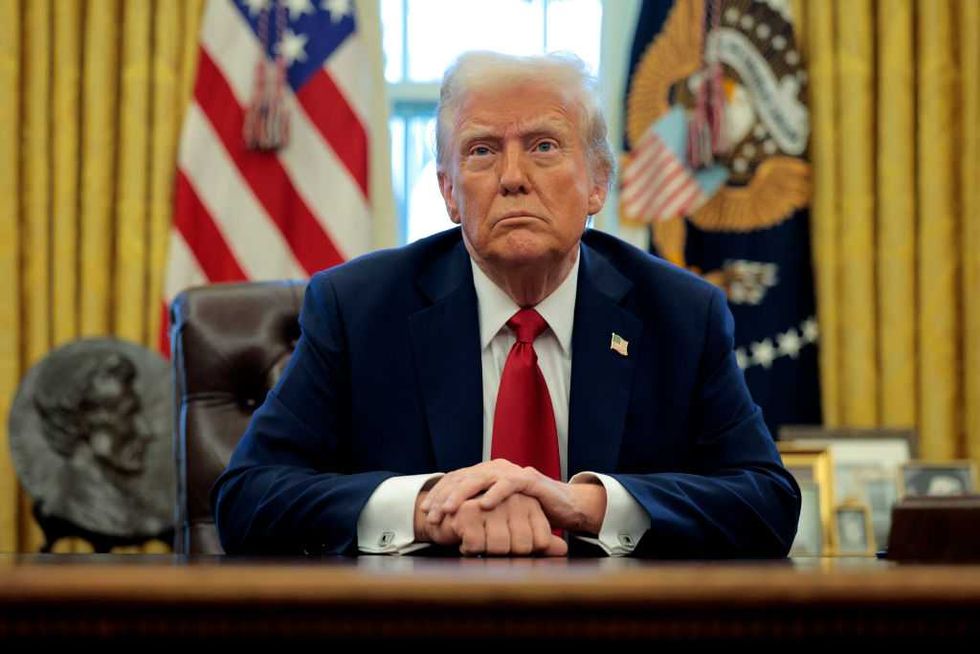 President Donald Trump. Photo by Chip Somodevilla/Getty Images
Greene stated that the bill would allow only one exception: a 10,000-per-year cap on visas issued to medical professionals. However, she noted that even this exception would be phased out over a 10-year period.
“My bill will also restore the original intent of the visa, for it to be temporary. These visas were intended to fulfill a specialty occupational need at a given time. People should not be allowed to come and live here forever,” Greene said in a video posted to X. “My bill will take away the pathway to citizenship, forcing visa holder to return home when their visa expires.”
RELATED: Trump admin announces major H-1B visa abuse investigation, but critics want more
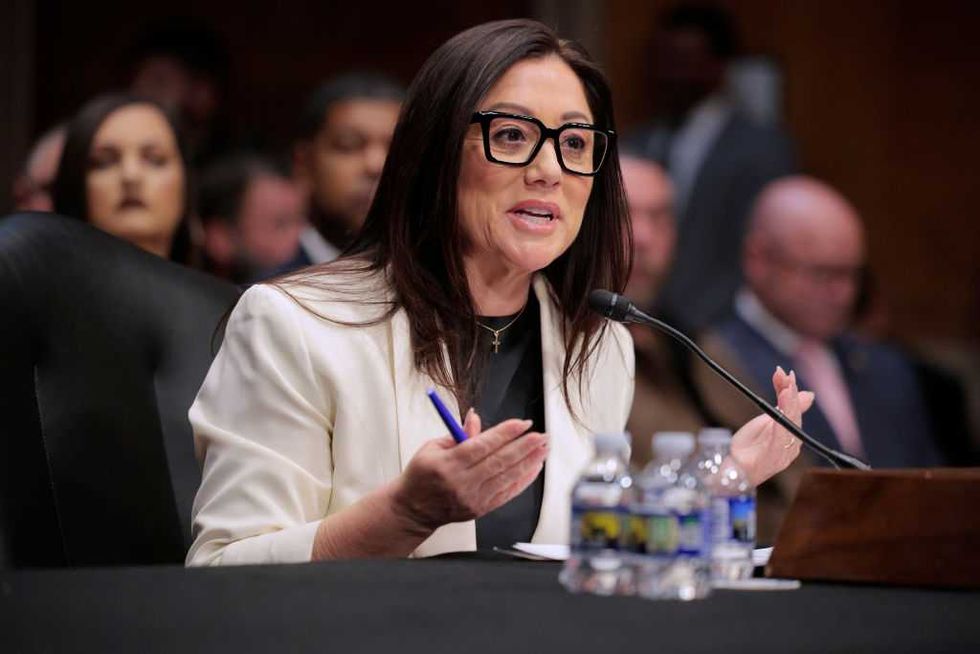 Lori Chavez-DeRemer. Photo by Chip Somodevilla/Getty Images
President Donald Trump, during an interview with Fox News that aired this week, expressed support for the H-1B program, stating that it is essential for bringing in individuals with specific talents and for training American workers in those specialized areas.
In a separate interview, U.S. Labor Secretary Lori Chavez-DeRemer told Fox Business, “There are companies who are using the H-1B visa program, who are abusing the program. What we want to make sure is we’re always protecting the American worker.”
“We will clamp down on these companies who are abusing and depressing wages and not protecting the American worker first,” Chavez-DeRemer added.
“We don’t need to import a foreign workforce when we have brilliant Americans ready to work and ready to succeed,” Greene said in a statement provided to Blaze News. “My bill shuts down the corrupt H-1B pipeline and puts Americans first again, just like we should’ve been doing all along.”
“The impact of this bill will be massive — Americans securing good paying jobs will also help the housing market. They will no longer have to compete with legally imported labor on visas.”
Like Blaze News? Bypass the censors, sign up for our newsletters, and get stories like this direct to your inbox. Sign up here!
The H-1B system is broken. Here’s how to fix it.

Imagine spending four years studying to become an engineer or computer scientist, believing a STEM degree would guarantee success, only to graduate jobless.
That isn’t a hypothetical. It’s the reality facing thousands of young Americans. According to the Federal Reserve Bank of New York, graduates in physics, computer engineering, and computer science now face some of the highest unemployment rates of any field.
American workers have lost out on jobs given to visa holders and have been forced to work for lower wages, creating a race to the bottom for companies to treat workers as widgets.
America’s flawed H-1B visa system is a major reason why. Established under the Immigration Act of 1990, the H-1B program was intended to let companies hire exceptional foreign specialists only when no qualified Americans were available.
It no longer serves that purpose. Today the H-1B has become the nation’s largest temporary work visa program, with nearly 600,000 foreign workers and 50,000 participating companies. In 2022, the 30 biggest H-1B employers hired more than 34,000 new visa workers while cutting roughly 85,000 existing jobs.
Companies claim they can’t find American STEM talent, yet the numbers tell a different story. In 2023, roughly 134,000 Americans and green card holders earned computer science degrees. That same year, the federal government issued work permits to 110,000 foreign guest workers in computer-related jobs.
In some STEM fields, up to half of new American graduates can’t find work. Tens of thousands of qualified workers remain unemployed while their government floods the market with cheaper, compliant labor.
How companies game the system
The law requires H-1B workers to be paid the same as Americans, but reality tells another story. In 2019, 60% of H-1B positions paid below the median wage for comparable U.S. workers. The visa lottery treats low-paying jobs and high-paying jobs the same, incentivizing companies to pursue cheap labor.
Even the statutory cap on H-1B visas doesn’t stop abuse. A loophole known as Optional Practical Training lets foreign students work in the United States for up to a year after graduation, or three years if they hold a STEM degree.
OPT isn’t authorized by law. It has no cap, no wage floor, and no accountability. Worse, it acts as a corporate subsidy because employers don’t pay payroll taxes on any of the half million foreign workers now in the country under this program.
Time for a real fix
Even the architects of the H-1B system admit it’s broken. Former Connecticut Rep. Bruce Morrison, a Democrat who helped design the visa in 1990, told “60 Minutes” in 2017 that “the H-1B has been hijacked as the main highway to bring people from abroad and displace Americans.”
To build on that effort, I’ve reintroduced the American Tech Workforce Act, which attacks the problem on three fronts.
RELATED: Trump admin announces major H-1B visa abuse investigation, but critics want more
 Photo by Andrew Harnik / Contributor via Getty Images
First, it raises the wage floor. Companies that truly need foreign specialists should pay them the same as top American workers, ending the incentive to undercut domestic wages.
Second, it closes the OPT loophole. Foreign students shouldn’t have a back door to replace American graduates. The jobs belong to the people who earned them here.
Finally, my bill would shut down staffing scams. Third-party agencies flood the H-1B lottery with low-quality applications to drive down wages. My bill blocks those schemes and creates a true marketplace where visas go to the highest bidders — boosting both fairness and economic value.
According to the Institute for Progress, these reforms would strengthen the economy by $1.1 trillion over the next decade.
Putting Americans first
The current system rewards corporate exploitation and punishes American ambition. Workers lose jobs, wages stagnate, and graduates who followed every rule are told to wait in line behind foreign contractors. Discrimination based on national origin is already illegal, yet Washington’s visa policies effectively endorse it.
President Trump’s executive order, combined with the American Tech Workforce Act, offers a rare opportunity to restore sanity to the system. We can defend innovation while defending American workers — the people who built this country and still drive its future.
The next generation deserves more than broken promises and outsourced dreams. They deserve a fair shot to work, build, and thrive in the nation they call home.
Trump admin announces major H-1B visa abuse investigation, but critics want more
The H-1B visa program, which has effectively imported hundreds of thousands of immigrants, most of whom are from India, has gained much-needed attention in recent months as abuse of the system has come to light. On Friday, the Department of Labor provided an update on its September initiative, Project Firewall.
On Friday, the Department of Labor announced on X: “As part of our mission to protect American Jobs, we’ve launched 175 investigations into H-1B abuse.”
The agency said that it had discovered a ‘bounty of concerns.’
Secretary Lori Chavez-DeRemer said that the Department of Labor is “using every resource at our disposal to put a stop to H-1B abuse and protect American Jobs. Under the leadership of @POTUS, we’ll continue to invest in our workforce and ensure high-skilled job opportunities go to American Workers FIRST!”
RELATED: ‘Executive fiat’: Biden-era rule change quietly permits H-1B visa holders to work remotely
 Photo by Andrew Harnik/Getty Images
Fox News reported that government officials were unable to comment on the exact nature of the new investigations. The agency said that it had discovered a “bounty of concerns.”
While the investigations are a sign of improvement, the number of investigations is strikingly low, critics say.
Virgil Bierschwale, a leading critic of H-1B visas and their impact on American workers, responded to the announcement, “I can quickly bring that up to 32,000 companies being investigated if you have the manpower.”
The exact number of so-called “H-1B dependent employers” is unknown, but many are believed to be in the rapidly proliferating tech sector.
According to a Department of Labor fact sheet, an employer qualifies as H-1B dependent if it has eight visa workers at a company with fewer than 25 employees, 13 or more visa workers at a company with between 26 and 50 employees, or 15% of the workforce at companies with more than 51 employees.
On X, Eric Daugherty echoed the calls for increased investigations: “Good. We need MORE!”
Others pointed out that the abuse of the system should be cause for ending new visa approvals. One commenter said, “Why approve any when fraud is this rampant?”
This round of investigations follows the Trump administration’s September 19 plan to force companies to pay $100,000 for new H-1B visas in an attempt to incentivize hiring American workers.
Like Blaze News? Bypass the censors, sign up for our newsletters, and get stories like this direct to your inbox. Sign up here!
How H-1B hires broke USAA’s bond with veterans
The United Services Automobile Association is one of the most venerable names in banking and insurance, a company that prides itself on its service to members of the military and their families. In recent years, however, USAA has run into serious financial trouble due to a combination of mismanagement, fashionable diversity, equity, and inclusion policies, and the firm’s increasing reliance on incompetent and untrustworthy H-1B workers, most of whom are from India.
A significant number of current and former USAA employees have come forward to discuss what they describe as a toxic workplace culture, which has led to an alarming number of employee suicides, and the company’s outsourcing of critical functions to H-1Bs and Indian consultancies, putting at risk the financial data of its customers, which include high-ranking members of the U.S. armed forces.
What began as a cost-cutting strategy in the early 2000s now threatens the stability of an institution long trusted by veterans.
Insiders granted anonymity to avoid retaliation say USAA’s decline began in the 2000s under then-CEO Robert G. Davis, who outsourced IT and other core functions to H-1B contracting firms such as Tata Consultancy Services. Those firms imposed contracts requiring USAA to maintain minimum staffing levels, creating chronic overstaffing. Idle contractors were reportedly assigned “busywork” to meet quotas, with conference rooms converted into laptop farms where workers sat “packed like sardines.”
One insider described the result as “incredibly incompetent” operations. Projects that U.S.-based employees could complete on time were instead handed to H-1B contractors who often lacked the necessary skills and required retraining.
From cost-cutting to collapse
At the same time, USAA repeatedly laid off American staff and replaced them with foreign workers, driving labor costs higher and eroding institutional knowledge. Davis retired abruptly in 2007, but his successors continued his policies, expanding USAA’s offshore footprint with new IT centers in Guadalajara, Mexico, and Chennai, India.
Insiders say H-1B contractors at USAA often lack basic programming skills, compounding inefficiency. In one case, a credit card processing problem baffled contractors for six months until the company brought back a retired American employee, who solved the problem in a matter of days. The constant visa turnover worsens the issue. Skilled H-1Bs leave after six years, draining institutional knowledge. Turnover is even higher at USAA’s Guadalajara facility, where Indian employees reportedly fear cartel violence.
Bureaucratic bloat magnifies these problems. Each team has dual directors, and many systems rely on outdated software. That dysfunction has drawn scrutiny from federal regulators, who fined USAA for failed audits and violations of anti-money-laundering laws. Those failures forced the company to sell off divisions, including real estate, and pushed USAA into persistent losses through much of the decade.
Customers have also felt the effects. Many complain that poorly trained H-1B staff struggle to handle basic service requests. One customer said resolving a fraud alert took hours — and that he now contacts USAA’s top executives directly to get results.
Security risks and cultural decay
USAA’s growing dependence on H-1B contractors and overseas labor has created potential security and compliance risks, according to multiple insiders. The company has outsourced anti-money laundering work to Tata Consultancy Services, which reportedly performs much of that work in India. As a result, the personal financial data of U.S. service members and veterans may be stored or processed abroad.
USAA also shares customer data — including names, addresses, and birth dates — with LexisNexis, with no option for customers to opt out. One customer said he only discovered this practice after receiving a notice in the mail.
RELATED: The visa that ate America’s tech jobs
 subodhsathe via iStock/Getty Images
Inside the company, these policies have coincided with a marked decline in morale. Mass layoffs of veteran employees have preceded at least three suicides, including one who shot himself in a company parking lot. A former director described intervening to stop another potential suicide. Tensions intensified during the COVID-19 pandemic, when USAA defied Texas Republican Gov. Greg Abbott’s executive order banning vaccine mandates.
Employees describe a sharp cultural shift away from USAA’s traditional military ethos toward a mishmash of corporate diversity programming. The company has hosted Diwali celebrations and mandatory DEI events while facing allegations of religious discrimination against Christian employees. One former employee has taken a case to arbitration. Internal surveys reportedly show employee satisfaction at just 33%.
An institution on the brink
Analysts say the company’s reliance on foreign labor and internal instability have eroded its reputation for customer service and financial stewardship. What began as a cost-cutting strategy in the early 2000s now threatens the stability of an institution long trusted by veterans.
Whether USAA can recover will depend on its ability to restore confidence — both among employees and the members it was established to serve.
Editor’s note: The headline and subheadline of this article have been edited after publication.
DeSantis demands end to ‘cheap’ H-1B labor at Florida universities: ‘Why do we need to bring someone from China?’
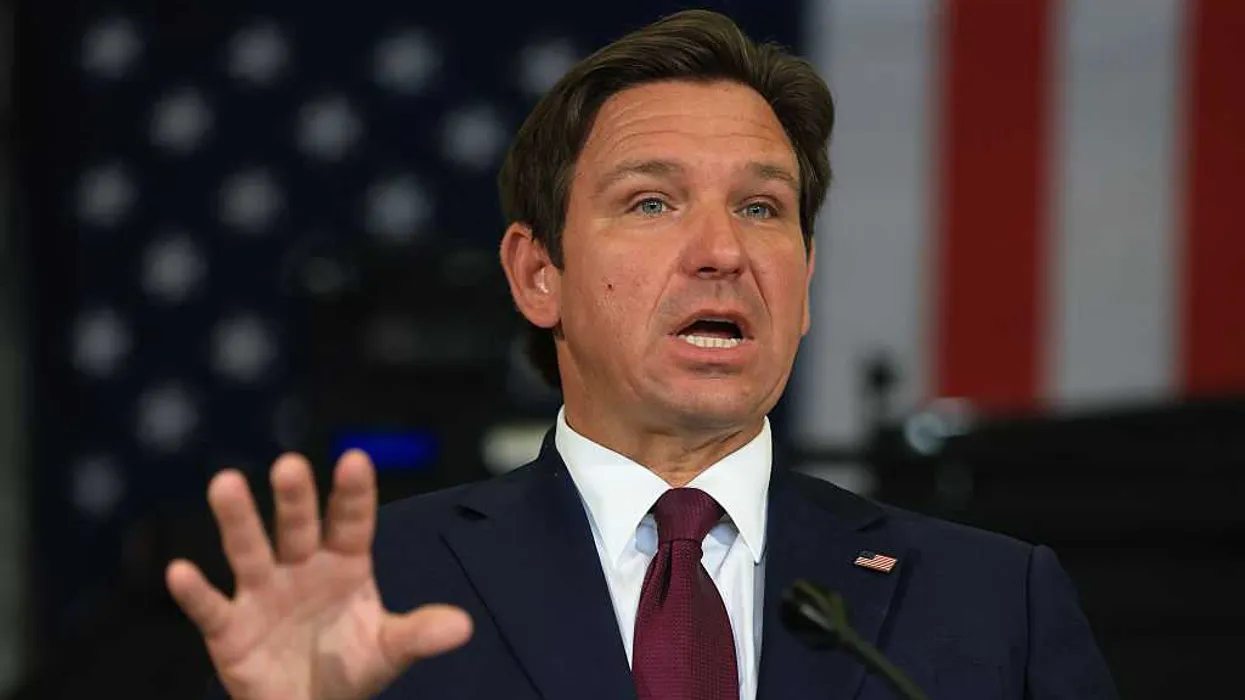
Public universities in Florida may soon have to hire more Americans, thanks to a decision from Republican Gov. Ron DeSantis.
In an announcement on October 29, DeSantis directed the Florida Board of Governors to “pull the plug” on the use of H-1B visas for faculty and staff at Florida state universities.
‘Why do we need to bring someone from China to talk about public policy?’
In explaining the decision, DeSantis criticized companies for prioritizing visa-holders over American workers: “These tech companies will fire Americans and hire H-1B at a discount. … This is basically, in some respects, cheap labor that they’re bringing in to try to save money.”
The governor said these practices hurt American workers, who should be first in line at American universities.
DeSantis said his administration has discovered many examples of unnecessary H-1B hires in the university system. “You got a computer application professor from China, public policy professor, China. Why do we need to bring someone from China to talk about public policy?” DeSantis asked.
He went on to list more examples, citing them as proof of the threat that H-1B visas pose to American workers, particularly when visa workers can be paid significantly less.
RELATED: Senate Republicans betray Trump, help Democrats try to block tariffs
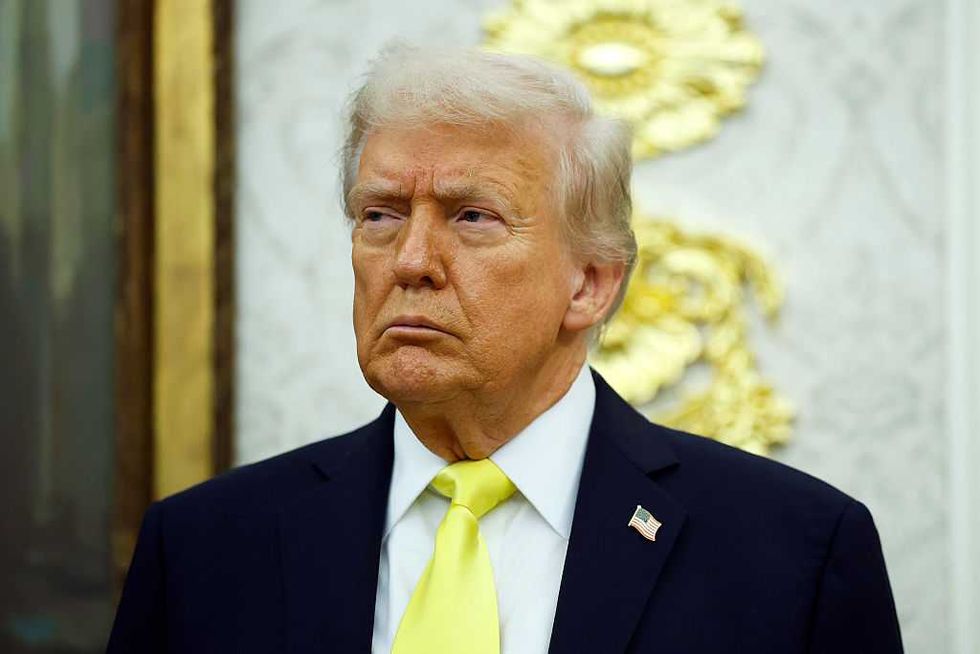 Photo by Kevin Dietsch / Contributor via Getty Images
To address the issue, DeSantis announced, “I am directing the Florida Board of Governors to pull the plug on the use of these H-1B visas in our universities.” He went on to say that staff and faculty jobs can be filled “with our residents in Florida or with Americans.” The Florida Board of Governors oversees the state’s 12 public universities.
The H-1B visa program has recently become a hotbed issue. On September 19, President Trump signed a proclamation requiring companies to pay a $100,000 fee for new H-1B hires. In August, the Young Republicans of Texas announced they would endorse only national candidates who oppose the H-1B program.
Like Blaze News? Bypass the censors, sign up for our newsletters, and get stories like this direct to your inbox. Sign up here!





