

Category: Islam
The West’s Embrace Of Mass Third-World Migration Is Civilizational Suicide
 The West’s mass importation of Third-Worlders with no emphasis on assimilation has been, is, and will continue to be a complete failure.
Glenn Beck warns: Sydney’s Hanukkah bloodbath proves the West is sleepwalking into another Holocaust
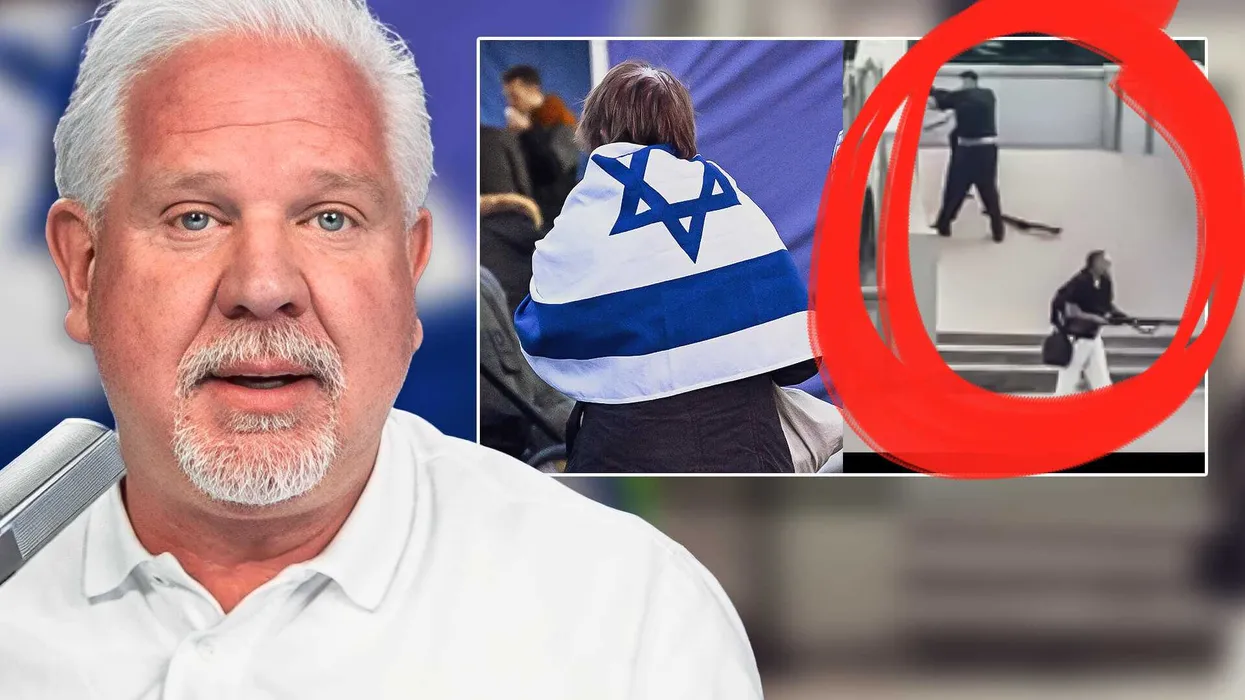
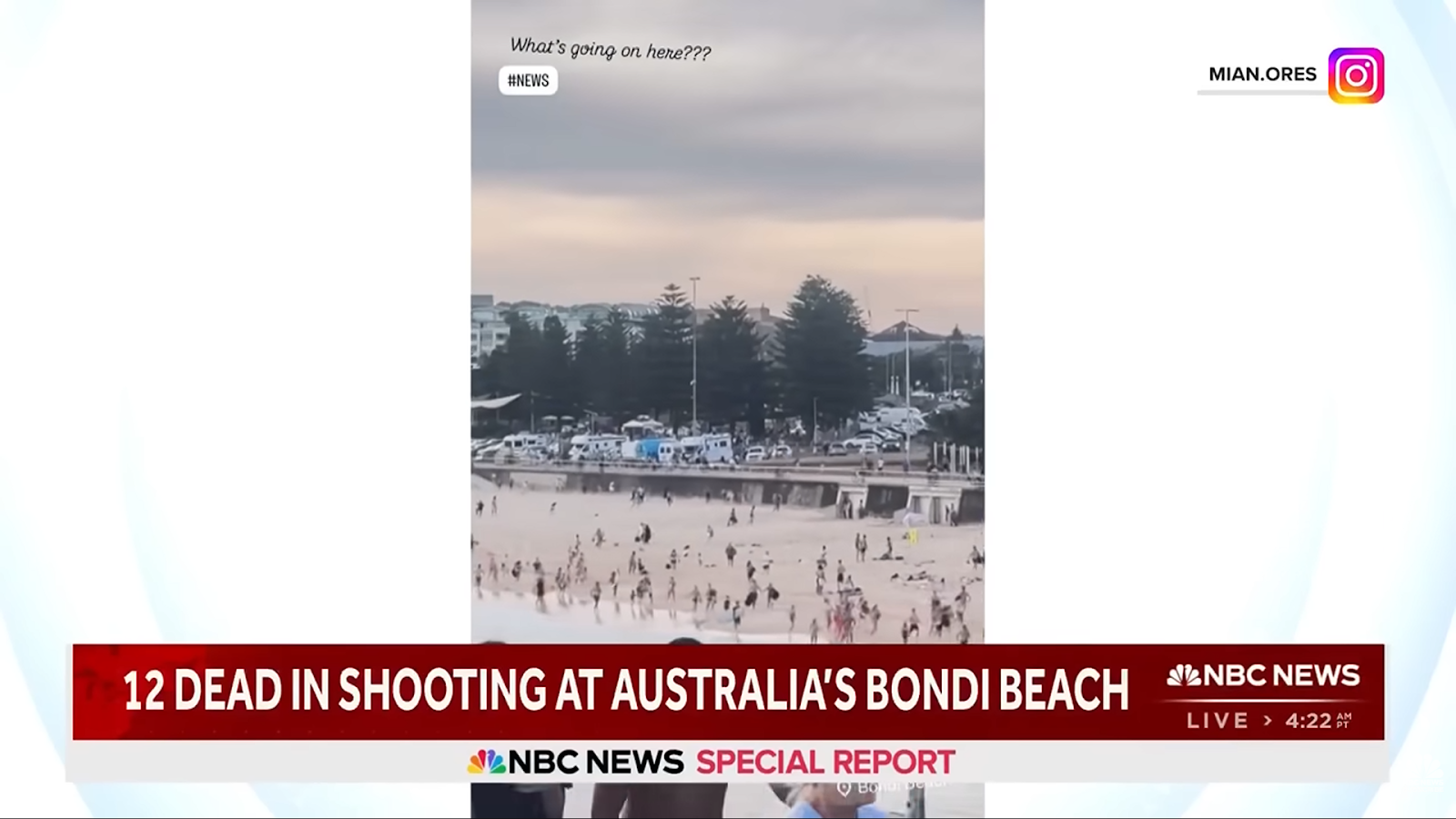
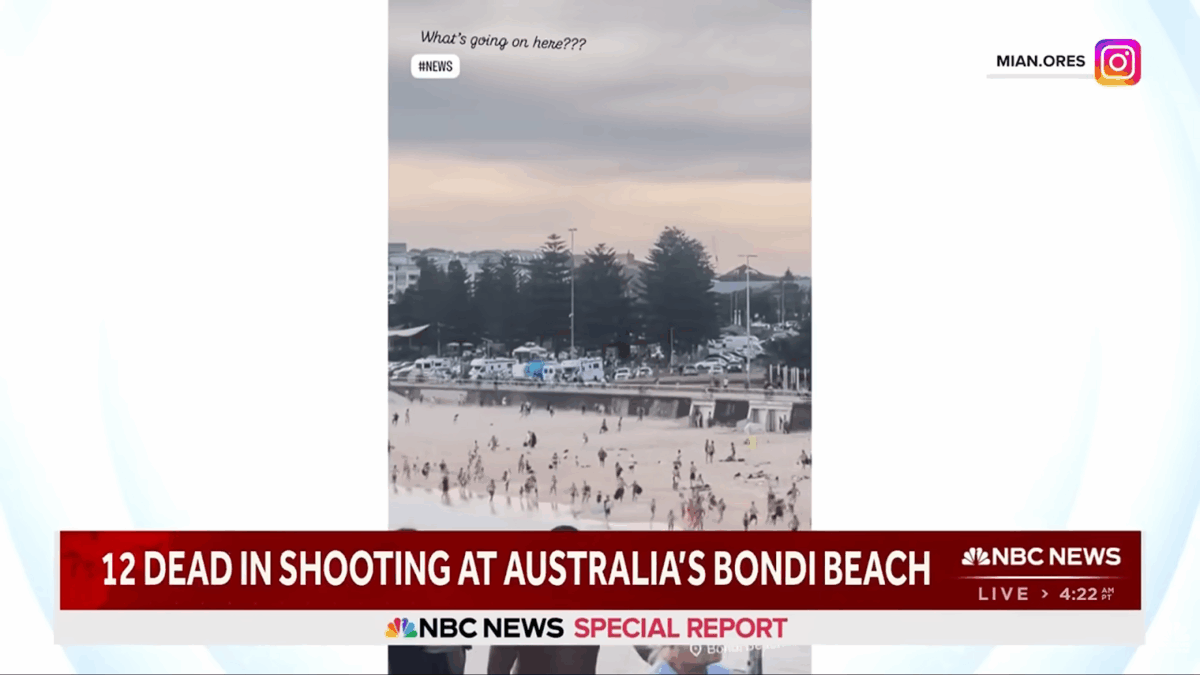
On December 14, two gunmen — a father and son radicalized by Islamic State ideology — opened fire on a crowded Hanukkah celebration at Sydney’s Bondi Beach, killing 15 people, including children and elderly victims, and injuring over 40 others in what authorities declared a targeted anti-Semitic terrorist attack.
While it was certainly the deadliest, this wasn’t the only anti-Semitic violence that happened last weekend. In Amsterdam, pro-Palestinian protesters disrupted Hanukkah concerts at the Concertgebouw concert hall by throwing smoke bombs, chanting anti-Semitic slogans, and attempting to storm the venue. In Los Angeles, a drive-by attack targeted a Jewish family’s home, which was decorated for Hanukkah. An unidentified person fired shots while yelling anti-Semitic slurs.
Glenn Beck says these targeted attacks on Jewish people reveal an uncomfortable truth most don’t want to admit: Once again, we find ourselves on the same fertile ground that cultivated Hitler’s crusade.
“Jewish people carry history, not as abstraction, but as inheritance,” Glenn says. “And it lives in names that are whispered at dinner tables and photographs rescued from ash in stories that begin with, ‘And we thought it would never happen here.”’
He comments that before WWII, “polite society everywhere” ignorantly believed that lie — that genocide could never happen on their civilized turf. But then it did, ushering in incomprehensible war and death.
Glenn warns that today, we’re making the same mistake. We’re primed for another Holocaust, and we can’t even see it.
But the signs are everywhere.
“Shadows that all of us hoped were buried forever — hatred with organization, ideology, hatred with teeth, violence, justification — they’re no longer whispers,” he says. “They’re shouting it now in our streets. They’re shouting it in the streets of Australia. They’re shouting it in the streets of Germany and England and France and Norway.”
“They’re burning flags. They’re firing guns. They’re chanting not only, ‘Death to the Jew,’ but, ‘Death to the West,’ ‘Death to Canada,’ ‘Death to the U.S.,’ ‘Death to Europe.”’
But the West, brainwashed by progressive dogma that repackages self-sabotage as inclusivity, is “tolerating it.”
For years, Australia’s Jewish community warned authorities that anti-Semitism was “metastasizing into something ideological and organized and deadly,” but they were dismissed and told to “calm down.” They were told that “multicultural harmony would manage itself.”
“But it didn’t, because it doesn’t. Ideology doesn’t dissolve when it’s ignored. It consolidates. It grows,” Glenn says.
And grown it has — all across the West from Europe to America to Australia.
As a result, today, “Jewish schools [are] guarded like fortresses” and “Jewish families [wonder] whether visibility itself is now a liability,” Glenn laments. “And yet all across the West, officials hesitate to name the problem clearly. So let me do it precisely, truthfully.”
“Islamism is a political ideology. It’s not about faith. It is about power. It’s the belief that society has to be governed by religious law — Sharia law — that freedom of conscience is illegitimate, that women are subordinate, that dissent is heresy, and that the world and everybody in it has to submit,” he lays bare.
This isn’t myth or exaggeration either. It’s their doctrine — documented in writing and preached to the masses.
“Any culture built on individual liberty, freedom of speech, equality before the law — it can’t survive alongside an ideology that views all of those principles as sins or as an affront to Allah,” Glenn says.
Western nations ignorantly “assume that everybody ultimately wants to live and to compromise and live side by side. We assume violence is accidental. We assume that it’s a lone wolf. We assume that words like ‘tolerance’ and ‘dialogue’ mean the same thing to everybody. But they don’t,” he continues.
We have to stop treating Islamism as anything other than what it is: a worldview incompatible with Western ideology.
“I ask you to think about what it feels like to be Jewish today because of the Jewish people, but also because you’re next,” Glenn warns. “Jewish communities always pay the price first. They always do. And believe me, you are on the list — you, your faith, your freedom, your children are on the list.”
“History shows this with brutal consistency. When a society begins to rot from ideological cowardice, the Jews are always the early warning system. They’re the canary in the coal mine,” he analogizes.
The question is: Will we first wake up and see it? And then will we have the courage to do something about it?
“If we refuse to do that work now, our children are going to have to do it later under far worse conditions,” Glenn says.
“[We’re] running out of time.”
Want more from Glenn Beck?
To enjoy more of Glenn’s masterful storytelling, thought-provoking analysis, and uncanny ability to make sense of the chaos, subscribe to BlazeTV — the largest multi-platform network of voices who love America, defend the Constitution, and live the American dream.

Australian PM Anthony Albanese Omits Jews in Statement on Hanukkah Massacre
Australian prime minister Anthony Albanese released a statement after Sunday’s terror attack on a Hanukkah celebration in Sydney in which he made no mention of Jews or anti-Semitism.
The post Australian PM Anthony Albanese Omits Jews in Statement on Hanukkah Massacre appeared first on .
Ted Nugent’s loud protest is the wake-up call Western elites want to ignore

Ted Nugent is known for many things. Subtlety isn’t one of them.
This is a man who treats volume knobs the way toddlers treat bedtime: with open defiance. So when a mosque in his Michigan town began broadcasting the early-morning call to prayer over loudspeakers, Nugent reacted in the way only Nugent would. He turned his back yard into a launchpad for a one-man rock assault.
You don’t need to be religious to see the problem. You only need to have ears.
Excessive? Perhaps. But it tapped straight into a frustration millions feel but rarely voice — not loudly, anyway.
The early-morning Islamic call to prayer echoing through American suburbs isn’t “diversity” or a charming cultural detail. It’s noise — loud, sudden, inescapable noise. It jolts families awake, spooks pets, startles infants, and demands that the entire block adapt.
Nugent’s counterattack may have been a little over the top, but beneath the distortion pedals sits a simple point: Public peace matters. In a free country, quiet hours come first. And no imported custom, however sacred to some, earns an automatic exemption.
Richard Dawkins once called the Islamic call to prayer “hauntingly beautiful.” This from a man who spent decades explaining that God doesn’t exist. It’s a strange kind of aesthetic tourism: Romanticize a religious ritual while rejecting the very religion that produced it. Dawkins was wrong about the existence of God, and he is equally wrong about the Islamic call to prayer.
The call to prayer wasn’t designed as background music, and it wasn’t conceived for multicultural suburbs where everyone keeps different hours and believes different things. It was forged in a seventh-century society where faith and authority were fused, where religion structured public life down to the minute, and where submission — literal, explicit submission — wasn’t merely encouraged but expected.
Islam’s founding worldview assumed a unified religious community, a shared legal and moral order, and a sharp distinction between believers and nonbelievers. That distinction shaped status, obligation, and allegiance.
In the Muslim context, the adhan makes perfect sense. It is a public summons for a public faith, a declaration of dominance over the rhythm of the day, and reminder that life moves according to Allah’s schedule — not yours. It reminds everyone, believer or not, that the community’s obligations take precedence over the individuals’ preferences.
But transplant it into America (or any predominantly Christian society), and it makes zero sense. The operating systems and expectations are different. The very idea of a faith dictating the morning routine of people who don’t share it runs directly against the grain of Western life.
RELATED: Why progressives want to destroy Christianity — but spare Islam
 AlxeyPnferov/iStock/Getty Images Plus
This is the part Dawkins missed entirely when he praised the adhan.
It’s easy to romanticize a sound when you encounter it on holiday, filtered through distance, novelty, and sand-warm nostalgia. It’s quite another when it is broadcast at 5 a.m. into a neighborhood that never agreed to have its eardrums shattered before the coffee even brews.
Dawkins hears melody, but he ignores meaning. He praises the tune while overlooking the text, which was never written for pluralism. It was written for a social order in which Islam set the terms — and nonbelievers either complied or faced the consequences.
You don’t need to be religious to see the problem. You only need to have ears.
The adhan doesn’t float gently on the breeze. It is projected through megaphones with the explicit purpose of commanding attention. It is designed to override the soundscape of daily life. Barking dog? Buried. Garbage truck? Drowned. Your alarm clock? Irrelevant. The Islamic call to prayer cuts through everything because that is precisely what it was built to do.
And that is where the first collision occurs. In America, no foreign religion should be granted the right to reorder everyone’s routine. Christianity, which most readers know intimately, offers a useful contrast. Church bells ring, yes, but briefly and symbolically. They don’t deliver multi-minute recitations meant to summon or correct anyone.
But with fewer bells ringing, other sounds inevitably move in to fill the void. These include ones far louder, far longer, and far less rooted in America’s traditions.
There’s a difference between freedom of religion and freedom to dominate the public square.
In a predominantly Christian society, faith is personal, chosen, and interior. Prayer happens inside churches, inside homes, inside hearts — not broadcast across rooftops as compulsory ambience. The Western idea of worship is reflective and voluntary. The call to prayer, by contrast, is commanding and public by design.
Sound, as Ted Nugent knows well, is anything but neutral. A community’s soundscape shapes its psychology. People become anxious, irritable, exhausted, and far more prone to accidents when their sleep is disrupted. After all, we prosecute noisy neighbors for far less.
Yet Western elites recoil at the idea that a religious practice might be subject to the same standards as the guy who revs his motorcycle at midnight. If anything, a more intrusive and more extended ritual deserves more examination — not less.
Although I truly dislike what Islam represents, this isn’t about hatred. It is about the delicate, daily compromises a pluralistic nation depends on. When one group insists on broadcasting its obligations to everyone else, the common ground cracks, the social contract comes apart, and people start to feel like strangers on their own streets.
The call to prayer has no place in polite society. There’s a difference between freedom of religion and freedom to dominate the public square. One belongs in America. The other never will.
Hollow Sanctuaries: When Churches Become Mosques
On certain Sunday mornings in America, you can still hear a church bell toll across an otherwise silent neighborhood. The…
Political Islam is playing the long game — America isn’t even playing
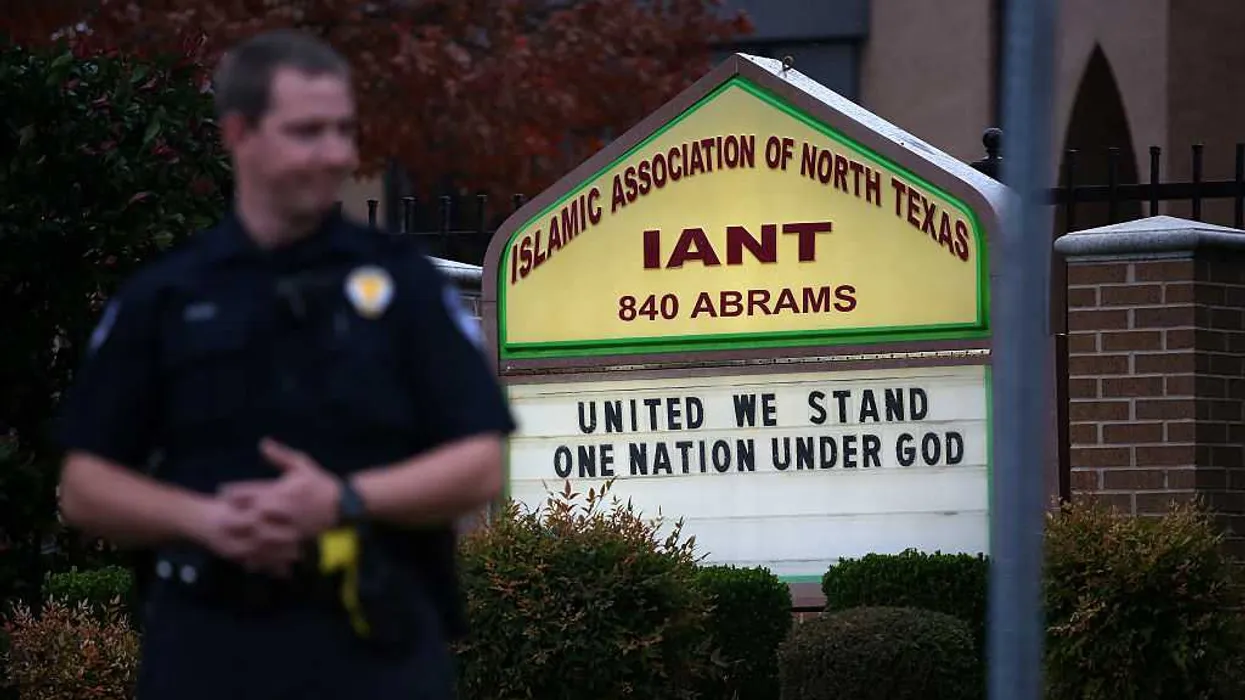
A political system completely incompatible with the Constitution is gaining ground in the United States, and we are pretending it is not happening.
Sharia — the legal and political framework of Islam — is being woven into developments, institutions, and neighborhoods, including a massive project in Texas. And the consequences will be enormous if we continue to look the other way.
This is the contradiction at the heart of political Islam: It claims universal authority while insisting its harshest rules will never be enforced here. That promise does not stand up to scrutiny. It never has.
Before we can have an honest debate, we’d better understand what Sharia represents. Sharia is not simply a set of religious rules about prayer or diet. It is a comprehensive legal and political structure that governs marriage, finance, criminal penalties, and civic life. It is a parallel system that claims supremacy wherever it takes hold.
This is where the distinction matters. Many Muslims in America want nothing to do with Sharia governance. They came here precisely because they lived under it. But political Islam — the movement that seeks to implement Sharia as law — is not the same as personal religious belief.
It is a political ideology with global ambitions, much like communism. Secretary of State Marco Rubio recently warned that Islamist movements do not seek peaceful coexistence with the West. They seek dominance. History backs him up.
How Sharia arrives
Political Islam does not begin with dramatic declarations. It starts quietly, through enclaves that operate by their own rules. That is why the development once called EPIC City — now rebranded as the Meadow — is so concerning. Early plans framed it as a Muslim-only community built around a mega-mosque and governed by Sharia-compliant financing. After state investigations were conducted, the branding changed, but the underlying intent remained the same.
Developers have openly described practices designed to keep non-Muslims out, using fees and ownership structures to create de facto religious exclusivity. This is not assimilation. It is the construction of a parallel society within a constitutional republic.
The warning from those who have lived under it
Years ago, local imams in Texas told me, without hesitation, that certain Sharia punishments “just work.” They spoke about cutting off hands for theft, stoning adulterers, and maintaining separate standards of testimony for men and women. They insisted it was logical and effective while insisting they would never attempt to implement it in Texas.
But when pressed, they could not explain why a system they consider divinely mandated would suddenly stop applying once someone crossed a border.
This is the contradiction at the heart of political Islam: It claims universal authority while insisting its harshest rules will never be enforced here. That promise does not stand up to scrutiny. It never has.
RELATED: The real danger isn’t immigration — it’s the refusal to become American
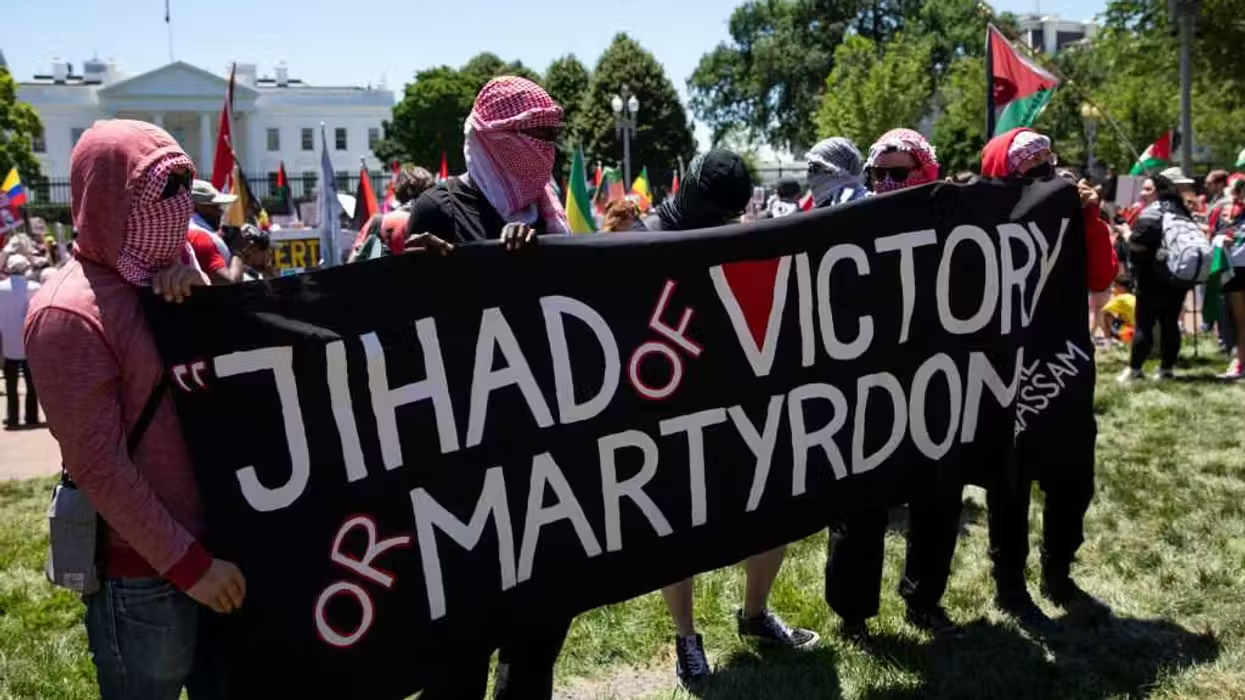 Photo by AASHISH KIPHAYET/Middle East Images/AFP via Getty Images
America is vulnerable
Europe is already showing us where this road leads. No-go zones, parallel courts, political intimidation, and clerics preaching supremacy have taken root across major cities.
America’s strength has always come from its melting pot, but assimilation requires boundaries. It requires insisting that the Constitution, not religious law, is the supreme authority on this soil.
Yet we are becoming complacent, even fearful, about saying so. We mistake silence for tolerance. We mistake avoidance for fairness. Meanwhile, political Islam views this hesitation as weakness.
Religious freedom is one of America’s greatest gifts. Muslims may worship freely here, as they should. But political Islam must not be permitted to plant a flag on American soil. The Constitution cannot coexist with a system that denies equal rights, restricts speech, subordinates women, and places clerical authority above civil law.
Wake up before it is too late
Projects like the Meadow are not isolated. They are test runs, footholds, proofs of concept. Political Islam operates with patience. It advances through demographic growth, legal ambiguity, and cultural hesitation — and it counts on Americans being too polite, too distracted, or too afraid to confront it.
We cannot afford that luxury. If we fail to defend the principles that make this country free, we will one day find ourselves asking how a parallel system gained power right in front of us. The answer will be simple: We looked away.
The time to draw boundaries and to speak honestly is now. The time to defend the Constitution as the supreme law of the land is now. Act while there is still time.
Want more from Glenn Beck? Get Glenn’s FREE email newsletter with his latest insights, top stories, show prep, and more delivered to your inbox.
10 Years After San Bernardino Terrorist Attack
Tuesday, December 2 marked 10 years since Syed Farook and Tashfeen Malik shot dead Robert Adams, Isaac Amianos, Bennetta Betbadal,…
Washington’s new favorite lie: ‘Most migrants are safe’
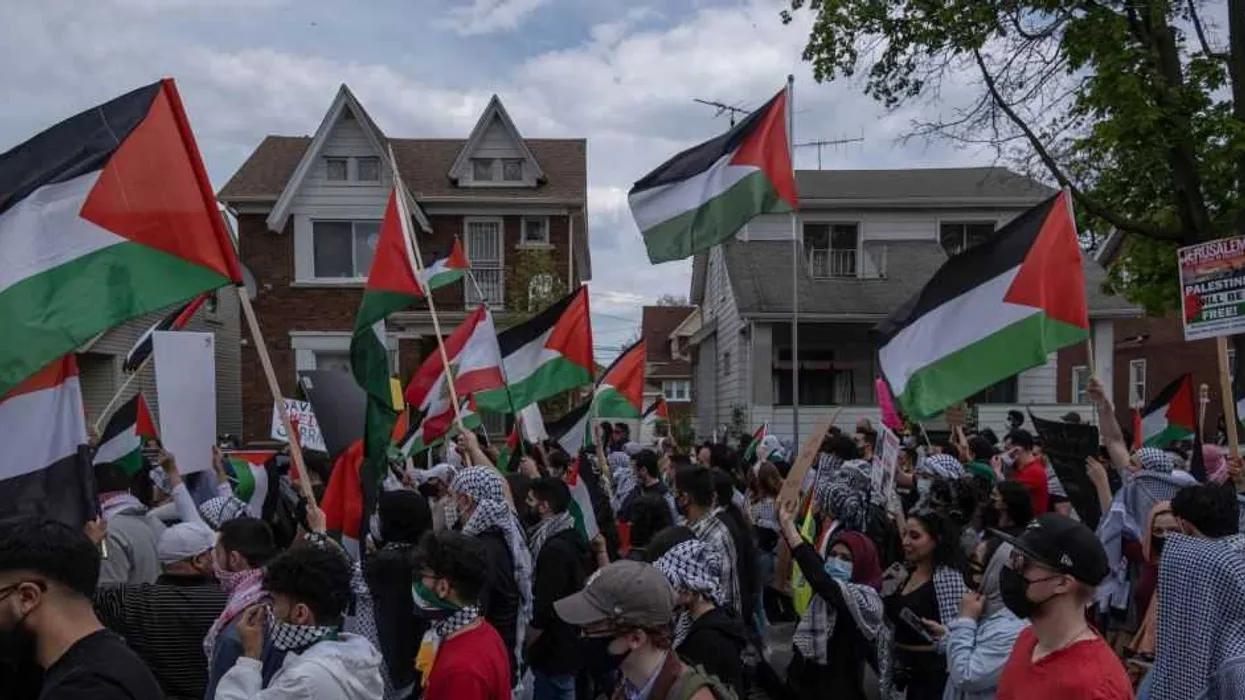
If anyone from a backward and unstable country could be vetted for anti-American hostility, it would have been someone like Rahmanullah Lakanwal, the Afghan national who allegedly shot two National Guardsmen in Washington, D.C., the day before Thanksgiving. He had been vetted by the CIA, worked with our military in Afghanistan, and was later approved for asylum alongside his wife and five children.
And still, he turned his gun on the very country that took him in. How many more reminders do we need before we shut off the spigot?
Tackling America’s economic challenges will be tricky. But an immigration shutoff is easy. Trump can — with the stroke of a pen — halt all entries that threaten national security.
In response to the attack, President Trump vowed to “permanently pause migration from all third world countries.” Many Americans hoped this meant fulfilling the pledge he made nearly a decade ago: “A total and complete shutdown of Muslims entering the United States until our country’s representatives can figure out what the hell is going on.”
On Thanksgiving Day, U.S. Citizenship and Immigration Services Director Joseph Edlow announced a “full-scale, rigorous reexamination of every green card” holder from “every country of concern.” When pressed, Edlow pointed to the 19 countries listed in Trump’s June 4 proclamation, “Restricting the Entry of Foreign Nationals to Protect the United States from Foreign Terrorists and Other National Security and Public Safety Threats.”
That June order established two tiers of restrictions.
Full restriction: Afghanistan, Burma, Chad, Republic of the Congo, Equatorial Guinea, Eritrea, Haiti, Iran, Libya, Somalia, Sudan, Yemen.
Partial restriction: Burundi, Cuba, Laos, Sierra Leone, Togo, Turkmenistan, Venezuela.
This week, the White House announced its intention to pause all immigration from all 19 countries and freeze naturalization applications from nationals already here.
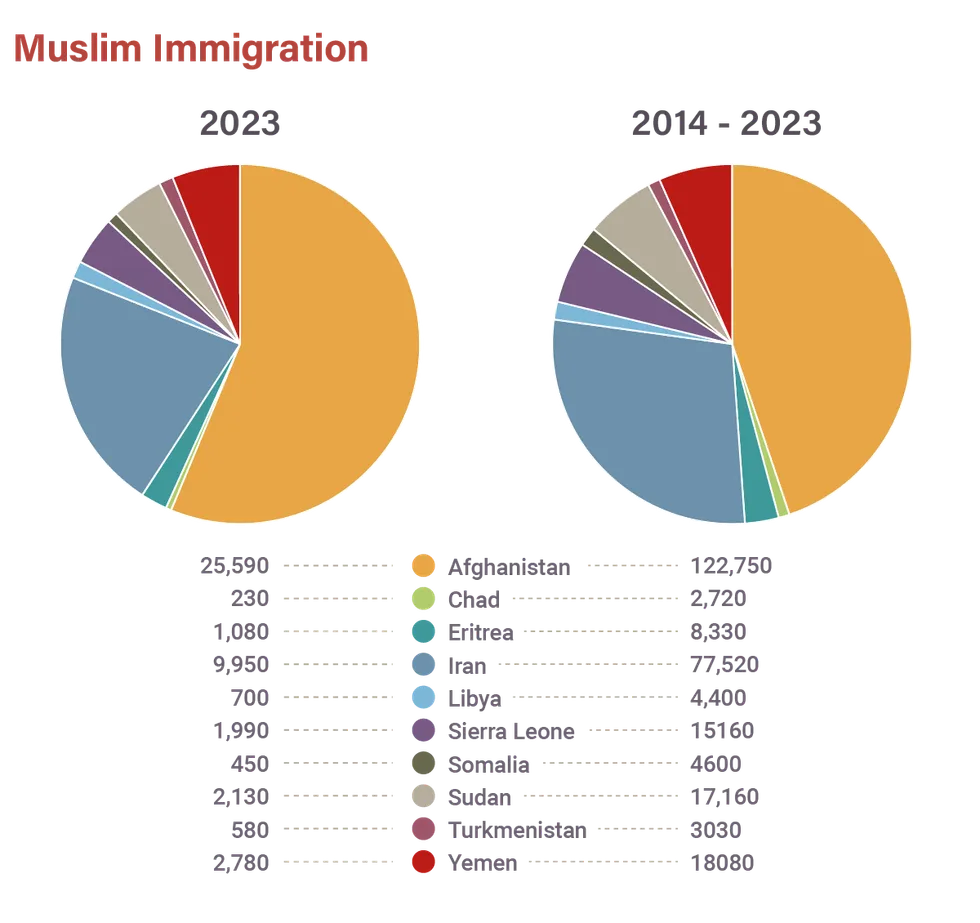
It’s a start. But it doesn’t address the larger reality: Even a total shutdown of these 19 countries barely dents the scale of Islamic-world migration into the United States.
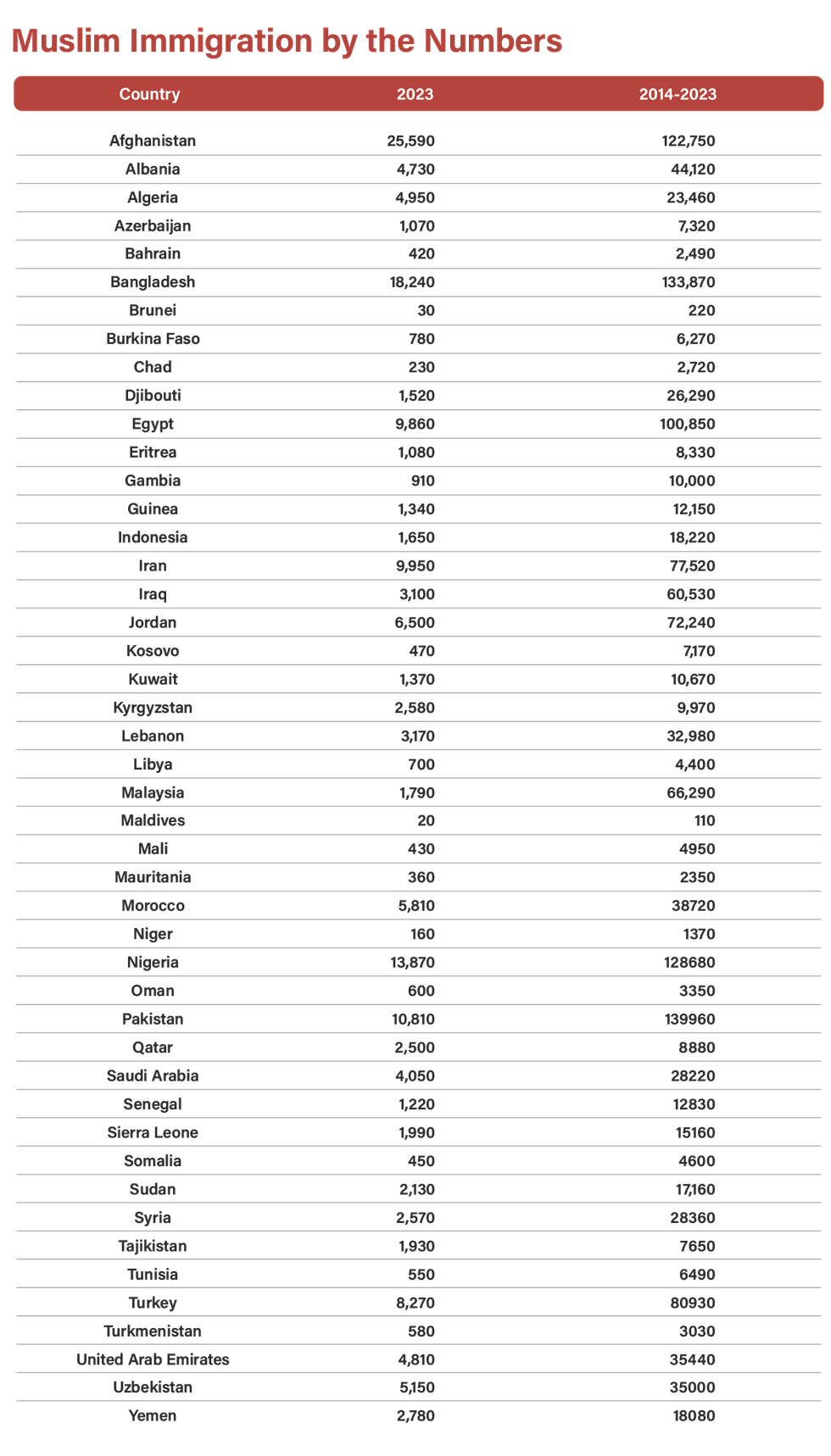
By my calculations, these countries account for only 27% of Muslim-origin immigration in 2023 — and just 18% of our intake from the Islamic world over the past decade.
Ten of the 19 targeted countries are majority-Muslim. But there are 39 other majority-Muslim countries — most overwhelmingly Muslim — from which we admit well over 100,000 green-card recipients each year.
Here is the updated breakdown of immigration from all majority-Muslim countries in 2023 and over the prior 10 years:
 Blaze Media
This is a numbers game. You simply cannot import roughly 175,000 Muslim migrants every year — not counting tens of thousands more on student and temporary visas — without replicating the social unraveling we have seen in Europe.
Trump’s expanded ban would block about 47,000 of these arrivals annually. But it leaves massive sending countries — Bangladesh, Egypt, Turkey, Lebanon, Syria, Saudi Arabia, Jordan, Iraq, Uzbekistan — effectively untouched.
 Blaze Media
The problem with limiting the moratorium to these 10 Islamic countries (plus nine other hostile or unstable states) isn’t just numerical. It’s philosophical. The order implies that we are only concerned with countries that have poor diplomatic relations or inadequate data-sharing with the United States.
But the challenge of Islamic migration has never been solely about vetting. Most individuals who embrace Sharia supremacism, support suicide attacks, or reject Western norms are not sworn members of al-Qaeda or Hezbollah. The issue is ideological — a form of unreformed Islam that never passed through the Enlightenment and remains fundamentally incompatible with liberal Western society.
For decades, small-scale migration masked this reality. But we have admitted roughly 3 million Muslims since 9/11. They cluster, build Qatari-funded or Muslim Brotherhood-affiliated mosques, and reproduce the same ideological ecosystem from which they emigrated. High-volume flows reinforce the problem exponentially.
And contrary to the foreign-policy establishment’s assumptions, hostility does not only come from “enemy” states. In fact, migrants from “friendly” governments often pose greater risks. Regimes such as Egypt and Jordan suppress their own Islamist movements. Uzbekistan bans full beards. These governments contain radicalism at home — and we import the very people they fear.
We’ve seen the consequences repeatedly. A sampling:
- Akayed Ullah, who arrived from Bangladesh in 2011, detonated a pipe bomb in the Port Authority Bus Terminal, declaring support for ISIS. Bangladesh now sends more than 18,000 immigrants annually.
- Sayfullo Saipov, who came from Uzbekistan in 2010 on a diversity visa, murdered eight people in a truck attack in Manhattan while shouting “Allahu Akbar.”
- Dilkhayot Kasimov, Abdurasul Juraboev, Abror Habibov, all Uzbeks, conspired to support ISIS, discussed attacking President Obama, and scouted U.S. military targets. We continue admitting over 5,000 Uzbeks per year through the Diversity Visa Lottery — a program Trump should end immediately.
- Muhammad Khair Alabid, a student from Egypt, plotted a Fourth of July vehicle-bomb attack in Cleveland.
- Mohamed Sabry Soliman, also from Egypt, firebombed a pro-Israel rally in Boulder in 2025, killing one and injuring 12. He and his family were admitted by the Biden administration and overstayed. We have issued more than 100,000 green cards to Egyptian nationals in the past decade.
- Muhammad El-Sayed, admitted from Jordan on a diversity visa, built an ISIS-linked terror cell in Minneapolis, scouting military bases and Jewish centers.
- Abdullah Muhammad Zain-ul-Abideen, a student visa-holder from Jordan, provided material support in the Garland, Texas, terrorist attack on the “Draw Muhammad” event.
 Photo by Cindy Ord/Getty Images for BAFTA
The most glaring case of false security is Mohammed Saeed Alshamrani, a Saudi military trainee brought here on an A-2 visa. In 2019, he murdered three American service members at Naval Air Station Pensacola. He was here because our government trusted Saudi vetting.
This is the pattern: Working with a regime is not the same as trusting its people. In many cases, these governments fear their own populations. Yet we continue importing those populations at scale.
For example: The United States and Israel prop up the Hashemite monarchy in Jordan precisely because its people are more radical than their rulers. Yet we have brought in over 72,000 Jordanians in the past decade. If those populations are too dangerous for their own government, why do we assume they are safe for ours?
When it comes to transformational immigration policy, there is no such thing as “lukewarm hell.” Trump should impose a full moratorium on all Islamic-majority countries and abolish the Diversity Visa Lottery entirely.
Tackling America’s economic challenges ahead of the midterms will be tricky. But an immigration shutoff is easy. Under Section 212(f) of the Immigration and Nationality Act, Trump can — with the stroke of a pen — halt all entries that threaten national security.
He has already done it for 19 countries. He has no reason not to finish the job.

Persecution

“Persecution,” editorial cartoon by Yogi Love for The American Spectator on Dec. 1, 2025.





