

Day: April 23, 2026
Trump Fundamentally Changed Congressional Republicans In Terms Of Ideology, New Study Shows
‘movement not in rhetoric but in voting behavior’
EXCLUSIVE: Republican Lawmaker Moves To End TPS After 10 GOP Defections
‘TPS has been weaponized and abused for decades’
SCOTUS Weighs Whether US Has To Readmit Green Card Holders Who ‘Committed’ Crimes

 Justice Alito posed a hypothetical scenario in which an lawful permanent resident leaves America for France, ‘shot somebody’ while in France, and then returned to the U.S., questioning whether he must be readmitted.
It Is Not A Reality Show
Everybody with any common sense whatsoever knows that there is nothing real about “reality television.” It may be unscripted, but that does not make it real in any reasonable meaning of that word. It is produced, staged, edited and packaged. It is made far more interesting, far prettier, and far more engaging than reality will ever be. Even a reality show featuring raw footage, like “Cops,” culls hundreds of hours of recording to get a 30 minute program and the encounters are heavily edited. But I wonder if people can tell the difference anymore?
The post It Is Not A Reality Show appeared first on The Hugh Hewitt Show.
4 marijuana facts the pro-pot lobby doesn’t want you to know
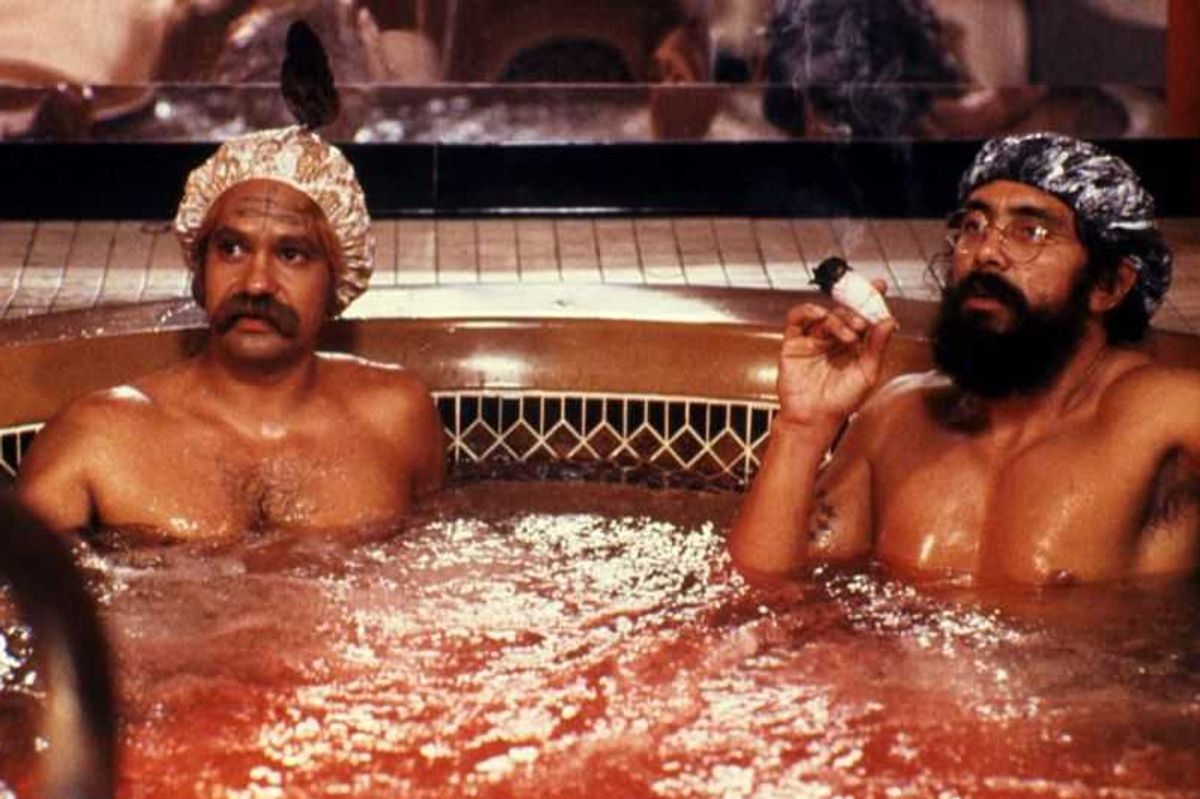
Today is April 20, a day of celebration for marijuana enthusiasts everywhere. But did you ever wonder how it came to be?
It’s 1971 in Northern California, and a bunch of kids at San Rafael High School are on the hunt for a vast treasure: a secret patch of marijuana plants hidden in the backcountry of nearby Point Reyes.
Chinese organized crime has come to dominate the illegal marijuana trade across the country.
See, an older guy they know has been growing it, but now he’s worried that he’s going to get busted. So he tells the kids they can harvest it all and keep it — free of charge. He even draws them a map.
Every day after classes, they meet at the statue of Louis Pasteur to continue the search — always around 4:20 p.m. They begin using this as code to talk about the project. First “Louie 420,” later shortened to just “420.”
One of the kids has an older brother who is friends with Grateful Dead bassist Phil Lesh. They all start hanging out with the band, and “420” catches on as a sort of all-purpose slang for stoner culture. Later some genius figures out that “420” looks like the date 4/20, i.e. April 20, and here we are.
Oh, and those kids never did find the magical weed farm. And 55 years later, I think I know why. Ready to have your mind blown?
There was no marijuana crop. The guy just thought it was funny to send some dumb high-schoolers on a wild goose chase — complete with a corny treasure map. He and his buddies probably laughed about it once, then forgot about it. Meanwhile, these scrubs are combing through the poison oak in search of their dank El Dorado for weeks.
So when you think about it, 420 is a monument to how gullible and dumb smoking weed makes you.
Also, I’ve just been informed that today is April 23.
Sorry. Ever since they legalized weed out here in California, you can’t roll down your car window without being forced to inhale some sickly sweet cannabis vapors. Everyone in Los Angeles has caught a secondhand high, whether they want to or not.
That’s why I don’t know what day it is, and that’s why it just took me three hours — as well as two “Columbo” episodes and a bag of Funyuns — to write the preceding paragraphs.
Here are some other reasons legalization was a bad idea.
1. This isn’t your parents’ marijuana
Sorry, libertarians, but the whole legalization debate was built on a product that barely exists any more. In the 1970s, levels of THC (the chemical that makes you enjoy jazz music) hovered around 2%-3%. Today, it’s routine to find 15% to 20% THC in your classic “flower” — that green stuff Cheech and Chong smoked.
And nowadays we have a whole new lineup of cannabis concentrates, which can contain up to 60% to 80% THC levels. One minute you’re trying to make “The Dark Side of the Moon” sync up with “The Wizard of Oz”; the next you’re having a vision quest in the Vons frozen food aisle.
2. The psychosis link is real — and better established now
When it came to pot, former New York Times reporter Alex Berenson was firmly in the “it’s just a plant” camp — where any suggestion that marijuana could trigger serious mental health issues was treated as laughable “reefer madness” scare tactics.
Until his wife, at the time a senior psychiatrist at a facility for the criminally mentally ill, made an offhand comment about the latest violent offender she was treating: “Of course he’d been smoking pot his whole life.”
Of course?
That was the moment that sent Berenson digging, ultimately leading to his 2019 book, “Tell Your Children.”
What he found wasn’t a fringe theory, but something closer to a quiet consensus inside psychiatry, supported by study after study: Heavy cannabis use is linked to psychosis, and the link gets stronger with potency and frequency.
None of this means marijuana will cause psychosis in most users. But the fact remains that legalization normalized a product that, for a meaningful minority of users, can trigger something serious — and sometimes irreversible.
This is a trade-off that rarely makes it into the cultural conversation — and never into the marketing.
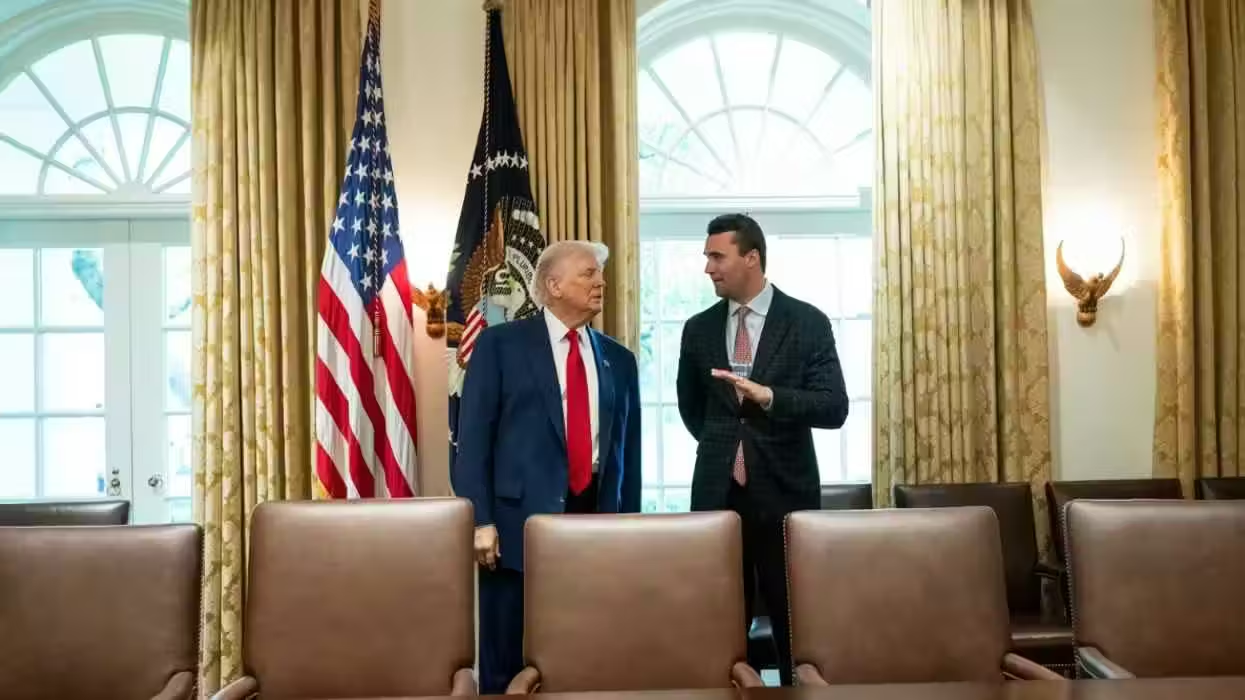
RELATED: Charlie Kirk urges Trump to reconsider reclassifying marijuana: ‘Protect public spaces for kids’
 White House photo
3. Legalization didn’t replace the black market
One of the simplest arguments for legalization was also one of the most intuitive: If you make marijuana legal, the illegal market disappears.
But that didn’t happen.
Take California, the country’s largest legal cannabis market. State analysts and industry observers still estimate the illicit trade to be as large as or larger than the legal one. The reasons aren’t mysterious.
Illegal sellers don’t test, tax, or restrict — so they can move faster and sell cheaper. They can also use banned, highly toxic pesticides to maximize crop yields. This tainted weed often ends up on dispensary shelves right next to regulated dope.
Because enforcement focuses on still-illegal drugs like meth and heroin, the marijuana black market offers an attractive opportunity for criminal networks. Chinese organized crime in particular has come to dominate the illegal marijuana trade across the country — trafficking Chinese nationals to work the farms.
4. ‘Not addictive’ is not really true
“Weed isn’t addictive” has become one of the most repeated — and least examined — claims in the legalization era.
It’s true in a narrow, clinical sense: Marijuana doesn’t typically produce the kind of severe physical dependence associated with opioids or alcohol. But that’s not the only way habits take hold.
What is more common — and easier to miss — is behavioral dependence, building routines around use that are hard to break, even without dramatic withdrawal symptoms.
Research from agencies like the National Institute on Drug Abuse estimates that roughly three in 10 users develop cannabis use disorder — a figure that rises with daily use and higher-potency products.
It’s a widespread crisis that is all the more insidious for how undramatic it is: a gradual narrowing of motivation, attention, and energy.
History of violence: How the SPLC’s demonization racket helped set the stage for at least 1 shooting
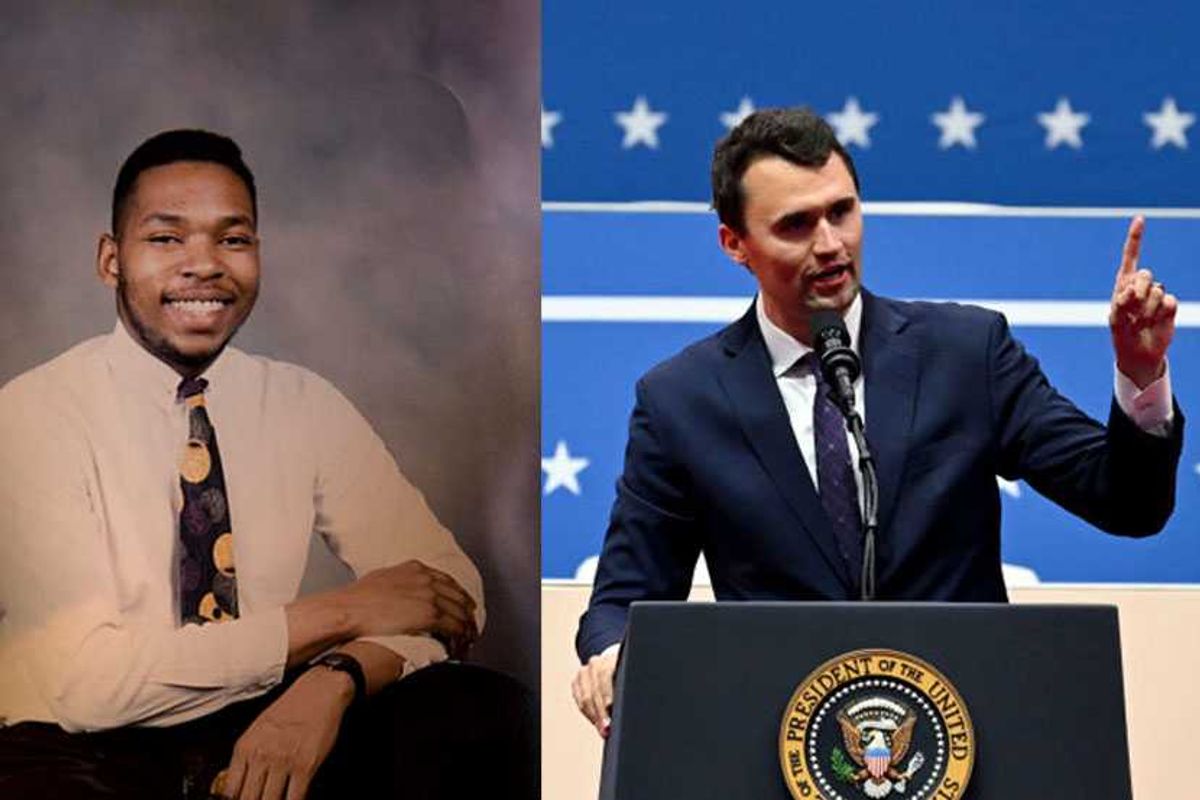
The Southern Poverty Law Center was formally incorporated in 1971 by a pair of Alabama lawyers keen on handling anti-discrimination cases and advancing the cause of civil rights in the United States.
The SPLC morphed over time into a smear- and fear-mongering racket, raking in millions of dollars in contributions — over $106.47 million in fiscal year 2024 alone — and paying its executives gargantuan salaries while both attacking law-abiding conservatives and allegedly funding the very extremism it purportedly seeks to curb.
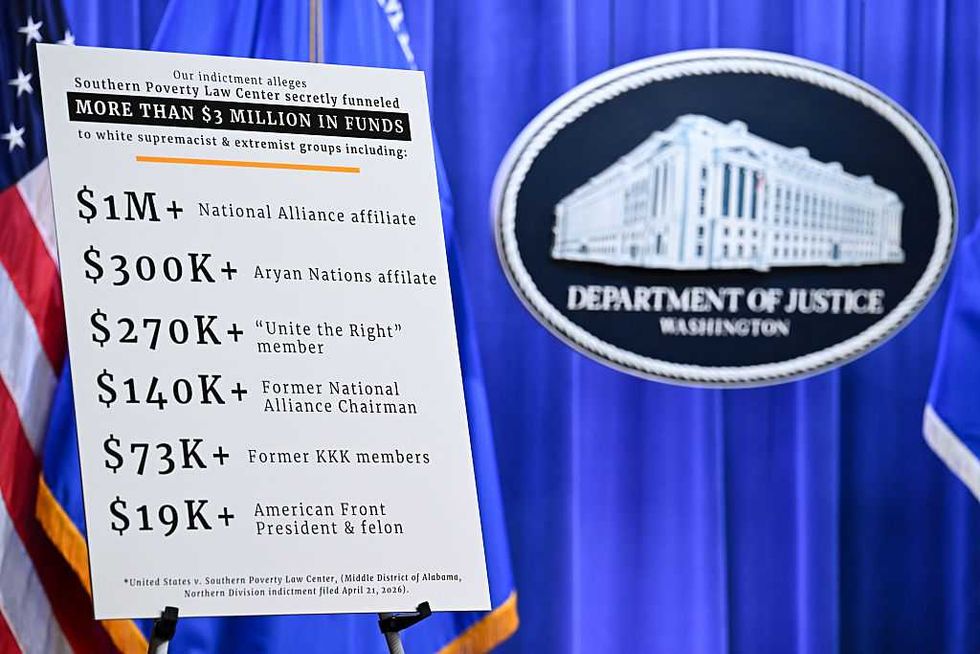
On Tuesday, the Justice Department announced that a grand jury in Alabama returned an indictment charging the SPLC with 11 counts of wire fraud, false statements to a federally insured bank, and conspiracy to commit concealment money laundering.
The organization is accused of secretly dumping over $3 million in donated funds to individuals linked to various extremist groups, including the Ku Klux Klan, Aryan Nations, and National Socialist Party of America — groups the SPLC was supposedly fighting against.
‘The SPLC hate group label will almost undoubtedly make it into press reports about future events.’
While liberal donors might now be waking up to the fact that the SPLC is a radical and rotten organization, conservatives have long recognized it as a menace and for good reason: The SPLC’s mischaracterizations and alarmist rhetoric helped set the stage for at least one shooting.
The Family Research Council is a conservative think tank that promotes family, marriage, and the rights of the unborn and speaks forcefully against divorce, pornography, and sexual deviancy. By maintaining orthodox and principled biblical stances on various social issues, the FRC found itself on the SPLC’s radar.
The liberal hate racket listed the Family Research Council as an “anti-gay group” in a winter 2010 report and put it on the same list of extremist groups as the Ku Klux Klan and the Aryan Nations — groups that allegedly “have beliefs or practices that attack or malign an entire class of people, typically for their immutable characteristics.”
RELATED: SPLC indictment BOMBSHELL: Charlottesville violence allegedly was a leftist-funded ‘false flag’
 Graeme Sloan/Bloomberg/Getty Images
Heidi Beirich, then-research director at the SPLC, said there was no difference between the FRC and the KKK in the eyes of the SPLC; that “what we’re saying is these [anti-gay] groups perpetrate hate — just like those [racist] organizations do.”
The SPLC’s hate-mongering ultimately set the stage for a terrorist attack against the Family Research Council.
Floyd Lee Corkins II stormed into the office of the FRC in Washington, D.C., armed with a gun on Aug. 15, 2012. Corkins later told investigators that he got the name of the conservative organization from the SPLC’s list of alleged anti-gay groups and that he intended to kill as many FRC employees as he could.
‘They’d love nothing more than to see TPUSA in the crosshairs.’
The terrorist proved unable to execute his massacre thanks to the bravery of Leonardo Reno Johnson, the unarmed security guard on duty that day.
Despite catching a bullet to the arm, Johnson managed to disarm and subdue the shooter.
“Floyd Corkins was responsible for firing the shot yesterday that wounded one of our colleagues and our friend Leo Johnson,” said Tony Perkins, president of the FRC, “but Corkins was given a license to shoot an unarmed man by organizations like the Southern Poverty Law Center.”
The SPLC displaced any and all blame for the attack, stating the day after the shooting that “Perkins’ accusation is outrageous” and that the FRC “should stop the demonization and affirm the dignity of all people.”
As evidenced by its serial demonization of other conservatives and conservative groups, including Turning Point USA and its founder Charlie Kirk, the hate racket clearly did not learn anything from the incident.
The SPLC’s “Year in Hate and Extremism 2024” report contained a lengthy section titled “Turing Point USA: A Case Study of the Hard Right in 2024.”
This section stated that:
- “Charlie Kirk’s TPUSA is a well-funded, hard-right organization with links to Southern Poverty Law Center-identified hard-right extremists and a tremendous amount of influence in conservative politics”;
- TPUSA under Kirk was “emblematic” of the American political right’s supposed embrace of “aggressive state and federal power to enforce a social order rooted in white supremacy” against a backdrop of “patriarchal Christian supremacy dedicated to eroding the value of inclusive democracy and public institutions”;
- TPUSA was advancing a “narrow vision” that fights for “white, male, Christian dominance in America” and results in the demonization of nonconforming men, women, and “nonbinary people”; and
- Kirk framed Christianity as superior and Christians as persecuted to justify TPUSA’s “extreme, authoritarian vision for the country that threatens the foundation of our democracy.”
Kirk knew full-well what the hate racket was up to, stating on May 25, 2025, “The SPLC has added Turning Point to their ridiculous ‘hate group’ list, right next to the KKK and neo-Nazis, a cheap smear from a washed-up org that’s been fleecing scared grandmas for decades.”
“Their game plan? Scare financial institutions into debanking us, pressure schools to cancel us, and demonize us so some unhinged lunatic feels justified targeting us,” continued Kirk. “Remember the Family Research Council? An SPLC-inspired gunman went after them. They’d love nothing more than to see TPUSA in the crosshairs.”
The day before Kirk’s Sept. 10, 2025, assassination at Utah Valley University, the SPLC Hatewatch newsletter named Kirk and TPUSA as extremist, according to testimony entered into the congressional record in December.
Rep. Chip Roy (R-Texas), chairman of the House subcommittee on the Constitution and limited government, said during the same hearing, “As with FRC, in the aftermath of Charlie’s assassination, there have been no retractions, no accountability, and no acknowledgment of the risks inherent in branding mainstream political figures as existential threats. These incidents, separated by 13 years but linked by the same targeting architecture, underscore a sobering reality. The SPLC’s designations don’t merely stigmatize. They can serve as ideological permission slips for individuals already willing to commit political violence.”
Unlike Corkins, Kirk’s alleged assassin does not appear to have made any mention of the SPLC’s smears against his victim.
FRC president Tony Perkins welcomed the charges against the SPLC on Tuesday, noting that “for years, the SPLC has used its platform to label and target organizations with whom it disagrees, often blurring the line between legitimate concern and ideological attack. That kind of reckless characterization doesn’t just damage reputations, it has put lives at risk.”
Like Blaze News? Bypass the censors, sign up for our newsletters, and get stories like this direct to your inbox. Sign up here!
Pope Leo’s mosque message misses the hardest truth about Islam and Christianity
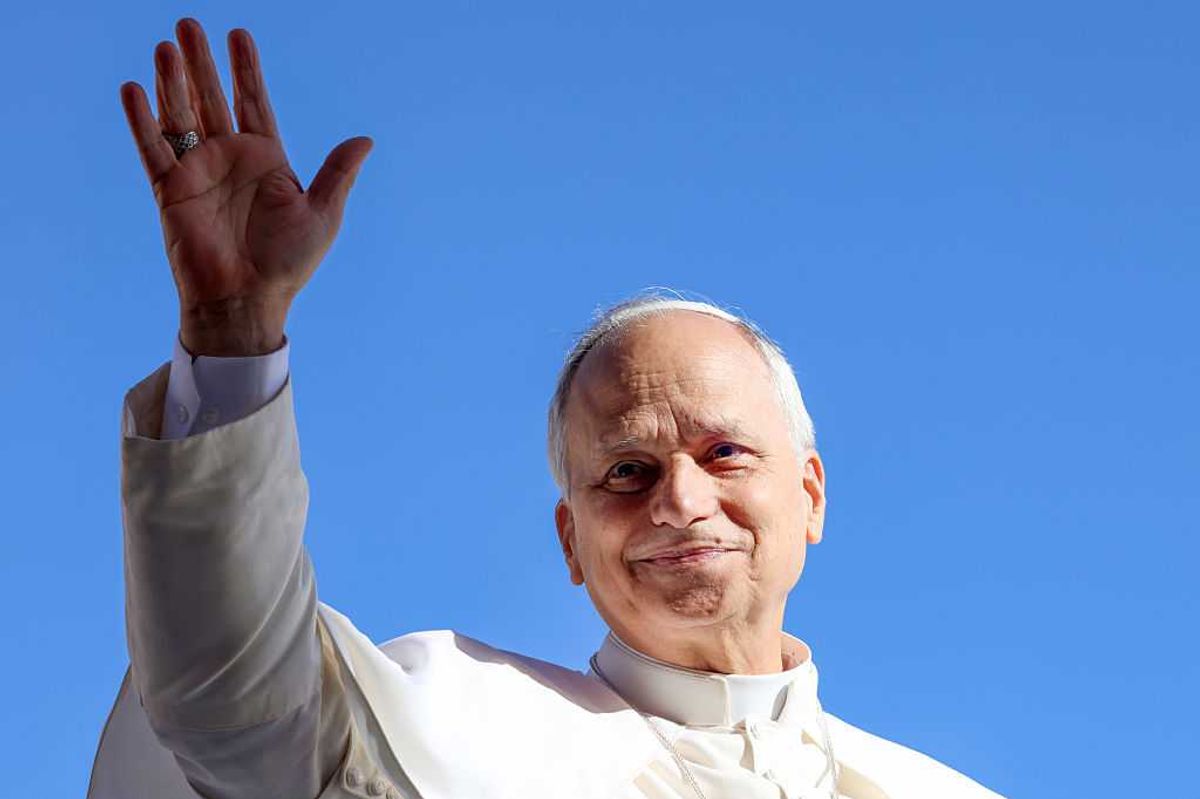
Pope Leo XIV wants Christians and Muslims to focus on what unites them.
That was the clear message of his remarks last week inside a mosque in Algeria. But by highlighting common ground, the pope may be downplaying something just as important: the big and enduring differences — not to mention a long, uneasy history — that continue to shape relations between the two faiths.
Speaking at the Grand Mosque of Algiers on April 13, the pope emphasized mercy, solidarity, and what he called “concrete fraternity.” He urged believers to reject violence, warning that religion without compassion loses sight of human dignity. It was a gracious, carefully calibrated message, one that reflects decades of Catholic outreach to the Muslim world.
Real dialogue, if it is to be more than symbolic, requires more than shared language about peace and dignity. It requires clarity.
But it’s only part of the story.
Relations between the papacy and Islam stretch back more than 1,300 years to the era of Pope Donus in the 7th century, when the rapid expansion of Islam transformed the Christian world. What followed was not primarily dialogue, but conflict. Muslim armies swept through formerly Christian lands in North Africa and the Middle East. Europe responded with the Crusades. Constantinople fell. Naval battles like Lepanto became defining moments of civilizational struggle. For much of history, Christianity and Islam encountered each other not in shared spaces of worship, but on opposing sides of war.
That history does not dictate the future, but ignoring it doesn’t lend clarity to the present.
The Catholic Church’s modern approach to Islam largely dates to the Second Vatican Council in the 1960s. Its declaration, Nostra Aetate, marked a turning point, stating that the Church “has a high regard for the Muslims,” who worship the one, merciful God. It called for both sides to move beyond past hostilities and work together for justice and peace.
The Catechism of the Catholic Church builds on that framework. It teaches that Muslims, “together with us, adore the one, merciful God” and are included in God’s plan of salvation. That’s pretty remarkable language, especially when viewed against centuries of conflict. They reflect the Vatican’s deliberate effort to emphasize common ground and reduce religious hostility.
But they do not erase fundamental differences.
Islam rejects the Christian understanding of God as Trinity, denies the divinity of Jesus, and does not accept the central claim of salvation through the cross and resurrection. These are not minor disagreements. They go to the heart of what each religion believes about God and humanity’s relationship to Him. Any serious discussion of Christian-Muslim relations must grapple with that reality.
Previous popes have approached this tension in different ways.
Pope St. John Paul II became the first pope in history to enter a mosque when he visited the Great Mosque of Damascus on May 6, 2001 — a groundbreaking moment in interfaith relations just months before 9/11. That same year, he sparked controversy by kissing the Koran. Supporters saw it as a sign of deep respect. Critics saw it as a confusing gesture that seemed to honor a text at odds with core Christian beliefs. Either way, it highlighted the risks that come with symbolic outreach.
Pope Benedict XVI took a more cautious approach. While committed to dialogue, he stressed that it must be grounded in truth and reason, not just goodwill. He argued that peace requires honesty about differences, including disagreements over religious freedom, an issue that remains unresolved in parts of the Muslim world where Christians face legal or social restrictions.
Pope Leo’s remarks in Algeria clearly point to the Vatican’s emphasis on unity. There is nothing inherently wrong with that. In a fractured world, a call for peace and mutual respect is not only understandable, but it’s also necessary.
There is, however, a difference between emphasizing shared values and presenting an incomplete picture.
Leo spoke movingly about fraternity but said little about the theological differences that define Christianity and Islam. He called for peace but did not address the question of reciprocity — whether Christians are afforded the same freedoms in Muslim-majority countries that Muslims enjoy in the West. He highlighted what unites while leaving largely unspoken what divides.
That move may be diplomatically prudent. It may even be pastorally appropriate in a mosque setting.
But for a global audience, it risks creating the impression that the differences are smaller, or less significant, than they really are.
Real dialogue, if it is to be more than symbolic, requires more than shared language about peace and dignity. It requires clarity. It requires acknowledging that agreement on some moral principles does not erase profound disagreements about truth. And it requires confronting difficult realities, including the uneven state of religious freedom worldwide.
The Catholic Church’s own teaching reflects this balance. It calls for respect toward Muslims, rejects hatred and violence, and encourages cooperation where possible. But it also insists on the uniqueness of Christ and the truth of the gospel. Those elements are not in conflict.
The challenge is maintaining that balance in practice.
Pope Leo XIV’s visit to an Algerian mosque was a powerful symbol of goodwill. It showed a church willing to engage, to listen, and to seek peace across religious boundaries. But symbols, however compelling, are not the whole story.
If interfaith dialogue is to have real substance, it must be rooted not only in what is shared, but also in what is true — and in a clear-eyed understanding of history, theology, and the world as it is.
That is the harder message. It is also a far more necessary one.
Mother, pregnant teenage daughter, and son found ‘brutally’ murdered — one nearly decapitated, police say
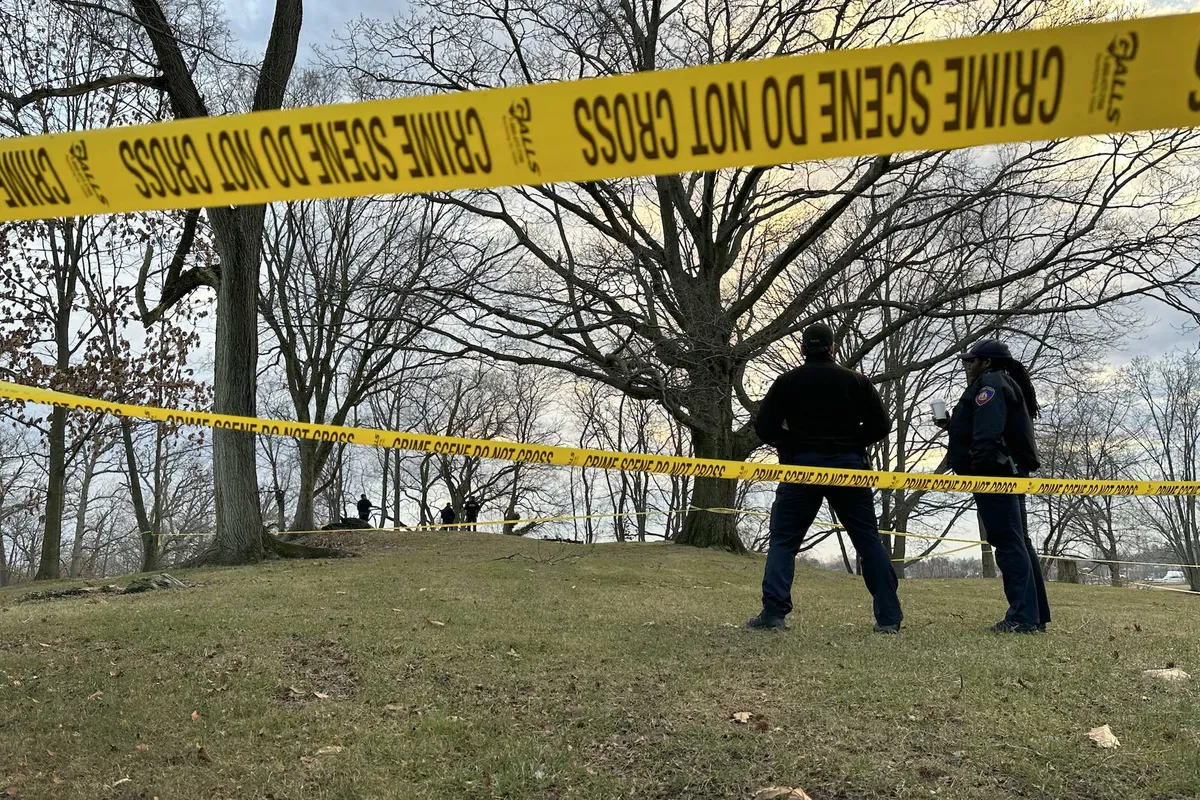
Alabama police are investigating the brutal murder of a mother, her pregnant daughter, and her son, who were all found tied up in separate rooms of their home in Wilmer.
Mobile County Sheriff Paul Burch said officers responded to the residence at about 2:30 a.m. Monday and found the “brutal scene” of murder.
‘I hope and feel comfortable we’ll have this animal or animals off the streets soon.’
Lisa Gail Fields, 46, was stabbed, her 17-year-old daughter Keziah Arionna Luker was shot, and her 12-year-old son Thomas Cordelle Jr. had his throat cut and was nearly decapitated, according to Burch.
“It was a brutal scene,” Burch said. “If you’ve got a beef with an adult … there’s nothing worth killing over, but to murder two children brutally. … I hope and feel comfortable we’ll have this animal or animals off the streets soon.”
Police also found an 18-month-old baby in the home who was unharmed.
“At this point, we don’t suspect any kind of domestic or family-type situation,” Burch said.
He went on to say the home was in a state of disarray, which could mean the perpetrators were searching for something. Police also believe there was more than one suspect involved because the three people had been subdued.
“It tells me that they had a plan coming in to bring zip ties or flex cuffs with them, so they had a plan,” Burch added.
A family member found the horrific scene after the father of the unborn child could not reach Luker. The victims were all found with their hands tied behind their backs.
Police said they have some positive leads in the case.
RELATED: Homeless man found tied up in vacant home was brutally beaten with signs of torture, police say
“It’s a senseless murder,” Luker’s father said to WALA-TV.
“She was a bubble of sunshine. A person that makes you smile,” he added, “a person that’ll make you laugh whenever you’re down. She had empathy for everybody. She loved her brothers; she loved her mom; she loved all of us.”
He added that she had just gotten her GED equivalent.
Like Blaze News? Bypass the censors, sign up for our newsletters, and get stories like this direct to your inbox. Sign up here!
Eric Swalwell’s fall is a warning to all Christians
There’s an old saying: If they didn’t make you, they can’t break you.
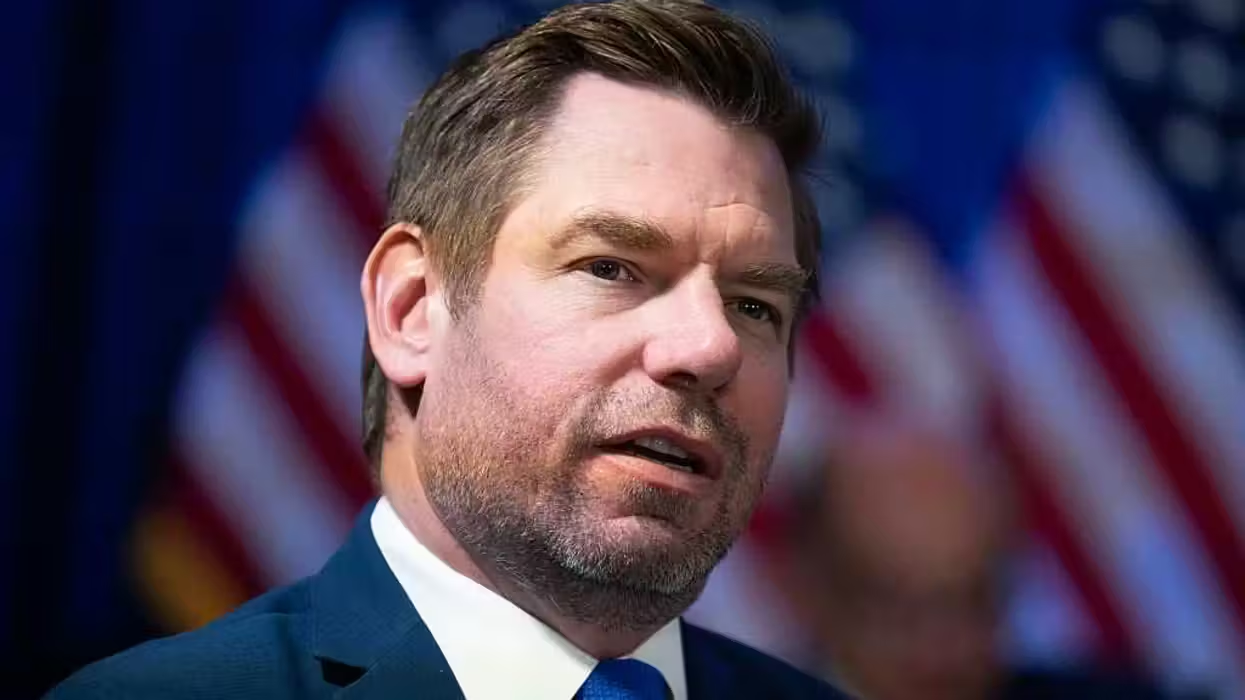
But when you start living for the applause or fearing the critics, you have already lost your way. Eric Swalwell used to love the spotlight and ignore the noise, but eventually, that borrowed protection always falls apart.
Now, he’s standing there on his own, having to answer for it all. People don’t just wake up and decide to ruin their lives. It happens through tiny, bad choices that feel like no big deal at the time — mostly because nothing seems to go wrong immediately.
Judas didn’t just end up where he did by accident. It started with small compromises he thought he could handle.
If you think you’re above a fall like this, you’re already kidding yourself. This isn’t just about one man’s mistake; it’s a pattern. These things build up long before anyone sees them. By the time the truth comes out, the damage is already done.
We live in a world that loves the idea of “my truth” or “your truth,” but reality isn’t that flexible. The truth doesn’t care if you’re ready for it; it just is. When it hits, everything changes. The room gets quiet, confidence turns into defensiveness, and things start to unravel fast.
Most people see this happen and think one of two things: “That’s what you get for living that way” or “I’m just glad I’m not that guy.”
Both of those look like safe responses, but they aren’t. Those thoughts show up quietly, sounding like common sense or discernment rather than pride. That’s why we trust them. But if we think this is only about someone else, we’ve missed the point. It’s easy to judge and say he deserved it, but the Bible warns us not to celebrate when an enemy falls — not just to be polite, but because it reveals our own hearts. Wanting justice for him while expecting mercy for ourselves is exactly what keeps us from seeing our own need to make things right.
RELATED: Democrats’ ‘Sergeant Schultz strategy’ on Chavez and Swalwell
 Tom Williams/CQ-Roll Call Inc./Getty Images
This isn’t just something to gossip about; it’s a warning. Judas didn’t just end up where he did by accident. It started with small compromises he thought he could handle. That’s the big lie: that you can manage guilt without it costing you anything.
I’ve seen crowds scream the lyrics to AC/DC’s “Highway to Hell” like the whole idea is just a joke. The music feels good, and the moment hides the reality. Until it doesn’t.
Eventually, the music stops, and the voices fade. There comes a moment when you can’t shout over the truth any more. The Bible shows us that when that first happened, no one needed an explanation.
They knew. They tried to hide. Nothing has really changed since then. When that moment comes for us, there won’t be any point in comparing ourselves to others. We’ll just stand there as we are — covered, or not.
There’s no spin and no audience to back you up. If we’re just relying on our own efforts, we’re completely exposed. But there is hope: Jesus Christ.
He doesn’t argue that we are innocent. Instead, He invites us to turn around and trust Him. He gives us His own goodness to stand in. There really isn’t a middle ground.
‘Bubble Gang’ to air two-part summer special starting April 26

“Bubble Gang” is set to air the first episode of its two-part summer special on Sunday, April 26.





