

Category: Lifestyle
Chuck Colson: Nixon loyalist who found hope in true obedience

Long before he turned his life over to God, Chuck Colson burned with faith.
While working as an assistant to Massachusetts Senator Leverett Saltonstall (R), he met Richard Nixon — then vice president — and, by his own later admission, instantly became “a Nixon fanatic.” That loyalty, unwavering and severe, would become the defining feature of his life. It was also what made him so effective — and so dangerous.
For the first time in his adult life, Colson was forced to confront who he was without title, access, or leverage.
Hopelessly devoted
Colson’s devotion was not opportunistic. It was total. He believed loyalty was a virtue, even when it demanded cruelty. Years later, he would boast that he would “walk over my own grandmother” to re-elect Nixon. The line was meant to shock, but it also clarified something essential: Colson understood obedience as a moral good, independent of mercy or restraint. Colson was not a cynic pretending to believe. He was a believer who believed too much.
In Washington, that made him useful. He became the administration’s enforcer — a man willing to apply pressure, intimidate enemies, and blur lines. Politics, as Colson practiced it, was not persuasion. It was war. And war required soldiers willing to do what polite men would not.
Hatchet man
When Daniel Ellsberg leaked the Pentagon Papers, the government moved to prosecute him under the Espionage Act of 1917. For Colson, however, the embarrassment Ellsberg caused his mentor merited more than official retribution — it called for something more underhanded.
Colson’s instinct was not rebuttal but destruction: He supported efforts to smear Ellsberg as unstable and dangerous, a campaign that helped create the climate in which Nixon operatives burglarized Ellsberg’s psychiatrist’s office.
When Watergate collapsed the Nixon presidency, Colson collapsed with it. As legal consequences closed in, a friend pressed a copy of “Mere Christianity” into his hands and forced him to confront what power had allowed him to evade.
He pleaded guilty to obstruction of justice and became the first Nixon aide to get jail time. By then, the obedience he had given so freely had nowhere left to land.
Accustomed to command
Colson entered federal prison as a man accustomed to command. Early on, he braced himself for contempt from guards who knew who he was. Instead, one offered something worse: indifference — the unmistakable message that he was not special here and should act accordingly.
It was a small moment, but a decisive one. For the first time in his adult life, Colson was forced to confront who he was without title, access, or leverage. He was not feared or in control. He wasn’t even useful.
And so he began to learn a fundamental lesson of Christianity, one that power obscures: We are not self-sustaining. The first step toward obedience, Colson would later say, is realizing who you are when everything else is stripped away — and how dependent you are on grace you did not earn.
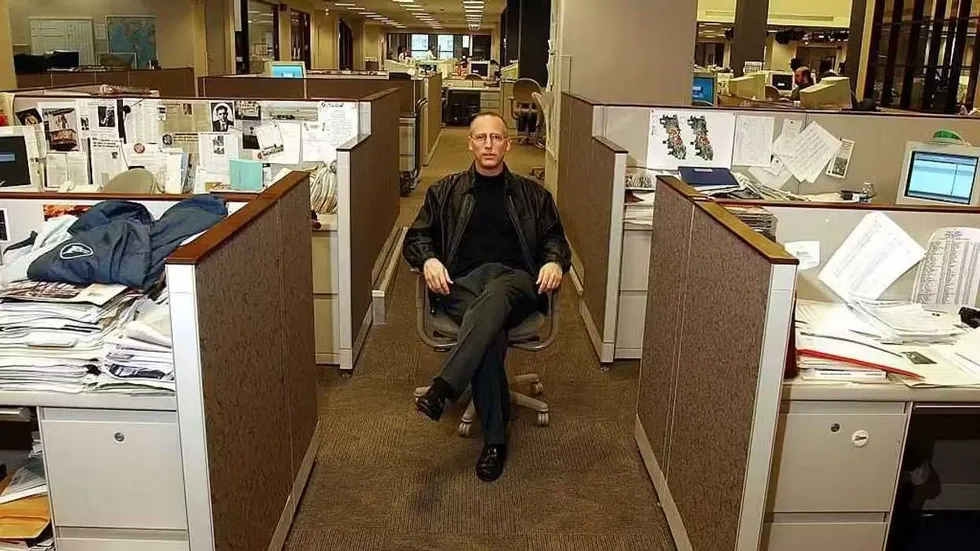 Scott Adams in 2002. Phil Velasquez/Chicago Tribune/Tribune News Service via Getty Images
Surprised by truth
After his release, Colson avoided the obvious paths. He did not rehabilitate his reputation through commentary. He did not return to politics as a chastened insider. Instead, he committed the remainder of his life to prisoners — men for whom dependence was not temporary.
“Christianity is not about becoming respectable,” Colson later said. “It is about becoming obedient.” Colson’s instinct for loyalty made him a quick study. But his newfound faith didn’t soften his nature as much as it reordered it toward something worthier.
To the end, Colson remained intense, structured, demanding, and — as those who doggedly proclaim the truth tend to be — dangerous.
FTC slams CarShield: $10M scam exposed
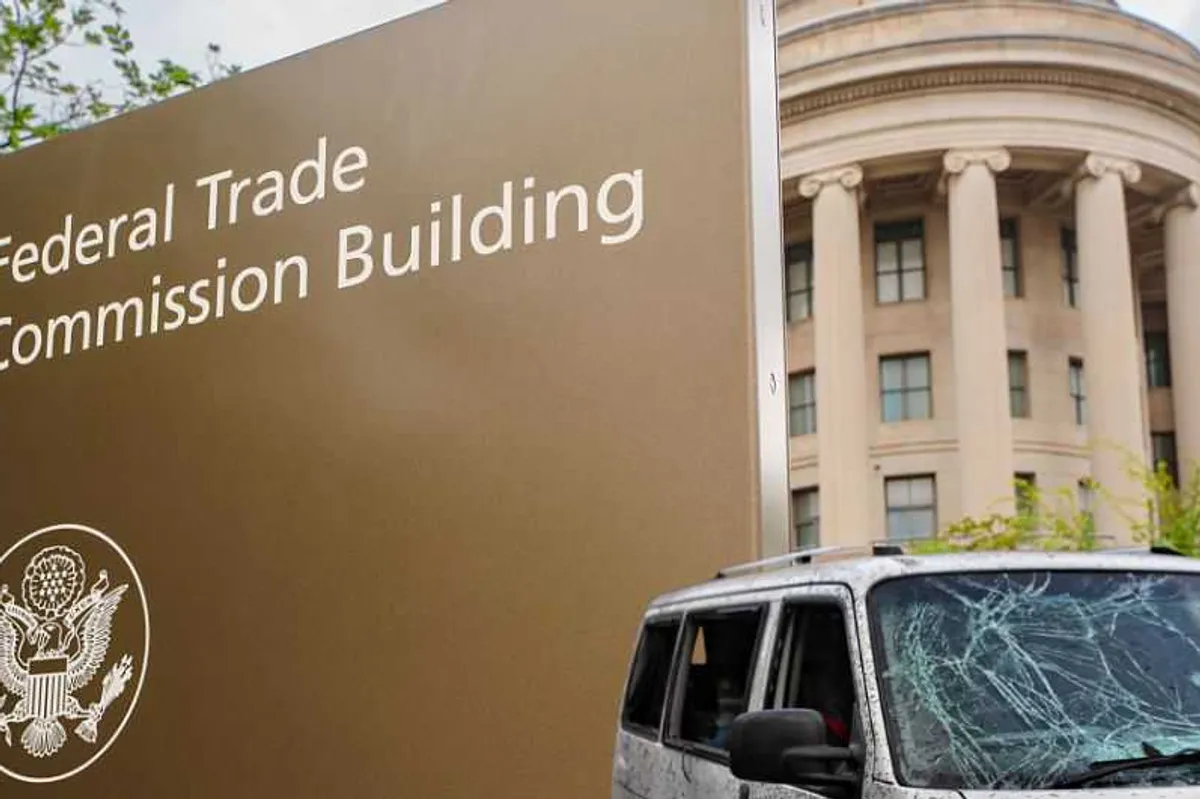
Most drivers don’t expect to hear from the federal government — unless something has gone very wrong.
But this month, more than 168,000 Americans opened their mailboxes to find checks from the Federal Trade Commission, tied to a case that exposed widespread deception in the vehicle service contract industry.
The FTC’s action may be a turning point, signaling that regulators are paying close attention to misleading automotive advertising.
The fallout is significant: More than $9.6 million is being returned to consumers who were misled and often left paying for repairs they believed were covered by CarShield and American Auto Shield.
It’s one of the largest automotive-related refunds of the year — and it raises serious questions about how these companies operate, what consumers should watch for, and whether the settlement goes far enough.
Scam watch
After years investigating automotive scams and pushing for transparency, I can say this case highlights a deeper problem: service contract companies relying on aggressive marketing, inflated promises, and fine print that favors the seller.
In July 2024, CarShield and American Auto Shield — two of the most recognizable names in the extended warranty business — agreed to pay nearly $10 million to settle an FTC complaint. The allegations included misleading advertising, deceptive telemarketing, and coverage claims that didn’t match reality.
Many drivers believed they were buying protection for major repairs, sometimes paying up to $120 a month. When problems arose, they discovered that coverage often disappeared behind exclusions, denials, and carefully crafted contract language.
Cover story
According to the FTC, the companies advertised that virtually all repairs — or all repairs to “covered” systems — would be paid. Drivers were told they could use any repair shop and receive free rental cars during breakdowns. Instead, many were stuck with bills they thought they had avoided.
The FTC argued these claims persuaded consumers to buy service contracts that failed to deliver. Under the settlement, both companies must stop deceptive marketing practices and ensure that endorsements and testimonials reflect real, verifiable customer experiences — an important change given how central celebrity endorsements were to their advertising.
Checks and balances
Refunds are already under way. Checks have been mailed to 168,179 affected drivers and must be cashed within 90 days. No banking information or payment is required. Consumers with questions are directed to the refund administrator or the FTC’s website.
This action is part of a broader FTC push to hold companies accountable in industries where consumers are easily confused or misled. In 2024 alone, FTC enforcement returned more than $339 million to consumers nationwide. Automotive issues remain a major focus because unexpected repair costs can quickly become a financial burden.
Vehicle service contracts — often sold as “extended warranties” — can be useful when offered clearly and honestly. Too often, however, consumers are sold peace of mind that turns into high monthly payments and denied claims, with exclusions overwhelming any real benefit.
RELATED: Ford just lost $20 billion on its EV investment
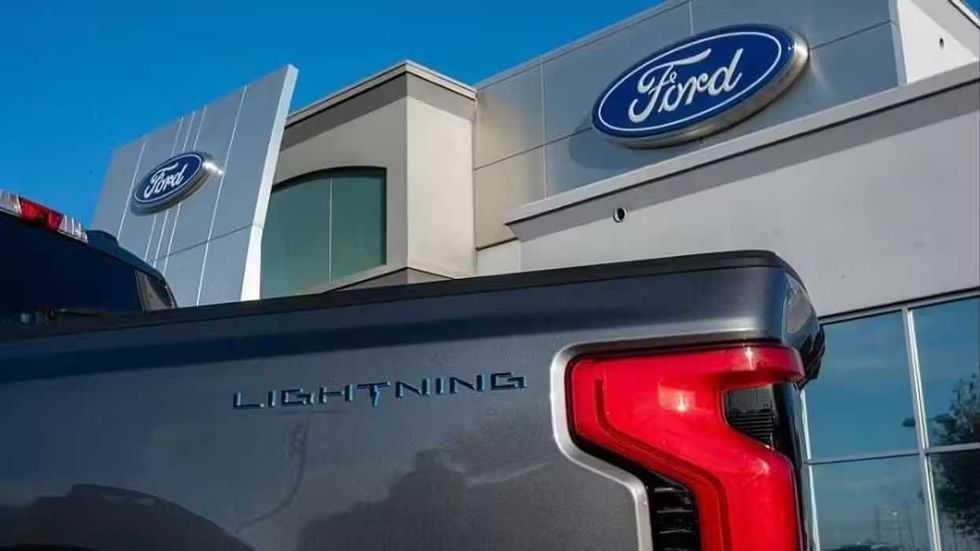 Bloomberg/Getty Images
New scrutiny
The FTC’s move may signal a shift toward tougher oversight of automotive advertising. Whether it leads to broader industry reform remains to be seen, but companies using vague language and unrealistic promises are clearly facing more scrutiny.
Drivers deserve clear information and coverage that matches what is advertised. This case is a reminder to stay skeptical: If a deal sounds too good to be true, it probably is.
Bottom line: Big print gives, small print takes away. Read the contract carefully — because most of these deals simply aren’t worth it.
Diddy sent President Trump a letter, but he won’t be pardoned, POTUS reveals
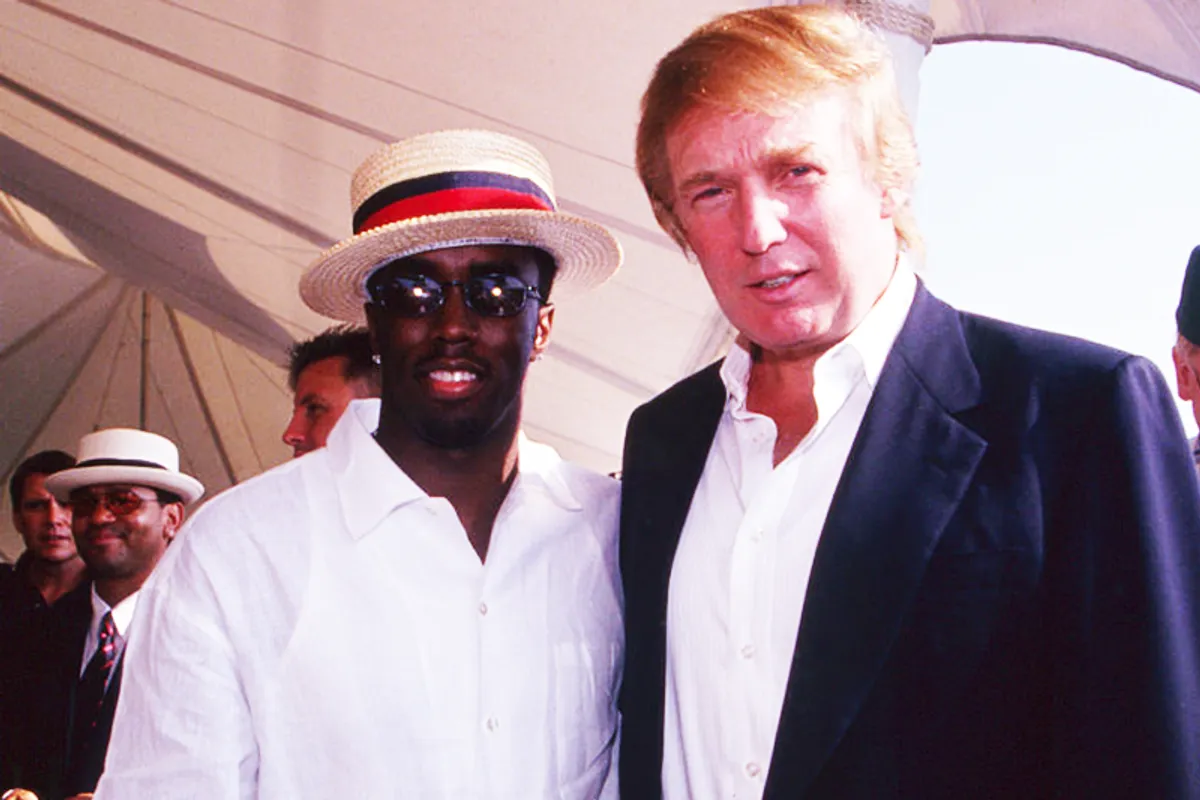
Despite a relationship spanning more than 20 years, President Donald Trump said he will not intervene in Sean “Diddy” Combs’ jail sentence.
Combs is currently serving a 50-month prison sentence after being charged for two counts of transportation to engage in prostitution in 2025.
‘I was very friendly with him. I got along with him great and seemed like a nice guy.’
After the president stated in October that Combs had asked him for a pardon, he recently confirmed to the New York Times that the request came in the form of a letter.
Pardon me
The two-hour interview with the Times serves as the first official confirmation that the letter to the president exists, with Trump allegedly saying he was willing to show it off to reporters, but ultimately did not.
Trump reportedly told the outlet that Combs “asked me for a pardon,” which was “through a letter,” but revealed he is not considering granting the request.
RELATED: Diddy’s Big Circus
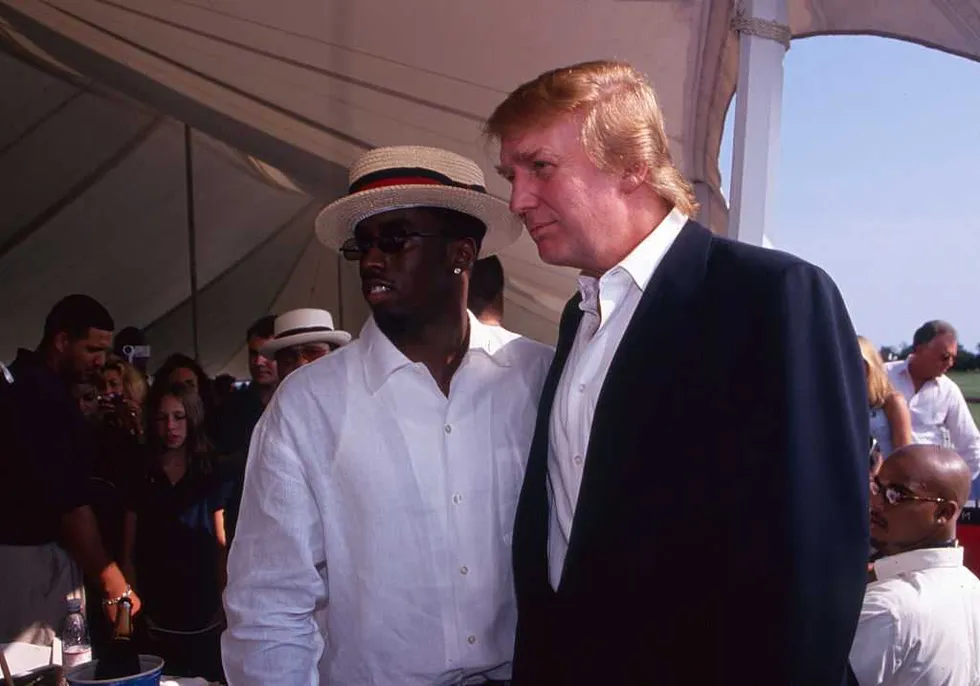 Photo by Sonia Moskowitz/Getty Images
“I have a lot of people [who] have asked me for pardons,” the president said in October. “I call him Puff Daddy, has asked me for a pardon,” he added, referring to one of Combs’ previous aliases as an artist.
Friendship ended?
As Blaze News reported, Trump told Newsmax in 2025 that the two had a prior relationship, but Diddy apparently made remarks that turned the president sour.
“I was very friendly with him. I got along with him great and seemed like a nice guy. I didn’t know him well. But when I ran for office, he was very hostile. And it’s hard. Like you, we’re human beings, and we don’t like to have things cloud our judgment. But when you knew someone and you were fine, and then you run for office and he made some terrible statements.”
“He was essentially, I guess, sort of half-innocent,” Trump included.
RELATED: 25 years later, the gaming console that caused so much chaos is still No. 1
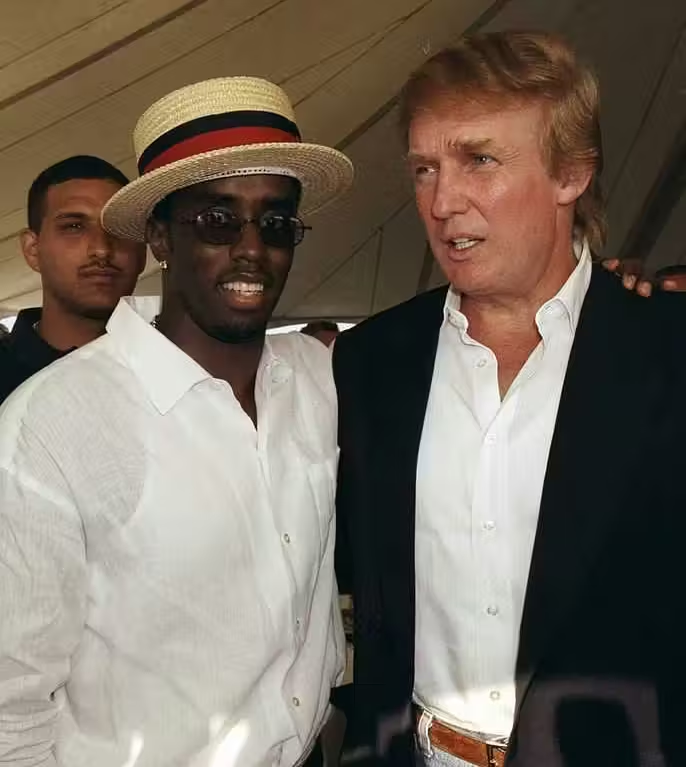 Photo by Richard Corkery/NY Daily News Archive via Getty Images
Combs over
Recently, Combs has asked an appeals court to overturn his convictions and release him from jail.
A report from the BBC said Diddy’s attorney made the argument that the producer was improperly sentenced and that his conduct was not criminal in nature.
In addition, photos have resurfaced of Trump and Combs standing side by side, appearing to get along in 1998. The photos were taken at the Mercedes-Benz Polo Challenge in Bridgehampton, Long Island.
Like Blaze News? Bypass the censors, sign up for our newsletters, and get stories like this direct to your inbox. Sign up here!
I joined a cult — and I’m not leaving
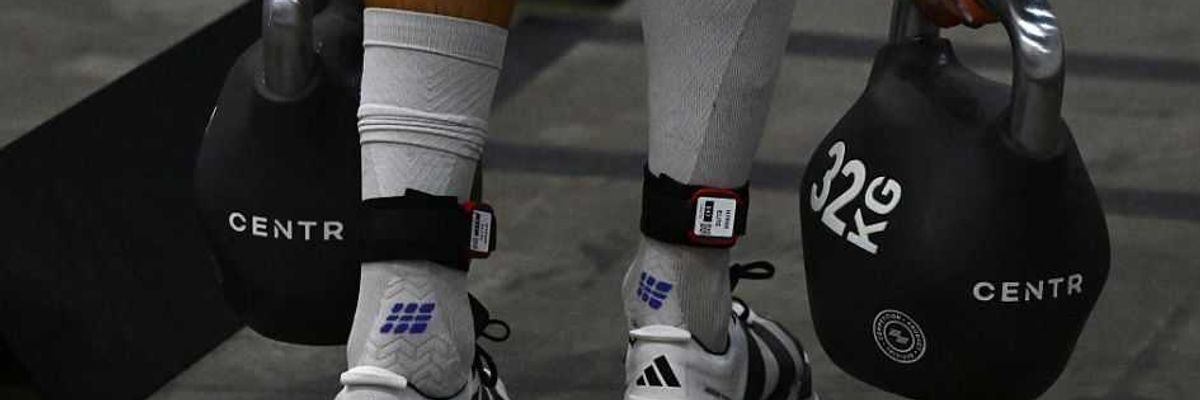
A few years ago, I went all in on CrossFit.
Not casually. Not “a couple of sessions a week.” I mean fully immersed. Dawn classes. Protein evangelism. Callused palms held up like merit badges. A vocabulary that slowly became unintelligible to my friends and family.
Effort has been engineered out of daily existence. The result isn’t ease but restlessness. So people voluntarily buy pain.
It worked, too. I got strong. Very strong. But eventually, the thing that had promised discipline started to feel devotional. The workouts were brutal, yes, but the culture grew insistent — about identity, about belonging, about the strange idea that redemption could be loaded onto a barbell.
I left CrossFit because it started to feel like a cult. Manson family vibes, minus the desert and the murders. It had a creed, but a shallow one: Pain conferred status, while rest felt vaguely shameful. And like most people who escape one intense, borderline insane tribe, I did the most predictable thing imaginable. I joined another.
Enter Hyrox.
20 miserable meters
If CrossFit thrives on variety, Hyrox runs on ritual. The same test. Every time. Everywhere. Eight one-kilometer runs, each broken by a workout station designed to sap dignity and drain glycogen in equal measure.
Sled pushes that turn legs to jelly. Burpee broad jumps that make grown adults negotiate with God. Farmer’s carries that compress your entire life into 20 miserable meters. Lunges, rowing, wall balls, the works. No mystery. No surprises. No excuses. You know exactly what’s coming. Which somehow makes it worse.
What began as a handful of lunatics in a warehouse now stretches from Boston to Brisbane. Americans, in particular, go absolutely gaga for this brand of glorified self-flogging. Last year, some 70,000 Americans lined up to compete in Hyrox races.
It’s measurable. It’s standardized. It has timing chips, age brackets, and leaderboards that humiliate you with forensic precision. And as a fully indoctrinated Hyroxer, I can’t pretend I’m above it. I get it.
Something primal
I’ve raced in the U.K., Ireland, and Thailand. Thailand, in particular, feels surreal. You’re preparing for an event designed to dismantle your nervous system while palm trees nod approvingly, someone hawks knockoff iPhones nearby, and ladyboys shout suggestive comments. And yet amid the madness, something primal asserts itself. Suffering, it turns out, is a universal language.
Hyrox isn’t “for everyone,” and it shouldn’t be sold that way. There’s a strange modern habit of presenting extreme physical challenges as all-purpose answers. As if every personal demon can be exorcised with sprints. For some people, this stuff is genuinely stabilizing. Structure helps. Training gives shape to days that might otherwise dissolve. Discipline can be a lifeline.
For others, though, it’s avoidance, plain and simple. I’ve met men and women who, without an outlet this intense, would almost certainly be annoying their lawyers or alarming psychiatrists. Not everything can be lifted, lunged, or rowed into submission. Eventually the joints revolt and the scoreboard stops flattering you.
Comfortably numb
The global popularity tells us something slightly uncomfortable about the moment we’re living in. Modern life is comfortable to the point of numbness. Effort has been engineered out of daily existence. The result isn’t ease but restlessness. So people voluntarily buy pain. They pay for race entries, overpriced shoes, and punishing workouts simply to feel alive again. Hyrox doesn’t negotiate. You run, or you don’t. You move the sled, or it doesn’t move. The feedback is immediate and unforgiving.
And it’s precisely that simplicity that has prompted the next, inevitable escalation: Olympic ambition.
Hyrox’s new Science Advisory Council, a small army of researchers from New Zealand, the U.K., and Europe, signals a sport that wants legitimacy. Standardization, data, physiology, performance analysis — the entire scientific kitchen sink has been thrown at the 2032 dream. On paper, it makes sense. The format is fixed. The judging is clean. The variables are controlled. If breakdancing can make it into the Olympic ecosystem, why not a race that looks like a PE teacher’s revenge fantasy?
Why not, indeed.
RELATED: Women can crush pull-ups too: 5 steps to doing your first
 Wundervisuals/Getty Images
Going mainstream
The Olympics have always been a little ridiculous. They celebrate niche obsessions elevated to national honor. People dedicate their lives to throwing things, jumping over things, sliding on ice in improbable positions. Hyrox fits right in. It’s absurd, yes, but so is speed-walking. So is synchronized swimming. Absurdity has never been a barrier to inclusion.
The more interesting question isn’t whether Hyrox deserves Olympic status. It’s what happens to a cult when it goes mainstream, when something built in warehouses and back alleys gets handed a global spotlight. Like an underground punk band suddenly piped through stadium speakers, intensity changes when scale takes over. What once thrived on proximity starts to lose its edge.
Whatever happens, I’ll line up again. Dublin. Bangkok. London. I’ve drunk the Kool-Aid, I know what’s in it, and I’m still reaching for another cup. There’s no exit interview. No recovery program. I’m not a philosopher. I just know that in a world drowning in opinions and moral lectures, it’s a relief to face a problem that can only be solved by putting one foot in front of the other, until you can’t.
Ford just lost $20 billion on its EV investment
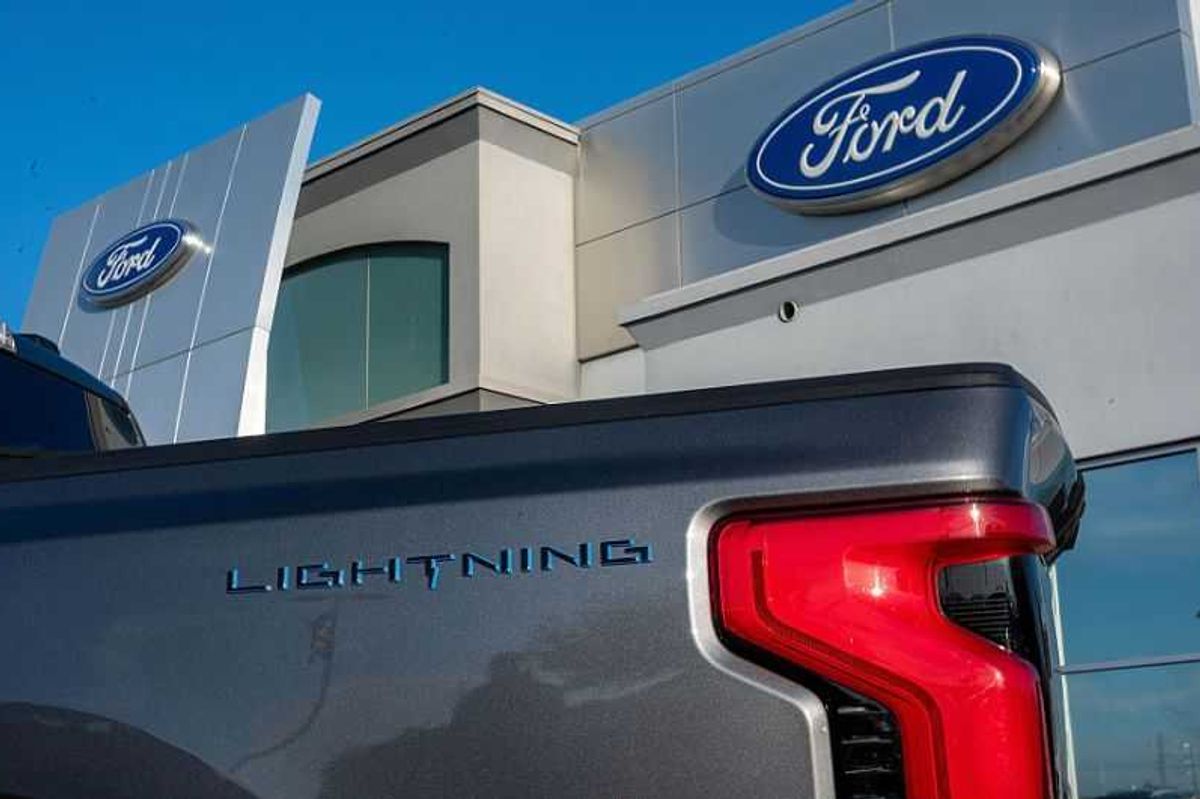
If you want a clear picture of where the American auto market is heading, don’t look at political speeches or glossy concept vehicles. Look at where manufacturers are spending — and writing off — real money.
Case in point: Ford’s $19.5 billion decision to abandon plans for a next-generation all-electric F-150.
Ford’s leadership is now openly saying what many in the industry have been signaling quietly: Customers are not moving in lockstep with regulatory timelines.
The company’s change of direction for its massive BlueOval City complex in Tennessee is one of the clearest signals yet that the industry’s all-electric future, at least as it was sold to consumers and investors, is being fundamentally rethought.
Instead of building a new electric F-150 Lightning there, Ford will pivot the facility toward producing lower-cost gasoline-powered trucks while shifting electric strategy toward hybrids, extended-range electric vehicles, and smaller EVs.
Demand in the driver’s seat
This move matters because Ford did not quietly slow production or delay a model year refresh. It wrote down billions of dollars in electric vehicle assets, restructured long-term plans, and publicly admitted that customer demand — not forecasts or incentives — is now driving decisions.
Ford expects roughly $19.5 billion in special charges tied to this pivot, most of which will hit in the fourth quarter, with an additional $5.5 billion in cash costs spread through 2027. Of that total, $8.5 billion represents EV asset write-downs. That is corporate language for investments that will not deliver the returns originally promised.
Yet Wall Street’s reaction was telling. Ford stock rose about 2% in after-hours trading following the announcement and remains up nearly 40% this year. Investors appear to see this not as failure, but as realism.
Sticker shock
The electric F-150 Lightning was once positioned as proof that electrification could conquer America’s best-selling vehicle segment. In theory, the idea made sense. In practice, the numbers never fully added up. High prices, heavy battery packs, range limitations under real-world towing conditions, and charging concerns narrowed the pool of potential buyers. Demand softened even as incentives increased.
Ford now plans to transition the Lightning into an extended-range electric vehicle, pairing an electric drivetrain with a gasoline-powered generator. This is not a retreat from electrification. It is an acknowledgment that pure battery-electric power trains do not yet meet the needs of a large portion of truck buyers.
Ford CEO Jim Farley framed the shift plainly. High-end EVs priced between $50,000 and $80,000 were not selling in sufficient volume. That reality is difficult to ignore when inventory sits on dealer lots and profit margins evaporate.
Hybrid vigor
At the same time, Ford is going all-in on hybrids, including plug-in hybrids, and reinvesting in its core strengths: trucks, SUVs, and commercial vehicles. This reflects a broader industry trend. Hybrids offer meaningful fuel economy improvements without requiring buyers to overhaul their driving habits or rely on charging infrastructure that remains inconsistent in many parts of the country.
Ford’s revised outlook projects that by 2030, about half of its global volume will come from hybrids, extended-range EVs, and fully electric vehicles combined. That is a significant increase from today, but it is far more balanced than earlier projections that leaned heavily toward full electrification.
Lightning rod
One of the more curious elements of Ford’s announcement is its plan to build a fully connected midsize electric pickup starting in 2027, based on a new low-cost “Universal EV Platform.” The company suggests this truck could start around $30,000, a figure that raises serious questions.
To put that claim into context, Ford’s Maverick Hybrid, which uses a small 1.1 kilowatt-hour battery, already approaches $30,000 in many configurations. A midsize EV pickup would likely require an 80 kilowatt-hour battery or more. Battery costs have declined, but not nearly enough to make that math easy — especially while maintaining margins.
Consumers will ultimately decide whether such a vehicle makes sense. Price, capability, range, and charging convenience will matter far more than marketing language. Automakers are learning, sometimes the hard way, that affordability cannot be willed into existence by press releases.
Batteries included
Ford’s restructuring also includes repurposing battery plants in Kentucky and Michigan for a new stationary energy storage business. This is a strategic move that acknowledges batteries may find more reliable profitability off the road than on it, particularly in data centers and grid stabilization applications where weight, charging time, and cold-weather performance are less critical concerns.
The broader lesson here is not that electric vehicles are disappearing. They are not. It is that the one-size-fits-all electrification narrative has collided with economic and consumer reality. Automakers were pushed, through regulation and incentives, to prioritize battery-electric vehicles at a pace the market could not fully absorb.
When policy environments change, as they recently have, manufacturers regain flexibility. Ford’s leadership is now openly saying what many in the industry have been signaling quietly: Customers are not moving in lockstep with regulatory timelines.
From a business standpoint, Ford is attempting to stabilize profitability. The company raised its adjusted earnings guidance for 2025 to about $7 billion, even as these restructuring charges weigh on net results. It is aiming for a path to profitability in its Model e EV division by 2029, with incremental improvements beginning in 2026.
That is a long runway, and it reflects how difficult it has been to make EVs profitable at scale. Traditional internal combustion and hybrid vehicles continue to subsidize electric losses across the industry. Ford is now being more transparent about that reality.
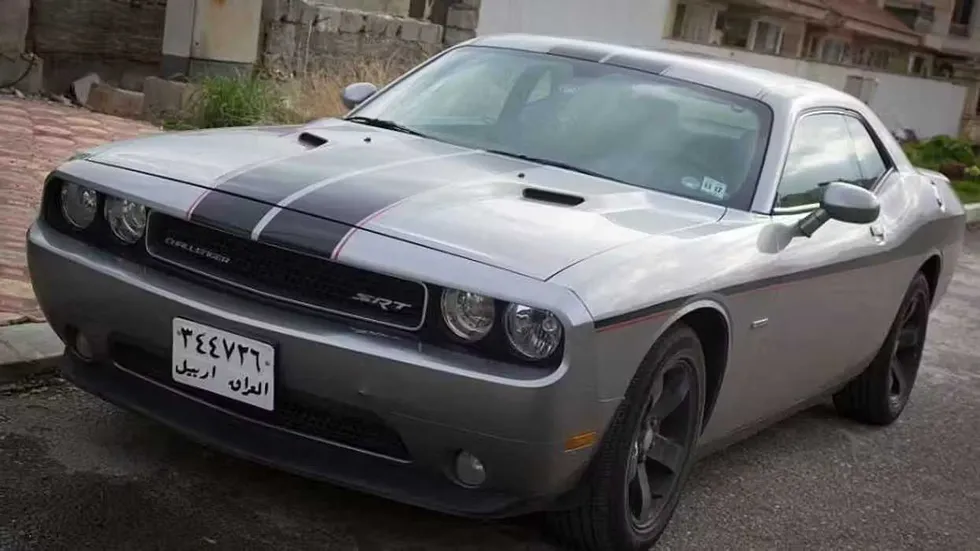
RELATED: American muscle-car culture is alive and well … in Dubai
 Matt Cardy/Getty Images
Turning radius
This shift also has implications for American manufacturing and jobs. BlueOval City was originally pitched as a cornerstone of the electric future. Its revised mission underscores how quickly industrial strategies can change when assumptions fail. Gasoline and hybrid trucks remain highly profitable, and demand for them remains strong.
Ford insists this is a customer-driven strategy, not a retreat. In many ways, that framing is accurate. Consumers have shown they value choice, reliability, and affordability more than power-train ideology. They want vehicles that fit their lives, not policy targets.
For buyers, this could be good news. A more balanced market tends to produce better products at more reasonable prices. Hybrids, extended-range EVs, and efficient gasoline vehicles all play a role in reducing fuel consumption without forcing trade-offs many drivers are unwilling to accept.
For investors, Ford’s announcement may mark a turning point toward discipline and realism. Writing down nearly $20 billion is painful, but continuing to chase unprofitable volume would be worse.
For the industry, the message is unmistakable. Electrification is evolving, not ending. But it will happen on consumer terms, not political timelines.
Ford’s course correction is not about abandoning the future. It is about surviving the present — and doing so with a clearer understanding of what American drivers are actually willing to buy.
The American car industry would be in a much stronger position today had its CEOs not embarked on the EV joy ride with politicians promising subsidies. Next time maybe the brands will listen to the customer.
When did America start going to bed so early?
There was a moment — maybe early 2000s? — when people began talking about a new frontier in American life.
I remember there was a “Nightline” episode about it and articles in magazines.
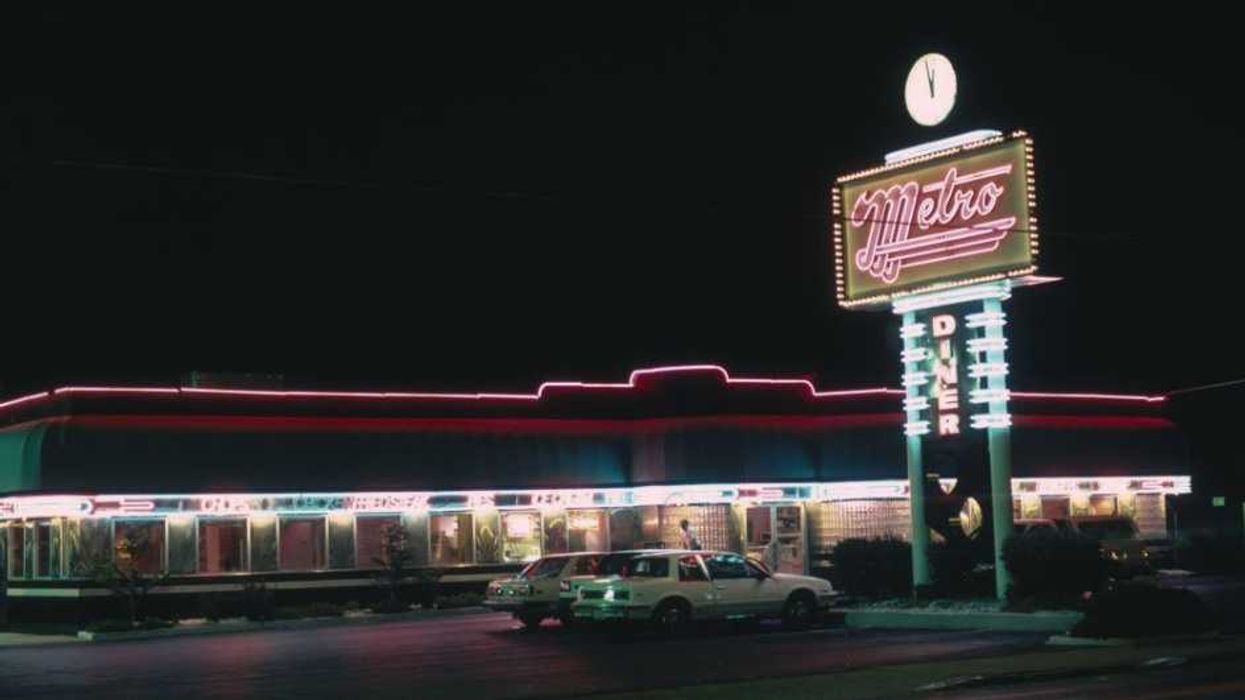
In Portland, where I live, the last 24-hour diner-style chain, Shari’s, closed all its restaurants earlier this year. Too dangerous to stay open that late.
They described a new territory that was open for exploration. A place where most people were still reluctant to go. But this new space held new opportunities and prospects for growth.
This new frontier was called “late-night America.” It wasn’t a geographical location. It was a time period. It occurred from approximately 11:00 p.m. to 6 a.m.
Crosstown traffic
The idea was as the world became more crowded, with more cars on the road, more people packing into office buildings every morning, a natural evolution was occurring.
People were opting to change their schedules to avoid the crowds. They were staying up later, working later, and beginning to inhabit late-night America.
These early adopters preferred a less hectic world, so they adjusted their lives toward the “off hours.”
Think of Midtown Manhattan at lunch time. The Seattle Fish Market at 9:30 am. Or your own city during afternoon rush-hour traffic.
Now think of all those places at 4 a.m. Pretty different, aren’t they? Not so crazy. Not so overwhelming.
The worst thing you might encounter at 4 a.m. is a garbage truck or an impatient jogging enthusiast with an early work schedule.
As more people began to see the obvious advantages of conducting their business and personal lives at a later hour, other businesses sprang up to serve them.
Instead of just one 24-hour restaurant in your town, now there were a dozen. Many gas stations went 24 hours as did convenience stores. Big cities added more night buses. Supermarkets began staying open until 11, then midnight, and then 1 a.m.
With more people inhabiting it, the late-night world became a more active place. It was fun working the late shift. It was easier to drive to work. The vibe was more relaxed. People weren’t in such a hurry.
San Francisco noir
I was always a night owl. My first job out of college I worked at a courier company in San Francisco. We did most of our business during normal hours, 9 to 5. But I quickly maneuvered myself into the swing shift position, coming in at 2:30 p.m. and staying until 11.
After 5, I was alone in the office. I routed the overnight shipping and spent the late hours on the phone with my cohorts at our company’s other branches in other cities.
The late-night crew got to know each other. We were the oddballs of our respective offices. We tended to be more eccentric, more interesting than the daytime employees.
When I was occasionally called in by my boss to work a normal 9-to-5 shift, I found the routine deeply disturbing.
Imagine waking up at 8 in the morning! Riding a packed, slow-moving bus downtown. Waiting in line for 10 minutes for a morning coffee. Standing in another line for a soggy sandwich at lunch.
All of this with robotic office workers crowded around me. Dan from sales. Sheila from billing. Their business outfits. Their terrible hairstyles. It was unbearable!
But to be on the late shift, alone in the office, with the radio on, my feet on the desk. That was heaven. And then leaving the building at 11, the downtown streets deserted, late-night San Francisco all to myself.
Truck stop scribbling
Later when I became a professional writer, I loved working in late-night cafes. Or 24-hour diners. Or truck stops, if there were one nearby.
I went there to work, but I liked having people around, a nice waitress, some foot traffic, someone to share a bit of conversation with.
Or on a bad weather night, there were the state troopers or the snowplow guys coming in from the cold at 2 a.m. for a hot coffee and a piece of pie — wasn’t that fun to be part of?
Thanks to late-night America, there were always such places available. It was a great time for a person like me. I always had somewhere to go. Some coffee to drink. And mostly good people to be around.
Closing time
By now, you probably know where this story is going. We are presently at the other end of the pendulum swing. Now NOTHING stays open late. Good luck finding a coffee shop that’s open after 4!
In Portland, where I live, the last 24-hour diner-style chain, Shari’s, closed all its restaurants earlier this year. Too dangerous to stay open that late. And nobody wants to work those hours.
The early-closing phenomenon had already begun before COVID, and then COVID finished the job.
Plus in many cities, there is now the constant presence of homeless and mentally ill people to contend with.
In response, business owners have decided it’s best to minimize their hours of operation. They lock their doors and lower their metal gates as soon as the sun goes down.
Last of the lounge lizards
Bars are still open, of course. But even that world is shrinking. Young people don’t go out as much these days. They have other ways to socialize, and they have multiple forms of entertainment right there in their homes.
Meeting people for romantic purposes was once the primary reason for being out late at night. But this seems to be on the wane as well.
Men are less eager to approach women in public places. And contemporary women, with careers and important jobs, don’t want to be out late at night. Swiping on dating apps during lunch hour is a much more efficient way to meet a potential partner.
Are there still jobs on the night shift? Sure there are. Trucking, loading, and delivering are still much easier during off-hours. But most of the other late-night jobs are … well … security guard, security patrol, security supervisor.
In other words, protecting people and property from the dangers of the night.
Goodnight, moon
So yeah, that last frontier? It’s closed.
For such a social space to function safely, you need a high-trust, high-functioning society. People need to feel safe. They need to trust each other.
Society is too fractured at the moment for that to happen. There is too much crime, too much drug abuse, too many zombies to venture into the dark.
But think of the romance lost! Think of the late-night walks you can’t go on. The moonlit skies you’ll never see. The late-night drives in a cozy car with the radio on.
These are not insignificant things for a culture to lose. The night should be ours. The night should belong to us.
Celebrate Christ’s birth with the world’s best Christmas carol — and it’s not the version you think

As the years pass by, it can feel like Christmas has become less about the birth of Christ and his salvific mission and more about secularism and winter.
Look no farther than some of the most popular “Christmas” carols of the past 100 years: “White Christmas,” “Rudolph the Red-Nosed Reindeer,” “Deck the Halls,” “Grandma Got Run Over by a Reindeer,” and on and on.
This Christmas, as you gather with your family, return to the meaning of the holiday — the birth of Christ — by reflecting on the original French version of “O Holy Night.”
The closing lyrics proclaim, without equivocation, that it is Christ who has saved us and we celebrate his coming. In other words, Christ is King!
For those in the French-speaking world, and especially the Acadian and Quebecois diaspora in New England, “Minuit Chretien” was a staple entrance hymn of midnight Mass.
While the English version “O Holy Night” is a beautiful song, the lyrics were adapted by Unitarian minister John Sullivan Dwight, reducing the theological weight of the original French.
Here are those English lyrics.
O holy night, the stars are brightly shining;
it is the night of the dear Savior’s birth.
Long lay the world in sin and error pining,
till He appeared and the soul felt its worth.
A thrill of hope, the weary world rejoices,
for yonder breaks a new and glorious morn!
Fall on your knees! O hear the angel voices!
O night divine! O night when Christ was born!
O night divine! O night, O night divine!
According to Chicago Catholic, the newspaper of the Archdiocese of Chicago, the song quickly became popular in Northern U.S. abolitionist circles due mainly to its third verse, which deals with breaking the chains of slavery.
Truly He taught us to love one another.
His law is love and His gospel is peace.
Chains shall He break, for the slave is our brother,
and in His name all oppression shall cease.
Sweet hymns of joy in grateful chorus raise we.
Let all within us praise His holy name.
Christ is the Lord! O praise His name forever!
His power and glory evermore proclaim!
His power and glory evermore proclaim!
Again, this is beautiful, but it downplays the truly salvific mission of Jesus Christ, God incarnate.
Before examining the French lyrics and their literal English translation, listen to the definitive version of the song, sung by Luciano Pavarotti at Notre Dame Basilica in Montreal, Quebec, in 1978. The concert in which he sang this rendition was a long-standing PBS Christmas special.
French lyrics
Here are the French lyrics, as compiled by the Oxford International Song Festival.
Minuit, Chrétiens, c’est l’heure solennelle,
Où l’homme Dieu descendit jusqu’à nous
Pour effacer la tache originelle
Et de son Père arrêter le courroux.
Le monde entier tressaille d’espérance
À cette nuit qui lui donne un sauveur.
Peuple, à genoux, attends ta délivrance.
Noël, Noël, voici le Rédempteur.
The tone is set right at the start. The verse boldly announces that this song is for believers. “Midnight, Christians, it is the holy hour.”
There is no mistaking this for secularism or a postmodern, easy Christianity. It calls the listener to remember that he is Christian and that Christmas is about the coming of the Savior, as the second line says, “When God as man descended unto us.”
The next part boldly proclaims the reason Christ became man: to save mankind from the stain of original sin. “To erase the original stain, and to end the wrath of His Father.”
The next two lines are very close to the English translation: “The whole world thrills with hope on this night that gives it a Savior.”
The end of the first verse brings it home: “Kneel, people, await your deliverance: Christmas, Christmas, the Redeemer is here!”
A bold declaration of what the night is about: the coming of deliverance that Christ the Redeemer brings!
The second and third verses are as reverent and hopeful as the first. The closing lyrics proclaim, without equivocation, that it is Christ who has saved us and we celebrate his coming. In other words: Christ is King!
Is the laundromat the last bastion of public life?
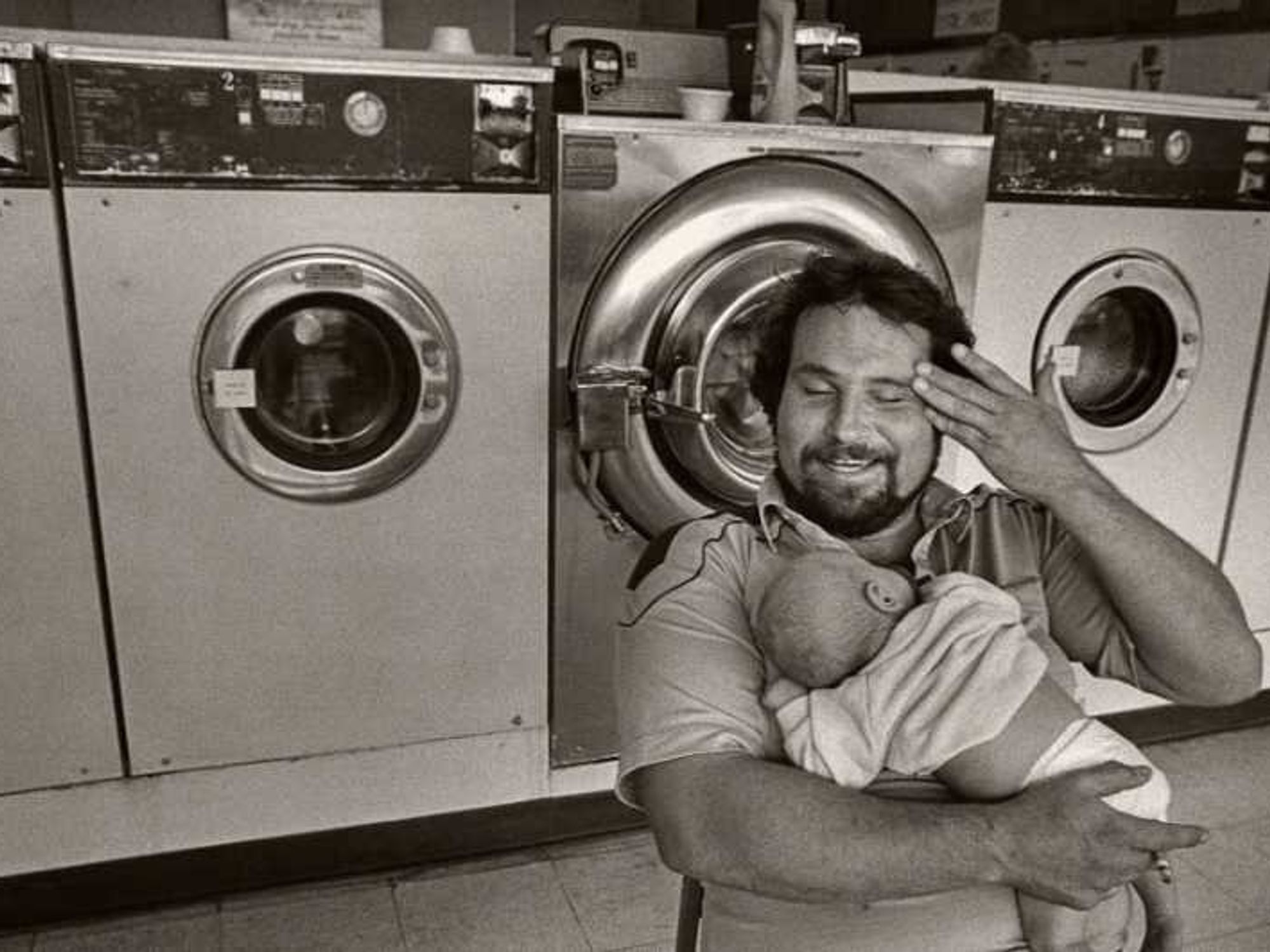
The world is vast and varied — different foods, cars, buildings, beliefs, and political systems wherever you go.
Yet somehow, laundromats are always exactly the same.
In an era of technologically dehumanizing isolation, I find myself seeing beauty in the most mundane moments of human connection or human commonality.
Universal, they stretch from the northern Atlantic to the southern Pacific. Where there are people and where there is civilization, there is laundry and there are laundromats.
Watching the washers
I remember waiting in a laundromat in northern France. It was right across the street from the Super-U. It was long and thin with tall windows that stretched from the floor to the ceiling. It was late November, the low sun was warm on the seats next to the windows, our clothes turning back and forth behind the tightly sealed window facing us. The silence of the warm carpet, our winter coats unbuttoned though still on, as we waited for our clothes to finish before walking back to the apartment.
In Chicago, my laundromat had long rows of metal machines. They loaded from the top and took six quarters per cycle. You slipped the quarters in the little slots and only once all six were filled could you push the metal slider forward. A few seconds later, the machine would start.
There were boxes of overpriced dry laundry soap next to the front door and a few benches next to the bathrooms that were always occupied by people staring down at their phones. I would wait in the corner, leaning against a rumbling dryer, looking up from my phone only when someone got up to move their wet clothes from washer to dryer. I would see wrinkly shirts, knotted sweaters, socks, pants, and skirts as they shuffled their clothes to another metal machine.
When I lived in Jerusalem, I washed my clothes at a laundromat close to Kikar Tzion. It was usually quiet, though never entirely empty. There was always someone else there talking quietly on the phone, listening more than speaking. Sometimes in Hebrew, sometimes in Russian, sometimes in French. The walls were covered with posters and printouts with little tags with phone numbers that could be torn off and slipped into your pocket if you were interested in whatever they were selling.
Metal machine music
Last week, our washer broke. On Saturday night, I took three loads plus two kids out in a snowstorm to the laundromat to get the laundry done.
It was empty, with the exception of the guy at the front desk who greeted us kindly as we stumbled in knocking the snow off our boots on the long black carpet. There was a TV in the corner, a couple tables with chairs, long lines of big, silver machines, and a few teal seats that looked like they were made in 1982. The kids and I loaded up the machines, poured in the detergent we had brought from home, and began listening to the low hum as the clothes began to spin.
The sound is always the same in every laundromat. There’s never loud music on a stereo; if there’s a TV, it’s always muted or very quiet. Even the people waiting for their socks and underwear behave as if they’re in a library, talking in low voices by the rumbling machines and spinning heat.
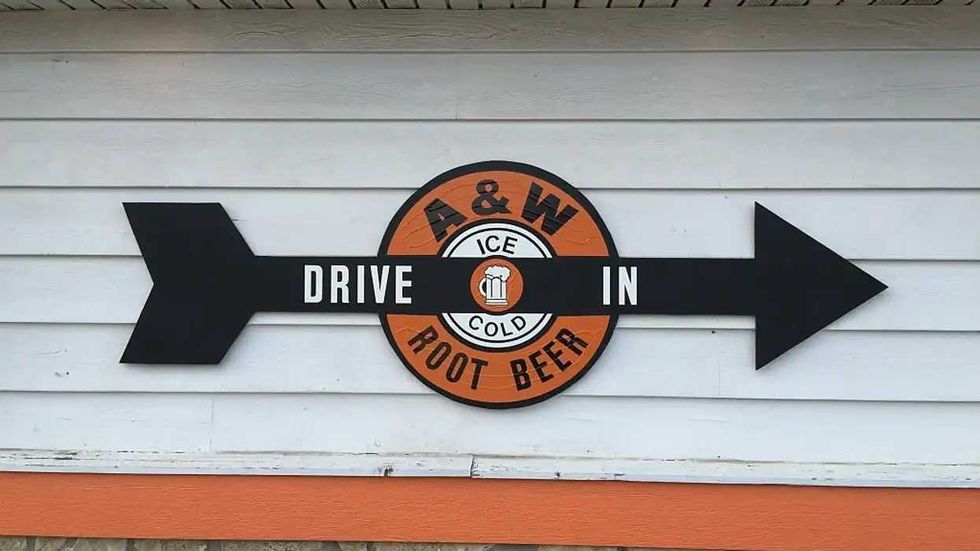
RELATED: The A&W Drive-In in Cortland, New York, isn’t just a lunch spot — it’s a time machine
 Jim Steinfeldt/Getty Images
On the scent
The smell too; it’s always the same. All laundry soap all over the world has that same detergent-y scent. Soft, flowery, and lightly chemical. Detergent in Italy and detergent in Israel may have different names from detergent in America or detergent in Iceland, but they all are basically the same. The world is big and there are so many people, but all their clothes smell the same.
At the laundromat, people wash their most intimate garments in public, together. They carry their laundry baskets in and wash the things they only show their significant others right next to the things that someone else only shows theirs.
We never acknowledge any of this, and this is why we all hurry to put our clothes in, or change our clothes over, when we are at the laundromat. We all have a secret to protect, and we are all stuck together, in public, with the spinning machines, the low hum of the heat, and the smell of chemical flowers.
Together alone
This is part of why we are all fairly quiet as well. It’s like we don’t actually want to acknowledge that anyone else is really there washing their clothes right alongside ours. We may make small talk, but we don’t say much.
Laundromats are almost something like holdovers from a more necessarily communal time. Waiting and watching the people sitting and their clothes spinning, I have thought about how all the women must have washed clothes down by the river, or wherever it was they did laundry, in the ancient days.
In an era of technologically dehumanizing isolation, I find myself seeing beauty in the most mundane moments of human connection or human commonality. The things we share even if we don’t dwell on them. The things we do together even if we are alone. The spinning machines, the private garments we want to keep to ourselves, the smell of the detergent, the quiet as we wait.
Trump TORCHES Biden-Buttigieg EPA rules
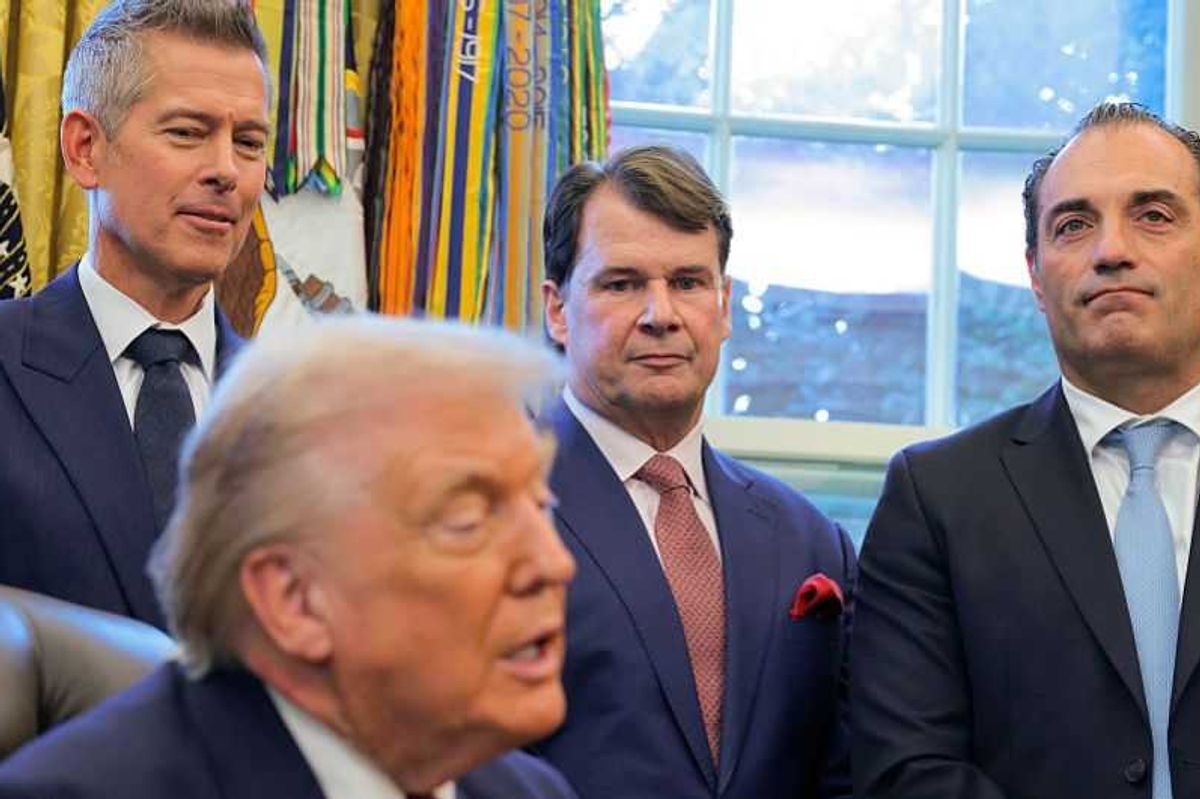
Washington rarely admits when policy has failed. But earlier this month, the White House stepped back from more than a decade of regulations that drove car prices to record highs, limited consumer choice, and tried to force an industry to move faster than technology, infrastructure, or American families could manage.
With the unveiling of the Freedom Means Affordable Cars proposal, President Donald Trump and Transportation Secretary Sean Duffy signaled a dramatic shift in national auto policy — one aimed at making car ownership attainable again for millions priced out of the market.
The Biden-Buttigieg standards were projected to generate $14 billion in compliance fines between 2027 and 2032, costs manufacturers said would be passed directly to buyers.
The timing is critical. New vehicle prices topped $50,000 this fall, while average monthly payments approached $750. Families are keeping cars longer than ever, pushing the average age of the U.S. fleet to record levels. As Washington pushed electric vehicles, consumers pushed back: EV demand stalled, rejection rates soared, and buyers continued to favor affordable gas and hybrid vehicles. That tension has been building for years, and the December 3 announcement marked the most direct challenge yet to the regulatory regime behind it.
Trump’s proposal resets National Highway Traffic Safety Administration fuel-economy rules, reversing Biden-era targets that aimed to push the fleet toward roughly 50 mpg.
Closing the ‘back door’
Under the new plan, Corporate Average Fuel Economy standards return to 34.5 mpg — levels last seen in the late 2000s — with future increases scaled back to what Congress originally envisioned. The administration projects up to $109 billion in savings over five years and roughly $1,000 off the average new car. Whether those figures hold, the philosophical shift is clear: ending what the White House calls a backdoor EV mandate.
For years, automakers warned privately that the prior rules forced them to build vehicles customers didn’t want simply to avoid massive penalties. The Biden-Buttigieg standards were projected to generate $14 billion in compliance fines between 2027 and 2032, costs manufacturers said would be passed directly to buyers. Aligning federal rules with California’s stricter standards further nudged companies toward EVs even as demand weakened. CAFE was never meant to reshape the marketplace — but that is how it was being used.
The consequences were stark. Billions were poured into EV-charging initiatives with little to show for it; $5 trillion was allocated, yet only 11 stations were built nationwide. California faced rolling blackouts with EVs still just 2.3% of vehicles on the road. Experts warned that even 10% EV adoption would strain the grid under current infrastructure. Meanwhile buyers who didn’t want EVs — still the majority — faced fewer choices and higher prices.
Attracting investment
The Trump reset aims to reverse course. Automakers quickly announced new domestic investments. Stellantis committed $13 billion to expand U.S. manufacturing, including Jeep, Dodge, Ram, and Chrysler. Ford pledged $5 billion for American facilities, noting that 80% of its vehicles are already made domestically. General Motors announced $4 billion to bring production back from Mexico while retooling plants for broader consumer demand. Even the United Auto Workers offered support, citing increased U.S. jobs and domestic production.
The plan also includes a tax change backed by the National Auto Dealers Association, allowing buyers to deduct interest on American-built vehicles. At a time when many families are locked out of the new-car market, the measure offers practical relief while encouraging domestic manufacturing.
Less noticed — but equally important — was the Congressional Review Act action that eliminated California’s special emissions waivers. Signed in June 2025, those resolutions dismantled the structure that allowed California to dictate national vehicle policy, ending the EV mandate embedded in federal regulations and clearing the way for this shift.
RELATED: Duffy threatens funding freeze for 3 states flouting English requirements for truck drivers
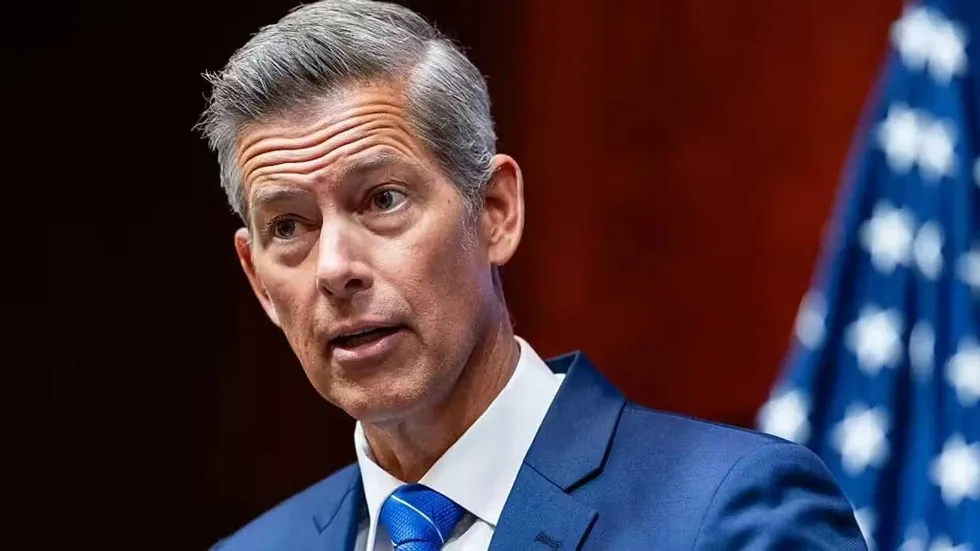 Secretary of Transportation Sean Duffy. Photographer: Eric Lee/Bloomberg via Getty Images
Not far enough?
Some analysts argue the rollback doesn’t go far enough. As long as CAFE exists — at any target — it remains vulnerable to political swings. They contend emissions should be regulated directly through the EPA, leaving the market to determine the mix of gas, hybrid, and electric vehicles. This view is gaining traction among critics who say CAFE no longer reflects consumer demand or technological reality.
Even Republican Sen. Bernie Moreno of Ohio weighed in, calling the forced EV pivot “irrational policy” that benefits China. China controls roughly 80% of EV battery minerals and most related mining, while the U.S. holds the world’s largest proven oil reserves. Moreno’s argument is blunt: America weakened its own manufacturing base by adopting policies that played to China’s strengths.
Sales data reinforces the point. EVs made up about 6% of new vehicle sales in November 2025, with rejection rates near 70% due to cost, charging gaps, range limits, insurance, and cold-weather performance. EVs still account for just 2.3% of vehicles on U.S. roads. The demand Washington expected never materialized.
The new policy reflects those realities. It restores balance to an industry pushed into transformation without consumer support or infrastructure readiness. Automakers will still build EVs and hybrids and pursue new technologies — but consumers will decide the pace, not regulators.
For the first time in years, drivers may again see affordability, variety, and genuine choice. Fuel-economy rules will remain contested, but the Freedom Means Affordable Cars plan marks the most significant shift in auto policy in over a decade.
For millions of Americans priced out of the market, that change alone is long overdue.
Trump’s autopen reversal could mean more choice, lower prices for car buyers

A quiet, technical ruling about presidential signatures has suddenly become one of the most consequential automotive turning points in decades.
What looked like an obscure constitutional question has reshaped the nation’s energy strategy, reversed federal transportation policy, and put the electric-vehicle transition on a very different path.
Whether seen as restoring constitutional accountability or disrupting environmental planning, the result is unmistakable: America’s automotive trajectory has been rewritten.
The issue is straightforward: If a president did not personally sign an executive action, can it legally stand? President Donald Trump has answered no — and the effects will be felt in dealerships, factories, and garages nationwide.
Sign-off
In late November 2025, President Trump declared that any executive order, regulation, or directive signed with an autopen after mid-2022 is invalid. Oversight reviews suggest this affects up to 92% of actions taken in the final two and a half years of the Biden administration. Trump argues that executive authority cannot be delegated to a machine; the Constitution vests power in the president himself, not staff operating an autopen while the president is traveling or unavailable.
This interpretation has upended large portions of recent federal policymaking.
Nowhere is the impact more dramatic than in automotive and energy policy. The Biden administration’s EV strategy relied heavily on Executive Order 14037, issued in 2021, which set aggressive emissions and fuel-economy goals. While signed early in Biden’s term, nearly all enforcement actions after 2022 — including the rules that gave the order teeth — bear autopen signatures. Those signatures now sit at the center of a sweeping rollback.
Executive Order 14037 formed the backbone of Biden’s push toward zero-emission vehicles. It directed agencies to impose strict emissions rules, raise fuel-efficiency standards, steer manufacturers toward electric powertrains, and work toward a goal of 50% zero-emission vehicle sales by 2030. Automakers spent tens of billions preparing — building battery plants, restructuring supply chains, and cutting production of profitable internal-combustion models.
According to forensic reviews cited by the Trump administration, many of the directives enforcing those standards after mid-2022 were never personally signed by President Biden. Trump maintains this breaks the constitutional chain of authority.
High energy
On the first day of his second term, Trump issued Executive Order 14154, Unleashing American Energy. It revoked Biden’s EV mandates, halted remaining EV-related funds under the Inflation Reduction Act and infrastructure law, and ordered agencies to withdraw aggressive tailpipe regulations. Fuel-economy targets revert to earlier levels. Federal fleet electrification requirements are gone. The 2030 zero-emission sales target no longer exists. The $7,500 EV tax credit will be phased out by the end of 2026.
The industry impact is immediate. Automakers that bet heavily on federal EV mandates are reassessing long-term strategies. Companies focused on trucks, SUVs, and hybrids are now better positioned. EV-only startups face mounting financial strain. Market uncertainty has hit stock prices, delayed launches, and raised doubts about the future of several pure-electric brands.
RELATED: ‘Won’t be the last’: Felon freed by Biden autopen arrested after Omaha shooting
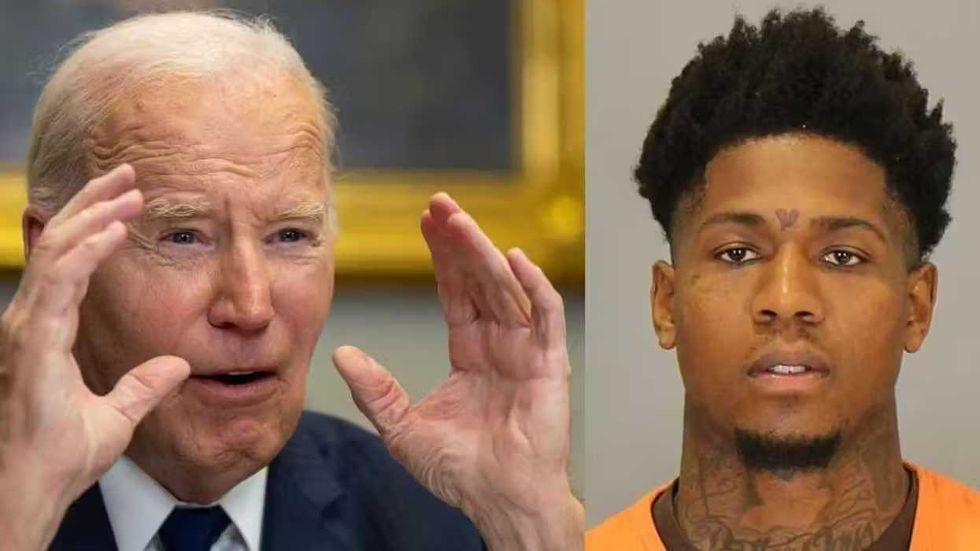 Image composite: Tasos Katopodis/Getty Images, Omaha Police Department
Sweeping consequences
Consumers will notice the shift on showroom floors. Vehicles slated for retirement will remain in production. EVs — still pricier than gas or hybrid counterparts — will face new price pressure as incentives disappear. Charging access and range remain barriers, especially outside urban centers. Without mandates driving adoption, consumer preference — not regulation — will dictate the pace of change.
Legal fights are already underway. Agencies must follow formal rule-making procedures, and environmental groups and states like California are challenging the reversals. California plans to retain its own strict standards, setting up years of litigation over federal pre-emption and Clean Air Act waivers.
Even so, the federal direction is clear. The United States is no longer pursuing a national strategy centered on rapid vehicle electrification. The emphasis has shifted to diversification, consumer choice, and competition among internal-combustion, hybrid, and electric technologies.
The autopen dispute may sound bureaucratic, but its consequences are sweeping. A major climate and transportation agenda is being reconsidered because of how it was signed. Whether seen as restoring constitutional accountability or disrupting environmental planning, the result is unmistakable: America’s automotive trajectory has been rewritten.
The internal-combustion engine, long declared on borrowed time, has a renewed future. Hybrids are likely to gain ground. Electric vehicles will remain — but their growth will depend on price, practicality, and performance, not mandates. The timeline for full electrification has shifted, and the debate over how America powers mobility has entered a new phase.
There’s more to come, and I’ll keep you posted.





