

Category: Lifestyle
When did America start going to bed so early?
There was a moment — maybe early 2000s? — when people began talking about a new frontier in American life.
I remember there was a “Nightline” episode about it and articles in magazines.
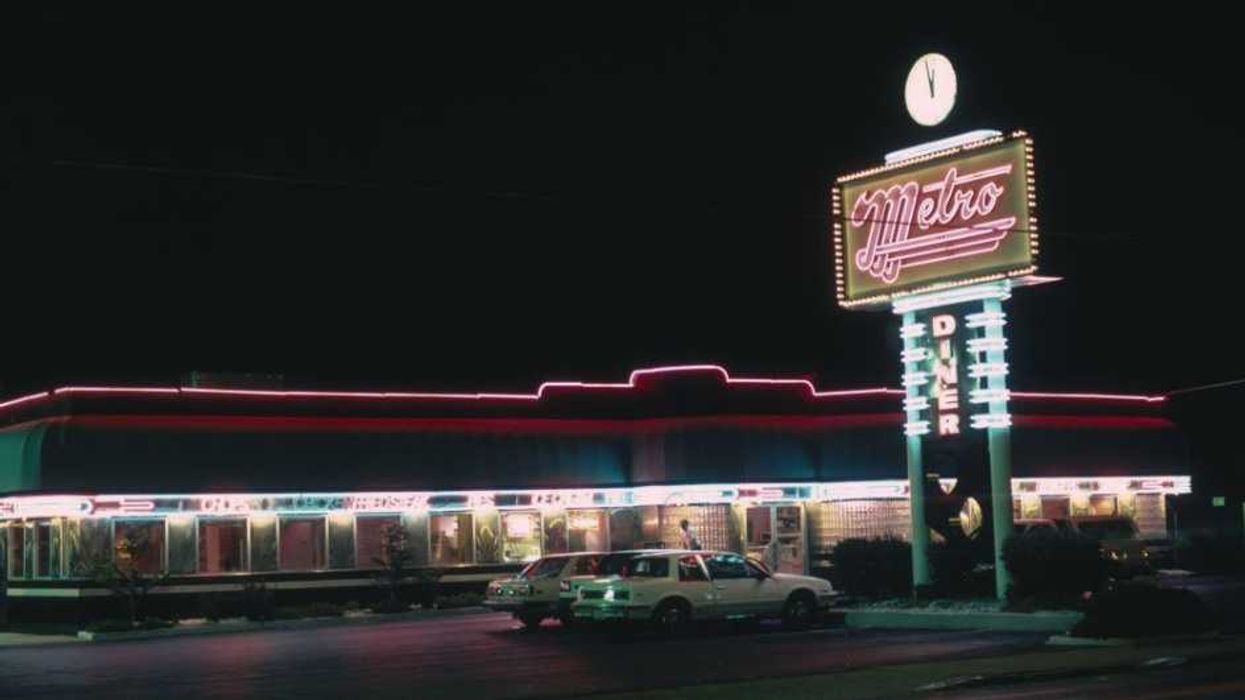
In Portland, where I live, the last 24-hour diner-style chain, Shari’s, closed all its restaurants earlier this year. Too dangerous to stay open that late.
They described a new territory that was open for exploration. A place where most people were still reluctant to go. But this new space held new opportunities and prospects for growth.
This new frontier was called “late-night America.” It wasn’t a geographical location. It was a time period. It occurred from approximately 11:00 p.m. to 6 a.m.
Crosstown traffic
The idea was as the world became more crowded, with more cars on the road, more people packing into office buildings every morning, a natural evolution was occurring.
People were opting to change their schedules to avoid the crowds. They were staying up later, working later, and beginning to inhabit late-night America.
These early adopters preferred a less hectic world, so they adjusted their lives toward the “off hours.”
Think of Midtown Manhattan at lunch time. The Seattle Fish Market at 9:30 am. Or your own city during afternoon rush-hour traffic.
Now think of all those places at 4 a.m. Pretty different, aren’t they? Not so crazy. Not so overwhelming.
The worst thing you might encounter at 4 a.m. is a garbage truck or an impatient jogging enthusiast with an early work schedule.
As more people began to see the obvious advantages of conducting their business and personal lives at a later hour, other businesses sprang up to serve them.
Instead of just one 24-hour restaurant in your town, now there were a dozen. Many gas stations went 24 hours as did convenience stores. Big cities added more night buses. Supermarkets began staying open until 11, then midnight, and then 1 a.m.
With more people inhabiting it, the late-night world became a more active place. It was fun working the late shift. It was easier to drive to work. The vibe was more relaxed. People weren’t in such a hurry.
San Francisco noir
I was always a night owl. My first job out of college I worked at a courier company in San Francisco. We did most of our business during normal hours, 9 to 5. But I quickly maneuvered myself into the swing shift position, coming in at 2:30 p.m. and staying until 11.
After 5, I was alone in the office. I routed the overnight shipping and spent the late hours on the phone with my cohorts at our company’s other branches in other cities.
The late-night crew got to know each other. We were the oddballs of our respective offices. We tended to be more eccentric, more interesting than the daytime employees.
When I was occasionally called in by my boss to work a normal 9-to-5 shift, I found the routine deeply disturbing.
Imagine waking up at 8 in the morning! Riding a packed, slow-moving bus downtown. Waiting in line for 10 minutes for a morning coffee. Standing in another line for a soggy sandwich at lunch.
All of this with robotic office workers crowded around me. Dan from sales. Sheila from billing. Their business outfits. Their terrible hairstyles. It was unbearable!
But to be on the late shift, alone in the office, with the radio on, my feet on the desk. That was heaven. And then leaving the building at 11, the downtown streets deserted, late-night San Francisco all to myself.
Truck stop scribbling
Later when I became a professional writer, I loved working in late-night cafes. Or 24-hour diners. Or truck stops, if there were one nearby.
I went there to work, but I liked having people around, a nice waitress, some foot traffic, someone to share a bit of conversation with.
Or on a bad weather night, there were the state troopers or the snowplow guys coming in from the cold at 2 a.m. for a hot coffee and a piece of pie — wasn’t that fun to be part of?
Thanks to late-night America, there were always such places available. It was a great time for a person like me. I always had somewhere to go. Some coffee to drink. And mostly good people to be around.
Closing time
By now, you probably know where this story is going. We are presently at the other end of the pendulum swing. Now NOTHING stays open late. Good luck finding a coffee shop that’s open after 4!
In Portland, where I live, the last 24-hour diner-style chain, Shari’s, closed all its restaurants earlier this year. Too dangerous to stay open that late. And nobody wants to work those hours.
The early-closing phenomenon had already begun before COVID, and then COVID finished the job.
Plus in many cities, there is now the constant presence of homeless and mentally ill people to contend with.
In response, business owners have decided it’s best to minimize their hours of operation. They lock their doors and lower their metal gates as soon as the sun goes down.
Last of the lounge lizards
Bars are still open, of course. But even that world is shrinking. Young people don’t go out as much these days. They have other ways to socialize, and they have multiple forms of entertainment right there in their homes.
Meeting people for romantic purposes was once the primary reason for being out late at night. But this seems to be on the wane as well.
Men are less eager to approach women in public places. And contemporary women, with careers and important jobs, don’t want to be out late at night. Swiping on dating apps during lunch hour is a much more efficient way to meet a potential partner.
Are there still jobs on the night shift? Sure there are. Trucking, loading, and delivering are still much easier during off-hours. But most of the other late-night jobs are … well … security guard, security patrol, security supervisor.
In other words, protecting people and property from the dangers of the night.
Goodnight, moon
So yeah, that last frontier? It’s closed.
For such a social space to function safely, you need a high-trust, high-functioning society. People need to feel safe. They need to trust each other.
Society is too fractured at the moment for that to happen. There is too much crime, too much drug abuse, too many zombies to venture into the dark.
But think of the romance lost! Think of the late-night walks you can’t go on. The moonlit skies you’ll never see. The late-night drives in a cozy car with the radio on.
These are not insignificant things for a culture to lose. The night should be ours. The night should belong to us.
Celebrate Christ’s birth with the world’s best Christmas carol — and it’s not the version you think

As the years pass by, it can feel like Christmas has become less about the birth of Christ and his salvific mission and more about secularism and winter.
Look no farther than some of the most popular “Christmas” carols of the past 100 years: “White Christmas,” “Rudolph the Red-Nosed Reindeer,” “Deck the Halls,” “Grandma Got Run Over by a Reindeer,” and on and on.
This Christmas, as you gather with your family, return to the meaning of the holiday — the birth of Christ — by reflecting on the original French version of “O Holy Night.”
The closing lyrics proclaim, without equivocation, that it is Christ who has saved us and we celebrate his coming. In other words, Christ is King!
For those in the French-speaking world, and especially the Acadian and Quebecois diaspora in New England, “Minuit Chretien” was a staple entrance hymn of midnight Mass.
While the English version “O Holy Night” is a beautiful song, the lyrics were adapted by Unitarian minister John Sullivan Dwight, reducing the theological weight of the original French.
Here are those English lyrics.
O holy night, the stars are brightly shining;
it is the night of the dear Savior’s birth.
Long lay the world in sin and error pining,
till He appeared and the soul felt its worth.
A thrill of hope, the weary world rejoices,
for yonder breaks a new and glorious morn!
Fall on your knees! O hear the angel voices!
O night divine! O night when Christ was born!
O night divine! O night, O night divine!
According to Chicago Catholic, the newspaper of the Archdiocese of Chicago, the song quickly became popular in Northern U.S. abolitionist circles due mainly to its third verse, which deals with breaking the chains of slavery.
Truly He taught us to love one another.
His law is love and His gospel is peace.
Chains shall He break, for the slave is our brother,
and in His name all oppression shall cease.
Sweet hymns of joy in grateful chorus raise we.
Let all within us praise His holy name.
Christ is the Lord! O praise His name forever!
His power and glory evermore proclaim!
His power and glory evermore proclaim!
Again, this is beautiful, but it downplays the truly salvific mission of Jesus Christ, God incarnate.
Before examining the French lyrics and their literal English translation, listen to the definitive version of the song, sung by Luciano Pavarotti at Notre Dame Basilica in Montreal, Quebec, in 1978. The concert in which he sang this rendition was a long-standing PBS Christmas special.
French lyrics
Here are the French lyrics, as compiled by the Oxford International Song Festival.
Minuit, Chrétiens, c’est l’heure solennelle,
Où l’homme Dieu descendit jusqu’à nous
Pour effacer la tache originelle
Et de son Père arrêter le courroux.
Le monde entier tressaille d’espérance
À cette nuit qui lui donne un sauveur.
Peuple, à genoux, attends ta délivrance.
Noël, Noël, voici le Rédempteur.
The tone is set right at the start. The verse boldly announces that this song is for believers. “Midnight, Christians, it is the holy hour.”
There is no mistaking this for secularism or a postmodern, easy Christianity. It calls the listener to remember that he is Christian and that Christmas is about the coming of the Savior, as the second line says, “When God as man descended unto us.”
The next part boldly proclaims the reason Christ became man: to save mankind from the stain of original sin. “To erase the original stain, and to end the wrath of His Father.”
The next two lines are very close to the English translation: “The whole world thrills with hope on this night that gives it a Savior.”
The end of the first verse brings it home: “Kneel, people, await your deliverance: Christmas, Christmas, the Redeemer is here!”
A bold declaration of what the night is about: the coming of deliverance that Christ the Redeemer brings!
The second and third verses are as reverent and hopeful as the first. The closing lyrics proclaim, without equivocation, that it is Christ who has saved us and we celebrate his coming. In other words: Christ is King!
Is the laundromat the last bastion of public life?
The world is vast and varied — different foods, cars, buildings, beliefs, and political systems wherever you go.
Yet somehow, laundromats are always exactly the same.
In an era of technologically dehumanizing isolation, I find myself seeing beauty in the most mundane moments of human connection or human commonality.
Universal, they stretch from the northern Atlantic to the southern Pacific. Where there are people and where there is civilization, there is laundry and there are laundromats.
Watching the washers
I remember waiting in a laundromat in northern France. It was right across the street from the Super-U. It was long and thin with tall windows that stretched from the floor to the ceiling. It was late November, the low sun was warm on the seats next to the windows, our clothes turning back and forth behind the tightly sealed window facing us. The silence of the warm carpet, our winter coats unbuttoned though still on, as we waited for our clothes to finish before walking back to the apartment.
In Chicago, my laundromat had long rows of metal machines. They loaded from the top and took six quarters per cycle. You slipped the quarters in the little slots and only once all six were filled could you push the metal slider forward. A few seconds later, the machine would start.
There were boxes of overpriced dry laundry soap next to the front door and a few benches next to the bathrooms that were always occupied by people staring down at their phones. I would wait in the corner, leaning against a rumbling dryer, looking up from my phone only when someone got up to move their wet clothes from washer to dryer. I would see wrinkly shirts, knotted sweaters, socks, pants, and skirts as they shuffled their clothes to another metal machine.
When I lived in Jerusalem, I washed my clothes at a laundromat close to Kikar Tzion. It was usually quiet, though never entirely empty. There was always someone else there talking quietly on the phone, listening more than speaking. Sometimes in Hebrew, sometimes in Russian, sometimes in French. The walls were covered with posters and printouts with little tags with phone numbers that could be torn off and slipped into your pocket if you were interested in whatever they were selling.
Metal machine music
Last week, our washer broke. On Saturday night, I took three loads plus two kids out in a snowstorm to the laundromat to get the laundry done.
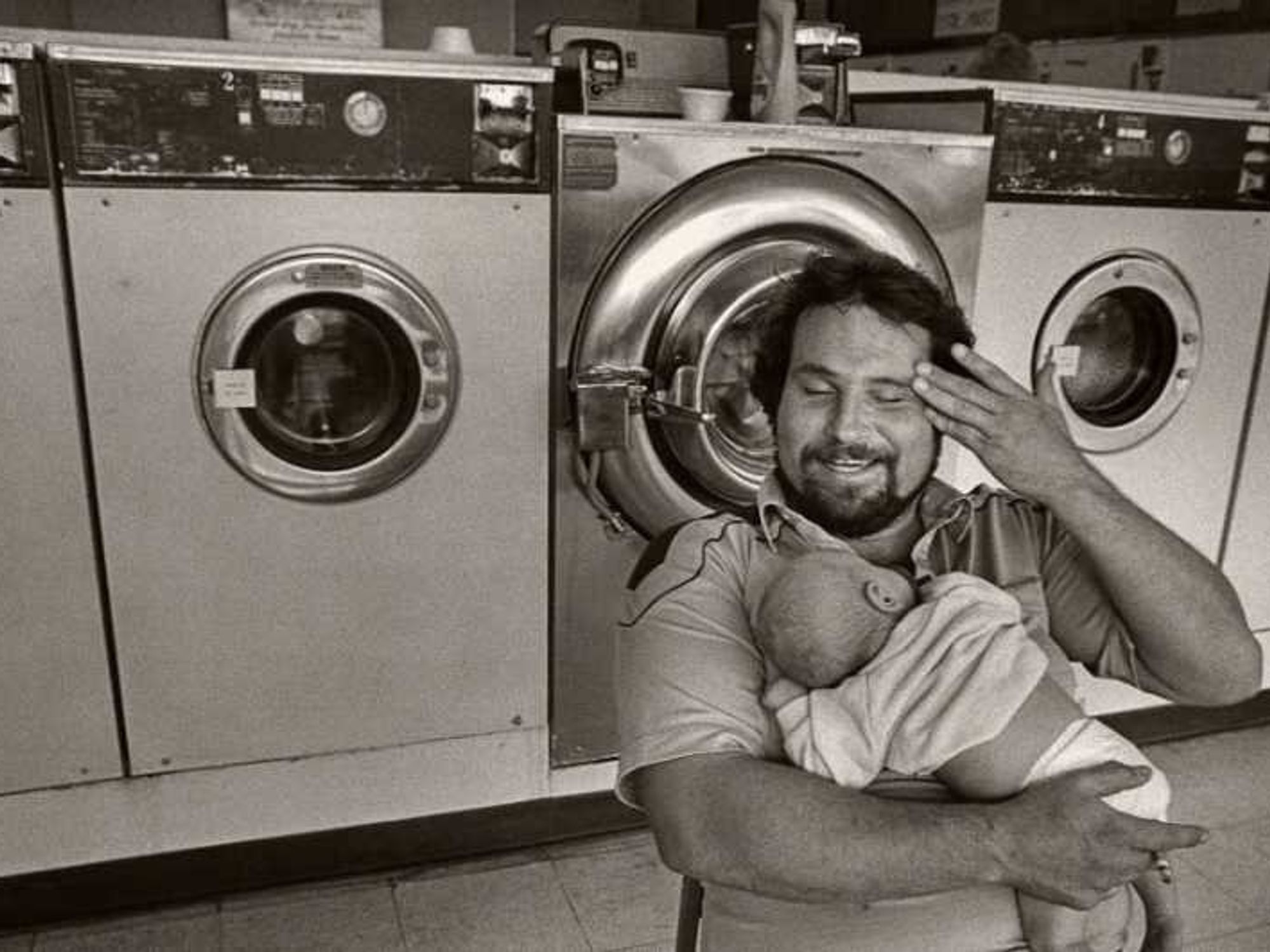
It was empty, with the exception of the guy at the front desk who greeted us kindly as we stumbled in knocking the snow off our boots on the long black carpet. There was a TV in the corner, a couple tables with chairs, long lines of big, silver machines, and a few teal seats that looked like they were made in 1982. The kids and I loaded up the machines, poured in the detergent we had brought from home, and began listening to the low hum as the clothes began to spin.
The sound is always the same in every laundromat. There’s never loud music on a stereo; if there’s a TV, it’s always muted or very quiet. Even the people waiting for their socks and underwear behave as if they’re in a library, talking in low voices by the rumbling machines and spinning heat.
RELATED: The A&W Drive-In in Cortland, New York, isn’t just a lunch spot — it’s a time machine
 Jim Steinfeldt/Getty Images
On the scent
The smell too; it’s always the same. All laundry soap all over the world has that same detergent-y scent. Soft, flowery, and lightly chemical. Detergent in Italy and detergent in Israel may have different names from detergent in America or detergent in Iceland, but they all are basically the same. The world is big and there are so many people, but all their clothes smell the same.
At the laundromat, people wash their most intimate garments in public, together. They carry their laundry baskets in and wash the things they only show their significant others right next to the things that someone else only shows theirs.
We never acknowledge any of this, and this is why we all hurry to put our clothes in, or change our clothes over, when we are at the laundromat. We all have a secret to protect, and we are all stuck together, in public, with the spinning machines, the low hum of the heat, and the smell of chemical flowers.
Together alone
This is part of why we are all fairly quiet as well. It’s like we don’t actually want to acknowledge that anyone else is really there washing their clothes right alongside ours. We may make small talk, but we don’t say much.
Laundromats are almost something like holdovers from a more necessarily communal time. Waiting and watching the people sitting and their clothes spinning, I have thought about how all the women must have washed clothes down by the river, or wherever it was they did laundry, in the ancient days.
In an era of technologically dehumanizing isolation, I find myself seeing beauty in the most mundane moments of human connection or human commonality. The things we share even if we don’t dwell on them. The things we do together even if we are alone. The spinning machines, the private garments we want to keep to ourselves, the smell of the detergent, the quiet as we wait.
Trump TORCHES Biden-Buttigieg EPA rules
Washington rarely admits when policy has failed. But earlier this month, the White House stepped back from more than a decade of regulations that drove car prices to record highs, limited consumer choice, and tried to force an industry to move faster than technology, infrastructure, or American families could manage.
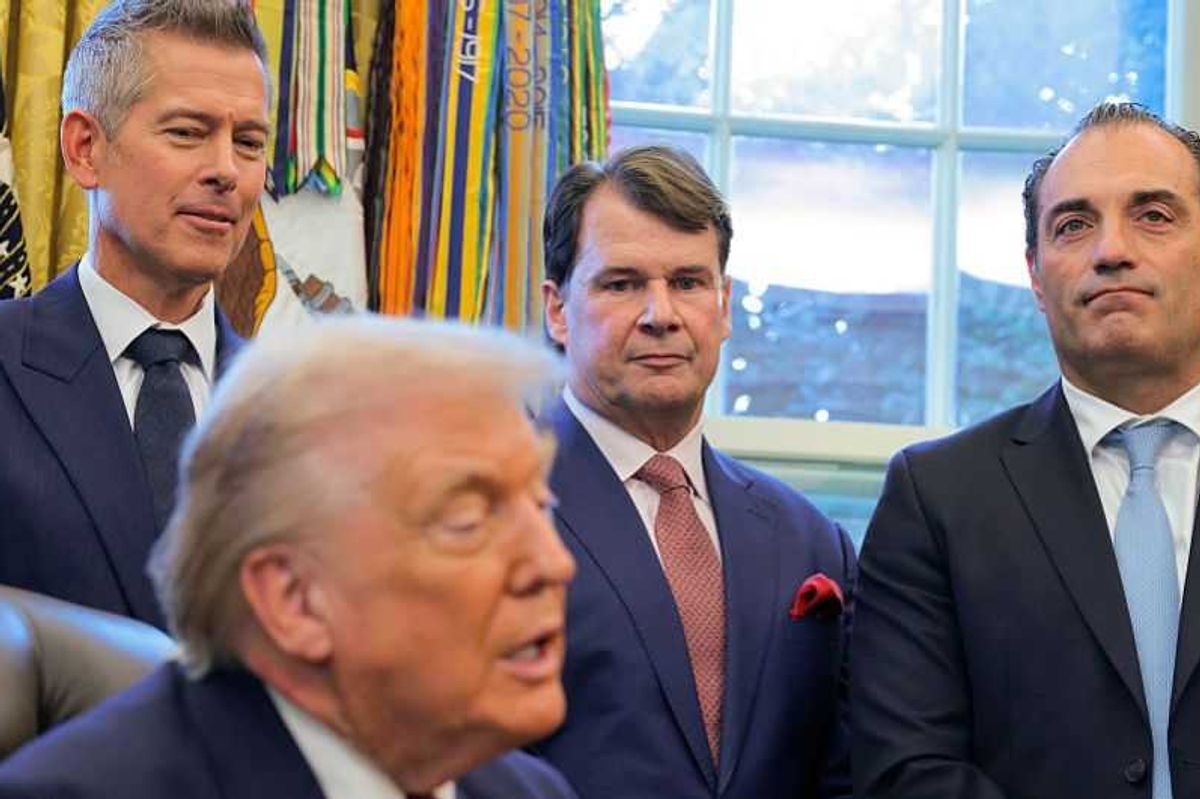
With the unveiling of the Freedom Means Affordable Cars proposal, President Donald Trump and Transportation Secretary Sean Duffy signaled a dramatic shift in national auto policy — one aimed at making car ownership attainable again for millions priced out of the market.
The Biden-Buttigieg standards were projected to generate $14 billion in compliance fines between 2027 and 2032, costs manufacturers said would be passed directly to buyers.
The timing is critical. New vehicle prices topped $50,000 this fall, while average monthly payments approached $750. Families are keeping cars longer than ever, pushing the average age of the U.S. fleet to record levels. As Washington pushed electric vehicles, consumers pushed back: EV demand stalled, rejection rates soared, and buyers continued to favor affordable gas and hybrid vehicles. That tension has been building for years, and the December 3 announcement marked the most direct challenge yet to the regulatory regime behind it.
Trump’s proposal resets National Highway Traffic Safety Administration fuel-economy rules, reversing Biden-era targets that aimed to push the fleet toward roughly 50 mpg.
Closing the ‘back door’
Under the new plan, Corporate Average Fuel Economy standards return to 34.5 mpg — levels last seen in the late 2000s — with future increases scaled back to what Congress originally envisioned. The administration projects up to $109 billion in savings over five years and roughly $1,000 off the average new car. Whether those figures hold, the philosophical shift is clear: ending what the White House calls a backdoor EV mandate.
For years, automakers warned privately that the prior rules forced them to build vehicles customers didn’t want simply to avoid massive penalties. The Biden-Buttigieg standards were projected to generate $14 billion in compliance fines between 2027 and 2032, costs manufacturers said would be passed directly to buyers. Aligning federal rules with California’s stricter standards further nudged companies toward EVs even as demand weakened. CAFE was never meant to reshape the marketplace — but that is how it was being used.
The consequences were stark. Billions were poured into EV-charging initiatives with little to show for it; $5 trillion was allocated, yet only 11 stations were built nationwide. California faced rolling blackouts with EVs still just 2.3% of vehicles on the road. Experts warned that even 10% EV adoption would strain the grid under current infrastructure. Meanwhile buyers who didn’t want EVs — still the majority — faced fewer choices and higher prices.
Attracting investment
The Trump reset aims to reverse course. Automakers quickly announced new domestic investments. Stellantis committed $13 billion to expand U.S. manufacturing, including Jeep, Dodge, Ram, and Chrysler. Ford pledged $5 billion for American facilities, noting that 80% of its vehicles are already made domestically. General Motors announced $4 billion to bring production back from Mexico while retooling plants for broader consumer demand. Even the United Auto Workers offered support, citing increased U.S. jobs and domestic production.
The plan also includes a tax change backed by the National Auto Dealers Association, allowing buyers to deduct interest on American-built vehicles. At a time when many families are locked out of the new-car market, the measure offers practical relief while encouraging domestic manufacturing.
Less noticed — but equally important — was the Congressional Review Act action that eliminated California’s special emissions waivers. Signed in June 2025, those resolutions dismantled the structure that allowed California to dictate national vehicle policy, ending the EV mandate embedded in federal regulations and clearing the way for this shift.
RELATED: Duffy threatens funding freeze for 3 states flouting English requirements for truck drivers
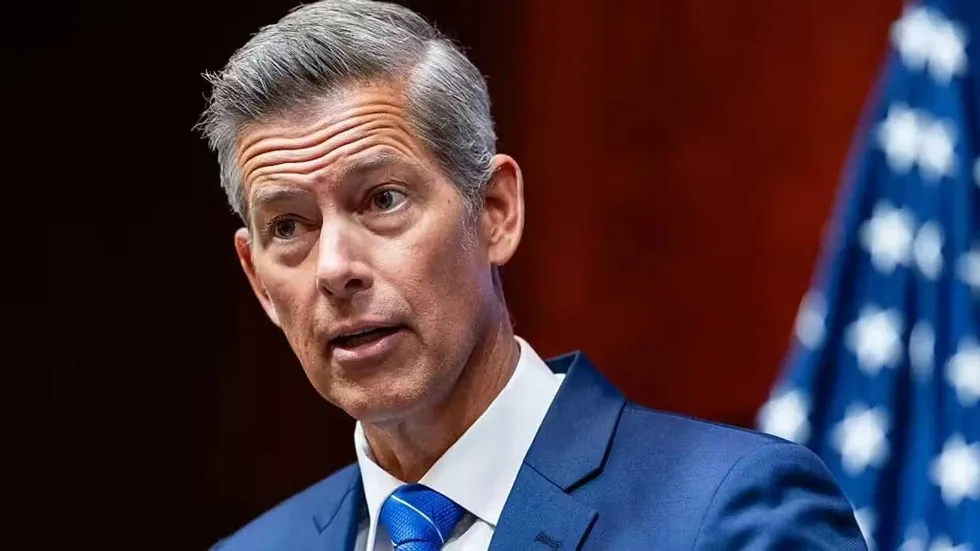 Secretary of Transportation Sean Duffy. Photographer: Eric Lee/Bloomberg via Getty Images
Not far enough?
Some analysts argue the rollback doesn’t go far enough. As long as CAFE exists — at any target — it remains vulnerable to political swings. They contend emissions should be regulated directly through the EPA, leaving the market to determine the mix of gas, hybrid, and electric vehicles. This view is gaining traction among critics who say CAFE no longer reflects consumer demand or technological reality.
Even Republican Sen. Bernie Moreno of Ohio weighed in, calling the forced EV pivot “irrational policy” that benefits China. China controls roughly 80% of EV battery minerals and most related mining, while the U.S. holds the world’s largest proven oil reserves. Moreno’s argument is blunt: America weakened its own manufacturing base by adopting policies that played to China’s strengths.
Sales data reinforces the point. EVs made up about 6% of new vehicle sales in November 2025, with rejection rates near 70% due to cost, charging gaps, range limits, insurance, and cold-weather performance. EVs still account for just 2.3% of vehicles on U.S. roads. The demand Washington expected never materialized.
The new policy reflects those realities. It restores balance to an industry pushed into transformation without consumer support or infrastructure readiness. Automakers will still build EVs and hybrids and pursue new technologies — but consumers will decide the pace, not regulators.
For the first time in years, drivers may again see affordability, variety, and genuine choice. Fuel-economy rules will remain contested, but the Freedom Means Affordable Cars plan marks the most significant shift in auto policy in over a decade.
For millions of Americans priced out of the market, that change alone is long overdue.
Trump’s autopen reversal could mean more choice, lower prices for car buyers

A quiet, technical ruling about presidential signatures has suddenly become one of the most consequential automotive turning points in decades.
What looked like an obscure constitutional question has reshaped the nation’s energy strategy, reversed federal transportation policy, and put the electric-vehicle transition on a very different path.
Whether seen as restoring constitutional accountability or disrupting environmental planning, the result is unmistakable: America’s automotive trajectory has been rewritten.
The issue is straightforward: If a president did not personally sign an executive action, can it legally stand? President Donald Trump has answered no — and the effects will be felt in dealerships, factories, and garages nationwide.
Sign-off
In late November 2025, President Trump declared that any executive order, regulation, or directive signed with an autopen after mid-2022 is invalid. Oversight reviews suggest this affects up to 92% of actions taken in the final two and a half years of the Biden administration. Trump argues that executive authority cannot be delegated to a machine; the Constitution vests power in the president himself, not staff operating an autopen while the president is traveling or unavailable.
This interpretation has upended large portions of recent federal policymaking.
Nowhere is the impact more dramatic than in automotive and energy policy. The Biden administration’s EV strategy relied heavily on Executive Order 14037, issued in 2021, which set aggressive emissions and fuel-economy goals. While signed early in Biden’s term, nearly all enforcement actions after 2022 — including the rules that gave the order teeth — bear autopen signatures. Those signatures now sit at the center of a sweeping rollback.
Executive Order 14037 formed the backbone of Biden’s push toward zero-emission vehicles. It directed agencies to impose strict emissions rules, raise fuel-efficiency standards, steer manufacturers toward electric powertrains, and work toward a goal of 50% zero-emission vehicle sales by 2030. Automakers spent tens of billions preparing — building battery plants, restructuring supply chains, and cutting production of profitable internal-combustion models.
According to forensic reviews cited by the Trump administration, many of the directives enforcing those standards after mid-2022 were never personally signed by President Biden. Trump maintains this breaks the constitutional chain of authority.
High energy
On the first day of his second term, Trump issued Executive Order 14154, Unleashing American Energy. It revoked Biden’s EV mandates, halted remaining EV-related funds under the Inflation Reduction Act and infrastructure law, and ordered agencies to withdraw aggressive tailpipe regulations. Fuel-economy targets revert to earlier levels. Federal fleet electrification requirements are gone. The 2030 zero-emission sales target no longer exists. The $7,500 EV tax credit will be phased out by the end of 2026.
The industry impact is immediate. Automakers that bet heavily on federal EV mandates are reassessing long-term strategies. Companies focused on trucks, SUVs, and hybrids are now better positioned. EV-only startups face mounting financial strain. Market uncertainty has hit stock prices, delayed launches, and raised doubts about the future of several pure-electric brands.
RELATED: ‘Won’t be the last’: Felon freed by Biden autopen arrested after Omaha shooting
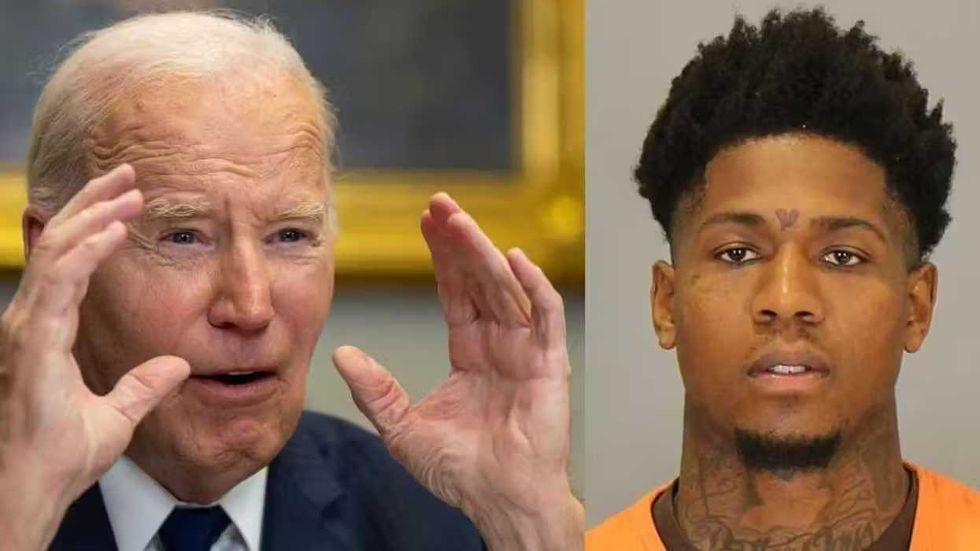 Image composite: Tasos Katopodis/Getty Images, Omaha Police Department
Sweeping consequences
Consumers will notice the shift on showroom floors. Vehicles slated for retirement will remain in production. EVs — still pricier than gas or hybrid counterparts — will face new price pressure as incentives disappear. Charging access and range remain barriers, especially outside urban centers. Without mandates driving adoption, consumer preference — not regulation — will dictate the pace of change.
Legal fights are already underway. Agencies must follow formal rule-making procedures, and environmental groups and states like California are challenging the reversals. California plans to retain its own strict standards, setting up years of litigation over federal pre-emption and Clean Air Act waivers.
Even so, the federal direction is clear. The United States is no longer pursuing a national strategy centered on rapid vehicle electrification. The emphasis has shifted to diversification, consumer choice, and competition among internal-combustion, hybrid, and electric technologies.
The autopen dispute may sound bureaucratic, but its consequences are sweeping. A major climate and transportation agenda is being reconsidered because of how it was signed. Whether seen as restoring constitutional accountability or disrupting environmental planning, the result is unmistakable: America’s automotive trajectory has been rewritten.
The internal-combustion engine, long declared on borrowed time, has a renewed future. Hybrids are likely to gain ground. Electric vehicles will remain — but their growth will depend on price, practicality, and performance, not mandates. The timeline for full electrification has shifted, and the debate over how America powers mobility has entered a new phase.
There’s more to come, and I’ll keep you posted.
American muscle-car culture is alive and well … in Dubai
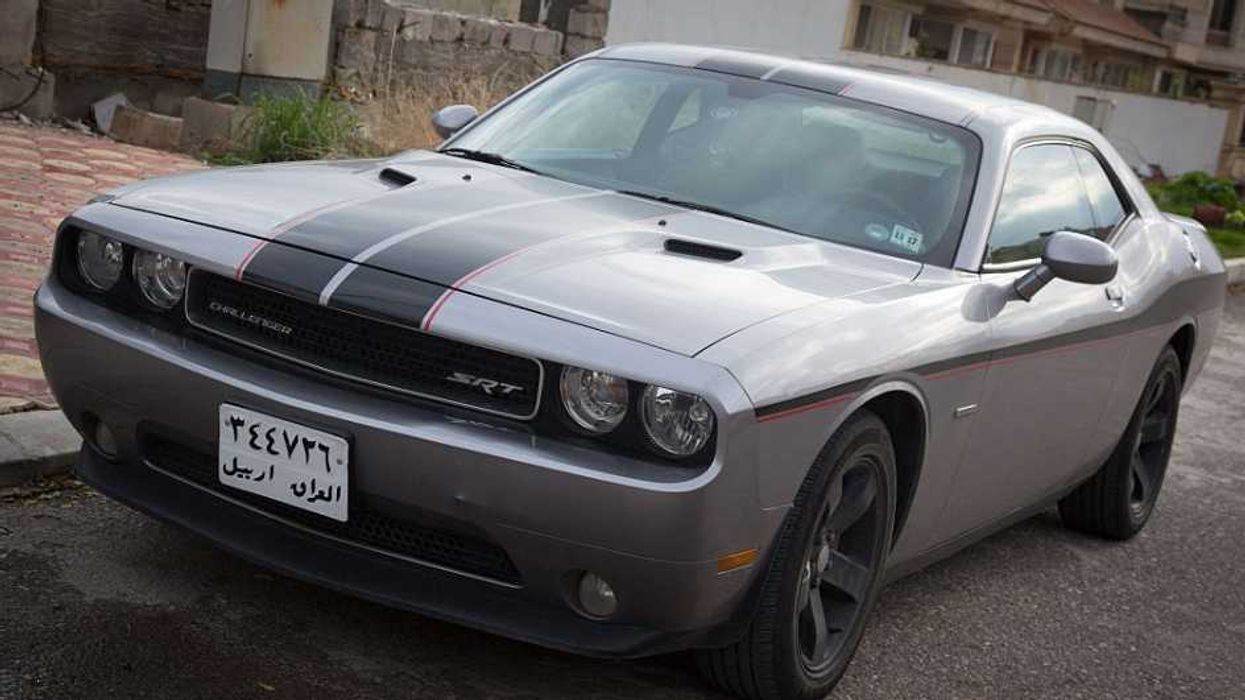
One of the first things I did when I moved to Dubai was buy a Dodge Challenger. Not the volcanic Hellcat or the feral Scat Pack — the SXT, the V6 base model.
Nevertheless, for those nine months in 2023, the car carried itself like it had seen things it couldn’t legally discuss. I miss it the way a grounded teenager misses his phone — painfully and often. The car was, in many ways, gloriously pointless. But to me, it was absolutely perfect. Nobody buys a Dodge for practicality. You buy one because fun is a dying art and driving is supposed to feel alive.
America insists this is why we can’t have nice things. The UAE shrugs, inhales some shisha, and says, ‘Great, we’ll have them instead.’
What fascinated me then, and still does now, is how the Middle East has quietly become the last stronghold for real American muscle.
Dubai drift
While America agonizes over emissions charts and frets about carbon neutrality, Dubai is out there treating a supercharged V8 like a household appliance. You hear them everywhere — echoing off glass towers, screaming down Sheikh Zayed Road, prowling through parking lots like metal predators looking for prey. It’s the sound of a culture still in love with combustion, unashamed of horsepower, and utterly allergic to guilt.
The region adores these cars. Worships them, even. In the West, muscle cars are increasingly treated like contraband with headlights, monitored by regulators the way principals monitor school corridors. But in the UAE, they’re symbols of power, freedom, excess, and the simple joy of pressing a pedal and feeling physics panic.
The numbers back it up. The UAE’s classic-car market is projected to grow from roughly $1.23 billion in 2023 to nearly $1.83 billion by 2032, with collectors routinely paying well above American estimates. This is particularly true for rare models, such as the 1971 Plymouth Hemi ’Cuda convertible that sold for about $4.2 million in Dubai, roughly 35% above its American estimate.
Men in flowing robes and sandals race around industrial estates with the confidence of emperors and the cornering ability of a wardrobe on wheels. Somehow, by the grace of God (not Allah), it all works. There’s something delightfully surreal about watching a man dressed like he stepped out of the book of Exodus drift a Challenger with monk-like serenity.
Combustion cosplay
Back home, Dodge now calls its new EVs “muscle.” But that’s like a woman getting very expensive surgery in a very private place and calling herself a man. Without the roar, the vibration, the combustion, it’s cosplay — an impersonation that fools no one except the marketing department. You can’t call something a muscle car if it sounds like a dentist’s drill.
Real muscle needs rumble. It needs that primal, throat-deep growl that shakes your sternum and announces your arrival three zip codes away. Take that away, and you’re just a sad sack who should have bought a Tesla and called it a day.
When muscle cars disappear, the loss isn’t just mechanical but cultural. For decades, when the world pictured America, it didn’t picture Washington or Wall Street. It pictured steel, cylinders, and a V8 rumble rolling across a desert highway.
Hollywood hardwired that association into the global imagination. “Bullitt,” “Vanishing Point,” “Smokey and the Bandit,” even the “Fast & Furious” franchise, for all its awful acting and cheese thick enough to insulate a house. I still remember being 8 years old, watching “Gone in 60 Seconds,” and thinking, Yes, this is what adulthood should look like.
You could grow up thousands of miles away, never having set foot on American soil, and still recognize the sound of a Mustang firing up. It was the unofficial anthem of the greatest nation on Earth, a national ringtone encoded in exhaust fumes. It symbolized everything the country loved about itself: rebellion, possibility, the belief that any man with a heavy foot and enough premium gasoline could outrun his problems. It was an identity as much as a mode of transport.
RELATED: ‘Leno’s Law’ could be big win for California’s classic car culture
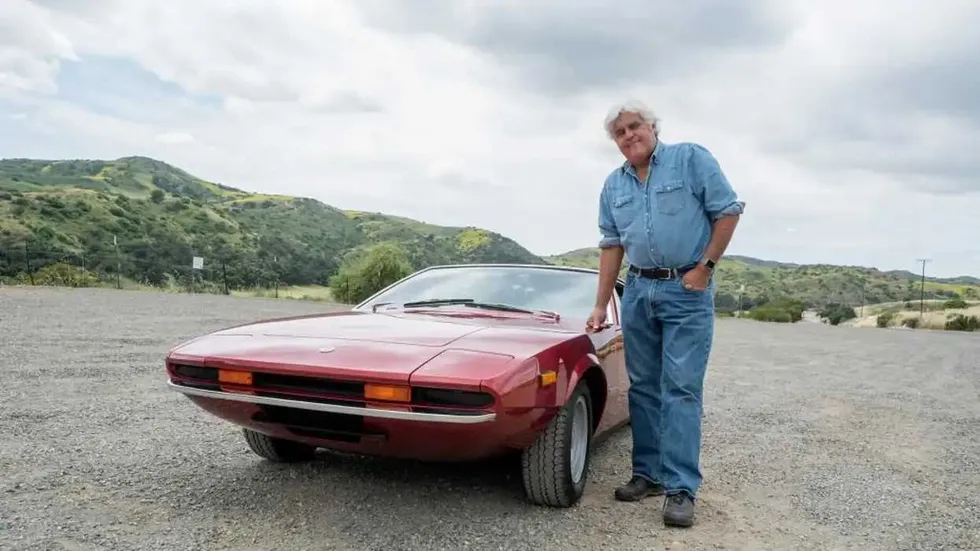 CNBC/Getty Images
Revvers’ refuge
And that’s the tragedy. A silent America isn’t an America anyone recognizes. The muscle car was more than a vehicle. It was a character, a co-star, an accomplice. Kill it off, and the whole story changes — and not for the better.
And oddly, it’s the Middle East that seems most intent on preserving that myth. It’s as if the region has been appointed the accidental curator of America’s automotive soul. The UAE, in particular, feels like the final refuge where these cars can run wild. Environmental regulations exist there, but only in the same way that scarecrows exist — present, decorative, and cheerfully ignored. The country is spotless, the air somehow clearer than cities that run entire marketing campaigns screaming “sustainability!” And yet it’s bursting with Challengers and Chargers. America insists this is why we can’t have nice things. The UAE shrugs, inhales some shisha, and says, “Great, we’ll have them instead.”
It makes you re-think the demonization of muscle cars. We were told they were barbaric, dirty, irresponsible — rolling catastrophes portrayed as personal hand grenades lobbed at the atmosphere. Meanwhile, Dubai keeps its streets cleaner than half of California while simultaneously hosting enough horsepower to make a U.N. peacekeeper reach for the radio. The contradiction is almost poetic. The place accused of excess manages to be pristine, while the places preaching virtue can’t manage basic cleanliness without a committee and a grant.
Selling sand to a camel
A quick disclaimer for anyone feeling inspired to follow my lead. Dubai might be paradise for muscle cars, but it’s also the Wild West of used-car dealing. A shocking number of “mint condition” imports arrive after being wrapped around a tree somewhere in North America, are given a light cosmetic baptism, and are relaunched onto the market as if they had spent their lives humming gently down suburban streets.
Half the salesmen — greasy, fast-talking veterans from Lebanon, Palestine, and everywhere in between — could sell sand to a camel. You need your eyes open. Fortunately, I knew the sites where you can run a chassis number and see the car’s real history, dents, disasters, and all. It saved me from driving home in a beautifully repainted coffin.
Even with this dark underbelly, Dubai’s affection for American muscle is entirely authentic. You see it on weekend nights at the gas stations, which double as unofficial car shows. Dozens gather, engines idling like caged animals, while men compare exhaust notes with the seriousness of diplomats negotiating borders. Teenagers film everything, because why wouldn’t you document a species this endangered? The entire scene feels like a sanctuary, a place where mechanical masculinity hasn’t been entirely euthanized.
Muscle migration
Some of the funniest moments came from watching Emirati drivers — men dressed in immaculate white garments — exit their cars with Hollywood swagger, as if the Challenger were simply an extension of their personality. And in many ways, it was. It was part “Need for Speed,” part Moses at the Marina. And somehow, without irony, they pulled it off.
Living there made me realize that muscle cars aren’t dying everywhere. Rather, they’re migrating. Fleeing the jurisdictions that shame them and settling in regions that still celebrate joy. The Middle East has become the last refuge for these beasts. Not because it rejects the future, but because it refuses to surrender the past for a machine that feels clinically dead on delivery.
And that’s the real tragedy. America built the muscle car, mythologized it, exported it, then surrendered it to paper-pushers in Priuses, armed with clipboards and calculators. The UAE bought the export and kept the myth alive. My Challenger is gone now, sold to a man who claimed he needed it for “family errands.” But the fond memories of tearing around the city have never faded. America may have abandoned its automotive adolescence, but Dubai, thankfully, hasn’t.
Someone has to keep the engines roaring. And right now, it’s the men in sandals.
Why Jayden can’t use capital letters

What’s the deal with people typing in all lowercase? You’ve seen that, right?
everything they type looks like this. it doesn’t matter if it’s a text. it doesn’t matter if it’s a post on x. it doesn’t matter if it’s a comment on someone’s photo. everything they type is lowercase.
‘If I see “LOL,” that’s a Boomer/Gen X. If I see “Lol,” that’s a Millennial. If I see “lol,” I know that’s one of my own.’
This style of typing is largely a Zoomer phenomenon, though some older people trying to act young do it too.
I am not a Zoomer, though I am interested in the Zoomers. I have written about them before, am writing about them now, and will write about them again. They are, whether we like it or not, the future, or at least the near future, so they should be of interest to us.
So why exactly do the Zoomers type in lowercase?
No cap
I asked a trusted Zoomer resource of mine, Caleb Wallace Holm, to provide his usual insight. He told me, “Zoomers have been doing it since we got our phones. It’s a way to demonstrate nonchalance and also a means of distinction from previous generations.”
All this makes sense. Younger generations almost always try to demonstrate nonchalance or uncaring. To be formal is to be old and stodgy, and you don’t want to be old. To be overly concerned is to be your dad, and you don’t want to be your dad.
So the young seek out ways to show they are relaxed and ways they can possibly differentiate themselves from the old. When you are young, you want to be new and different, so there is nothing particularly new about the logic of Zoomer lowercase typing.
Laugh lines
What is new is the acting out of this mini-rebellion of distinction in the digital domain, as the digital world didn’t exist for prior generations in the same way it does for the Zoomers.
And it is this new element — life in the digital space — that differentiates Zoomers most profoundly from the rest of us in a multitude of ways. As I have written before, Zoomers are the first disembodied generation, and this has profound impacts on how they exist in the world.
Holm told me he can discern how old someone is just by the way they “laugh” online. He remarked, “If I see ‘LOL,’ that’s a Boomer/Gen X. If I see ‘Lol,’ that’s a Millennial. If I see ‘lol,’ I know that’s one of my own.”
While I never would have thought of this on my own, it made complete sense once I heard it. Of course an astute member of the generation that was raised on the internet would be adept at discerning someone’s age simply by the way they “laugh” online.
The lowered life
Though the attempt to differentiate oneself from prior generations by way of typing in all lowercase makes sense and follows a fairly expected trajectory, there is something off about it. You might call the Zoomers many things, but earnest, excitable, mentally well, and aspirational are probably not among the descriptors you would choose to use.
They barely drink alcohol out, but they smoke tons of weed in. SSRI use is rampant, and a general malaise or an overly-ironic stance is fairly standard operating procedure among their cohort. The Zoomers are the most medicated generation in history and don’t appear to respond to any traditional incentive structure. Not great.
Nonchalance is one thing. Not caring about anything at all is another thing. I do wonder if the lowercase typing of the Zoomers is less about studied nonchalance than it is a lack of any vital spirit. I wonder if this lowercase typing represents something even more toxic than laziness. If the Zoomers were, in general, very well-adjusted, very social, and very mentally well and characterized by earnest effort, I may not wonder if the lowercase typing signaled something negative. But they are not those things, so I have to wonder what it represents, whether done intentionally or not.
RELATED: ‘6-7’ gets 86’d! JD Vance jokes about banning meme — and one company actually does it
 Photo by Brett Carlsen/Getty Images
Type casting
And yet, not all Zoomers are listless or on SSRIs, and not all Zoomers type in lowercase. Holm, my Zoomer resource, doesn’t. He types like I do — with capitalization — though he is also fluent in the language of his people (the Zoomers). And he is also full of life and spirit. And though I often joke with him that he is the most powerful Zoomer living, he is not at all alone. There are other vital Zoomers out there who type with proper capitalization.
It sounds strange, but maybe proper capitalization and vitality, or just normal emotional responses, go hand in hand. And maybe typing in lowercase and perpetual irony go hand in hand.
Maybe performative nonchalance in text form becomes giving up or some other kind of deadness IRL quicker than people realize.
Maybe the way we type to one another matters more than we think. Maybe exclamation marks, capitalization, and real non-ironic enthusiasm reflects a healthy attitude toward the world and one’s place in it.
Maybe there is more to lowercase typing than meets the eye.
The medium is the message, after all.
An ‘ankle bracelet’ for your car? AZ pushes new tech for serial speeders
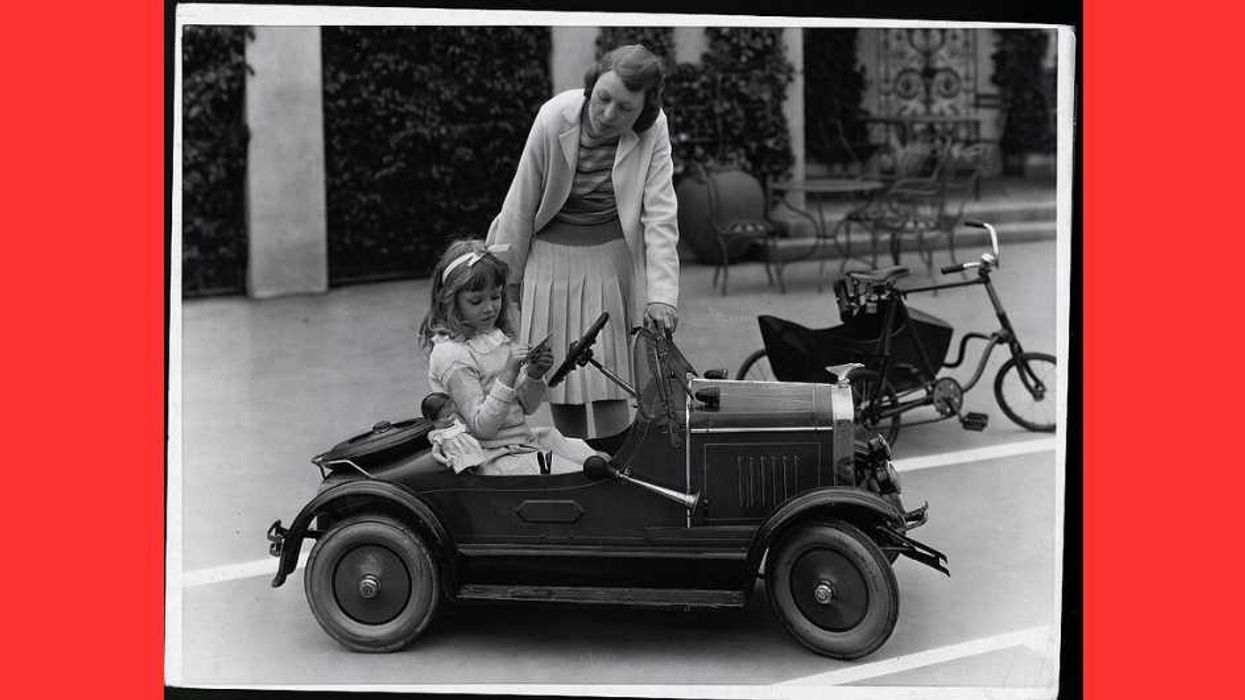
Watch out, speed demons — the open road might be getting a little less free.
Arizona, known for its sun-soaked, sprawling highways, may soon become the first state to offer a high-tech alternative for habitual speeders: a “digital ankle bracelet” for your car.
With this new technology, Arizona may be taking the first step toward a future where cars themselves enforce the law.
Lawmakers are considering a bill that would allow drivers at risk of losing their licenses to keep their privileges by installing devices that actively prevent their vehicles from exceeding posted speed limits.
The proposal, spearheaded by Republican state Representative Quang Nguyen, would let drivers voluntarily equip their cars with speed-limiting technology. The system relies on a combination of GPS and cellular signals to determine the legal speed on any given road. Electronics connected to the car’s engine control unit then prevent the vehicle from exceeding that limit, no matter how hard the driver presses the accelerator.
Speed bump
For practical reasons, the technology does include an override mode that permits a temporary 10 mph boost up to three times per month, giving drivers a limited margin to react in emergencies or avoid accidents.
Nguyen estimates the devices would cost around $250 to install, with a daily operating fee of roughly $4. He has been working closely with companies that manufacture the technology, including Smart Start and LifeSafer, to ensure the system is effective and reliable. This makes me wonder if he owns a piece of the company or has stock in the company.
Under the bill, which Nguyen plans to formally introduce when the state legislature reconvenes in January, participation is optional — probably Nguyen’s earlier attempt to make it mandatory was a nonstarter.
Slow lane
Arizona is not alone in exploring this approach. Virginia, Washington State, and Washington, D.C., have already enacted similar laws. In Virginia, courts can require drivers with multiple speeding violations or reckless driving convictions to install electronic speed-limiting devices as an alternative to license suspension. Washington State has adopted a comparable program, giving judges discretion to mandate the technology for repeat offenders while monitoring compliance.
In Washington D.C., the program is more limited but aims to reduce repeat speeding among drivers with multiple moving violations. Meanwhile, Wisconsin is currently considering similar legislation.
These programs highlight a growing trend: Rather than grounding drivers entirely, some states are experimenting with technology as a way to enforce safe driving without taking away mobility. Proponents argue that these devices could prevent serious accidents while still allowing drivers to maintain employment, care for families, and perform other essential daily tasks. The technology also provides courts with a tangible tool to ensure compliance, rather than relying solely on citations and license suspensions.
RELATED: Spinning out at Discount Tire’s Treadwell test track
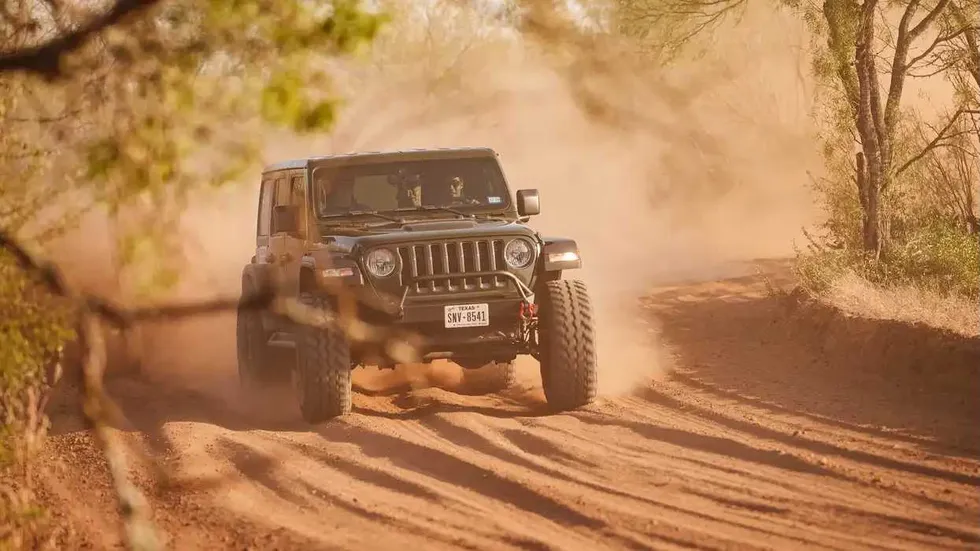 Discount Tire
Machine learning
However, critics remain cautious. Some transportation and safety experts question whether the technology is advanced enough to accurately detect all posted speed limits. GPS mapping errors, temporary speed changes in construction zones, or malfunctioning sensors could cause a car to slow unexpectedly or fail to limit speed when needed, creating new safety risks. Privacy advocates also worry about how these devices track and store location data, raising concerns about government overreach or potential misuse.
From a practical standpoint, the legislation raises fundamental questions about the balance between personal responsibility and technological enforcement. Supporters argue it offers a lifeline to drivers who repeatedly violate speed laws but are otherwise safe, while critics maintain that it may encourage riskier behavior by transferring accountability from the individual to the machine.
There’s also the question of fairness. Not all drivers have access to new technology or the financial resources to participate in a program that charges daily operating fees. While $4 per day may seem modest, over a month or a year, it could be prohibitive for some families, effectively limiting the program to more affluent drivers. Additionally, the optional nature of the program could create inconsistencies across jurisdictions, leaving some habitual offenders unmonitored while others are under constant technological supervision.
Whether the measure passes will depend not only on lawmakers’ assessment of safety and effectiveness but also on public perception. Speeding remains the most common moving violation in the United States, and habitual offenders are a persistent concern for states nationwide. With this new technology, Arizona may be taking the first step toward a future where cars themselves enforce the law — but whether that future is practical, safe, or desirable remains up for debate.
At the very least, it’s a bold experiment in road safety and personal responsibility, one that could reshape the way states think about controlling speed without grounding drivers entirely. As the legislature prepares to weigh the bill, motorists, safety experts, and privacy advocates alike will be watching closely, asking the same question: Can a car truly keep its driver out of trouble, or is this just another way to shift accountability from human judgment to technology?
Trading cubicles for crops: One couple’s ‘Exit’ from the corporate grind
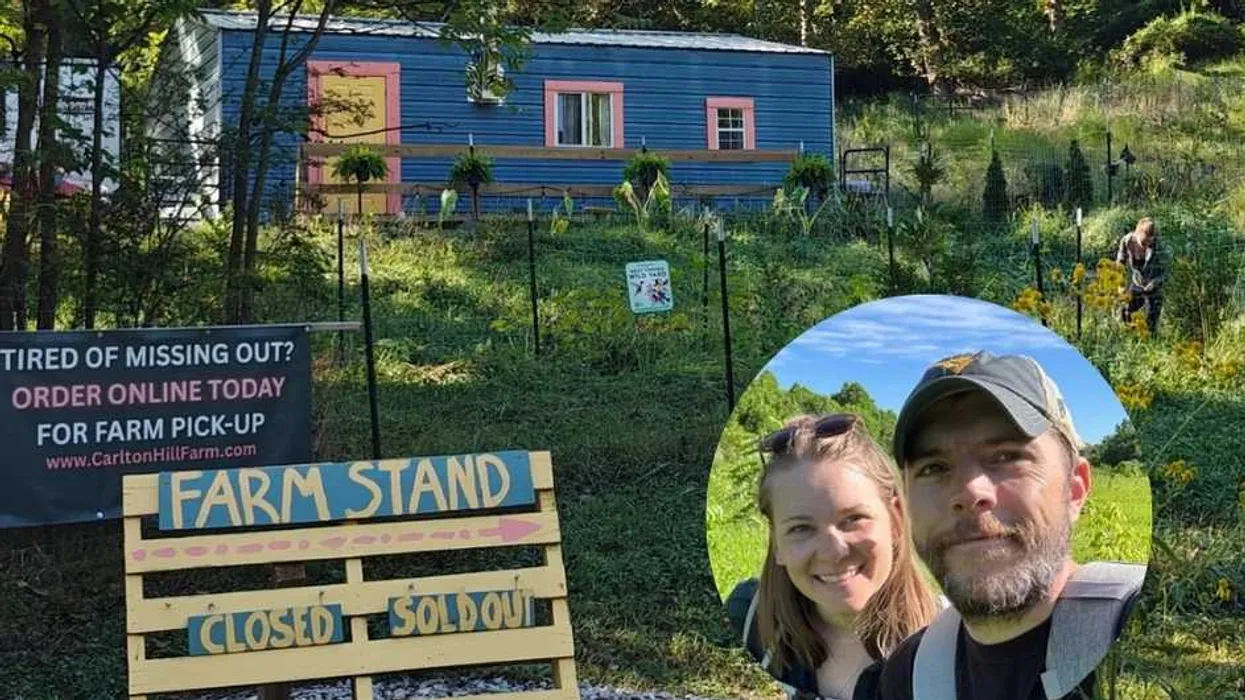
An estimated 80% of people hate their jobs. They fantasize about quitting in a blaze of glory, hurling their lanyards across the office like a frisbee, and riding off into the sunset to raise goats, bake sourdough, or at least remember what eight hours of sleep feels like.
Sean Carlton was one of them.
‘Nobody wakes up one morning ready to raise animals and turn them into food.’ Change begins with one thing you can actually change. Lower one bill. Learn one skill.
The difference is that he didn’t stay. Two years ago, he and his wife, Alexys, walked away from their corporate careers and bought an acre of land in West Virginia. The experience also prompted Carlton to write “Exit Farming: Starving the Systems That Farm You” — a book that reads like both a confession and a call to arms.
The Carltons didn’t step into a new job, but into a new way of being. They rolled the dice with no promise of a soft landing, and in doing so they exposed something uncomfortable: Many of us aren’t trapped by circumstance so much as by the stories we tell ourselves about what we are allowed to want.
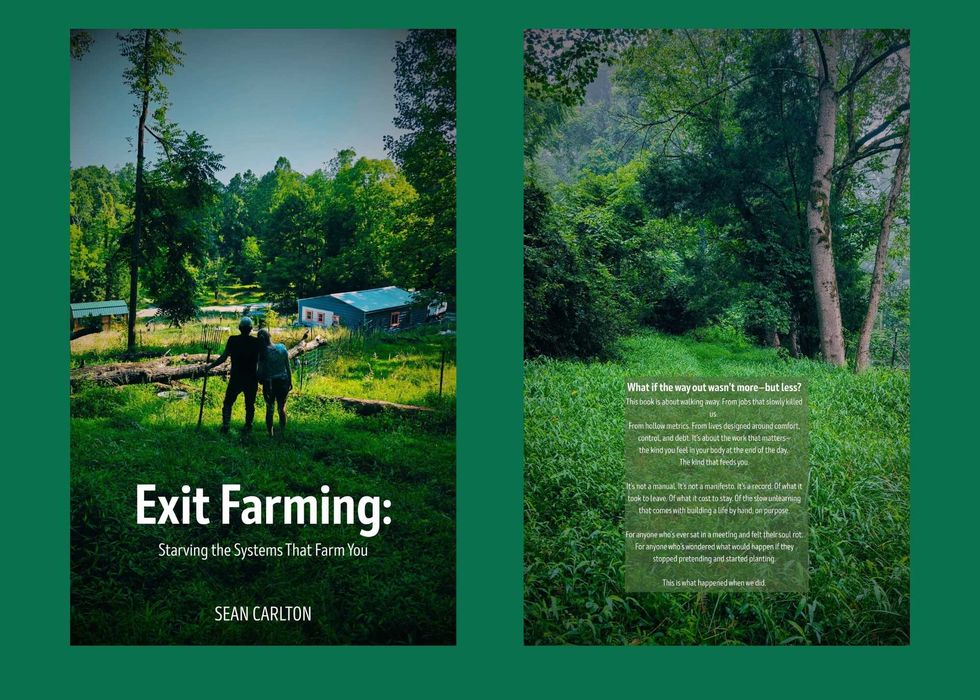 Sean Carlton
Questioning ‘normal’
Carlton is no professional commentator or pundit. “Exit Farming” is a cri de coeur from the American cubicle.
So when asked what exactly he means by “systems that farm you,” he doesn’t reach for theory. He answers with the simplicity of a man who finally recognized the shape of his own confinement.
“Systems farm people by taking more from you than they give back while convincing you this arrangement is normal,” he says.
Work dictates your hours. Debt dictates your decisions. Health care dictates your fears. Even your phone becomes, in his words, “the delivery system for apps that track you, profile you, and sell what they learn.”
It might sound melodramatic. It isn’t. It’s simply Monday morning in America, with millions waking up already weary of the hours ahead.
Slow and steady
But Carlton insists the way out is rarely a dramatic jailbreak. It’s the slow, steady act of starving the system’s influence. You “bring one thing at a time back under your control.” Lower an expense. Learn a skill. Build a sliver of income that doesn’t depend on a single institution. These small shifts break the spell. Every small act of independence starves a machine that has grown used to feeding on your time, your attention, your identity, even your sanity.
Of course, independence comes with a price, and Carlton tallies it honestly and without self-pity. One of the most striking sections in the book addresses the loss of family once he stepped off the expected path. Not through screaming matches or slammed doors, but through slow erosion: “Phone calls got shorter. Conversations turned tense.”
Disapproval had less to do with the specifics of his life than the simple fact that he no longer fit the template.
When asked how Americans can balance honoring their families with refusing to, as he puts it, “participate in systems that drain your energy and compromise your values,” his answer is as clean as it is compelling: “If a relationship survives you making choices that improve your health, your time, or your stability, then it survives. If it falls apart the moment you stop living the way they prefer, then it was already conditional.”
It’s a hard truth, but Carlton refuses to dress it up. Long before any institution closes a door on us, we’ve already built the cell ourselves. The ancients understood this well: People cling to the comfort of captivity, obeying expectations set by those who would rather see them worn down than transformed.
RELATED: An artist and farmer cultivates creativity
 Stacy Tabb
Work with consequences
There’s also a spiritual undercurrent to his critique of modern work culture. Carlton never lapses into sermonizing, but his diagnosis reads like a measured moral warning. Modern work “follows you home,” he notes. It takes evenings, weekends, and whatever fragments of peace remain. It erodes sleep, attention, and the mental steadiness that previous generations recognized as the bedrock of a healthy life.
Americans worship productivity with almost religious devotion, even though the devotion always seems to cost them more than they can spare. Two-thirds of the workforce is burned out, but the cult of busyness marches on. Another day, another dollar … but also another headache, another email chain, and another reminder that coffee can only do so much.
When asked whether “exit farming” is a return to older ideas of work and stewardship, he rejects romantic myth-making. “Exit farming isn’t about finding something spiritual,” he says. “It’s about doing work where the consequences are real.” If you don’t feed the animals, “they suffer and then they die.” If you don’t tend the crops exactly as needed, the season is lost before it begins. Nothing waits for permission. Nothing reschedules itself for your convenience. This realism is its own kind of grounding. And you don’t need a farm to reclaim it, but only work that doesn’t demand the erosion of dignity as its hidden price of admission.
Grow one thing
The final question in the book’s conversation is the one most Americans are actively wrestling with: What about those who feel trapped? Trapped between institutions they no longer trust and a life of greater self-reliance that feels too big, too frightening, too foreign?
Carlton’s reply is the opposite of theatrical bravado. “Nobody wakes up one morning ready to raise animals and turn them into food.” Change begins with one thing you can actually change. Lower one bill. Learn one skill. Grow one thing you eat often. Build one dependable relationship. Reduce one vulnerability. These are small, almost humble acts. But they mark the beginning of a life that no longer runs on someone else’s terms.
Over time, he says, these small adjustments stop being adjustments. They become a different kind of life, one that is sturdy enough to withstand the failures of the systems around it.
That’s the heart of “Exit Farming.” It isn’t about rejecting society or romanticizing hardship, but about reclaiming stability in a country where stability has become a cruel joke. It’s not about storming out in some “Office Space” fantasia with a baseball bat.
It’s about one couple choosing a different path and showing that others could do it too. Not through dramatic destruction, but through the refusal to be drained of the very things that make a life worth living — time, purpose, and peace.
Holiday stress? Here’s one way to handle it.
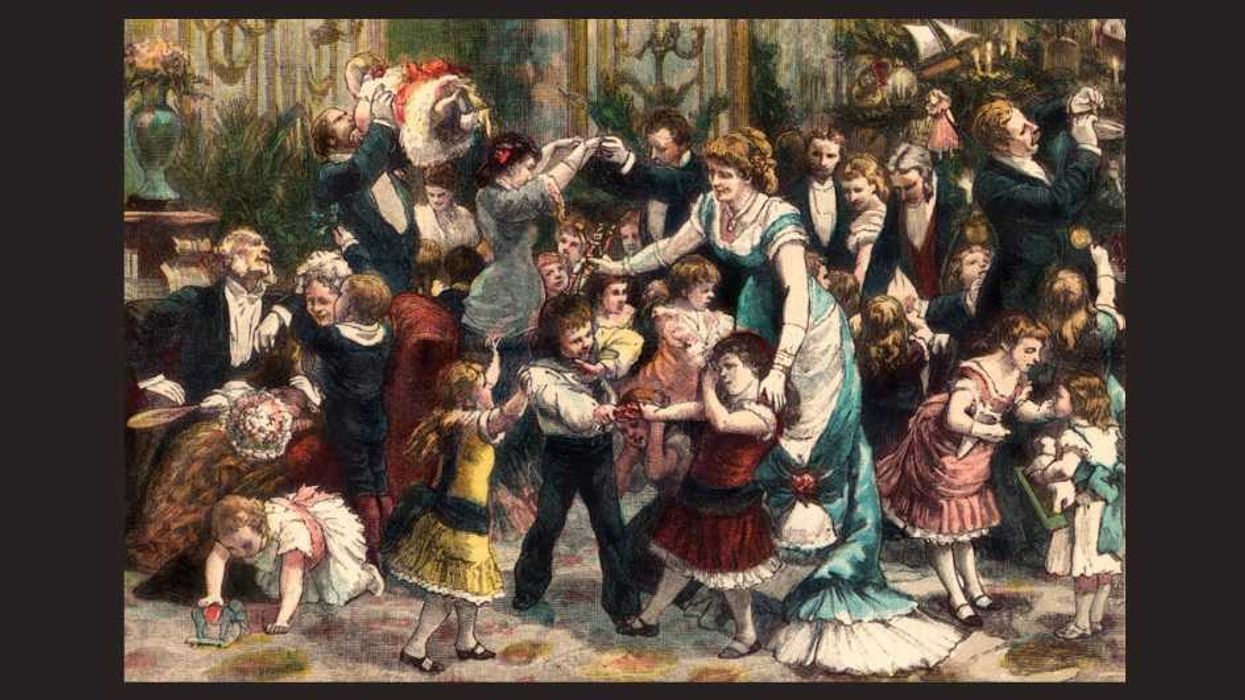
Holidays are tough. It’s not fun to say it, and it feels like failing to admit it, but they are.
But why? Why are they tough? Why are the days that are supposed to be full of joy instead oddly stressful — and too often fraught with bickering, arguing, and disappointment?
We want things to go perfectly on the day that is supposed to go perfectly — and when they don’t, our disappointment lands harder than it would on a random Tuesday in March.
It seems inevitable, almost as if it’s another tradition. Someone snaps about something small, then someone takes offense to something else, and then there’s an argument or a fight or just a weird feeling in the air that wasn’t there before.
Too many cooks
It could be in the kitchen, especially when dinner is nearing. Mom, Grandma, and maybe a daughter or two are in there helping. A bystander pokes his or her head in and offers a “helpful” comment. One of the chefs responds with an eye-roll. A certain stifling quiet — not a good quiet — descends.
Or it could be at the dinner table: Someone lobs a political point knowing that it will rub another guest the wrong way, but he “needs to say something.” Then someone else feels compelled to answer, and another after that, until the whole thing cascades and suddenly the arguments are spilling over into dessert.
Moms are disappointed in their sons and daughters because they just want everybody to get along for one day when everyone is home. “Can you just not talk about that?” Dads are tired of having the same argument, so they zone out. Sons and daughters are mad because no one takes them seriously. They are in college and know more than they used to, but think they know more than they really do.
Family feud
These things happen in families. Not all, of course. Some excel at sweeping every irritation under the rug and maintaining a serene, passive surface at all times. A few are even perfect — or as close as anyone gets — and enjoy holidays filled with nothing but gladness. But most families, in one way or another, run into moments like the ones above or something close to them.
These points of conflict and stress are only a few of the familiar moments that surface when families gather for the holidays. There are countless other paths to confrontation, disappointment, or quiet unease. Sometimes the friction is subtle — simmering unnoticed for months — and it’s only during the holidays that anything finally bubbles up and over.
At bottom, our stress and disappointment come down to expectations, especially the impossible kind.
A holiday is supposed to matter more than an ordinary day. It’s supposed to be more enjoyable, more memorable, more special. That’s a crude way of putting it, but it’s the truth we all feel somewhere deep down, even if we would never say it out loud.
Moms want the meal to be flawless and everyone to get along. Dads want to relax. Kids home from wherever they have been want to share what they have learned and maybe earn a little more respect.
Perfect storm
We want things to go perfectly on the day that is supposed to go perfectly — and when they don’t, our disappointment lands harder than it would on a random Tuesday in March. Greater disappointment feels like a greater failure, and that casts a shadow over the day or at least over our memory of it.
Our expectations rise so high that disappointment becomes almost guaranteed.
That’s why the holidays are tough. It’s not that being around the people you love is hard or that it’s impossible to stay on your best behavior and avoid a spat with your sister or cousin. The holidays are tough because we want things to be the way they ought to be — the way we imagine they could be, the way we wish we could be. Admitting that the holidays are tough stings a little, because to acknowledge it feels like confessing a kind of failure.
I don’t know how to eliminate holiday disappointment entirely, but I do know the first step toward easing it: accepting that our holidays will never be perfect. Hopes run high, tensions run high, and something will inevitably go awry. We’re human. And that’s okay. Maybe our bar shouldn’t be so high. Maybe we ought to grade the day on a curve. Maybe a B- really is an A. Maybe we can forgive ourselves for not living inside a Hallmark movie.
Holidays aren’t perfect. Neither are we. And that’s okay.





