Category: Lifestyle
Jeep just pulled the plug on the hybrids — and no one is saying why
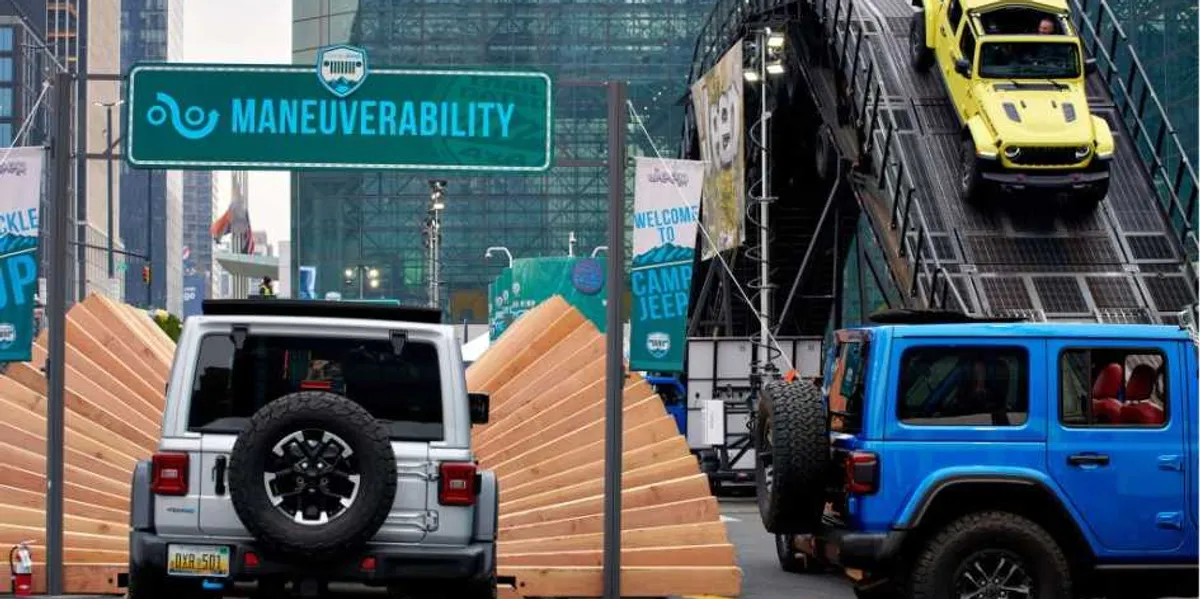
Jeep once bet big on electrification. The pitch was simple: Keep everything that made a Jeep a Jeep — capability, toughness, identity — while adding electric efficiency. For a brief moment, that bet worked.
The Wrangler 4xe didn’t just sell; it dominated. It became the best-selling plug-in hybrid in the U.S., proof that electrification could succeed when it respected consumer priorities instead of lecturing buyers. The Grand Cherokee 4xe followed, extending the same formula into a more refined family SUV without stripping away Jeep’s DNA.
Jeep owners are famously loyal. They tolerate compromises in ride and refinement for capability and character. What they won’t tolerate is silence.
Stellantis had managed what many automakers could not: Electrify without alienating loyal customers.
And then, almost overnight, they vanished.
Without a trace
Without warning or meaningful explanation, the Wrangler 4xe and Grand Cherokee 4xe disappeared from Jeep’s website. They can’t be ordered. EPA ratings for future model years are missing. Dealers are under stop-sale orders. More than 320,000 vehicles are tied up in recalls involving serious safety risks.
This is not how a confident automaker behaves. So what happened?
The 4xe lineup wasn’t a side project. It was central to Stellantis’ North American strategy — key to meeting fuel-economy rules while keeping Jeep profitable. The Wrangler 4xe, in particular, became a regulatory and marketing success story. Until reality caught up.
At the center is a massive recall affecting more than 320,000 Wrangler and Grand Cherokee 4xe models due to a high-voltage battery defect that increases fire risk. That alone is enough to halt sales and shake confidence.
Compounding the problem is a separate recall involving potential engine failure caused by sand contamination. Together, these aren’t isolated issues; they point to deeper quality-control problems in vehicles meant to represent Jeep’s future.
Alarming distinction
Owners have been raising concerns for months — electrical faults, warning lights, charging failures, erratic performance. Consumer Reports recently named the Wrangler 4xe the most unreliable midsize SUV in its annual survey, an alarming distinction for a brand built on durability.
In some cases, fixes amount to a software update. In others, the battery pack fails validation and must be replaced entirely. That difference matters. High-voltage batteries are among the most expensive components in any vehicle, and replacing them at scale creates serious financial strain — even for a global automaker.
For consumers, it raises uncomfortable questions about long-term ownership, resale value, and whether risks were passed on before these vehicles were truly ready.
RELATED: Hemi tough: Stellantis chooses power over tired EV mandate
 Global Images Ukraine/J. David Ake/Getty Images
Good on paper
Plug-in hybrids were sold as the sensible middle ground — the stable bridge between internal combustion and full electrification. On paper, the Wrangler 4xe looked ideal: 375 horsepower, strong torque, and about 21 miles of electric-only range for daily driving.
What buyers didn’t sign up for was uncertainty.
The implications extend beyond Jeep. Stellantis invested billions in batteries, EV platforms, and software-driven vehicles. The 4xe lineup wasn’t optional; it was essential. When a segment leader quietly pulls its products, it sends a message that the challenges are deeper than advertised.
It also exposes the growing gap between political mandates and engineering reality. Automakers were pushed aggressively toward electrification before infrastructure and consumer demand were ready. Some products were rushed to meet timelines. When expectations collide with reality, trust erodes fast.
With regulatory pressure easing, hybrids are no longer a necessity — and Stellantis’ commitment to plug-ins appears to have cooled.
Loyalty test
Jeep owners are famously loyal. They tolerate compromises in ride and refinement for capability and character. What they won’t tolerate is silence. Removing vehicles without explanation feels less like caution and more like avoidance. Existing owners worry about support and resale value. Future buyers are questioning whether plug-in hybrids are really the smart compromise they were promised.
Stellantis may eventually fix the recalls and relaunch the models. But perception matters, and damage has already been done.
If Jeep wants consumers to believe in its electrified future, it will need more than quiet fixes and lifted stop-sales. It will need transparency, accountability, and proof that innovation doesn’t come at the expense of reliability.
Because hiding information isn’t leadership — and Jeep, of all brands, should know that.
Why speed limits don’t make our highways safer

Speed limits are the most ignored law in America. Everyone knows it, everyone does it, and politicians pretend they don’t.
Yet despite near-universal noncompliance, speed limits keep trending upward. That sounds backward — but there’s a reason. And if we want safer, smarter roads, we need to be honest about how limits are set, why they fail, and what would actually fix them.
Speed limits aren’t broken because speed itself is dangerous. They’re broken because the system is disconnected from reality.
This isn’t about reckless driving. It’s about reality. America’s speed policy is built on outdated assumptions, inconsistent enforcement, and political fights that have little to do with safety. Dig into the data and one thing becomes clear: The current system isn’t working.
And no — an American Autobahn isn’t coming anytime soon.
The risk everyone ignores
Speed limits aren’t chosen on a whim. They’re usually based on the 85th percentile rule: Engineers measure how fast drivers already travel, and the speed that 85% stay under becomes the benchmark.
In theory, this reflects real-world behavior. In practice, when most drivers already exceed posted limits, every traffic study pushes numbers higher. It becomes a feedback loop: People speed, limits rise, people keep speeding. The result isn’t safer roads — it’s inconsistency, which is far more dangerous than speed alone.
Safety debates fixate on top speed, but the real danger is speed variability — the difference between how fast vehicles are moving relative to each other.
A road where some drivers do 55 mph and others do 80 mph is dangerous not because of the fastest car, but because of the difference. High variability leads to congestion, abrupt lane changes, tailgating, and road rage. Uniform speeds are far safer. America fails here because limits don’t match behavior, enforcement is sporadic, and real-world speeds vary wildly.
Unsafe at any speed
Some argue we should simply raise limits to match reality. But the data doesn’t support that.
Outdated limits do breed distrust, but raising limits without fixing enforcement, road design, and driver training only widens speed differences. There’s also a political ceiling: Higher limits face resistance that has little to do with safety.
Insurance companies have long resisted higher limits. Greater speeds can mean more severe crashes, higher payouts, and larger claims — so insurers lobby accordingly.
Then there’s Vision Zero and its “safety over speed” movement, which prioritizes lower limits, stricter enforcement, and speed cameras to reduce fatalities. Critics argue it oversimplifies the problem by blaming speed while ignoring poor infrastructure, distracted driving, and inconsistent enforcement. The result is a political stalemate divorced from what actually works.
Why we can’t drive 55 … or 85
The Autobahn always comes up in these debates, and for good reason. It works because everything aligns.
German driver training is rigorous, emphasizing lane discipline and high-speed control. Left lanes are strictly for passing. Roads are engineered for sustained speed. Enforcement is consistent and focused on the right behaviors — tailgating, lane blocking, and distraction.
You can’t copy just one piece of that system and expect the same result.
The national 55 mph limit of the 1970s was widely ignored and eventually repealed. Safety gains were modest and short-lived, while frustration and economic costs were substantial. Arbitrary limits without public trust don’t last.
RELATED: Mandatory speed limiters for all new cars — will American drivers stand for it?
 Vintage Images/Getty Images
Brake check
Do speed limits actually work?
Yes — but only when they align with road design, real driving behavior, consistent enforcement, competent driver training, and low speed variability. Right now, America misses on nearly all counts.
Speed limits aren’t broken because speed itself is dangerous. They’re broken because the system is disconnected from reality. The solution isn’t simply raising or lowering numbers — it’s aligning engineering, enforcement, training, and expectations.
America’s biggest problem isn’t speed. It’s inconsistency. Until that changes, noncompliance will continue — and so will preventable crashes. Smarter speed policy won’t come from politics. It will come from practical engineering, and that would save more lives than any number posted on a roadside sign.
FACTION NEWS: The day the media taught me it’s always wrong to be right
My first experience with an activist journalist came in 2019. I had traveled to Oregon’s state capitol in support of a small group of Republican state legislators. They had refused to appear for a vote, to prevent the Democrats from passing a hotly contested education bill.
This was a strategy the Republicans had used before. Oregon is a solid blue, Democrat-run state. Often, the only tool the Republicans had to stop a bad bill was to leave town and thus deny the legislature their quorum (the necessary number of legislators needed to vote).
Did she really hate Republicans so much, she couldn’t contain her rage for the 10 seconds she was required to listen to my answer? She was a professional news reporter.
So that’s what they did. The Democrats were up to their usual money-wasting, ideology-pushing ways. So the Republicans went AWOL.
Breaking the ice
Our busload of Republican volunteers — about 20 of us — unloaded at the state capitol.
There was media everywhere. The day before, the Democrats had threatened to send the state police after the rogue legislators and drag them back to the capitol building.
To this, one of our more salty, cowboy hat-wearing legislators responded: “Send bachelors and come heavily armed.”
This was about as colorful as politics got here in Oregon.
So that’s why we were there. To show the public that those renegade Republicans had the support of their constituents.
We’d been told to look presentable and interact with the media if possible. I was wearing glasses, a sweater, and a button-down shirt. I looked like a school teacher or maybe a writer (which I am) or one of those retirees who volunteers for things (which I also am).
We gathered in the crowded capitol building. There were reporters and camera crews scattered throughout. I felt like I should break the ice and go talk to one.
I spotted a TV crew from the Portland Fox affiliate. The reporter was dressed up, hair and makeup camera-ready. She was probably 45 years old. She appeared to be a seasoned, professional reporter.
So I walked over to her and said: “Do you guys need to interview a Republican? Do you want a quote?”
“Yeah, sure,” she answered.
Spirited debate
At this point, I was still very new to politics. To me, it still seemed like a game. Like a friendly competition. But that’s what I liked about it. I enjoyed being part of a team and engaging in spirited debate with the other team.
But I also believed in fair play and maintaining a sense of humor. That was my take on the present situation. It was funny. The outlaw Republican cowboys versus the non-binary, they/them Democratic elites? This was a great story!
Which was why it was getting so much attention. And why the capitol was packed with people. Even the national news was covering it.
Seethe the day
The cameraman lifted his camera onto his shoulder. I straightened my sweater and brushed my hair back with my hand.
The reporter asked if I was ready, and I nodded. They turned on the camera.
In her professional voice, the reporter asked me if the Republicans’ leaving town was the proper way to debate an education bill.
She pointed the microphone at me, and I answered, “They’re totally outnumbered. But most people agree with them. So I do think it’s an appropriate strategy.” Or something like that.
That was it. A couple sentences. Clean and simple. She was going to need a quote from someone on the Republican side, so I gave her one.
Not only that, I knew to look at her and not the camera as I spoke. To actually listen to her question before I answered. So it would look good on TV.
But that was the problem. When I looked into her face, she was glaring at me. She had this look in her eyes. It was a look I was not prepared for. I’m not sure I’ve ever actually seen someone look at me like that.
It was a look of total hatred. Like burning, seething hatred. And it was leveled at me! And I was being cheerful and nice. I was helping her out!
Hate on the hour
That look on her face was disturbing. Once they turned the camera off, I just walked away.
What was this woman’s problem? Did she really hate Republicans so much, she couldn’t contain her rage for the 10 seconds she was required to listen to my answer? She was a professional news reporter. She was 45 years old!
If it were some 22-year-old who just graduated from “activist” journalism school, I could understand. But this was a grown woman. Had she never done this before?
Hey, lady: You’re not supposed to HATE people for having an opposing opinion. I DID YOU A FAVOR!
RELATED: ‘Subhuman ghouls’: People, WaPo trash Scott Adams hours after his death
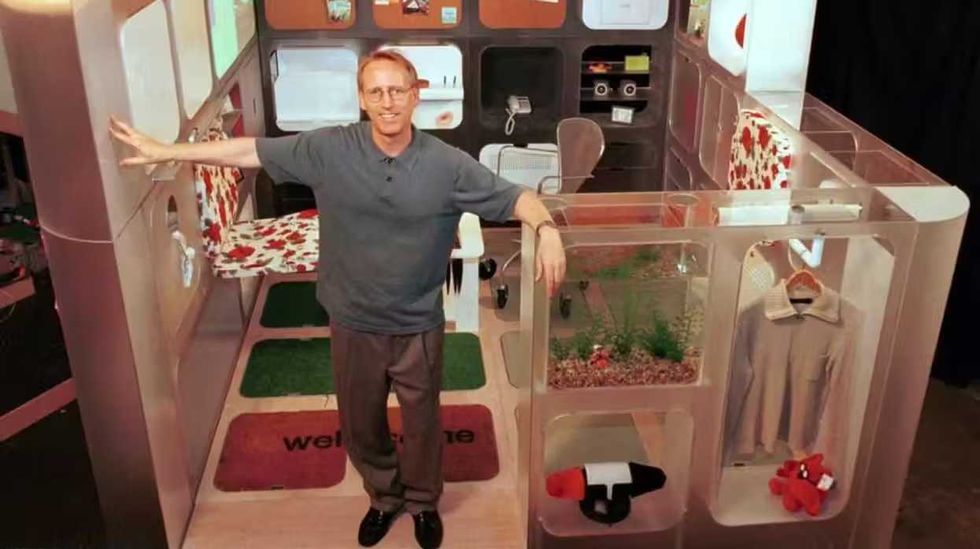 Photo by Bob Riha Jr./Getty Images
‘Love’ wins
So now, several years have passed, and I see this same phenomenon almost every night on my local news. Not necessarily seething hatred. But something similar. Specifically: the constant messaging that any conservative position, on any issue, is — of course — totally evil. And that the left is always morally correct.
That’s what I saw in the eyes of that local Fox reporter. A total lack of perspective. A soulless fanaticism. She was like a “hate robot” with one mission: the annihilation of people like me!
Unfortunately, this behavior is commonplace now. The division continues to get worse. I don’t know what the solution is, except to point out that hating people, at this intensity level, can’t be good for your health. If you’re hating and seething, you’re probably hurting yourself more than anyone else.
CRUDE AWAKENING: Canada’s pipeline paralysis fumbles American oil market

Canada has exactly the kind of oil the United States needs. But when it comes to investing in the infrastructure to move it, America’s ally to the north is beginning to look as risky — and as politically hostile — as Venezuela.
That, Dan McTeague of Canadians for Affordable Energy tells Align, reflects a perverse governing philosophy towards the country’s energy abundance: “keep it in the ground.”
Carney can talk about buying China’s ‘windmills and solar panels,’ or he can ask whether China wants to buy oil — ‘because we got a pipeline.’
Canada’s self-inflicted pipeline paralysis is eroding its position in the U.S. market just as alternatives like Venezuelan oil come back online.
Oil, oil everywhere
Nowhere is that risk clearer than in Alberta, home to the vast majority of Canada’s oil production, where years of stalled pipeline projects have left the country’s most valuable energy asset effectively landlocked.
Canadian oil is the same kind Venezuela produces: heavy crude, high in sulfur, and ideal for making diesel fuel. Most U.S. refineries are designed specifically to process this type of petroleum, which is essential not just for transportation, but for agriculture, mining, manufacturing, and national defense.
Alberta has long sought to build a pipeline to the West Coast, primarily to secure reliable, long-term access to the U.S. market — while also giving Canada leverage to reach other buyers if American demand weakens or politics intervenes.
That project remains stalled, despite Liberal Prime Minister Mark Carney — who has spent much of his career championing green energy and opposing pipelines — recently signing a memorandum of understanding with Alberta that is supposed to clear the way for construction. Alberta Premier Danielle Smith is now demanding that pipeline construction begin by fall 2026.
Carbon crunch
In practice, the MOU changes little. It grants no approvals, streamlines no federal reviews, resolves no indigenous or legal challenges, and commits no public capital. By tying any future pipeline to rising carbon tax and decarbonization requirements, it arguably worsens the investment case — leaving no private sponsor willing to move first.
While the United States remains Canada’s natural customer, a West Coast outlet still matters. It gives producers pricing power, optionality, and insurance against sudden policy shifts in Washington — precisely the kind now emerging as Venezuela re-enters the picture.
The question is who would build such a pipeline — and whether it could be completed before the United States turns to cheaper Venezuelan oil to fill the gap.
Venezuela of the north?
President Donald Trump has floated asking oil companies for $100 billion to build infrastructure in Venezuela capable of moving oil north. Exxon’s CEO rejected the idea, calling Venezuela “uninvestable” because of its history of asset seizures and nationalization. Trump, however, could choose to push the project forward with public funds.
McTeague — himself a former Liberal member of Parliament — says Canada has made itself similarly unattractive to investors. He argues that policy choices — not geology — are the problem.
Canada, he says, is “blessed with abundance of resources,” but has embraced a governing narrative that tells producers to “keep it in the ground.” He adds that few countries would treat their most important economic output that way.
That mindset, McTeague argues, has frightened off private capital and left Ottawa with little choice but to build a pipeline itself. It also raises the stakes of Carney’s upcoming trip to China — not as a pivot away from the U.S., but as leverage.
Tilting at windmills
When Carney arrives in Beijing, McTeague says, he faces a choice. He can talk about decarbonization and buying China’s “windmills and solar panels,” or he can ask whether China wants to buy oil — “because we got a pipeline.”
The point, McTeague stresses, is not that China should replace the United States as Canada’s primary customer, but that Canada needs credible alternatives if it wants to be taken seriously by either.
McTeague also criticizes the MOU’s requirement that the industrial carbon tax rise sharply in coming years, arguing that it “defies economics and the realities of the marketplace.” In his view, decarbonization mandates are irrelevant to investors deciding whether a pipeline is worth building.
Time, he warns, is running out. Federal debt continues to grow, and Canada’s fiscal credibility is beginning to erode. Without pipelines, he says, the country risks running out of economic runway.
RELATED: The truth behind Trump’s Venezuela plan: It’s not about Maduro at all
 Chip Somodevilla/Getty Images
Over a barrel
McTeague also disputes the claim that the United States is energy-independent. While America produces roughly 12 to 13 million barrels of oil per day, it consumes about 21 million — leaving it dependent on imports.
Canada’s value, he argues, lies not just in volume, but in the type of oil it produces. U.S. shale oil is well suited for gasoline, but not for diesel, which he calls the global workhorse of modern economies — critical to transportation, agriculture, industry, and defense.
That is precisely the fuel Venezuela is now offering, potentially at a lower cost than Canadian oil burdened by carbon taxes and regulatory constraints.
Canada now finds itself between a rock and a hard place: Venezuelan oil threatening to undercut U.S. demand for Alberta crude, plus the political and logistical reality of building a major pipeline through British Columbia — on a timetable that is rapidly running out.
In energy terms, Canada is doing the unthinkable: choosing to be bypassed.
Finally: Vaccine guidelines that make sense for parents
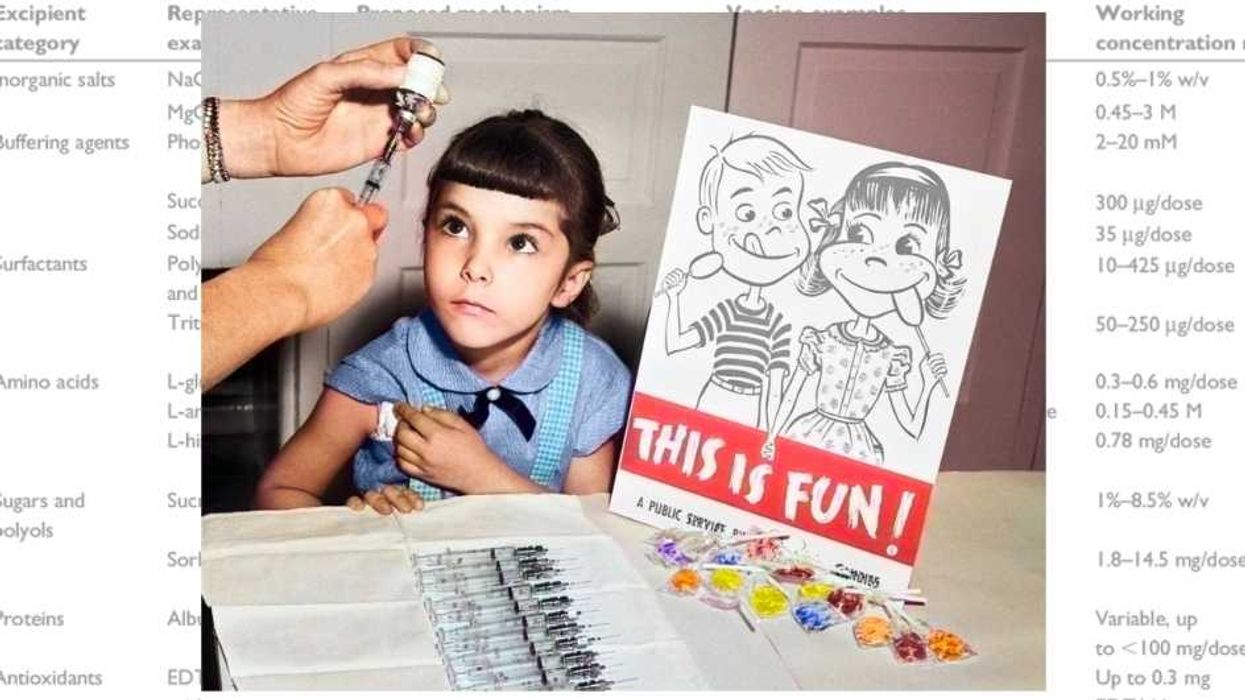
Filmmaker and mother Jessica Solce was frustrated by the difficulty of finding healthy, all-natural products for herself and her family. To make it easier, she created the Solarium, which curates trusted, third-party-tested foods, clothing, beauty products, and more — all free of seed oils, endocrine disruptors, carcinogens, and other harmful additives.
In this occasional column, she shares recommendations and research she has picked up during her ongoing education in health and wellness.
On Wednesday, the CDC moved six childhood vaccines out of the “recommended for all” schedule.
For those of us advocating for the right to oversee our own children’s health, it was a day we thought would never come. It is a moment of triumph, but also a reminder of the fear and pressure we have had to overcome.
When my child was just three days old, I was yelled at and expelled from a pediatrician’s office for simply asking about delayed vaccination.
I joined the fight in 2009, not long after becoming pregnant with my first child. My parents brought me up to question and test everything; as I prepared to become a parent myself, this tendency quickly found a new target: childhood vaccinations.
While many mothers-to-be were already signing their future babies up for preschools, summer camps, and Mandarin lessons, I was staying up at night immersed in research that challenged conventional wisdom about children’s health. In 2009, that kind of information was far harder to track down than it is today.
Mother lode
But track it down I did. That’s how I found the work of the Weston A. Price Foundation, as well as the writings of Dr. Lawrence Palevsky. I began reading with the intention of writing a kind of thesis paper — something rigorous enough to convince myself and honest enough to defend to my family.
At the time I encountered his work, Dr. Palevsky was not what most people would call “anti-vaccine.” He recommended delaying vaccination until age two, avoiding live-virus vaccines except for smallpox, spacing doses by six months, and administering only one vaccine at a time.
This seemed reasonable to me.
Brain drain
Why? [Checks 2009 notes.] Based on Dr. Palevsky’s work, I believed that vaccines could activate microglia — the brain’s specialized immune cells — and that closely spaced vaccinations might overstimulate this system during early brain development.
The most rapid period of brain development begins in the third trimester and continues through the first two years of life. Vaccinating children under two, according to this line of thinking, could increase the risk of neurological issues, asthma, allergies, autoimmune conditions, and chronic inflammation. By age two, the brain is roughly 80% developed, and the view then was that certain vaccines could be introduced very slowly after that point.
So I weighed risk and reward. With a healthy baby in my care, why would I take what I believed to be a neurological risk?
That was enough to harden my resolve. I armed myself for what became a 10-year battle in New York City.
Dr. Doomer
When my child was just three days old, I was yelled at and expelled from a pediatrician’s office for simply asking about delayed vaccination. I had printed multiple copies of my small “thesis paper,” like a diligent student, and in a moment of panic and adrenaline shoved them into office drawers as I held my newborn and was escorted out.
But the doctor’s tirade — invoking her intelligence, her own vaccinated children, and her authority as a physician, all while calling me an idiot — only strengthened my resolve. To me, it suggested someone constrained by her own choices, guilt, and lack of curiosity.
Even my father, a physician himself, was initially stunned when I began laying out my reasoning. But through heated debate, shared papers, and real discussion — the healthy kind — he eventually reflected on his own training and acknowledged that he had been taught to comply, not to question.
RELATED: Trump administration overhauls childhood vax schedule. Here’s the downsized version.
 Photo by Kevin Dietsch/Getty Images
Hold the formaldehyde
For anyone ready to do some research of their own, I recommend starting with the CDC’s Vaccine Excipient Summary, which lists the inactive ingredients contained in licensed vaccines. Perhaps you’ll ask yourself, as I did, whether you want substances like formaldehyde, aluminum phosphate, polysorbate 80, β-propiolactone, neomycin, and polymyxin B injected into your child’s developing body.
Once I began asking that question, it was impossible not to look at how vaccine policy had evolved. A major inflection point, in my view, came in 1986 with the passage of the National Childhood Vaccine Injury Act, which shielded vaccine manufacturers from direct liability and moved injury claims into a federal compensation system. After that, vaccine development accelerated.
Today I’m in a celebratory mood, despite how long it has taken to get here. I don’t regret the fight for a second; I only wish I had had more courage and stamina at times. Still, I rejoice in every freedom of choice returned to parents in the United States.
Let’s go, MAHA. Now do the EPA.
Chuck Colson: Nixon loyalist who found hope in true obedience

Long before he turned his life over to God, Chuck Colson burned with faith.
While working as an assistant to Massachusetts Senator Leverett Saltonstall (R), he met Richard Nixon — then vice president — and, by his own later admission, instantly became “a Nixon fanatic.” That loyalty, unwavering and severe, would become the defining feature of his life. It was also what made him so effective — and so dangerous.
For the first time in his adult life, Colson was forced to confront who he was without title, access, or leverage.
Hopelessly devoted
Colson’s devotion was not opportunistic. It was total. He believed loyalty was a virtue, even when it demanded cruelty. Years later, he would boast that he would “walk over my own grandmother” to re-elect Nixon. The line was meant to shock, but it also clarified something essential: Colson understood obedience as a moral good, independent of mercy or restraint. Colson was not a cynic pretending to believe. He was a believer who believed too much.
In Washington, that made him useful. He became the administration’s enforcer — a man willing to apply pressure, intimidate enemies, and blur lines. Politics, as Colson practiced it, was not persuasion. It was war. And war required soldiers willing to do what polite men would not.
Hatchet man
When Daniel Ellsberg leaked the Pentagon Papers, the government moved to prosecute him under the Espionage Act of 1917. For Colson, however, the embarrassment Ellsberg caused his mentor merited more than official retribution — it called for something more underhanded.
Colson’s instinct was not rebuttal but destruction: He supported efforts to smear Ellsberg as unstable and dangerous, a campaign that helped create the climate in which Nixon operatives burglarized Ellsberg’s psychiatrist’s office.
When Watergate collapsed the Nixon presidency, Colson collapsed with it. As legal consequences closed in, a friend pressed a copy of “Mere Christianity” into his hands and forced him to confront what power had allowed him to evade.
He pleaded guilty to obstruction of justice and became the first Nixon aide to get jail time. By then, the obedience he had given so freely had nowhere left to land.
Accustomed to command
Colson entered federal prison as a man accustomed to command. Early on, he braced himself for contempt from guards who knew who he was. Instead, one offered something worse: indifference — the unmistakable message that he was not special here and should act accordingly.
It was a small moment, but a decisive one. For the first time in his adult life, Colson was forced to confront who he was without title, access, or leverage. He was not feared or in control. He wasn’t even useful.
And so he began to learn a fundamental lesson of Christianity, one that power obscures: We are not self-sustaining. The first step toward obedience, Colson would later say, is realizing who you are when everything else is stripped away — and how dependent you are on grace you did not earn.
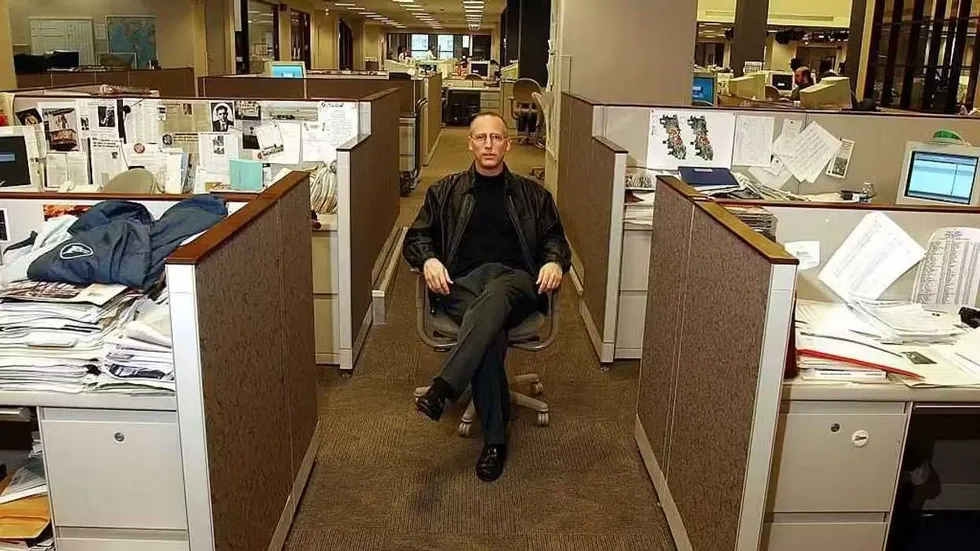 Scott Adams in 2002. Phil Velasquez/Chicago Tribune/Tribune News Service via Getty Images
Surprised by truth
After his release, Colson avoided the obvious paths. He did not rehabilitate his reputation through commentary. He did not return to politics as a chastened insider. Instead, he committed the remainder of his life to prisoners — men for whom dependence was not temporary.
“Christianity is not about becoming respectable,” Colson later said. “It is about becoming obedient.” Colson’s instinct for loyalty made him a quick study. But his newfound faith didn’t soften his nature as much as it reordered it toward something worthier.
To the end, Colson remained intense, structured, demanding, and — as those who doggedly proclaim the truth tend to be — dangerous.
FTC slams CarShield: $10M scam exposed
Most drivers don’t expect to hear from the federal government — unless something has gone very wrong.
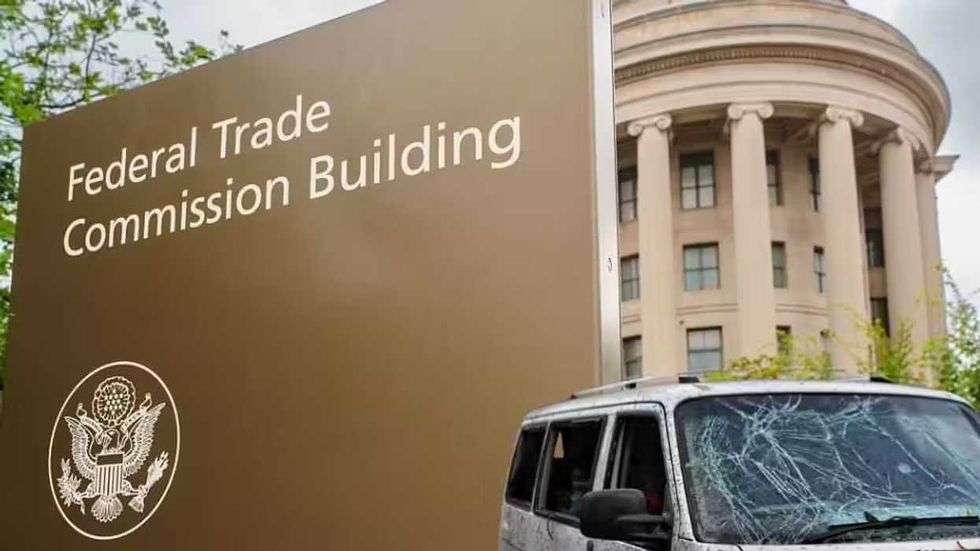
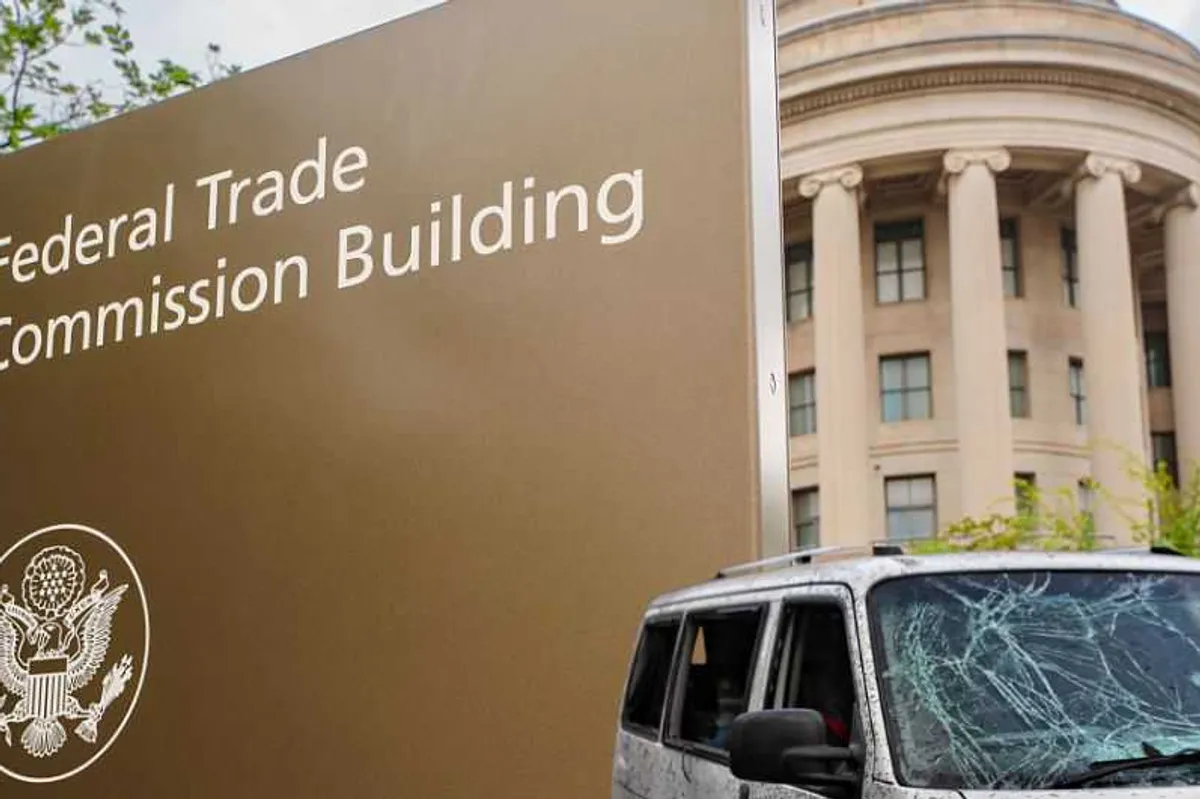
But this month, more than 168,000 Americans opened their mailboxes to find checks from the Federal Trade Commission, tied to a case that exposed widespread deception in the vehicle service contract industry.
The FTC’s action may be a turning point, signaling that regulators are paying close attention to misleading automotive advertising.
The fallout is significant: More than $9.6 million is being returned to consumers who were misled and often left paying for repairs they believed were covered by CarShield and American Auto Shield.
It’s one of the largest automotive-related refunds of the year — and it raises serious questions about how these companies operate, what consumers should watch for, and whether the settlement goes far enough.
Scam watch
After years investigating automotive scams and pushing for transparency, I can say this case highlights a deeper problem: service contract companies relying on aggressive marketing, inflated promises, and fine print that favors the seller.
In July 2024, CarShield and American Auto Shield — two of the most recognizable names in the extended warranty business — agreed to pay nearly $10 million to settle an FTC complaint. The allegations included misleading advertising, deceptive telemarketing, and coverage claims that didn’t match reality.
Many drivers believed they were buying protection for major repairs, sometimes paying up to $120 a month. When problems arose, they discovered that coverage often disappeared behind exclusions, denials, and carefully crafted contract language.
Cover story
According to the FTC, the companies advertised that virtually all repairs — or all repairs to “covered” systems — would be paid. Drivers were told they could use any repair shop and receive free rental cars during breakdowns. Instead, many were stuck with bills they thought they had avoided.
The FTC argued these claims persuaded consumers to buy service contracts that failed to deliver. Under the settlement, both companies must stop deceptive marketing practices and ensure that endorsements and testimonials reflect real, verifiable customer experiences — an important change given how central celebrity endorsements were to their advertising.
Checks and balances
Refunds are already under way. Checks have been mailed to 168,179 affected drivers and must be cashed within 90 days. No banking information or payment is required. Consumers with questions are directed to the refund administrator or the FTC’s website.
This action is part of a broader FTC push to hold companies accountable in industries where consumers are easily confused or misled. In 2024 alone, FTC enforcement returned more than $339 million to consumers nationwide. Automotive issues remain a major focus because unexpected repair costs can quickly become a financial burden.
Vehicle service contracts — often sold as “extended warranties” — can be useful when offered clearly and honestly. Too often, however, consumers are sold peace of mind that turns into high monthly payments and denied claims, with exclusions overwhelming any real benefit.
RELATED: Ford just lost $20 billion on its EV investment
 Bloomberg/Getty Images
New scrutiny
The FTC’s move may signal a shift toward tougher oversight of automotive advertising. Whether it leads to broader industry reform remains to be seen, but companies using vague language and unrealistic promises are clearly facing more scrutiny.
Drivers deserve clear information and coverage that matches what is advertised. This case is a reminder to stay skeptical: If a deal sounds too good to be true, it probably is.
Bottom line: Big print gives, small print takes away. Read the contract carefully — because most of these deals simply aren’t worth it.
Diddy sent President Trump a letter, but he won’t be pardoned, POTUS reveals
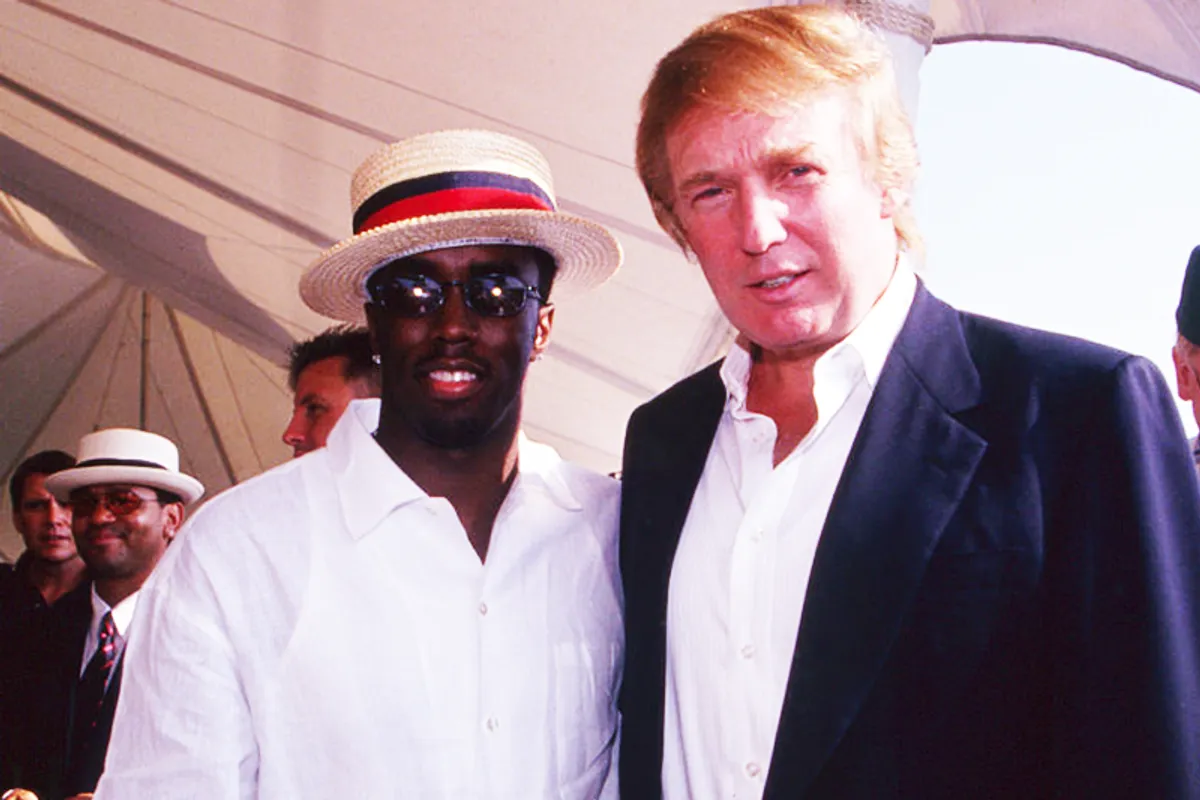
Despite a relationship spanning more than 20 years, President Donald Trump said he will not intervene in Sean “Diddy” Combs’ jail sentence.
Combs is currently serving a 50-month prison sentence after being charged for two counts of transportation to engage in prostitution in 2025.
‘I was very friendly with him. I got along with him great and seemed like a nice guy.’
After the president stated in October that Combs had asked him for a pardon, he recently confirmed to the New York Times that the request came in the form of a letter.
Pardon me
The two-hour interview with the Times serves as the first official confirmation that the letter to the president exists, with Trump allegedly saying he was willing to show it off to reporters, but ultimately did not.
Trump reportedly told the outlet that Combs “asked me for a pardon,” which was “through a letter,” but revealed he is not considering granting the request.
RELATED: Diddy’s Big Circus
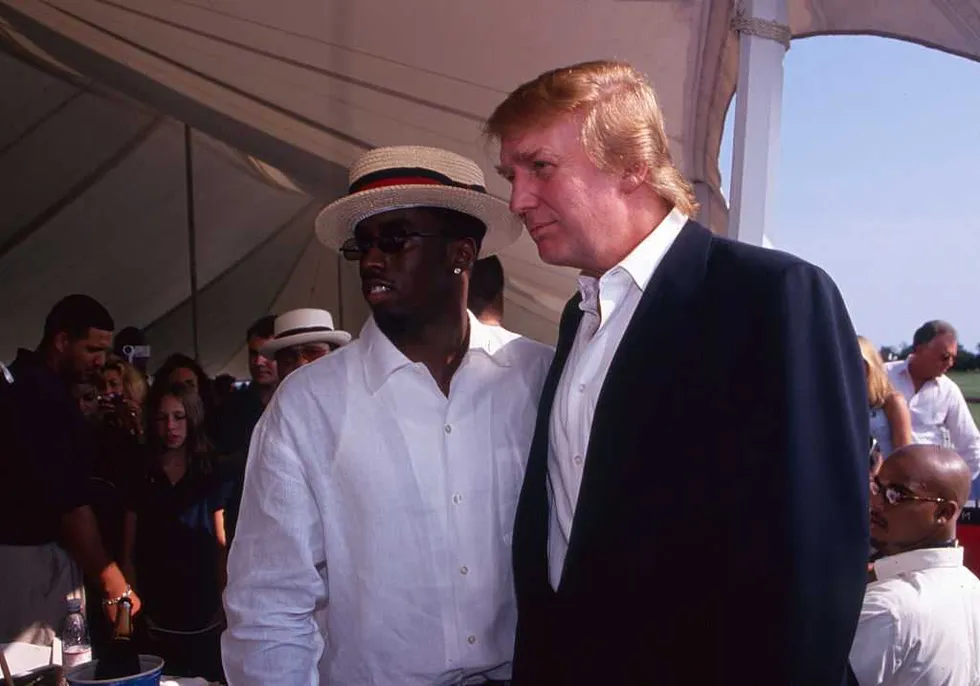 Photo by Sonia Moskowitz/Getty Images
“I have a lot of people [who] have asked me for pardons,” the president said in October. “I call him Puff Daddy, has asked me for a pardon,” he added, referring to one of Combs’ previous aliases as an artist.
Friendship ended?
As Blaze News reported, Trump told Newsmax in 2025 that the two had a prior relationship, but Diddy apparently made remarks that turned the president sour.
“I was very friendly with him. I got along with him great and seemed like a nice guy. I didn’t know him well. But when I ran for office, he was very hostile. And it’s hard. Like you, we’re human beings, and we don’t like to have things cloud our judgment. But when you knew someone and you were fine, and then you run for office and he made some terrible statements.”
“He was essentially, I guess, sort of half-innocent,” Trump included.
RELATED: 25 years later, the gaming console that caused so much chaos is still No. 1
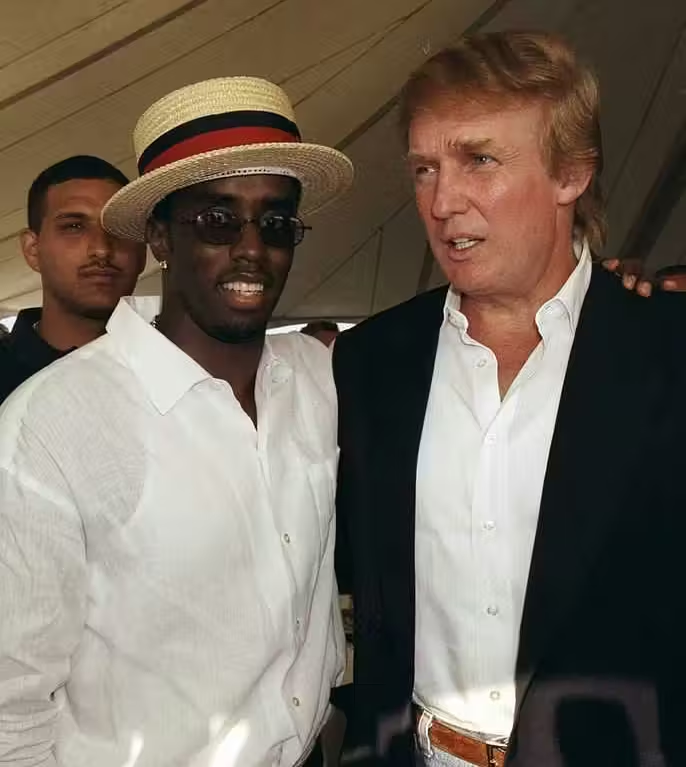 Photo by Richard Corkery/NY Daily News Archive via Getty Images
Combs over
Recently, Combs has asked an appeals court to overturn his convictions and release him from jail.
A report from the BBC said Diddy’s attorney made the argument that the producer was improperly sentenced and that his conduct was not criminal in nature.
In addition, photos have resurfaced of Trump and Combs standing side by side, appearing to get along in 1998. The photos were taken at the Mercedes-Benz Polo Challenge in Bridgehampton, Long Island.
Like Blaze News? Bypass the censors, sign up for our newsletters, and get stories like this direct to your inbox. Sign up here!
I joined a cult — and I’m not leaving

A few years ago, I went all in on CrossFit.
Not casually. Not “a couple of sessions a week.” I mean fully immersed. Dawn classes. Protein evangelism. Callused palms held up like merit badges. A vocabulary that slowly became unintelligible to my friends and family.
Effort has been engineered out of daily existence. The result isn’t ease but restlessness. So people voluntarily buy pain.
It worked, too. I got strong. Very strong. But eventually, the thing that had promised discipline started to feel devotional. The workouts were brutal, yes, but the culture grew insistent — about identity, about belonging, about the strange idea that redemption could be loaded onto a barbell.
I left CrossFit because it started to feel like a cult. Manson family vibes, minus the desert and the murders. It had a creed, but a shallow one: Pain conferred status, while rest felt vaguely shameful. And like most people who escape one intense, borderline insane tribe, I did the most predictable thing imaginable. I joined another.
Enter Hyrox.
20 miserable meters
If CrossFit thrives on variety, Hyrox runs on ritual. The same test. Every time. Everywhere. Eight one-kilometer runs, each broken by a workout station designed to sap dignity and drain glycogen in equal measure.
Sled pushes that turn legs to jelly. Burpee broad jumps that make grown adults negotiate with God. Farmer’s carries that compress your entire life into 20 miserable meters. Lunges, rowing, wall balls, the works. No mystery. No surprises. No excuses. You know exactly what’s coming. Which somehow makes it worse.
What began as a handful of lunatics in a warehouse now stretches from Boston to Brisbane. Americans, in particular, go absolutely gaga for this brand of glorified self-flogging. Last year, some 70,000 Americans lined up to compete in Hyrox races.
It’s measurable. It’s standardized. It has timing chips, age brackets, and leaderboards that humiliate you with forensic precision. And as a fully indoctrinated Hyroxer, I can’t pretend I’m above it. I get it.
Something primal
I’ve raced in the U.K., Ireland, and Thailand. Thailand, in particular, feels surreal. You’re preparing for an event designed to dismantle your nervous system while palm trees nod approvingly, someone hawks knockoff iPhones nearby, and ladyboys shout suggestive comments. And yet amid the madness, something primal asserts itself. Suffering, it turns out, is a universal language.
Hyrox isn’t “for everyone,” and it shouldn’t be sold that way. There’s a strange modern habit of presenting extreme physical challenges as all-purpose answers. As if every personal demon can be exorcised with sprints. For some people, this stuff is genuinely stabilizing. Structure helps. Training gives shape to days that might otherwise dissolve. Discipline can be a lifeline.
For others, though, it’s avoidance, plain and simple. I’ve met men and women who, without an outlet this intense, would almost certainly be annoying their lawyers or alarming psychiatrists. Not everything can be lifted, lunged, or rowed into submission. Eventually the joints revolt and the scoreboard stops flattering you.
Comfortably numb
The global popularity tells us something slightly uncomfortable about the moment we’re living in. Modern life is comfortable to the point of numbness. Effort has been engineered out of daily existence. The result isn’t ease but restlessness. So people voluntarily buy pain. They pay for race entries, overpriced shoes, and punishing workouts simply to feel alive again. Hyrox doesn’t negotiate. You run, or you don’t. You move the sled, or it doesn’t move. The feedback is immediate and unforgiving.
And it’s precisely that simplicity that has prompted the next, inevitable escalation: Olympic ambition.
Hyrox’s new Science Advisory Council, a small army of researchers from New Zealand, the U.K., and Europe, signals a sport that wants legitimacy. Standardization, data, physiology, performance analysis — the entire scientific kitchen sink has been thrown at the 2032 dream. On paper, it makes sense. The format is fixed. The judging is clean. The variables are controlled. If breakdancing can make it into the Olympic ecosystem, why not a race that looks like a PE teacher’s revenge fantasy?
Why not, indeed.
RELATED: Women can crush pull-ups too: 5 steps to doing your first
 Wundervisuals/Getty Images
Going mainstream
The Olympics have always been a little ridiculous. They celebrate niche obsessions elevated to national honor. People dedicate their lives to throwing things, jumping over things, sliding on ice in improbable positions. Hyrox fits right in. It’s absurd, yes, but so is speed-walking. So is synchronized swimming. Absurdity has never been a barrier to inclusion.
The more interesting question isn’t whether Hyrox deserves Olympic status. It’s what happens to a cult when it goes mainstream, when something built in warehouses and back alleys gets handed a global spotlight. Like an underground punk band suddenly piped through stadium speakers, intensity changes when scale takes over. What once thrived on proximity starts to lose its edge.
Whatever happens, I’ll line up again. Dublin. Bangkok. London. I’ve drunk the Kool-Aid, I know what’s in it, and I’m still reaching for another cup. There’s no exit interview. No recovery program. I’m not a philosopher. I just know that in a world drowning in opinions and moral lectures, it’s a relief to face a problem that can only be solved by putting one foot in front of the other, until you can’t.
Ford just lost $20 billion on its EV investment
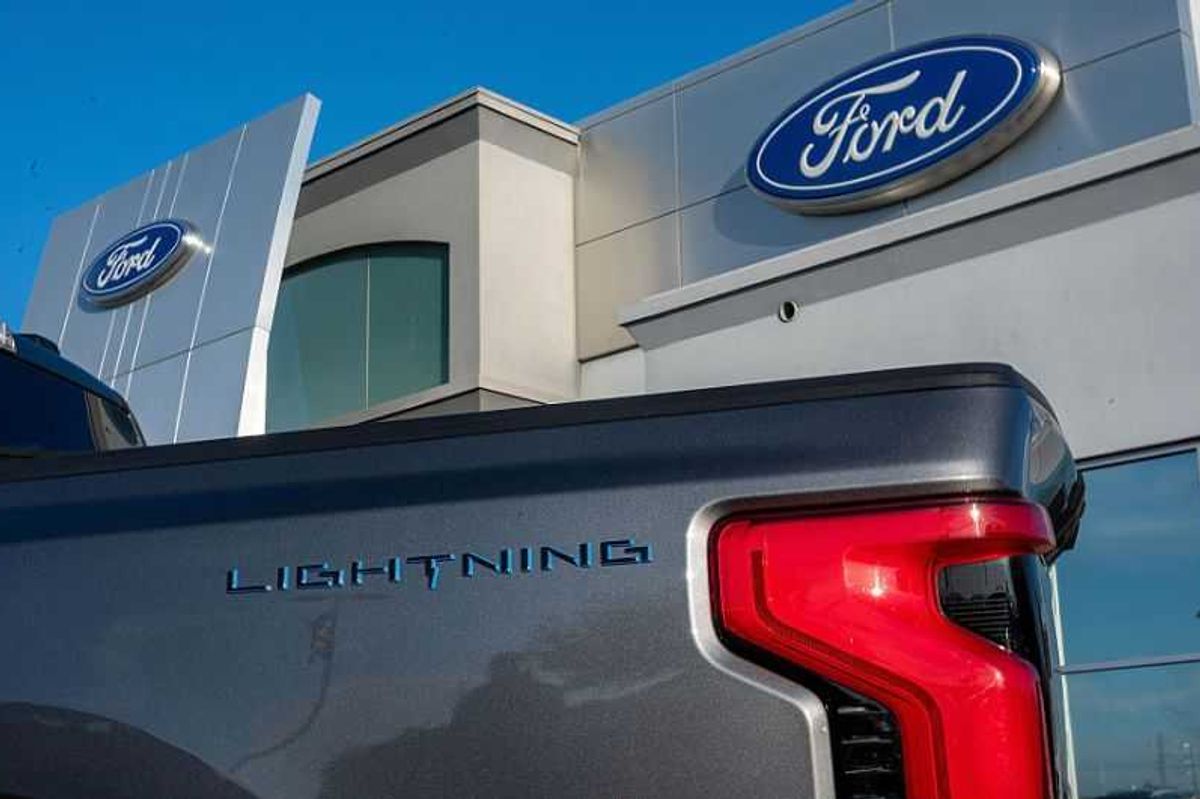
If you want a clear picture of where the American auto market is heading, don’t look at political speeches or glossy concept vehicles. Look at where manufacturers are spending — and writing off — real money.
Case in point: Ford’s $19.5 billion decision to abandon plans for a next-generation all-electric F-150.
Ford’s leadership is now openly saying what many in the industry have been signaling quietly: Customers are not moving in lockstep with regulatory timelines.
The company’s change of direction for its massive BlueOval City complex in Tennessee is one of the clearest signals yet that the industry’s all-electric future, at least as it was sold to consumers and investors, is being fundamentally rethought.
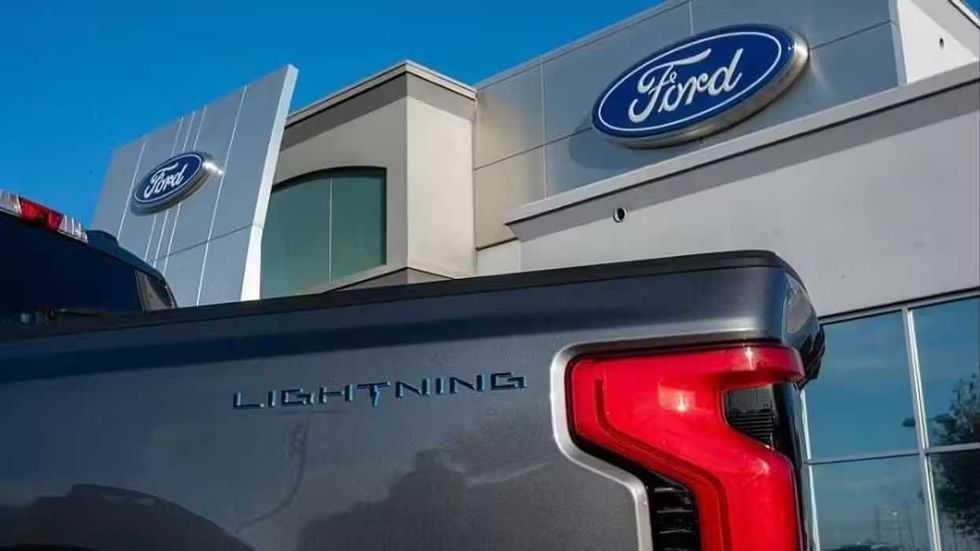
Instead of building a new electric F-150 Lightning there, Ford will pivot the facility toward producing lower-cost gasoline-powered trucks while shifting electric strategy toward hybrids, extended-range electric vehicles, and smaller EVs.
Demand in the driver’s seat
This move matters because Ford did not quietly slow production or delay a model year refresh. It wrote down billions of dollars in electric vehicle assets, restructured long-term plans, and publicly admitted that customer demand — not forecasts or incentives — is now driving decisions.
Ford expects roughly $19.5 billion in special charges tied to this pivot, most of which will hit in the fourth quarter, with an additional $5.5 billion in cash costs spread through 2027. Of that total, $8.5 billion represents EV asset write-downs. That is corporate language for investments that will not deliver the returns originally promised.
Yet Wall Street’s reaction was telling. Ford stock rose about 2% in after-hours trading following the announcement and remains up nearly 40% this year. Investors appear to see this not as failure, but as realism.
Sticker shock
The electric F-150 Lightning was once positioned as proof that electrification could conquer America’s best-selling vehicle segment. In theory, the idea made sense. In practice, the numbers never fully added up. High prices, heavy battery packs, range limitations under real-world towing conditions, and charging concerns narrowed the pool of potential buyers. Demand softened even as incentives increased.
Ford now plans to transition the Lightning into an extended-range electric vehicle, pairing an electric drivetrain with a gasoline-powered generator. This is not a retreat from electrification. It is an acknowledgment that pure battery-electric power trains do not yet meet the needs of a large portion of truck buyers.
Ford CEO Jim Farley framed the shift plainly. High-end EVs priced between $50,000 and $80,000 were not selling in sufficient volume. That reality is difficult to ignore when inventory sits on dealer lots and profit margins evaporate.
Hybrid vigor
At the same time, Ford is going all-in on hybrids, including plug-in hybrids, and reinvesting in its core strengths: trucks, SUVs, and commercial vehicles. This reflects a broader industry trend. Hybrids offer meaningful fuel economy improvements without requiring buyers to overhaul their driving habits or rely on charging infrastructure that remains inconsistent in many parts of the country.
Ford’s revised outlook projects that by 2030, about half of its global volume will come from hybrids, extended-range EVs, and fully electric vehicles combined. That is a significant increase from today, but it is far more balanced than earlier projections that leaned heavily toward full electrification.
Lightning rod
One of the more curious elements of Ford’s announcement is its plan to build a fully connected midsize electric pickup starting in 2027, based on a new low-cost “Universal EV Platform.” The company suggests this truck could start around $30,000, a figure that raises serious questions.
To put that claim into context, Ford’s Maverick Hybrid, which uses a small 1.1 kilowatt-hour battery, already approaches $30,000 in many configurations. A midsize EV pickup would likely require an 80 kilowatt-hour battery or more. Battery costs have declined, but not nearly enough to make that math easy — especially while maintaining margins.
Consumers will ultimately decide whether such a vehicle makes sense. Price, capability, range, and charging convenience will matter far more than marketing language. Automakers are learning, sometimes the hard way, that affordability cannot be willed into existence by press releases.
Batteries included
Ford’s restructuring also includes repurposing battery plants in Kentucky and Michigan for a new stationary energy storage business. This is a strategic move that acknowledges batteries may find more reliable profitability off the road than on it, particularly in data centers and grid stabilization applications where weight, charging time, and cold-weather performance are less critical concerns.
The broader lesson here is not that electric vehicles are disappearing. They are not. It is that the one-size-fits-all electrification narrative has collided with economic and consumer reality. Automakers were pushed, through regulation and incentives, to prioritize battery-electric vehicles at a pace the market could not fully absorb.
When policy environments change, as they recently have, manufacturers regain flexibility. Ford’s leadership is now openly saying what many in the industry have been signaling quietly: Customers are not moving in lockstep with regulatory timelines.
From a business standpoint, Ford is attempting to stabilize profitability. The company raised its adjusted earnings guidance for 2025 to about $7 billion, even as these restructuring charges weigh on net results. It is aiming for a path to profitability in its Model e EV division by 2029, with incremental improvements beginning in 2026.
That is a long runway, and it reflects how difficult it has been to make EVs profitable at scale. Traditional internal combustion and hybrid vehicles continue to subsidize electric losses across the industry. Ford is now being more transparent about that reality.
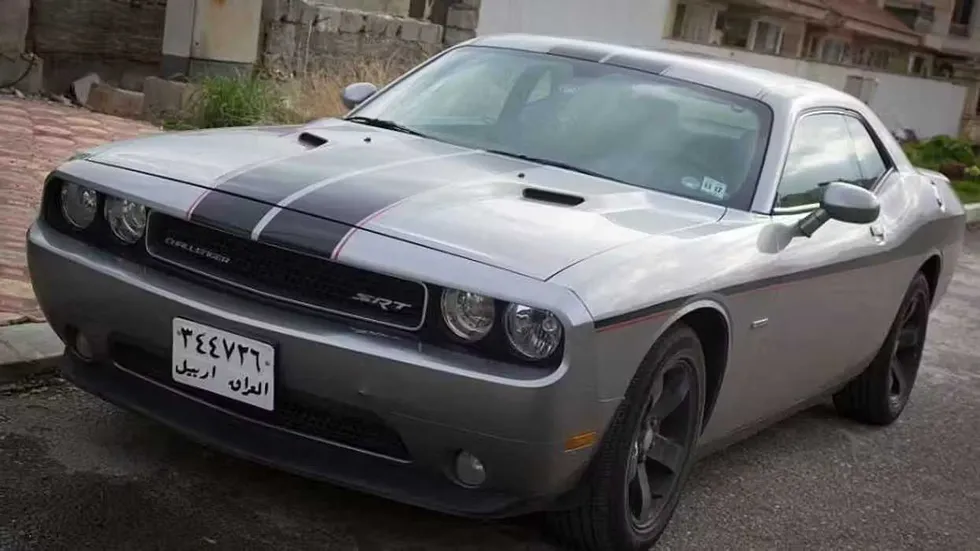
RELATED: American muscle-car culture is alive and well … in Dubai
 Matt Cardy/Getty Images
Turning radius
This shift also has implications for American manufacturing and jobs. BlueOval City was originally pitched as a cornerstone of the electric future. Its revised mission underscores how quickly industrial strategies can change when assumptions fail. Gasoline and hybrid trucks remain highly profitable, and demand for them remains strong.
Ford insists this is a customer-driven strategy, not a retreat. In many ways, that framing is accurate. Consumers have shown they value choice, reliability, and affordability more than power-train ideology. They want vehicles that fit their lives, not policy targets.
For buyers, this could be good news. A more balanced market tends to produce better products at more reasonable prices. Hybrids, extended-range EVs, and efficient gasoline vehicles all play a role in reducing fuel consumption without forcing trade-offs many drivers are unwilling to accept.
For investors, Ford’s announcement may mark a turning point toward discipline and realism. Writing down nearly $20 billion is painful, but continuing to chase unprofitable volume would be worse.
For the industry, the message is unmistakable. Electrification is evolving, not ending. But it will happen on consumer terms, not political timelines.
Ford’s course correction is not about abandoning the future. It is about surviving the present — and doing so with a clearer understanding of what American drivers are actually willing to buy.
The American car industry would be in a much stronger position today had its CEOs not embarked on the EV joy ride with politicians promising subsidies. Next time maybe the brands will listen to the customer.