

Category: Opinion & analysis
Government fraud meets its worst enemy: Some dude with a phone
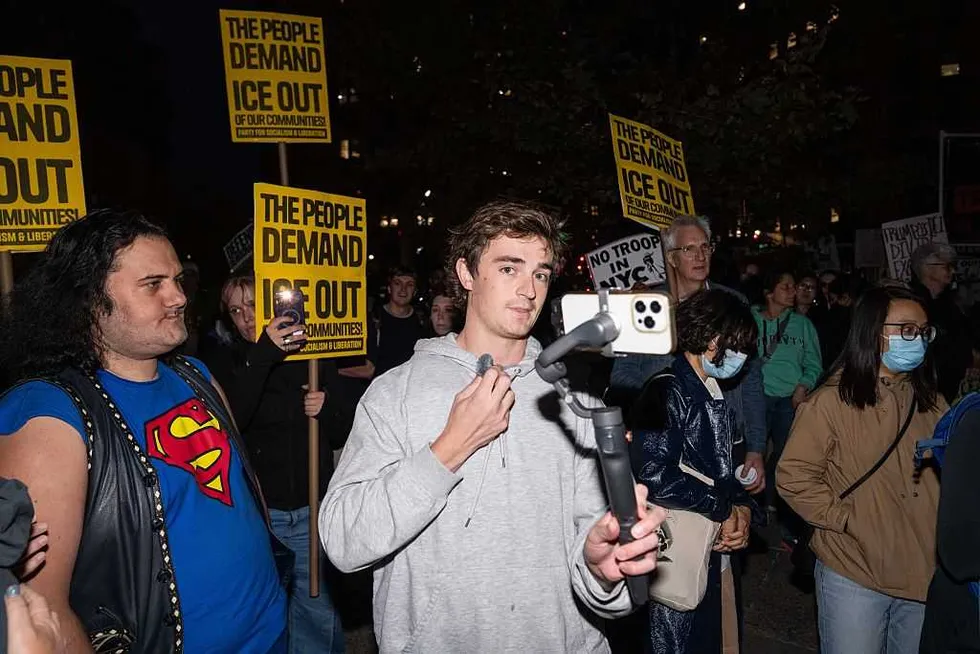
Nick Shirley knocked on doors. That was all it took to crack Minnesota’s multibillion-dollar fraud scandal — and expose the failure of the institutions that were supposed to catch it.
Shirley visited Somali-run “businesses” that had received millions in taxpayer funds. His videos showed locked doors, covered windows, and empty buildings where thriving operations were supposed to exist.
When institutions feel threatened, they usually try to personalize the fight. That approach won’t work here.
Within days, the footage racked up more than 100 million views on X alone, triggered a flood of federal scrutiny, and helped force a political reckoning in a state where warnings had gone ignored for years.
Legacy media outlets initially dismissed the story as a “conspiracy theory” — until they couldn’t. Gov. Tim Walz (D) went from defending the programs to demanding crackdowns almost overnight. Federal authorities surged additional personnel and resources into Minnesota. What had been treated as untouchable suddenly became unavoidable.
What happened in Minnesota matters. But what happens next matters more.
You are about to see hundreds — perhaps thousands — of Nick Shirley imitators flood social media. Exposing government waste and fraud is no longer just journalism; it is an incentive structure and a business model.
Independent investigators armed with public records, smartphones, and social platforms will fan out across the country, documenting the gap between what government pays for and what actually exists. And the establishment has no effective way to stop them.
The old playbook no longer works.
When institutions feel threatened, they usually try to personalize the fight. Discredit the messenger. Destroy the movement by targeting its most visible figure. We saw this strategy deployed against the DOGE by turning government efficiency into a culture war about Elon Musk.
That approach won’t work here.
You can’t sue a thousand kids with iPhones. You can’t “fact-check” an empty building that’s supposed to be full of children. Calling something “misinformation” loses its power when the door is locked, the windows are covered, and fraud indictments follow months later.
RELATED: Fraud thrived under Democrats’ no-questions-asked rule
 Photo by Stephen Maturen/Getty Images
What’s emerging isn’t a movement with a leader — it’s a decentralized ecosystem. Accountability no longer depends on a single newsroom or institution. It comes from a generation that has figured out that exposing corruption is vastly more rewarding than working a shift at Starbucks.
That should terrify every political leader who has relied on the assumption that no one is really watching.
A single viral video now generates more pressure than a year of congressional hearings. The Minnesota press corps had years to uncover what Shirley documented in an afternoon. They didn’t look — not because the evidence was hidden, but because looking wasn’t incentivized. Now it is.
This shift is part of the reason I created Rhetor, an AI-driven political strategy firm designed to track what people are actually saying and doing in real time. Using these tools, we’ve identified billions of dollars in questionable spending beyond Minnesota.
In New York City, for example, migrant-related spending is projected to reach $4.3 billion through 2027. Audits have flagged contractors billing the city for empty hotel rooms — charging $170 per night while paying hotels closer to $100 and pocketing the difference.
Chicago has paid at least $342 million to staffing firms charging $156 an hour for shelter workers. Illinois spent $2.5 billion in 2025 under emergency rules with minimal oversight.
These are not isolated incidents. They share the same ingredients as Minnesota’s scandal: emergency declarations, suspended procurement rules, inexperienced contractors, and little meaningful oversight.
And someone is going to knock on those doors too.
The old gatekeepers understand what this means — and they’re panicking. For decades, investigative journalism required institutional backing. Stories could be delayed, softened, or killed outright if they threatened the wrong people and interests.
That system is dead.
 Photo by Spencer Platt/Getty Images
The new investigative journalism runs on virality, not permission. The reporter is a 23-year-old with a ring light and a Substack. The editorial board is the algorithm. The feedback loop is brutal, immediate, and unforgiving. Get it wrong and the internet will tear you apart. Get it right and the story spreads faster than any newspaper ever could.
This isn’t replacing traditional journalism. It’s filling the void left when traditional journalism stopped doing its job.
Minnesota was the proof of concept. The data was public. The facilities were visitable. The fraud existed for years. Nobody looked — until looking became profitable.
Now it’s profitable everywhere.
The bureaucrats and contractors who built careers on the assumption that no one was watching are about to discover that everyone is. The politicians who treated emergency spending like free money are about to learn that the emergency is over — and the receipts are coming to light.
A generation that treats views like oxygen just learned that fraud is the best clickbait.
Good luck stopping that.
Global warming powered an empire that dwarfed the Vikings

Popular culture loves its image of Norsemen shivering in fur pelts, raiding British monasteries, and braving the icy North Atlantic. Yet while Vikings struggled to survive on the thawing margins of Greenland, a far richer and more formidable maritime power flourished thousands of miles away in the tropical warmth of southern India.
That power was the Chola Empire.
A modern golden age remains within reach — provided we do not cripple ourselves with fear of the very conditions that have so often underwritten human prosperity.
At its height between 985 and 1044 A.D., the Cholas projected force on a scale that made Viking longships look like backyard skirmishers. Their ships were technological marvels — floating fortresses capable of transporting cavalry, infantry, and weeks of provisions across vast distances.
The Cholas mounted a major naval expedition against the Srivijaya Empire, a dominant maritime power based in what is now Indonesia and the Malay Peninsula. This was an amphibious assault conducted thousands of miles from home ports, a logistical achievement comparable to modern naval operations. The Cholas toppled rulers, secured the vital Malacca Strait, and guaranteed safe passage for merchant guilds trading from the Middle East to China.
On land, they maintained a standing army that included thousands of war elephants.
Their wealth also found expression in stone. The Great Living Chola Temples — now recognized as UNESCO World Heritage sites — stretch across southern India and neighboring islands. Built without modern machinery, these monumental structures relied on elephants to haul massive stones from distances of up to 60 miles.
Chola society possessed abundant labor, food, and wealth. The question is why.
What enabled a civilization to generate the immense caloric and economic surplus required to build stone monuments and launch armadas across the Indian Ocean? A large part of the answer lies in climate — specifically, global warming.
The rise of the Chola Empire coincided with the Medieval Warm Period, which lasted roughly from 900 to 1300 A.D. This relationship between warmth and human flourishing is inconvenient for the modern climate-industrial narrative, which treats rising temperatures as an unqualified catastrophe.
Warmth strengthens tropical monsoons, the lifeblood of agrarian economies like the Cholas’. Recent scientific research confirms that fluctuations in the Indian summer monsoon shaped agricultural output and the rise and fall of major dynasties. Indian civilization flourished during the Roman Warm Period, fractured during the Dark Ages Cold Period, and reached new heights under the Cholas during the Medieval Warm Period.
The Chola Empire was sustained by the very kind of warming modern activists describe as an “existential threat.”
RELATED: ‘Green Antoinettes’ live large, preach small
 ajijchan via iStock/Getty Images
In the Cauvery Delta — the empire’s heartland — this favorable climate transformed the region into the “Rice Bowl of the South.” Three harvests a year became common. Granaries overflowed. Revenues surged.
That surplus freed labor from subsistence farming and redirected it toward imperial ambition. Chola trade guilds thrived, exporting textiles, spices, and grain to the Chinese Song Dynasty — another civilization that prospered during this warm epoch.
Today, we find ourselves in another warming phase, emerging from the depths of the Little Ice Age that ended in the mid-19th century. Global crop yields have repeatedly reached record highs. India has re-emerged as a major grain exporter. The planet is experiencing a measurable “greening” effect as higher atmospheric carbon dioxide levels fertilize plants and warmer temperatures expand cultivable land.
Yet, we are told to feel guilty.
Coal, oil, and natural gas — fuels that protect humanity from the elements and power modern economies — are vilified. Environmental extremists implicitly argue for a colder world, despite the historical record showing that colder periods brought famine, disease, and social collapse.
The Chola Empire stands as a reminder of what human ingenuity can achieve when the climate cooperates. Its ships sailed on prosperity sustained by warmth. Its temples rose from a society rich in calories and confidence. Its civilization commanded respect across continents.
We face a similar opportunity today. A modern golden age remains within reach — provided we do not cripple ourselves with fear of the very conditions that have so often underwritten human prosperity.
Fraud thrived under Democrats’ no-questions-asked rule
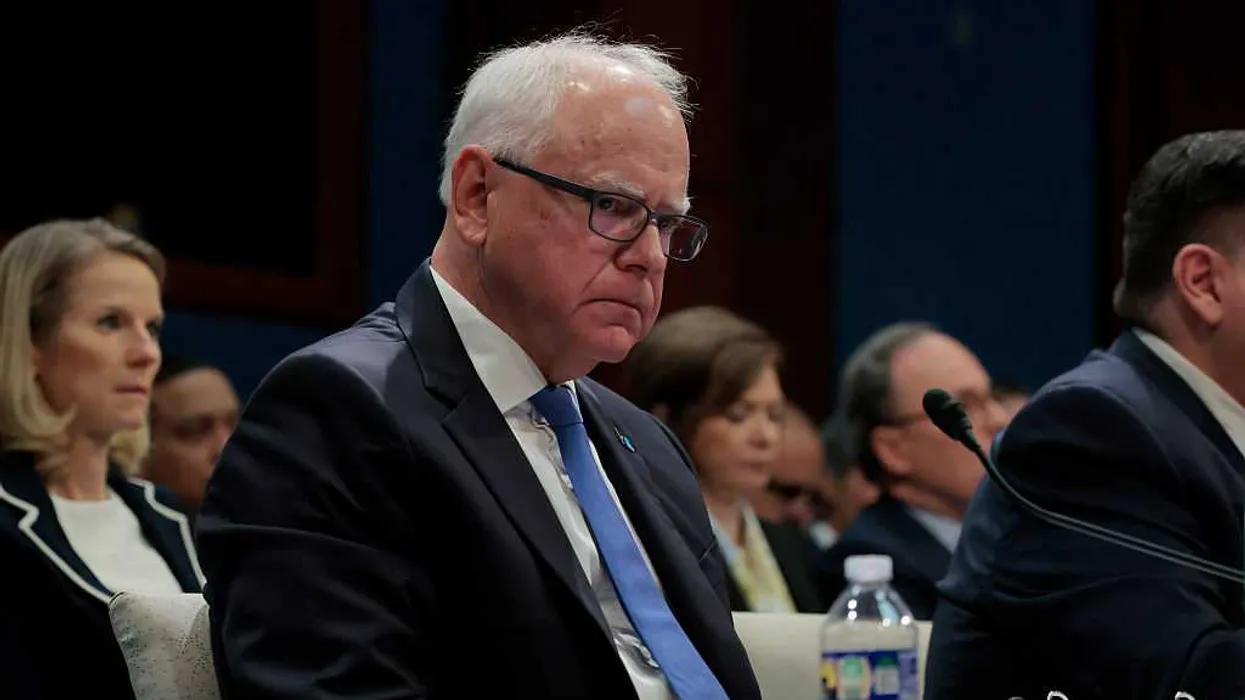
Democrats bear clear responsibility for Minnesota’s spiraling federal program payment scandal. Either they failed to conduct meaningful oversight of billions in public funds over many years — or they conducted none at all. Their early response to the scandal explains why: They subjected its perpetrators to an unconscionably low standard of scrutiny.
What began as a fraud investigation into federal programs meant to feed poor children has expanded rapidly. During the pandemic, a nonprofit called Feeding Our Future became the centerpiece of what federal prosecutors described as the largest COVID-era fraud scheme, involving roughly $300 million. That scandal soon widened to include fraud in autism services and housing programs. Now investigators allege that day-care centers billed taxpayers for caring for nonexistent children — one facility even displaying signage with a misspelling of “learning.”
No criminal enterprise of this size and duration emerges unless its participants believe they will not face consequences. Democrats let the fraud happen.
As revelations mount, consequences follow. Former vice presidential nominee Tim Walz abruptly abandoned his bid for a third term as Minnesota’s governor. Yet nothing suggests the full scope of the scandal has come into view, either geographically or financially.
The estimated cost continues to climb. Last summer, a federal prosecutor put the total at more than $1 billion. Just last month, First Assistant U.S. Attorney Joe Thompson warned the figure could reach $9 billion — and that estimate covers only the schemes already uncovered. As trials proceed, new defendants emerge, and plea deals surface, the total is likely to rise farther.
Instead of demanding answers, Democrats rushed to deflect scrutiny. In Seattle, newly elected mayor and self-described democratic socialist Katie Wilson inserted herself into the controversy by issuing a statement “on the harassment of Somali childcare providers” and posting a hotline number for alleged “hate crime” victims — before any comparable fraud investigation had even begun.
Minnesota Democrats adopted the same playbook. They framed oversight itself as “racism,” attempting to shut down inquiry by exaggeratedly embracing the broader Somali community from which many of the fraudsters came. That rhetorical move does more harm than good. It links an entire community to criminal activity — something Democrats appear not to mind if it shields them politically.
Lt. Gov. Peggy Flanagan illustrated the tactic in a video statement delivered while wearing a hijab: “I am incredibly clear that the Somali community is part of the fabric of the state of Minnesota.” Flanagan, notably, is also running for the U.S. Senate in 2026.
The symbolism revealed more than intended. Democrats did not merely treat the Somali community as “part of the fabric” of Minnesota. They treated fraud perpetrators as apart from the fabric — exempt from scrutiny, audits, and accountability.
RELATED: ‘More corrupt than Minnesota’: Trump mocks Newsom after launching California fraud investigation
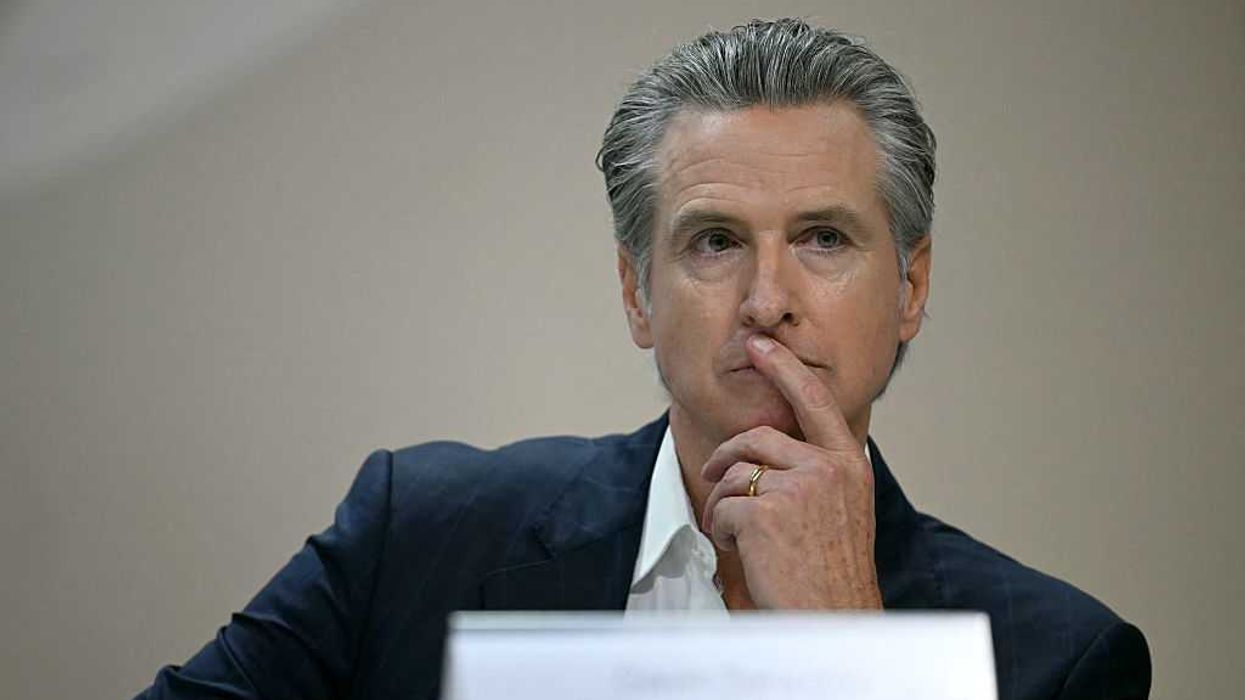 Photo by MAURO PIMENTEL/AFP via Getty Images
Local reporting points to warning signs stretching back more than a decade. Yet Democrats allowed massive federal programs to operate under standards so lax that fraud flourished unchecked.
Despite their rhetoric of inclusion, Democrats effectively segregated oversight itself. They refused to apply basic accountability to billions in taxpayer dollars. At minimum, that constitutes gross incompetence.
The underlying reality is simpler. Democrats let the fraud happen. Whether through neglect or willful blindness, they allowed these programs to operate without serious supervision while evidence of abuse accumulated.
Fraud on this scale does not persist without a sense of impunity. That impunity may have grown gradually through years of nonexistent audits and rubber-stamped claims. Or it may have been reinforced more explicitly. Either way, no criminal enterprise of this size and duration emerges unless its participants believe they will not face consequences.
The precise nature of Democrat culpability remains to be determined. Was it incompetence? A DEI mindset that discouraged scrutiny? Political quid pro quos? Tim Walz’s sudden exit from the governor’s race suggests that the answers may prove damaging.
What is already clear is this: Minnesota’s fraud scandal did not happen in spite of Democratic governance. It happened because of it.
The IRS can hit political violence where it hurts: Funding
Political violence in the United States no longer lives in the realm of theory. We are watching it unfold in real time. Assassination attempts, targeted harassment, and violent disruptions have become disturbingly common. The chaos at Berkeley in November offers a bracing reminder.
A majority of Americans now believe a political candidate will be assassinated within the next five years. We have already witnessed two assassination attempts against President Trump, the brutal murder of Charlie Kirk, and a foiled plot to kill Supreme Court Justice Brett Kavanaugh. Increasingly, this violence draws fuel from activist organizations that exploit tax-exempt status to advance their agendas through intimidation rather than debate.
If the government is serious about de-escalating political violence, it must lawfully deploy every available tool.
That exploitation must end. The federal government already has the tools to act. It should use them — starting with the IRS.
We cannot tolerate nonprofits mobilizing radicals under the banner of free speech while trampling the First Amendment rights of others. At Berkeley, activist groups operated as coordinated foot soldiers. One organization, “By Any Means Necessary,” lived up to its name. Protesters circulated flyers depicting Charlie Kirk’s assassination, labeled attendees “fascists,” and openly called for President Trump’s removal.
This is not debate. It is coercion.
Growing numbers of activists no longer seek persuasion but submission. Polling reflects the danger. Roughly one-third of Americans under 45 now say political violence is sometimes justified. Berkeley showed what that belief looks like when put into practice.
The moment demands a firm, whole-of-government response. As a former state criminal prosecutor and Senate chief of staff, I understand that crises require decisive action. Protecting citizens and enforcing the law are core functions of government. The time to act has arrived.
The first step toward dismantling the nonprofit infrastructure that enables political violence is straightforward: The IRS should revoke tax-exempt status from organizations that finance or coordinate violent activity. Cutting off these funding streams deprives radical networks of oxygen.
Critics will claim this amounts to political targeting. That claim collapses under scrutiny.
RELATED: Trump declared war on leftist domestic terror. The IRS didn’t get the memo.
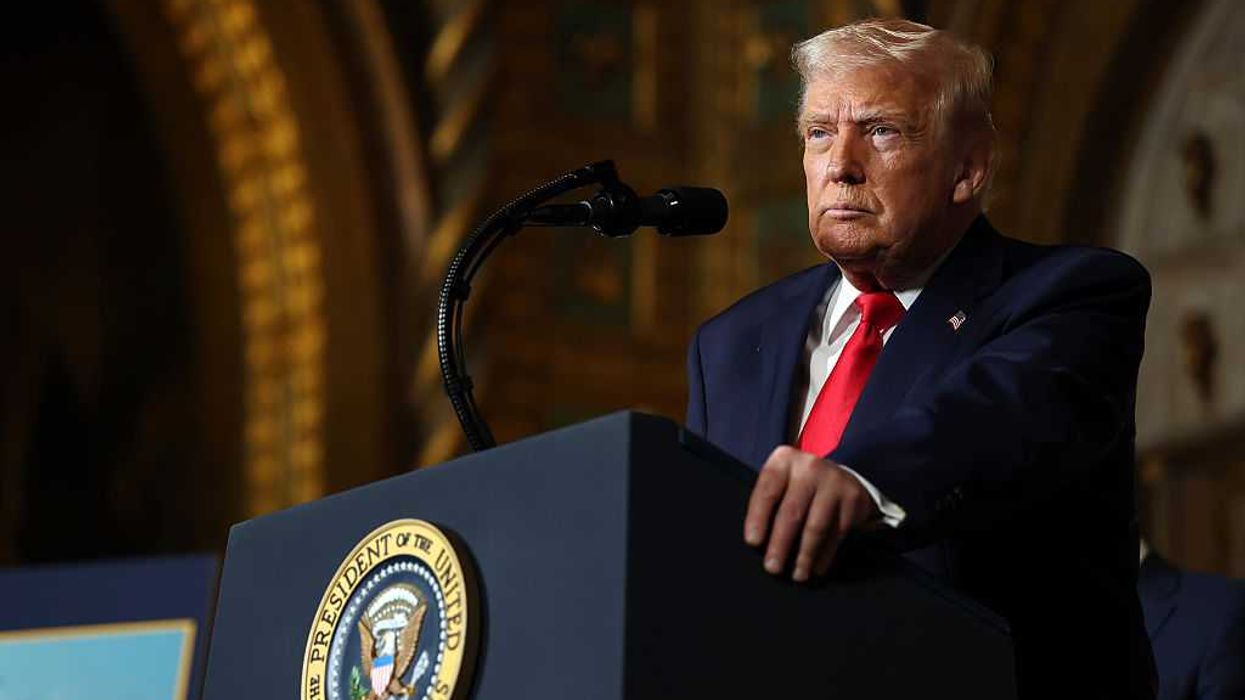 Photo by Tasos Katopodis/Getty Images
The real problem is that the IRS has lost focus. For years, the agency engaged in overt political targeting — scrutinizing conservative groups while leaving ideologically aligned organizations untouched. That imbalance allowed certain nonprofits to operate with near impunity while exploiting the protections of tax-exempt status.
Restoring evenhanded enforcement does not mean ignoring violations on the left. It means applying the law as written. The IRS has both the authority and the obligation to act when nonprofits facilitate violence. Looking the other way is not neutrality. It is abdication.
Consider Antifa, which has been designated a domestic terrorist organization yet continues to benefit indirectly from nonprofit support structures. That contradiction should not stand.
If the government is serious about de-escalating political violence, it must lawfully deploy every available tool. That includes the IRS. The assassination attempts against President Trump should have been a wake-up call. The murder of Charlie Kirk should have erased any remaining illusions.
Subversive actors are gaming the nonprofit system to tear the country apart — using tax-exempt dollars to silence, intimidate, and physically endanger those exercising their most basic constitutional rights.
We either enforce the law now, or we accept that the violence will escalate.
Trump is right: Netflix’s merger would create a woke media monster
Popular entertainment has always shaped the public mind in ways politicians can only envy.
Percy Bysshe Shelley once called poets the “unacknowledged legislators of the world.” The idea surfaces memorably in the 1984 Best Picture winner “Amadeus,” where Emperor Joseph II appears more invested in micromanaging Vienna’s opera scene than governing his empire.
Modern technology has magnified that cultural power. Today, many young Americans absorb more of their moral instruction from Netflix than from teachers, pastors, or even parents.
Now Netflix wants to expand that influence dramatically by acquiring Warner Bros. Discovery, a media conglomerate that includes HBO, DC Studios, and franchises such as “Harry Potter” and “Game of Thrones.” The combined entity would control roughly a third of the streaming market and wield unprecedented cultural power.
Democrats understand that politics flows downstream from culture. Allowing Netflix to absorb Warner Bros. would give that worldview control over even more cultural territory.
The scale of the proposed merger raised concerns even for President Donald Trump, who warned last month that it “could be a problem” and confirmed his administration would take an active role in reviewing the deal.
Given the stakes, the question is not abstract. How does Netflix use the power it already holds?
Consider the company’s recent headline-grabbing film, “Queen of Coal,” described as the story of “a trans woman who dreams of working the coal mines” and must battle a town defined by “superstition and patriarchy.”
Inspiring stuff.
Or recall Netflix’s 2020 release of “Cuties,” a French film centered on 11-year-old girls twerking. The filmmakers claimed the movie criticized the sexualization of children. Perhaps that was their intent. Netflix’s marketing department missed the point entirely, replacing the original poster with one featuring preteen actresses in sexualized poses. Public outrage followed, and Netflix eventually apologized.
After George Floyd’s death in 2020, Netflix declared on social media, “To be silent is to be complicit. Black lives matter,” and then set about race-swapping characters across its catalog.
Zoom out further. A report by Concerned Women for America found that nearly half of Netflix’s children’s programming pushes LGBT themes.
Taken together, the pattern is unmistakable. Netflix uses its platform to advance a radical progressive agenda, and scrutiny only confirms it.
The company’s internal culture reinforces the point. Even by Big Tech standards, Netflix skews sharply left. In 2020, 98% of its political donations went to Democrats, compared with 84% at Apple and 77% at Facebook.
CEO Reed Hastings, Netflix’s co-founder and longtime chief executive, donated $7 million in 2024 to a pro-Kamala Harris super PAC and $2 million to California’s redistricting effort last year. In 2017, Hastings told fellow billionaire Peter Thiel that his support for Trump reflected such “catastrophically bad judgment” that it called into question Thiel’s fitness to remain on Facebook’s board.
Hastings has made clear that conservative ideas do not merely deserve debate. In his view, they disqualify those who hold them from serious consideration.
Then comes the revolving door between Netflix and Democratic power.
RELATED: Netflix wants a monopoly on your mind
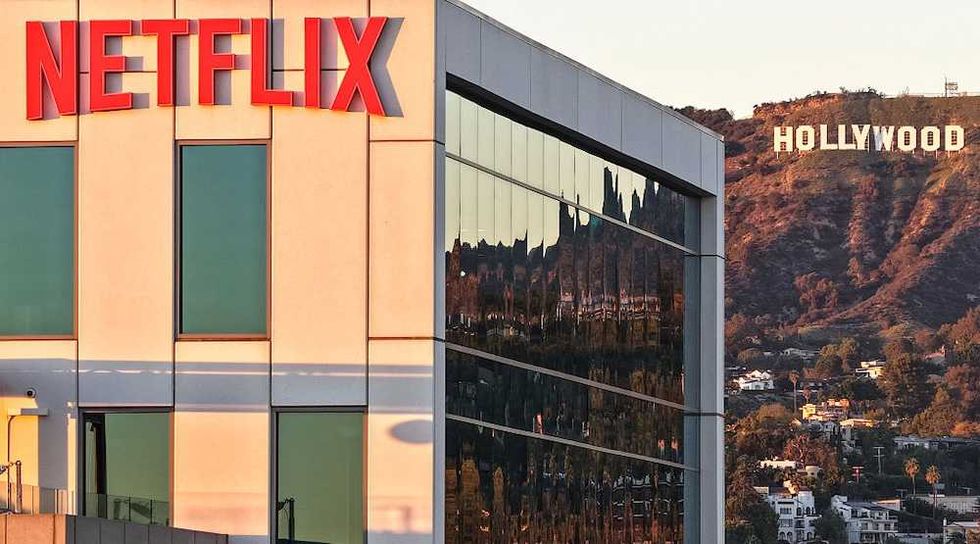 Photo by Mario Tama/Getty Images
In 2018, Netflix signed a deal with former President Barack Obama reportedly worth tens of millions of dollars. The results included a slate of progressive documentaries and an apocalypse thriller featuring the line, “Trust should not be doled out easily, especially to white people” — a sentiment both racist and badly written.
Susan Rice offers another example. After serving as Obama’s U.N. ambassador and national security adviser, she joined Netflix’s board during Trump’s first term, left to lead Biden’s Domestic Policy Council, and has now returned to the company.
Democrats understand that politics flows downstream from culture. Allowing Netflix to absorb Warner Bros. would give that worldview control over even more cultural territory.
President Trump has signaled that he understands what is at stake. He has warned that the $82.7 billion deal must undergo rigorous antitrust scrutiny.
As Rep. Darrell Issa (R-Calif.) noted, the merged company would exceed the 30% market-share threshold traditionally viewed as “presumptively problematic” under antitrust law.
But Trump’s concern goes deeper. As an entertainer himself, he grasps the importance of the arts. That understanding explains his hands-on approach to reforming the previously ultra-woke Kennedy Center. It explains his plan to commission 250 classical sculptures for a National Garden of American Heroes. It explains his appointment of Jon Voight, Mel Gibson, and Sylvester Stallone as special ambassadors to Hollywood.
And it explains why he should not allow Netflix to build a woke media monopoly capable of doing more long-term damage to the country than any single election cycle.
What investigators still haven’t asked about Minnesota’s fraud

The national spotlight has settled on the industrial-scale fraud uncovered in Minnesota, much of it linked to networks operating within the state’s Somali immigrant community. To date, coverage has focused on how operators allegedly diverted nearly $9 billion in public funds into shell businesses that existed largely to funnel money to friends and family through no-show jobs and inflated contracts.
That story matters. But it may not be the whole story.
Fraud at this scale almost never stands alone. Where investigators uncover massive deception, additional crimes often lie beneath the surface.
Most of the businesses implicated in the scheme presented themselves as child-care centers, autism service providers, and non-emergency medical transport companies. For readers unfamiliar with immigration enforcement, the reaction is straightforward: Criminals stole money intended for society’s most vulnerable.
For those who have spent decades working in immigration law and border security, a different question arises. Why build an end-to-end infrastructure of licensed service providers unless it served additional purposes?
Videos circulating online show many of these facilities sitting empty — unused day-cares, idle transport vans, and vacant offices. That does not prove the businesses were harmless.
In criminal investigations, fraud rarely exists in isolation. One axiom holds that following the money reveals the perpetrators. A second, less discussed rule also applies: Following the money backward often reveals additional crimes.
Illegal immigration provides a perfect example. The initial violation occurs when an alien enters unlawfully or makes false asylum claims. Additional offenses frequently follow: identity theft, illegal employment, fraudulent tax filings, and payments to smugglers to bring in relatives. Organized crime and terrorist groups have used similar layered fraud models for decades. Illicit revenue becomes seed money for broader criminal activity.
Despite the scale of the Minnesota fraud, little public attention has focused on whether these businesses were used for more than financial theft. There appears to be no comprehensive inquiry into whether any of the entities sponsored employment-based visas, concealed smuggled minors, facilitated labor trafficking, or enabled sex trafficking.
None of those allegations has been proven. But the structure of the alleged scheme bears an uncomfortable resemblance to the network of Health and Human Services contractors through which the Biden administration lost track of thousands of unaccompanied alien children.
According to a City Journal investigation, federal counterterrorism sources confirmed that millions of dollars from the Minnesota fraud flowed back to Somalia, where funds ultimately reached al-Shabaab, the al-Qaeda-affiliated terrorist organization. The report described Minnesota taxpayers as the group’s largest single funding source.
RELATED: Minnesota’s fraud scandal exposes a dangerously loose election system
 Photo by Andrew Harnik/Getty Images
If accurate, that finding raises a far more serious concern. Terrorist organizations do not stop at cash transfers when operational infrastructure is available. A network of licensed service providers — child-care centers, transportation companies, and health services — offers precisely the kind of cover such groups seek to move people, materials, and money discreetly inside the United States.
The full extent of al-Shabaab’s involvement remains unclear. Covert operations rarely reveal themselves all at once. They are built deliberately, in stages, with long timelines. Minnesota records suggest (and the explosion in Minnesota Democrat Rep. Ilhan Omar’s personal wealth seems to indicate) that much of the large-scale fraud linked to Somali-run entities accelerated over the past decade. That timeline raises the possibility that the scheme was still maturing when investigators uncovered it.
If so, authorities may have disrupted a funding and logistics pipeline before all layers of criminal activity were fully deployed.
One point remains undeniable: Where there’s smoke, there’s fire. Fraud at this scale almost never stands alone. Where investigators uncover massive deception, additional crimes often lie beneath the surface.
Federal authorities should pursue this case to its roots. That means examining every entity, every financial flow, and every operational link — not just to recover stolen funds, but to determine what else those structures were built to conceal.
10 predictions that could define 2026 — and upend expectations

Each January, I dust off the crystal ball and offer my top 10 predictions for the year ahead. If you want to see how last year’s fared, you can find them here.
Now, on to what I expect to see in 2026.
Trump rallies a demoralized base, but, barring a massive economic boom, history and opposition energy prevail.
1. China and the U.S. effectively swap Venezuela for Taiwan.
I predicted this weeks ago on Glenn Beck’s final Wednesday Night Special on Blaze TV, and the early contours are already visible following President Trump’s arrest of Venezuelan dictator Nicolás Maduro.
One of last year’s quieter stories involved China’s mounting unrest and economic instability. As Beijing grows more desperate, its pressure to resolve Taiwan increases. One way to avoid a world war over Taiwan involves a tacit bargain: The United States consolidates influence in its own hemisphere while China moves on Taiwan.
Venezuela holds the world’s largest crude oil reserves and has been sending nearly 80% of its exports to China. What America would lose in technology via Taiwan, it could gain in energy via Venezuela. Each superpower gains leverage, ideally enough to trade rather than fight. Regional hegemony comes first for both.
2. At least one sitting elected official claims communication with non-human intelligence.
The UFO/UAP psychological operation escalates in 2026. Steven Spielberg’s return with “Disclosure Day” only adds cultural fuel. The stage is set for someone “respectable” to come forward and give the narrative new legitimacy.
3. The Buffalo Bills defeat the Philadelphia Eagles in Super Bowl LX.
This season has defied prediction. With young and inexperienced teams dominating the standings, the door is open for a veteran squad to rev up. Josh Allen remains arguably the best football player on the planet. Why not Buffalo?
4. Christopher Nolan’s “The Odyssey” tops the box office.
An A-list director, an all-star cast, and a July release give Nolan’s adaptation a decisive edge over “Avengers: Doomsday,” which won’t arrive until Christmas. Add superhero fatigue and Marvel’s audience-alienating woke escapades, and the path clears.
5. Clarence Thomas or Samuel Alito retires.
Ideally both do.
This prediction will anger people I love and respect, but the future of the republic outweighs hurt feelings. Conservatives cannot afford a Ruth Bader Ginsburg-style miscalculation with hostile midterms looming.
6. Pam Bondi does not survive the year as attorney general.
Frankly, she should not have survived last year.
7. Trump’s foreign policy marginalizes the dissident right.
In 2025, figures such as Tucker Carlson, Candace Owens, and Nick Fuentes capitalized on anti-Zionist and anti-Semitic tropes, conspiracism, and the grievances of young men in desperate need of a dad and a direction.
That window narrows fast as Trump reasserts American power abroad. An “America Only (except Islam)” MAGA faction collapses once Trump himself acts aggressively on the world stage. It turns out that building a brand on hating Israel gets harder when Trump is the one moving the chess pieces.
Try growing an audience by calling Trump a schmuck anywhere outside BlueSky. Good luck.
RELATED: Trump’s agenda faces a midterm kill switch in 2026
 Douglas Rissing via iStock/Getty Images
8. The Trump administration blocks the Netflix-Warner Bros. merger.
Trump will not allow Netflix — the most ideologically aggressive streamer in the industry — to consolidate Apple-scale control over pop-culture IP.
9. Trump engineers a split midterm decision.
Trump will nationalize the midterms around his presidency and agenda, not congressional Republicans. He rallies a demoralized base, but, barring a massive economic boom, history and opposition energy prevail.
Republicans narrowly hold the Senate. Democrats narrowly flip the House.
10. We make this happen.

Six questions Trump and conservatives can no longer dodge in ’26
For conservatives, January 2025 felt like an auspicious moment to be alive. Donald Trump sat atop the world with a bully pulpit larger than any media outlet and the power to drive virtually any narrative he chose. Yet instead of using that power, we spent the year arguing over the power the GOP supposedly lacked.
Almost no legislation was passed. Many of the most transformational policies Trump enacted through executive action now sit mired in the courts.
Where is our Mamdani?
Fast-forward to January 2026. The economy looks grim. Democrats are crushing Republicans in special elections. It feels like a different universe.
Republicans tend to operate on a familiar two-year cycle. After a victory, the first year involves explaining why campaign promises cannot be fulfilled. The second year, ending in November elections, turns into defensive posturing: As disappointed as voters may be, they must remember that Democrats represent instant political death.
The implication stays constant. Voters must dutifully back the GOP, ignore the fact that Republicans currently hold power, and politely bypass the primary process out of fear of weakening resistance to Democrats.
As we enter the new year, we have reached the “rally around the GOP to stop the Democrats” phase of the cycle once again.
But reality intrudes. No matter how faithfully the base rallies, Republicans will likely lose in November because of the economy. Absent a dramatic national reset, Democrats will retake the House, probably with a substantial majority.
That makes the present moment decisive. With trifecta control still intact for now, Republicans must use what power they have to improve daily life, enact changes harder to undo, and reinforce red-state America so the coming blue wave does not obliterate the remaining red firewall.
Whether Republicans break free from their familiar cycle of election-failure theater comes down to the answers to these six questions.
1. Will the red firewall hold?
Republicans will likely lose the House and surrender residual power in battleground states such as Georgia and Arizona. Independents have abandoned the GOP, and that trend will accelerate as economic conditions worsen.
The question is whether Republicans will give their voters something worth turning out for. Base turnout alone will not flip purple territory, but it could stop the bleeding deep into red states and keep races such as the Iowa and Ohio governorships out of reach.
This past year made clear that Republicans are losing races they never should have had to defend. A deeper economic downturn would push that line even farther.
2. How toxic do AI data centers become — and will Republicans notice?
By the end of 2025, opposition to data centers surged across ideological lines. Communities worry about water use, power strain, housing values, and secondary effects.
Democrats have begun embracing that resistance as Trump elevates data centers and tech interests as pillars of his economic agenda. Will this issue fracture Republicans’ coalition or even force a break with Trump?
3. What will Republicans do with health care?
Democrats engineered a trap that forces Republicans to address health care, the single largest driver of deficits, inflation, and household pain.
Obamacare made unsubsidized insurance unaffordable for most Americans. Democrats then timed the expiration of expanded subsidies to land on Trump’s watch, ensuring that voters blame him rather than the law’s architects.
Anything Trump does — or refuses to do — will be pinned on him. That reality argues for pushing a genuinely free-market repeal-and-replace that lowers costs. History suggests that outcome remains unlikely. I’m not holding my breath, anyway.
4. Will Trump finally ignore a lawless court?
Could a powerless judge issue a ruling so egregious that it would prompt Trump to defy it at long last?
I am not holding my breath on that one, either.
RELATED: The courts are running the country — and Trump is letting it happen
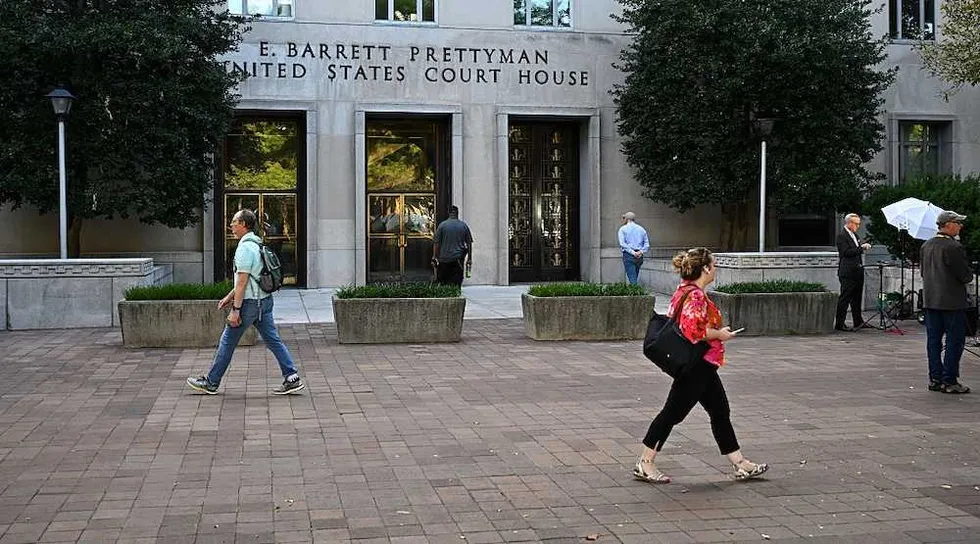 Photo by Graeme Sloan/Bloomberg via Getty Images
5. Will Trump clear the decks on his promises dating back to 2015?
Democrats will likely control one or both chambers for the remainder of Trump’s term. Regardless of strategy, they probably win the midterms.
That means Trump has nothing to lose by executing fully on his original agenda now. Immigration moratoria, judicial reform, welfare devolution, bans on the Council on American-Islamic Relations and Antifa — these changes should be forced through every “must-pass” bill available.
An all-out approach carries policy upside and political clarity.
6. Will Trump stop making bad primary endorsements?
This year’s primaries matter far more than the general election. They will determine whether red states have leaders willing to defend their prerogatives when Democrats reclaim federal power.
If Trump continues endorsing lackluster governors and candidates such as Byron Donalds in Florida, Greg Abbott in Texas, and Brad Little in Idaho, conservatives will have nowhere to retreat when figures like Zohran Mamdani dominate national politics.
RELATED: Trump’s agenda faces a midterm kill switch in 2026
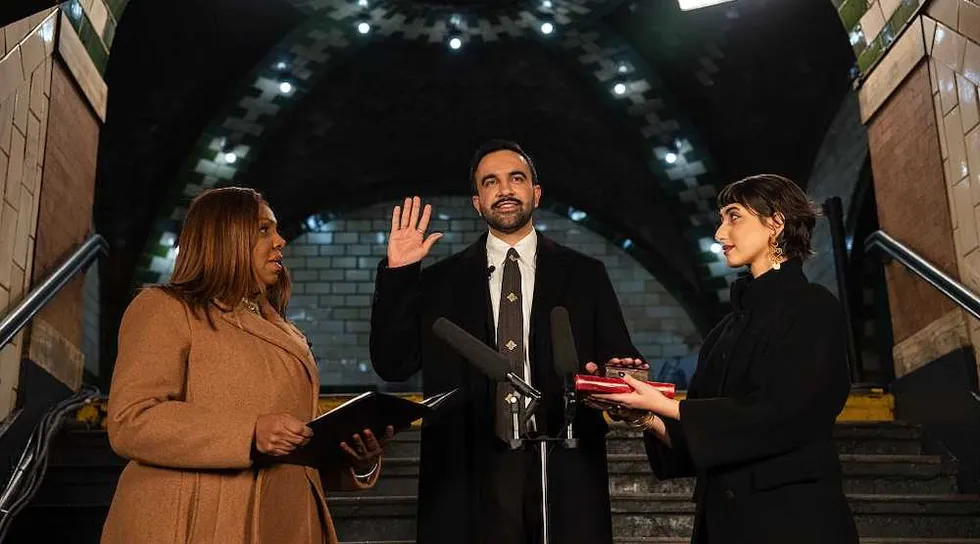 Photo by Amir Hamja-Pool/Getty Images
Mamdani’s takeover of New York and his appointment of Ramzi Kassem — a 9/11 al-Qaeda defense lawyer — as chief counsel drew outrage on the right. At his inauguration, Mamdani declared, “We’ll replace the frigidity of rugged individualism with the warmth of collectivism.”
Rather than merely lamenting how Marxists consolidate power in deep-blue America, conservatives should let that example ignite action where they actually govern. If the left can floor the gas pedal in its strongholds, why can’t we?
Where is our Mamdani?
This moment demands urgency. GOP power has become a “use it or lose it” proposition. Trump must finally become the right-wing disruptor his supporters were promised.
If he cannot — or will not — then Republicans deserve to go the way of the Whigs.
Minnesota’s fraud scandal exposes a dangerously loose election system
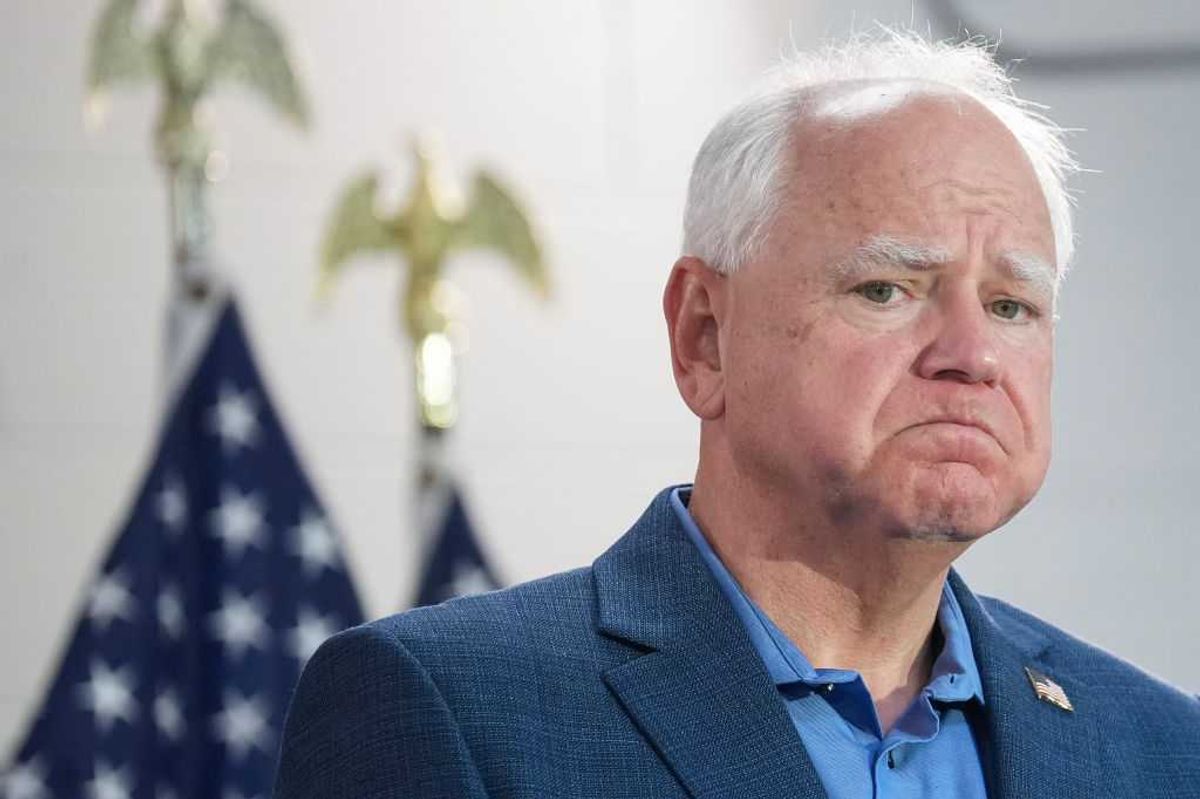
Fraud investigations are closing in on Minnesota Gov. Tim Walz (D), but the scandal reaches beyond any single official.
Minnesota’s election system itself now stands exposed, revealing vulnerabilities that undermine transparency and public confidence.
Election officials cannot plainly explain how the system blocks ineligible voting, and voters have every reason to doubt it.
Recent reporting has drawn renewed attention to just how permissive Minnesota’s election framework has become. The state allows voters to “vouch” for up to eight other individuals at the polls. That practice requires no voter identification and relies entirely on personal attestation. Even on its own, that policy raises serious concerns. Combined with broader governance failures and ongoing fraud investigations, it becomes a glaring liability.
Minnesota’s approach to immigration and identification compounds the problem. In 2023, Walz signed legislation allowing illegal aliens to obtain driver’s licenses.
In most states, such a policy would trigger heightened election safeguards to prevent misuse. Minnesota has no voter ID requirement at all, leaving a dangerous gap between immigration policy and election administration.
Supporters frame these policies as efforts to expand access and remove barriers to voting. But access without accountability produces disorder. Confidence in elections depends on clear rules governing eligibility, verification, and identification. Remove those guardrails, and public trust erodes.
Those vulnerabilities came into sharp focus during an October hearing of the Minnesota House Fraud Prevention and State Agency Oversight Policy Committee. On a recent episode of my “Election Protection Project Podcast,” I spoke with state Rep. Patti Anderson (R), the committee’s vice chairman, about her exchange with state Elections Director Paul Linnell.
Anderson repeatedly asked a basic question: Could illegal aliens use driver’s licenses issued under the Walz-signed law to vote?
Linnell refused to give a clear answer.
That exchange exposed Minnesota’s core problem. Election officials cannot plainly explain how the system blocks ineligible voting, and voters have every reason to doubt it. A system without basic safeguards can’t be trusted.
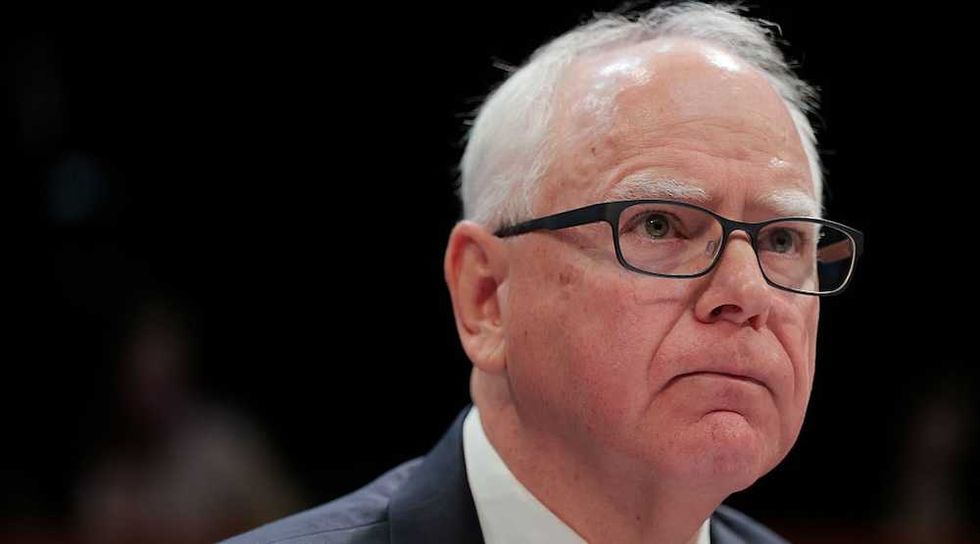 Photo by Anna Moneymaker/Getty Images
Moments like this expose the weakness of claims that voter ID is “unnecessary.” In 2023, Maine Secretary of State Shenna Bellows (D) opposed a bill requiring photo identification at the polls, arguing that identity is already verified during registration and that ID requirements could suppress turnout. Minnesota’s experience shows why that argument fails. Loose rules invite confusion, abuse, and doubt. Safeguards such as voter ID protect confidence rather than diminish it.
Americans understand this instinctively. A 2024 Pew Research Center survey found that 81% of U.S. adults support requiring voters to show government-issued photo identification, reflecting broad bipartisan support for common-sense safeguards. These measures help ensure that election outcomes remain credible.
Minnesota’s lack of safeguards is especially troubling as the state heads into a critical election year. Voters deserve assurance that their elections will be administered competently and that only eligible citizens can cast ballots.
Election integrity should never be treated as a partisan issue. It forms the foundation of self-government. Without clear rules, accountability, and transparency, the democratic process itself suffers. Minnesota still has the opportunity to restore trust by implementing voter ID and reinforcing citizenship requirements before voters return to the polls.
Why weight-loss drug prices finally fell — and who deserves credit

For decades, Americans heard the same justification for high drug prices. Pharmaceutical executives insisted those prices were unavoidable. Research costs required them. Innovation depended on them. The United States, as the world’s most open market, had to pay more than everyone else.
Then Eli Lilly cut the monthly price of one of its flagship weight-loss drugs, Zepbound.
If lower prices matter, then incentives matter more than bureaucracy. Competition and consumer access drive real change.
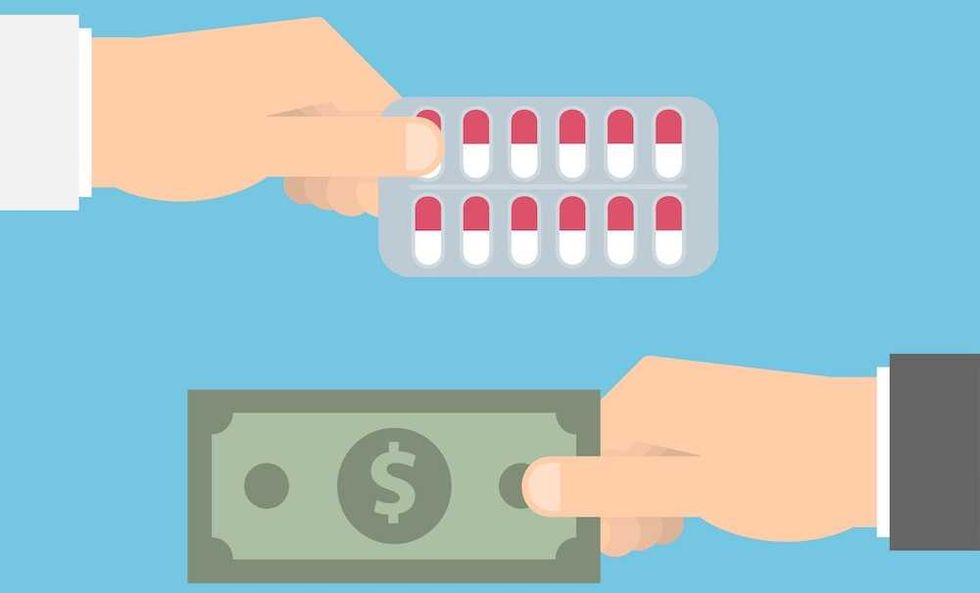
Nothing about the drug changed. No new scientific breakthrough appeared. The only thing that changed was competition. Once real pressure entered the market, Lilly found room in its pricing model that executives had long claimed did not exist.
The market responded quickly. Novo Nordisk, Lilly’s primary rival, lowered its prices soon after. This did not reflect a sudden gain in efficiency. It reflected fear of losing ground to a competitor.
That is how functioning markets work. When one major player moves, others adjust. The correction happens faster than any federal agency could hope to manage.
The irony is hard to miss. For years, the industry claimed margins were fixed and untouchable. Executives warned that any shift would damage shareholders and undermine global health. Yet the moment one company blinked, others followed. Consumers saw relief not because regulators intervened, but because competition exposed the old narrative as hollow.
Another force reinforced that shift. On Nov. 6, the White House announced a pricing agreement with major drug manufacturers scheduled to take effect in 2026. The agreement aims to narrow the gap between U.S. prices and those in other advanced economies and establishes a purchasing framework that makes reductions easier to implement.
That move marked a break from Washington’s habit of passively accepting industry talking points. The administration did not override the market. It amplified momentum competition had already created. Companies that once refused to consider cuts began to bend once the political cost of rigidity became clear. The announcement accelerated the trend, but competition started it.
A larger reality deserves attention. Major pharmaceutical companies have posted enormous profits for years. They have spent billions on stock buybacks and shareholder payouts while executive compensation soared. Market valuations across the sector reached historic highs. Lilly even became the first pharmaceutical company to surpass a trillion-dollar valuation.
Profit itself is not the problem. But competition forcing these firms to behave more like the quasi-utilities they resemble marks a welcome change from a system long treated as untouchable.
RELATED: The party that made life more expensive wants credit for noticing
 byemo via iStock/Getty Images
That system rests on a global arrangement in which Americans shoulder a disproportionate share of drug development costs. Wealthy nations negotiate prices or impose caps. The United States does not. The gap between what Americans pay and what others pay funds buybacks, dividends, and executive packages. Shareholders collect the upside.
The disparity speaks for itself. Drugs that cost hundreds of dollars overseas cost thousands here. The industry defended that gap by warning that research would collapse if prices fell. The current price cuts prove otherwise. Pipelines remain intact. Investment continues. Profitability holds. The model did not break when prices moved downward. It adjusted.
These developments expose a simple truth. Prices never reflected necessity. Incentives shaped them, reinforced by limited competition and political deference. Competition cracked open an inflexible model. The White House helped widen the opening.
Policymakers should learn from that sequence. If lower prices matter, then incentives matter more than bureaucracy. Competition and consumer access drive real change. The bloated regulatory machinery Washington favors often delays it. The market moved before Congress could even respond.
For Americans struggling to afford essential medication, that lesson matters most. Competition remains the strongest and most reliable force for bringing prices down.
It worked here. It can work again — if policymakers allow markets to function and pharmaceutical companies choose access over insulation.





